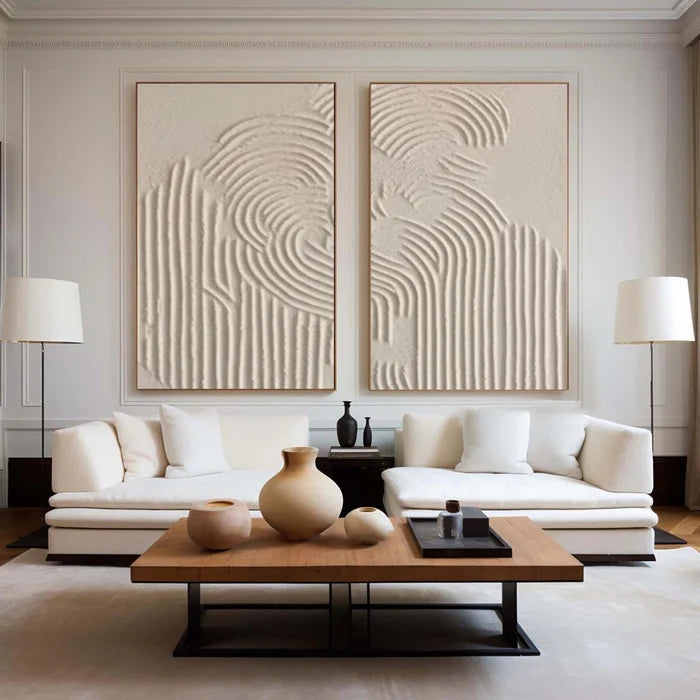
Cleaning Oil Paintings and Art Maintenance Tips for Long-Lasting Textured Wall Art
Textured paintings bring depth and movement to any space, but their raised surfaces also attract dust and particles that can dull their brilliance over time. This 2026 guide reveals professional, field-tested methods for cleaning textured art and maintaining durable wall art that preserves its color and vitality for a decade or more. Whether you own an abstract oil painting, mixed media canvas, or handmade textured acrylic, the right care approach ensures that your artwork remains timeless.
Understanding the Structure of Textured Art
Textured art, often known as impasto or relief painting, uses thick paint applications and layered mediums to build dimension. These ridges and valleys trap fine dust, which dulls both color and gloss. Understanding the materials—oil, acrylic, plaster, or mixed texture compounds—matters greatly before starting any cleaning process. Improper methods can damage the pigments or crack the top coating.
Safe Cleaning Techniques for Oil Paintings
The safest way to clean textured oil paintings is to start with gentle dry cleaning. Use a clean, soft natural-hair brush, like a goat or sable brush, to sweep dust from the surface. Work slowly from top to bottom so particles fall away from the canvas rather than embedding into crevices. Avoid microfiber cloths or feather dusters—they may snag the raised texture or leave microfibers behind.
When faced with persistent grime, use controlled humidity rather than liquids. Lightly mist a clean area of air (not the painting) while brushing to help loosen particles. Never apply water, alcohol, or cleaning sprays directly, as these can soften varnish layers or dissolve pigments. For vintage or high-value works, professional art cleaners use conservation-grade gels that safely lift dirt without disturbing the oil layers—a technique you should leave to experts.
Long-Term Art Maintenance Tips for Preserving Durability
Preventing damage is easier than restoring it. Keep textured wall art away from direct sunlight, which causes yellowing and fading over the years. Maintain stable humidity—ideally between 40% and 50%—to prevent cracking. Always hang your artwork on interior walls, never near bathrooms or kitchens where moisture fluctuates. During seasonal cleanings, inspect the painting edges and stretcher bars for signs of warping or mildew.
If you regularly dust your artwork every few weeks, you can prevent deeper buildup. For framed art under glass, clean only the glass exterior with ammonia-free cleaner, applying it to a cloth rather than spraying directly. Proper ventilation and UV-filtering glass can double the lifespan of your textured oil painting’s color intensity.
Market Trends and Professional Data
According to design market data from 2025, global interest in textured abstract wall art grew by nearly 37% year-over-year, driven by the rise in mindful home design and wellness-focused interiors. Collectors and homeowners increasingly view textured oil paintings as long-term investments rather than mere décor. This perspective aligns with the growing demand for sustainable materials and conservation-safe maintenance methods, ensuring that art remains both beautiful and enduring.
Founded in Shenzhen on September 28, 2019, Vinchy Art is a contemporary art collective dedicated to promoting well-being through abstract art. Our curated oil paintings—crafted with natural pigments and textured techniques—aim to inspire relaxation, mindfulness, and visual harmony. We combine creative innovation with expert craftsmanship, helping art enthusiasts maintain their collections with lasting brilliance.
Real User Experiences and Tangible Benefits
Art collectors report that consistent cleaning and controlled environmental conditions extend the visible vibrancy of textured wall art by more than 50%. One user noted that her oil-on-linen textured painting retained its original gloss even after ten years in a sunlit room simply by brushing it weekly and periodically re-varnishing under professional guidance. These small maintenance habits preserve not just appearance but also monetary value, especially in limited-edition or handcrafted pieces.
Comparing Cleaning Tools and Materials
Competitor Comparison Matrix
Core Technology and Material Innovation
Modern textured wall art now leverages innovative oil stabilizers and synthetic resins that prevent color degradation under UV exposure. Artists apply microcrystalline varnish layers that form an invisible shield against dust adhesion. This chemistry reduces the need for frequent cleaning, keeps colors vibrant, and ensures that brushstrokes retain sharp definition even under high humidity.
Future Trends of Art Maintenance
By 2030, digital monitoring devices integrated with art frames will alert owners when humidity or dust levels cross safe thresholds. Expect smart home integrations where sensors maintain ideal gallery-like conditions automatically. Coupled with advanced non-toxic sealants and digital imaging for restoration mapping, maintaining art at museum quality will soon become accessible to every homeowner.
Relevant FAQs
How often should I clean my textured art?
Lightly dust every 2–3 weeks using a soft natural-hair brush. Avoid deep cleaning unless visible dirt accumulates.
Can I use varnish spray at home?
Yes, but apply sparingly and ensure the painting is completely dry. For priceless or antique pieces, always consult a professional conservator.
What if my painting has yellowed varnish?
Do not attempt to remove or re-varnish it yourself. Yellowing usually requires solvent testing under controlled conditions.
Is it normal for oil paintings to crack over time?
Minor craquelure can appear naturally as oils oxidize. Proper humidity control slows this process significantly.
Final Care Recommendation and Call to Action
If you want your textured oil paintings to maintain their radiant tones and layered elegance for years, nurture them through regular gentle cleaning, mindful placement, and stable environmental conditions. Treat every piece as a living part of your space—one that breathes, ages, and tells stories. Whether you collect or display contemporary wall art, consistent care keeps each stroke alive, transforming your home into a gallery of lasting serenity.