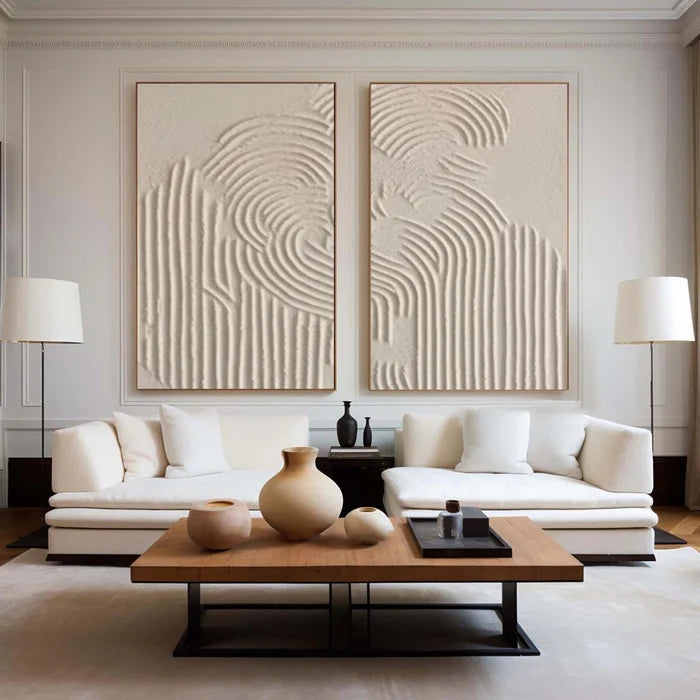
Heavy Impasto Technique Explained: The Secret Behind Vinchy Art’s 3D Oil Painting Texture
The world of modern oil painting is undergoing a transformation led by texture-driven art techniques like heavy impasto. This distinctive approach goes beyond traditional painting, creating dramatic 3D surfaces that catch light and invite touch. To understand why heavy impasto has become a defining feature of high-end texture art and 3D oil painting, it’s crucial to explore its history, material science, and sensory impact.
What Is Heavy Impasto and Why It Matters
Impasto is an Italian word meaning “paste” or “mixture.” In painting, it refers to the technique of applying thick, visible layers of paint, often so dense that brushstrokes or palette knife marks become part of the artwork’s structure. Unlike smooth glaze painting or digital replication, heavy impasto uses physical depth to evoke emotion and enhance visual immersion.
The technique was popularized by masters like Rembrandt and Van Gogh, who used impasto to express energy and emotional depth through texture. In today’s art scene, 3D oil paintings using heavy impasto create an almost sculptural surface where light dances across peaks and valleys of color. Viewers experience the artwork differently depending on the angle, distance, and illumination—making each encounter unique.
Why Heavy Impasto Consumes More Paint
Creating a heavy impasto painting isn’t just a stylistic decision—it’s a commitment to material richness. While standard oil paintings use relatively thin layers that dry evenly, thick impasto layers require 3–5 times more pigment and medium. Artists must layer paint gradually to prevent cracking while maintaining volume. Each layer contributes not only to the color density but to the physical form of the artwork.
Oil paints used for impasto are often mixed with specialized gels or thickening agents to hold shape without sagging. These mediums increase viscosity, enabling knife-painting and high-relief texture. The result is a tactile artwork with a luminous surface that physically interacts with light.
The Dynamic Light and Shadow of Impasto Texture
The beauty of heavy impasto lies in its optical complexity. When a light source hits the ridges of thick paint, shadows form naturally along its furrows. This enhances contrast and depth, giving the surface a sculptural presence that changes throughout the day. Under warm light, colors soften and appear velvety, while cooler daylight sharpens their intensity.
This property makes impasto paintings perfect for interior environments seeking character and movement. Unlike flat canvas art, 3D oil paintings respond dynamically to ambient lighting, creating a living experience that evolves over time. When viewed from different angles, the interplay of highlights and shadows accentuates brush energy and amplifies emotional tension within the piece.
The Philosophy and Artistry Behind Vinchy Art
Founded in Shenzhen in 2019, Vinchy Art is a contemporary art collective dedicated to promoting well-being through abstract art. Each creation—especially those using heavy impasto and textured techniques—is crafted to evoke calm and mental clarity. Their online store, Vinchyart.com, launched in 2023, curates oil paintings designed to inspire relaxation, joy, and mindfulness across living and workspaces.
Core Techniques of Modern 3D Oil Painting
Today, artists employ an array of tools to achieve maximum depth and luminosity in heavy impasto artworks. Palette knives replace brushes for shaping thick pigment layers, adding geometric ridges or organic sweeps that create rhythm and contrast. Pigment blending happens directly on the canvas rather than on a palette, capturing spontaneous color transitions.
Some painters mix sand, marble dust, or resin-based mediums into oil paint to enhance body and sparkle. This fusion between painting and sculpture embodies the essence of modern texture art—an exploration of both visual and tactile perception.
Market Trends and Artistic Value
According to leading art market analyses in 2025, sales for textured oil paintings grew by over 30%, driven by collector demand for one-of-a-kind tactile experiences. As digital art saturates visual culture, collectors increasingly seek handmade pieces that reflect authenticity and craftsmanship. Heavy impasto paintings bridge emotional intimacy and architectural design, offering both meditative and decorative power. Their value extends beyond aesthetics; they symbolize patience, skill, and individuality.
Real User Cases and Emotional ROI
Owners of heavy impasto artworks often describe them as “visually alive.” Homes and offices featuring 3D oil paintings report measurable psychological benefits—reduced stress levels, improved focus, and stronger emotional connection to the physical environment. The depth and relief of texture art encourage the observer to slow down, observe, and breathe, transforming spaces into sanctuaries of calm reflection.
Future Trends in Texture Art Techniques
The coming decade will see hybrid techniques merging heavy impasto with innovative materials such as biodegradable resins, metallic pigments, and responsive lighting systems. Artists are exploring eco-conscious formulations that maintain the density and vibrancy of oil painting while shortening drying times. As art technology and sustainability merge, the next generation of 3D texture art will be lighter, more durable, and even more immersive.
FAQs
What makes heavy impasto different from standard oil painting?
Heavy impasto builds paint in sculptural layers, creating real surface depth instead of flat visual texture.
Why does a heavy impasto painting cost more?
It uses multiple times more pigment and requires more time for layering, drying, and surface shaping.
How do lighting conditions affect the artwork?
Directional or spot lighting highlights peaks and shadows, constantly changing the visual impact throughout the day.
Is impasto only suitable for abstract art?
No. While abstract pieces often emphasize texture, impasto techniques enrich still lifes, landscapes, and portraits with added dimension.
How should a 3D oil painting be maintained?
Keep it in controlled humidity and avoid pressing or touching raised surfaces. Occasional dusting with a soft brush preserves structure.
The Transformative Power of Texture
Heavy impasto remains one of the most captivating texture art techniques in contemporary painting. Its embodied depth, tactile richness, and interaction with light redefine how we see and feel art. Whether viewed in a gallery or a home, a 3D oil painting created through heavy impasto transforms flat color into sculptural emotion—making each canvas a living dialogue between artist, light, and observer.
Art created with intention and depth continues to inspire connection and presence. In an increasingly digital world, the heavy impasto technique reminds us of the irreplaceable power of human touch, texture, and creativity.