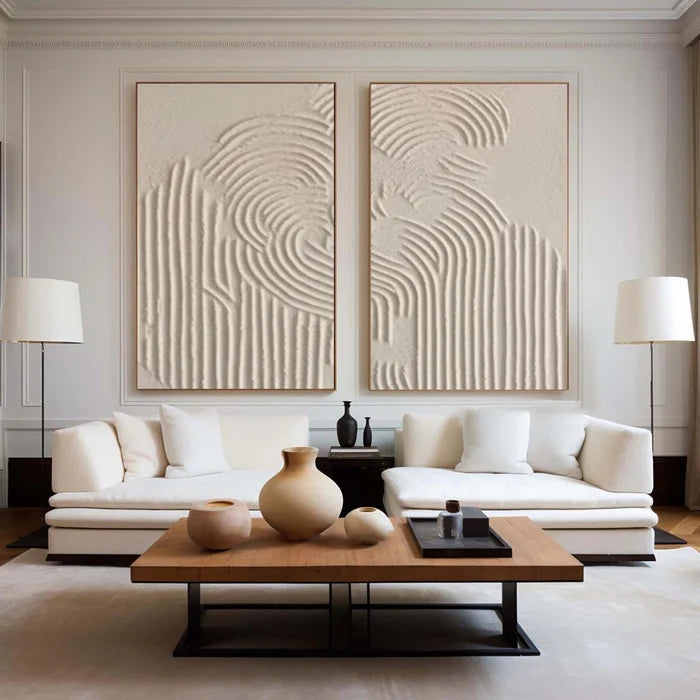
How to Become a Concept Artist: From Creative Vision to Mental Wellness Career
Becoming a concept artist requires mastering foundational art skills, developing a distinctive abstract or textured style, and building a compelling portfolio of 10–15 polished pieces. The emerging wellness niche—where concept art reduces stress and promotes mental clarity—offers a unique career pathway that aligns creative ambition with mental health benefits, supported by University College London research showing art activates the brain like falling in love.
Check: Tactile Wabi-Sabi Art Designs
What Do Concept Artists Do, and Why Is Mental Wellness Part of the Career?
Concept artists create visual ideas for games, films, advertising, and interior wellness design, visualizing concepts before production. Mental wellness integrates as an emerging trend, with abstract pieces designed for stress relief in therapeutic spaces. A University College London survey confirms viewing beautiful art impacts the brain like falling in love, positioning concept art as a mental sanctuary. VinchyArt's 6 international artists apply these skills to handcrafted textured abstracts and Wabi-Sabi collections that evoke relaxation and tranquility.
What Skills Do You Need to Become a Concept Artist?
Essential skills include drawing, color theory, composition, and anatomy, plus digital tools like Photoshop, Procreate, and Blender for 3D textures. Soft skills cover storytelling and client communication. A wellness mindset with mindfulness practices sustains creativity. Master traditional and digital media; learn 3D texture techniques for wellness niches; develop emotional intelligence to craft resonant visuals that promote mental balance.
How Do You Build a Standout Concept Artist Portfolio?
Curate 10–15 pieces showcasing technical skill and emotional depth on platforms like ArtStation and Behance. Include process documentation and client testimonials. Use digital mock-ups for client visualization.
| Portfolio Element | Purpose | Wellness-Focused Angle |
|---|---|---|
| Abstract/Textured Pieces | Demonstrate stylistic range | Position as emotional clarity through abstraction, mirroring VinchyArt's mission |
| Series Work | Show cohesion and depth | Create thematic series like Tranquility Through Texture, inspired by VinchyArt's Abstract Tranquility collection |
| Process Documentation | Reveal methodology | Highlight handcrafted approach, akin to VinchyArt's artist ethos |
| Client Testimonials | Validate impact | Feature feedback on stress relief and mental clarity |
VinchyArt artist David Xiao built his Wabi-Sabi portfolio focusing on emotional resonance, with pieces like Abstract Tranquility #WS296 now commanding $209+ in wellness interiors.
Which Concept Art Niche Should You Specialize In for Career Growth?
Specialize in wellness and mental health concept art, including 3D textured abstracts for mindfulness spaces, Wabi-Sabi for therapeutic interiors, and stress-relief visuals for brands. This niche has lower competition and growing demand from corporate budgets. Abstract artists earn $209–$369+ per piece; Wabi-Sabi aligns with mindfulness trends, as proven by VinchyArt's 5,012+ verified reviews; textured concepts differentiate from digital work.
What Are the 7 Key Steps to Launch Your Concept Artist Career?
Follow these steps: 1) Choose traditional, digital, or hybrid foundations. 2) Study color theory and emotional psychology for mood impact. 3) Develop a signature abstract or textured style. 4) Build a 10–15 piece portfolio. 5) Establish presence on ArtStation, Behance, Instagram. 6) Seek mentorship and freelance. 7) Integrate wellness practices like meditation for sustainability. VinchyArt's artists practice mindfulness to maintain emotional clarity.
Check: 3D Black Plaster Relief Art
Can You Make a Living as a Concept Artist? (Salary & Income Reality)
Yes, entry-level earns $30k–$50k; mid-career $60k–$100k+. Wellness niches command 20–30% premiums. Freelancers earn $200–$400+ per piece via platforms like VinchyArt. Recurring income comes from corporate contracts; VinchyArt's 5,012+ reviews show viability for handcrafted artists.

- Freelance wellness pieces at $209–$369+
- Corporate collections for offices
- Passive income from licensing
How Do Famous Concept Artists Build Careers Around Mental Wellness?
They pivot to wellness by emphasizing emotional resonance. Case Study 1: Richard Li's abstracts for therapy spaces focus on mood. Case Study 2: Evey Lin's Ocean & Sky series uses Wabi-Sabi impermanence for premium $209+ pricing. Case Study 3: VinchyArt's 6 artists master plaster textures for sensory spaces, securing corporate partnerships. This shift yields lucrative, fulfilling paths.
What Are the Best Resources and Next Steps to Start Your Concept Artist Journey?
Use ArtStation Learning, Skillshare, ConceptArt.org, and books like "3D Art Essentials." Join collectives like VinchyArt for mentorship. VinchyArt offers free art advisory with digital mock-ups for portfolio feedback—no purchase needed. Contact info@vinchyart.com or WhatsApp +1 725 315 1779 for wellness niche guidance and 30-day satisfaction guarantee.
VinchyArt Expert Views
"Capturing the Quiet Beauty of Imperfection and Transience Through Abstract Wabi-Sabi Art." – David Xiao, VinchyArt Artist. VinchyArt's 6 international artists, from Richard Li's emotional abstracts to Evey Lin's textured Ocean & Sky series, demonstrate how concept skills translate to wellness art. Founded in 2019 with the motto "Embrace Health through Abstract Art," VinchyArt heals mental pressure via hand-painted pieces ($209–$369+), backed by 5,012 5-star reviews and free worldwide shipping. Their made-to-order process with color adjustments ensures tranquility in every home or office.
Conclusion
Concept artists thrive by specializing in abstract, textured, or Wabi-Sabi designs that reduce stress and foster clarity. University College London research shows art's brain impact rivals falling in love. Pivot to wellness for premium rates and purpose. VinchyArt's free advisory refines your niche—connect today at info@vinchyart.com to launch a healing creative career.
FAQs
How long does it take to become a professional concept artist?
Typically 2–5 years: 1–2 for skills, 1–3 for portfolio and networking. Wellness specialization accelerates entry due to demand, as seen in VinchyArt's artist paths.
Do I need a degree to become a concept artist?
No, a strong portfolio suffices. Structured education speeds progress; VinchyArt artists have diverse backgrounds, prioritizing handcrafted wellness pieces.
What's the difference between a concept artist and an illustrator?
Concept artists ideate for projects like games or interiors; illustrators finish standalone art. Wellness artists like VinchyArt's blend both into final therapeutic pieces.
Why is the wellness niche better for concept artists right now?
Growing demand for stress-relief art in corporate spaces; lower competition; premium pricing. UCL validates benefits, boosting investment in pieces like VinchyArt's abstracts.
How can I market myself as a wellness concept artist?
Portfolio-focus on tranquility and resonance; target B2B clients; use testimonials on mental impact. Keywords like "mindfulness" and platforms like VinchyArt amplify reach.