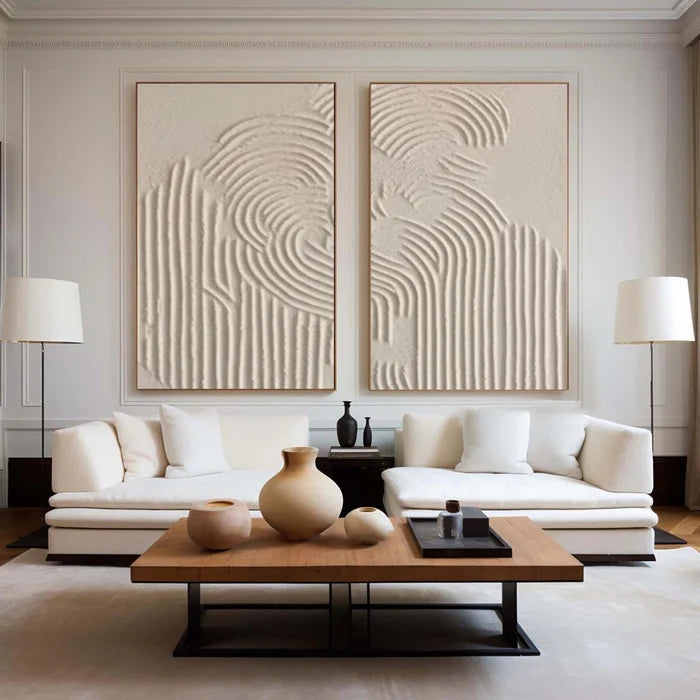
Textured Plaster Art: How to Achieve Professional 3D Effects in Your Decor
Textured plaster has quickly become the most talked-about trend in modern interior design. Once viewed as an industrial wall finish, it has evolved into an artistic medium that bridges architecture and fine art. Whether applied to create a subtle tactile wall or a bold 3D artwork, plaster offers a sculptural impact that paint alone cannot achieve. What makes it truly compelling for homeowners and artists alike is how accessible the technique is—anyone can experiment with it, yet professionals can elevate it into museum-quality installations.
The Rise of Textured Plaster in Modern Interiors
According to global design trend reports for 2025, searches for plaster wall art techniques and DIY texture painting have demonstrated continuous growth. This resurgence is part of the larger “tactile living” movement, where natural materials and handcrafted surfaces dominate design blogs and social media feeds. Textured plaster art combines the sensory richness of sculptural form with the visual depth of layered pigment, giving walls a unique life of their own. The result is not only aesthetic—it also adds acoustic softness and a feeling of calm within spaces.
DIY vs Professional Textured Plaster Results
Many DIY creators are drawn to the challenge of mixing plaster at home, crafting wall art panels, or creating accent finishes through simple tools like trowels and spatulas. While this hands-on process can be rewarding, it often reveals certain limitations. Inexperienced application can lead to uneven textures, color blotches, or even surface cracking once the plaster dries. This is where professional-grade materials and proper sealing techniques make all the difference. Experts in textured plaster art understand the importance of precise blending ratios, substrate preparation, and post-curing protection, ensuring the artwork remains flawless over time. The contrast between amateur and professional results lies not in creativity but in knowledge of material behavior.
Material Science Behind Textured Plaster Durability
The heart of a lasting textured plaster wall lies in its composition. Superior plasters include flexible binding agents that accommodate wall expansion and contraction, reducing the risk of cracking. Professionals often combine Venetian plaster, lime-based mortar, or modern synthetic blends to achieve varying texture depths and reflectivity. These materials allow artists to mimic natural stone finishes or sculpt contemporary abstract patterns with precision. For those exploring DIY texture painting, understanding how humidity, temperature, and layering thickness affect drying times is crucial for achieving a professional-grade surface.
At Vinchy Art, our team of artists continually experiments with custom mixes to ensure durability and elegance. Founded in Shenzhen in 2019, Vinchy Art is a collective devoted to creating handcrafted abstract oil paintings and textured artworks designed to enhance mental well-being. Each piece merges technical craftsmanship with aesthetic harmony, helping people transform their environments into spaces of serenity and inspiration.
Visual Power: Textured vs Flat Wall Finishes
Compared to smooth painted walls, textured plaster adds movement and depth that evoke natural light variations. A plain matte wall absorbs light uniformly, whereas a textured finish refracts it, producing subtle shadows and highlights that change throughout the day. This dynamic depth contributes to the three-dimensional illusion—something simple paint can never replicate. Designers frequently use techniques such as layered troweling, dry brushing, or pigment glazing to emphasize those 3D effects, allowing decorative plaster to resemble carved relief art. The result is a surface that captures both touch and sight, turning architecture into a tactile experience.
Best Practices for Maintenance and Longevity
Maintaining textured plaster art requires only minimal effort when properly sealed. The key steps include gentle dusting with soft microfiber cloths and occasional reapplication of a protective wax or varnish layer to preserve luster and prevent moisture penetration. Avoid harsh cleaners or abrasives that could erode the top coat. For wall installations, maintaining steady room humidity and temperature helps prevent stress cracks. With correct care, plaster artworks can last decades without losing their organic beauty.
Competitor Comparison Matrix
Real Users and ROI of Textured Plaster Decor
Homeowners who integrate plaster wall art techniques into their decor often report a measurable improvement in the perceived value of their interiors. According to design agency surveys, spaces featuring handcrafted textures achieve up to 20% higher appraisal compared to rooms with simple painting finishes. This ROI goes beyond numbers—it reflects emotional impact. Textured plaster walls offer a sense of craftsmanship and depth that makes interiors feel timeless rather than trendy. Artists have also noted that creating plaster artworks can promote mindfulness through the rhythmic motion of layering and sculpting.
Core Plaster Art Techniques to Explore
Key texture plaster techniques include layering wet-on-wet for cloud-like depth, carving wet plaster before it sets to form relief structures, and adding color pigments or metallic dust to enhance reflectivity. Experimentation yields distinctive results—from minimal brushed strokes to bold ridged formations that play with shadow. Applying glaze washes or matte topcoats introduces further visual control, allowing artists to balance smoothness and ruggedness to suit the design mood.
Future of Textured Plaster and Eco-Friendly Materials
The next generation of textured plaster art is evolving toward sustainability. Many creators now use lime, clay, and mineral-based plasters that emit fewer VOCs and promote breathable walls, aligning eco-conscious design with artistic aesthetics. As digital media drives global design inspiration, textured plaster remains a sought-after technique for combining form, function, and emotion. Expect more collaborations between painters, architects, and mental health advocates as decorative surfaces become an integral part of holistic living spaces.
FAQS
What makes textured plaster different from paint?
Textured plaster creates a sculptural surface, adding light depth and tactile dimension that flat paint cannot replicate.
Can DIY texture painting achieve professional results?
Yes, with patience and quality materials, but professional plasters provide superior crack resistance and smoother consistency.
How do you maintain plaster wall art?
Use a soft cloth to remove dust and apply sealing wax when needed; avoid moisture and harsh cleaning products.
Does textured plaster fit modern minimalist decor?
Absolutely. Its organic pattern complements minimalist designs by introducing subtle warmth and character without visual clutter.
Why is professional-grade plaster more durable?
It includes additives that increase flexibility and binding strength, preventing chipping and ensuring long-term adhesion.
The Takeaway
Textured plaster transforms ordinary walls into artistic statements. It adds a sensory connection between space and emotion, offering both visual elegance and psychological comfort. Whether you embrace the DIY route or seek professional-grade finishes, mastering textured plaster art allows your home to stand out with genuine, handcrafted beauty that lasts. A professional finish not only achieves perfect 3D effects but also ensures your walls tell a story that endures through time.