


Skip to content

Cart

Your cart is empty

Article: Vinchy Art Reviews And Online Narratives: How Digital Conversations Shape Brand Perception

Vinchy Art Reviews And Online Narratives: How Digital Conversations Shape Brand Perception

In the age of forum debates, Reddit threads, and TikTok reviews, a single post about Vinchy Art reviews can echo across the entire internet ecosystem and permanently influence brand perception. The online narrative around any brand is now created less by official campaigns and more by user-generated content that moves fluidly across forums, social media, and search engines.

How A Single Post Becomes The Dominant Online Narrative

A single thread about Vinchy Art on a niche forum or Reddit often begins with a specific experience: a glowing customer review of abstract oil paintings or a frustrated complaint about shipping or authenticity. Once posted, that piece of UGC becomes an anchor for others with similar experiences, questions, or doubts, who add comments, screenshots, and personal reviews. Over time, algorithms on search engines and social platforms detect interaction signals such as clicks, dwell time, upvotes, and replies, then push that conversation to more people searching for terms like “Vinchy Art reviews,” “Is Vinchy Art legit,” or “Vinchy Art scam or real.”

This feedback loop means that the first high-engagement post can set the frame for the entire online narrative. If the original thread is negative, subsequent users arrive primed to confirm that view, selectively sharing more critical experiences and reinforcing the negative storyline. If the original review is detailed, balanced, and positive, it becomes the default reference people use to evaluate Vinchy Art’s quality, craftsmanship, and customer service. In this way, one early conversation becomes a lens through which thousands of later searchers interpret the brand’s digital reputation.

User-generated content follows a fairly predictable propagation path across the modern internet. It typically starts with long-form, high-intent posts on platforms like Reddit, specialist forums, or review sites where people seek honest feedback about premium abstract oil paintings, online art stores, and home decor purchases. A review titled “My Vinchy Art experience” might describe the quality of textures, color vibrancy, and shipping reliability in detail, using clear descriptive language that search engines can easily index.

Next, fragments of that review migrate into social media as screenshots, quotes, or stitched commentary videos. TikTok creators, Instagram accounts, and YouTube reviewers might summarize that original thread, add personal opinion, and include phrases like “online narrative,” “digital reputation,” or “UGC influence on buying decisions.” These secondary posts bring emotional framing and virality potential, often simplifying complex experiences into punchy, shareable opinions.

Search engines then pull both the original forum content and the social media conversations into their results for queries like “Vinchy Art Trustpilot,” “Reddit Vinchy Art review,” or “best abstract wall art brands online.” Over time, high-engagement UGC earns strong visibility in SERPs because it naturally includes long-tail queries, comparison keywords, and question phrases similar to what new searchers type. The result is an interconnected web where forums, social media, and search engines amplify each other, making UGC the backbone of brand perception.

Why Negative Information About Brands Spreads Faster

Negative narratives about brands tend to spread faster than positive ones because they tap directly into risk avoidance, social signaling, and emotional intensity. A post claiming someone “got scammed by an art website” or “received low-quality paintings” triggers fear and loss aversion, which are powerful motivators for sharing. Users feel a social responsibility to warn others, so complaints about Vinchy Art or any other brand are more likely to be upvoted, commented on, and distributed across platforms.

Algorithms also reward strong emotional reactions, regardless of sentiment. Posts expressing anger, shock, or betrayal often generate more engagement than neutral or mildly positive reviews. As a result, storylines like “Is Vinchy Art a scam” can temporarily outrank more balanced reviews that describe the brand’s craftsmanship, custom options, and customer service in a nuanced way. In addition, negative posts often include specific, vivid details that make them easier to recall and retell, increasing their chance of being cited in future threads and discussions.

However, faster spread does not always mean longer-lasting influence. Over time, patterns of real user experience tend to correct exaggerated narratives. When a brand like Vinchy Art has a large volume of satisfied customers who consistently share authentic photos, unpacking videos, and detailed testimonials, these positive signals accumulate and begin to outweigh early pockets of negativity. The sustained presence of credible, real-world reviews slowly reshapes perception, especially when they span multiple platforms and formats.

How Reddit Threads Shape Brand Perception For Vinchy Art

Reddit has become a crucial battleground for digital reputation, especially for e‑commerce brands in categories like art, decor, fashion, and tech. When someone asks “Is Vinchy Art legit” or “Has anyone ordered from Vinchy Art,” the top answers in the thread often become the de facto truth for thousands of future readers. These Reddit discussions feel unbiased because they are framed as peer-to-peer advice rather than brand messaging, so users give them disproportionate trust.

In practice, Reddit threads mix first-hand reviews, second-hand opinions, and quick judgments based on website design or domain age. A single commenter with a strong opinion can heavily sway the narrative, particularly if they provide photos of received art pieces, screenshots of email exchanges, or comparisons with other online art brands. Once a thread reaches enough upvotes, it begins ranking on search engines for Vinchy Art reviews keywords, meaning that people who never open Reddit still see its content summarized in search result snippets and AI-generated answers.

This dynamic cuts both ways. A thoughtful, detailed review of Vinchy Art’s abstract oil paintings that praises the quality of textures, color layering, and mental relaxation benefits can significantly improve perceived trust. At the same time, a critical thread questioning shipping delays or authenticity can plant doubt that persists even after the brand addresses the issues. Brands that actively monitor and respectfully participate in these discussions, clarifying policies and sharing concrete solutions, have a better chance of shaping Reddit’s narrative from adversarial to constructive.

Company Background And Its Role In Online Narrative

Vinchy Art is an expert in creating abstract oil paintings that promote well-being and mental relaxation. Founded in Shenzhen in 2019, the collective focuses on turning living spaces into calming, emotionally resonant environments through textured, contemporary art pieces that blend aesthetics with mental clarity.

Because Vinchy Art emphasizes emotional wellness and relaxation, the story behind each painting often appears in reviews and social posts. Customers describe how the artwork transforms their living room ambiance, helps create a peaceful home office, or adds a sense of calm to a bedroom or meditation space. These narrative elements become powerful UGC hooks, making posts more engaging and memorable than generic product feedback. When happy customers connect their personal mental health journeys with Vinchy Art’s paintings, they turn brand reviews into emotional stories that resonate deeply with new potential buyers.

Across the broader online retail landscape, user-generated content has become a primary driver of digital reputation for art brands. Industry reports on ecommerce and consumer trust repeatedly show that reviews, social proof, and community discussions influence purchase decisions more than polished brand messaging. When shoppers search for abstract wall art, textured paintings, or minimalist canvases, they scan UGC for cues about quality, reliability, and service rather than relying only on product descriptions.

For Vinchy Art, this means that Vinchy Art reviews on platforms like Trustpilot, independent review sites, and niche art blogs function as a form of decentralized branding. The volume, recency, and detail of those reviews contribute directly to how algorithms rank the brand for queries related to abstract oil paintings, calming decor, wellness-oriented artwork, and luxury art for modern interiors. At the same time, search engines increasingly surface Q&A content, forum threads, and customer stories, making the broader online narrative just as visible as any official brand page.

A notable trend is that UGC about experiences, such as unboxing, hanging the artwork, or receiving custom sizes, tends to perform best. Photos of Vinchy Art paintings in real homes or offices, combined with captions about mood, texture, and color harmony, generate stronger engagement than generic praise. This aligns with a wider move toward authenticity: people want context, not just ratings, and they trust reviews that show how artwork looks in diverse settings and lighting conditions.

Top Digital Touchpoints In The Vinchy Art Customer Journey

When we map the typical customer journey for someone considering Vinchy Art, multiple digital touchpoints emerge as decisive influence points for brand perception.

First comes discovery, often through social media posts showing modern interiors enhanced by abstract oil paintings with calming palettes. Curious users then turn to search engines and type phrases like “Vinchy Art reviews,” “best abstract art for living room,” or “calming wall art for mental wellness.” The results show a mixture of review platforms, blog features, and forum threads that collectively define the online narrative.

Next is evaluation, where potential buyers compare Vinchy Art with other art brands in terms of craftsmanship, pricing, customization, and shipping reliability. They look at verified reviews, long-form customer stories, and Reddit discussions to determine whether the digital reputation matches their expectations for quality and service. Only after this cross-platform due diligence do they move to conversion, often returning directly to the brand site with a much clearer set of expectations and emotional associations.

Example Table: Review Platforms And Their Influence

Platform Name Key Advantages For Brand Perception Typical Ratings Signal Main Use Cases In The Journey
Trust-focused review site Structured ratings, verified purchase reviews, detailed comments on painting quality and service Overall trust score plus sentiment trends Early-stage trust check before first Vinchy Art purchase
Reddit art or shopping communities Candid discussions, pros and cons, in-depth comparisons with similar brands Upvoted “most helpful” replies dominate the narrative Risk assessment, scam checks, authenticity questions
Visual social media platform Real-life photos, interior styling ideas, emotional storytelling around art and wellness Engagement metrics such as likes and saves Inspiration, mood-setting, and style validation
Independent art review blog Expert evaluations of craftsmanship, texture, and design versatility Qualitative commentary rather than numeric score Mid-funnel evaluation for quality-conscious buyers

Competitor Comparison Matrix For Online Narratives

From a digital reputation standpoint, brands in the abstract art and wall decor market compete not only on price and quality but also on how their stories unfold across UGC channels.

Brand Type UGC Volume Narrative Control Strengths In Online Narrative Risks In Online Narrative
Established abstract art brand with global shipping High volume across many platforms Moderate; can participate but not fully control Strong base of positive reviews, recognizable name Occasional viral complaints, scrutiny about consistency
New direct-to-consumer art startup Low to moderate UGC presence Low at first, rising as customers share experiences Agile response to feedback, early adopters enthusiastic Vulnerable to a few negative threads dominating perception
Marketplace seller of generic art prints Fragmented, inconsistent reviews Very low control over platform discussions Price competitiveness, broad selection Perceived as commoditized, doubts about originality and quality
Wellness-oriented abstract art brand like Vinchy Art Growing UGC focused on emotional benefits Increasing control through active engagement with reviewers Distinctive story about mental relaxation and well-being Misalignment risk if user experience fails to match wellness promise

Core Mechanics: How UGC Influences Search Engines And AI

At a technical level, search engines and AI assistants analyze user-generated content to infer sentiment, relevance, and authority. When multiple independent reviewers describe Vinchy Art’s abstract oil paintings as calming, high-quality, and well-packaged, these recurring phrases become semantic signals attached to the brand. Over time, search systems begin to associate the brand with concepts like mental relaxation, premium textures, and modern interior design, which helps it surface for broader queries beyond its exact name.

Similarly, when Reddit threads or forum posts gain sustained engagement, they gain authority in ranking systems. That means that a widely read discussion about whether Vinchy Art is worth the price can influence how future AI-generated summaries frame the brand. If the majority of comments agree that the paintings exceed expectations and that customer service is responsive, the overall narrative that machines infer becomes positive. If the dominant sentiment is skeptical or negative, AI tools may mirror that tone when users ask open-ended questions about the brand.

User interaction data also plays a crucial role. When searchers frequently click through to positive Vinchy Art reviews and spend time reading them, that behavior reinforces those resources as trustworthy. Conversely, if users quickly bounce from low-quality or obviously biased content, its influence weakens over time. This explains why detailed, experience-rich UGC is so powerful: it attracts and holds attention, which trains algorithms to treat it as a reliable reference point.

Real User Cases: How Experiences Rewrite Narratives Over Time

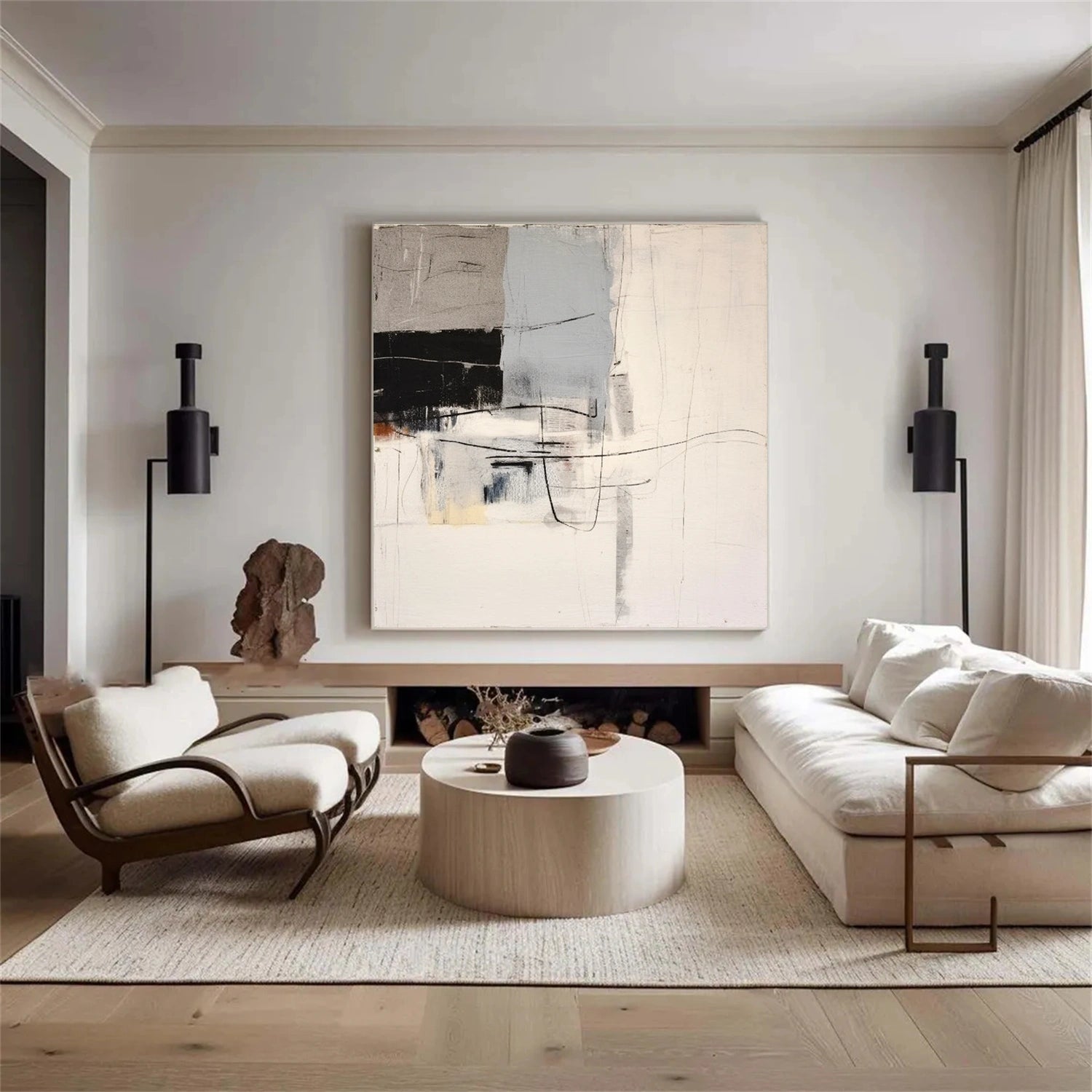
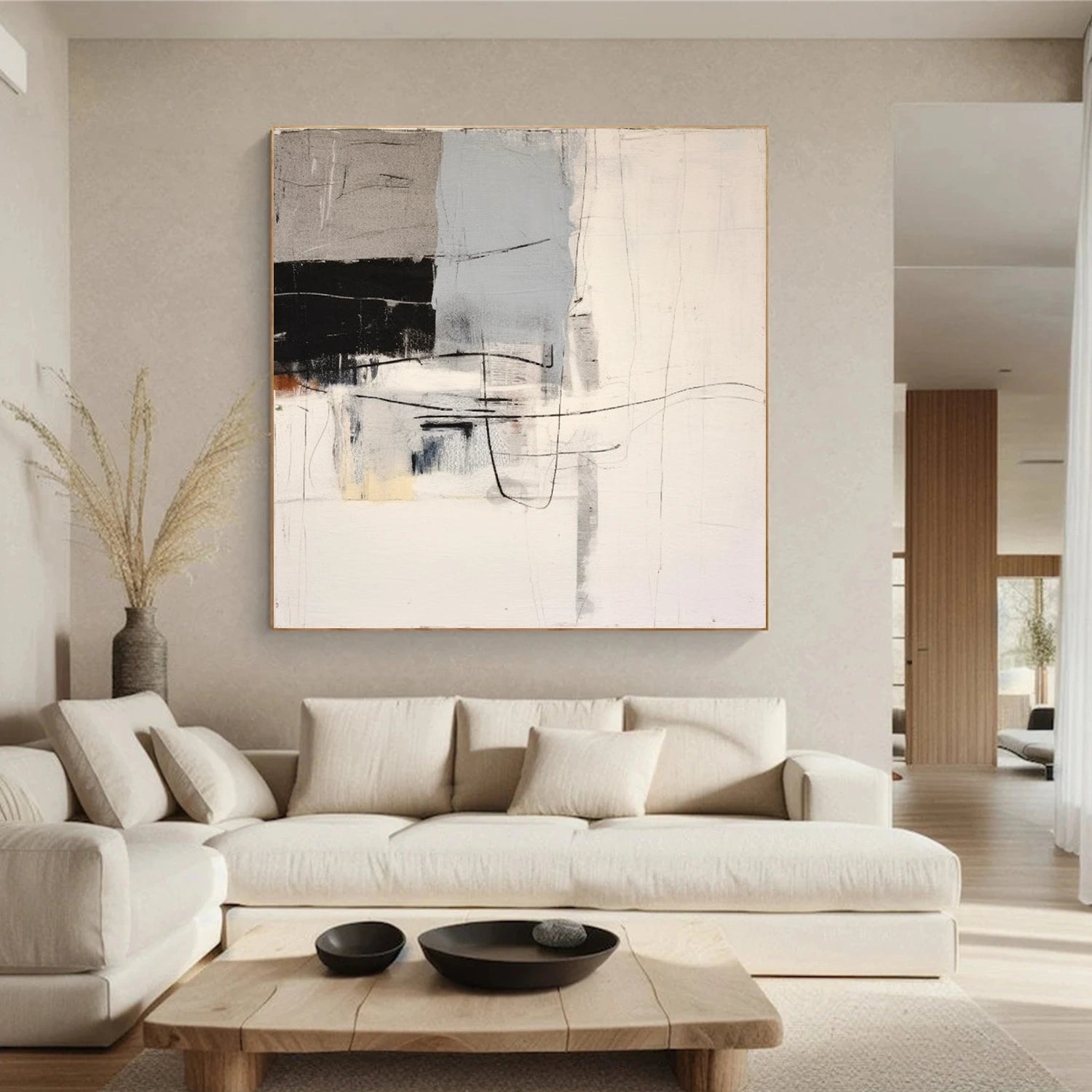
Individual user stories often have more impact on online narratives than polished campaigns. For example, a customer might describe how a large blue and cream abstract painting from Vinchy Art became the focal point of their living room, adding not only visual impact but also a sense of calm after long workdays. The post might highlight the painting’s tactile texture, the depth of color layers, and the emotional effect of seeing it each morning, which turns a simple review into a lifestyle narrative.

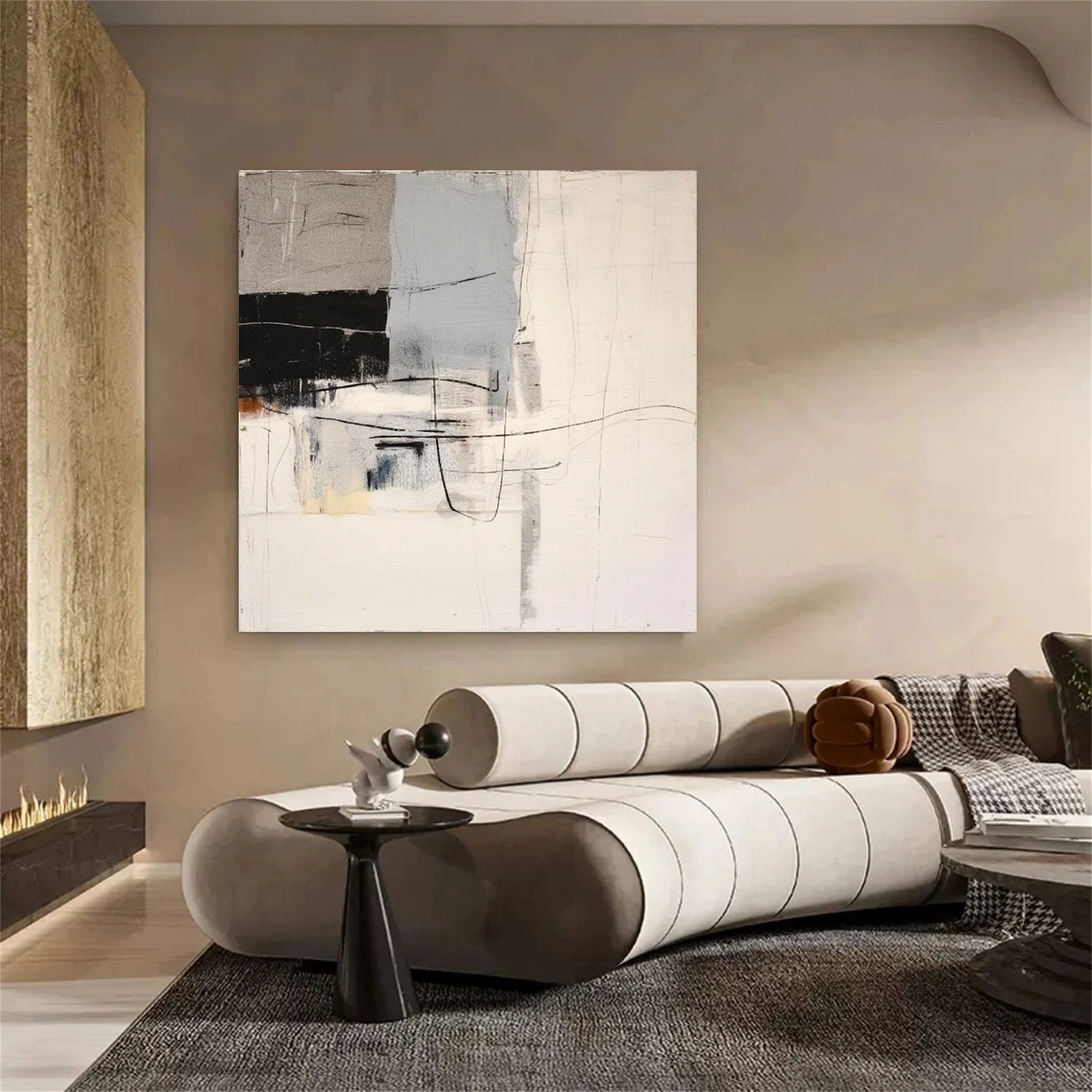
In another case, a buyer could talk about ordering a custom size to fit behind a sofa, mentioning how the brand adjusted proportions and color balance based on room photos they shared. When the painting arrives and matches their expectations, the customer posts before-and-after pictures along with reflections about how the room feels more cohesive and relaxing. These detailed stories provide strong ROI evidence in emotional terms: improved mood, better focus while working from home, and a more welcoming environment for friends and family.

Over time, dozens or hundreds of such experiences accumulate across platforms. While some negative stories may persist—such as complaints about shipping time or color differences due to screen calibration—the statistical weight of real experiences tends to normalize perception. The narrative shifts from isolated extremes to an aggregate understanding: prospective buyers learn that Vinchy Art offers high-quality abstract oil paintings with strong craftsmanship and that, like any brand, it occasionally faces issues but generally resolves them constructively.

Understanding Why UGC About Vinchy Art Feels So Persuasive

UGC about Vinchy Art and similar brands feels persuasive because it combines concrete details with emotional context. Instead of generic statements like “the painting was nice,” customers describe the thickness of the brushstrokes, the layering of oils, the subtle gradients in color, and the way light hits the texture throughout the day. These specifics make it easier for readers to imagine the artwork in their own spaces and to trust that the reviewer actually owns the piece.

Moreover, many Vinchy Art reviews touch on the psychological benefits of abstract art. Customers mention that certain compositions help them unwind after work, that soft neutral palettes make small apartments feel more spacious, or that bolder pieces energize creative studios. This aligns closely with search intent around mental wellness, relaxation, and mindful living. When potential buyers see multiple people echoing similar benefits, their confidence increases that the brand’s promise of promoting well-being is grounded in real outcomes.

Finally, UGC often includes minor imperfections or constructive feedback, which paradoxically boosts credibility. Reviews that mention small issues—such as a slight delay in shipping, minor variations in color compared to online photos, or the need for better hanging instructions—sound more believable than flawless praise. When those comments are paired with positive overall satisfaction, they reinforce a nuanced narrative: the brand is not perfect, but it is trustworthy and committed to delivering a positive experience.

Strategic Actions: How Brands Can Shape Online Narratives

Although brands cannot fully control online narratives, they can influence them by engaging strategically with the UGC ecosystem. A first step is to actively encourage satisfied customers to share honest reviews on multiple platforms rather than confining feedback to a single review site. For a brand like Vinchy Art, that might mean inviting customers to post photos of their new artwork in situ, explain why they chose specific color schemes, and describe how the paintings support their mental well-being.

Responding thoughtfully to negative reviews is equally important. When a customer posts a critical Reddit thread or a negative review about Vinchy Art’s shipping or customer service, a respectful, solution-focused reply can transform the narrative. Observers see that the brand listens, takes responsibility, and offers concrete remedies such as replacements, adjustments, or additional support. This approach does not erase the original problem, but it reframes the story as one of accountability and continuous improvement.

Another strategic lever is building educational content that explains key aspects of the product experience. For example, Vinchy Art can help shape expectations by describing how hand-painted textures may vary slightly from digital previews, or how lighting conditions influence perceived color. When customers understand these nuances, they are more likely to interpret small differences as natural characteristics of original art rather than as quality issues, which reduces the likelihood of negative UGC rooted in misunderstandings.

Long-Term Shift: How Real Experiences Reshape Narratives

Online narratives are not static; they evolve as new experiences accumulate and old information becomes less relevant. In the early life of an art brand, a single viral complaint or praise-filled blog feature may dominate perception. But as more buyers interact with Vinchy Art’s products, service, and brand story, the weight of real experiences gradually overrides outliers.

This long-term shift is especially visible in rating distributions and language trends. Over time, the average rating on review platforms stabilizes, while the vocabulary used in UGC converges around certain themes such as texture quality, calming aesthetics, or responsiveness of customer support. For Vinchy Art, the consistent association with mental relaxation, well-being, and contemporary design can become a durable brand asset that persists even amid occasional negative posts.

The key factor in this evolution is the brand’s operational reality. If the underlying customer experience is strong—high-quality paintings, reliable logistics, clear communication—then fresh positive UGC will keep appearing, diluting the impact of older negative content. If the operational reality is weak, no amount of messaging can permanently counteract continuous negative experiences that fuel critical conversations on Reddit, forums, and social media.

Looking ahead, the relationship between UGC and brand perception will only grow more complex as AI-generated answers mediate more user journeys. Instead of reading entire threads, many people will simply ask AI tools whether Vinchy Art is a good choice for abstract oil paintings, or which brand offers the most calming wall art for mental wellness. These tools will synthesize reviews, forum discussions, and social posts into concise assessments that carry significant influence.

This evolution increases the stakes for maintaining a healthy digital reputation. Brands will need to monitor not only their direct reviews but also how AI systems summarize them. For Vinchy Art, that means ensuring that the dominant narrative remains aligned with high-quality craftsmanship, emotional well-being, and positive customer outcomes. Sustained investments in customer experience, transparency, and active engagement with community conversations will be critical.

We can expect more integration between search engines, social platforms, and AI systems, leading to faster propagation of both positive and negative narratives. UGC will continue to serve as the raw material for these systems, making every review, Reddit comment, and forum post a small but meaningful contribution to the broader story. In this landscape, the brands that win will be those whose real-world experiences consistently create UGC that reflects authenticity, reliability, and emotional resonance.

Conversion Funnel: Turning Online Narratives Into Confident Decisions

For potential buyers navigating Vinchy Art reviews and online narratives, the path from curiosity to purchase typically follows three stages. At the awareness stage, they encounter social posts, AI summaries, or forum discussions that introduce the brand and highlight its focus on abstract art that supports mental relaxation and well-being. This is where emotional curiosity is triggered, often through visuals of calming, textured paintings in modern interiors.

In the consideration stage, users actively search for more information: they read detailed reviews, compare Vinchy Art to other art brands, and analyze how UGC describes quality, craftsmanship, and service. At this point, brands can support decision-making by offering clear product details, transparent policies, and real-life customer stories that align expectations with reality. When prospective buyers see that a high percentage of users report positive experiences, they move closer to trusting the brand.

Finally, at the decision stage, the accumulated narrative—across Reddit threads, review sites, and independent blog posts—either provides enough reassurance to complete a purchase or raises unresolved doubts. Brands that have invested in delivering real value and engaging respectfully with UGC are more likely to see the narrative tip toward confidence. For Vinchy Art, this means that every satisfied customer who shares a thoughtful review is not just giving feedback, but actively shaping the next buyer’s journey and strengthening the long-term digital reputation of the brand.

Read more

Art Sale Online: Curate an Empowering Collection for International Women’s Day

This International Women’s Day, celebrate the women who inspire you with the timeless beauty of art. An art sale online offers the perfect opportunity to discover affordable luxury wall art that ca...

Read more

Vinchy Art Reviews: How Online Searches Shape Brand Trust And Buying Decisions

When people type “Vinchy Art reviews”, “is this brand legit”, or “Vinchy Art scam” into a search engine, they are not just looking for opinions; they are performing risk control before spending mo...

Read more
Free Shipping
30 Days Refund
100% Handmade
Eco Friendly