Article: Is Vinchyart Legit - Inside Story, Products, Artists, and Reviews
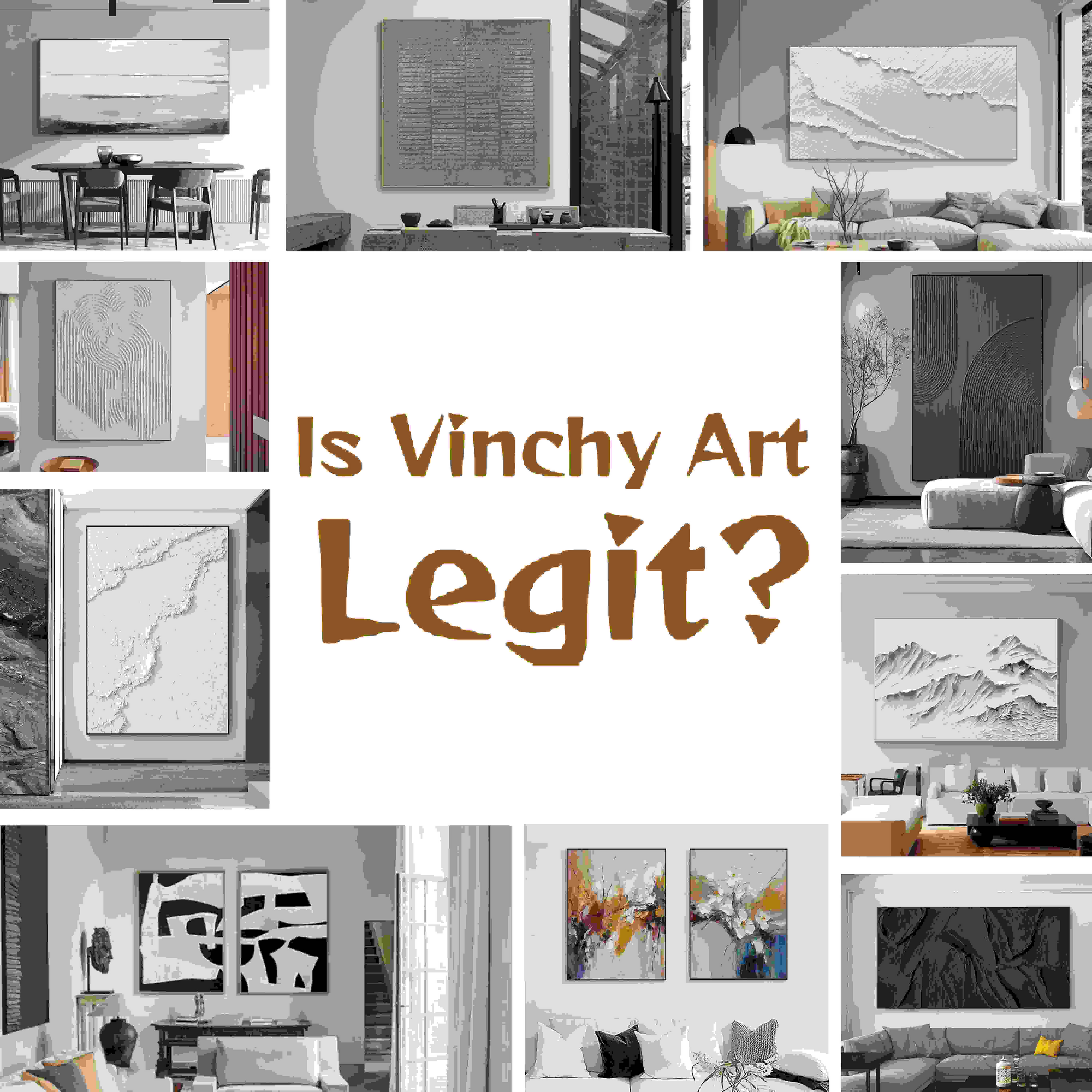
Is Vinchyart Legit - Inside Story, Products, Artists, and Reviews
Is Vinchy art Legit ? You're probably looking for a reliable answer to affirm our authenticity, right?
Let's discuss in details
Vinchy art is the ultimate destination to purchase premium-quality artwork. We are dedicated to meeting all your art needs in a super convenient way.
Vinchy Art Vision
We established Vinchy art with a mission to promote mental well-being through art. Our team constantly tries to offer calm and stress-relieving experiences through the great collection of paintings as it is founded by passionate individuals who believe in the therapeutic value of abstract art. The paintings are not just decoration pieces for us, instead, we view them as a way to reduce stress and anxiety in people's lives. This vision has guided the company's path and we still direct our activities today.
Our Products
Our store offers different kinds of artwork to full-fill various preferences. Here are some of its artworks:
Contemporary Art
Contemporary art is made by today's artists. It shows the many complicated issues in our modern world. They use all kinds of materials, techniques, and ideas to push the limits of what art can be. Their works are deep, sometimes indicate conflict, and leave room for different interpretations. They research themes like politics of identity, how the world is connected globally, technology's impact, and criticism of society and culture for new designs.
Abstract Art

Abstract is a type of art that doesn't show real things; instead it uses shapes, colors, lines, and textures to create a feeling or idea. We can say it's a way for the artist to express their emotions and ideas without using realistic images. Abstract art can be very colorful and attractive to look at, but it can also be thought-provoking and make you see things in a new way.
Minimalistic Art
Minimalistic art is about keeping things simple. It uses only a few elements like shapes, colors, and lines to create artwork. The focus is on simplicity and clarity, often with clean and uncluttered compositions. Minimalist artists aim to convey a sense of calmness and balance through their art.
Wabi Sabi Art
Wabi Sabi is a Japanese aesthetic philosophy that finds beauty in imperfection, impermanence, and the natural cycle of growth and decay. Wabi Sabi art has simplicity, asymmetry, and the organic nature of materials which appreciates the beauty in natural flaws and aging.
Landscape Art
Landscape art shows natural peace such as mountains, valleys, rivers, and forests. It has the beauty and essence of landscapes. That often emphasises the interaction between humans and nature, seasonal changes, and atmospheric effects.
The Vinchy art team carefully crafts each piece to ensure high quality and aesthetic appeal. That makes the paintings perfect for home decor or as meaningful gifts.
Our Artists
Each artist has their own unique vision and skill. That’s because we offer a great selection that can full-fill anyone’s requirements.
- Richard Li
- Sami Min
- David Xiao
- Lisa Williams
- James Allen
- Evey Lin
Is Vinchy art Legit?
You may still be in doubt and thinking Is Vinchy art legit? Well, customers have praised us on trust-build platforms like Scam Detector, Trustpilot, and loox.io for our exceptional service and high-quality artwork. Almost every buyer likes our unique designs and craftsmanship.The positive feedback vinchy art reviews shows customer satisfaction and artistic excellence.
Indeed, all of the real-time customers highly recommend our store. That’s because of the simple access to services, place an order, and customer support help.
Some customers have shared negative experiences that are common in any business. The bad feedback might be because of customers' different expectations and the competitive nature of the industry. Besides, Vinchy art remains committed to managing concerns and ensuring overall customer satisfaction.
Bottom Line
It would not be wrong if we say we are better than any other painting store because of our great collection of paintings that will make the resources of mental relaxation!
Frequently Asked Question
How do we handle shipping and delivery?
We manage shipping operations from our gallery in Hong Kong and ensure the safe and timely delivery of artworks globally. We prioritize secure packaging to protect each painting during transit.
What sets us apart from other painting stores?
We distinguish ourselves with a strong commitment to promoting mental well-being through art. Our collection is curated not only for aesthetic beauty but also for therapeutic value in customers' lives.
What kind of customer support do we provide?
We offer robust customer support to assist buyers before, during, and after their purchase. Customers will be accessible for inquiries and ask any concerns promptly to ensure a positive shopping experience.