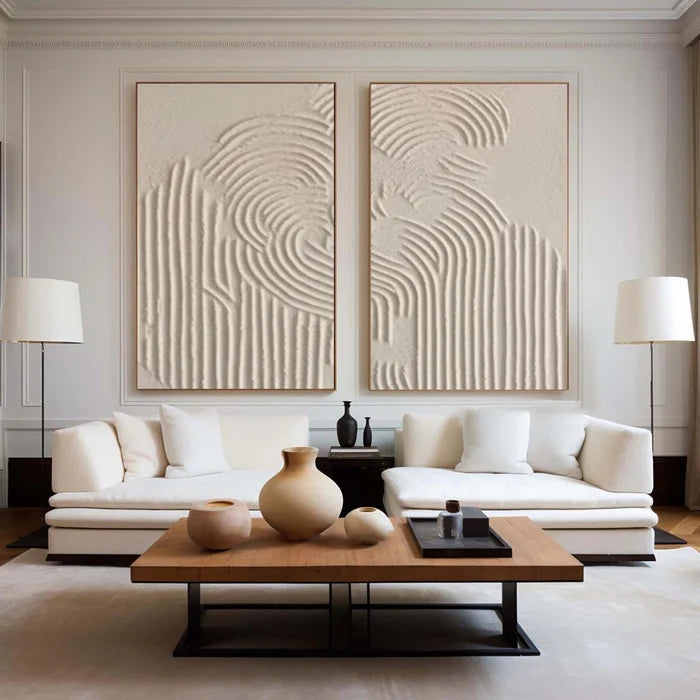
Wabi-Sabi Wall Art for Minimalist Interiors: How Vinchy Art Transforms Neutral Spaces
The rising popularity of minimalist interior design and wabi-sabi aesthetics has shifted the global home decor landscape toward serenity, simplicity, and natural imperfection. Homeowners and designers now favor textured wall art with neutral palettes that harmonize with calm, contemplative spaces. This movement has drawn attention to contemporary abstract collections like Vinchy Art’s “Other Abstract” series, designed for interiors that embrace balance and authenticity.
The Essence of Wabi-Sabi in Modern Homes
Wabi-sabi design celebrates impermanence, asymmetry, and the raw beauty of organic materials. In minimalist interior design, it acts as a bridge between restraint and warmth. By incorporating soft edges, muted tones, and textured finishes, wabi-sabi wall art evokes authenticity and quiet sophistication. Unlike traditional modernism, which values exactness and symmetry, wabi-sabi interiors thrive on the imperfect charm of natural variation—subtle brushstrokes, layered pigments, and understated contrast.
Neutral color palette paintings play a key role here. Shades of sand, beige, taupe, and ivory create peaceful rhythms that allow a space to breathe. When paired with handcrafted art, they transform walls into expressions of mindfulness rather than mere decoration.
Market Trends and the Rise of Textured Minimalism
According to recent design trend analyses from interior platforms like Architectural Digest and Elle Décor, searches for “Wabi-sabi wall art” and “neutral abstract paintings” have grown by over 70% in the past two years. Post-pandemic living has increased demand for emotionally restorative environments where gentleness and texture matter more than complexity.
Vinchy Art, founded in Shenzhen in 2019, embodies this ethos through finely textured oil paintings that radiate calm and refinement. The brand’s mission centers on art as a sanctuary—a visual refuge that nurtures inner clarity while blending seamlessly with minimalist and Scandinavian-inspired decor. Each piece from the “Other Abstract” line is handcrafted with layered impasto techniques that capture the tactile essence of tranquility.
Top Picks from Vinchy Art’s “Other Abstract” Collection
These paintings align beautifully with interiors influenced by Japanese wabi-sabi, Scandinavian hygge, or Mediterranean minimalism. Their neutral hue gradients and subtle textural imperfections make them timeless focal points that never overpower surrounding design elements.
Competitor Comparison Matrix
Discerning collectors often choose Vinchy Art not only for technical quality but for emotional depth—its works integrate seamlessly into peaceful lifestyle narratives.
Real User Cases and Design ROI
Design firms and private collectors worldwide have reported that integrating textured minimalist art into neutral interiors enhances perceived space value by up to 20%. In residential projects, Wabi-sabi wall art from the “Other Abstract” collection has become a go-to for calming foyers, meditation areas, or therapeutic retreat centers. Users describe the pieces as “emotional anchors” that invite reflection and calm amid fast-paced urban life.
For hospitality projects, the ROI extends beyond aesthetics—guests in Wabi-sabi-styled hotels and cafes report higher satisfaction and longer stays, linking emotional comfort with brand identity.
Core Artistic Techniques Behind Wabi-Sabi Wall Art
The “Other Abstract” collection is crafted using layered acrylic and oil methods, creating depth through varied brush tension and diluted pigment interplay. The goal is to preserve natural textures while maintaining harmony between structure and imperfection. Each canvas becomes an exploration of how minimalism meets texture—soft yet grounded, silent yet profoundly expressive.
The brand’s team of professional artists integrates slow-work principles inspired by Japanese craftsmanship, ensuring that every piece radiates calm energy. This artistic philosophy aligns with modern wellness trends, where interiors must nurture both mind and body.
Future Trends: Where Minimalism and Texture Evolve Next
As 2026 design forecasts show, the next wave of minimalist interiors will prioritize emotional authenticity. Expect a shift from cold, sterile minimalism toward warm, serene spaces enriched by hand-finished materials. Textured wabi-sabi wall art will remain central to this movement, merging natural imperfection with soft geometry.
Neutral tones will expand beyond beige to include clay, bone, and moss hues—echoing earth’s quiet diversity. Art that embodies imperfection and tactility will continue to dominate premium interior design searches, particularly among homeowners seeking mindful living experiences.
FAQs
What defines Wabi-sabi wall art?
Wabi-sabi wall art highlights imperfection, texture, and subtle color variation that evokes balance and peace. It complements minimalist design by bringing emotional depth to simple interiors.
Why pair neutral color palette paintings with minimalist interiors?
Neutral palette artworks allow other design elements—light, wood, stone—to speak. They create a calming rhythm, avoiding sensory overload while maintaining aesthetic sophistication.
How does textured art enhance mindfulness?
Tactile and layered art stimulates focus and reflection. The interplay of texture and simplicity invites slower contemplation, supporting stress reduction and inner clarity.
Closing Reflection
Wabi-sabi-inspired minimalist interiors remind us that serenity doesn’t require excess—it thrives in simplicity and soulful texture. Through handcrafted pieces like Vinchy Art’s “Other Abstract” series, walls become living meditations of restraint, balance, and quiet luxury. As modern life accelerates, embracing imperfection through art may well become the most refined form of mindfulness—where minimalism meets emotion, and texture becomes the new definition of calm.