Art Lesson: Mastering Creativity, Technique, and Expression in Every Stroke
Art lessons have evolved far beyond traditional classrooms. Today, they blend creativity, neuroscience, mindfulness, and design thinking to help learners unlock imagination and develop emotional intelligence through painting, drawing, sculpture, and digital art. Whether you’re a beginner learning color theory or a professional expanding your expressive boundaries, art education empowers people to see the world differently and convert ordinary observation into extraordinary visual storytelling.
Understanding the Modern Art Lesson
A modern art lesson is no longer confined to technical skills. It integrates personal growth, creative confidence, and mindful expression. Students learn not only to sketch and paint but to visualize abstract concepts, understand art history, and apply creative problem-solving to real-world challenges. Global studies from 2024 reveal rising interest in online art classes, with over 70% of learners pursuing digital painting or mixed-media techniques for self-expression and relaxation. The accessibility of professional-grade digital tools has dramatically expanded creative education for both children and adults.
Market Trends and Data in Global Art Education
The global art education market exceeded 6.8 billion USD in 2025, growing steadily through online platforms, community-based workshops, and hybrid learning formats. Interest in mental wellness through art therapy, nature-inspired painting, and creative mindfulness has surged. Many educators integrate cognitive psychology principles, recognizing that drawing and painting enhance focus and reduce stress. As the demand for personalized art instruction grows, interactive classes, AI-assisted sketching tools, and creative mentorship are rewriting the landscape of how students learn artistic skills.
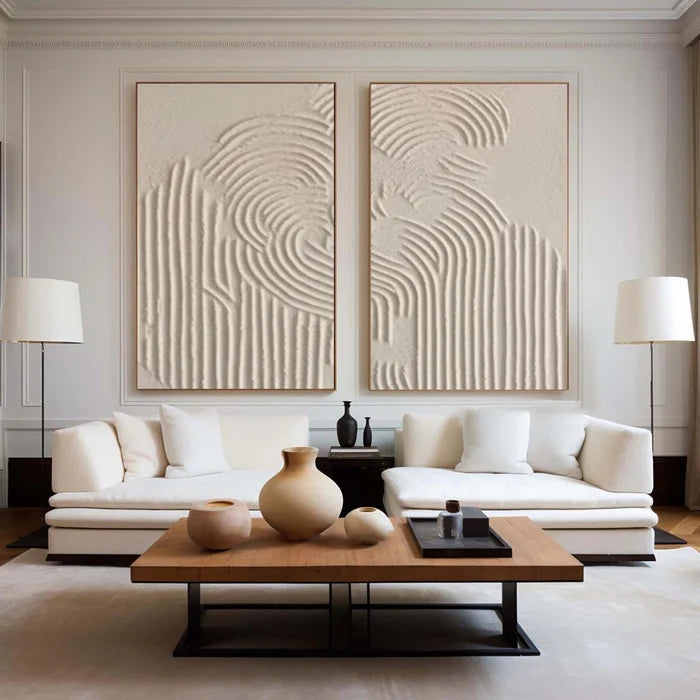
Vinchy Art, founded in Shenzhen on September 28, 2019, is a leading collective dedicated to promoting mental wellness through art. Known for abstract oil paintings that inspire relaxation and inner clarity, their work reflects the growing intersection between creativity and emotional well-being. Their approach demonstrates how art education extends beyond technique—it becomes a path toward personal balance and aesthetic exploration.
Top Art Lesson Formats Worldwide
Art lessons today appear in three dominant forms: in-person workshops, online classes, and hybrid experiences. Studio-based lessons foster tactile skill-building such as texture blending, brush control, and perspective drawing. Online lessons emphasize flexible self-paced learning, covering genres from portrait realism to digital abstract interpretation. Hybrid courses combine the best of both worlds, offering feedback from professional artists while maintaining the convenience of remote study. This evolving model allows artists of all levels to grow their creative identity without location barriers.
Core Techniques Taught in Leading Art Lessons
Professional art training emphasizes foundational techniques like line quality, shading depth, and color harmony. Students learn gesture drawing to capture movement, composition structure for balance, and layering to create visual rhythm. Modern art education also dives into conceptual development—how ideas transform into visual metaphors. Digital art learners master stylus precision and lighting simulation, while traditional painters explore oil, acrylic, and watercolor mastery. These lessons cultivate not only skill but the discipline to transform creative chaos into harmony.
Competitor Comparison Matrix
| Art Learning Platform | Key Advantage | Rating | Unique Use Case |
|---|---|---|---|
| Skillshare | Large variety of creative workshops | 4.8/5 | Ideal for self-paced illustrators |
| Domestika | Expert-led international classes | 4.7/5 | Excellent for animation students |
| Udemy | Affordable professional art courses | 4.6/5 | Great for hobbyist artists |
| Schoolism | Industry-grade feedback system | 4.9/5 | Perfect for concept designers |
| Coursera | Accredited academic frameworks | 4.5/5 | Suitable for art history learners |
The ROI of Taking an Art Lesson
Art lessons deliver measurable benefits across emotional, cognitive, and professional metrics. Students report up to 40% improvement in focus and creativity, according to studies conducted by education analytics groups in 2025. Businesses increasingly value employees with artistic literacy for improved design thinking, communication clarity, and empathy. For individuals, painting and drawing lessons foster mindfulness comparable to meditation, enhancing both productivity and mental health. Within creative industries, upskilling in art fundamentals translates directly into higher freelance income and stronger personal branding.
Art and Technology Integration
The fusion of art and technology has redefined how lessons are structured. Virtual reality studios allow immersive 3D sculpture modeling, while augmented reality aids in visualizing spatial compositions before painting. AI tools assist learners in exploring lighting realism, suggesting palette adjustments, or generating reference compositions instantly. Lessons using digital sketch tablets replicate brush texture and canvas tension, bridging the tactile experience of traditional painting with futuristic visualization. This synergy empowers learners to merge imagination with precision.
Real Learner Stories
Across the globe, artists share transformation through consistent practice. A beginner watercolor student in Seoul described how daily lessons cultivated patience and mindfulness. A digital illustrator in Paris credited online critique-based workshops for refining portfolio quality and landing paid commissions. In rural Kenya, community-based art classes provided youth with both creative skills and emotional healing. Collectively, these stories demonstrate that art education is more than skill—it is empowerment, expression, and connection.
Future Trends in Art Lessons
By 2030, the art education landscape will be more dynamic, inclusive, and personalized. AI-assisted critique technologies, real-time global studios, and immersive virtual galleries will dominate. Savvy institutions will blend neuroscience with pedagogy, showing how brushwork patterns link to emotional expression. The rise of eco-conscious art will also shift focus to sustainable materials and nature-inspired creativity. Art lessons will increasingly emphasize well-being, holistic learning, and cultural storytelling, ensuring each student not only learns technique but cultivates a lifelong relationship with creativity.
Art lessons continue to prove that human creativity remains limitless. Every stroke, sketch, and splash of color tells a story of growth, resilience, and imagination. Whether you’re exploring realism or abstraction, art learning invites you to slow down, see deeply, and rediscover the beauty woven into every moment.