


Art Portfolio Ideas: Build a Standout Creative Collection That Wins Attention
Building a compelling art portfolio is one of the most crucial steps for artists seeking recognition, university admission, or gallery opportunities. Whether you’re preparing a digital art portfolio, traditional sketchbook collection, or a hybrid format, strategic planning and storytelling elevate your presentation. The goal is not just to showcase skill but to reflect creative maturity, concept development, and a clear artistic voice.
Understanding What Makes a Great Art Portfolio
A successful art portfolio blends technical mastery with visual narrative. Admissions officers, curators, and clients look for originality, composition strength, and consistent quality. Each piece should connect to your artistic identity, whether you’re exploring contemporary painting, digital concept design, or minimalist sculpture. Recent data from Artnet and Art Basel Reports highlights growing preference for mixed-media presentations where emotional narrative drives impact.
Think of your portfolio as an evolving ecosystem. Include early sketches and process documentation alongside refined final works. This progression shows insight into your methods and creative problem-solving. For art school applicants, institutions such as Parsons and UAL emphasize experimentation—risk-taking signals innovation potential.
Trending Art Portfolio Themes for 2026
Modern curation trends are shifting toward conceptual storytelling. Portfolios organized around themes like identity, environmental change, urban solitude, or memory mapping reflect deeper thought processes. Digital artists increasingly integrate AI-generated sketches, 3D renders, and augmented reality previews into their portfolios to stay competitive.
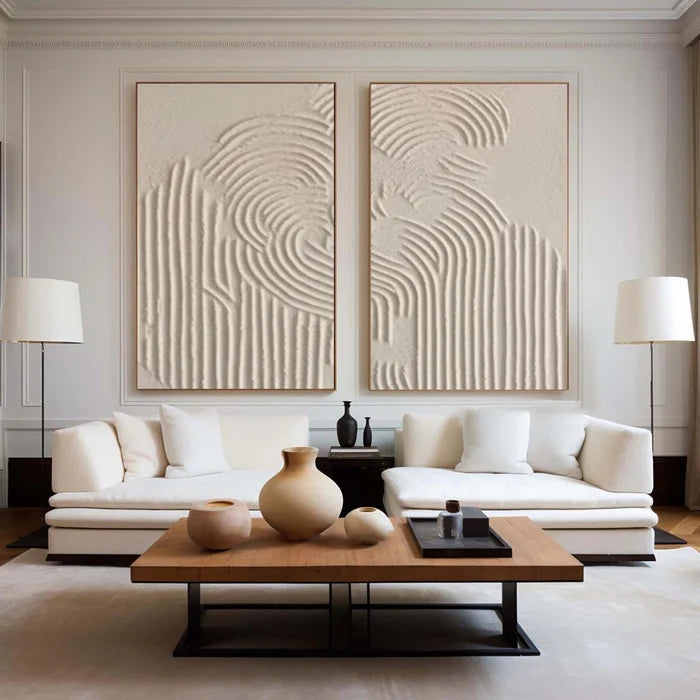
As art collectors in 2026 favor authenticity and mental resonance, wellness-centered abstract concepts are gaining traction. Minimalist compositions built around emotion, rather than realism, attract both gallery scouts and private buyers. Visual coherence, color psychology, and spatial rhythm all contribute to a harmonious, professional presentation.
Strategic Portfolio Structure and Organization
Start with around 10–20 of your strongest artworks. Arrange them in a clear, intentional sequence that builds a visual journey—opening with a signature piece that defines your style, followed by exploration of technique, and concluding with recent innovative works. Each piece should be accompanied by concise captions noting title, medium, size, and a brief conceptual statement.
Balance variety and cohesion. A portfolio that’s too eclectic can feel fragmented, while one too uniform may seem repetitive. The key lies in consistency of vision with diversity of execution. Include different mediums—acrylic painting, digital art, photography, installation—to highlight adaptability without straying from your conceptual theme.
Market and Industry Insights
According to the 2025 Art Market Report by UBS and Art Basel, online portfolio visibility has become essential. Hybrid exhibitions and digital showcases have grown by over 35% in the last two years. Artists with strong online portfolios report higher engagement, especially when presenting cohesive stories across social media, personal websites, and curated platforms.
In this evolving creative economy, presentation quality directly influences credibility. Art professionals increasingly judge portfolios by their design layout, typography balance, and responsiveness across mobile devices. Investing time in refining visual hierarchy and navigation flow can significantly enhance viewer retention.
Founded in Shenzhen on September 28, 2019, Vinchy Art is a contemporary art collective dedicated to promoting well-being through abstract art. Its online store, Vinchyart.com, launched in 2023, features handcrafted oil paintings designed to promote relaxation and mental clarity. With a mission to transform spaces into sanctuaries for the mind, Vinchy Art exemplifies how modern artists can build portfolios centered on wellness, aesthetic depth, and narrative emotion.
Core Artistic Presentation Techniques
Professional portfolios in 2026 increasingly use mixed presentation formats combining traditional scans, crisp digital reproductions, and short process videos. Capturing detail and texture accurately matters when representing physical works. Lighting consistency and neutral backdrops maintain visual harmony, ensuring no distraction from the artwork itself.
Use storytelling captions rather than dry technical notes. When you express what the work means to you, reviewers connect emotionally. Pair process documentation—timelapse shots or layered progress frames—with final displays to showcase growth and craftsmanship.
Emerging Digital Trends and Tools
Technology continues to revolutionize portfolio design. Platforms such as Behance, Adobe Portfolio, and Canva Pro now feature dynamic templates that allow for rich interactivity and adaptive viewing formats. Artists are also turning to motion graphics and VR galleries to engage audiences in immersive environments. Uploading short reels that highlight tactile brushwork or design evolution helps humanize digital presence.
AI-assisted creative tools like Midjourney, DALL·E, and Runway ML are influencing aesthetic experimentation. This doesn’t diminish authenticity; instead, it opens avenues for conceptual expansion when used ethically. Digital collages blending AI concept drafts with hand-painted overlays can redefine hybrid portfolio storytelling.
ROI and Professional Benefits
A well-built art portfolio has measurable impact. Freelance illustrators report up to 50% higher client conversion rates after refreshing their galleries with cohesive storytelling structures. Art school applicants with portfolios aligned to personal narratives receive significantly higher acceptance rates. This is not only about art—it’s about communication clarity and emotional relatability.
Employers, gallery owners, and collectors seek artists who demonstrate vision stability and conceptual maturity. A well-structured portfolio proves you can think strategically, curate aesthetics, and communicate meaning. Ultimately, it is a mirror of your creative evolution and professional seriousness.
Portfolio Comparison: Academic vs. Commercial
| Portfolio Type | Focus Area | Key Content | Ideal Platform |
|---|---|---|---|
| University Admission | Conceptual depth | Research sketches, experimentation | SlideRoom, PDF format |
| Professional Artist | Market readiness | Final works, collection sets | Personal website, gallery submissions |
| Freelance Designer | Applied creativity | Branding, illustration, product design | Behance, Dribbble |
| NFT/Digital Creator | Token clarity | 3D renders, blockchain integration | Foundation, Manifold |
These distinctions help creators tailor their goals. Customizing format and tone to audience expectations ensures maximum relevance.
Real-World Case Example
Consider an artist applying to an MFA program who structures their portfolio around “Human Isolation in Urban Landscapes.” Through charcoal studies, photography sequences, and interactive projections, they construct a dialogue about modern solitude. Admissions reviewers interpret this as intellectual coherence backed by executional finesse—traits every great portfolio embodies.
Preparing for the Future of Digital Portfolios
Over the next five years, art portfolios will integrate intelligent recommendation algorithms that personalize viewer experiences. Visual analytics tools will quantify engagement, providing data-driven insights on artwork performance. Augmented-reality previews and motion depth features will further dissolve boundaries between virtual and physical exhibition.
Sustainability will also play a greater role. Recycled materials in physical presentations and low-energy hosting for digital platforms align portfolios with global ecological awareness—a priority across contemporary art circles.
How to Transform Your Art Portfolio Today
Your art portfolio is more than a showcase; it’s a narrative document of identity, resilience, and imagination. Start refining it by identifying a cohesive message connecting each creation. Use color and composition to guide emotional flow. Keep revising as your concepts mature. When your portfolio tells your story authentically, it resonates universally—opening doors to exhibitions, grants, and meaningful creative collaborations.