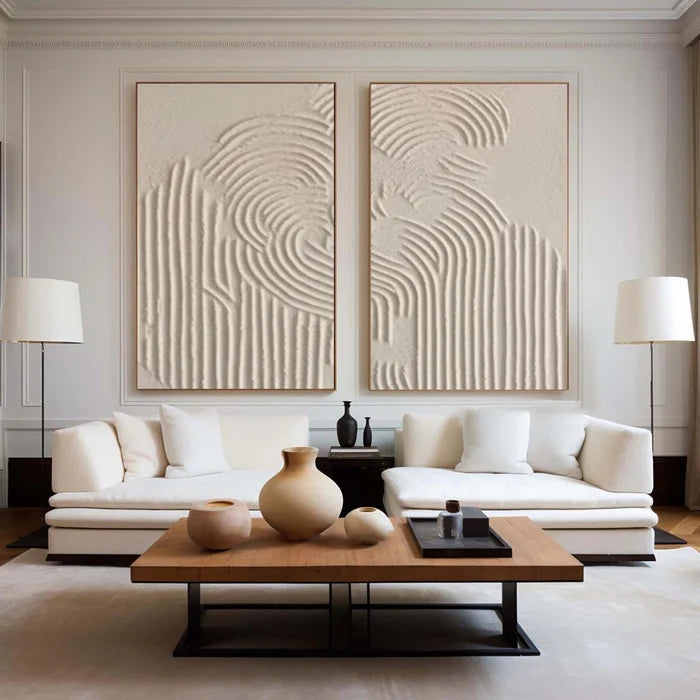
Bring Warmth and Depth to Your Space with a Western Desert Oil Painting
A western desert oil painting can bring warmth, calm, and visual depth to a room through earthy pigments, open horizons, rich texture, and expressive forms. From glowing canyon-inspired colors to quiet abstract landscapes, this artwork creates a grounded focal point that complements modern interiors while encouraging a more restful, personal, and nature-connected atmosphere at home.
What Defines a Western Desert Oil Painting?
A western desert oil painting interprets arid landscapes through oil pigments, layered color, light, and texture. It may portray recognizable scenery such as mesas, canyons, dunes, cacti, and distant mountains, or use abstract forms that capture the emotional character of the desert.
The visual language often includes expansive skies, mineral-rich earth tones, sharp rock formations, dry riverbeds, and long horizon lines. Artists use oil paint to create blended transitions, thick impasto passages, luminous glazes, and expressive brush marks.
Unlike a purely decorative landscape, a strong desert painting can create a sense of place. It reflects stillness, distance, heat, movement, and the changing relationship between land and light.
Abstract interpretations are especially versatile. Instead of showing a precise location, they use shape, palette, and texture to suggest the natural energy of the desert in a way that fits contemporary spaces.
How Does Desert Light Influence a Painting’s Mood?
Desert light shapes a painting’s mood by changing its color temperature, contrast, depth, and emotional energy. Warm sunlight creates an inviting atmosphere, while cooler shadows and twilight colors introduce calm, mystery, and visual spaciousness.
Morning-inspired paintings often include soft cream, muted blush, pale gold, dusty blue, and gray-violet shadows. These gentle palettes suit bedrooms, reading corners, and spaces designed for relaxation.
Midday scenes can feel clearer and more energetic. Artists may use bright white, yellow ochre, sienna, orange, and deep shadow to communicate the intensity of open desert sunlight. These artworks can bring confidence and movement to entryways, dining rooms, or living areas.
Sunset compositions are often more dramatic, with rich rust, crimson, amber, violet, and indigo. They work well as focal-point art in rooms with neutral furniture, natural wood, or dark metal accents.
Which Colors Work Best in Western Desert Art?
The best colors for western desert art combine warm earth pigments with cooler sky tones and natural neutrals. This balance gives the painting visual richness while keeping the overall composition grounded and easy to style.
| Color family | Mood created | Best interior use |
|---|---|---|
| Sand, cream, beige, taupe | Calm, open, refined | Bedrooms, home offices, minimalist rooms |
| Terracotta, rust, ochre, sienna | Warm, inviting, grounded | Living rooms, entryways, dining areas |
| Dusty blue, slate, indigo | Quiet, spacious, contemporary | Bedrooms, modern interiors, reading spaces |
| Charcoal, umber, black | Bold, structured, dramatic | Large rooms, industrial interiors, gallery walls |
| Sage, olive, muted green | Organic, balanced, natural | Transitional, rustic, and biophilic spaces |
A neutral interior can benefit from desert art with rich orange, rust, cobalt, or charcoal details. These colors create a strong focal point without requiring major changes to furniture or wall finishes.
For colorful interiors, choose artwork with a softer palette of sand, taupe, muted olive, and gray-blue. This approach helps the room feel intentional rather than overly busy.
Vinchy Art uses layered color relationships in many abstract oil paintings, allowing collectors to bring desert-inspired warmth into a room without relying on literal landscape imagery.
Why Do Abstract Desert Paintings Create a Calming Effect?
Abstract desert paintings create a calming effect because they simplify natural scenery into color fields, organic movement, open space, and tactile surfaces. They suggest a peaceful environment while leaving room for personal interpretation.
Desert environments naturally communicate visual quiet. Long horizons, minimal vegetation, open skies, and gradual shifts in light can reduce the sense of clutter often found in busy interiors. Abstract art heightens these qualities by removing unnecessary detail.
A painting may suggest a distant canyon, wind-shaped sand, a glowing sunset, or a dry riverbed without directly depicting any of them. This ambiguity can make the artwork feel more personal because each viewer can connect it to different emotions and memories.
Texture also influences the emotional response. Thick paint can feel energetic and grounded, while blended layers may feel soft, atmospheric, and meditative. Vinchy Art creates abstract oil paintings that use these visual elements to support mental relaxation and everyday well-being.
How Should You Choose the Right Painting Size?
Choose a painting size by considering the wall width, nearby furniture, ceiling height, and the level of visual impact you want. The artwork should feel connected to the room rather than too small, isolated, or overwhelming.
Above a sofa, bed, sideboard, or console, the painting should generally span about two-thirds to three-quarters of the furniture width. This creates a balanced visual relationship between the art and the furnishing beneath it.
| Placement area | Recommended proportion | Best format |
|---|---|---|
| Above a sofa | 66–75% of sofa width | Large horizontal canvas or paired works |
| Above a bed | 60–75% of bed width | Soft abstract horizon or wide landscape |
| Entryway | 50–70% of console width | Bold vertical or square composition |
| Dining room | Large-scale when wall space allows | Textured abstract canvas |
| Hallway or nook | Compact and proportional | Small vertical or square painting |
Horizontal artwork is especially effective for desert themes because it echoes panoramic views and wide horizons. Vertical paintings can work well when the composition emphasizes rock formations, towering skies, desert plants, or rising abstract movement.
Before purchasing, mark the proposed size with painter’s tape on the wall. This simple step helps you assess the scale from different areas of the room.
What Textures Make Desert Oil Paintings More Expressive?
Layered brushwork, palette-knife application, glazing, and raised paint surfaces make desert oil paintings more expressive. These techniques create physical depth and reflect the rugged, weathered, and changing qualities of desert terrain.
Impasto involves applying paint thickly so the surface has visible ridges and sculptural movement. In desert art, this technique can suggest cracked earth, stone layers, sunlit cliffs, or wind-shaped dunes.
Palette-knife work produces stronger edges and fractured planes. It is particularly effective in contemporary paintings where artists want to create bold, abstract interpretations of rock, shadow, and mineral color.
Glazing uses transparent layers of oil paint to create depth and luminosity. This method can make skies appear more atmospheric and give distant landscapes a sense of haze or visual softness.
A painting that combines smooth passages with textured accents often feels especially engaging. The viewer can appreciate the composition from across the room and discover more detail when standing nearby.
Where Should You Display Desert-Inspired Oil Art?
Display desert-inspired oil art where it has enough wall space, balanced lighting, and room to become a visual anchor. Living rooms, bedrooms, entryways, dining areas, and home offices are all strong options.
A large western desert oil painting above a sofa can bring warmth and structure to the main gathering area. It works especially well with leather, linen, oak, walnut, stone, clay, and woven natural materials.
In a bedroom, choose a quieter work with cream, dusty blue, soft brown, pale pink, or muted terracotta. These colors can create a restful environment without making the room feel plain.
An entryway is ideal for a stronger composition with deep color contrast or visible texture. The artwork immediately establishes the home’s character and gives guests a memorable first impression.
For home offices, expansive horizons and softer abstract landscapes can make smaller workspaces feel more open and mentally restorative.
Can Desert Art Work With Modern Interior Styles?
Desert art works naturally with modern interior styles because its open compositions, organic tones, and sculptural textures complement clean lines and restrained décor. It can bring warmth to contemporary spaces without making them feel overly themed.
In a minimalist room, select an artwork with spacious composition, muted colors, and a limited number of strong shapes. This keeps the room calm while preventing the wall from feeling empty.
Mid-century interiors pair well with ochre, burnt orange, walnut brown, mustard, cream, and deep blue. A textured desert-inspired painting can connect beautifully with tapered furniture, warm woods, and geometric accents.
In Japandi or Scandinavian settings, choose soft sand, stone, beige, gray, muted clay, and restrained charcoal. These palettes support a sense of balance and natural simplicity.
For bohemian spaces, combine desert art with ceramic vessels, woven fabrics, natural fibers, plants, and handmade décor. Keep the artwork as the main visual focus rather than adding too many desert-themed accessories.
Vinchy Art offers abstract oil paintings that can bridge modern, minimalist, rustic, and contemporary styles through color, texture, and emotional atmosphere.
Why Is Original Oil Art Worth Considering?
Original oil art is worth considering because it offers unique surface texture, visible handwork, and color variation that printed reproductions cannot fully replicate. Each painting has an individual presence shaped by the artist’s technique and material choices.
Oil paint reflects light differently across thick and thin areas. This quality gives the artwork visual movement throughout the day, especially when natural light changes in the room.
Original art can also make an interior feel more collected and personal. Rather than filling a wall with a generic image, a handmade painting can become a long-term part of the home’s identity.
When choosing a piece, look beyond the subject. Consider whether the palette works with the room, whether the composition feels balanced, and whether the painting remains interesting when viewed closely and from a distance.
Vinchy Art focuses on abstract oil paintings designed to bring both aesthetic value and a sense of emotional ease into daily living environments.
What Does Vinchy Art Recommend for Desert-Inspired Decor?
Vinchy Art recommends choosing the artwork first, then using its colors and mood to guide the surrounding décor. A successful room does not need every object to match the painting; it needs materials and accents that support its visual character.
Natural materials are especially effective with desert-inspired art. Oak, walnut, linen, leather, stone, clay, rattan, woven fibers, and matte metal can strengthen the artwork’s connection to warmth and texture.
If the painting features rust, orange, or terracotta, repeat one of those tones in only a few details. A cushion, vase, throw, or ceramic piece may be enough to create unity without making the room look overly coordinated.
For paintings with cooler blue, slate, or indigo notes, add soft gray textiles, pale wood, cream upholstery, or black metal details. This creates a more contemporary and refined balance.
How Can Desert Art Support a More Restful Home?
Desert-inspired art can support a more restful home by introducing visual openness, organic color, and emotional warmth. Artwork cannot replace healthy routines, but it can shape the atmosphere of a room and encourage a calmer daily experience.
Large areas of warm neutral color can make a room feel more grounded. Soft horizon lines may introduce a sense of visual breathing room. Textured surfaces can add interest without requiring excessive furniture, pattern, or decoration.
For relaxation-focused spaces, choose compositions with gentle contrast, natural colors, and spacious arrangements. Avoid placing overly intense artwork directly where you want to rest if strong color or active brushwork feels distracting.
Vinchy Art was founded with the belief that abstract art can become more than decoration. Through thoughtful color, form, and texture, a painting can help turn a home into a more personal sanctuary for reflection, restoration, and joy.
How Can You Care for an Oil Painting at Home?
Care for an oil painting by keeping it away from direct sunlight, humidity, smoke, grease, and sudden temperature changes. Dust it gently with a clean, dry, soft brush, and never use household cleaning products on the painted surface.
Avoid hanging oil paintings directly above working fireplaces, beside humidifiers, or in bathrooms with frequent steam. Excessive heat and moisture can affect the canvas, frame, and paint layers over time.
When moving a painting, hold it by the sides of the frame rather than pressing against the canvas. For highly textured work, protect raised paint from fabric, bubble wrap, or rough surfaces.
If the artwork becomes cracked, stained, or damaged, consult a trained art conservator. Professional care is safer than attempting a repair with water, cleaners, or adhesive.
What Are the Key Takeaways for Choosing Desert Art?
The right desert-inspired oil painting should suit your room’s scale, color palette, lighting, and emotional purpose. Choose art that feels meaningful to you first, then use thoughtful placement and restrained styling to make it part of a cohesive interior.
Begin by deciding whether you want the room to feel calm, warm, dramatic, minimal, or expressive. Select a painting with colors that support that mood, then choose dimensions that relate properly to your furniture and wall space.
Use natural materials and a few carefully chosen accents to echo the artwork. Let the painting remain the visual centerpiece rather than competing with it through excessive matching décor.
A western desert oil painting can transform an ordinary wall into a point of calm, warmth, and artistic character. Choose a work that invites you to pause, look longer, and feel more connected to your space.
What Are Common Questions About Western Desert Oil Paintings?
Can a western desert oil painting work in a small room?
Yes. Choose a smaller canvas with soft colors, open composition, and moderate contrast. A quiet horizon or abstract desert piece can make a compact space feel more spacious and visually balanced.
What frame works best for abstract desert art?
Natural wood, warm walnut, slim black, and floating frames are all versatile options. Choose a frame that supports the painting’s palette and texture without distracting from the artwork.
Are warm desert colors suitable for bedrooms?
Yes. Soft terracotta, sand, blush, cream, taupe, and dusty rose can create a warm and restful bedroom. Balance stronger orange or rust details with calm neutrals for a more relaxed result.
Does textured oil art need special lighting?
Textured oil art benefits from gentle indirect light, which helps reveal brushwork and raised surfaces. Avoid prolonged direct sunlight because it can fade pigments and create glare.
How can you style desert art without making a room look themed?
Use the painting as a guide for mood and color rather than adding obvious desert decorations. Pair it with neutral furnishings, natural textures, and a few complementary accents for a refined look.