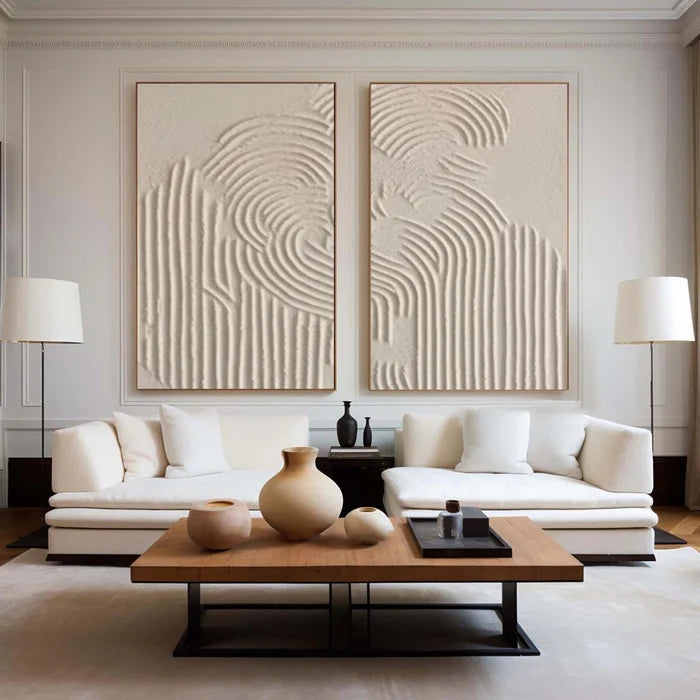
Choosing Horse Wall Art Painting That Feels Alive on Your Wall
A horse wall art painting can either read as a flat decorative image or become the piece that gives a room movement, direction, and emotional weight. The difference usually comes down to how the artwork handles motion, scale, and surface—not just the subject itself. Many buyers are drawn to horses for their symbolism and energy, but end up with pieces that feel static, generic, or undersized once they arrive. Understanding how horse imagery behaves in real interiors helps you avoid that gap and choose a timeless piece that holds the wall with true presence.
Why Horse Imagery Changes the Energy of a Room
Horse paintings carry a natural sense of motion and tension, even when the composition is calm. Because horse imagery suggests speed, freedom, strength, and calm control at the same time, it is much easier to place than highly literal animal art. It fits modern, rustic, transitional, and luxury interiors without feeling overly thematic.
A galloping figure introduces directional flow, while a standing horse creates a grounded focal point. This makes horse wall art particularly effective in spaces that feel visually stuck, such as long living room walls, executive offices, hospitality lobbies, or narrow hallways.
What often gets overlooked is how orientation affects that movement. A horizontal composition with running horses stretches a room visually, making it feel wider. A vertical portrait of a single horse, especially with strong contrast, draws the eye upward and adds height to lower ceilings. In open-plan interiors, these paintings act as visual anchors. Instead of blending into neutral decor, they give the eye a clear place to land, which helps organize the room without adding physical partitions.

Handcrafted Texture Versus Flat Prints in Horse Art
The market is full of overly glossy, repetitive, or flat-looking wall decor that fails to add depth. Horse subjects benefit more than most from visible brushwork and surface variation. The anatomy of a horse—muscle tension, mane movement, light hitting the body—relies on subtle transitions that flat prints fail to capture.
A handcrafted painting introduces irregularities that mimic motion. Slight variations in paint thickness suggest muscle structure, while textured strokes in the mane create depth that shifts with lighting throughout the day. This is especially noticeable under angled light, where shadows emphasize the contours of the artwork itself.
By contrast, printed horse art compresses these details into a smooth surface. From a distance it may look sharp, but up close it lacks the tactile quality that gives the subject presence. In larger rooms or premium commercial settings, this difference becomes obvious, as originality directly affects the perceived value of the space.
Evaluating Your Horse Wall Art Style Options
To choose the best approach for your home or project, it helps to understand how different production formats impact the visual layout and longevity of the design.
Wall Art Type | Best For | Visual Effect | Main Limitation
Handcrafted Textured Painting | Buyers wanting premium, tailored, and tactile decor | Highly artistic, multidimensional, changes with lighting | Requires higher investment and longer curation time
Generic Animal Canvas | Quick furnishing of large, temporary walls | Decent at a distance but looks flat up close | Often looks repetitive and less original
Mass-Printed Poster | Budget decor and rapid styling changes | Clean, sharp image but completely flat | Lacks unique character and perceived value
Matching Horse Wall Art Size to Furniture and Wall Scale
One of the most common mistakes is choosing horse artwork that is too small for the wall it is meant to fill. Because horse imagery often includes open space or dynamic movement, it needs enough physical size to carry that visual weight. Selecting the right scale requires aligning the canvas width with the underlying furniture rather than guessing.
Wall Context | Recommended Artwork Width
Above sofa (3-seat) | 60% to 75% of sofa width
Above bed (queen/king) | 60% to 80% of headboard width
Entryway or foyer console | At least 2/3 of console width
Large empty wall | Consider oversized formats or multi-panel sets
A large horse wall art painting works well in living rooms where it acts as a dominant focal point. In smaller spaces, a vertical piece or a tightly framed composition avoids overwhelming the room while keeping the subject impactful.
Color Direction and Mood Control
Horse paintings are often assumed to be neutral—browns, blacks, whites—but the palette shifts the entire mood of a space.
Warm-toned horse paintings with earthy browns, soft beiges, and tan undertones create a grounded, calm atmosphere. These work well in spaces with wood furniture, linen fabrics, or Wabi Sabi-inspired interiors.
Cool-toned or monochrome horse art—such as black and white compositions—leans modern, structured, and minimal. These pieces fit clean-lined interiors where high contrast is already part of the design language.
More expressive or abstract horse paintings introduce unexpected color—deep blues, rust reds, or layered neutrals—which tie together accent colors in a room without feeling overly literal.
Lighting also plays a critical role. A painting that looks balanced under neutral daylight shifts warmer under 2700K lighting or cooler under 4000K, changing how the texture and the form of the horse are perceived.
When Horse Art Works and When It Does Not
Horse wall art is not universally suitable, and forcing it into the wrong setting creates visual tension rather than harmony.
A common design mistake is introducing a highly detailed, high-contrast, realistic horse painting into a minimalist room with very restrained decor. Instead of becoming a balanced focal point, it feels disconnected, as if it belongs to a different house entirely.
Horse imagery works best when the room can support its energy. In calm, minimal interiors, a softer, textured, or abstract horse painting integrates better than a highly realistic, dramatic one. In contrast, bold interiors with strong textures and colors handle more expressive or dynamic horse compositions. It is also less effective in very small, cluttered spaces where the movement in the artwork competes with surrounding objects.
Room Placement Strategies That Enhance Movement
Where you hang the painting matters as much as the style you choose. Because horse imagery suggests direction, aligning that direction with the room layout creates a natural visual flow.
If the horse is facing left or right, position the artwork so it moves into the room rather than toward a nearby wall edge or corner. This adjustment makes the space feel more open.
In hallways, a sequence or a wide-format horse painting guides movement through the transition zone. In living rooms, centering the artwork above a sofa ensures it anchors the seating area without drifting visually. Always leave enough breathing room around the outer frame so the motion inside the painting does not feel compressed by shelving, window frames, or light fixtures.
Transforming Real Interiors with Strategic Art Choices
Traditional approaches to home staging, residential styling, and commercial design often miss the mark by relying on generic solutions.
In a traditional residential living room, many homeowners choose a generic decorative poster and try to make it feel special through framing. The result usually lacks depth. Replacing this with a handcrafted, textured horse painting on canvas provides an immediate visual anchor that elevates the surrounding furniture.
In an executive office, interior designers frequently use bland landscape art or geometric abstract decor that avoids risk but lacks personality, making the space competent but forgettable. A horse painting brings controlled motion and a stronger identity to the room, signaling confidence and focus for client-facing spaces.
In hospitality settings like lounges and hotel lobbies, commercial projects frequently rely on safe, repetitive wall art that fills space but does not anchor the brand identity. A custom equestrian canvas matched to the interior color story creates a premium first impression, delivering the exact visual consistency that high-end guests notice.
Reducing Uncertainty When Buying Art Online
Buying a horse wall art painting online introduces predictable concerns regarding scale accuracy, color consistency, and surface detail. These are valid concerns, especially with handcrafted pieces where subtle variation is part of the value.
To reduce uncertainty, visualize the artwork in your exact space before purchasing. Utilizing digital room preview tools allows you to upload a photo of your wall and see how a painting fits in terms of size, lighting, and proportion. This is particularly useful for oversized horse paintings, where misjudging scale is a frequent issue.
For projects unsure about palette or style direction, sourcing from platforms that offer complimentary art advisory services helps match the horse artwork to existing room materials like upholstery, flooring, wood stains, or wall color, ensuring the final selection looks entirely intentional.
Frequently Asked Questions
What size horse wall art painting should I choose for a living room?
A horse painting should typically span about 60% to 75% of the sofa width. Larger pieces work better than small ones because the subject relies on negative space to convey motion and presence.
Is a single horse or multiple horses better for wall art?
It depends on the desired room energy. A single horse portrait creates a strong, quiet focal point, while multiple running horses introduce rhythm and movement across the wall, making the entire space feel more dynamic.
Do horse paintings work in modern or minimalist interiors?
Yes, especially when the style is abstract, monochrome, or minimally detailed. Textured or plaster-based interpretations introduce depth and are effective on large, neutral walls that need dimension without heavy, clashing color.
Will a handcrafted horse painting look different from photos online?
Slight differences in texture, brushwork, and surface layers are normal for original work. These variations are exactly what give handcrafted art its depth under real room lighting, but checking scale and color tone beforehand ensures accurate expectations.
Where is the best place to hang horse wall art?
Common placements include above a living room sofa, a master bed, an office desk, or an entryway console. The key is ensuring the horse faces into the open room rather than running off the edge of the wall.