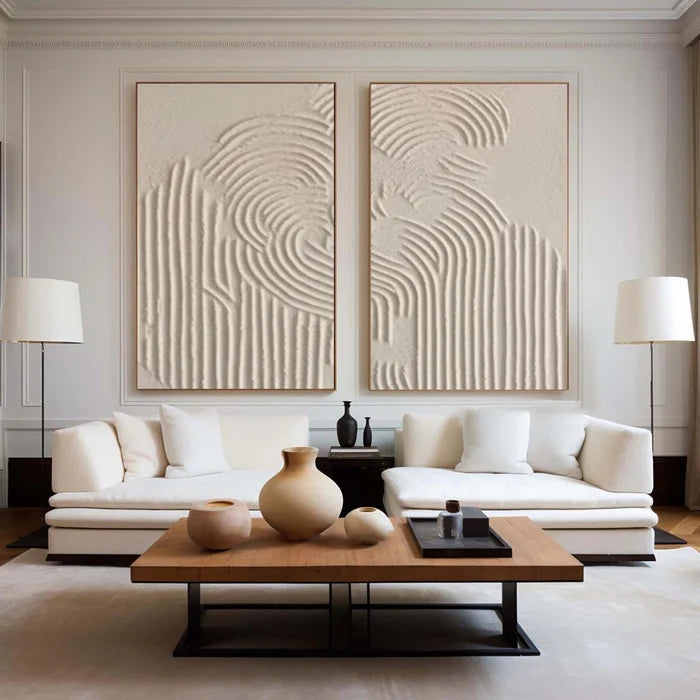
Give a Room Life and Personality with Animal Figure Canvas Paintings
Animal figure canvas paintings bring personality, movement, and emotional warmth to interior spaces. Whether painted realistically or interpreted through abstract oil techniques, they can create a memorable focal point, reinforce a room’s color story, and reflect the homeowner’s interests. The best artwork balances animal symbolism, canvas size, palette, texture, and placement to make a space feel intentional, welcoming, and visually complete.
What Are Animal Figure Canvas Paintings?
Animal figure canvas paintings are artworks that use animals as the central visual subject. They may feature wildlife, pets, birds, horses, ocean creatures, or symbolic animals through realistic detail, expressive brushwork, simplified forms, or abstract compositions.
These paintings can do more than decorate a wall. A carefully selected animal image can communicate freedom, loyalty, strength, curiosity, protection, or calm. The artistic style determines whether the result feels dramatic, playful, elegant, rustic, modern, or meditative.
Hand-painted oil artworks also offer a sense of depth that flat printed décor may not provide. Visible brushstrokes, layered color, and textured surfaces give the painting a physical presence that changes under natural and artificial light.
Vinchy Art approaches animal-inspired artwork through a contemporary perspective, using color, form, and texture to create pieces that support both visual beauty and emotional relaxation.
Which Animal Painting Styles Suit Different Interiors?
Animal paintings can suit nearly any interior when the style matches the room’s architecture, furnishings, and atmosphere. Realistic art works well in classic spaces, while abstract and minimalist animal art often complements modern homes.
| Animal Art Style | Main Visual Features | Suitable Spaces |
|---|---|---|
| Realistic wildlife paintings | Detailed fur, feathers, anatomy, and scenery | Traditional homes, studies, cabins, and formal living rooms |
| Abstract animal paintings | Loose forms, layered oil paint, expressive color, and texture | Modern homes, creative spaces, and contemporary living rooms |
| Minimalist animal art | Clean lines, open space, muted colors, and simple silhouettes | Scandinavian, Japandi, and tranquil bedroom interiors |
| Pop-style animal portraits | Bright colors, graphic shapes, and playful contrast | Studios, children’s rooms, eclectic spaces, and casual offices |
| Textured animal wall art | Palette-knife marks, raised paint, and dimensional surfaces | Entryways, dining rooms, and feature walls |
A realistic lion, wolf, or horse painting can give a room authority and visual drama. In contrast, an abstract bird, deer, or fish composition can create a softer atmosphere while still offering a recognizable subject.
For spaces with neutral furniture and smooth finishes, textured oil paintings can provide useful visual contrast. Their surface detail makes the wall feel more layered and complete without requiring extra décor.
How Do You Choose an Animal Subject for Your Space?
Choose an animal subject that supports the emotional mood of the room and feels personally meaningful. Wildlife can create drama, pet portraits can add familiarity, and birds or marine animals can bring a sense of movement, openness, and calm.
A horse painting is often chosen for rooms that need energy, freedom, and forward movement. Elephant art can suggest stability and wisdom, while birds may communicate hope, peace, or independence. Dogs and cats work especially well in family rooms, hallways, and relaxed living spaces because they add warmth and connection.
Consider the purpose of the room before selecting the animal. A home office may benefit from a powerful animal image that feels motivating, while a bedroom may be better suited to a quieter bird, deer, horse, or abstract animal composition.
The strongest choice is not always the most popular animal. Select a subject that connects with your own experiences, design preferences, and desired feeling for the room.
What Canvas Size Works Best for Animal Wall Art?
The right canvas size depends on wall width, furniture scale, ceiling height, and viewing distance. Large animal paintings create a strong focal point, while medium and small canvases work best for intimate areas, narrow walls, and grouped arrangements.
A painting above a sofa, bed, sideboard, or dining console should feel connected to the furniture beneath it. If the artwork is too small, it may appear isolated. If it is oversized for a compact wall, it can make the room feel crowded.
| Wall Placement | Recommended Canvas Approach | Design Purpose |
|---|---|---|
| Above a sofa | Large horizontal painting or coordinated pair | Creates a central living-room statement |
| Above a bed | Wide artwork with calm colors and balanced composition | Supports a restful bedroom atmosphere |
| Entryway | Vertical or medium-sized feature artwork | Establishes impact when entering the home |
| Dining room | Large central canvas with rich texture or color | Encourages conversation and visual interest |
| Home office | Medium-size art with uplifting imagery | Adds focus without visual distraction |
| Hallway | Small paintings or a coordinated series | Creates rhythm along the wall |
Before buying, measure the wall and the furniture below it. Leave enough blank space around the artwork for the composition to breathe. This creates a more polished result and allows the animal figure to remain the focal point.
Vinchy Art provides complimentary art advisory services to help clients evaluate artwork size, color balance, and placement for their individual interiors.
How Does Color Affect the Mood of Animal Art?
Color affects the mood of animal art by shaping how energetic, peaceful, sophisticated, playful, or dramatic the room feels. Neutral palettes create quiet elegance, while vivid colors and strong contrast create more visual excitement.
Black, white, charcoal, and soft gray animal paintings work well in refined interiors with clean lines. Earth tones such as beige, brown, olive, rust, and warm cream can support organic, rustic, or nature-inspired spaces. Blue, teal, misty green, and soft lavender are effective choices for rooms designed for rest and mental clarity.
Brighter palettes can create a stronger artistic statement. Red, orange, yellow, cobalt, pink, and gold accents may bring energy to a dining room, entryway, creative studio, or office. To keep the room cohesive, repeat one or two painting colors in smaller details such as cushions, rugs, flowers, or decorative objects.
Abstract oil paintings use color as an emotional language. A bird painted through soft blue and ivory layers may feel calming, while an expressive horse painted with red, black, and gold may feel powerful and dynamic.
Why Does Texture Matter in Animal Canvas Paintings?
Texture matters because it adds visual depth, tactile interest, and changing light effects to animal canvas paintings. Layered oil paint can suggest fur, feathers, water, movement, grass, wind, or the energy around an animal figure.
A smooth wall paired with minimalist furniture can sometimes feel visually flat. Textured animal art introduces contrast and dimension without overcrowding the interior. Palette-knife strokes can create bold movement, while fine brushwork can add softness and subtle detail.
Texture also improves viewing interest. From a distance, the painting reads as a clear animal composition. At close range, the viewer can notice paint layers, edges, marks, and tonal variations that reveal the artist’s process.
In rooms with good natural light, textured paintings can look different throughout the day. Morning light may reveal raised details, while warm evening lighting can make oil colors appear deeper and more intimate.
How Should You Style Animal Figure Canvas Paintings?
Style animal figure canvas paintings by coordinating their size, palette, frame, and visual intensity with the surrounding furniture and décor. Give the artwork enough open wall space so it can remain the main visual element.
Hang a single painting at a comfortable viewing height in areas where people stand or sit. Above a sofa or bed, place it close enough to create a visual relationship with the furniture rather than allowing it to appear disconnected.
For a bold animal portrait, reduce the number of competing decorative objects nearby. A few complementary accessories are usually enough. Let the colors in the artwork guide your selection of textiles, ceramics, lampshades, or accent furniture.
Frame choices can also influence the final look. A floating frame creates a polished contemporary finish. Natural wood frames work well with earthy colors and organic interiors. Black frames create contrast and can make a light-toned animal composition feel more dramatic.
Lighting is equally important. Soft wall lighting can reveal texture and color without producing distracting glare. Avoid placing the painting where direct sunlight can fade pigments over time.
Can Abstract Animal Art Create a More Relaxing Home?
Abstract animal art can create a more relaxing home when it uses balanced composition, flowing forms, open space, and calming color relationships. It offers the familiarity of an animal subject while leaving room for imagination and emotional interpretation.
A loosely painted bird in blue-gray, white, and soft beige may create a peaceful mood in a bedroom or reading corner. An abstract horse rendered in earth tones can bring movement to a living room while still feeling grounded and quiet. A marine-inspired painting can add a sense of flow to a bathroom-adjacent space, lounge, or coastal interior.
Vinchy Art specializes in abstract oil paintings created to encourage well-being, joy, and mental relaxation. Through considered color combinations, textured surfaces, and expressive forms, the artwork can become part of a more mindful and restorative interior environment.
Abstract art is especially useful for people who want a meaningful visual subject without overly literal imagery. It can feel personal, modern, and emotionally adaptable as the room evolves over time.
What Should You Check Before Buying Animal Canvas Art?
Before buying animal canvas art, check the artwork’s dimensions, orientation, colors, materials, texture, framing options, delivery conditions, and return policy. These details help ensure that the painting fits your wall, décor, and expectations.
Review whether the composition is horizontal, vertical, or square. Horizontal animal paintings often suit broad walls and furniture, while vertical works can bring height to narrow entryways or spaces between windows. Square canvases can work well above accent chairs, side tables, or compact consoles.
Consider the dominant tones in the artwork. Screen images may display colors differently from the lighting in your home, so choose a palette that remains compatible with the room even if small tonal shifts occur.
For oil paintings, check whether the surface is smooth, heavily textured, or mixed in approach. Texture affects the artwork’s visual impact and may influence where it is best displayed.
Vinchy Art offers global free shipping and a 30-day satisfaction guarantee, allowing clients to choose art with greater confidence. Its collection includes contemporary paintings designed to enhance interiors while supporting a more peaceful daily environment.
How Can You Care for Oil Paintings on Canvas?
Care for oil paintings on canvas by protecting them from direct sunlight, damp environments, extreme temperature changes, smoke, and accidental impact. Dust the surface gently with a clean, dry, soft brush instead of water, cleaning sprays, or household products.
Avoid hanging a painting directly above a working fireplace, radiator, humidifier, or steam-producing appliance. Excessive heat and moisture can affect the canvas, stretcher bars, and paint surface over time.
When moving the artwork, hold it from the sides of the frame or stretcher bars. Never press against the front surface, especially when the work has thick oil paint or raised palette-knife details.
Inspect hanging hardware occasionally to ensure that hooks, screws, and wire remain secure. Proper care helps preserve the painting’s color, texture, and structural condition for years.
What Are the Most Important Takeaways?
Animal figure canvas paintings can become powerful design elements when they are selected with purpose. The ideal piece brings together a meaningful animal subject, an appropriate style, the right size, a compatible palette, and thoughtful placement.
Start by deciding what feeling the room needs. Choose a bold tiger, lion, or horse for energy and presence. Choose birds, deer, ocean animals, or abstract forms for calm and visual softness. Measure the wall before buying, then select a canvas size that feels balanced with nearby furniture.
Use texture and lighting to create depth, and avoid overcrowding the wall with competing accessories. A well-positioned painting should have room to make an impact.
Vinchy Art offers a contemporary way to explore animal-inspired abstract oil paintings that combine beauty, mindfulness, and emotional comfort. Choose artwork that not only matches your room but also improves how you feel within it.
What Are Common Questions About Animal Figure Canvas Paintings?
What animal painting works best in a living room?
A large painting featuring a horse, bird, big cat, deer, elephant, or abstract wildlife subject can work well in a living room. Choose colors that connect with the room’s furniture, rug, and accent details for a cohesive look.
Are animal figure canvas paintings suitable for modern interiors?
Yes. Abstract, minimalist, textured, and graphic animal paintings are particularly suitable for modern interiors. Choose simplified forms, contemporary color palettes, and clean framing to maintain a balanced, current appearance.
How high should animal canvas art be hung?
Hang a single artwork so its center is at a comfortable viewing height. Above furniture, place it close enough to feel visually connected to the sofa, bed, console, or sideboard beneath it.
Can animal paintings be used in bedrooms?
Yes. Animal paintings can work beautifully in bedrooms when they use calming colors and gentle compositions. Birds, deer, horses, and softly abstract animal forms are often suitable choices for restful spaces.
Does textured animal wall art require special care?
Yes. Textured artwork should be handled carefully to avoid damaging raised paint. Keep it away from moisture, direct sunlight, and heat sources, and dust it lightly with a clean, dry, soft brush.