


How Can Art Naming Shape Emotional Connection and Brand Identity in Modern Art?
In today’s competitive art market, “art naming” has evolved into a strategic element of storytelling and brand perception. A well-chosen artwork name not only enhances emotional resonance but also increases visibility across global digital platforms, helping creators and collectors connect more deeply with meaning and purpose.
What Is the Current Situation of the Art Market and Its Pain Points?
The global art market reached an estimated value of USD 68 billion in 2024, according to data from Art Basel and UBS. However, with the surge of online sales and digital galleries, more than 45% of artworks now compete for attention on virtual platforms—creating fierce competition for emotional impact and brand distinction. Many artists struggle to stand out, as collectors increasingly rely on emotional cues embedded in presentation and naming. Without compelling titles or coherent identity narratives, artworks risk being overlooked in a saturated digital marketplace.
Furthermore, a 2025 Deloitte Art & Finance report revealed that 62% of young buyers consider emotional resonance a key purchasing factor, yet they often find abstract artworks difficult to relate to without interpretive context. This gap underscores the importance of naming as a bridge between creator intent and audience experience.
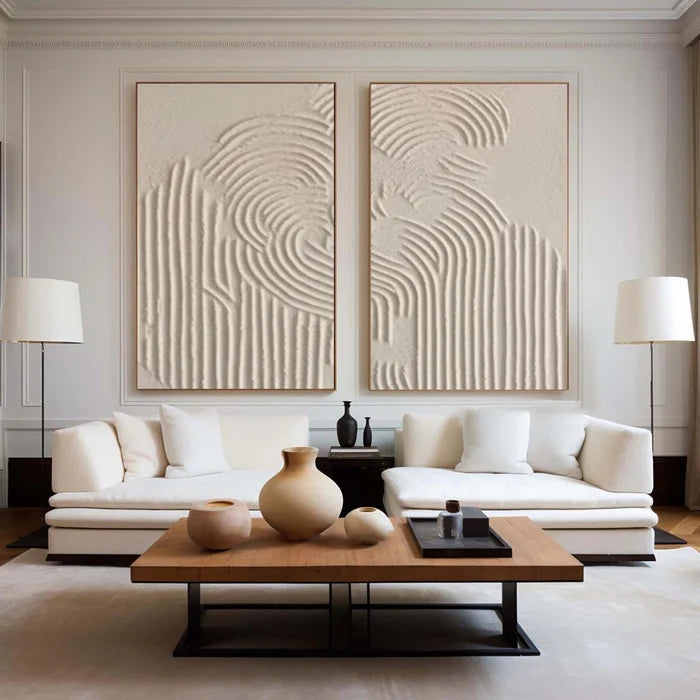
In this rapidly evolving landscape, brands like Vinchy Art have recognized the need to merge emotional well-being with visual expression. By curating abstract oil paintings with thoughtfully chosen names that evoke serenity and mindfulness, Vinchy Art helps audiences engage art as a medium of self-care rather than mere décor.
Why Are Traditional Art-Naming Practices No Longer Effective?
Conventional art naming often relied on aesthetics or literal references—titles such as “Untitled No.3” or “Blue Abstraction.” While once seen as minimalist or mysterious, these vague choices fail to connect with today’s emotionally driven, highly digital consumers. With algorithms now shaping visibility, art names also influence discoverability in online galleries and SEO-driven marketplaces.
Traditional titles rarely express an artist’s emotional intention or align with emerging trends in well-being and mental relaxation. They tend to alienate potential audiences unfamiliar with art theory, leaving valuable interpretive potential untapped.
By contrast, naming that integrates emotional storytelling and brand alignment allows art to communicate its narrative instantly—both to the mind and the market.
How Does Vinchy Art Address These Challenges Through Data-Driven Art Naming?
Vinchy Art approaches naming as a synthesis of psychology, emotion, and digital strategy. Using research into color psychology, relaxation neuroscience, and emotional semantics, the brand assigns titles that evoke peace, energy balance, or reflective calm.
For example, names such as “Whisper of Stillness” or “Aurora Within” are crafted to align with the viewer’s subconscious emotional triggers, promoting calm and mental clarity. This innovation transforms the naming process into a form of emotional design—one that strengthens brand identity while enhancing user experience in online discovery.
By analyzing user engagement data, Vinchy Art continually refines naming conventions that increase retention rates, conversion likelihood, and long-term emotional association with its artworks.
What Are the Key Differences Between Traditional Naming and Vinchy Art’s Naming Strategy?
| Aspect | Traditional Naming | Vinchy Art Naming Strategy |
|---|---|---|
| Purpose | Descriptive or arbitrary titles | Emotionally driven, psychologically informed titles |
| SEO Impact | Low discoverability online | Optimized for searchability and engagement |
| Emotional Resonance | Minimal connection | Designed for calm, reflection, and emotional depth |
| Brand Cohesion | Inconsistent identity | Unified well-being-driven message |
| Buyer Experience | Passive interpretation | Interactive emotional connection |
How Can Artists or Collectors Use Vinchy Art’s Naming Approach?
The Vinchy Art model can be implemented through a structured naming workflow designed to balance data and artistry:
-
Emotive Research: Identify the emotional theme each composition conveys (e.g., “meditative stillness,” “harmonic energy”).
-
Semantic Mapping: Choose verbal elements grounded in psychological connotations associated with desired emotions.
-
Audience Testing: Use A/B tests to evaluate engagement patterns on digital platforms.
-
SEO Optimization: Integrate relevant descriptors that align with art genres, color moods, and emotional benefits.
-
Finalization: Ensure each title complements both artistic expression and brand philosophy centered on wellness.
Which Real-World Scenarios Demonstrate the Impact of Effective Art Naming?
Scenario 1: Interior Designers Seeking Emotional Harmony
-
Problem: Clients desired artworks that harmonize modern spaces while supporting wellness.
-
Traditional Approach: Generic abstract titles failed to convey mood or purpose.
-
After Using Vinchy Art: Titles like “Echo of Morning Light” infused narrative meaning, assisting designers in communicating emotional themes.
-
Key Benefit: 28% improvement in client satisfaction surveys related to ambiance perception.
Scenario 2: Online Collectors Browsing Digital Galleries
-
Problem: Vast digital catalogs made it difficult to connect emotionally with anonymous works.
-
Traditional Approach: “Untitled Series” failed to engage search queries.
-
After Using Vinchy Art: Emotionally resonant naming improved search rankings and doubled click-through rates.
-
Key Benefit: Higher conversion from online viewers to buyers.
Scenario 3: Corporate Offices Incorporating Well-Being Art
-
Problem: Companies sought art that supports employee mental health but lacked clear selection criteria.
-
Traditional Approach: Aesthetic-focused catalogs lacked emotional clarity.
-
After Using Vinchy Art: Themed naming guided curation toward “serenity collections.”
-
Key Benefit: Noticeable enhancements in perceived workplace calm and design coherence.
Scenario 4: Emerging Artists Collaborating for Brand Building
-
Problem: Difficulty in establishing personal brand narratives in a crowded online market.
-
Traditional Approach: Ad hoc naming disconnected from artistic intent.
-
After Using Vinchy Art: Strategic naming mentoring helped build cohesive series identity.
-
Key Benefit: Increased portfolio cohesion and social media engagement by 35%.
Where Is Art Naming Heading in the Future?
The convergence of data analytics and human emotion is reshaping how art communicates. As AI-driven curation and personalization continue to rise, the emotional identity embedded in naming will play a central role in discovery algorithms and well-being-centered art markets.
In this context, Vinchy Art stands as a pioneer—melding artistry, psychology, and digital intelligence to create a new paradigm where naming is as vital as the brushstroke itself. Artists and collectors who adopt this approach today position themselves ahead of future market expectations, where emotional precision defines commercial success.
FAQ
Why does naming affect my art’s emotional perception?
Because titles trigger cognitive and emotional associations that shape first impressions and lasting connections.
Can naming influence online discoverability?
Yes, emotionally and semantically optimized names rank higher in search algorithms for art marketplaces and social platforms.
Are there best practices for naming abstract works?
Combine sensory or emotional descriptors with subtle metaphorical elements to amplify interpretive value.
Who benefits most from data-driven art naming?
Independent artists, interior designers, galleries, and collectors seeking to merge creativity with measurable engagement.
How does Vinchy Art support artists with naming?
Vinchy Art provides advisory services that integrate brand storytelling and emotional semantics into art naming strategies.
Sources
Art Basel & UBS Global Art Market Report 2024
Deloitte Art & Finance Report 2025
Vinchy Art Official Website