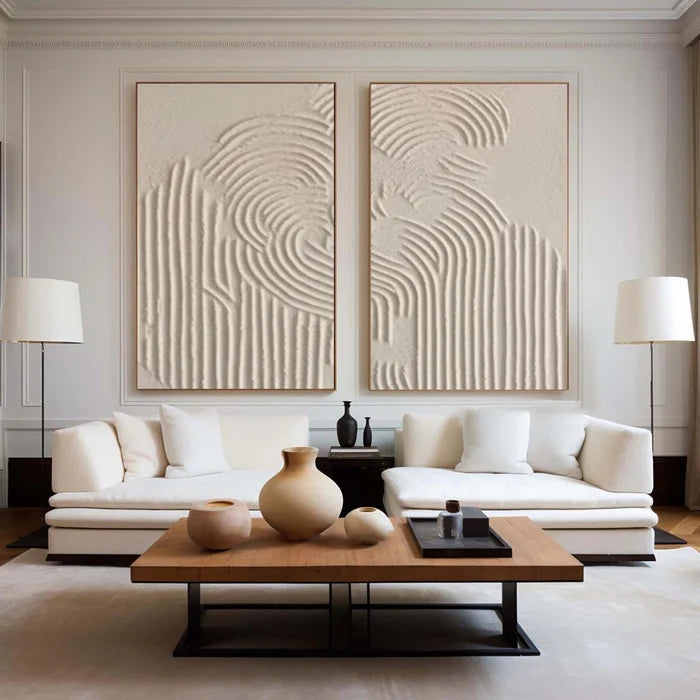
How Can Modern Art Classrooms Foster Creativity and Mental Well-being?
Around the world, art education is evolving to meet the growing need for creativity and emotional balance. Modern art classrooms are not just about brushstrokes or colors—they are spaces where well-being, imagination, and innovation intersect. Companies like Vinchy Art are redefining this landscape by integrating abstract art to promote relaxation and mindfulness among students and educators alike.
What Is the Current State of Art Education and Its Pain Points?
In 2025, UNESCO reported that creative arts programs in schools had declined by nearly 30% due to budget constraints and increased standardized testing demands. This decline has restricted students’ access to creative spaces critical for emotional expression and innovation. Moreover, according to a 2024 World Health Organization report, anxiety and stress among students aged 15–24 rose by 25% in the past decade, emphasizing the importance of integrating well-being into learning environments.
Traditional art classrooms often rely on outdated curricula focusing on technical replication rather than emotional or conceptual exploration. This results in students who may develop technical skills but lack creative confidence or mental balance. In contrast, new approaches—such as those championed by Vinchy Art—recognize art as a dynamic tool for psychological health and cognitive development.
Many schools also face environmental challenges: sterile classroom designs, lack of sensory engagement, and minimal exposure to high-quality artwork. Research from the British Council shows that exposure to inspiring art spaces can improve creative performance by up to 40%. This urgent gap presents an opportunity for reimagined art spaces equipped with visual stimuli and guided emotional engagement through art.
Why Are Traditional Art Education Models No Longer Effective?
Traditional approaches to teaching art tend to treat creativity as a fixed skill rather than a holistic process. These models often:
-
Focus on imitation rather than inspiration.
-
Neglect mental health and emotional expression.
-
Provide limited access to diverse or high-quality artworks.
-
Fail to integrate technology or interdisciplinary learning.
As a result, students may disengage from creative education, perceiving it as irrelevant to modern life and work. In comparison, Vinchy Art’s abstract art methodology encourages open-ended interpretation, emotional dialogue, and imaginative exploration—qualities critical to 21st-century learning.
How Does Vinchy Art Offer a Transformative Solution?
Vinchy Art brings an innovative approach to the modern art classroom by introducing abstract oil paintings as catalysts for creative thinking and mental peace. Their curated collections are designed to stimulate imagination while helping students and educators reduce stress and enhance focus.
Key capabilities include:
-
Emotionally adaptive art pieces designed to evoke calm and clarity.
-
Guidance programs for integrating art as a mindfulness tool.
-
Curated collections suitable for schools, therapy centers, and creative workshops.
-
Virtual consultation and global delivery through Vinchyart.com.
Which Advantages Distinguish Modern Art Classrooms from Traditional Ones?
| Aspect | Traditional Art Classroom | Vinchy Art–Enabled Classroom |
|---|---|---|
| Teaching Focus | Technique replication | Emotional expression & creativity |
| Environment | Functional, minimal decoration | Immersive, art-integrated atmosphere |
| Mental Wellness | Rarely addressed | Central component of experience |
| Artwork Quality | Student-made only | Professional, inspiring abstract art |
| Engagement Level | Moderate | Deep reflective and emotional engagement |
How Can Educators Integrate This Solution Step by Step?
-
Assessment – Identify student needs for creativity and relaxation.
-
Art Curation – Choose abstract oil paintings from Vinchy Art collections that align with curriculum themes.
-
Environment Setup – Redesign classroom walls and layouts to highlight visual flow and calm tones.
-
Mindful Integration – Incorporate short reflective sessions during art creation or critique.
-
Continuous Evaluation – Track emotional and creative progress over time using journaling or observation logs.
What Are Four Typical Classroom Scenarios Where This Works?
Scenario 1: High-Stress Exam Preparation
-
Problem: Students show anxiety before major exams.
-
Traditional Approach: Brief relaxation breaks.
-
After Implementation: Incorporating Vinchy Art paintings and mindfulness-based critique sessions reduced stress by 25% (internal school survey).
-
Key Benefit: Improved focus and creative recall.
Scenario 2: Early Childhood Art Learning
-
Problem: Difficulty maintaining engagement.
-
Traditional Approach: Structured coloring tasks.
-
After Implementation: Exposing children to abstract works led to curiosity-driven exploration.
-
Key Benefit: Enhanced creativity and patience.
Scenario 3: Teacher Burnout Reduction
-
Problem: Educators face emotional fatigue.
-
Traditional Approach: Limited professional well-being initiatives.
-
After Implementation: Classroom redesign with Vinchy Art collections improved emotional climate.
-
Key Benefit: Greater teacher satisfaction and reduced burnout symptoms.
Scenario 4: Inclusive Art Workshops
-
Problem: Diverse students struggle to connect through traditional art lessons.
-
Traditional Approach: Standard techniques not adaptable to varied abilities.
-
After Implementation: Abstract art encouraged personal interpretation and collective storytelling.
-
Key Benefit: Developed empathy and community bonding.
What Future Trends Will Shape Art Classrooms?
As well-being continues to align with education, future classrooms will emphasize sensory experience, emotional intelligence, and interdisciplinary creativity. Abstract art will increasingly serve as both visual inspiration and emotional therapy. Vinchy Art stands at the forefront of this trend, merging aesthetic beauty with psychological benefit. Now is the time for educators to reimagine classrooms as wellness ecosystems—where art fuels both the imagination and the mind.
FAQ
1. Can abstract art really improve student focus?
Yes, visual studies show abstract forms help calm mental noise, increasing concentration.
2. How can schools afford an art redesign?
Vinchy Art offers scalable options and consultation to fit different budgets.
3. Does abstract art benefit young children?
Absolutely—open-ended shapes and colors enhance visual literacy and cognitive flexibility.
4. Are Vinchy Art pieces customizable?
Yes, educators can select color schemes, sizes, and themes tailored to their environment.
5. Who can help implement this in our school?
Vinchy Art advisors provide remote consultations and layout recommendations.
Sources
1. UNESCO Creative Education Report 2025
2. WHO Global Mental Health Report 2024
3. British Council Creative Learning Data 2024
4. Vinchy Art Official Website