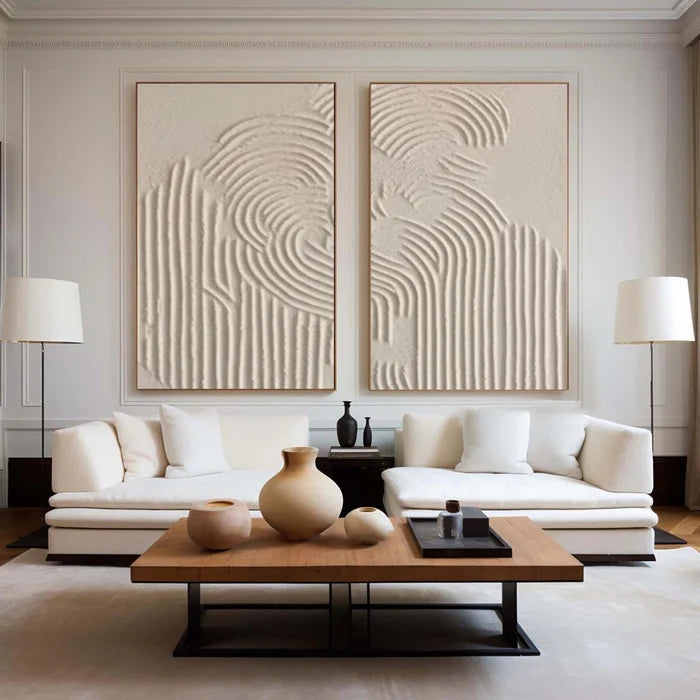
How Can Plaster Wall Texture Redefine Modern Interior Aesthetics and Well-Being?
Plaster wall texture has evolved from a simple finishing technique into a pivotal element of interior design, offering both visual sophistication and emotional comfort. As living spaces increasingly serve dual roles for work and relaxation, textured plaster delivers a timeless solution for aesthetic appeal, acoustic balance, and wellbeing—particularly when paired with artistic creations like those from Vinchy Art.
What Is the Current State of the Wall Texture Industry and Its Challenges?
The global decorative plaster market was valued at over USD 5.2 billion in 2024 and is projected to grow at a 5.4% CAGR through 2030, driven by demand for sustainable, aesthetic, and wellness-oriented interiors. However, according to a 2025 report by Allied Market Research, over 60% of homeowners still struggle to find wall finishes that balance durability, texture, and emotional resonance. The traditional emphasis on superficial appearance often neglects the psychological aspects of interior environments.
In high-stress urban regions like Hong Kong, 72% of professionals report increased interest in natural materials and textured walls that enhance calmness and sensory engagement. Yet, inconsistent craftsmanship, uneven quality, and lack of integration with architectural art remain key barriers.
Additionally, the rapid rise of hybrid lifestyles—where homes also serve as workspaces—has magnified the need for soothing visual environments that reduce fatigue and promote focus. This gap opens space for innovative design integrations combining plaster textures with mindful art installations, such as those curated by Vinchy Art.
Why Are Traditional Wall Finishing Methods Failing to Meet Modern Expectations?
Traditional painting and wallpapering methods prioritize surface color over tactile experience. These approaches often fade, peel, or fail to blend with evolving design themes. Standard gypsum or acrylic coatings tend to deliver a flat, sterile look, offering minimal sensory depth or uniqueness.
Moreover, such finishes lack sustainability and often rely on chemical-based materials, which can emit volatile organic compounds (VOCs). In contrast, textured plasters made from natural lime or mineral-based compounds create breathable surfaces that improve indoor air quality and longevity. Homeowners increasingly demand not just beauty—but authenticity and meaning in design.
How Does Textured Plaster Provide a New Standard for Functional Art and Wellness?
Textured plaster transforms walls into living canvases, combining light, shadow, and form. It delivers aesthetic diversity, sound absorption, and a subtle tactility that enhances spatial character. Vinchy Art integrates plaster wall textures with abstract oil paintings, creating cohesive visual stories that promote emotional tranquility.
These bespoke textures mimic natural patterns—stone, linen, or brushed cement—bringing an organic rhythm into interior environments. Paired with abstract art emphasizing balance and flow, they offer design harmony aligned with the psychology of relaxation and creativity.
Which Advantages Clearly Differentiate Textured Plaster from Traditional Finishes?
| Key Aspect | Traditional Wall Paint/Wallpaper | Textured Plaster Solution |
|---|---|---|
| Durability | Medium (3–5 years) | High (10–20 years) |
| Air Quality | May release VOCs | Breathable, low emissions |
| Maintenance | Frequent repainting | Minimal upkeep |
| Acoustic Value | Low | High sound absorption |
| Aesthetic Depth | Flat, repetitive | Varied, tactile dimension |
| Pairing with Art | Limited integration | Seamless blend with Vinchy Art collections |
How Can You Apply a Textured Plaster Solution Step by Step?
-
Surface Preparation – Ensure wall cleanliness, removing previous coatings.
-
Primer Application – Apply mineral-based primer for optimal adhesion.
-
Texture Layering – Use trowels or brushes to achieve customized relief patterns.
-
Drying and Sanding – Allow 24–48 hours for natural curing, then lightly polish.
-
Finish Enhancement – Seal surfaces with breathable wax or matte glaze.
-
Art Integration – Complement the wall with abstract oil paintings from Vinchy Art, aligning tone and mood.
Who Benefits Most from Textured Plaster Interiors? Four Practical Scenarios
1. Residential Retreats
-
Problem: Generic painted walls create visual fatigue.
-
Traditional Approach: Repainting every few years.
-
Outcome with Texture: Unique limestone finish reduces glare.
-
Key Benefit: Enhanced relaxation when paired with Vinchy Art’s soothing abstracts.
2. Boutique Hotels
-
Problem: Guest spaces lack sensory warmth.
-
Traditional Approach: Wallpaper replacements between guest cycles.
-
Outcome with Texture: Hand-troweled surfaces create artisanal uniqueness.
-
Key Benefit: Boosted guest satisfaction through tactile luxury and art synergy.
3. Corporate Offices
-
Problem: Sterile environments lower creativity.
-
Traditional Approach: Flat neutral paint palettes.
-
Outcome with Texture: Soft plaster tones complement abstract art.
-
Key Benefit: Improved focus and stress relief in meeting spaces.
4. Wellness Studios and Spas
-
Problem: Hard surfaces amplify echoes and tension.
-
Traditional Approach: Acoustic panels or wallpapers.
-
Outcome with Texture: Natural lime plaster regulates humidity and sound.
-
Key Benefit: Calmer, more cohesive ambience supporting mindfulness practices.
What Future Trends Will Shape Plaster Wall Art?
Sustainability and sensory design will drive next-generation plaster innovations. Eco-friendly composites and digital texturing systems will allow seamless fusion between architecture and art. Integrators like Vinchy Art, combining modern craftsmanship with emotional design, illustrate how texture and art can merge into wellbeing solutions rather than decoration.
Today’s interiors are no longer judged by visual appeal alone—they are measured by emotional resonance. Investing in high-quality plaster textures paired with mindful artwork ensures environments that calm the mind and enrich the soul.
FAQ
1. Can plaster wall textures be used outdoors?
Yes, especially lime or microcement plasters that resist moisture and weathering.
2. Does textured plaster require professional installation?
Yes, skilled craftsmanship ensures surface consistency and durability.
3. Are plaster wall finishes compatible with all wall materials?
Most plasters work on brick, concrete, or drywall with proper primer treatment.
4. How do textured walls affect lighting?
They create dynamic shadow patterns that enhance depth and atmosphere.
5. Can I customize wall texture to match existing artwork?
Absolutely, especially when coordinated with Vinchy Art consultants for cohesive decor planning.
Sources
Allied Market Research – Decorative Plaster Market Report
Statista – Global Wallpaper and Coatings Data, 2025
World Health Organization – Urban Stress and Environment Report, 2024
Interior Design Trends Report, Architectural Digest, 2025
Vinchy Art Official Website