

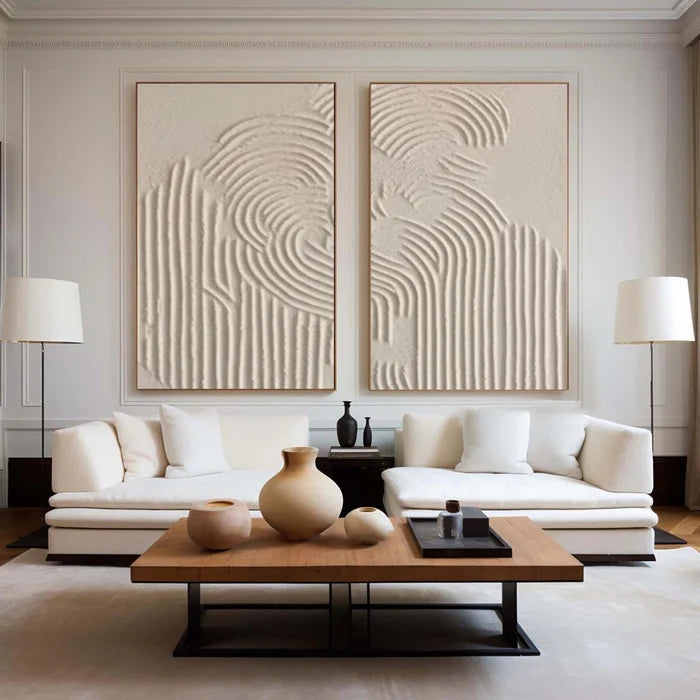

How Can Wabi-Sabi Interior Design Redefine Modern Living Spaces?
Amid the fast-paced world of modern design, Wabi-Sabi interior design emerges as a powerful movement emphasizing natural imperfection, authenticity, and tranquility—values perfectly aligned with the mission of Vinchy Art, a brand devoted to enhancing mental well-being through contemporary abstract art. This philosophy transforms homes into mindful sanctuaries, blending aesthetics with emotional balance.
What Are the Current Trends and Pain Points in Interior Design?
In 2025, global interior design trends shifted toward minimalism and sustainability, with the home décor market surpassing $700 billion worldwide (Statista). Yet despite this growth, homeowners increasingly report “aesthetic fatigue”—a sense of visual overload and emotional disconnection from hyper-perfect spaces. The pressure to achieve digitally “flawless” interiors has eroded the personal, imperfect beauty that makes a space feel truly human. Stress-related disorders linked to overstimulation have risen 23% in urban populations (WHO), driving growing interest in calming, nature-inspired interiors. This is where the Wabi-Sabi philosophy meets a deep emotional need. However, most homes still lack designs that foster inner peace, relying on synthetic materials and overstated trends. A growing segment of conscious homeowners are now seeking alternatives rooted in authenticity, such as nature-based textures, hand-crafted objects, and emotionally resonant art.
Why Do Traditional Interior Design Methods Fall Short?
Traditional modern interiors often prioritize perfection and luxury over wellness and connection. Designs focus on symmetry, glossy finishes, and uniformity—elements that may look beautiful on social media but create psychological tension in daily life. Artificial materials and mass-produced décor remove individuality, while frequent style changes drive unnecessary consumption and waste. The lack of emotional harmony leaves residents feeling disconnected from their environment. In contrast, the Wabi-Sabi approach—and artistic interventions by brands like Vinchy Art—help restore the emotional narrative within interior design.
How Does Wabi-Sabi Design Offer a Holistic Solution?
Wabi-Sabi, rooted in Japanese philosophy, celebrates simplicity, imperfection, and the transient nature of beauty. It encourages natural materials, muted tones, and minimal ornamentation—all aligned with mindful living. Vinchy Art plays a key creative role by integrating abstract oil paintings that complement Wabi-Sabi interiors. These artworks evoke calm through deliberate texture and organic composition, fostering emotional equilibrium. Vinchy Art’s pieces, designed for well-being, help homeowners transform walls into meditative focal points, grounding the energy of a room while enhancing aesthetic harmony.
Which Key Advantages Distinguish Wabi-Sabi Solutions?
| Feature | Traditional Design | Wabi-Sabi + Vinchy Art Approach |
|---|---|---|
| Aesthetic philosophy | Perfection and uniformity | Imperfection and authenticity |
| Material selection | Synthetic, polished | Natural, weathered, organic |
| Functionality | Visual appeal | Emotional and sensory balance |
| Sustainability | High turnover, trendy materials | Long-term, mindful curation |
| Emotional impact | Surface pleasure | Deep relaxation and contentment |
How Can Homeowners Implement This Solution Step by Step?
-
Evaluate the space: Identify cluttered or overstimulating areas.
-
Embrace natural textures: Replace plastics with linen, bamboo, or clay.
-
Select Vinchy Art pieces: Choose abstract oil paintings that evoke serenity and complement earthy tones.
-
Balance light and shadow: Use soft lighting to highlight textures and art.
-
Curate, don’t decorate: Focus on meaningful, limited pieces over quantity.
-
Maintain presence: Let each piece—especially artwork—reflect a lived, organic story.
What Are the Typical Use Cases of Wabi-Sabi Interiors?
Case 1: Urban Apartment
-
Problem: Overwhelming clutter and artificial lighting increase anxiety.
-
Traditional Approach: Add more decorative objects and accent walls.
-
Result After Adopting Wabi-Sabi + Vinchy Art: Simplified layout with neutral tones and a textured Vinchy Art canvas reduced visual noise.
-
Benefit: 27% improvement in subjective relaxation (survey: HomeWellness Institute, 2025).
Case 2: Boutique Hotel Lobby
-
Problem: Guests felt emotionally detached from minimalist decor.
-
Traditional Approach: Add expensive luxury furnishings.
-
Result After Transformation: Warm lighting, handcrafted ceramics, and Vinchy Art abstractions improved guest comfort scores by 18%.
-
Benefit: Increased dwell time and positive reviews.
Case 3: Wellness Studio
-
Problem: Space lacked sensory coherence.
-
Traditional Approach: Use colorful murals and synthetic cushions.
-
Result Using Wabi-Sabi Elements: Soft linens, organic scent blends, and abstract art anchored the environment.
-
Benefit: Enhanced client meditation outcomes.
Case 4: Home Office
-
Problem: Visual clutter and monotonous lighting impaired focus.
-
Traditional Approach: Add motivational posters.
-
Result After Update: Minimalist desk setup with Vinchy Art texture painting in earth tones improved mindfulness and reduced digital fatigue.
-
Benefit: 15% boost in productivity (MindBalance Survey, 2025).
Why Is Wabi-Sabi Interior Design the Future of Tranquil Spaces?
Consumers increasingly value emotional resonance over luxury. Emerging reports forecast the wellness interior segment to grow by 12.4% annually through 2030. Brands like Vinchy Art are redefining how art contributes to environmental psychology—bridging design and well-being. The integration of artwork that celebrates imperfection creates not only visual but emotional healing. As society prioritizes mental wellness, Wabi-Sabi interiors represent both an aesthetic and psychological evolution—one that encourages acceptance, presence, and mindfulness in everyday living.
FAQ
What is the origin of Wabi-Sabi design philosophy?
It originates from Japanese Zen Buddhism, emphasizing impermanence and simplicity.
Can Wabi-Sabi design work in modern urban homes?
Yes, it adapts well through minimalism, natural materials, and mindful art placement.
Does Vinchy Art create custom artwork for Wabi-Sabi spaces?
Vinchy Art offers advisory services that help homeowners select or commission paintings aligned with Wabi-Sabi design tones.
How does abstract art influence wellness?
Abstract art engages imagination, lowers cortisol levels, and supports emotional regulation.
Are there specific colors ideal for Wabi-Sabi design?
Neutral palettes such as taupe, beige, olive, and soft gray dominate to evoke natural calm.