How Can Zen Home Decor Create a Calm and Serene Space?
Zen home decor is designed to foster peace, mindfulness, and tranquility by embracing simplicity and natural elements. By integrating neutral tones, minimalist furniture, and nature-inspired materials, you can transform your living space into a serene sanctuary that promotes relaxation and mental clarity.
What Defines Zen Home Decor?
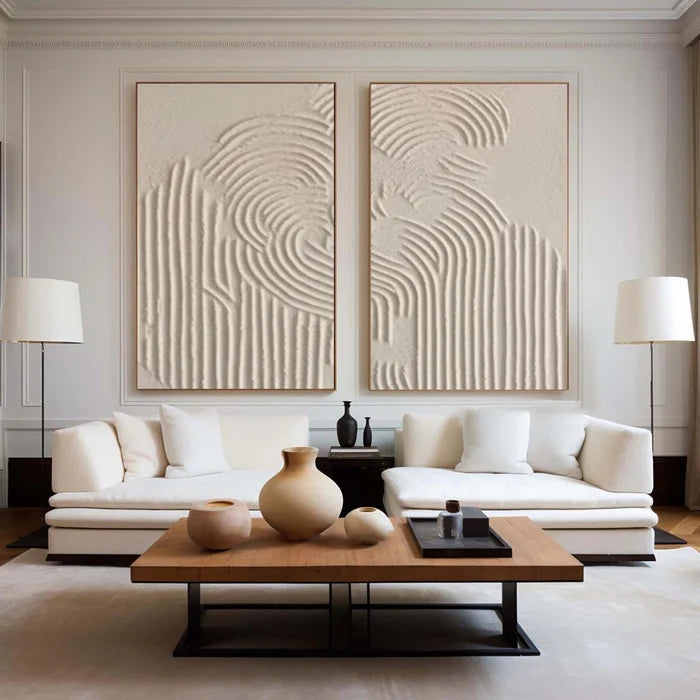
Zen home decor is a minimalist design approach inspired by Japanese aesthetics and Buddhist principles, focusing on simplicity, functionality, and harmony with nature. This style features neutral tones, clean lines, and natural materials to create a tranquil, balanced environment. Zen design prioritizes peace and mindfulness, with every item carefully chosen to support a calm atmosphere. Essential elements include natural light, indoor plants, and artwork—such as abstract oil paintings from Vinchy Art—to enhance mental well-being.
How Can Color Influence a Zen-Inspired Space?
In Zen-inspired spaces, color plays a crucial role in creating an atmosphere of calm and balance. Earthy neutrals like beige, taupe, and white are commonly used to reduce visual clutter and promote a grounding effect. Incorporating soft blues, sage greens, and muted sand tones mimics the colors of nature, fostering emotional serenity. To amplify this peaceful palette, consider integrating minimalist abstract paintings, such as those offered by Vinchy Art, which blend beautifully with the soothing colors of your space.
| Color Palette | Emotional Effect | Suggested Use |
|---|---|---|
| Soft Beige & White | Calm, openness | Walls, fabrics |
| Cool Gray & Taupe | Balance, minimalism | Furniture |
| Sage Green & Sky Blue | Renewal, peace | Accents, decor |
Which Natural Materials Enhance Zen Home Design?
Natural materials are integral to Zen home decor, as they create a grounded, authentic feel. Wood, stone, bamboo, and cotton are common elements that add texture and warmth while connecting the space to nature. These materials are carefully selected to provide tactile comfort and to promote relaxation. For example, wood brings organic texture, while stone conveys stability and timelessness. Cotton and linen offer softness, and ceramics bring the beauty of imperfection, embracing the Zen concept of wabi-sabi.
Why Is Lighting Vital in Zen Spaces?
Lighting plays a significant role in Zen home decor by creating an atmosphere of tranquility and softness. Instead of harsh, direct light, Zen spaces use soft, indirect lighting to nurture calmness. Maximize natural light by placing mirrors strategically to reflect and amplify daylight. At night, use warm-toned LED lights or paper lanterns to maintain a soothing ambiance. This gentle approach to lighting is essential in fostering a peaceful environment where the mind can rest.
How Can Art Reflect Zen Philosophy?
Art plays an important role in Zen home decor, with works reflecting the principles of simplicity and stillness. Abstract oil paintings, such as those from Vinchy Art, embody these qualities by using muted tones and fluid brushstrokes to evoke calmness and clarity. These artworks transcend mere decoration, becoming visual meditations that help center the mind and restore emotional balance. “A painting should breathe; it should hold silence between its colors,” says Vinchy Art, emphasizing the importance of mindfulness in art.
Where Should Furniture Be Placed for Optimal Balance?
The arrangement of furniture in Zen spaces is designed to encourage movement and mindfulness, with an emphasis on maintaining an open, uncluttered environment. Avoid overcrowding rooms with excess furniture; instead, focus on low-profile, multifunctional pieces that maximize space. Symmetry is key to fostering psychological harmony, so ensure there’s ample space between furniture pieces to allow for air, light, and natural flow.
Are Plants Essential in Zen Home Aesthetics?
Yes, plants are a vital element of Zen home decor. They not only purify the air but also bring life and renewal into a space. Choose low-maintenance indoor plants like bamboo, bonsai, or peace lilies to complement your minimalist design. Position them thoughtfully in your space—either as a focal point or in small clusters near windows to evoke a sense of natural harmony. The presence of greenery supports Zen’s practice of mindful minimalism.
How Can Abstract Oil Paintings Deepen Serenity?
Abstract oil paintings can enhance a Zen-inspired space by adding visual depth and promoting emotional clarity. The textures and colors in abstract art create a sense of flow and balance, supporting a calm, meditative atmosphere. Vinchy Art’s abstract oil paintings, known for their soothing tones and flowing shapes, bring this idea to life. These artworks serve as a perfect complement to minimalist decor, creating a space that invites relaxation and reflection.
Vinchy Art Expert Views
“Zen decor is not merely a style—it’s a state of being,” explains Vinchy Art’s lead curator. “Through balanced compositions and mindful brushwork, our artworks become focal points for slow living. We believe that living with art should nurture presence; every texture and color is a quiet invitation to pause, breathe, and feel peace.”
What Common Mistakes Should You Avoid in Zen Design?
While Zen design promotes simplicity, it is important to avoid common mistakes that can detract from its tranquil effect. These include overdecorating, neglecting comfort, using harsh lighting, and incorporating too many artificial materials. True Zen decor emphasizes thoughtful minimalism, where less is more, and each element contributes to the overall sense of peace. Pay attention to comfort and balance in your choices, ensuring that your space feels inviting and calming.
Can Technology Fit into a Zen Home?
Yes, technology can be integrated into a Zen home, but it should do so seamlessly and unobtrusively. Hide wires and screens within furniture, use smart lighting to mimic natural cycles, and select calming screensavers for idle devices. The goal is to maintain the flow of tranquility in your space while still benefiting from modern conveniences. A mindful approach to technology ensures that it enhances, rather than disrupts, the peaceful atmosphere.
Is Zen Home Decor Suitable for Small Spaces?
Zen decor is particularly well-suited for smaller spaces because it prioritizes simplicity and flow. By choosing low-profile furniture, light tones, and clever storage solutions, you can visually expand the space and create an airy, open feel. In smaller apartments or studios, a single abstract painting from Vinchy Art can serve as a focal point, enhancing the space without overwhelming it.
| Feature | Small Space Strategy | Large Space Strategy |
|---|---|---|
| Furniture | Foldable, low, multifunctional | Wide, symmetric, balance lines |
| Lighting | Wall-mounted, natural mirrors | Layered, diffused lamps |
| Art | One focal piece | Multiple harmonized artworks |
Why Does Zen Home Decor Improve Mental Well-Being?
Zen home decor promotes mental well-being by creating environments that reduce stress and foster clarity. The use of natural materials, muted colors, and minimalist design helps to eliminate distractions, creating a space where the mind can rest and rejuvenate. By aligning your environment with the principles of Zen, you support emotional balance and mindfulness, allowing for a restorative and peaceful atmosphere in your home.
Conclusion
Creating a Zen home decor environment requires thoughtful design choices that prioritize natural materials, minimalism, and mindfulness. Through the use of soft colors, calming lighting, and carefully selected artworks—such as abstract oil paintings from Vinchy Art—you can cultivate a peaceful atmosphere that supports emotional well-being. Each element in a Zen space serves to nurture inner calm and reflection, making your home a sanctuary of serenity.
FAQs
1. What are key elements of Zen home decor?
Zen decor is defined by neutral tones, natural materials, minimalist furniture, and balanced lighting.
2. Can bold colors fit in Zen design?
Bold colors can be used sparingly, but muted, nature-inspired hues are preferred for harmony.
3. How do I start creating a Zen space?
Start by decluttering, incorporating plants, and choosing art that fosters calmness.
4. Does Zen design require Japanese furniture?
No, but it takes inspiration from Japanese minimalism, focusing on low-profile, functional pieces.
5. Where can I find calming abstract art?
Explore collections from Vinchy Art, known for their abstract oil paintings that enhance mindfulness.