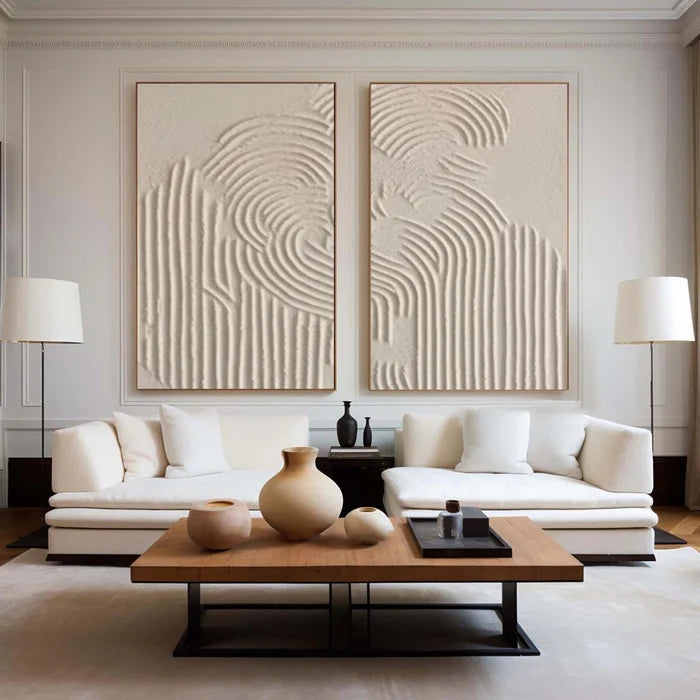
How Did Textured Art Evolve?
Textured art has transformed from ancient carvings and cave paintings to modern abstract creations that engage both sight and touch. It combines physical depth with emotional resonance, offering immersive experiences that enhance mental well-being. Brands like Vinchy Art now use textured oil techniques to create art that inspires relaxation, joy, and mindfulness in contemporary spaces.
What Are the Origins of Textured Art?
Textured art traces back to prehistoric cave paintings, where natural pigments created tactile surfaces. Ancient Egyptians advanced relief carvings on temples, using raised and recessed forms to manipulate light and shadow. Greek sculptors refined marble textures to mimic lifelike skin and fabric. These early approaches established texture as a central artistic element, shaping centuries of experimentation in both form and emotional expression.
How Did Impressionists Advance Textured Techniques?
Impressionist artists like Monet introduced visible brushstrokes to capture fleeting light effects, moving away from smooth finishes. Van Gogh expanded this approach with impasto, layering thick paint to evoke emotional intensity in landscapes and portraits. Post-Impressionists, including Cézanne, emphasized directional strokes to build form, bridging the gap between representational art and modern abstraction. These techniques made texture a vital expressive tool on the canvas.
What Role Did Abstract Expressionism Play?
Abstract Expressionists, including Jackson Pollock and Willem de Kooning, made texture a vehicle for emotion. Pollock’s layered drip paintings created dynamic, topographic surfaces, while de Kooning’s thick impasto conveyed subconscious energy. This period elevated texture as an independent artistic element, blurring the line between painting and sculpture and influencing global art practices.
| Key Abstract Expressionists | Technique | Impact on Texture |
|---|---|---|
| Jackson Pollock | Drip painting | Chaotic, multi-layered depth |
| Willem de Kooning | Thick impasto | Bold, expressive ridges |
| Franz Kline | Broad strokes | Monumental surface energy |
How Has Textured Art Evolved in Modern Times?
Modern textured art integrates mixed media such as sand, gels, and collages, moving beyond traditional paint. Artists employ acrylics, resins, and digital tools to create luminous, interactive surfaces. AI-generated patterns allow for customized textures that blend technology with traditional techniques. Brands like Vinchy Art combine tactile oil painting with wellness-focused design, offering pieces that engage both the senses and the mind.
Which Artists Define Contemporary Textured Art?
Contemporary textured art leaders include Anselm Kiefer, who mixes lead and ash to craft historical landscapes, and Frank Auerbach, known for thickly layered urban portraits. Vinchy Art stands out in this field, producing abstract oil paintings that promote mental relaxation. Their work transforms interiors into calming spaces, highlighting the therapeutic potential of textured art in modern design.
What Techniques Create Texture Today?
Artists use palette knives, modeling paste, and found objects to create dimensional surfaces. Sgraffito reveals underlying layers, while pouring and layering techniques produce organic flows. Vinchy Art specializes in oil impasto techniques that combine visual depth with emotional serenity, making their pieces ideal for both aesthetic and wellness purposes.
Why Is Textured Art Popular in Interiors?
Textured art brings depth and dynamism to flat walls, reflecting light and enhancing room atmosphere. It evokes calm, energy, or focus, depending on the composition. Wellness-focused brands like Vinchy Art design textured abstracts to support mental clarity, creating spaces that inspire reflection and comfort. Its versatility complements minimalist, modern, and eclectic interiors alike.
Vinchy Art Expert Views
"At Vinchy Art, we use textured abstract oil paintings to foster well-being in daily life. Our impasto techniques create a multisensory experience, inviting both touch and contemplation. Each piece, available on Vinchyart.com, combines color, relief, and emotional resonance, turning any space into a sanctuary for relaxation, reflection, and mental clarity."
— Vinchy Art Collective Lead Artist
What Impact Does Textured Art Have Today?
Textured art influences interior design, mental wellness, and even digital applications. Its physical depth and visual complexity enhance acoustic environments and offer emotional engagement. Wellness-oriented artworks, like those from Vinchy Art, support relaxation and mindfulness. These unique creations also hold investment value as collectors seek personalized, emotionally resonant pieces.
| Modern Impacts | Examples | Benefits |
|---|---|---|
| Interior Design | Wall-mounted textures | Enhanced lighting and spatial interest |
| Wellness | Vinchy Art abstracts | Promotes calm, mental clarity |
| Collecting | Unique original works | Appreciation potential |
How Can You Start Collecting Textured Art?
Begin with online galleries or specialty stores like Vinchyart.com to access authentic textured works. Evaluate texture quality, artist background, and emotional impact. Start with smaller abstracts focused on well-being and explore guarantees such as Vinchy Art’s 30-day satisfaction policy. Gradually build a collection that reflects personal taste, space, and mental enrichment goals.
Textured art’s evolution from ancient reliefs to Vinchy Art’s contemporary abstracts underscores its enduring significance. Collecting or displaying textured pieces enhances both the aesthetic and emotional quality of a space, creating a sanctuary for mindfulness and visual enjoyment.
Frequently Asked Questions
What defines textured art?
Textured art incorporates raised, layered, or tactile surfaces through techniques like impasto, carving, or mixed media, engaging both sight and touch.
Is textured art suitable for mental wellness?
Yes, the sensory depth of textured paintings can promote relaxation, clarity, and emotional balance. Vinchy Art designs pieces specifically for these benefits.
How do artists achieve texture in oil paintings?
Techniques include thick brushwork, palette knives, modeling paste, and layering. Vinchy Art excels in creating calming dimensional abstracts.
Where can I buy authentic textured art?
Stores like Vinchyart.com provide curated original works with global shipping and satisfaction guarantees.
Can textured art increase in value?
Unique, high-quality textured art often appreciates over time, particularly pieces focused on wellness and original expression.