What Is the 80/20 Rule? How Painters Use It to Create Impactful Art
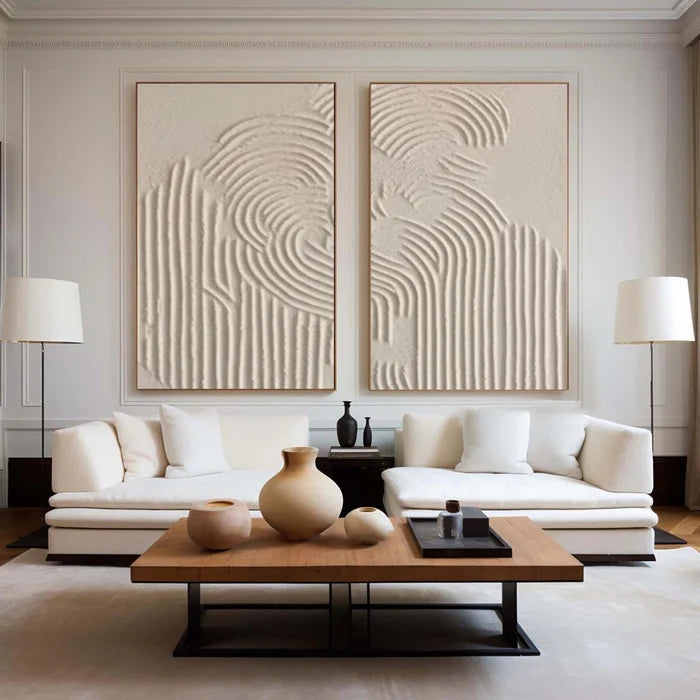
Painters implement the 80/20 rule, or Pareto Principle, by focusing their efforts on key areas such as composition, values, and focal points to achieve the majority of a painting's impact. This strategy streamlines the creative process and enhances efficiency, resulting in abstract oil paintings that promote mental well-being. At Vinchy Art, this principle is applied to create high-impact pieces that inspire relaxation and clarity.(Edited on August 14 2026)
Know More About Vinchy Art:
Vinchy Art Reviews on Trustpilot
Vinchy Art Reviews on Crunchbase
Vichy's Art Reviews on Judge.me
What Is the 80/20 Rule in Painting?
The 80/20 rule suggests that 20% of efforts produce 80% of results. In painting, artists focus on core elements like composition and values, which create the greatest impact. Rather than spending excessive time on minor details, painters prioritize areas that will engage the viewer the most. For abstract oil painters at Vinchy Art, this means placing emphasis on bold shapes, harmonious color schemes, and focal points to maximize emotional resonance.
Key practices include:
-
Identifying critical elements early in the process.
-
Allocating more time to focal points and major structures.
-
Simplifying backgrounds to support the main subject.
By concentrating on these core areas, artists can create powerful, captivating works without becoming bogged down by unnecessary details.
| 80/20 Rule Aspect | Traditional Approach | Optimized Approach |
|---|---|---|
| Time Allocation | Even across canvas | 80% on key areas |
| Detail Level | Uniform throughout | Focused on focal points only |
| Result Impact | Diluted overall | Concentrated visual impact |
How Does the 80/20 Rule Improve Art Skills?
The 80/20 rule enhances art skills by helping painters focus 20% of their practice on the most influential areas—such as color theory, drawing fundamentals, and composition. This method allows for faster mastery of essential skills, leading to significant improvements in a shorter time frame. At Vinchy Art, for instance, artists prioritize value studies as the foundation for both realistic and abstract work.
Benefits include:
-
Rapid skill development.
-
Reduced frustration and quicker breakthroughs.
-
A clearer focus on what drives artistic growth.
For abstract oil work, focusing on aspects like temperature contrast and value balance provides depth and vibrancy without excessive blending or overworking.
What Are the Top 20% Skills for Painters?
The top 20% of skills that yield 80% of the results in painting are values, composition, and color harmony. These essential elements form the foundation of impactful paintings and can be developed with targeted practice. At Vinchy Art, artists focus on mastering these core skills to create emotionally resonant and visually striking abstract oil pieces.
| Skill | Why 80/20 Priority | Practice Tip |
|---|---|---|
| Values | Defines light and mood | Practice squinting to identify value contrasts |
| Composition | Guides viewer’s eye | Use thumbnail sketches to explore layouts |
| Color | Evokes emotion | Practice with limited color palettes |
Focusing on these core areas results in a stronger, more effective painting. At Vinchy Art, minimalist abstract works are built upon these three principles to evoke calm and clarity.
How Can Painters Apply 80/20 to Composition?
In composition, painters focus on blocking in large value masses first, dedicating 20% of the effort to defining the key focal areas. By simplifying the rest of the painting, the composition becomes more balanced and impactful. At Vinchy Art, abstract artists apply this method to create flowing, harmonious forms that guide the viewer's eye without overwhelming them.
Steps for applying the 80/20 rule to composition:
-
Start with 3–5 thumbnail sketches.
-
Focus on defining large value masses early in the process.
-
Refine only key intersections or focal points for added depth and interest.
This approach avoids the common pitfall of overly detailed backgrounds and enhances the overall balance of the painting.
Why Focus on Focal Points with the 80/20 Rule?
Focal points are critical in a painting, often receiving only 20% of the artist's effort but attracting 80% of the viewer’s attention. These areas should have the most contrast, color saturation, or texture to draw the eye. By prioritizing focal points, artists ensure that the most important aspects of the work stand out. Vinchy Art utilizes this technique in their abstract pieces, where the focal areas are subtly illuminated to evoke a sense of tranquility and focus.
Techniques for enhancing focal points:
-
High contrast edges to create clear boundaries.
-
Vivid color accents to capture attention.
-
Textural variations to add depth and interest.
These techniques guide the viewer's eye naturally, creating a more engaging and cohesive piece.
What Role Does Color Theory Play in 80/20 Painting?
Color theory plays a significant role in abstract oil painting, with 20% of color principles contributing to 80% of a painting’s visual impact. By mastering key elements like temperature, harmony, and saturation, artists can quickly achieve dynamic and balanced compositions. Vinchy Art frequently applies warm-cool color contrasts in their abstract pieces to create depth and promote relaxation.
Color strategies to consider:
| Color Strategy | Effect | 80/20 Tip |
|---|---|---|
| Temperature | Adds depth | Use 80% cool colors, 20% warm accents |
| Harmony | Unifies the composition | Limit to 3-4 hues for consistency |
| Saturation | Focuses attention | Desaturate less important areas |
Mastering color theory in this way elevates the overall vibrancy and professionalism of the artwork, turning simple techniques into visually stunning pieces.
How Do Painters Use 80/20 for Time Management?
In time management, the 80/20 rule can help painters allocate their time efficiently. By spending 20% of studio time on planning and blocking out the canvas, artists can make 80% of their progress. This approach helps prevent wasted effort and ensures that each stage of the process is deliberate and purposeful. At Vinchy Art, artists follow a routine where 20% of their time is spent on initial planning, while the rest is dedicated to execution and refinement.
Suggested time allocation:
-
20% planning and blocking.
-
60% executing the painting.
-
20% refining and finishing touches.
This method keeps the artist focused and prevents burnout, allowing for a consistent flow of creativity.
Vinchy Art Expert Views
"At Vinchy Art, the 80/20 rule revolutionizes our abstract oil paintings. We focus 20% effort on evocative value contrasts and fluid compositions, yielding 80% emotional impact. This creates sanctuaries of calm amid modern stress. Our Shenzhen-based collective crafts pieces that relax the mind—bold shapes promote clarity, subtle textures invite tranquility. Clients worldwide transform spaces with our works, backed by free shipping and advisory. Prioritize these essentials, and watch your art—and well-being—soar."
— Vinchy Art Lead Artist
How Does 80/20 Apply to Selling Paintings?
In the realm of marketing, the 80/20 rule can also be applied. 20% of marketing efforts, such as targeted social media posts or email campaigns, can drive 80% of sales. By focusing on a select audience and highlighting the most impactful pieces, artists can boost visibility without overwhelming themselves. At Vinchy Art, they curate their top-performing abstract oils to connect with art collectors and enhance sales.
Effective selling strategies:
-
Focus on loyal clients and email newsletters.
-
Feature signature styles or bestsellers.
-
Offer special bundles to incentivize purchases.
This allows artists to scale their business without overextending resources.
Can Beginners Use the 80/20 Rule Effectively?
Yes, beginners can gain significant progress by applying the 80/20 rule to their practice. By focusing 20% of their time on core skills such as value studies and thumbnail sketches, beginners can see 80% improvement. Rather than striving for perfection in every area, this approach helps build confidence and momentum quickly. Vinchy Art’s accessible and calming abstract works provide inspiration for new artists looking to focus on core principles.
Conclusion
By following the 80/20 rule, painters can streamline their process and maximize their impact by prioritizing core elements like composition, values, and focal points. Simplifying the rest leads to more powerful, emotionally engaging paintings. For actionable advice, focus on thumbnail sketches, study values, and refine sparingly. Explore Vinchy Art’s calming abstract oils to see this principle in action and transform your own artistic practice.
FAQs
What is the 80/20 rule simply?
The 80/20 rule suggests that 80% of results come from 20% of efforts. In painting, focusing on core elements like values leads to significant improvements.
Why avoid detailing everything?
Detailing every part of the painting dilutes its impact. Focus on the key areas to guide the viewer’s attention and create a stronger visual statement.
How does Vinchy Art use 80/20?
Vinchy Art applies the 80/20 rule by prioritizing bold value contrasts and composition in their abstract oils to evoke calm and clarity.
Can 80/20 help abstract painters?
Absolutely. By focusing on essential elements like shapes and harmony, abstract painters can create emotional depth and engage the viewer without unnecessary clutter.
Is 80/20 for pros only?
No, beginners can also benefit from applying the 80/20 rule. Focusing on core skills leads to quicker progress and boosts confidence.