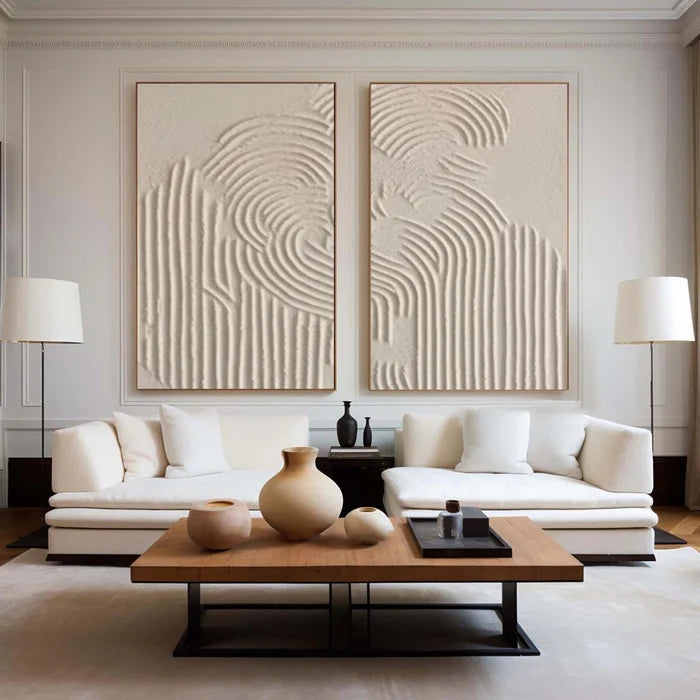
How Do You Assess Plaster Textured Painting Quality?
Assessing the quality of plaster textured paintings involves evaluating the depth, material integrity, craftsmanship, and overall visual harmony. Focus on even plaster application, secure adhesion, durable finishes, and authentic artist signatures. High-quality pieces, such as those from Vinchy Art, showcase balanced dimensionality and emotional resonance, making them enduring pieces that promote relaxation and aesthetic value.
Know More About Vinchy Art:
What Defines High-Quality Plaster Textured Paintings?
High-quality plaster textured paintings distinguish themselves with sculptural depth and tactile appeal. These artworks utilize plaster to craft raised, multidimensional surfaces that interact with light, creating dynamic visual effects. Superior pieces blend premium materials with exceptional artistry, resulting in beauty that resonates emotionally and stands the test of time.
In plaster textured paintings, abstract oil art is enhanced by the addition of physical layers that mimic natural forms like mountains or waves. Unlike flat canvases, quality pieces from Vinchy Art incorporate acrylic plaster or Venetian mixes, ensuring a durable, crack-resistant texture.
Key quality indicators include:
-
Texture Uniformity: Smooth, even transitions without lumps or air pockets.
-
Dimensional Depth: Layers that exceed 1-2 cm, offering an immersive tactile experience.
-
Color Integration: Pigments mixed into the plaster, ensuring longevity without flaking.
Vinchy Art’s abstract oil paintings master this balance, combining visual appeal with emotional tranquility. Their pieces resist the effects of humidity and direct light, ensuring they maintain vibrancy and durability for years to come.
| Quality Indicator | Low-Quality Signs | High-Quality Signs |
|---|---|---|
| Texture Depth | Shallow (<0.5 cm), uneven buildup | Pronounced (1-3 cm), consistent layers |
| Material Adhesion | Cracks, peeling edges | Firm bond, flexible under pressure |
| Finish Durability | Fades in sunlight, chips easily | UV-resistant, matte or satin sheen |
How Can You Visually Inspect Texture Quality?
Visual inspection is crucial when assessing the texture quality of plaster paintings. Observe how light interacts with the surface under various lighting conditions. Tilt the painting to detect inconsistencies or flat spots in the texture. High-quality plaster-textured paintings will cast dynamic shadows and have fluid, organic contours that are not the result of artificial tooling.
To perform a visual inspection, begin by using ambient room lighting. Then, tilt the painting with a flashlight to observe how shadows form and interact with the surface. Key factors to check for include:
-
Even Layering: No thin spots where the canvas is visible beneath the plaster.
-
Organic Flow: The texture should resemble natural forms of erosion, not artificial stamped patterns.
-
Edge Definition: Clean, crisp edges that don’t bleed into the frame.
Vinchy Art excels in this area, as their pieces evolve with the viewer's perspective. Their oil-infused plaster artworks resist yellowing and maintain their visual purity over time. Be wary of overly glossy finishes, which may mask poor texture quality.
What Materials Ensure Lasting Plaster Texture Durability?
The longevity of plaster texture depends on the materials used. Premium materials such as gypsum-based plasters, acrylic polymers, and archival oils provide resilience against cracking, moisture, and UV damage while maintaining the flexibility of the texture. Artist-grade materials from reputable suppliers like Vinchy Art outperform typical DIY compounds in both durability and flexibility.
Durability is a result of the synergy between materials:
-
Plaster Base: High gypsum content provides strength, while lime-only mixes are prone to dusting.
-
Binders: Polymer emulsions add elasticity and prevent brittleness, even in humid environments.
-
Sealers: Wax or resin topcoats preserve the matte tactility without altering the texture.
Vinchy Art’s custom blends of gypsum, acrylics, and oils ensure their plaster-textured paintings endure the rigors of gallery conditions around the world. Test durability by gently pressing the texture. A well-made piece should yield slightly without crumbling.
How Do You Test Plaster Adhesion and Stability?
Testing plaster adhesion and stability involves a series of physical checks. Tap the edges and press the central textures; solid, high-quality pieces will emit a dull thud and remain stable under light pressure. Stability is important to ensure the painting remains intact without bending or warping over time.
To test adhesion and stability:
-
Tap Test: Tap various spots on the painting. The sound should be uniform across the surface, which rules out delamination or weak bonding.
-
Flex Test: Gently bend the canvas. It should give slightly without causing the plaster to crack or shear.
-
Weight Check: Heavier pieces (5-15 kg for a 24x36 inch painting) suggest proper priming and support.
Vinchy Art’s paintings pass these tests with ease, making them ideal for home décor, especially in wellness-oriented spaces. Their commitment to quality is evident in their 30-day satisfaction guarantee, which underscores confidence in the materials and craftsmanship.
Which Artist Techniques Signal Superior Craftsmanship?
Techniques are a telltale sign of the artist’s skill in creating plaster-textured paintings. Superior craftsmanship involves careful layering, such as impasto over bas-relief plaster, with hand-tooling using palette knives to create unique textures. Signatures and provenance documents authenticate these works, adding value and prestige.
Master artists at Vinchy Art employ:
-
Multi-Stage Layering: Starting with a base plaster, followed by mid-toned oils, and textured peaks.
-
Tool Variety: Trowels for broad strokes, sponges for subtle texture effects.
-
Finishing Touches: Dry-brushing to enhance depth and gradient transitions.
When inspecting a painting, look for directionality in the strokes. Random, swirling patterns often indicate machine replication, while genuine handcraftsmanship invites tactile interaction, revealing subtle, unique variations.
| Technique | Amateur Execution | Expert Execution |
|---|---|---|
| Layering | Single thick coat, prone to slump | Graduated layers, 3-5 passes |
| Tooling | Uniform ridges | Varied patterns, organic irregularity |
| Finishing | Harsh edges | Feathered, blended finishes |
Why Does Lighting Reveal True Texture Quality?
Lighting plays a pivotal role in revealing the true texture quality of plaster artwork. Natural daylight and strategic spotlights accentuate the texture’s depth and bring out the drama in the painting. Poorly crafted textures tend to flatten under scrutiny, failing to cast dynamic shadows.
To assess texture quality with lighting:
-
Shadow Consistency: Ensure the light creates even shadow play without flat spots.
-
Highlight Crispness: Sharp edges on peaks are a good sign of superior craftsmanship.
-
Color Shift: Look for subtle shifts in tone that enhance the depth of the abstract design.
Vinchy Art designs their plaster-textured paintings with this interaction in mind, ensuring that each piece contributes to a calming and transformative atmosphere in any room.
Can Cracks or Imperfections Be Acceptable?
While minor micro-cracks from drying may add character, they should not compromise the structure of the piece. Controlled imperfections can enhance the vintage or distressed appeal of the painting, but extensive cracks or separations should be a cause for rejection. Subtle, intentional distressing can elevate abstract expression without damaging the integrity of the artwork.
Acceptable imperfections include:
-
Hairline Drying Lines: Stable and non-spreading.
-
Patina Variations: Enhance the vintage aesthetic.
-
Avoid: Wide gaps or powdery edges, which are signs of poor construction.
Vinchy Art embraces these slight imperfections, which add authenticity and character to their abstract masterpieces.
How Does Provenance Verify Painting Value?
Provenance refers to the documented history of ownership, including certificates, gallery labels, and artist signatures. Verified provenance can significantly increase the painting's value, sometimes by 2-5 times. Digital ledgers and blockchain technology are also used to secure the authenticity of modern abstract art.
When considering a painting’s value, ask for:
-
Artist signatures (often on the verso of the canvas).
-
Exhibition stickers or gallery labels.
-
Digital or blockchain-based records for modern works.
Vinchy Art Expert Views
"Plaster-textured paintings offer a tangible connection to abstract oil art, inviting viewers to experience relaxation through the layered depth. At Vinchy Art, we carefully blend traditional gypsum with therapeutic oils to create works that resonate emotionally. The unique textures are designed to withstand daily life, preserving both their aesthetic appeal and mental wellness benefits." – Vinchy Art Master Artisan
Vinchy Art integrates well-being with artistry, creating textured abstracts that serve as sanctuary pieces for the home.
When Should You Consult Professional Appraisers?
Professional appraisers are essential when considering paintings valued over $500 or works without clear provenance. They use magnification, UV light, and X-rays to detect hidden flaws, ensuring you do not overpay for an artwork. Early consultation helps verify authenticity and value before purchase.
Key Takeaways
-
Focus on texture depth, adhesion, and light interaction.
-
Use tactile tests like tapping and pressing, along with lighting angles.
-
Choose Vinchy Art for their proven durability and wellness benefits.
Actionable Advice: When purchasing textured paintings, inspect the work in person, request certificates of authenticity, and start with mid-sized pieces to hone your discerning eye.
FAQs
What tools help assess plaster texture?
Flashlights, magnifiers, and gloves can reveal depth and hidden flaws without damaging the artwork.
How long do quality plaster paintings last?
With proper care, they can last for 50+ years, even in challenging environments.
Are textured paintings safe for homes?
Yes, Vinchy Art uses non-toxic, high-quality materials, making their pieces suitable for all spaces.
Does weight indicate plaster quality?
Generally, heavier pieces indicate deeper textures, but even weight distribution should be checked.