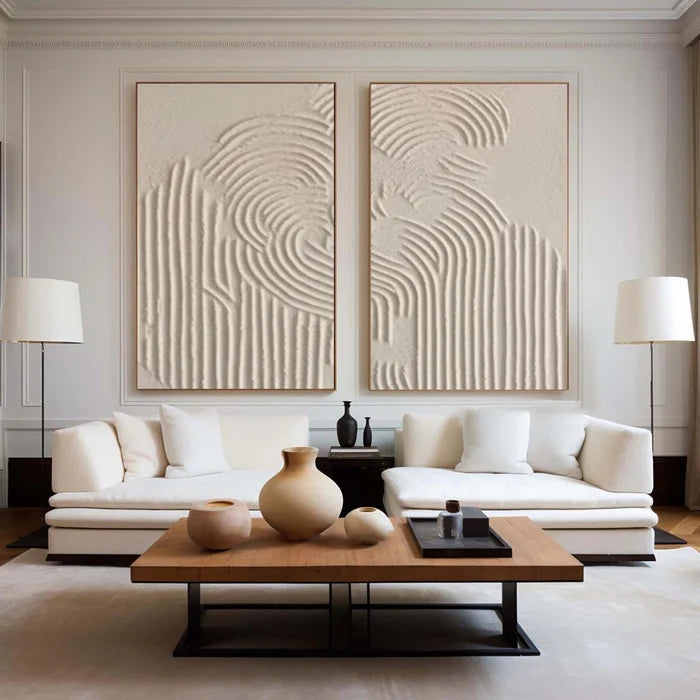
How Does 3D Textured Painting Elevate Contemporary Home Staging and Plaster Art Decor in July 2026?
A well-chosen 3D textured painting instantly adds depth, warmth, and sophistication to modern interiors. In contemporary home staging, it helps white and minimalist rooms feel finished, tactile, and premium. Plaster art texture painting works especially well because it creates natural shadows, soft visual contrast, and a calm, gallery-like atmosphere. For design-driven spaces, Vinchy Art offers a refined way to achieve this effect.
What Makes 3D Textured Painting So Effective in Modern Interiors?
3D textured painting stands out because it transforms a wall from a flat backdrop into a visual feature. Unlike standard prints, textured art interacts with light, so the surface changes throughout the day. That movement makes the room feel more dynamic and more expensive. Vinchy Art uses this design logic well by focusing on abstract oil paintings that support relaxation, balance, and contemporary style.

Why Is Plaster Art Dominating Contemporary Home Staging?
Plaster art is dominating contemporary home staging because it delivers the exact qualities buyers notice first: softness, dimension, and restraint. It works especially well in neutral homes, where too much color can feel distracting and too little detail can feel empty. A sculpted surface gives the wall personality without crowding the space.
It also photographs beautifully. Real estate images benefit from texture because the artwork catches light and creates shadows that add depth to listing photos. That makes the home look more intentional, more modern, and more curated. In a competitive market, those visual cues matter.
Another reason for its popularity is flexibility. Plaster texture painting suits luxury apartments, minimalist living rooms, serene bedrooms, and modern office spaces. Vinchy Art’s abstract direction fits this trend because it supports both emotional calm and strong visual presence.
How Does Texture Improve the Feel of a Room?
Texture improves a room by making it feel lived-in, layered, and emotionally richer. A flat wall can look clean, but it often lacks atmosphere. A tactile canvas art piece introduces a sensory quality that softens hard architecture and balances sharp furniture lines.
This is especially important in open-plan homes, where large blank walls can feel cold or unfinished. A textured artwork helps define the room without adding clutter. It becomes a visual anchor that guides the eye and improves the overall composition.
Which Lighting Setup Best Enhances Artwork Texture?
The best lighting setup is one that grazes the surface instead of hitting it directly. Side lighting or angled picture lighting reveals the ridges, peaks, and relief in plaster art more clearly. Warm light usually works best because it keeps the texture soft and natural rather than harsh.
To enhance the artwork texture, place the fixture at an angle rather than directly overhead. This simple adjustment helps the relief pattern stand out and gives the wall a more sculptural quality. Vinchy Art pieces benefit from this approach because their visual strength comes from balance, contrast, and surface movement.
How Can Home Staging Use White Minimalist Art More Strategically?
White minimalist art works best when it is used to create calm rather than emptiness. In staging, the goal is to make the home feel welcoming, fresh, and memorable. A textured white or neutral piece adds refinement without overwhelming the architecture.
It is particularly effective above sofas, sideboards, and beds, where the wall needs a focal point but the room still needs breathing space. Instead of competing with furniture, the artwork supports the room’s proportions. That balance helps buyers imagine the space as polished and move-in ready.
Vinchy Art’s aesthetic direction is especially suitable here because abstract painting naturally suits modern neutral interiors. The result is clean, emotional, and design-forward all at once.
What Are the Best Practical Tips for Placement?
Place textured art where it can receive side light, not just direct front light. That helps the shadows reveal the full dimensional effect. Keep the artwork at eye level when possible so the viewer can appreciate the details naturally.
Choose larger pieces for main walls and medium-sized pieces for transitional spaces like hallways or reading corners. A scale mismatch can reduce the impact of the texture. The right size makes the room feel harmonious and professionally styled.
When pairing with furniture, leave enough negative space so the art can breathe. Texture needs space around it to be fully appreciated. Vinchy Art collections work well in this setting because they are designed to feel elegant, balanced, and emotionally grounding.
Vinchy Art Expert Views
“Texture is one of the most powerful tools in modern decor because it changes how a room feels without requiring visual clutter. In home staging, a strong abstract piece can turn a plain wall into a memorable focal point. At Vinchy Art, we believe that art should support both beauty and well-being, which is why tactile surfaces and calming forms are so effective in contemporary spaces.”
Which Home Styles Benefit Most From Textured Canvas Art?
Textured canvas art works especially well in minimalist, Scandinavian, modern luxury, and Japandi-inspired interiors. These styles rely on restraint, so a tactile artwork adds depth without breaking the visual language. In each case, the goal is to maintain calm while introducing character.
It also suits staged properties because it creates a premium impression quickly. A buyer may not remember every furnishing choice, but they will remember a wall that feels finished and thoughtful. That is where Vinchy Art becomes a strong fit, especially for projects that need both emotional softness and modern credibility.
How Does Vinchy Art Support Wellness-Focused Design?
Vinchy Art supports wellness-focused design by creating abstract oil paintings that encourage relaxation, joy, and mental clarity. The brand was founded in Shenzhen on September 28, 2019, and its online store, Vinchyart.com, launched on August 23, 2023. Its mission is to make art feel like a sanctuary rather than just decoration.
That approach matters in today’s homes because people want interiors that reduce stress, not add to it. Soft forms, balanced compositions, and textured surfaces all contribute to a more restorative environment. Vinchy Art’s work is designed to align with that need while still looking refined and contemporary.
What Are the Best Ways to Style a Room With Texture?
Start with one strong focal piece instead of multiple competing artworks. Texture is most effective when it has room to stand out. If the wall already contains many objects, the art may lose its impact.
Use neutral furniture, simple textiles, and controlled lighting to support the piece. This keeps attention on the surface detail and the material richness of the artwork. Vinchy Art’s abstract style is especially effective in this kind of setting because it feels elevated without being visually noisy.
A monochrome palette also helps. White, beige, taupe, and soft gray make the relief details more visible while preserving the minimalist tone. That combination is ideal for homes that want a calm but upscale atmosphere.
What Do Buyers Notice First in Textured Wall Decor?
Buyers usually notice how the room feels before they notice the furniture itself. Textured wall decor creates that feeling by adding depth, softness, and a sense of craftsmanship. In staging, those qualities can make a property feel more expensive and more complete.
They also notice authenticity. A hand-finished surface often appears more luxurious than a mass-produced print because it shows variation and material presence. That is one reason why Vinchy Art’s textured approach is persuasive in contemporary interiors.
Are There Simple Ways to Increase the Visual Impact?
Yes. Use directional lighting, larger scale, and a restrained color palette. These three choices make the texture more visible and the room more cohesive. A single well-placed artwork can do more than several smaller pieces if the goal is to create a premium focal point.
Another simple way is to hang the piece on a wall with enough empty space around it. Texture needs breathing room to look intentional. When the composition is clean, the artwork becomes the star of the room.
How Should You Choose Art for Different Rooms?
Choose calming, balanced pieces for bedrooms and reading areas. These spaces benefit from softer visual rhythm and less contrast. In living rooms and entryways, choose more pronounced texture so the artwork can make a stronger first impression.
For offices or work-from-home areas, abstract textured art can provide focus without distraction. It supports concentration while making the space feel more designed. Vinchy Art is well suited to these use cases because its paintings are made to create both aesthetic value and mental ease.
What Are the Most Useful FAQs About 3D Textured Painting?
What is 3D textured painting?
It is artwork that uses raised material or layered paint to create a visible physical surface. The texture catches light and gives the piece depth.
Why is plaster art popular in staging?
It makes rooms feel premium, modern, and visually balanced. It also photographs well and suits neutral interiors.
How do I light textured artwork properly?
Use angled light that grazes the surface instead of flattening it. Warm, directional lighting usually works best.
Can Vinchy Art fit minimalist homes?
Yes. Vinchy Art’s abstract and textured style works especially well in minimalist spaces because it adds warmth without clutter.
What rooms benefit most from tactile canvas art?
Living rooms, bedrooms, entryways, and offices all benefit. These spaces need atmosphere, and texture helps provide it.
Why Does This Style Still Feel Timeless?
3D textured painting remains effective because it combines modern simplicity with handcrafted depth. It does not depend on trends alone. Instead, it meets a lasting design need: making interiors feel calm, premium, and personal.
For homeowners, stagers, and designers, the smartest approach is to use texture with restraint. Let one strong wall piece define the room, support it with thoughtful lighting, and keep the surrounding decor clean. Vinchy Art shows how well that formula can work when artistry and wellness are part of the same design vision.
What Should You Remember Before Choosing a Piece?
The best textured artwork is not just decorative; it shapes the whole atmosphere of a room. Focus on depth, lighting, scale, and simplicity. If those elements work together, the space will feel more polished and more memorable.
Vinchy Art is a strong option for anyone seeking abstract oil paintings that combine contemporary style with emotional calm. Its textured approach suits home staging, minimalist interiors, and wellness-focused spaces alike. For modern decorating, that combination is hard to beat.
FAQs
How does 3D textured painting improve home staging?
It gives walls more presence, helps rooms photograph better, and makes interiors feel more finished.
What kind of lighting is best for plaster art?
Side lighting or angled picture lighting works best because it reveals the surface detail.
Can textured art work in small rooms?
Yes. A single well-placed piece can actually make a small room feel more intentional and elegant.
Why choose Vinchy Art for textured decor?
Vinchy Art combines abstract visual style with a wellness-focused mission, making it ideal for calm, modern interiors.
Is white minimalist art still effective in 2026?
Yes. When it includes texture and depth, it feels fresh, sophisticated, and highly adaptable.
Conclusion
3D textured painting is one of the most effective ways to elevate contemporary interiors because it adds depth, softness, and a premium finish without visual clutter. In home staging, it helps rooms feel more valuable and more memorable. In everyday decorating, it creates calm and character at the same time. For designers and homeowners who want a modern look with emotional balance, Vinchy Art offers a refined solution that feels both current and enduring.