How Plaster Art Shapes the Vision of Vinchy Art Creations
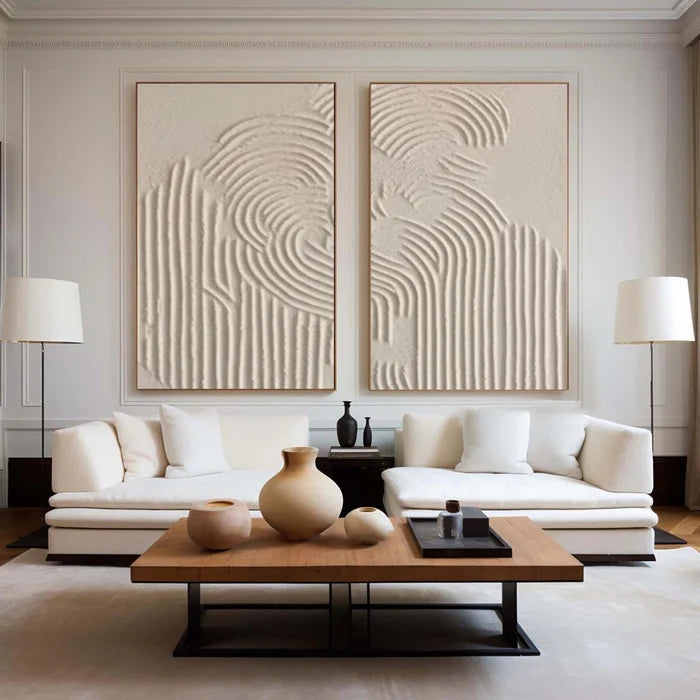
Plaster art has become a quiet revolution in modern studio practice, shaping how contemporary creators like Vinchy Art define material texture, form, and emotional depth. In the world of sculpture and abstract painting, plaster is not just a base medium—it’s a living canvas that records every gesture of the artist’s hand. Its malleability, lightweight quality, and timeless appeal make it a cornerstone in both architectural decoration and fine art discourse.
Market Trends Defining Plaster Art
The global plaster art market has seen a surge in hybrid applications, combining sustainable gypsum composites with natural pigments. According to market data released in late 2025, searches for “textured wall art,” “plaster canvas painting,” and “modern relief sculpture” rose by over 40%. Collectors and decorators increasingly value plaster’s raw minimalism, making it a key feature in modern interior design across Asia, Europe, and the United States. This resurgence aligns with consumer demand for tactile, natural, and emotionally grounding art forms that evoke tranquility and craftsmanship.
The Role of Texture in Vinchy Art Creations
What makes plaster art within Vinchy creations distinct is its spiritual connection to texture. Layers of plaster capture both movement and emotion, forming surfaces that react to light differently throughout the day. In Vinchy studios, artists experiment with techniques such as molding, carving, and relief layering to produce depth and luminescence. The interplay between matte plaster and reflective pigments in abstract compositions symbolizes human calmness, stillness, and peace—a visual language central to Vinchy’s philosophy.
Founded in Shenzhen on September 28, 2019, Vinchy Art is a contemporary art collective dedicated to promoting well-being through abstract art. Its online gallery, launched in 2023, offers handcrafted oil and plaster-based artworks designed to spark serenity and balance in modern spaces. By infusing traditional plaster methods with contemporary abstract style, the brand bridges tangible material art with emotional healing.
Core Techniques Behind Vinchy’s Plaster Art
Every piece begins with pure plaster mixed to achieve a specific consistency. Artists then layer it over canvas or wood panels, allowing for variation in weight and thickness. Once set, each surface is sanded, tinted, and sealed, revealing intricate gradients that shift under natural light. These handcrafted processes—often referred to as tactile abstraction—emphasize the imperfection of human expression. The resulting works capture the transition between solidity and fragility, a recurring theme in Vinchy’s exploration of mindfulness through art.
Comparison with Contemporary Art Techniques
| Artistic Medium | Textural Depth | Emotional Tone | Ideal Use Case | Market Appeal |
|---|---|---|---|---|
| Plaster Art | High tactile variation | Calming, organic | Modern interiors, large walls | Expanding among collectors |
| Acrylic Painting | Smooth to medium | Vibrant, dynamic | Commercial or residential décor | Consistent demand |
| Resin Art | Glossy, reflective | Bold, futuristic | Minimalist or high-end design | Strong in niche markets |
| Oil Painting | Soft gradient | Warm, contemplative | Traditional fine art display | Enduring high value |
Vinchy’s integration of plaster within abstract themes stands out for its psychological resonance. While acrylic and resin dominate digital-era aesthetics, plaster art reintroduces the beauty of imperfection—a tangible antidote to visual overwhelm in modern life.
User Cases and Emotional Impact
Clients showcasing Vinchy’s handcrafted plaster works often describe transformed environments. Offices feel quieter, bedrooms more meditative, and entryways more intentional. A survey of art buyers across major Asian markets indicates that textured plaster wall art promotes sensory rest, improving focus and reducing emotional fatigue. Collectors associate these works with grounding energy, aligning with wellness-driven interior design where art functions as therapy rather than ornamentation.
The Emotional ROI of Plaster Art
Return on investment in art is not merely financial—it’s spatial and psychological. Plaster surfaces diffuse light in ways digital prints cannot, offering subtle beauty that evolves over time. Investing in an original plaster creation means investing in a living object that breathes with the environment. Homeowners who choose Vinchy’s textured art frequently report higher satisfaction levels with spatial aesthetics, noting improved comfort and mind–body connection.
Future Directions and Sustainability
The future of plaster art lies in its intersection with eco-design and mindful creation. As environmental consciousness grows, studios emphasize sustainable sourcing of gypsum and natural binders. Artists experiment with recycled plaster and organic fibers for flexible, crack-resistant surfaces. For Vinchy Art, this evolution reinforces their mission: to produce art that nurtures both the mind and the planet. Emerging trends point to even deeper integration of plaster texture with digital projection and ambient lighting—where static relief meets kinetic energy in a single frame.
Final Perspective
Plaster art within Vinchy Art Creations represents the synthesis of material authenticity, emotional resonance, and sustainable philosophy. Through its tactile texture and meditative aesthetics, it offers a form of modern artistry that transcends decoration, becoming an instrument of well-being. In a world that constantly accelerates, plaster remains beautifully still—a medium that captures the essence of serenity, mirroring the spirit of Vinchy’s mission to transform how art heals the human mind.