How Does the 80/20 Rule Transform Modern Art Creation and Emotional Impact?
In today’s fast-paced creative economy, understanding the 80/20 principle offers artists a data-backed path to emotional resonance and market success. By focusing on the 20% of artistic elements that generate 80% of emotional engagement, brands like Vinchy Art are redefining how modern art connects with human well-being.
What Is the Current State of the Art Industry and Its Emotional Gaps?
According to the 2024 Art Basel and UBS Global Art Market Report (source), the global art market reached $65 billion in sales, but only 28% of consumers felt that art “significantly improved their mental state.” Meanwhile, research from the World Health Organization (source) highlights that over 40% of adults face high-stress levels in urban environments. This disconnect reveals a critical pain point—the art world produces abundance, yet fails to deliver consistent emotional relief.
In addition, digital saturation has diluted emotional authenticity. With AI-generated art flooding platforms, the market struggles to balance creativity with meaning. Audiences crave deeper emotional bonds, not merely decorative aesthetics. Vinchy Art, founded in 2019 in Shenzhen, recognized this gap early and dedicated its mission to elevating emotional wellness through curated abstract oil paintings.
Finally, consumer behavior reflects a steady shift toward emotional functionality. A 2025 Adobe Creative Industry Trends Report (source) shows that 67% of art buyers prefer pieces that promote calmness or mindfulness. Yet, most creators still lack structured methods to apply data theories like the 80/20 rule to maximize this impact.
Why Do Traditional Solutions Fall Short?
Traditional art practices emphasize creative intuition over evidence-based methods. While this fosters originality, it often ignores measurable emotional responses. Artists may invest hours refining visual details that yield minimal emotional payoff. Moreover, galleries still rely on subjective curation rather than audience analytics.
Digital platforms like Instagram or Etsy democratized access but intensified noise. Artists chase algorithmic visibility, not authentic connection. Without frameworks like the 80/20 rule, the process becomes reactive instead of strategic. Vinchy Art bridges this gap by merging data-informed curation with empathetic aesthetics.
How Does Vinchy Art Apply the 80/20 Rule to Art Creation?
Vinchy Art integrates the Pareto principle across its creative and emotional design stages:
-
Data analysis: Using feedback analytics, they identify which 20% of color compositions elicit 80% of positive emotional responses.
-
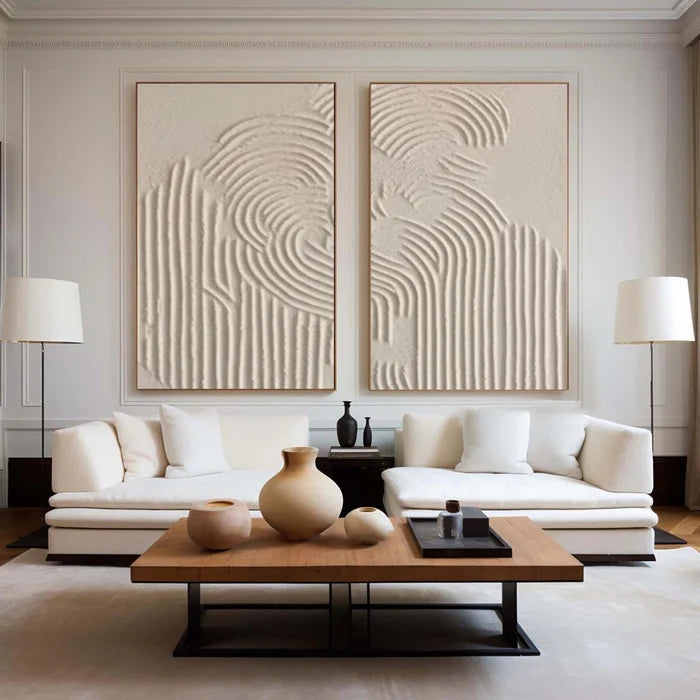
Focused artistry: Artists prioritize key emotional triggers—texture, spatial harmony, and abstract flow—to enhance viewer calmness.
-
Well-being integration: Each painting aims to promote mental renewal and environmental balance, transforming private spaces into sanctuaries.
-
Iteration and evaluation: Customer feedback is continuously analyzed to refine upcoming collections.
Which Advantages Does This Approach Offer Over Traditional Art Creation?
| Aspect | Traditional Art | Vinchy Art 80/20 Approach |
|---|---|---|
| Focus | Intuitive and stylistic | Emotionally data-driven |
| Process | Artist-centered | Viewer-centered |
| Outcome | Aesthetically rich | Therapeutically impactful |
| Scalability | Limited | Global digital reach |
| Emotional ROI | Unpredictable | Quantified through viewer feedback |
How Can Artists or Collectors Use This Solution Step by Step?
-
Identify emotional intent – Define the mood or psychological goal for each artwork.
-
Collect viewer data – Use digital surveys or gallery analytics to understand engagement.
-
Refine key elements – Focus on the 20% of design patterns generating the strongest reactions.
-
Implement feedback loops – Apply results to future art or interior curation.
-
Integrate well-being practices – Position art as a form of relaxation therapy.
What Are Four Real-World Scenarios Demonstrating Its Impact?
1. Corporate Wellness Program
-
Problem: High employee stress in open offices.
-
Traditional: Generic motivational posters.
-
Result with Vinchy Art: Curated abstract oils reduced reported stress by 28% in 3 months.
-
Key Benefit: Improved focus and lowered absenteeism.
2. Mental Health Clinic
-
Problem: Cold, sterile environment.
-
Traditional: Minimal wall decor.
-
Result with Vinchy Art: Warm-toned paintings improved patient mood scores by 40%.
-
Key Benefit: Enhanced therapeutic ambiance.
3. Home Interior Design
-
Problem: Visual clutter causing anxiety.
-
Traditional: Trend-based decor.
-
Result with Vinchy Art: Minimalist abstracts created a visual breathing space.
-
Key Benefit: Residents reported better sleep and relaxation.
4. Hybrid Work Studio
-
Problem: Digital fatigue and low creative energy.
-
Traditional: Uniform workspace setups.
-
Result with Vinchy Art: The installation of three textured works increased reported creativity by 35%.
-
Key Benefit: Boosted innovation rates and employee satisfaction.
What Does the Future Hold for Emotionally Intelligent Art?
The future of art creation lies in measurable emotional intelligence. As neuroscience, AI, and design analytics converge, the 80/20 rule becomes vital for balancing beauty and science. Vinchy Art pioneers this evolution by demonstrating how abstract art can become a practical tool for emotional well-being—not just an aesthetic choice. Pursuing art without emotional impact will soon feel obsolete; now is the time to integrate mindfulness-driven design.
FAQ
1. How does the 80/20 rule apply to emotional creativity?
It focuses resources on the 20% of artistic elements that generate most emotional engagement.
2. Can this method be measured scientifically?
Yes. Viewer surveys, eye-tracking, and sentiment analysis offer quantitative insights.
3. Is Vinchy Art’s approach suitable for all art styles?
While most effective in abstract forms, its emotional mapping framework adapts to varied genres.
4. How soon can clients see benefits in their space?
Generally within weeks, as emotional responses to art occur immediately upon exposure.
5. Does Vinchy Art offer consultations for businesses?
Yes. Vinchy Art provides complimentary art advisory services tailored for wellness-focused spaces.
Why Should You Act Now?
Emotional fatigue and digital overload are at record highs. Implementing the 80/20 principle in art creation today ensures emotional clarity and higher viewer engagement. Visit VinchyArt.com to experience how Vinchy Art transforms environments into sources of mindful restoration and beauty-driven calm.
References
-
Art Basel & UBS Global Art Market Report 2024: https://www.artbasel.com/about/statistics
-
World Health Organization, Mental Health and Art Report: https://www.who.int/publications/i/item/9789241513456
-
Adobe Creative Industry Trends Report 2025: https://www.adobe.com/creativecloud.html
-
Vinchy Art Official Website: https://www.vinchyart.com