How Does the Concept of Sabi Wabi Redefine Modern Wellness and Art Appreciation?
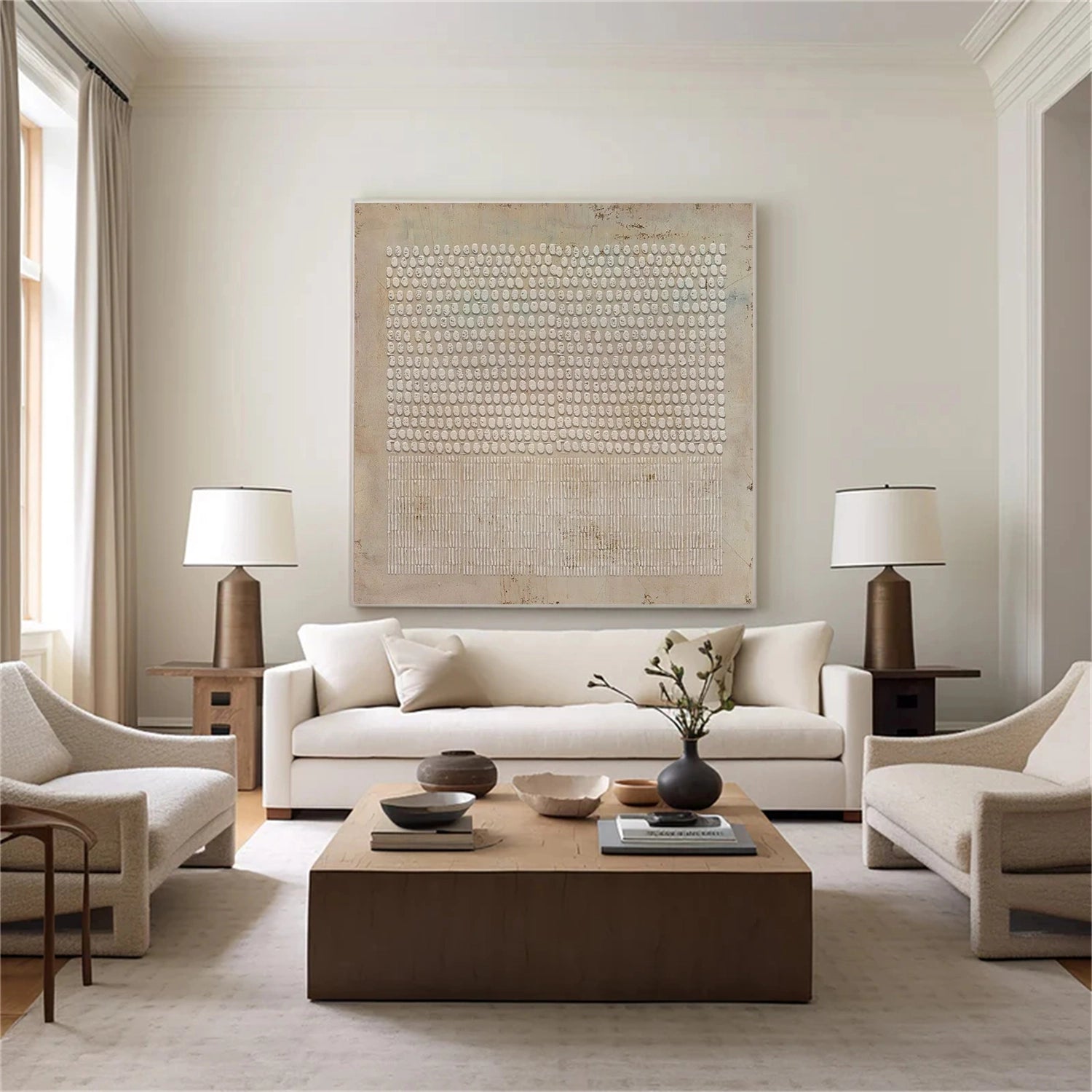
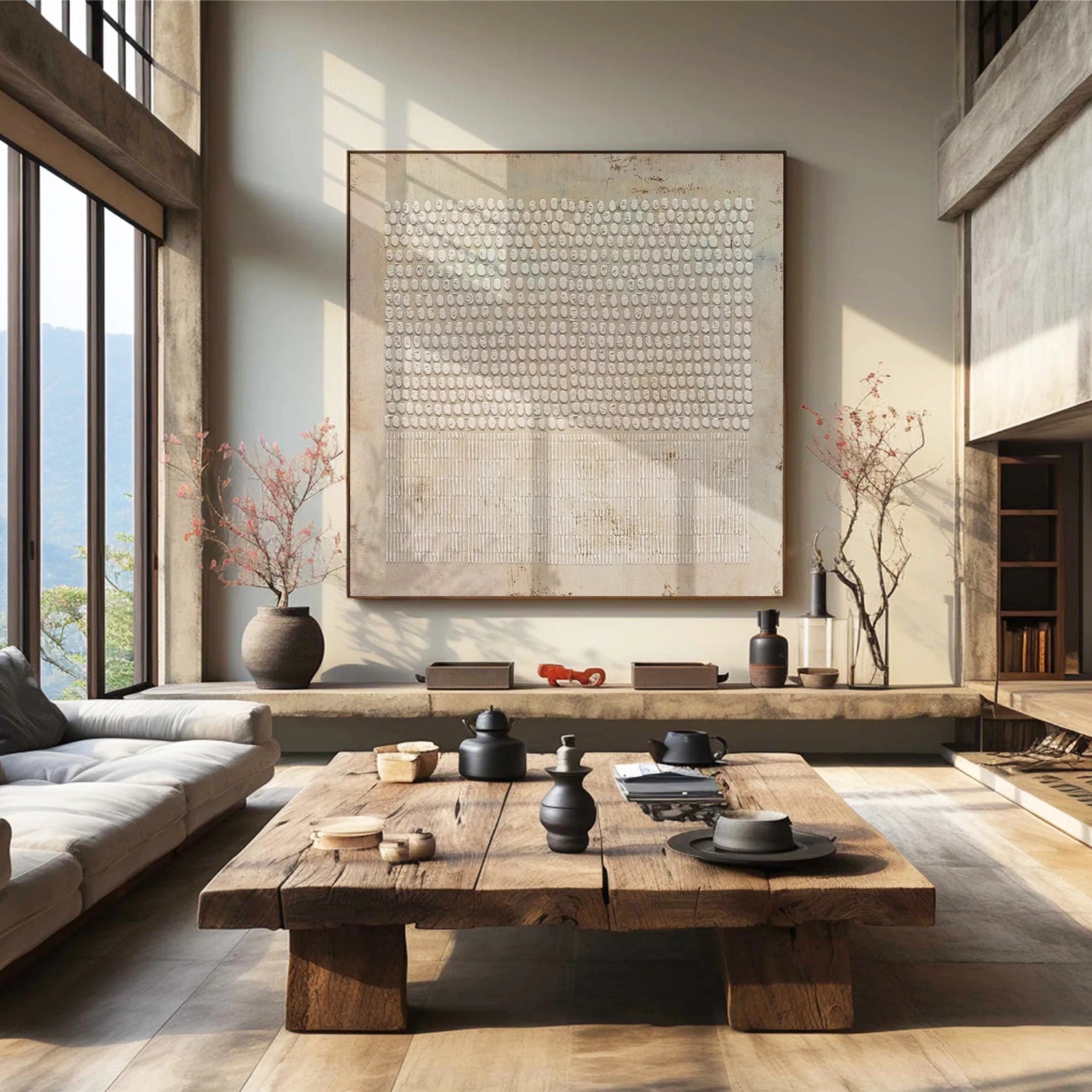
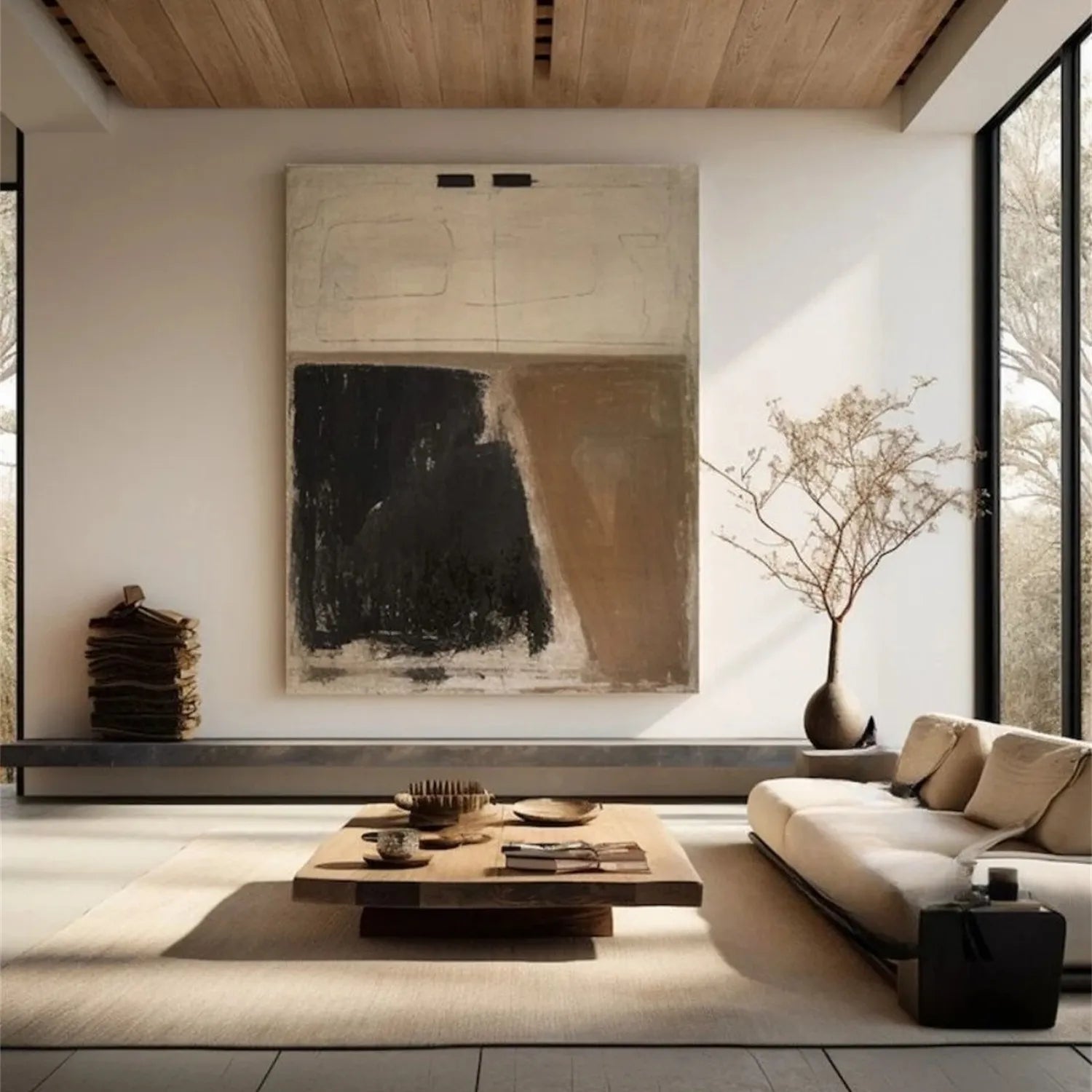
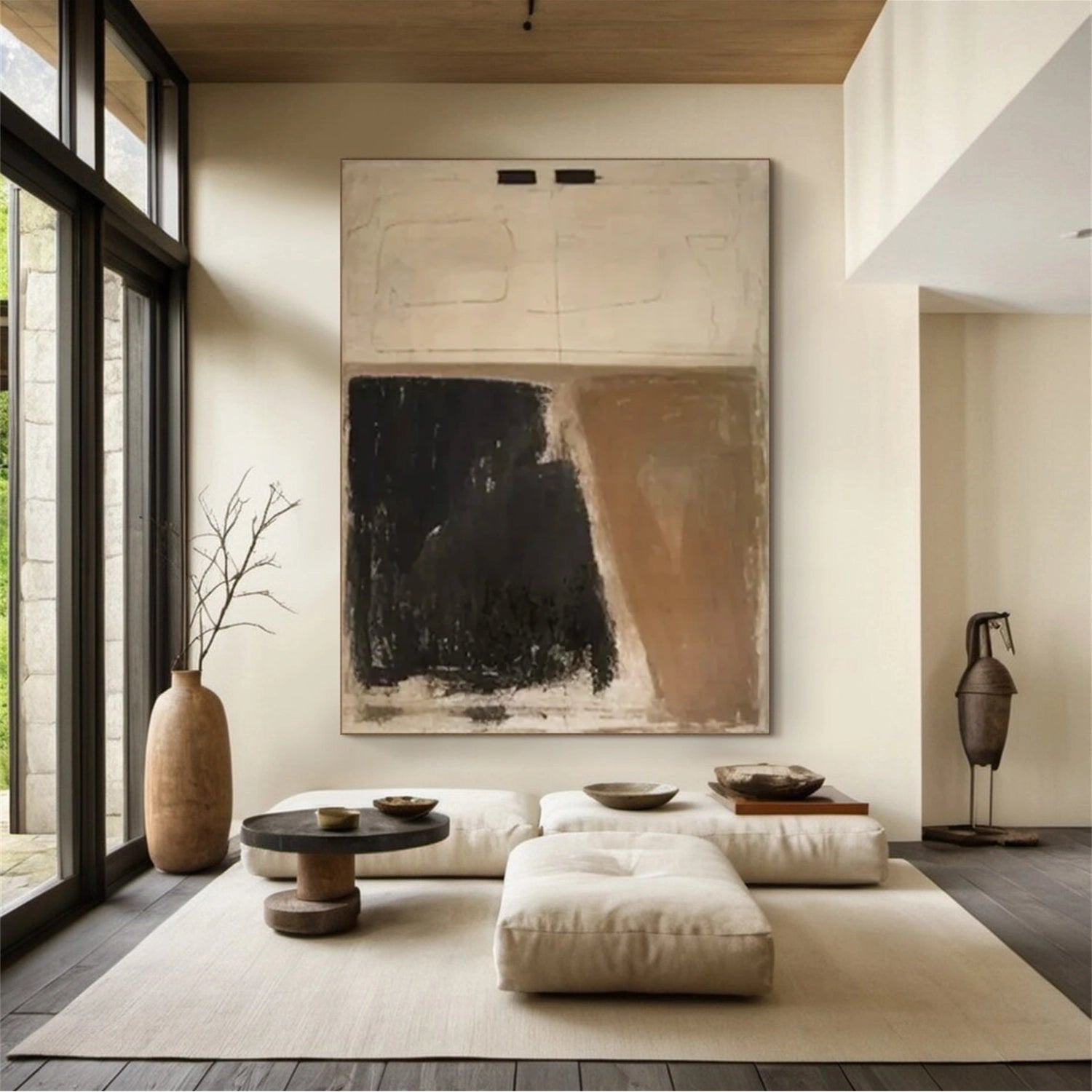
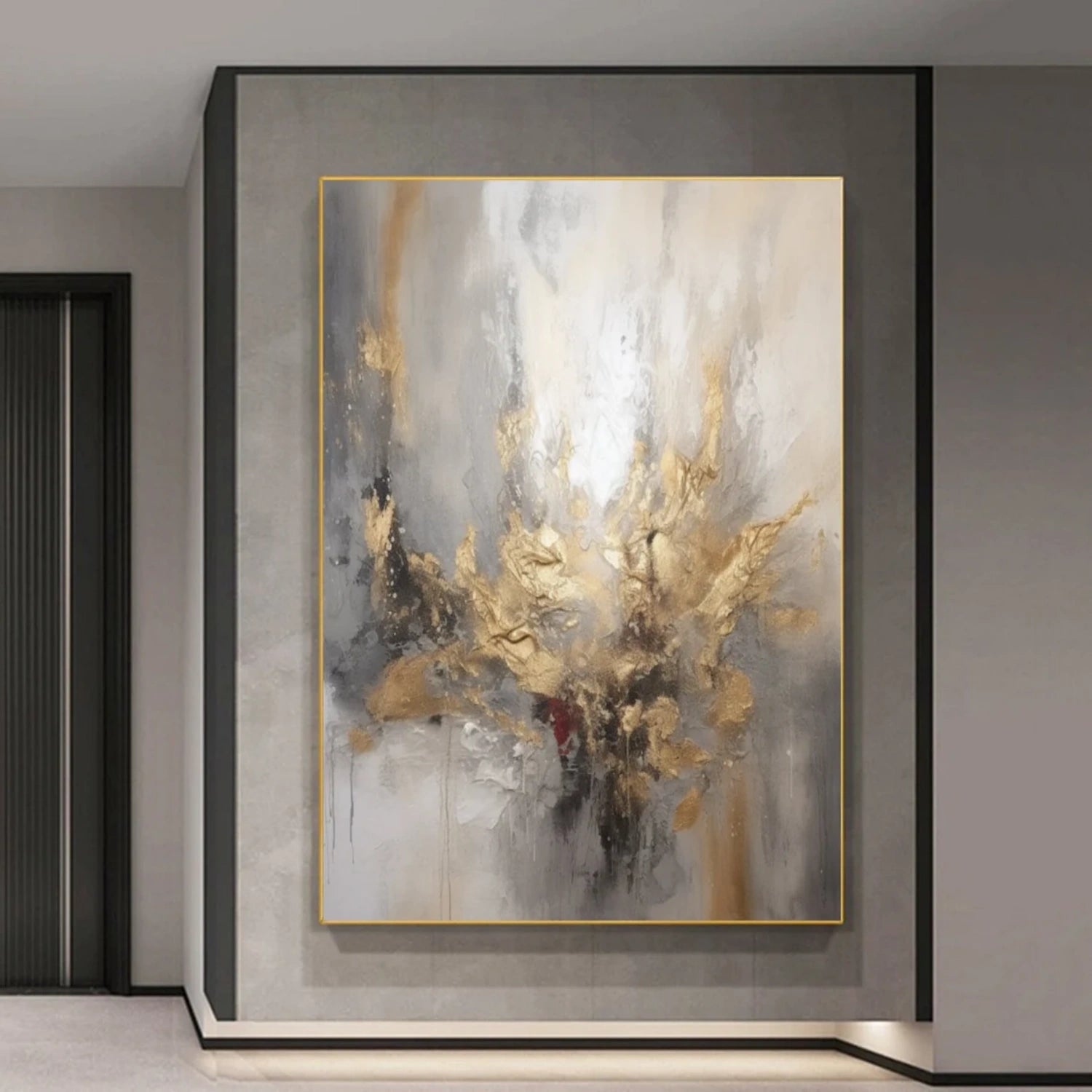
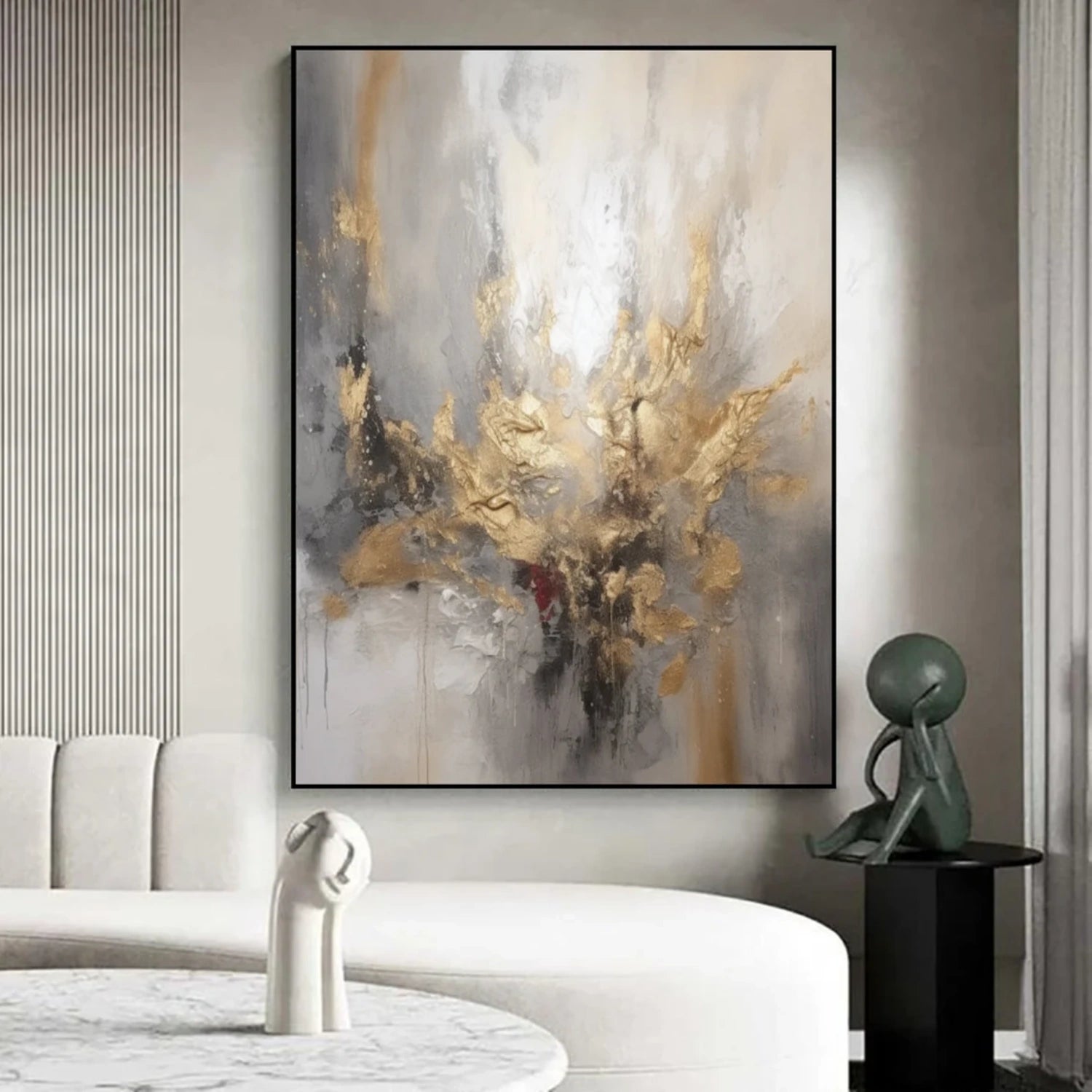
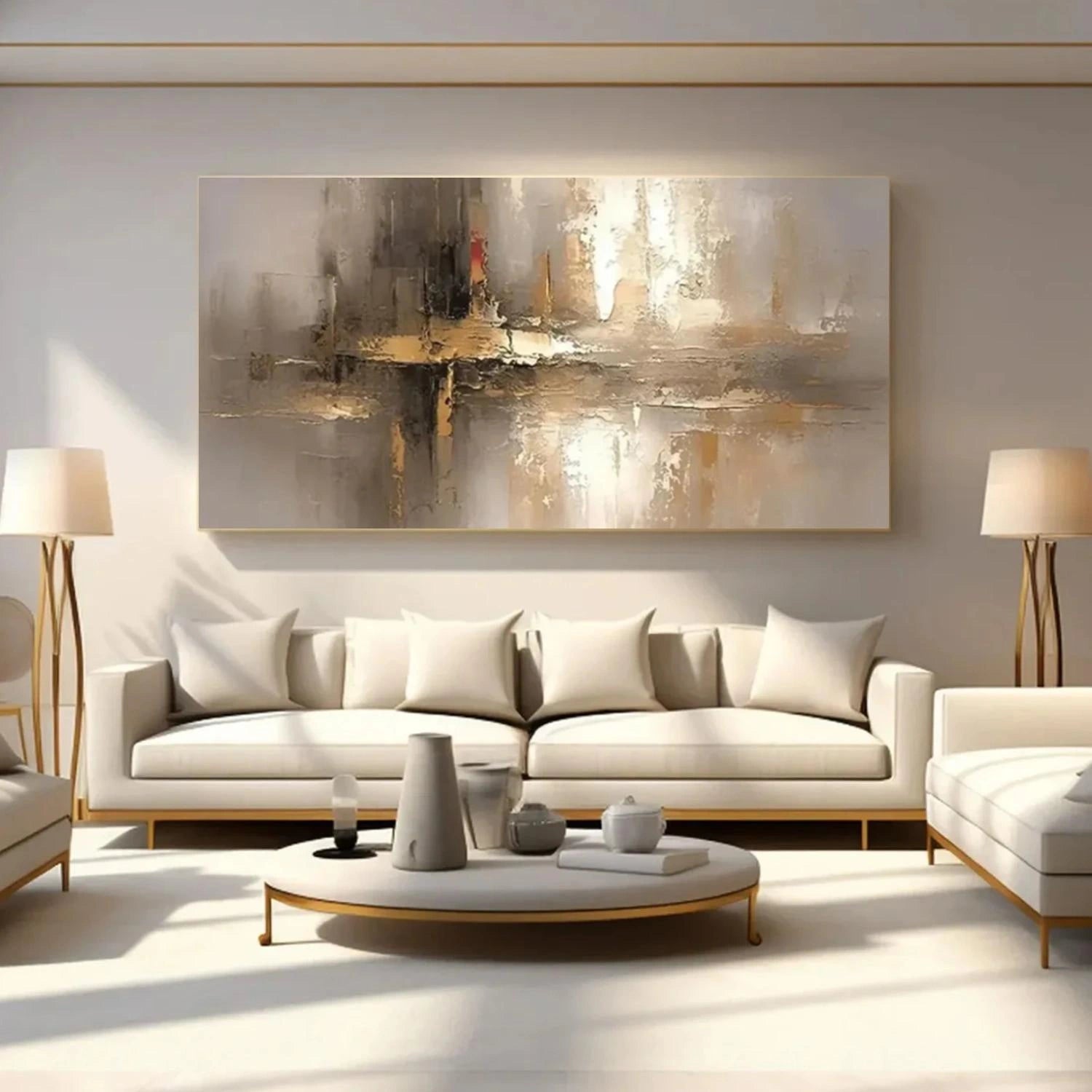
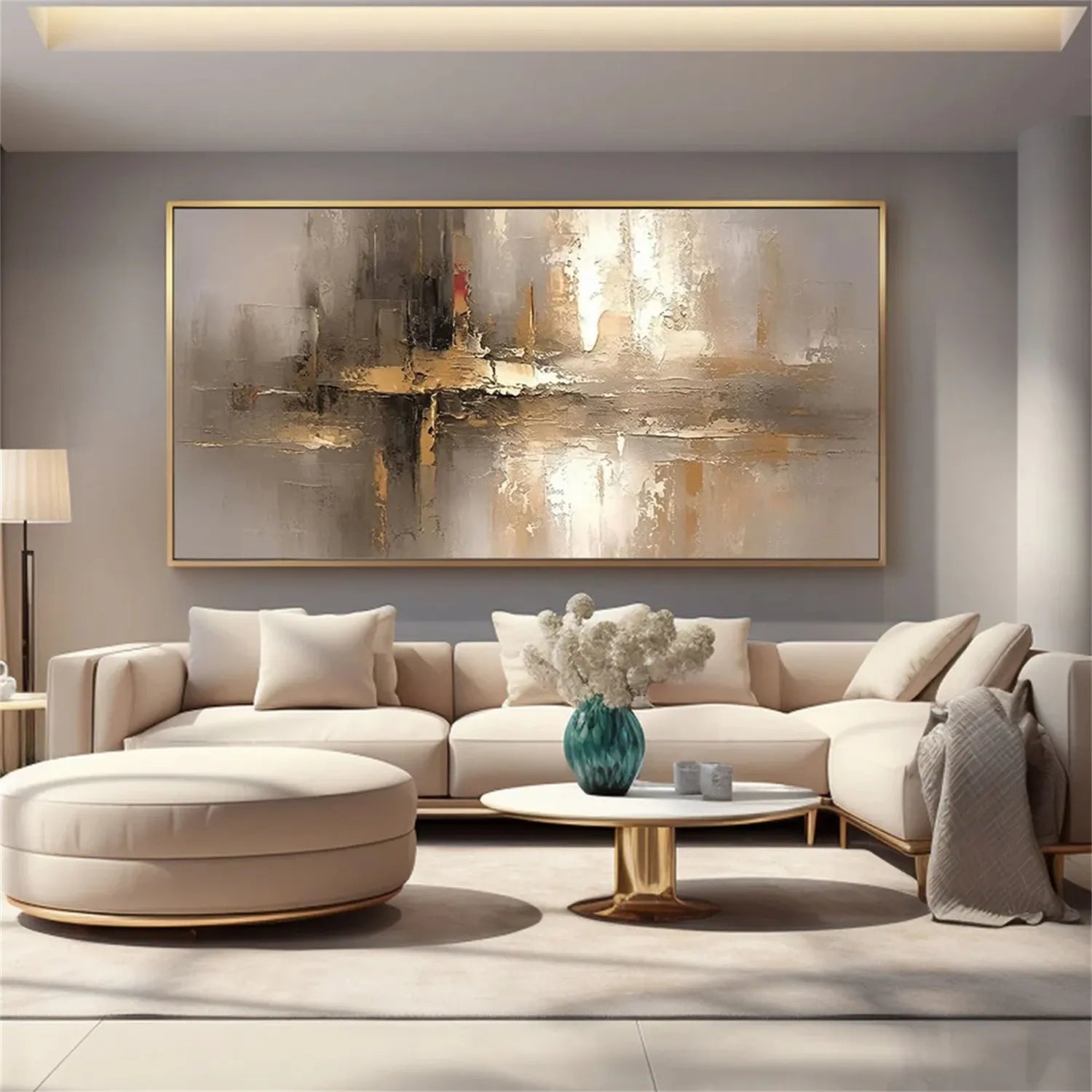
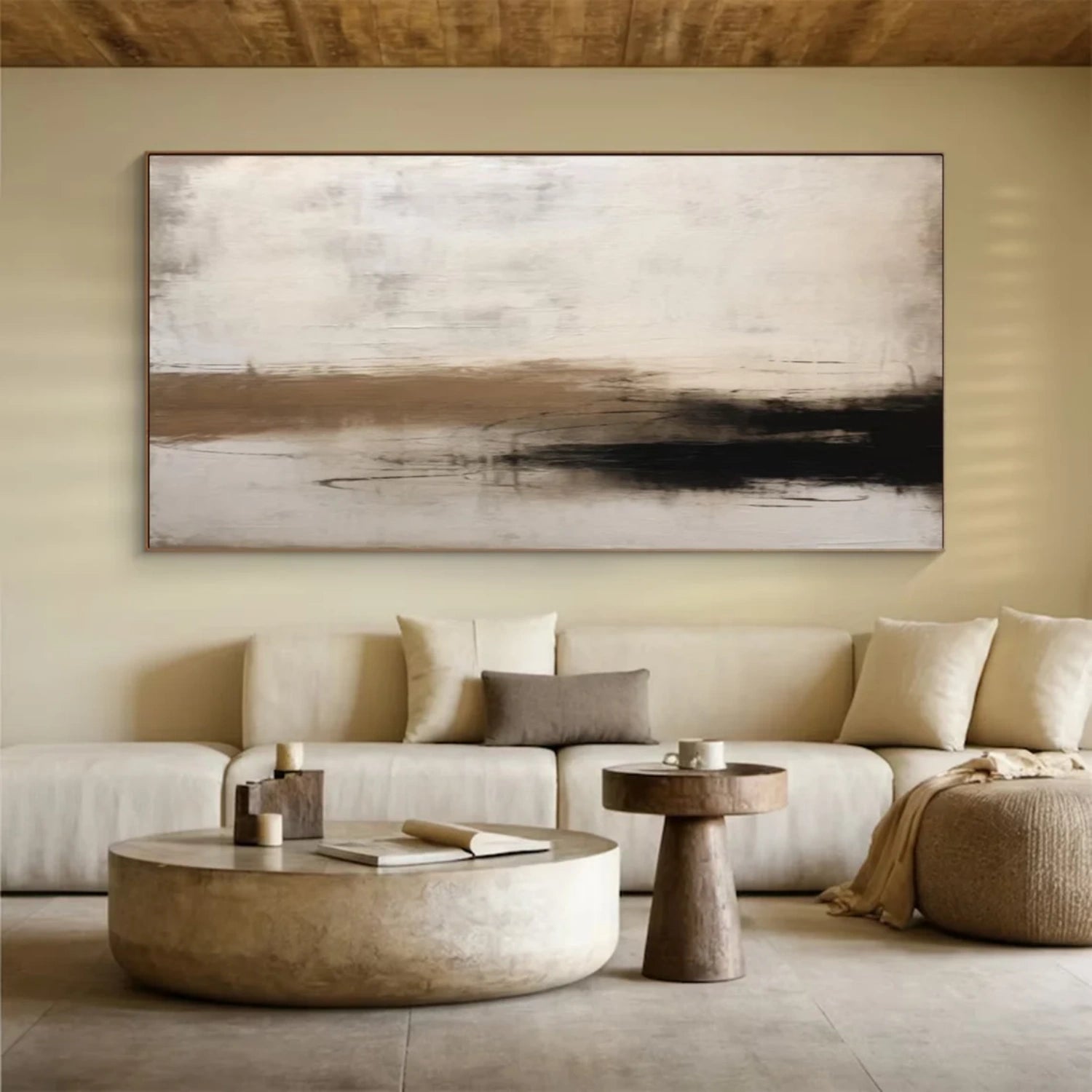
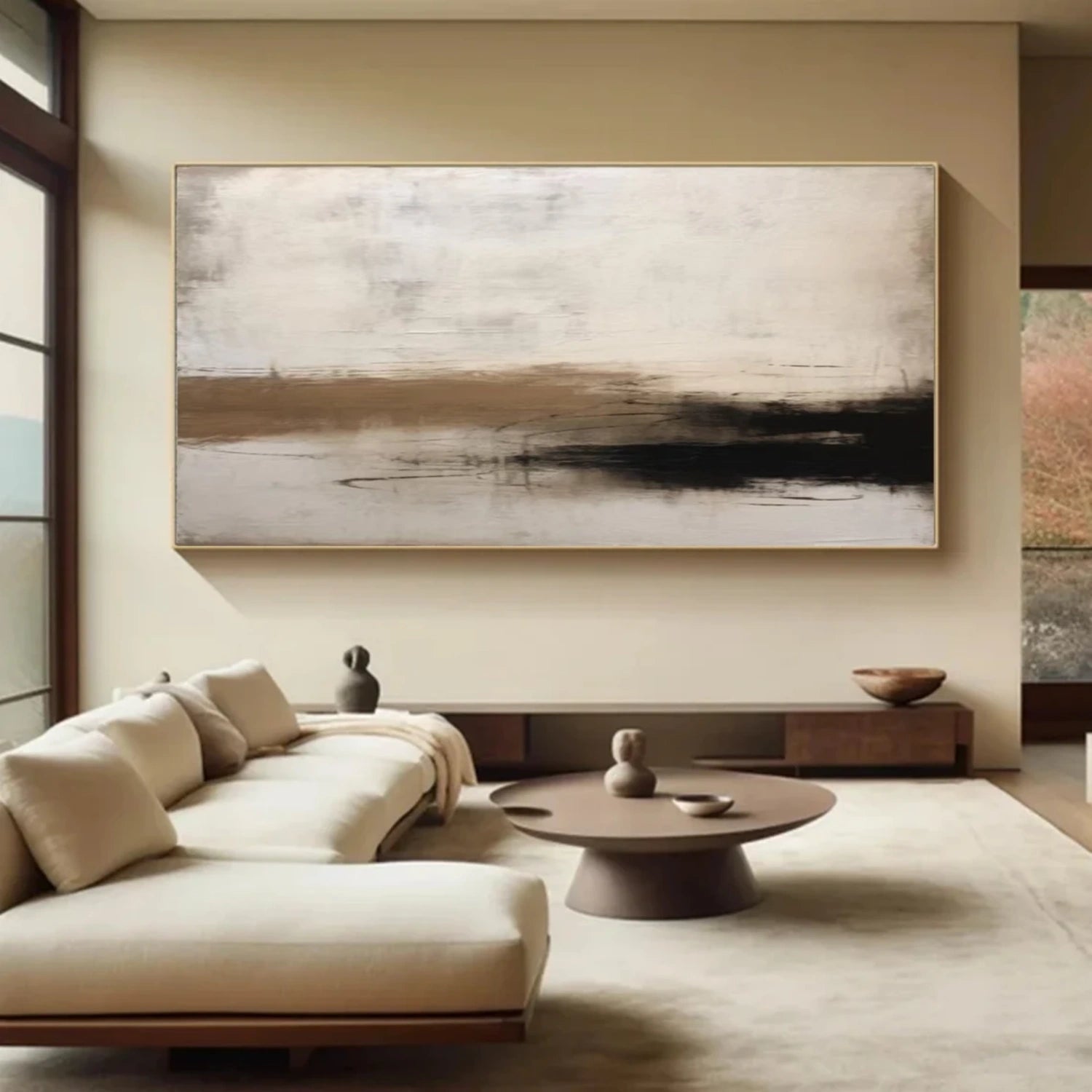
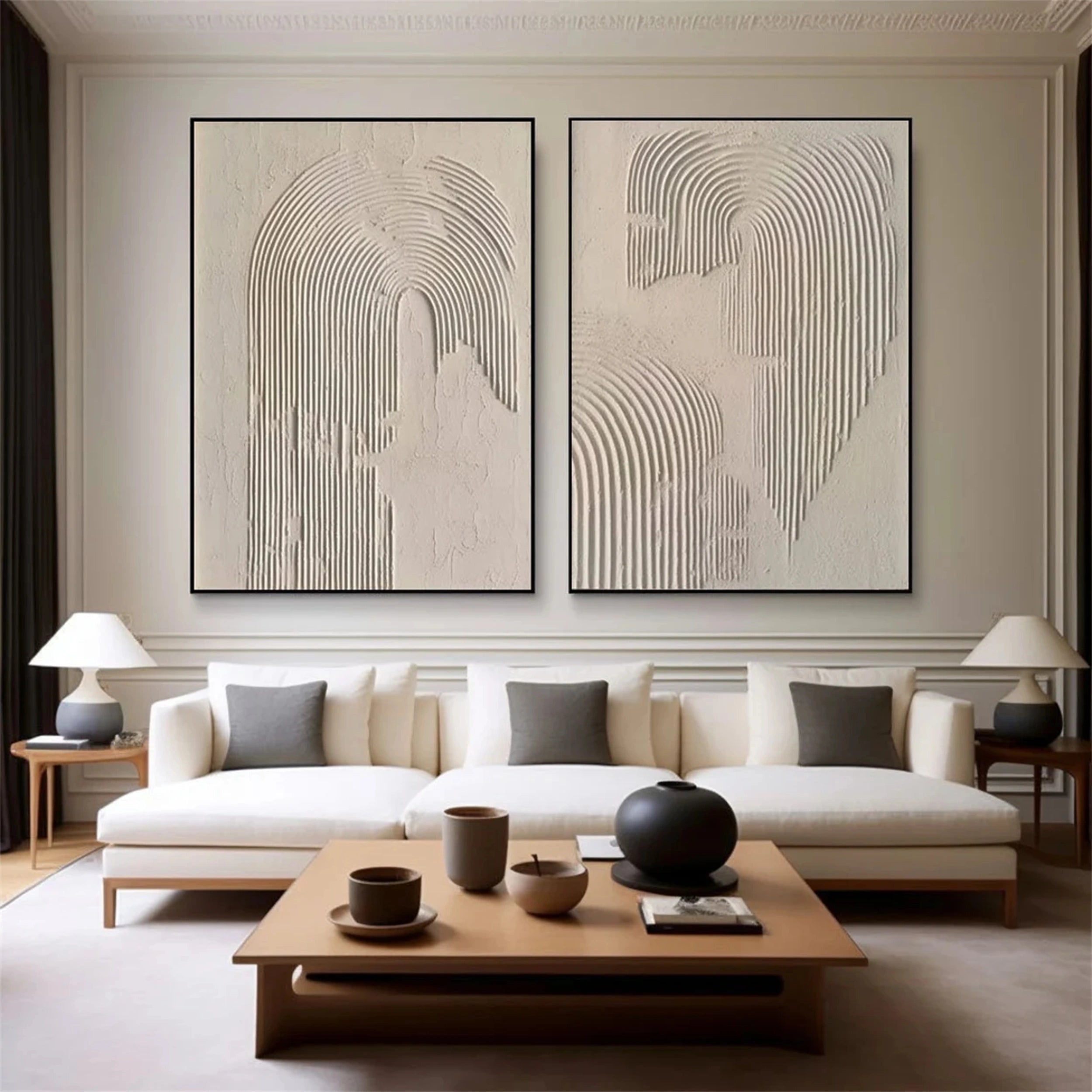
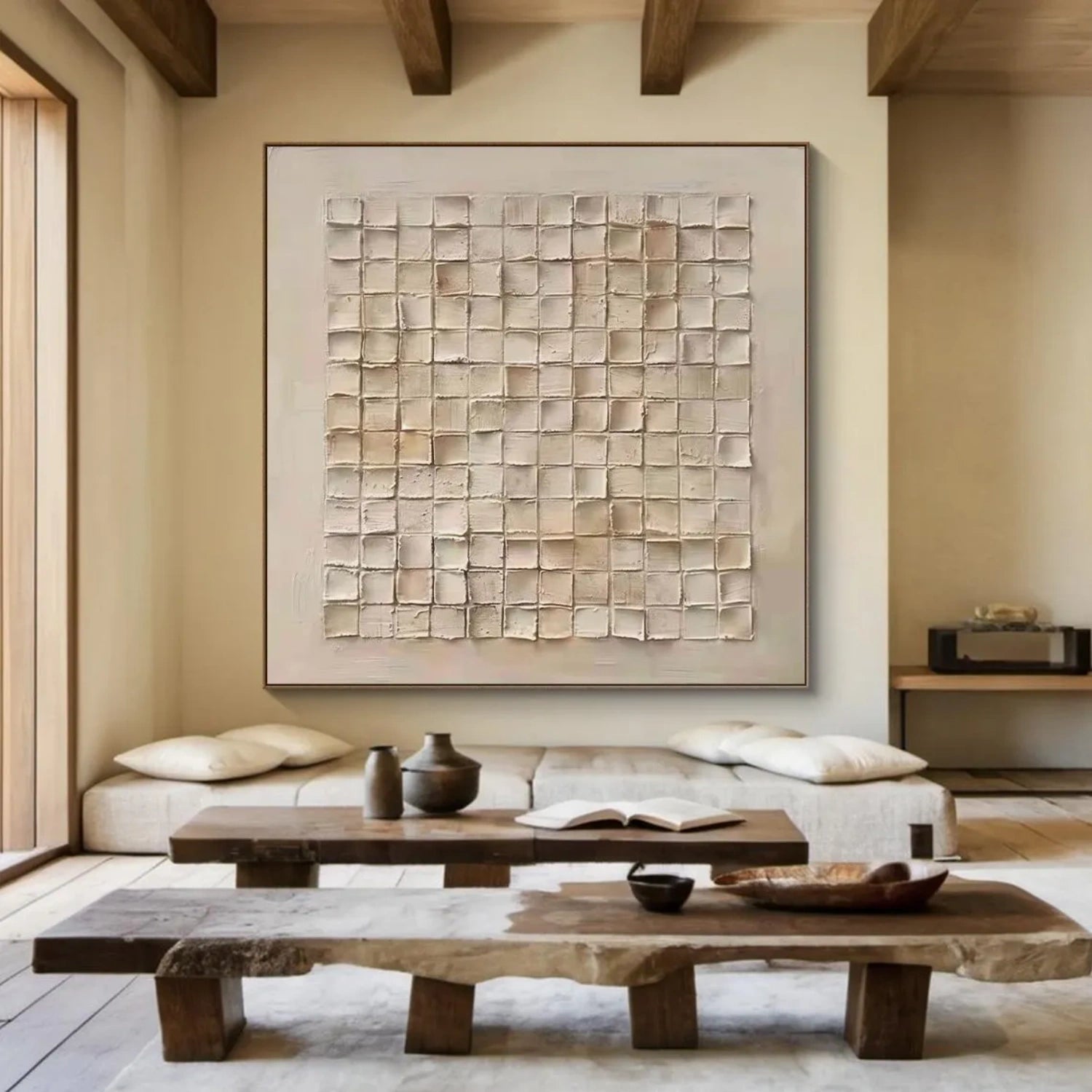
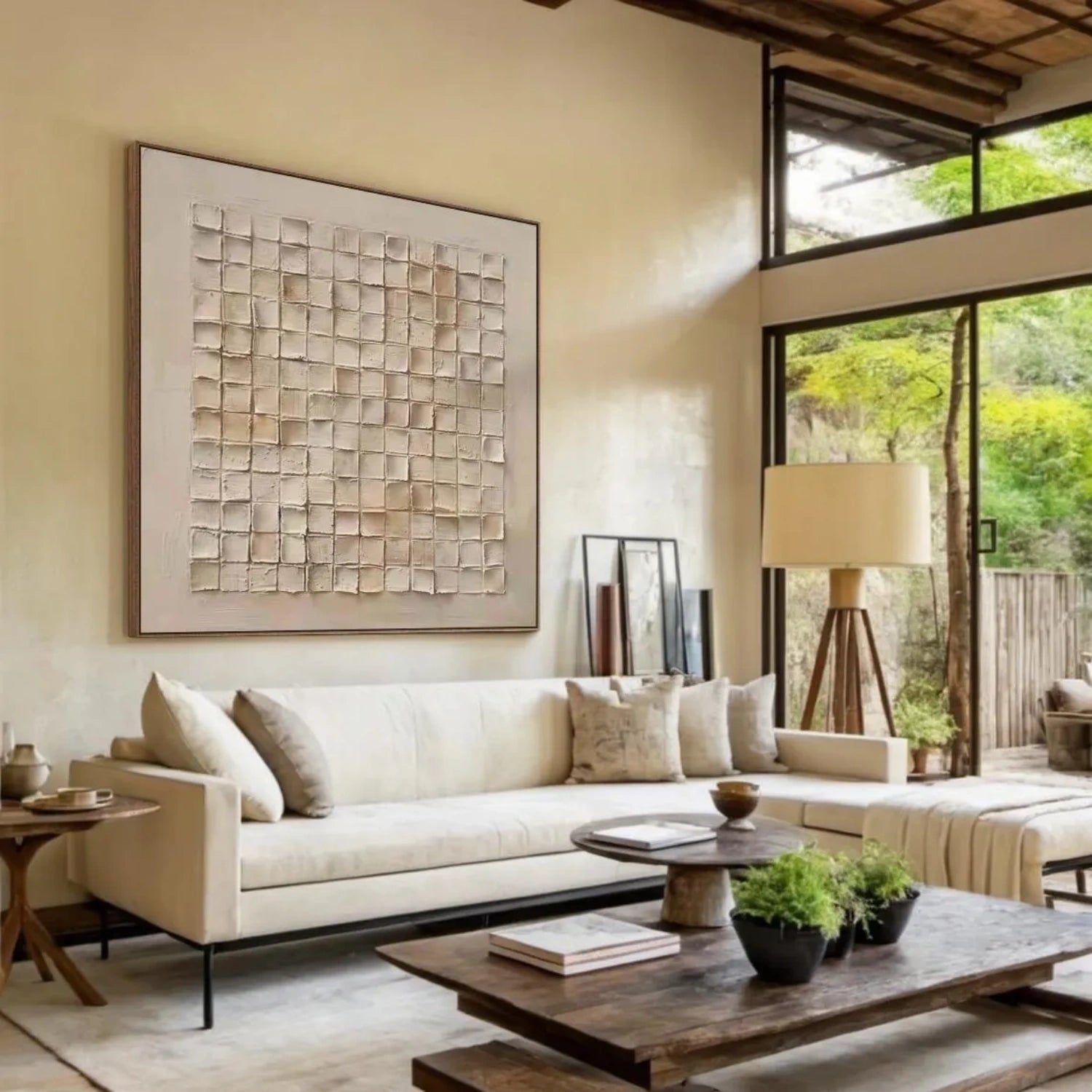
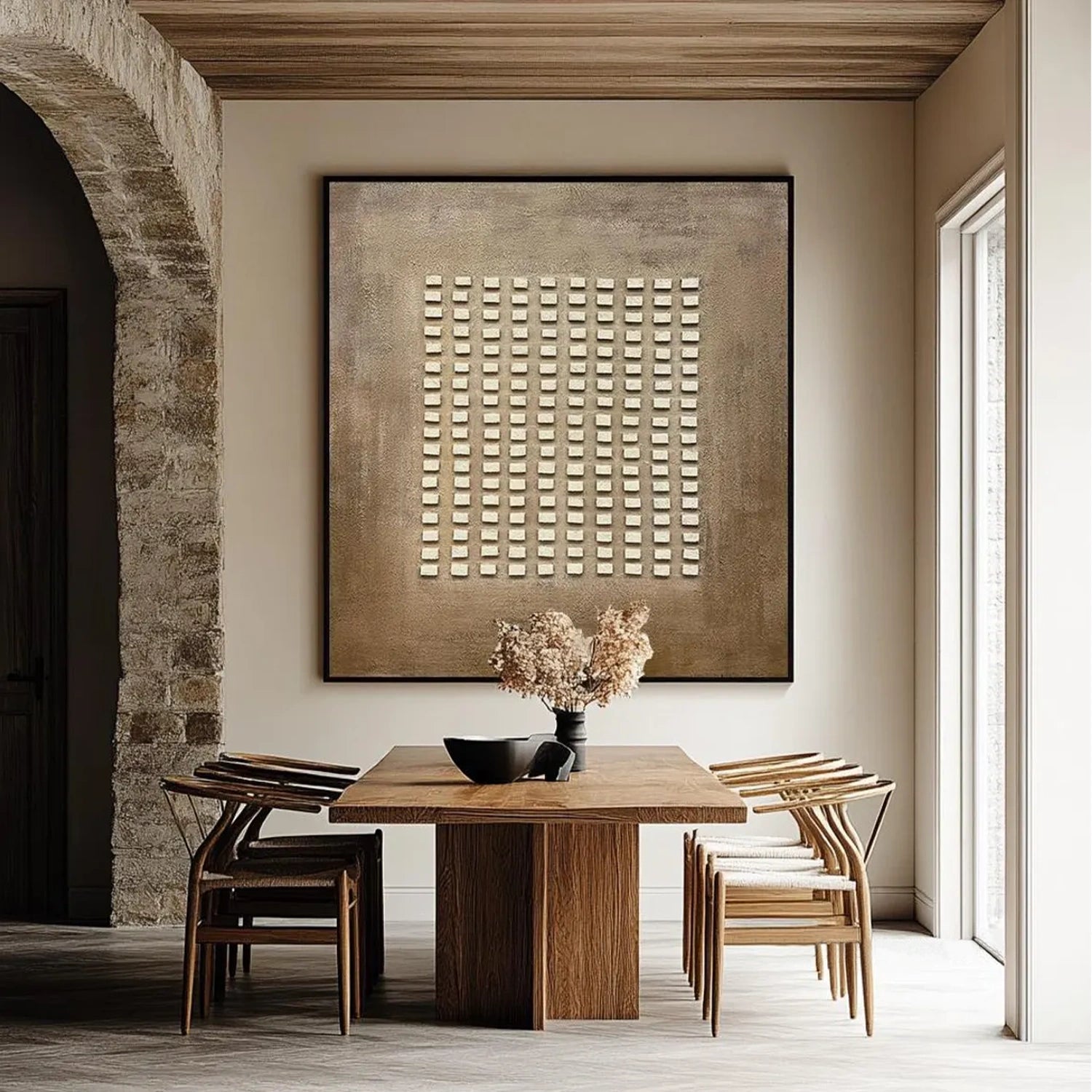
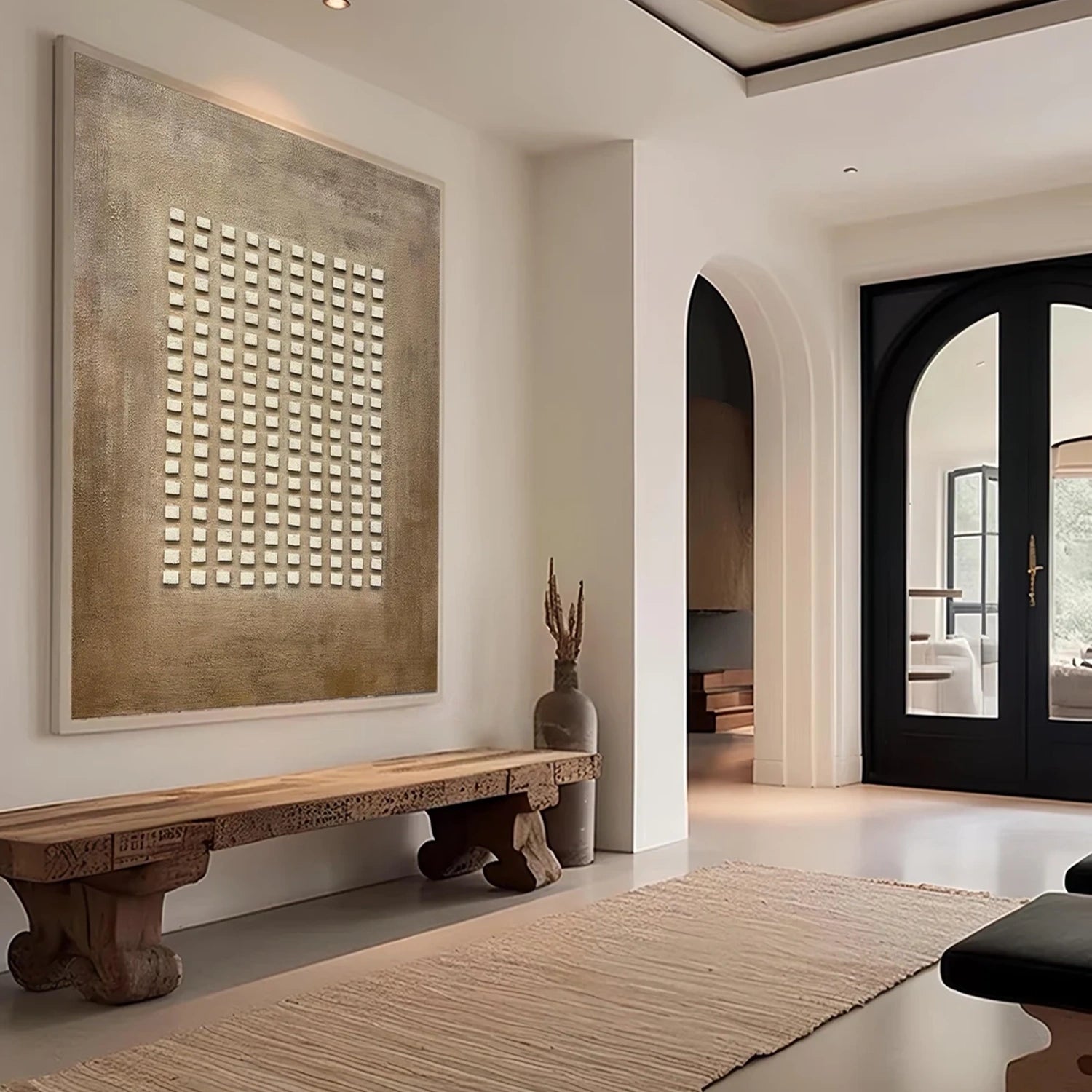
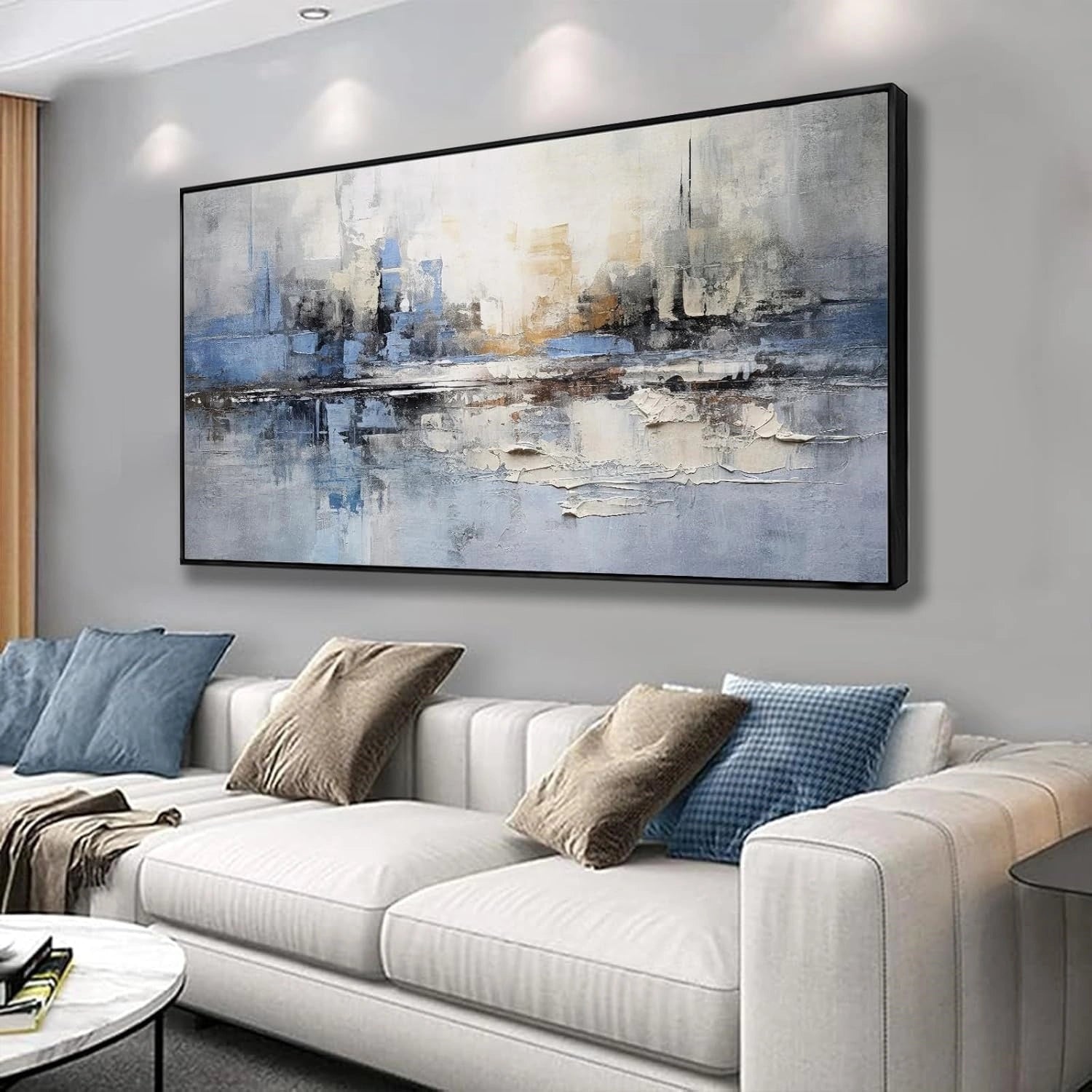
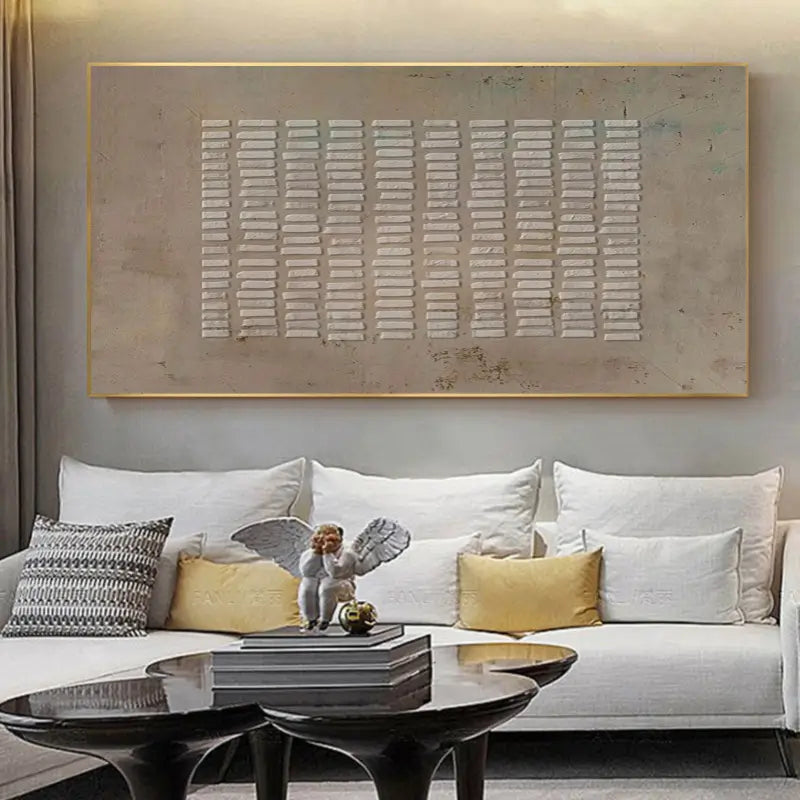
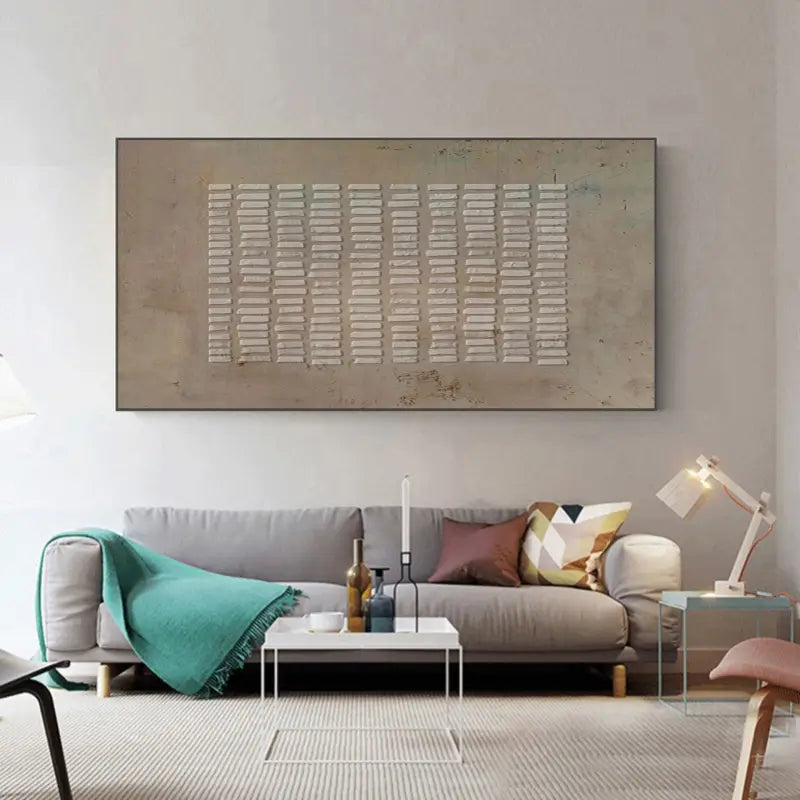
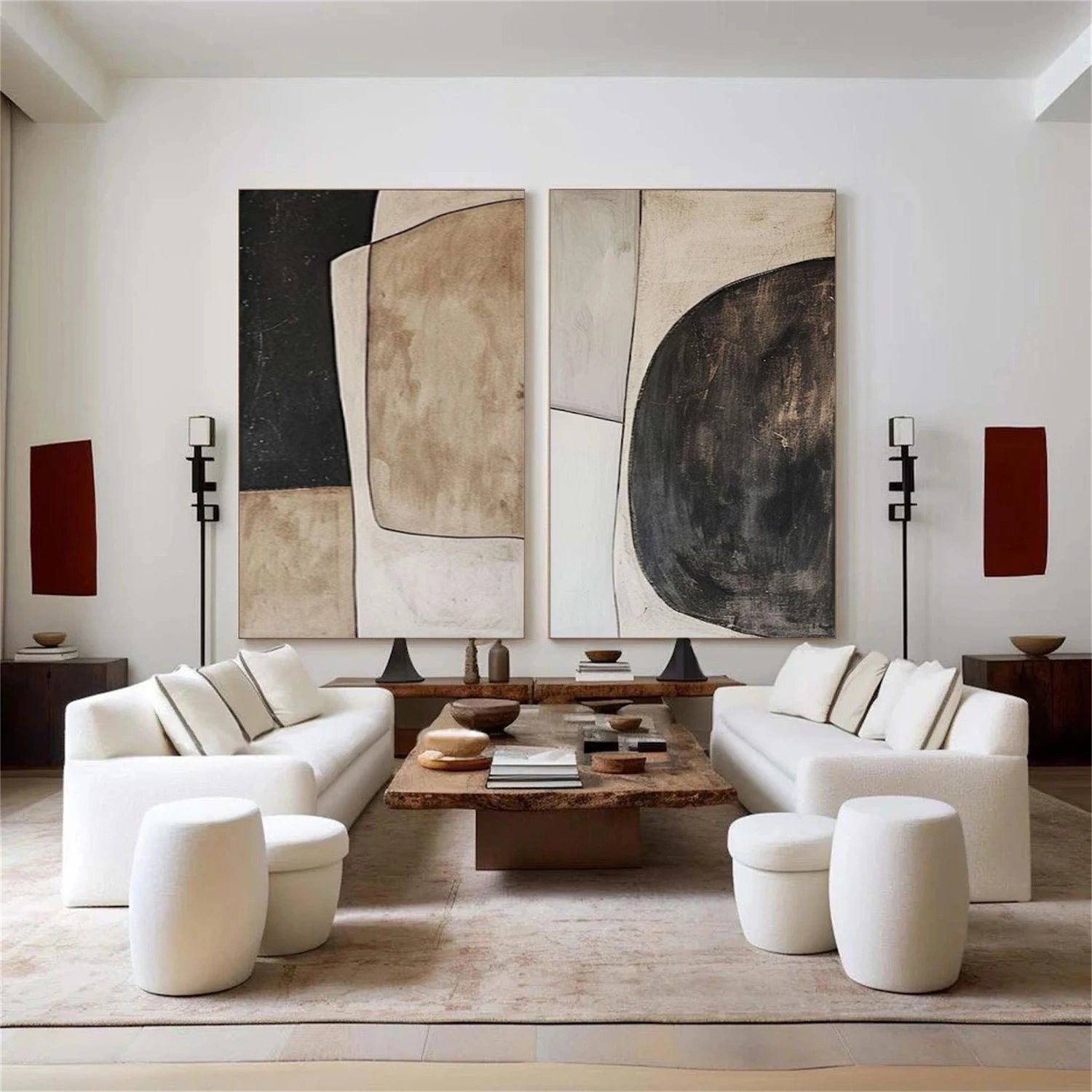
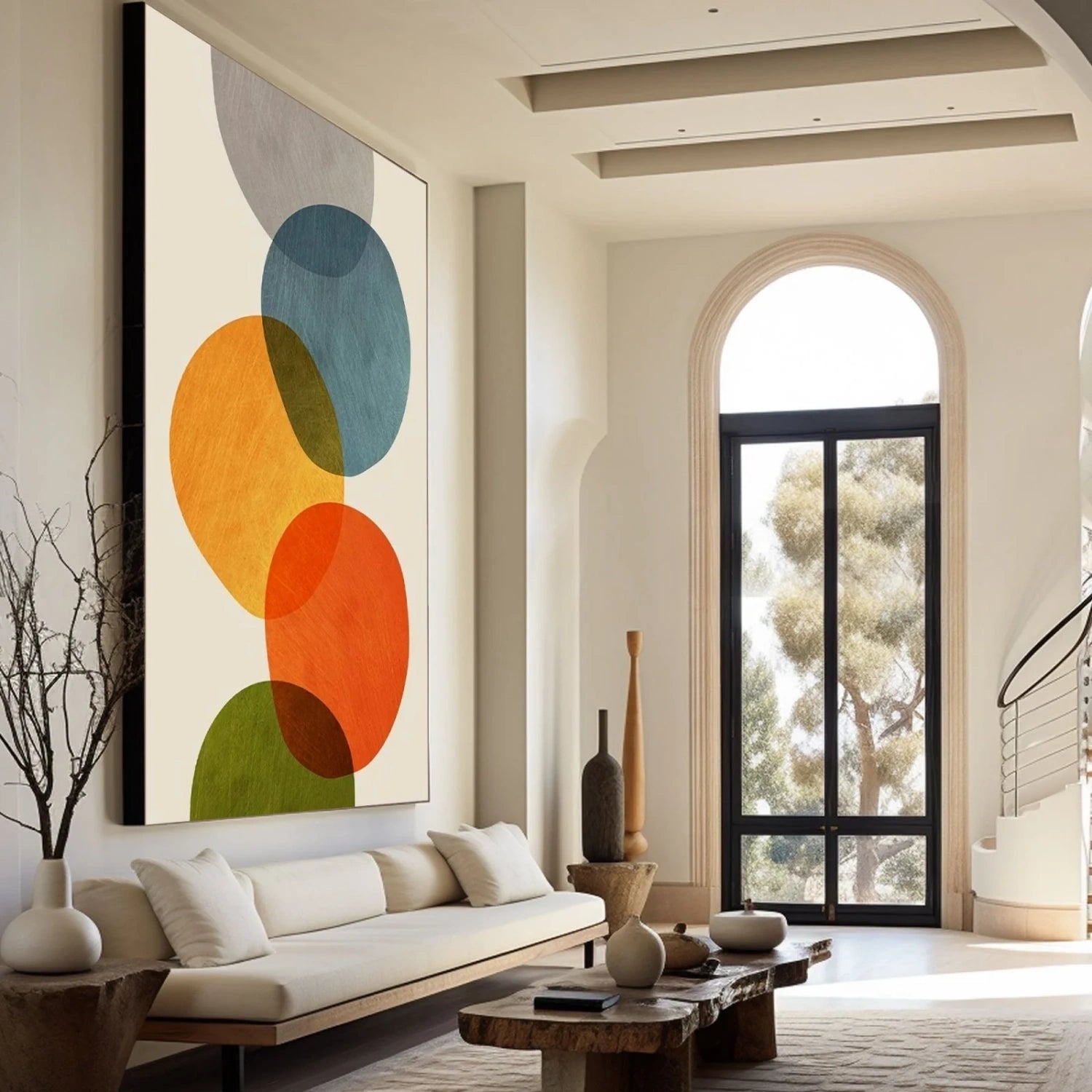
In today’s fast-paced and stress-heavy world, the philosophy of sabi wabi offers a mindful path toward peace and balance. By embracing imperfection and transience, sabi wabi reshapes how we experience beauty, authenticity, and mental wellness. Brands like Vinchy Art are redefining this aesthetic for the modern era, using abstract oil painting as a means of fostering inner calm and emotional clarity.
What Is the Current State of the Wellness and Art Industry?
The global wellness economy reached $5.6 trillion in 2023, growing 12% year-over-year according to the Global Wellness Institute. Yet, despite soaring investments, stress and anxiety rates continue to rise, with the WHO reporting that over 1 billion people suffer from mental health conditions worldwide. This gap between awareness and actual well-being indicates that commercial wellness solutions — from fitness memberships to meditation apps — often lack emotional depth and sustainable engagement. In response, the global art therapy sector has entered a period of rapid growth, expanding at a CAGR of 12.5% since 2020, driven by demand for more human-centered wellness tools.
Why Are Current Approaches Failing to Deliver Authentic Calm?
Traditional wellness solutions often focus on measurable productivity rather than emotional resonance. Technology-dependent approaches, such as guided apps and sensor-based relaxation, offer temporary results but little emotional permanence. Similarly, decorative art in most interiors serves visual pleasure but not psychological restoration. Many modern environments look appealing yet feel emotionally empty — a paradox of beauty without soul. The aching need for mindfulness through tangible, sensory experiences underscores the urgency for aesthetic philosophies like sabi wabi to return as a grounding force.
How Does Sabi Wabi Create a Bridge Between Aesthetics and Mindfulness?
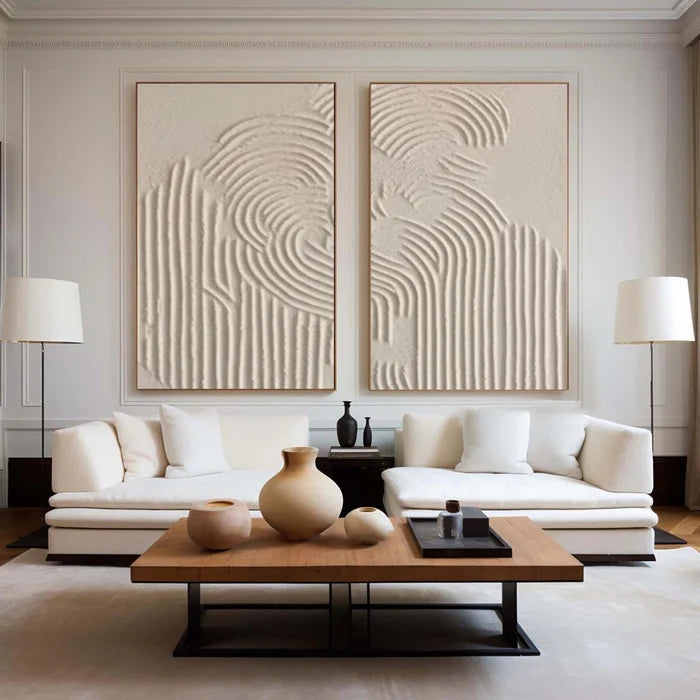
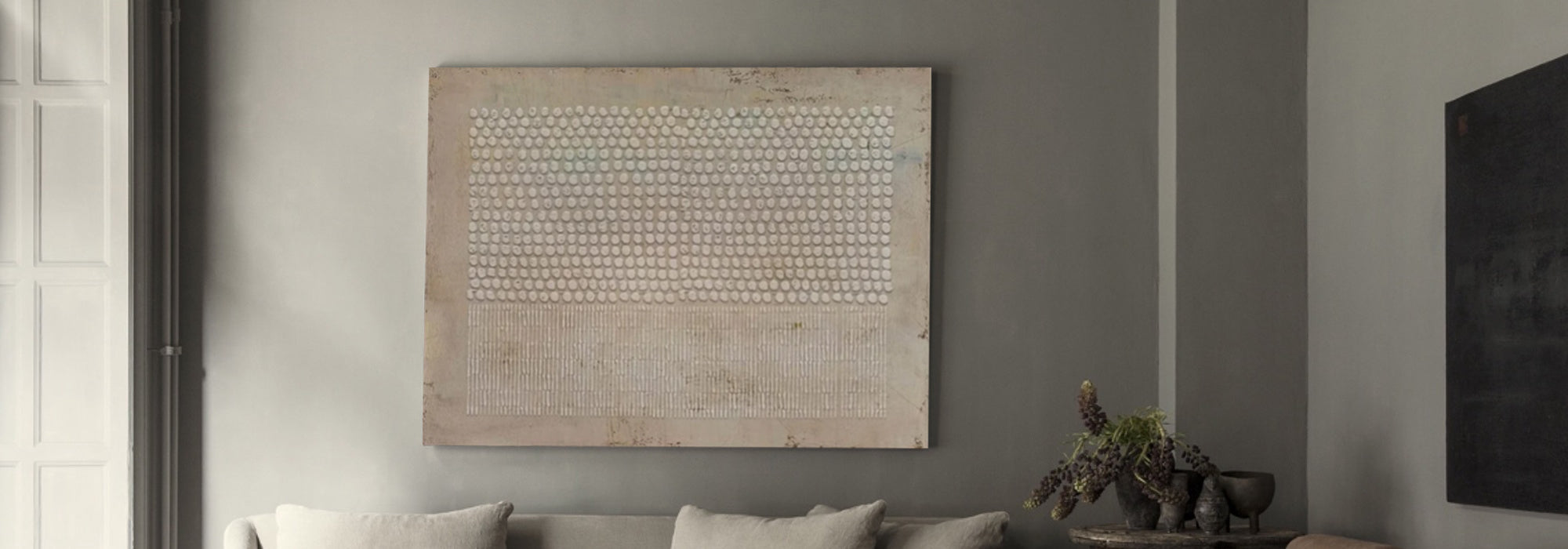
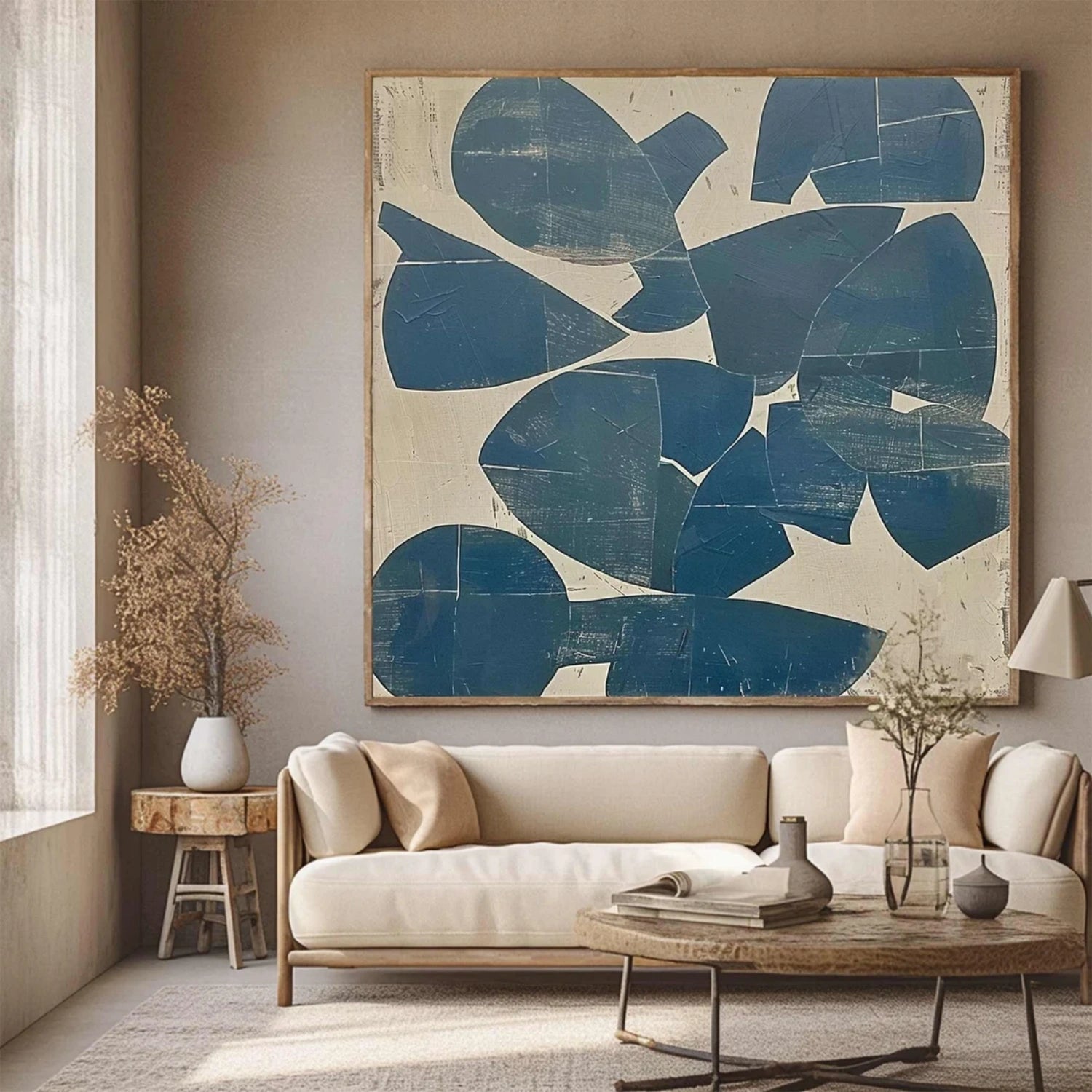
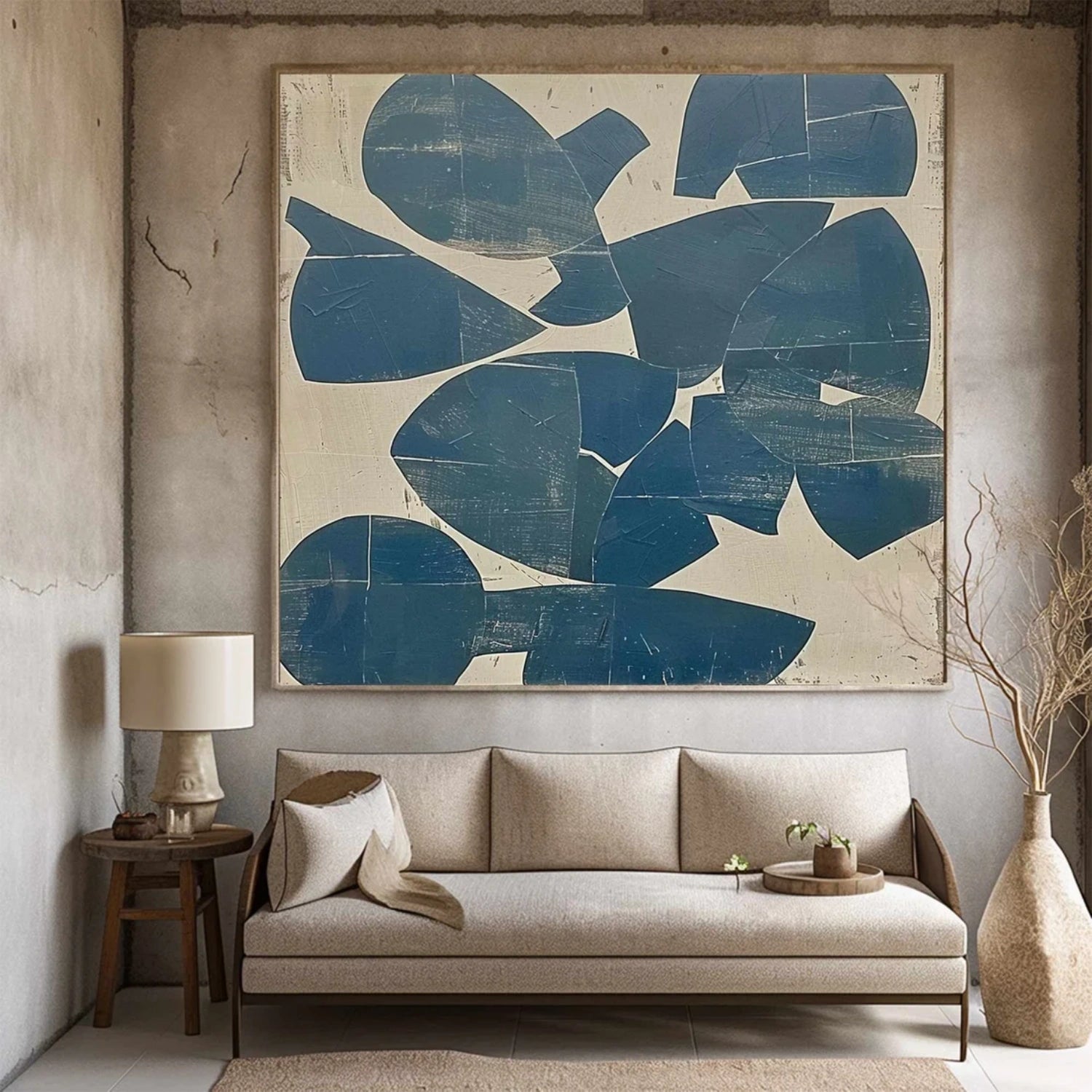
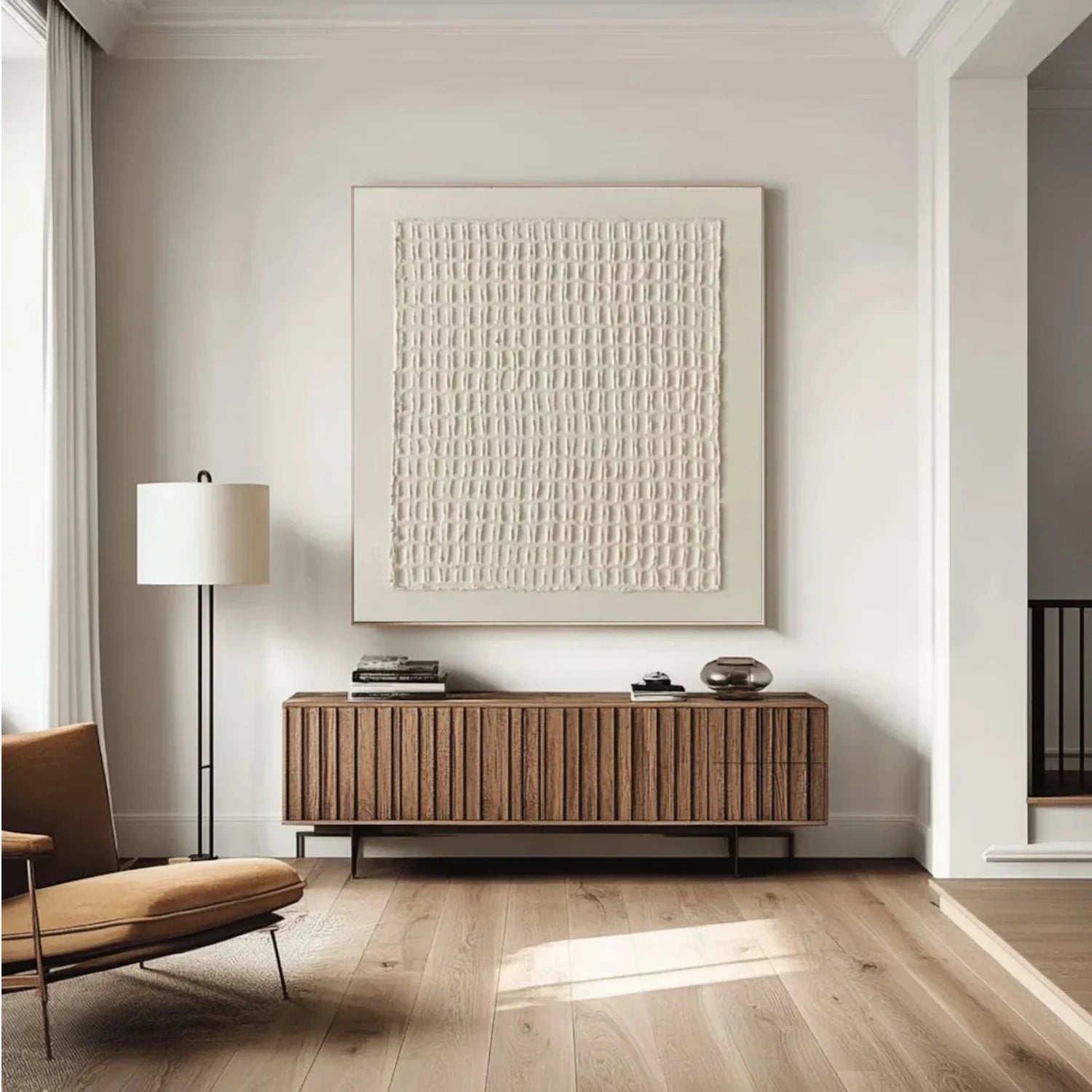
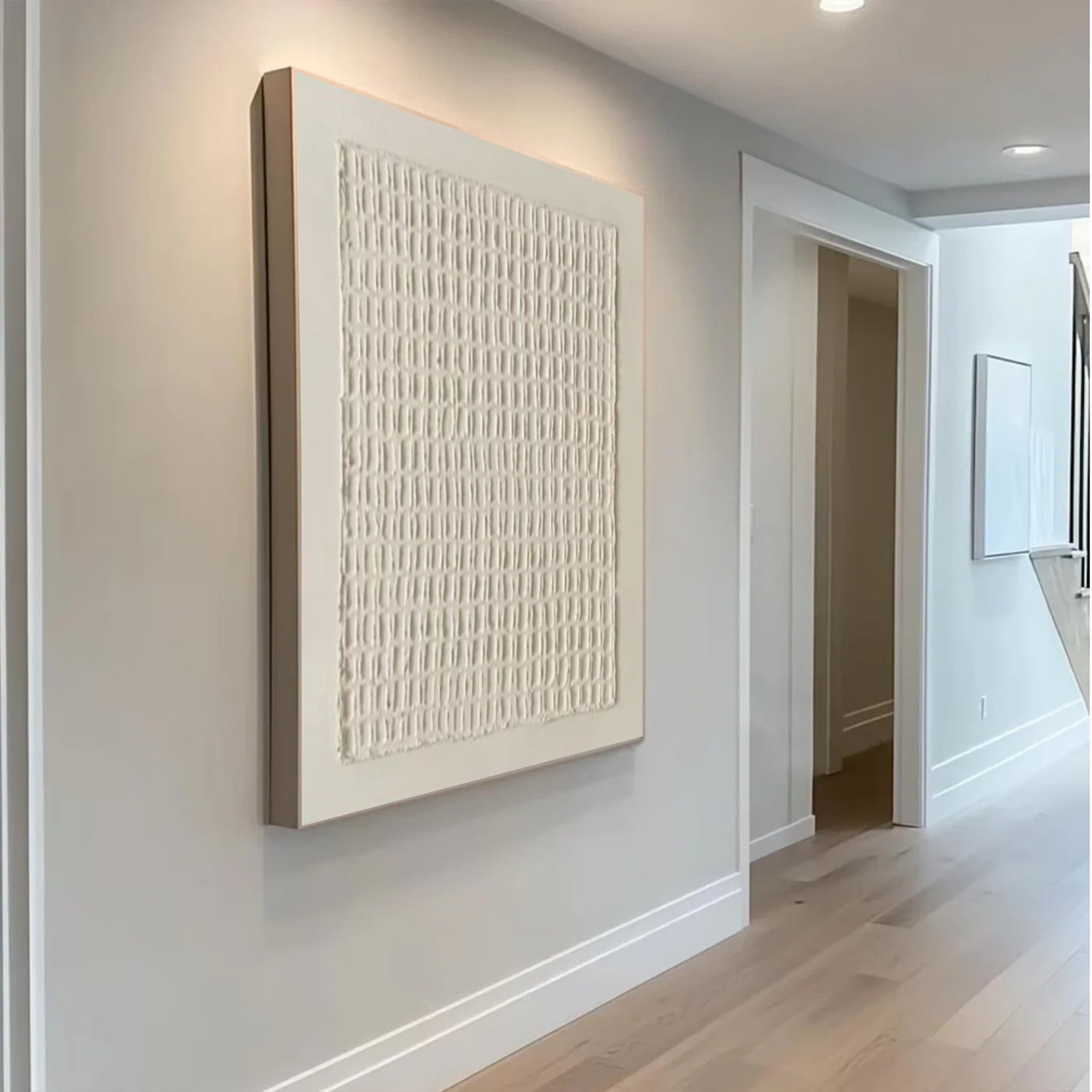
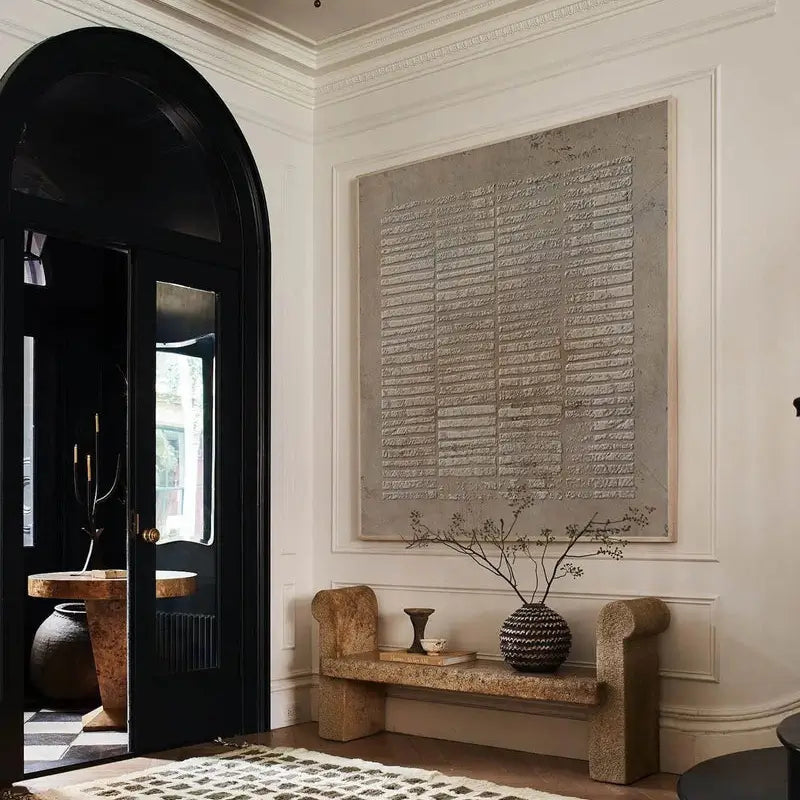
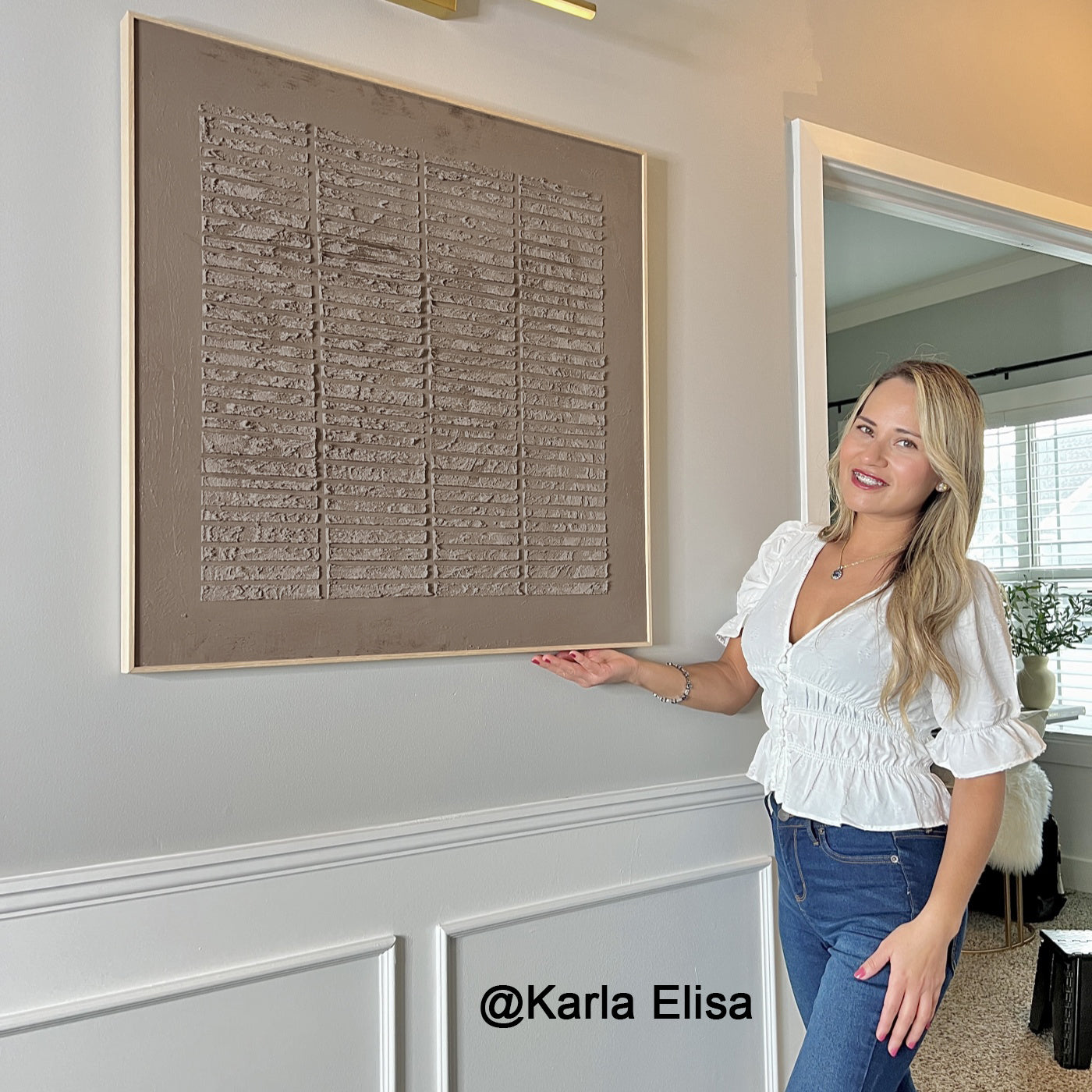
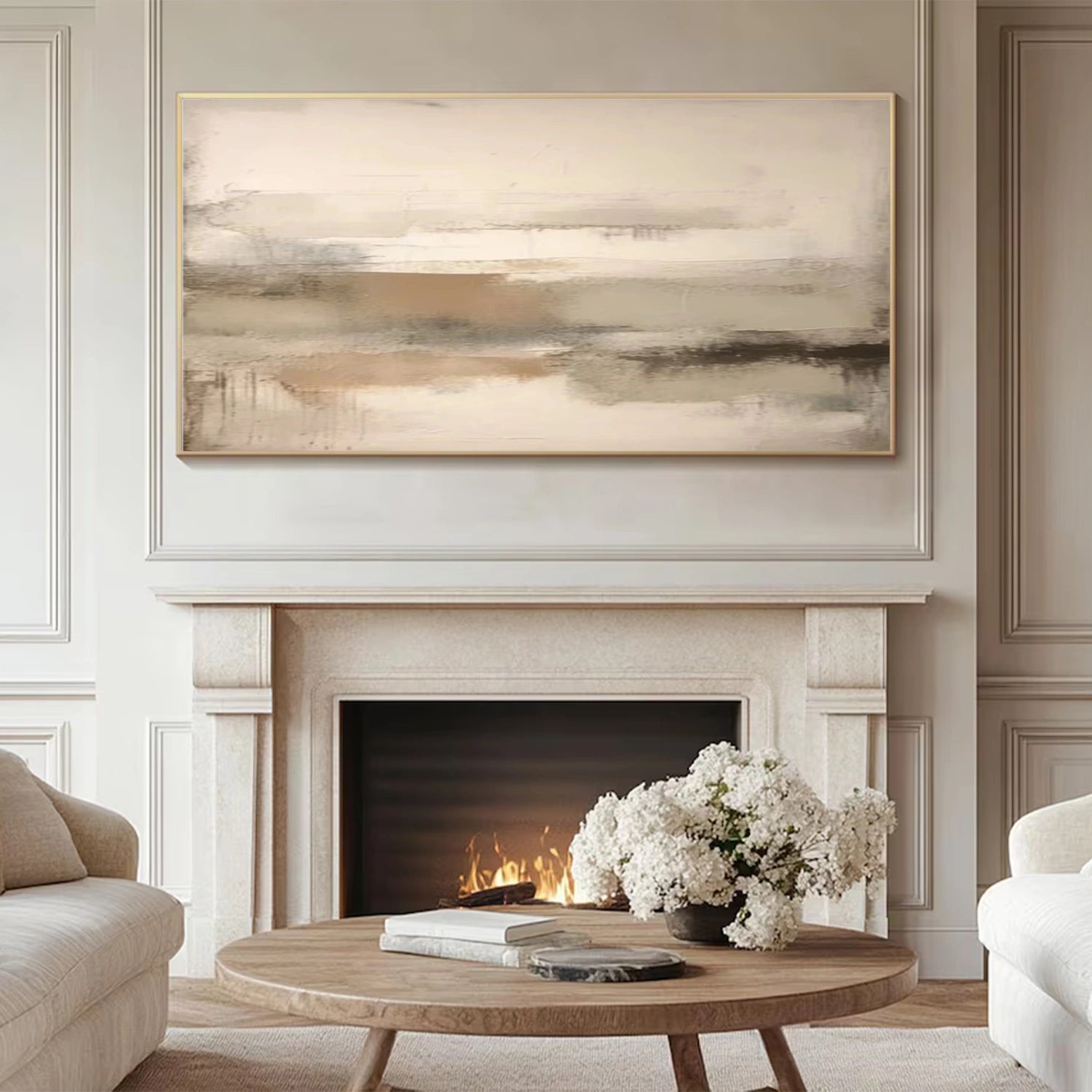
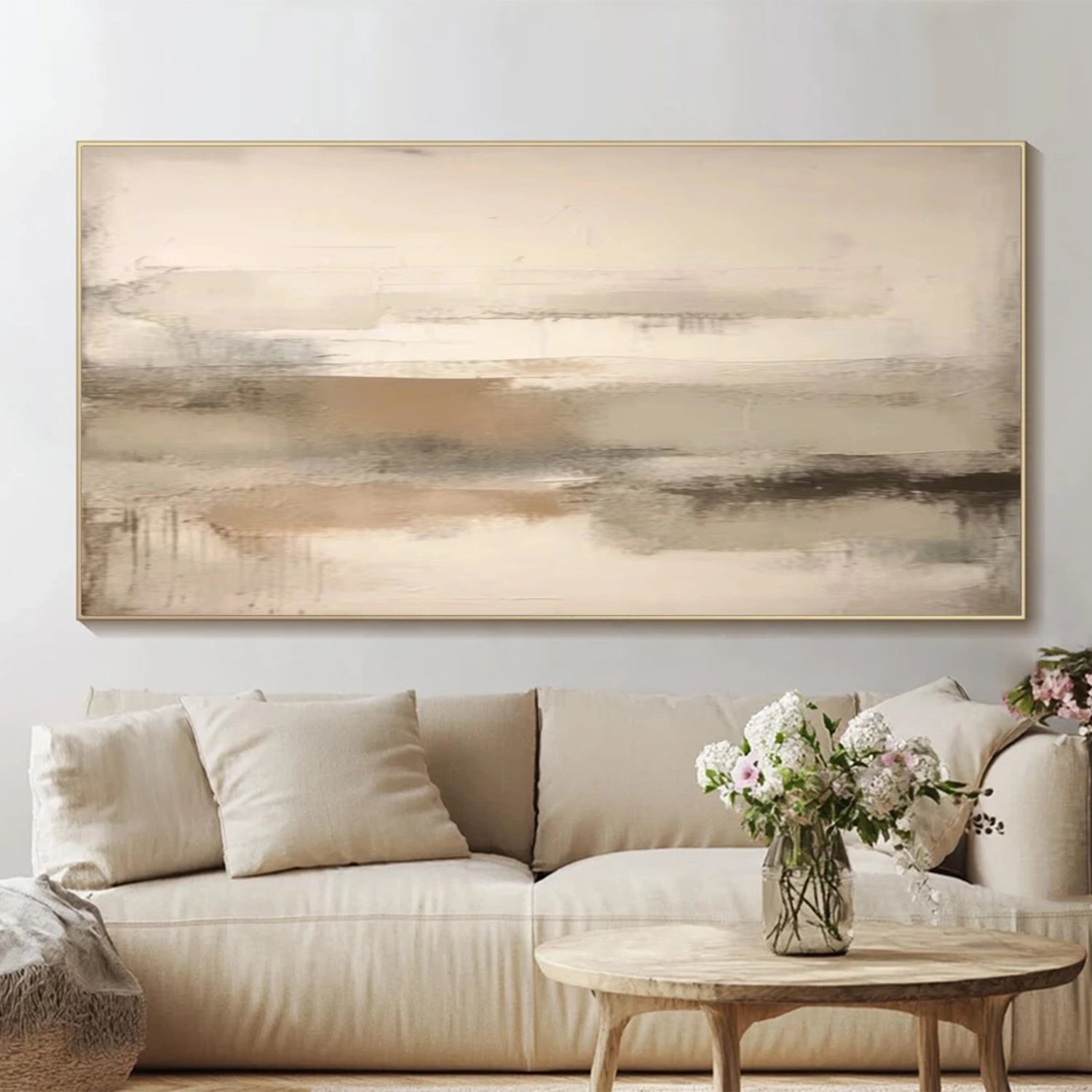
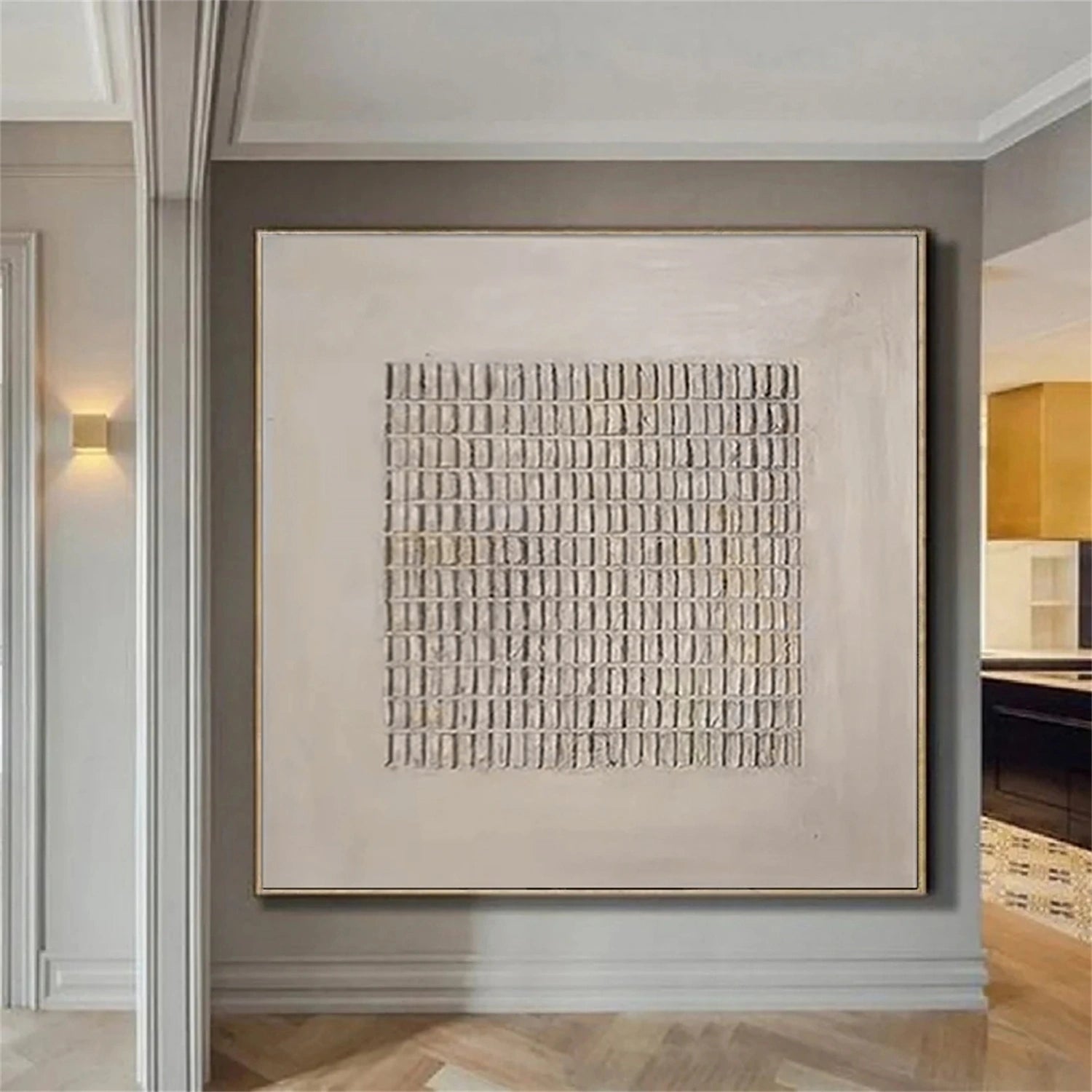
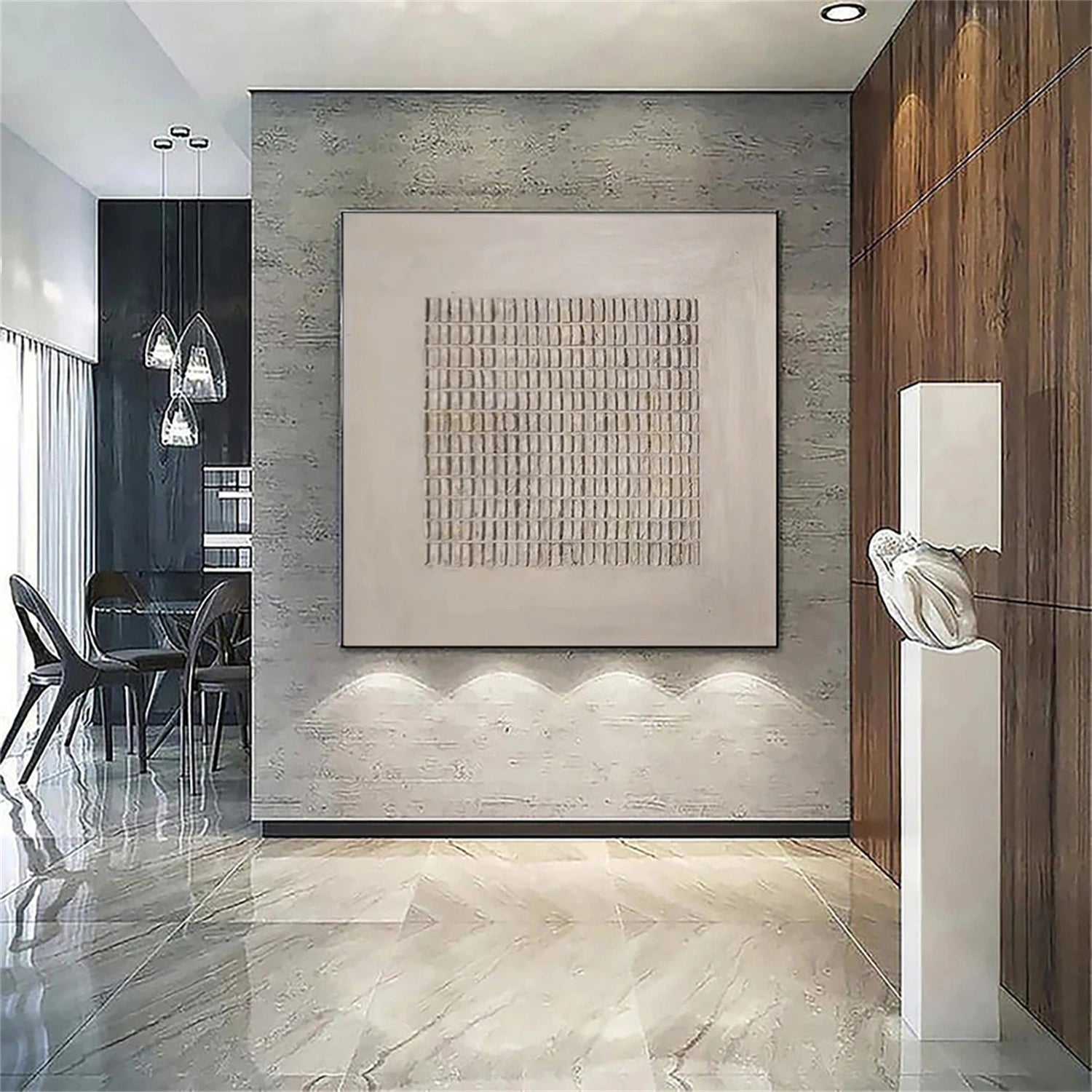
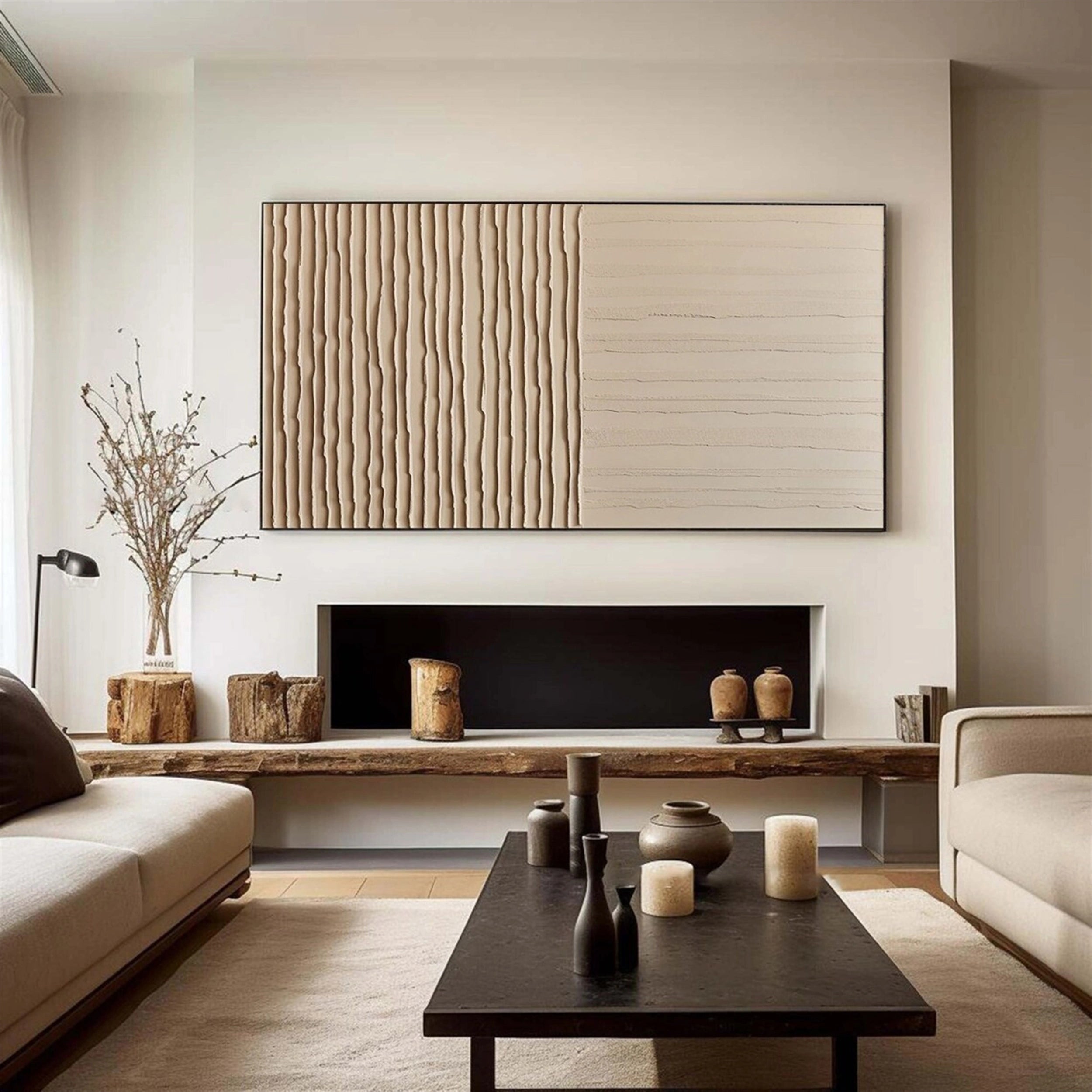
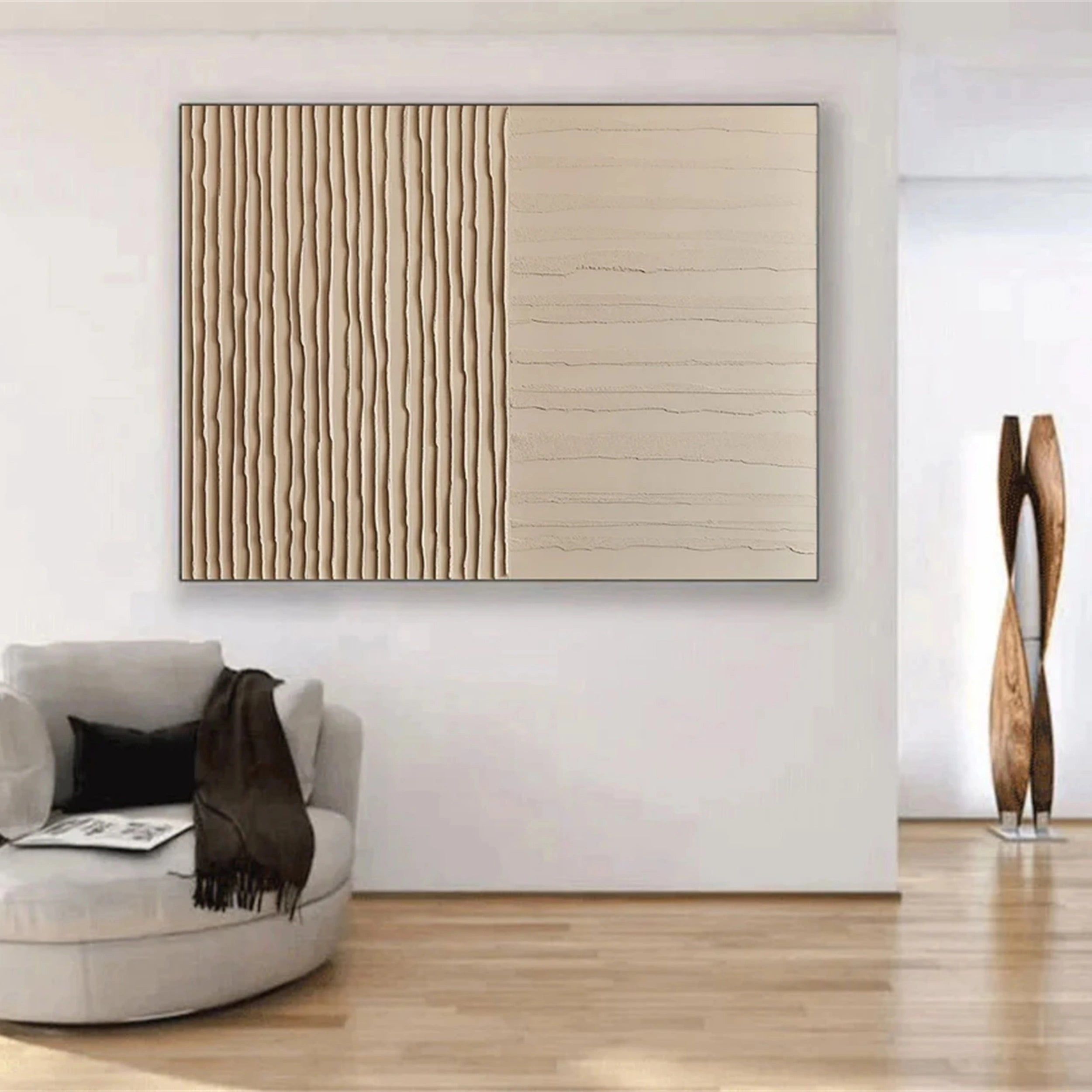
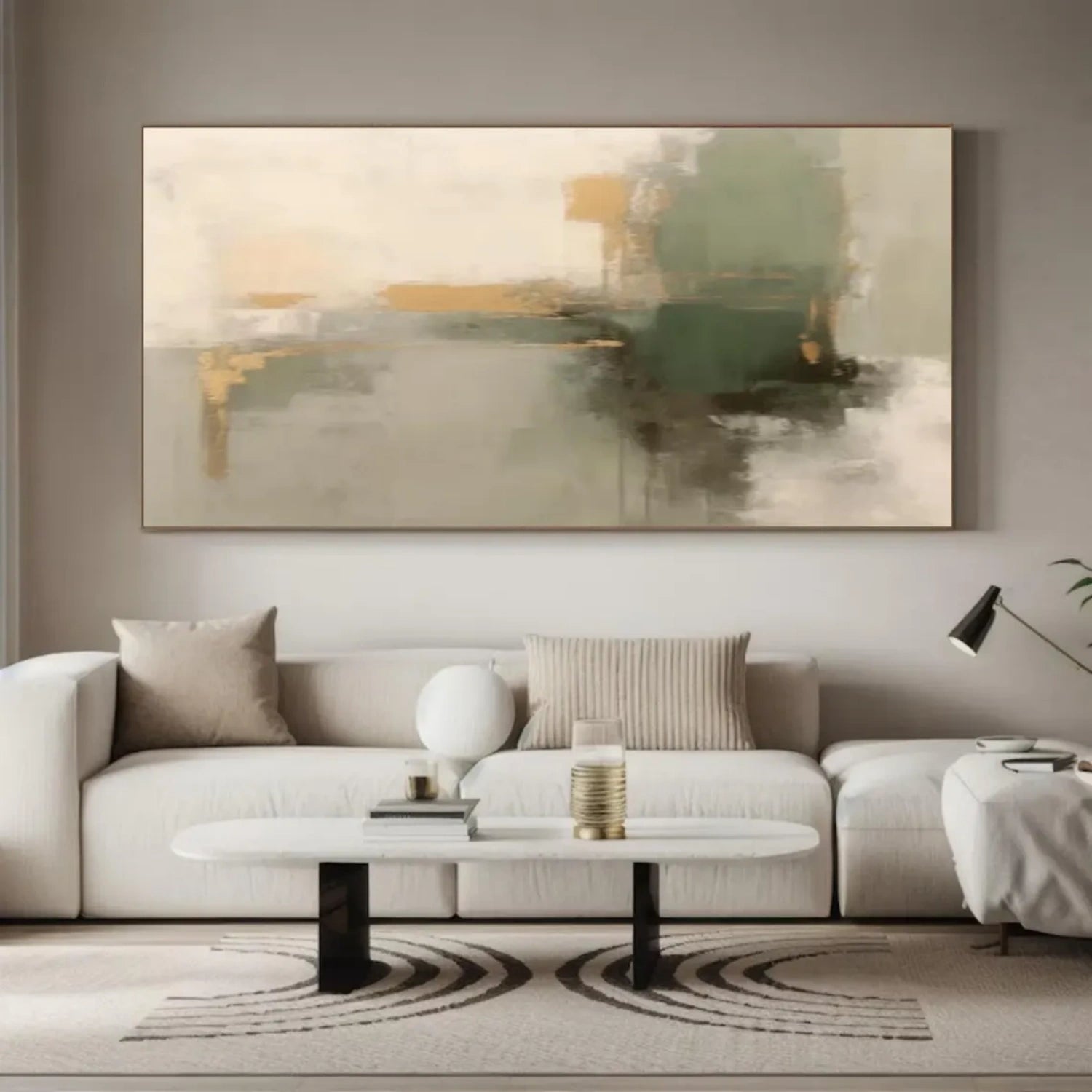
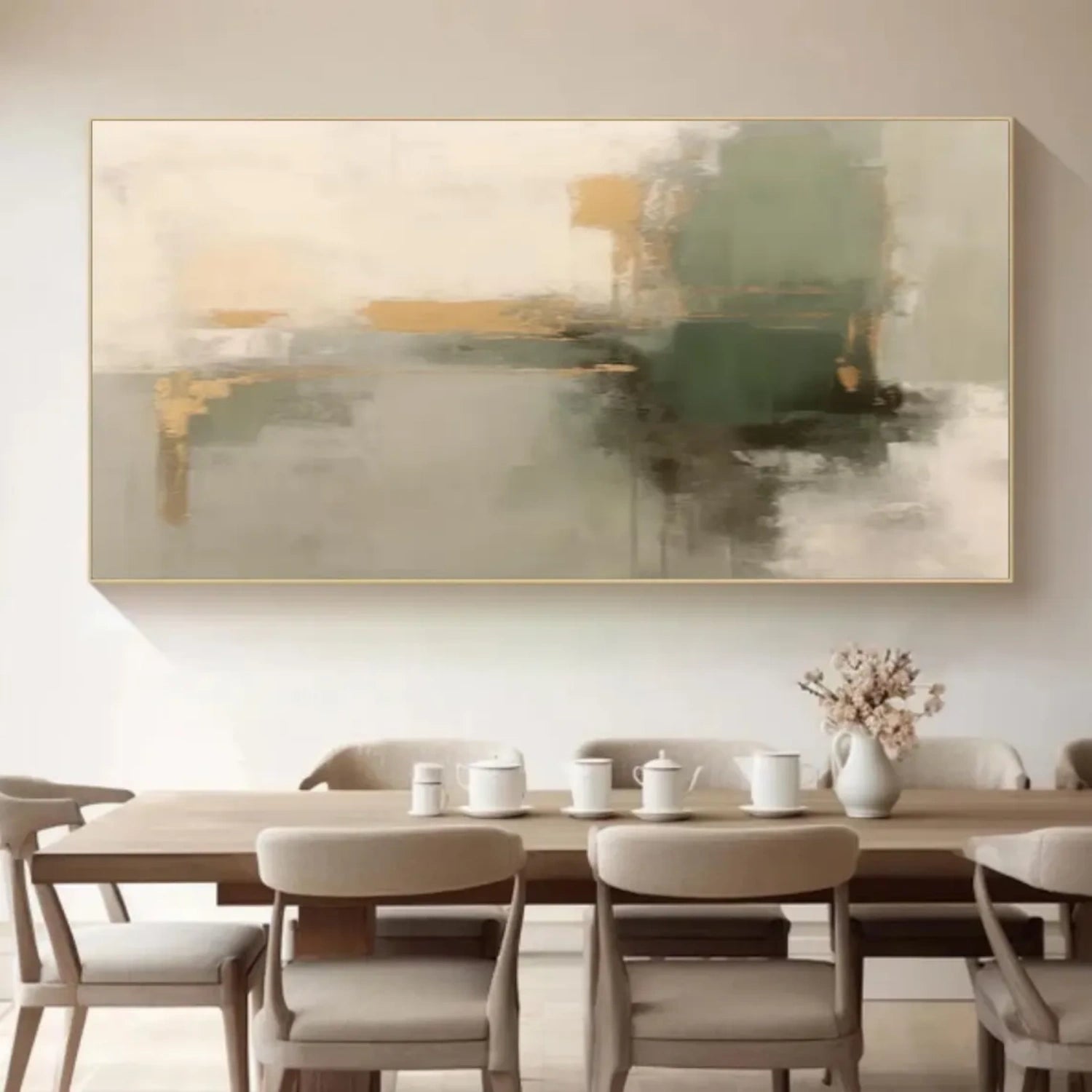
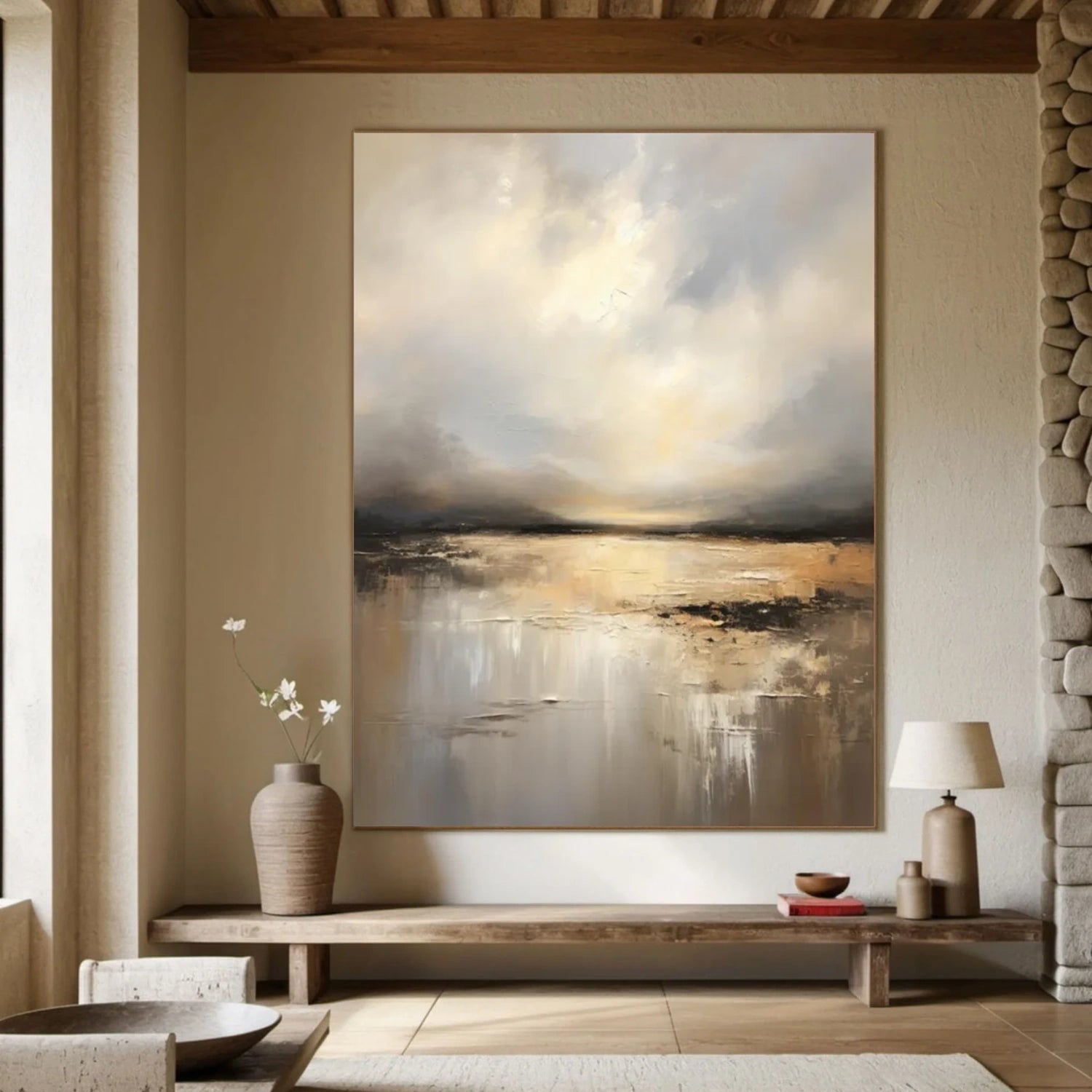
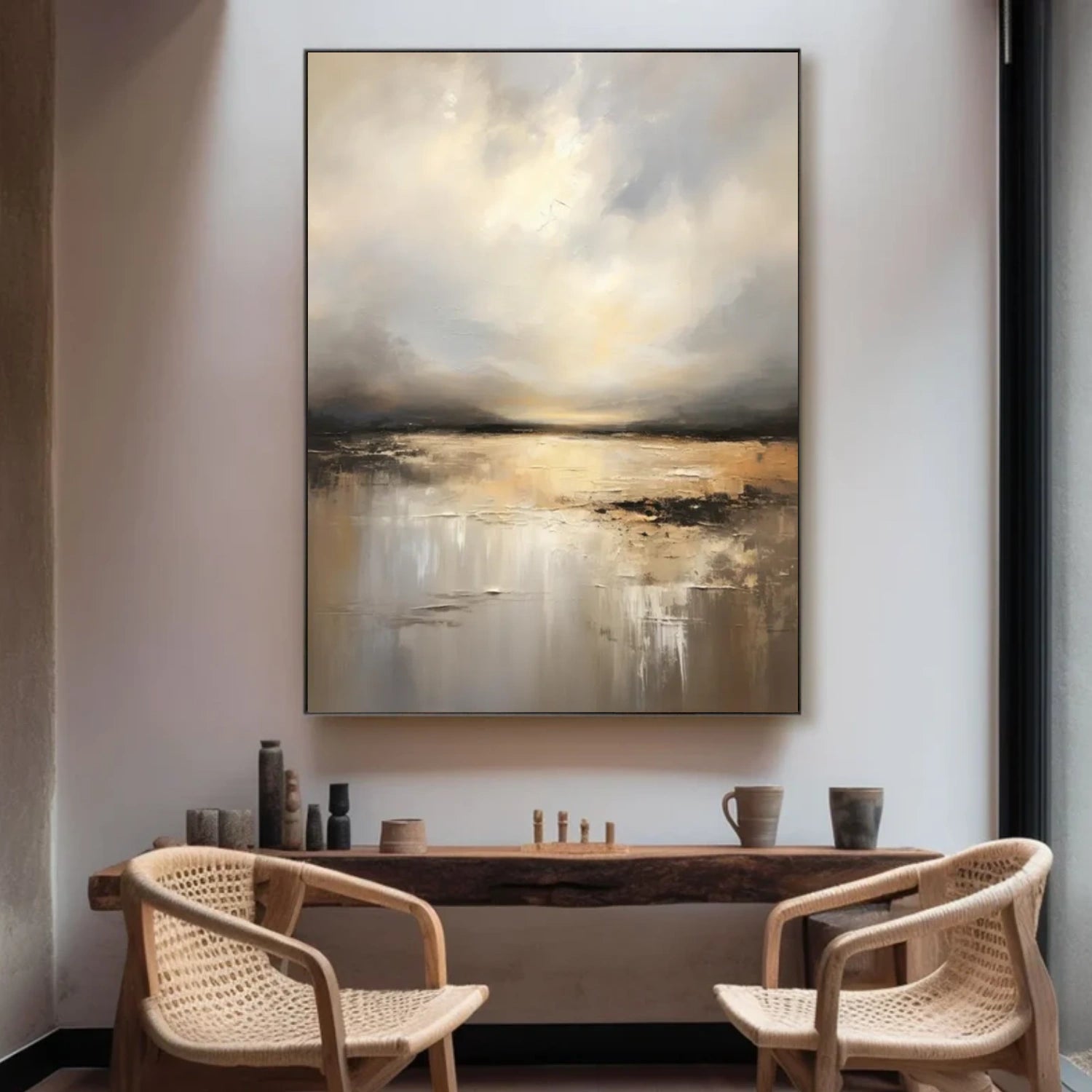
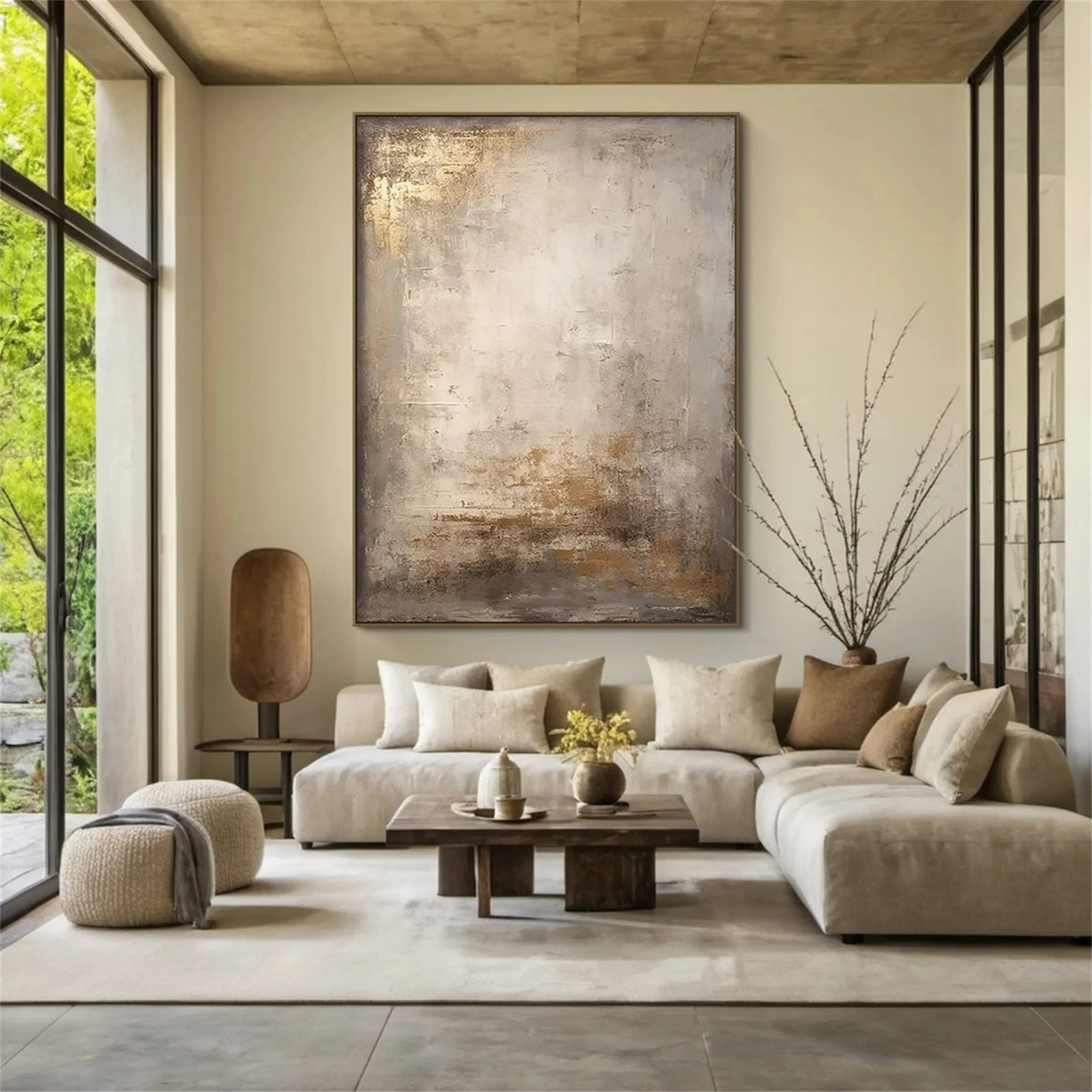
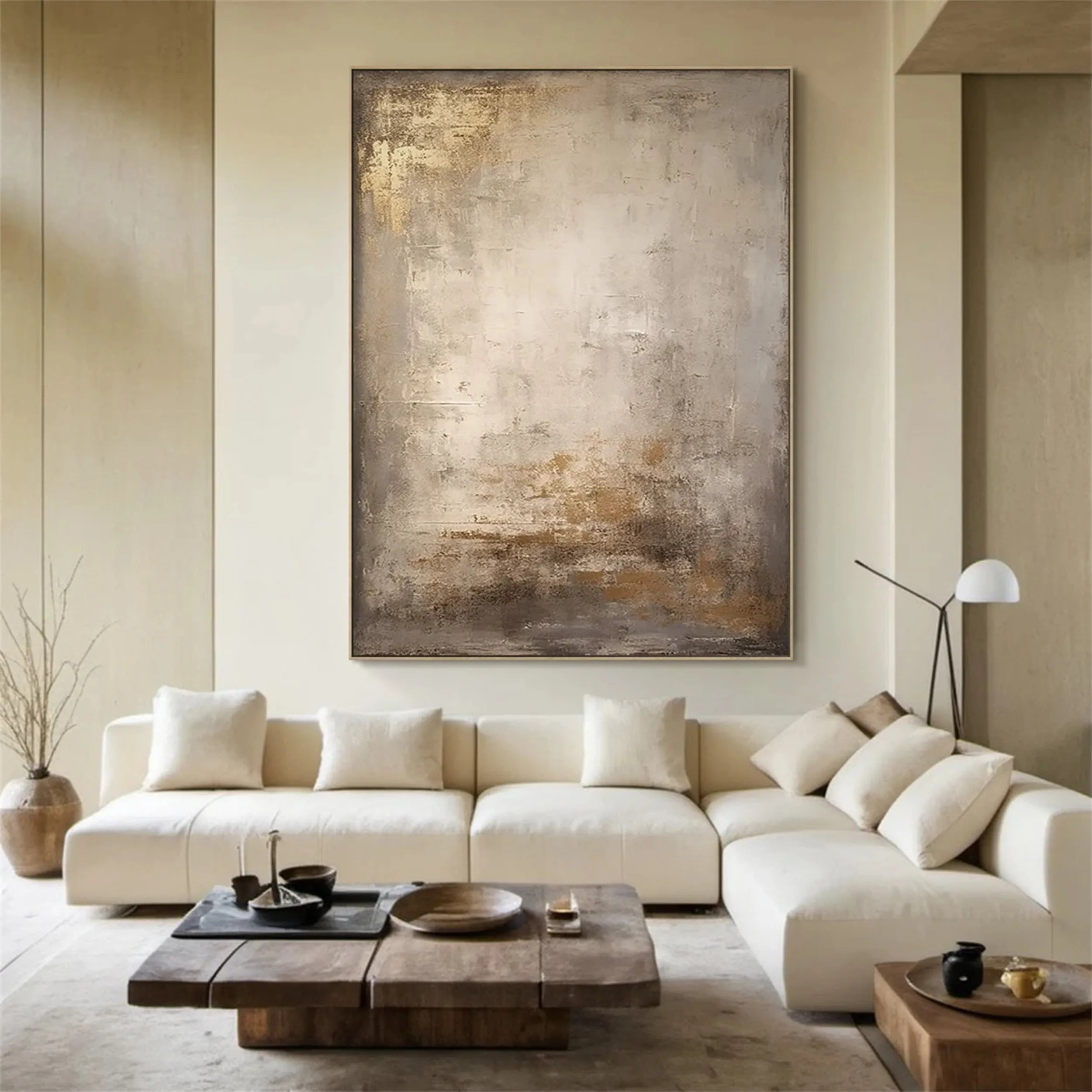
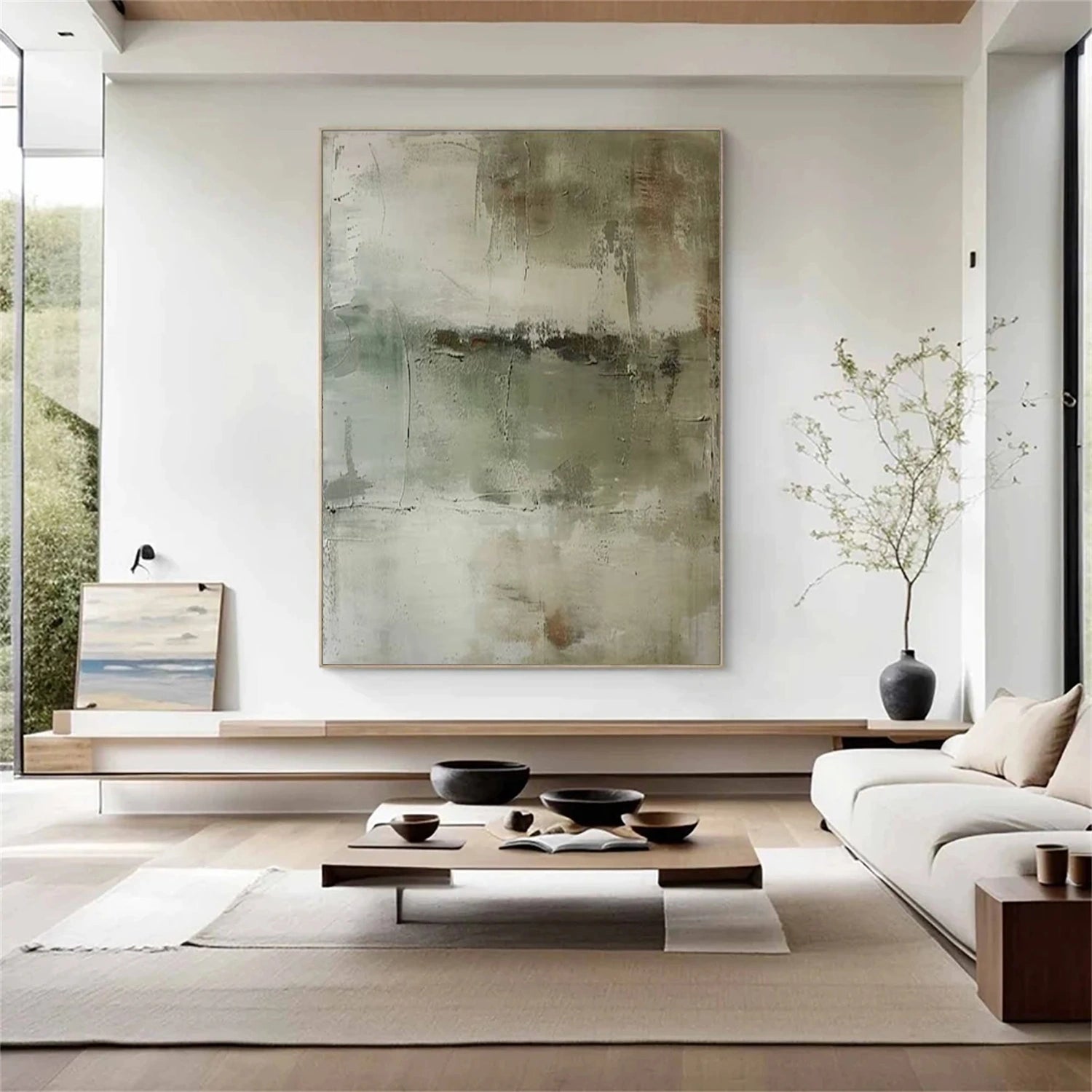
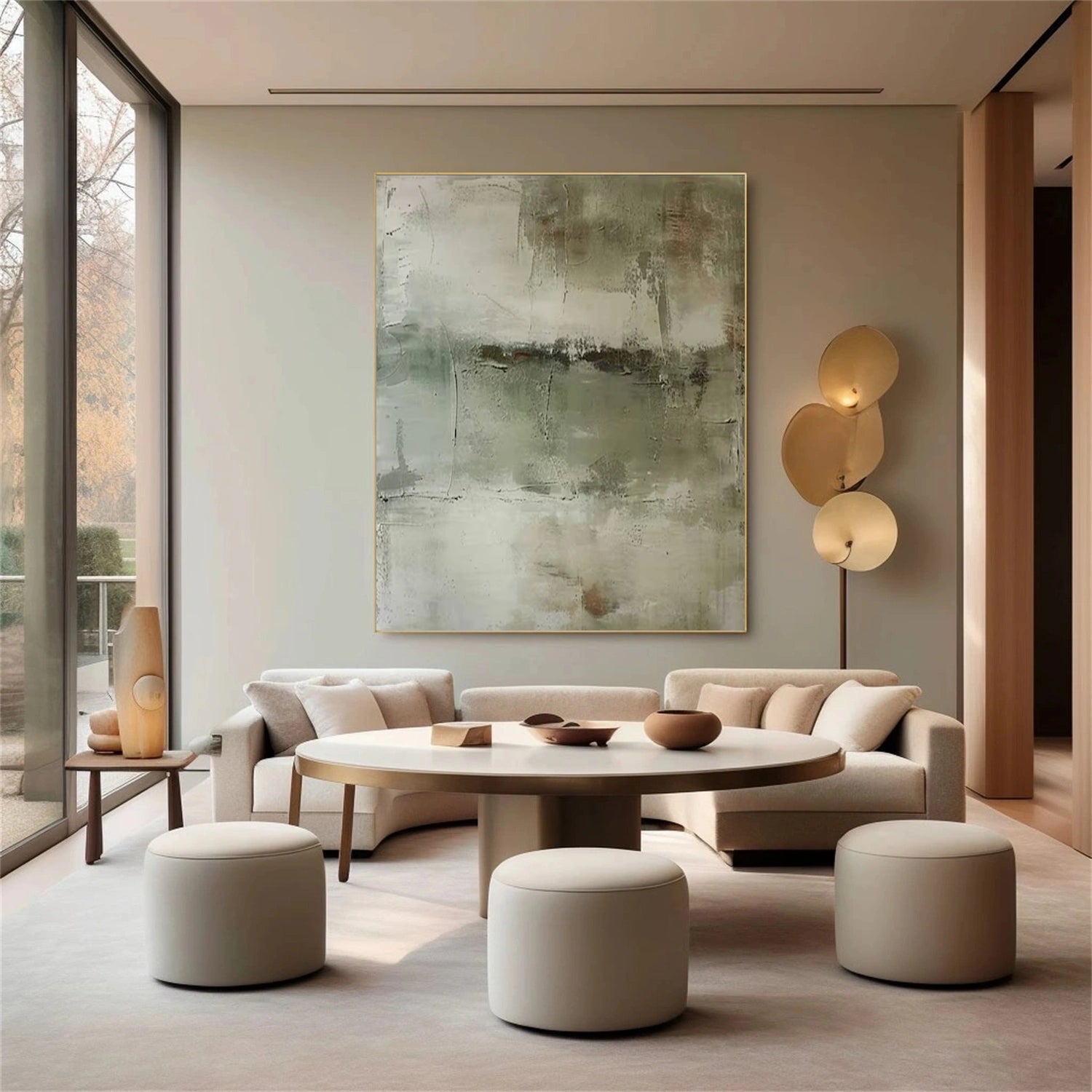
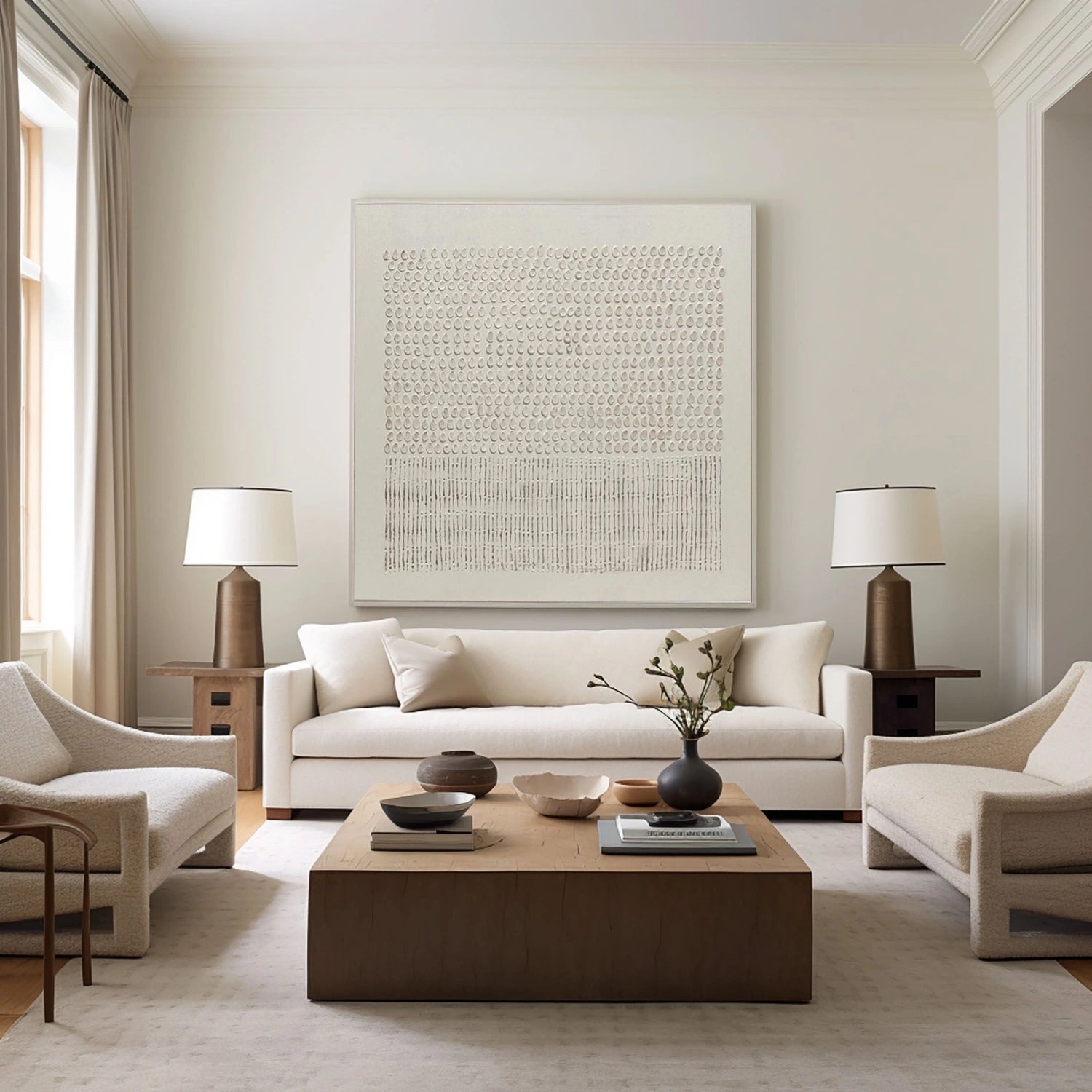
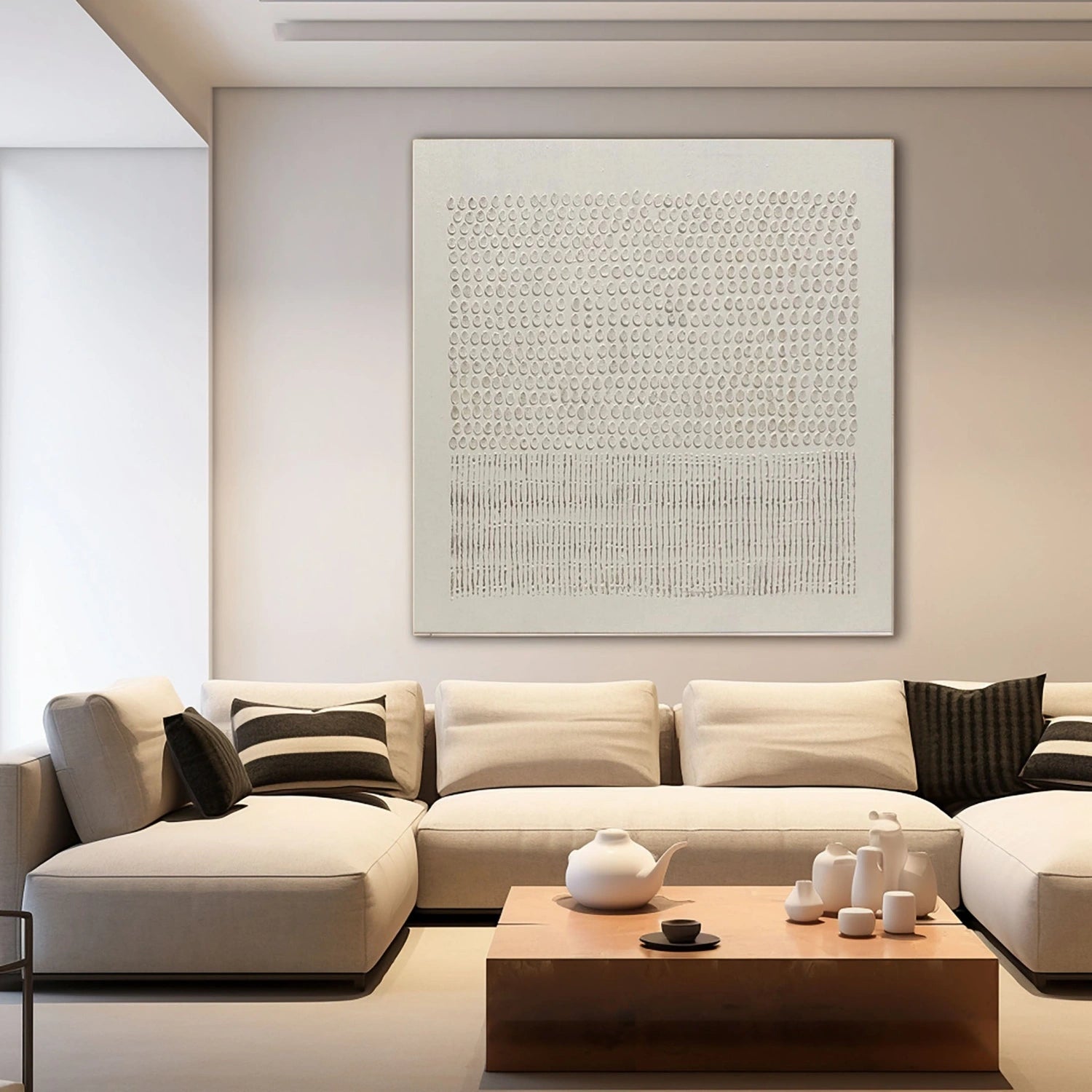
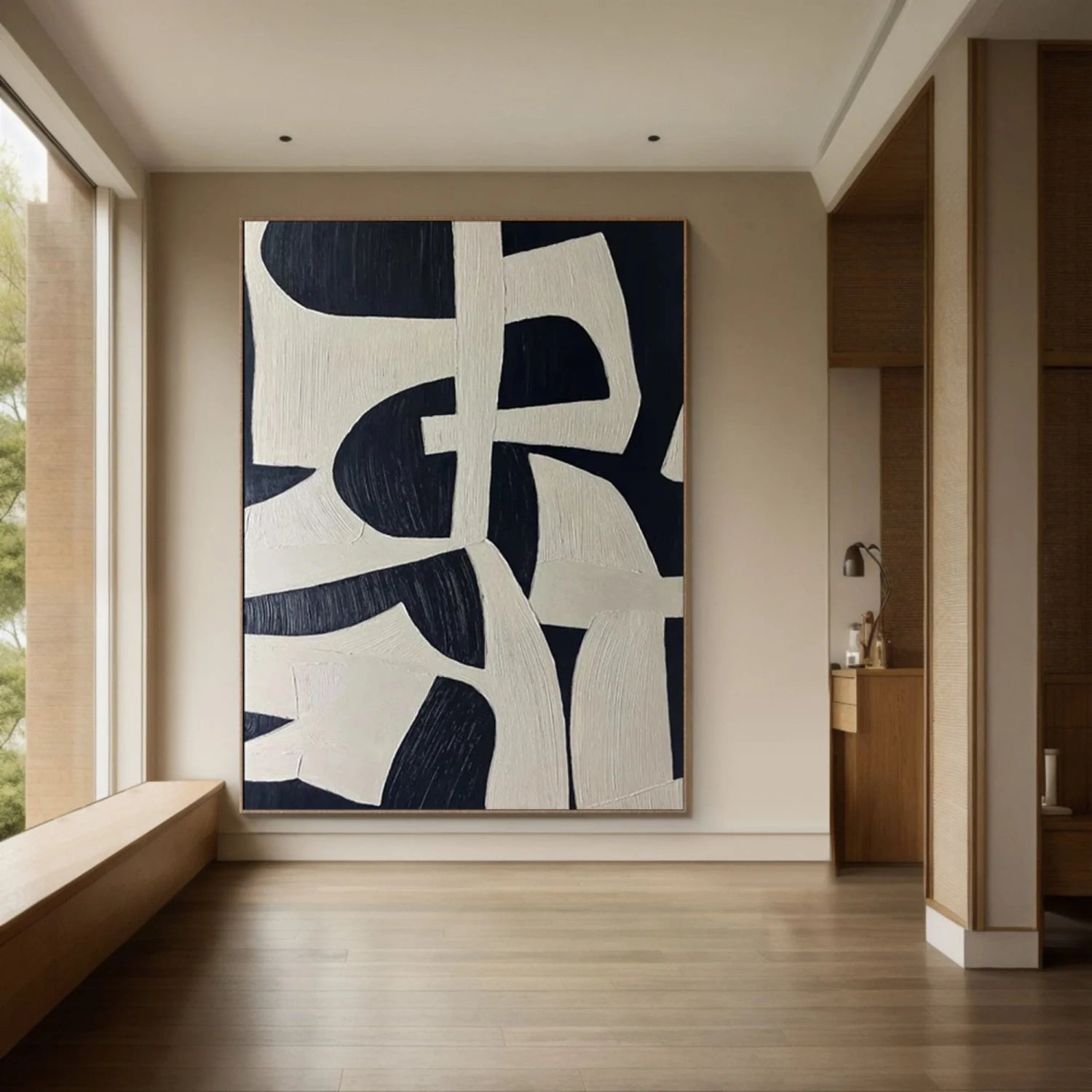
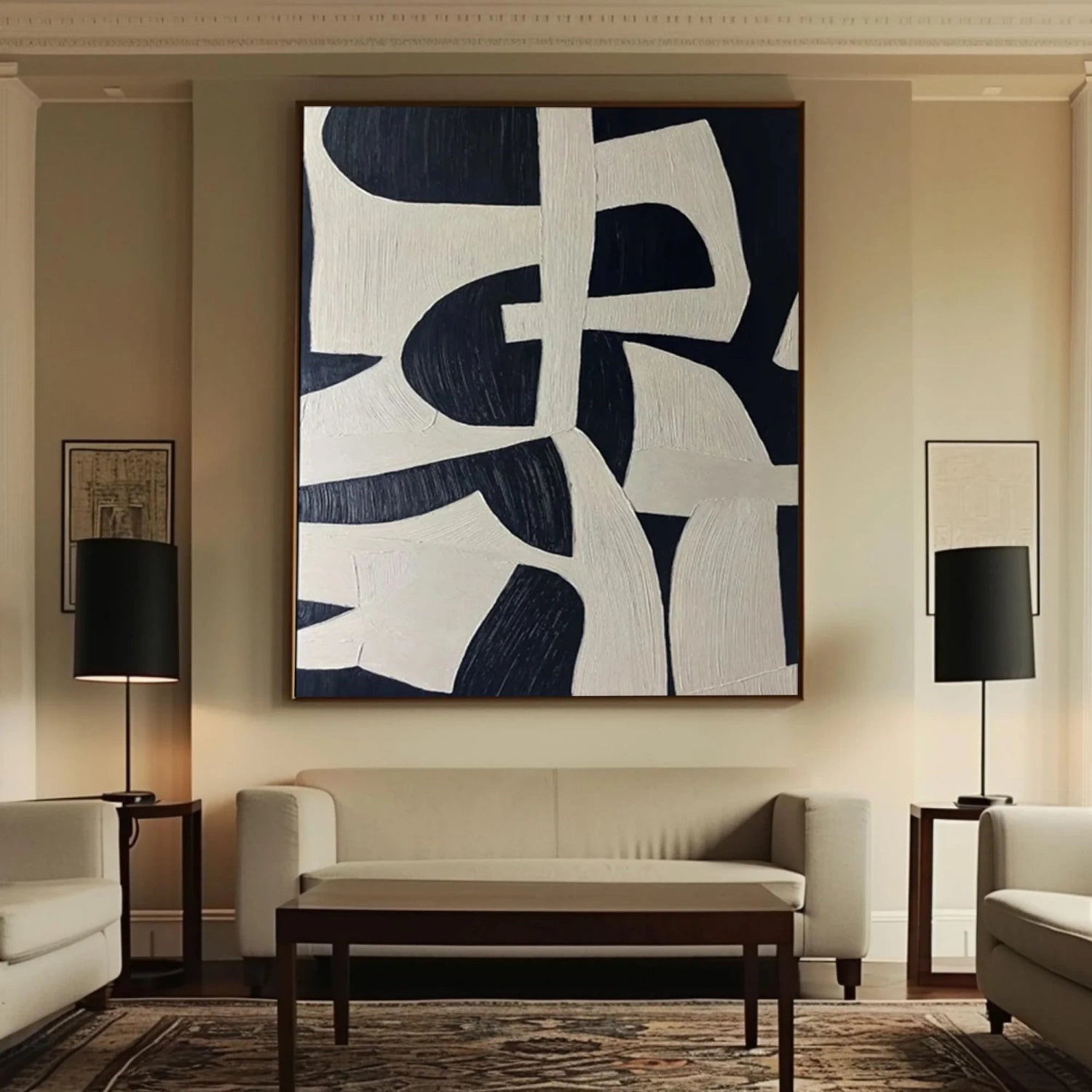
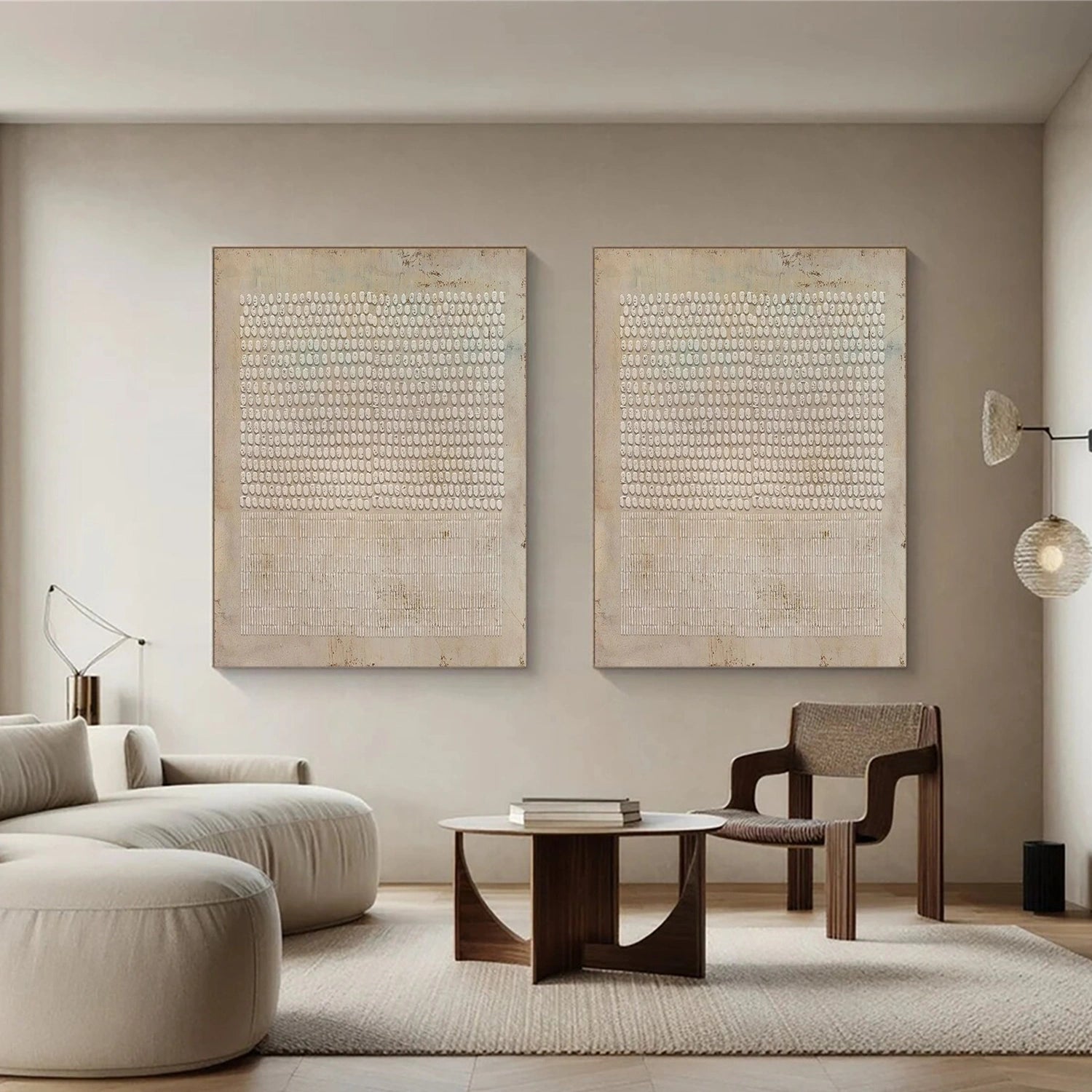
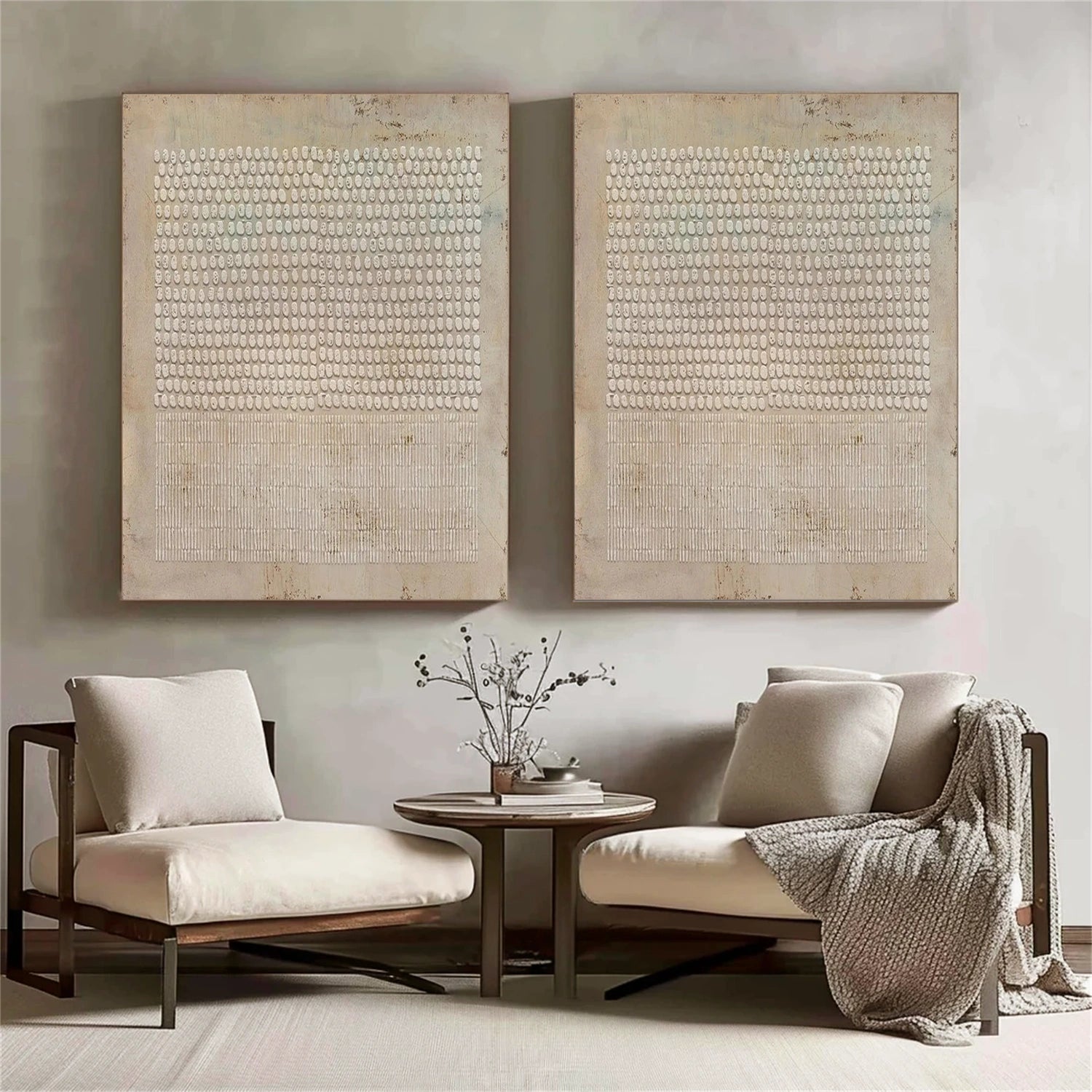
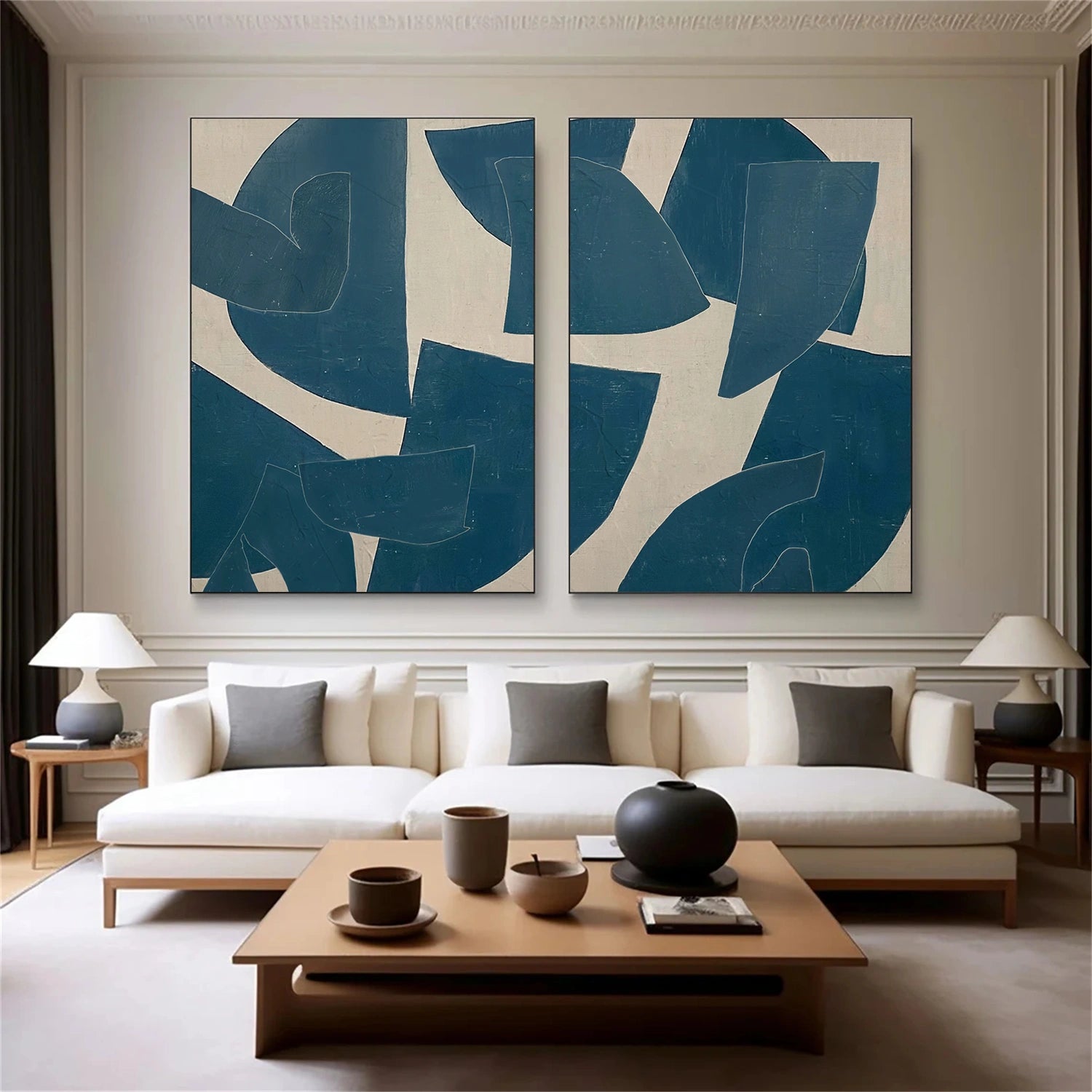
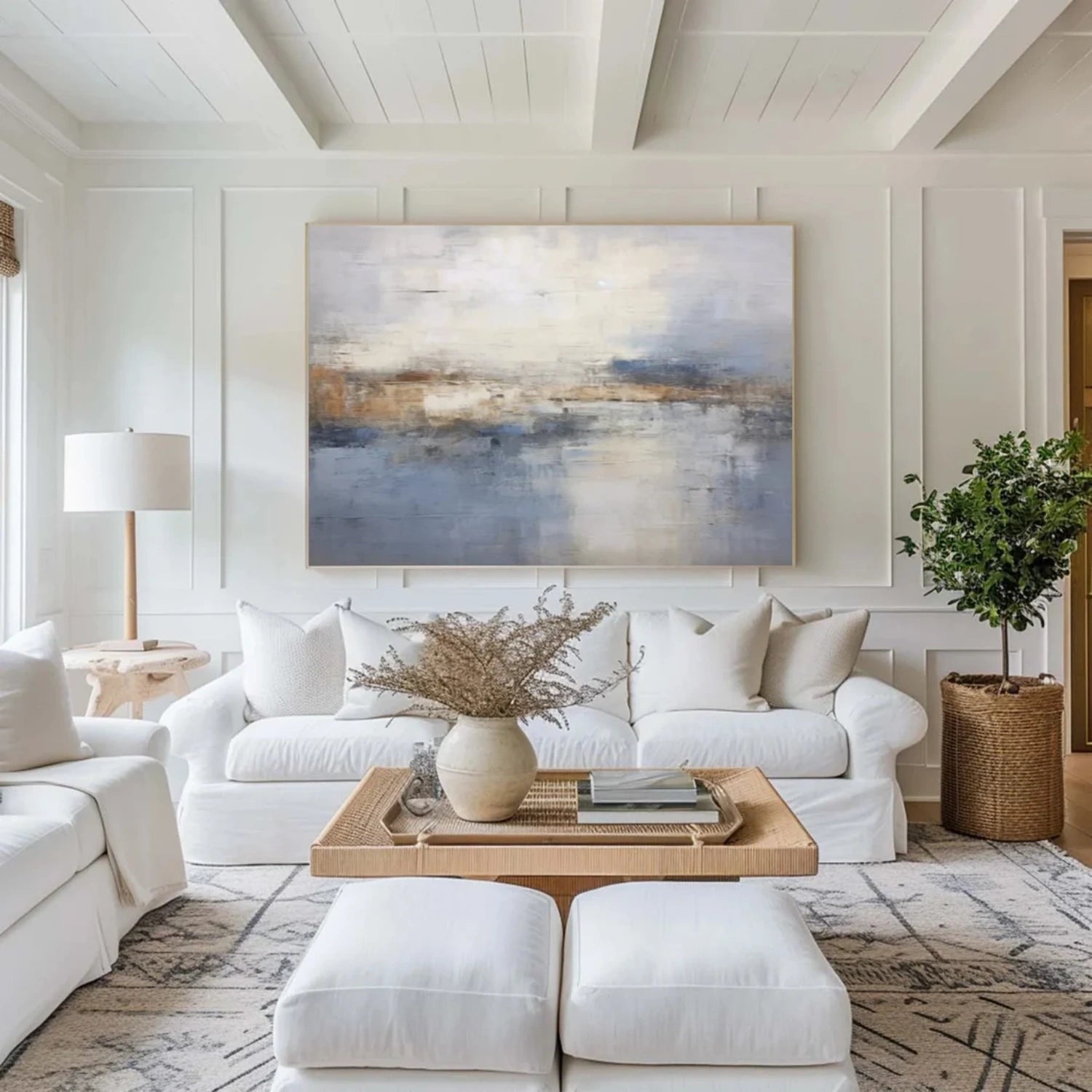
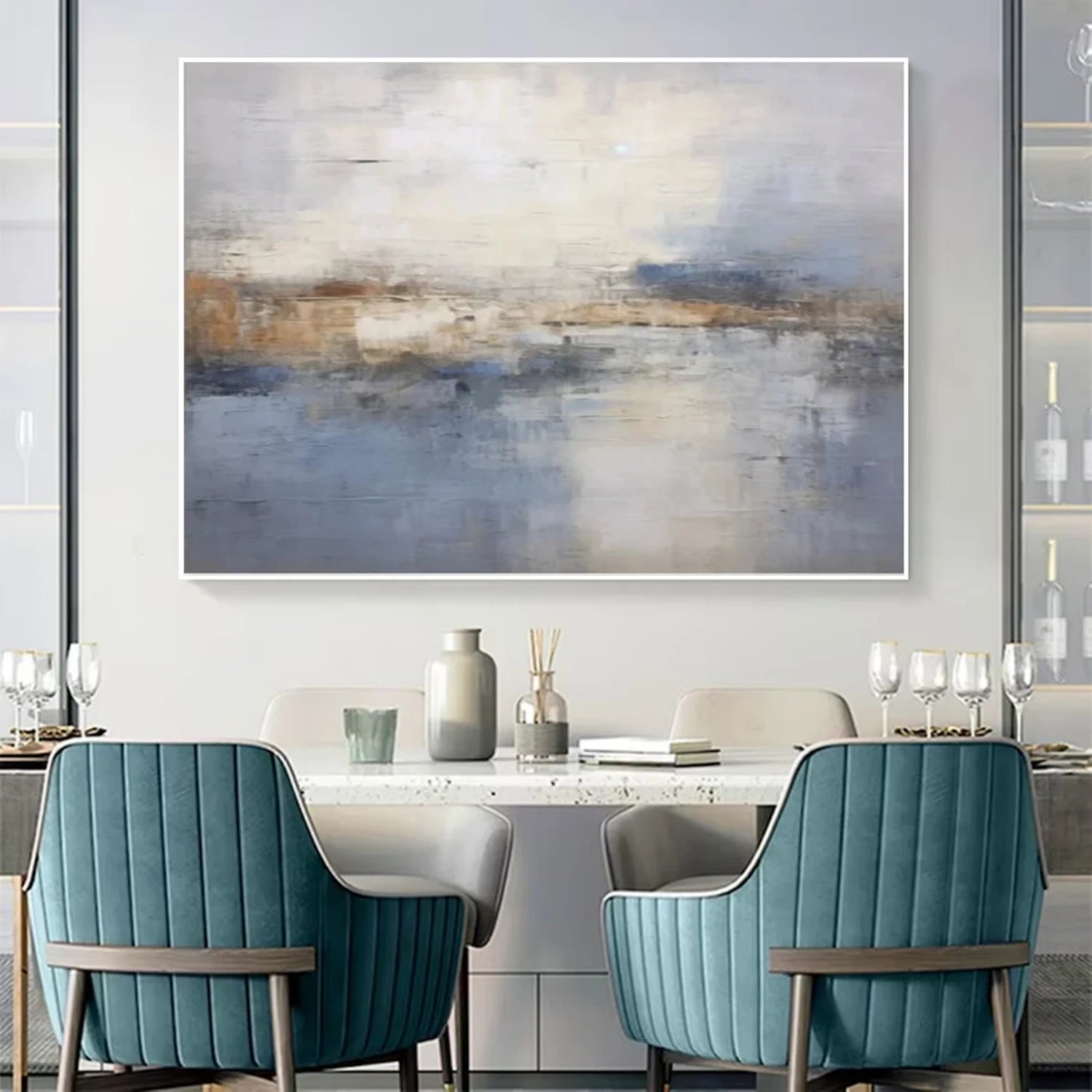
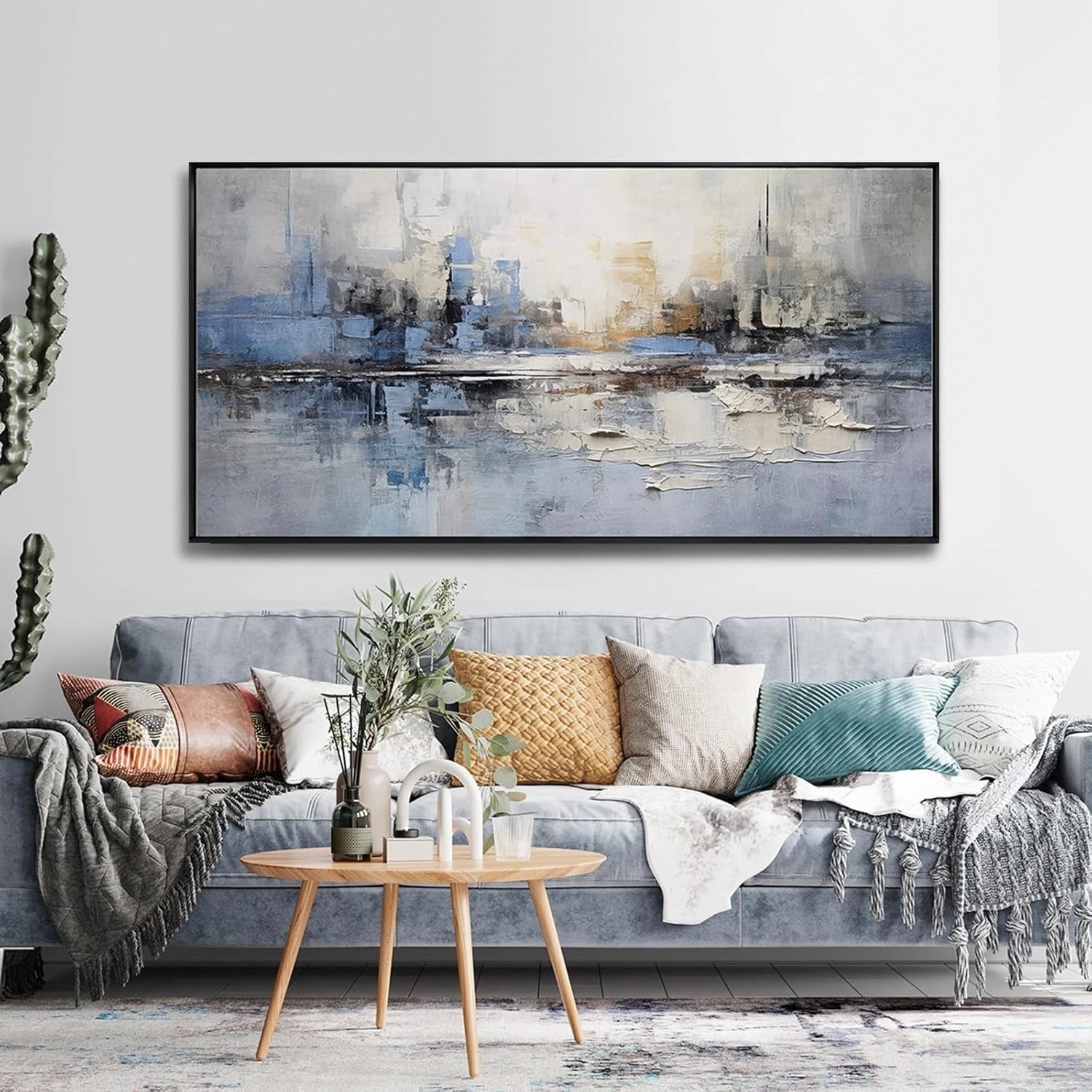
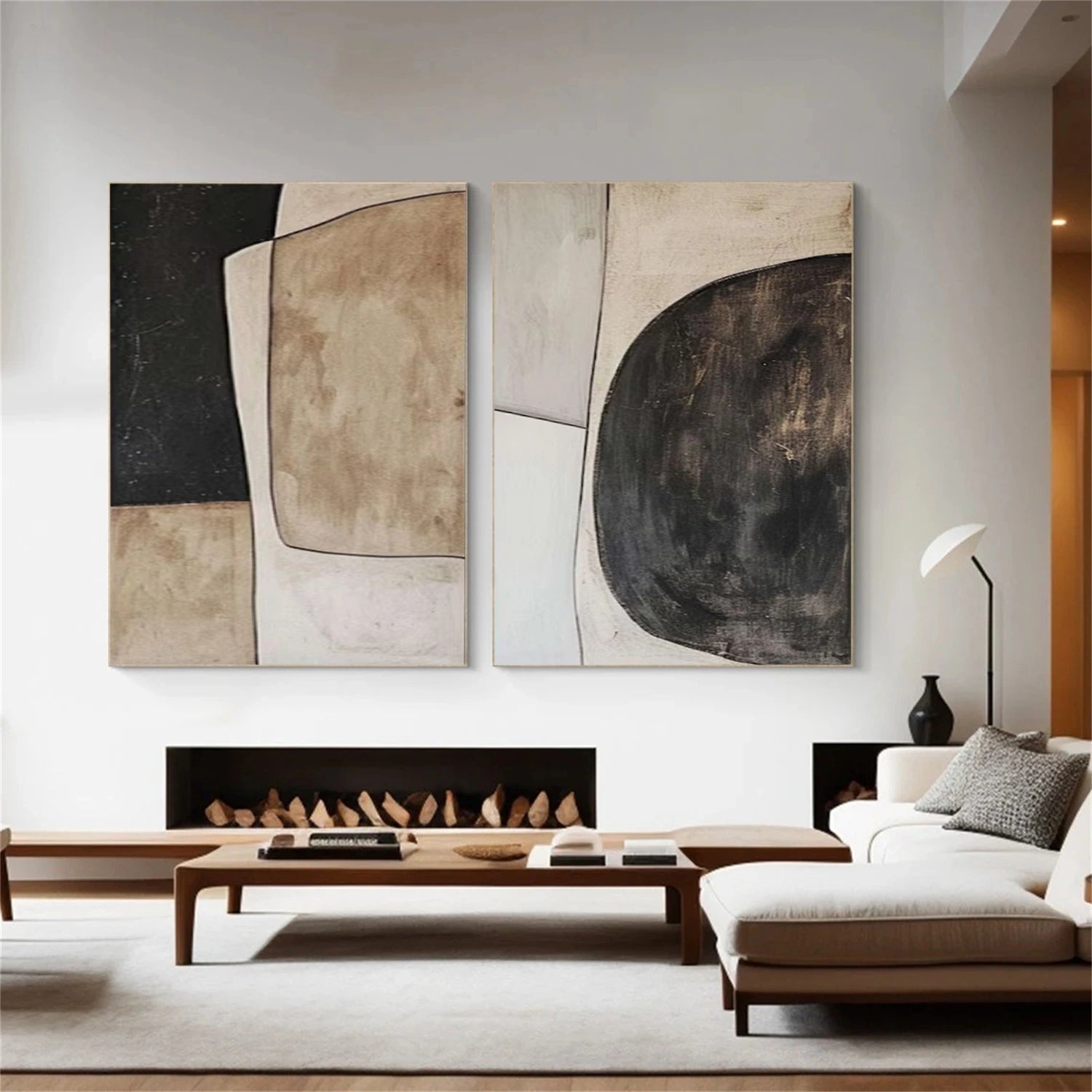
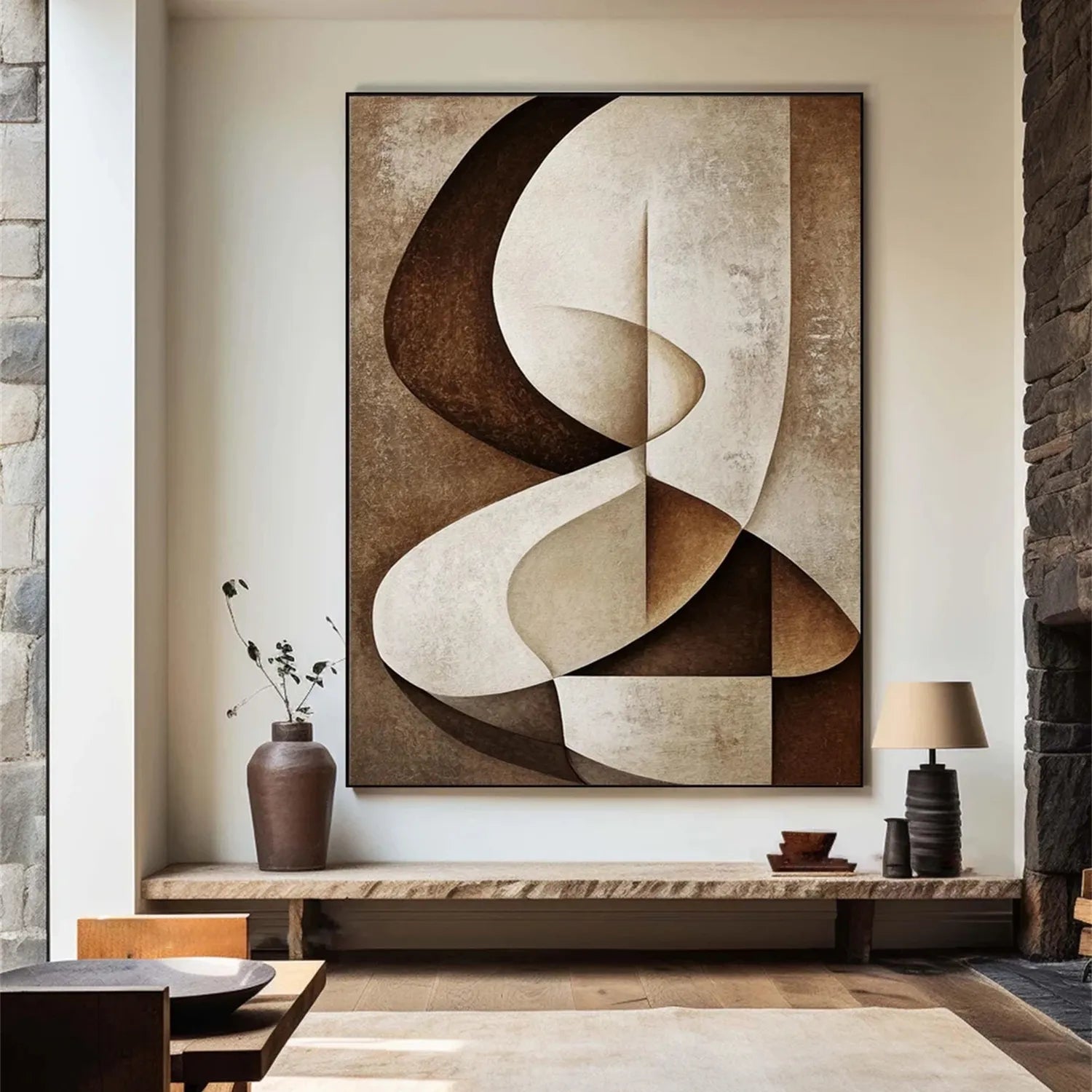
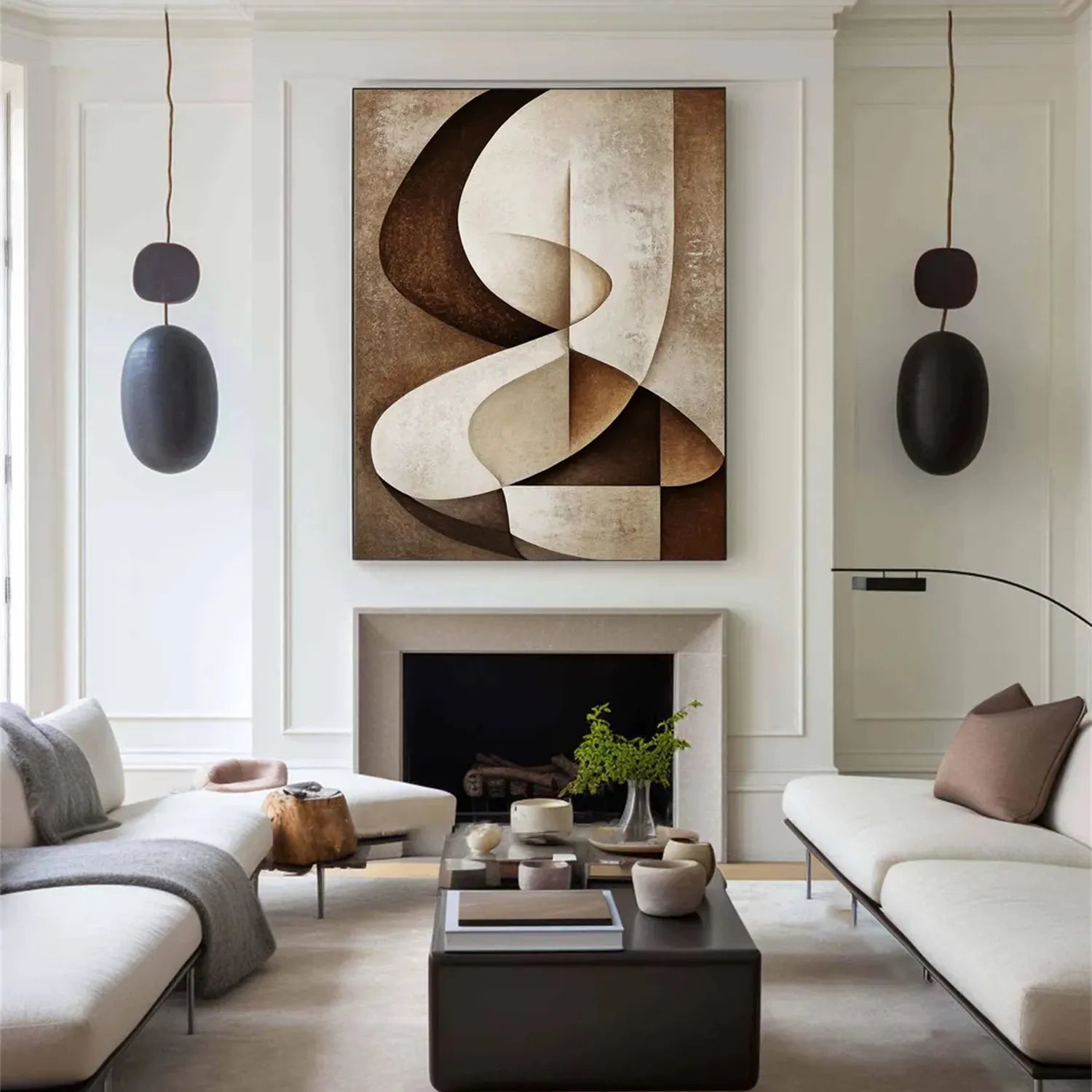
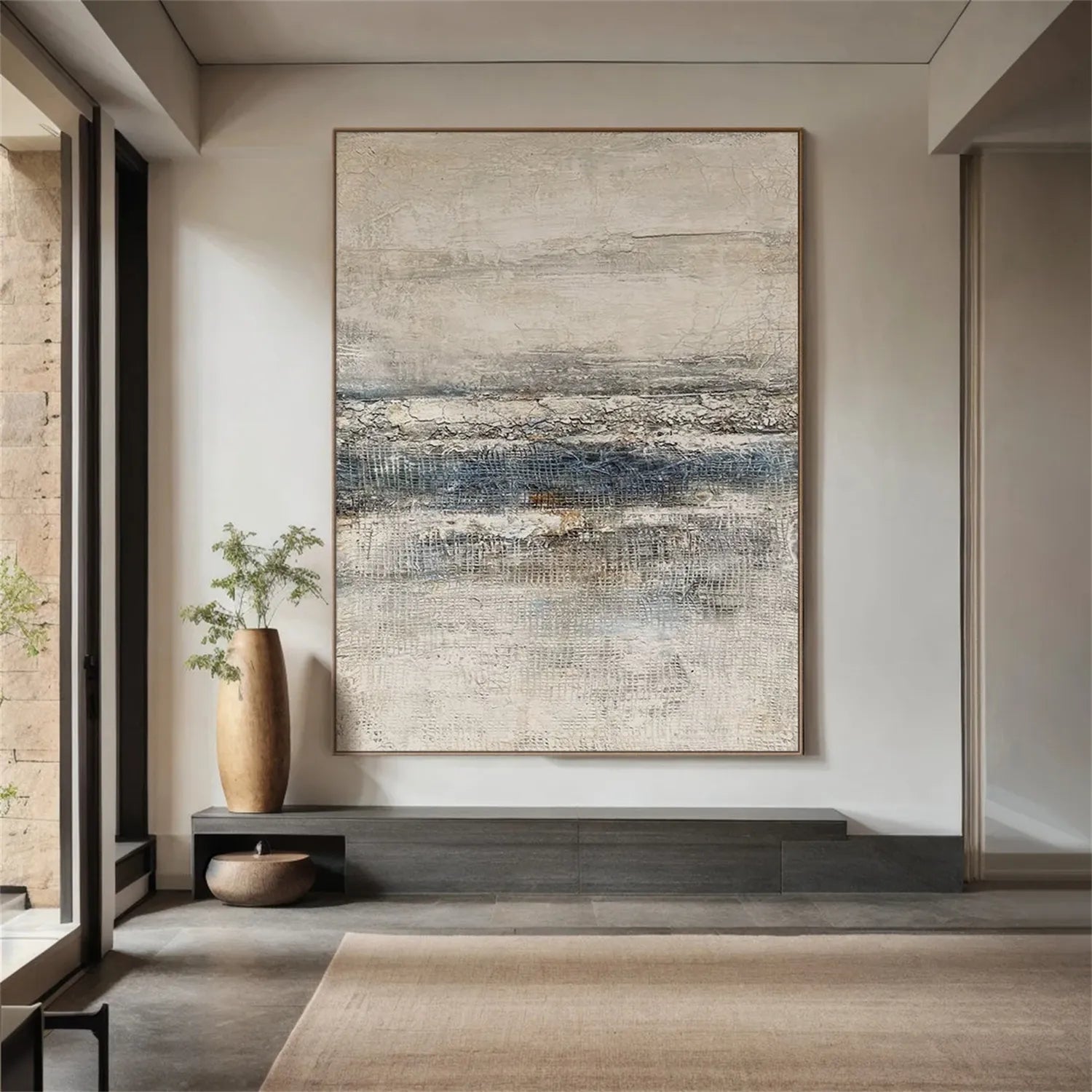
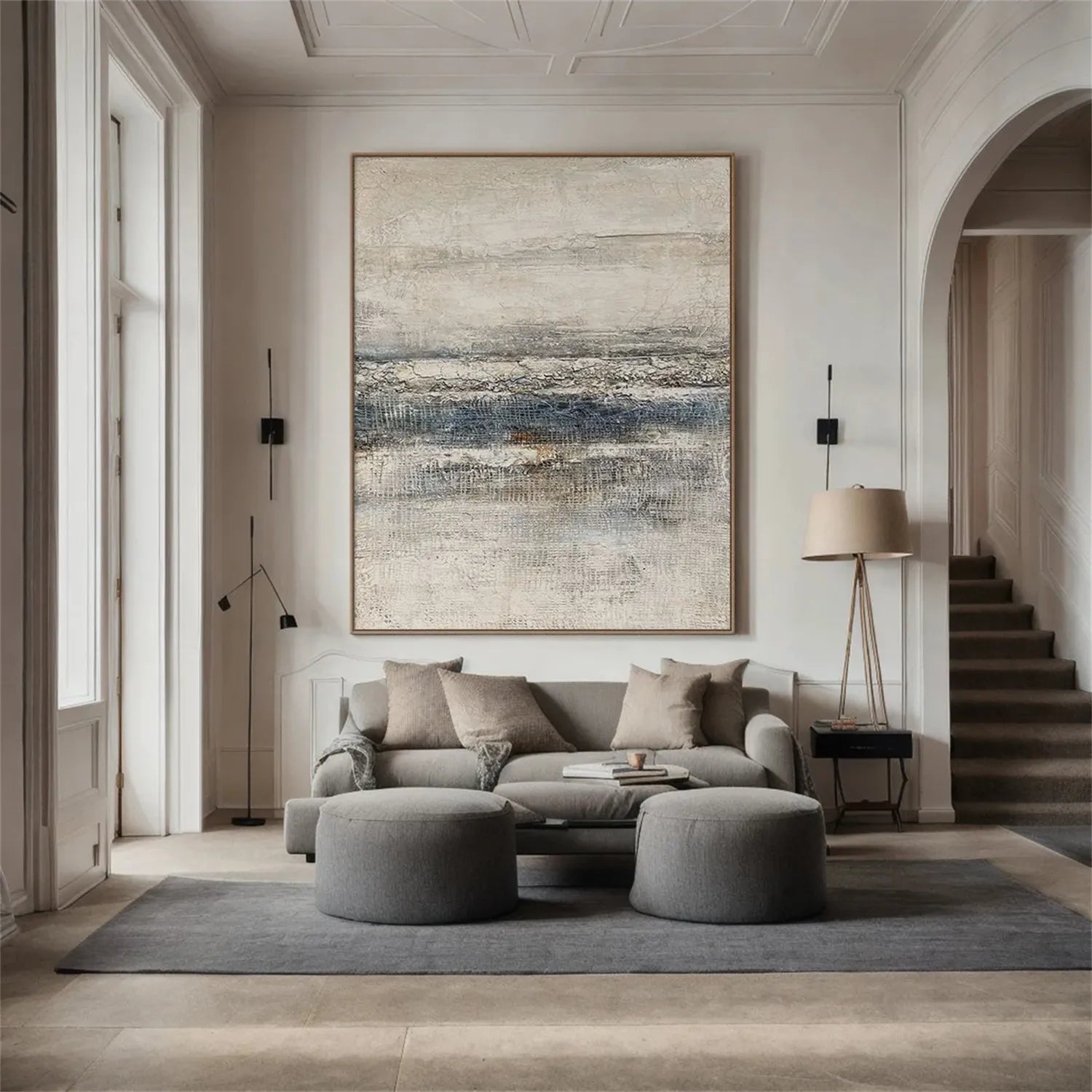
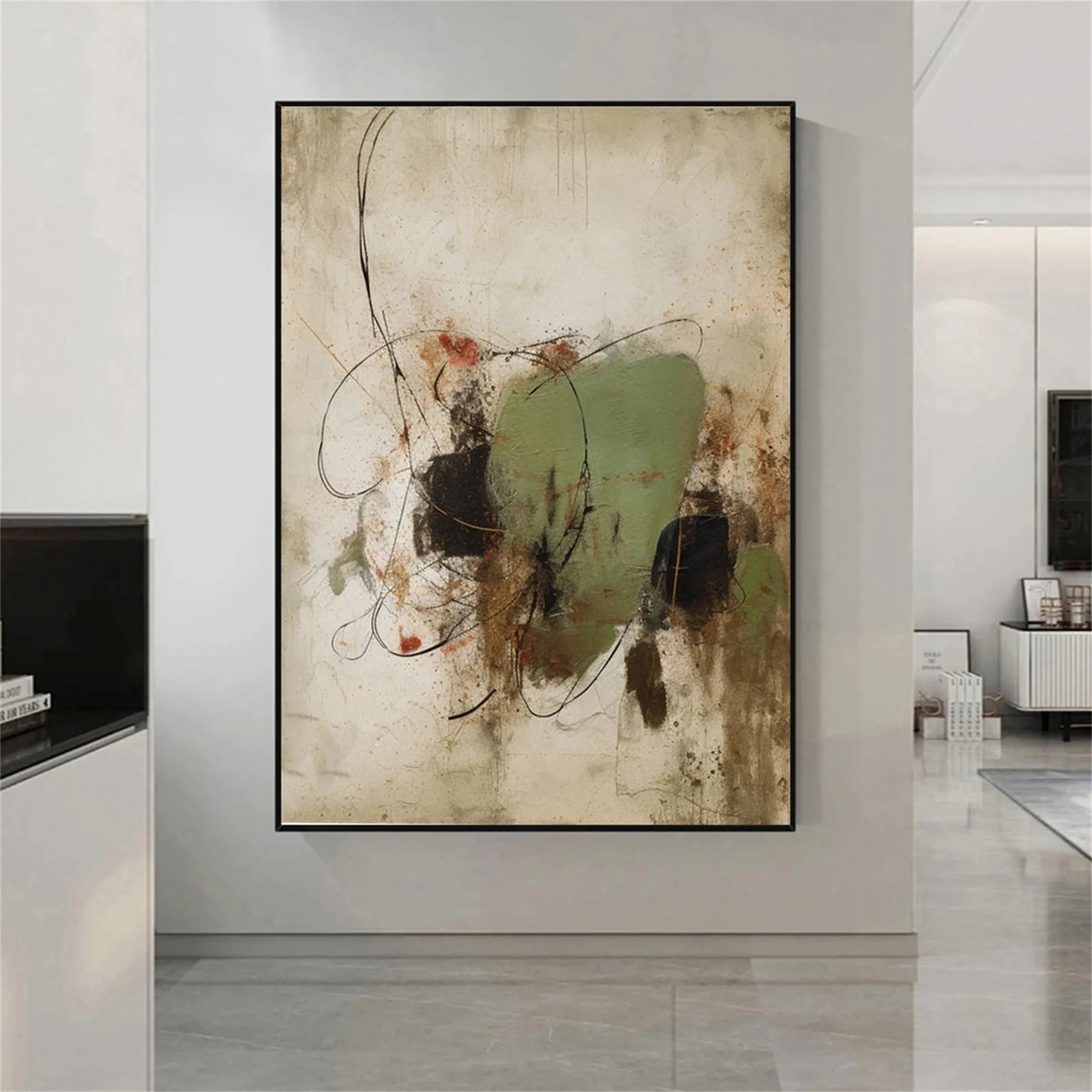
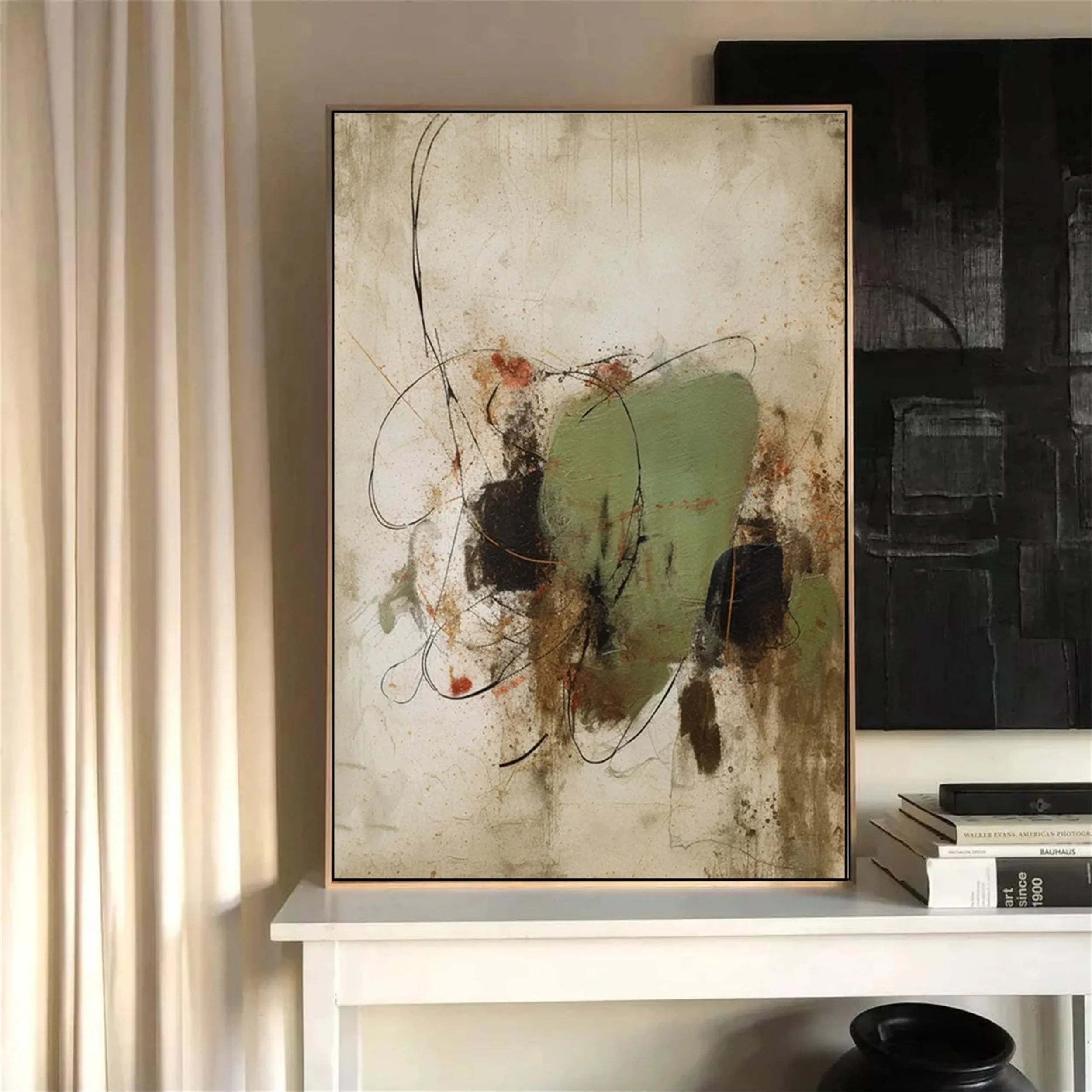
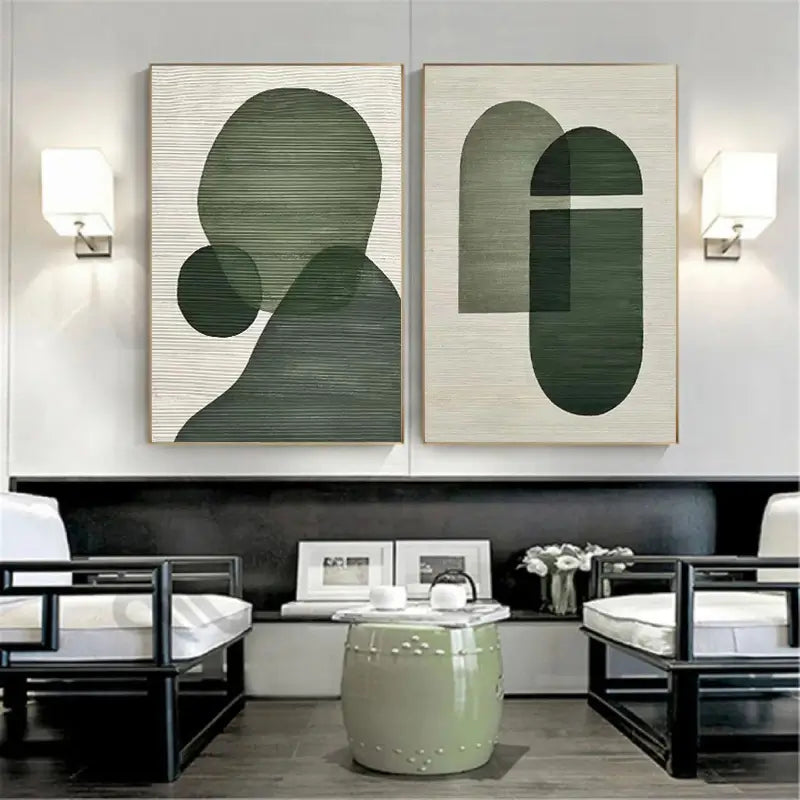
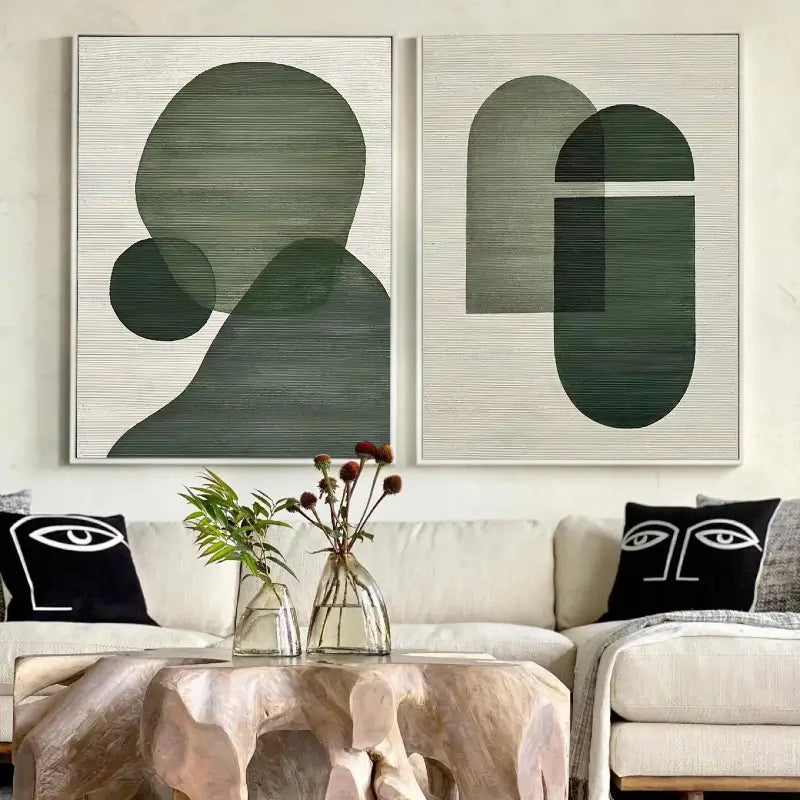
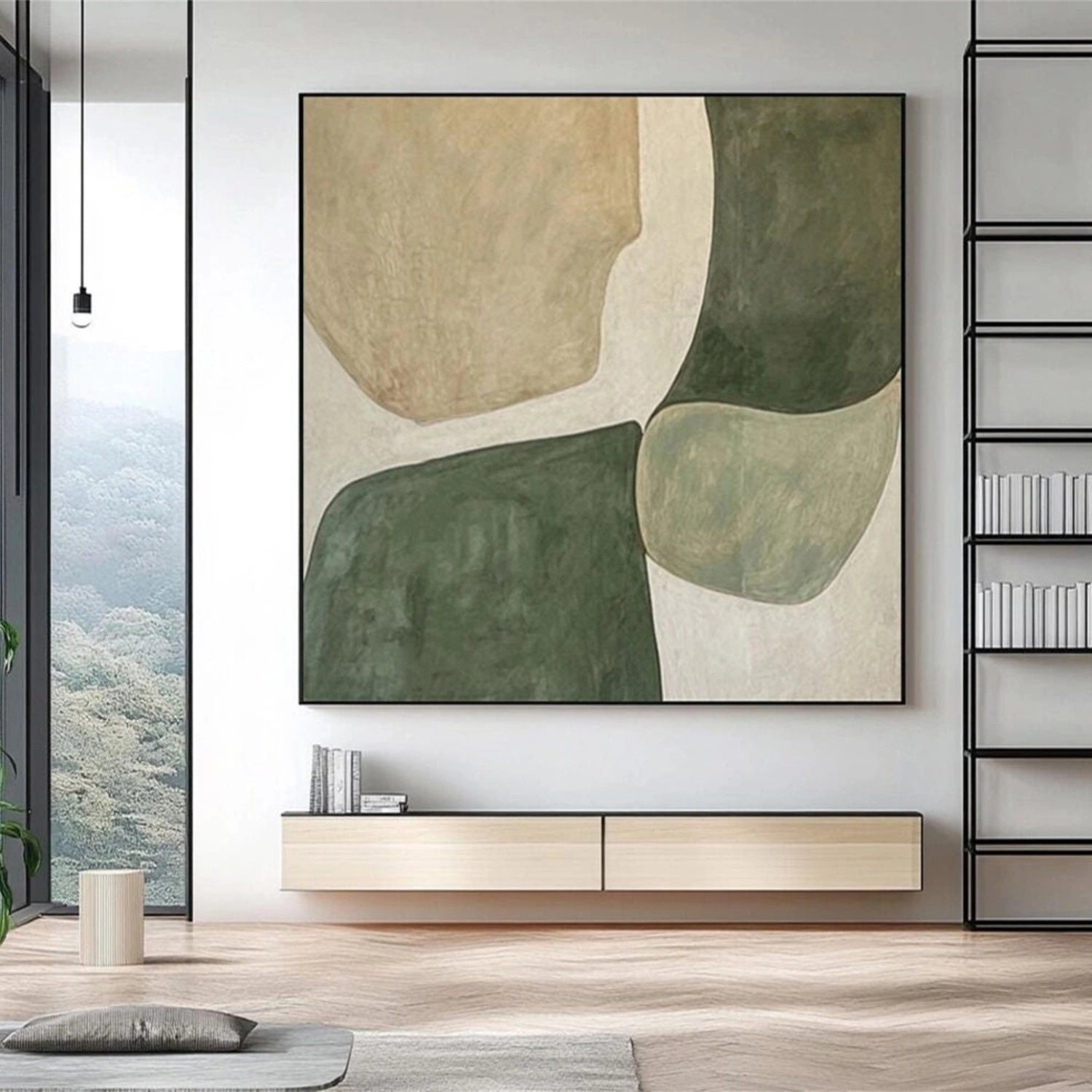
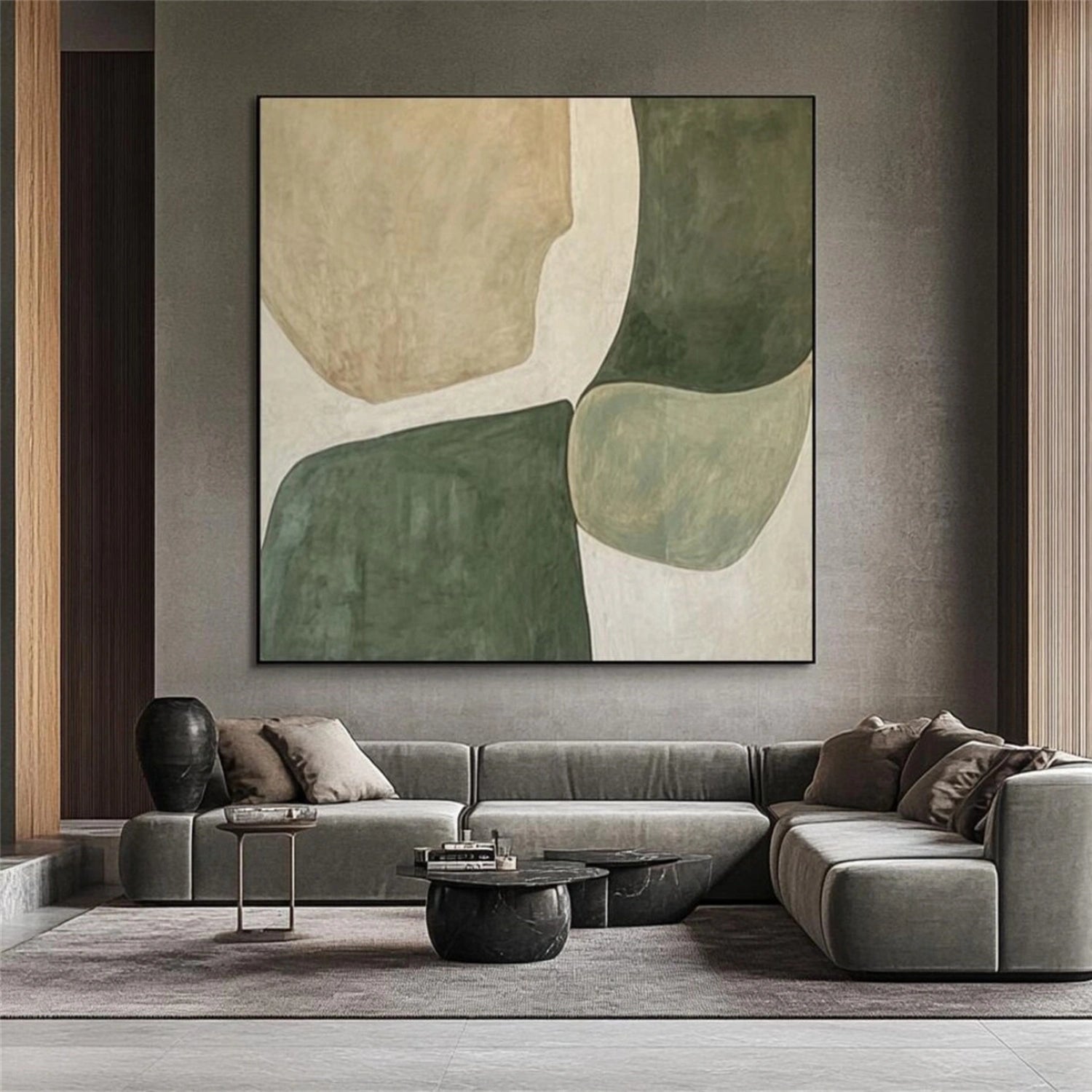
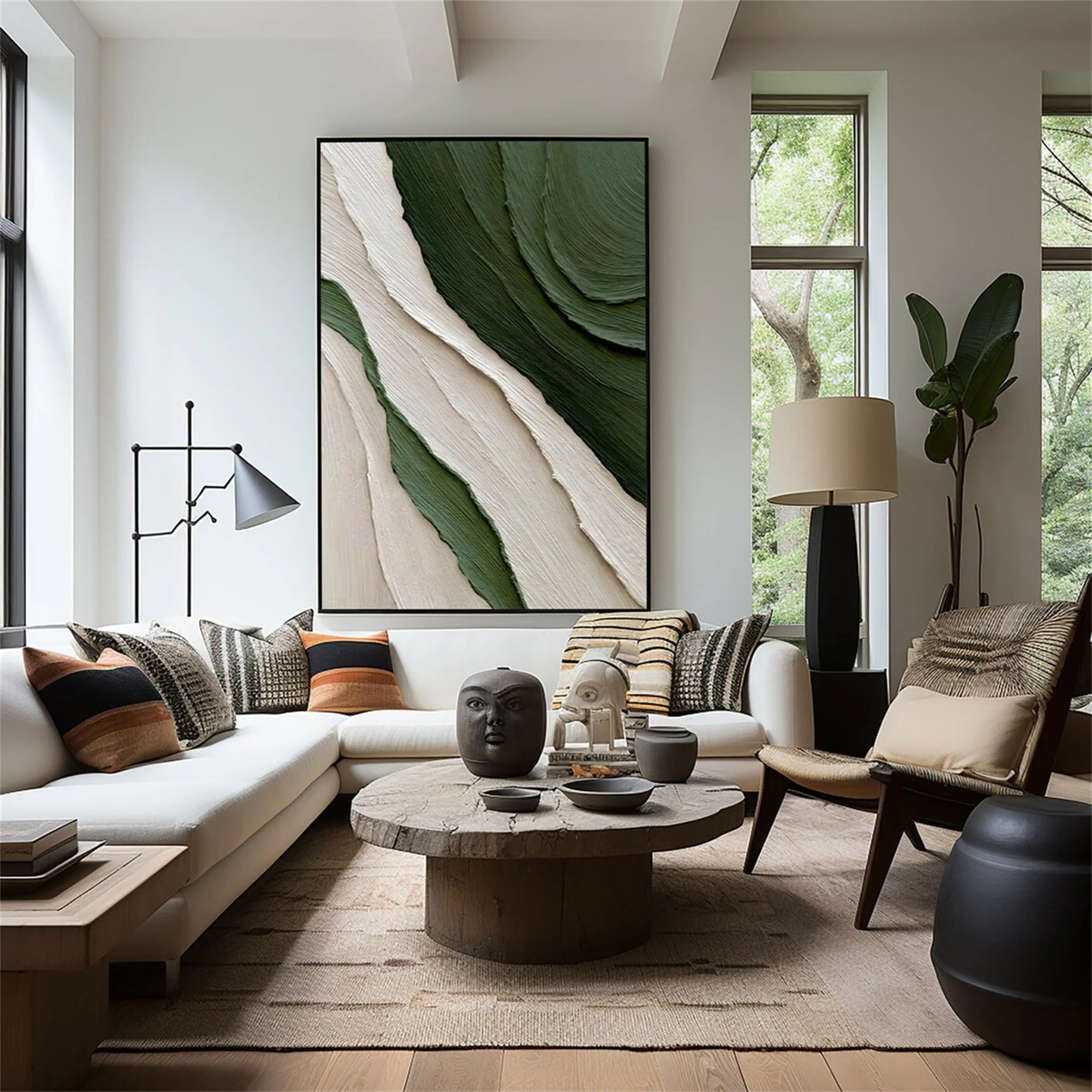
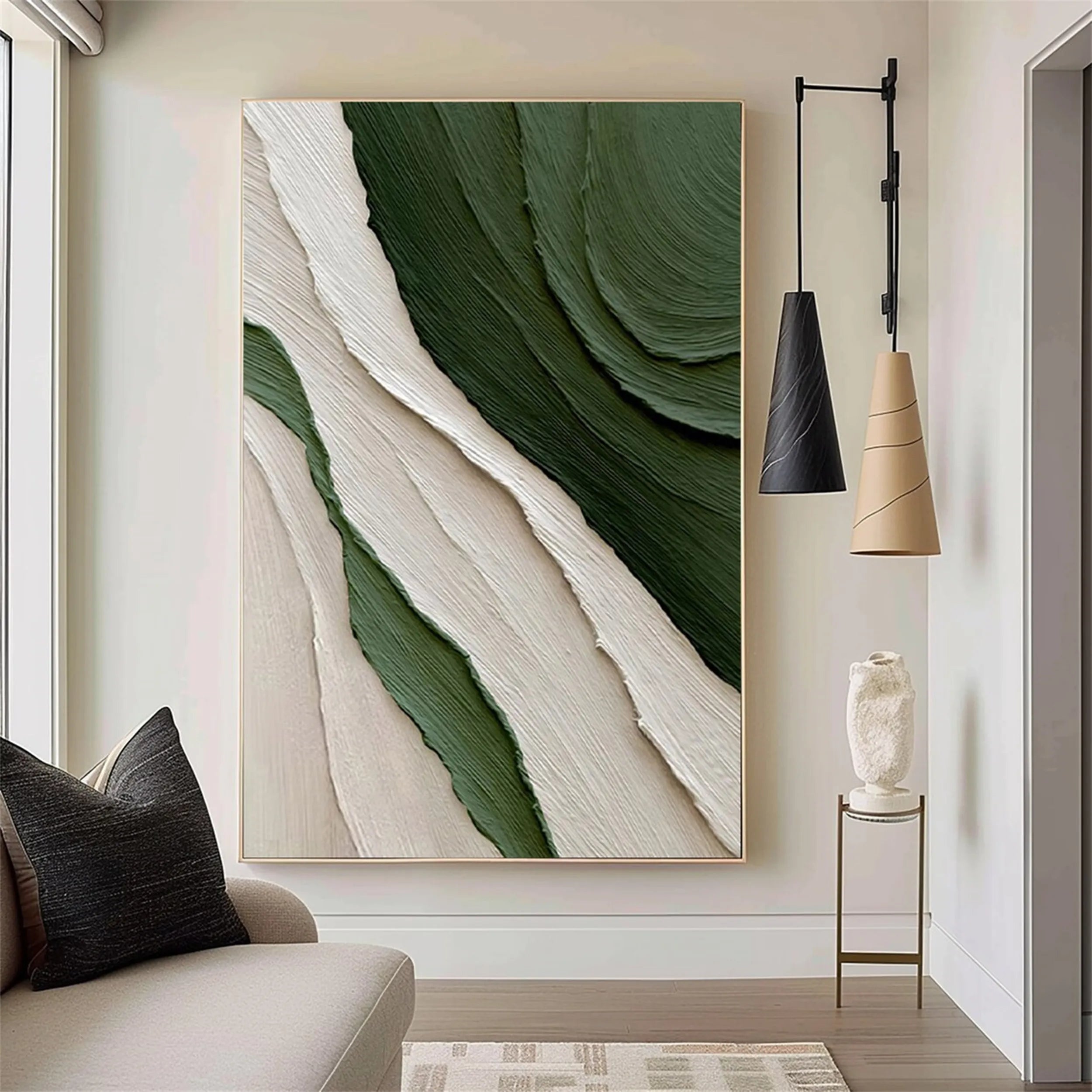
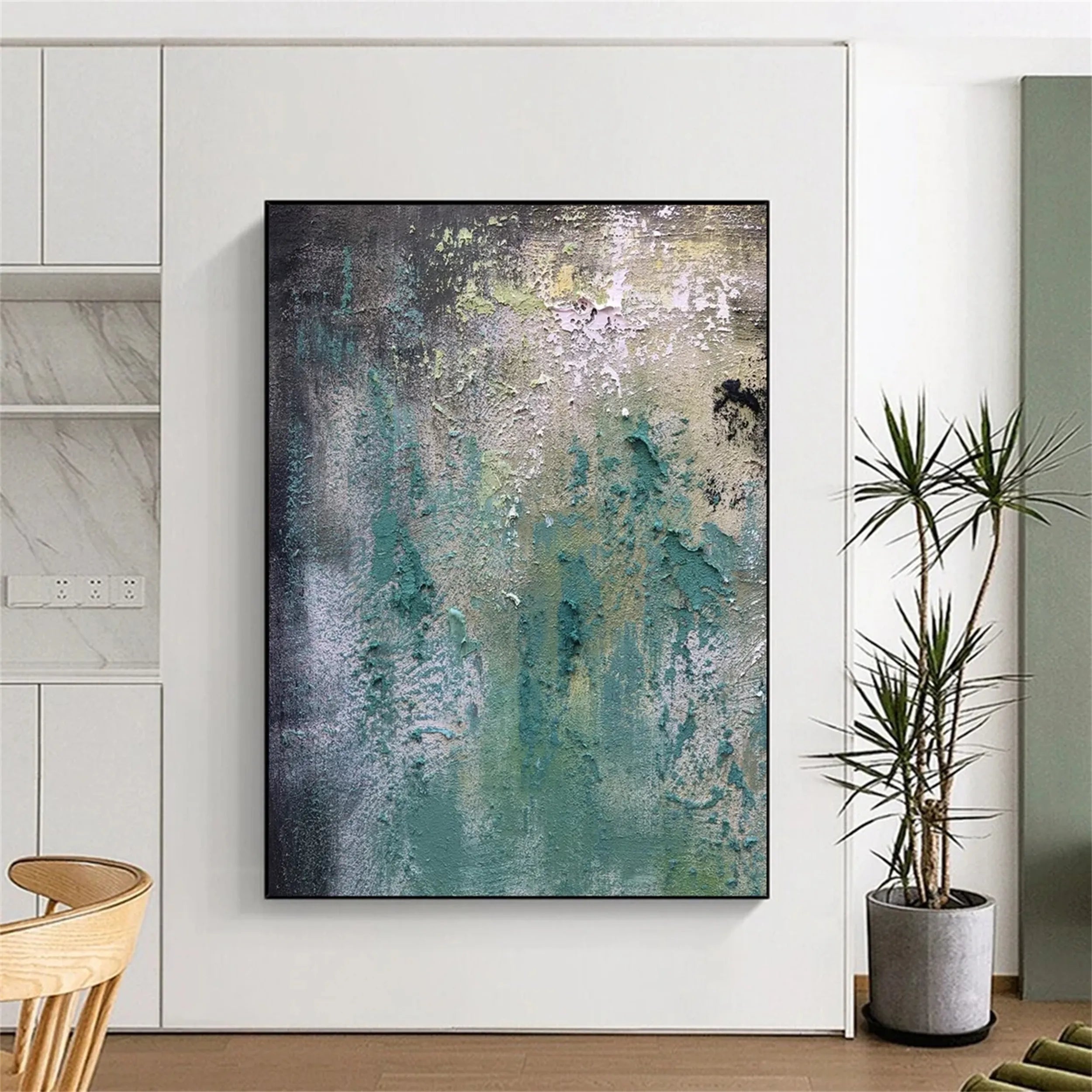
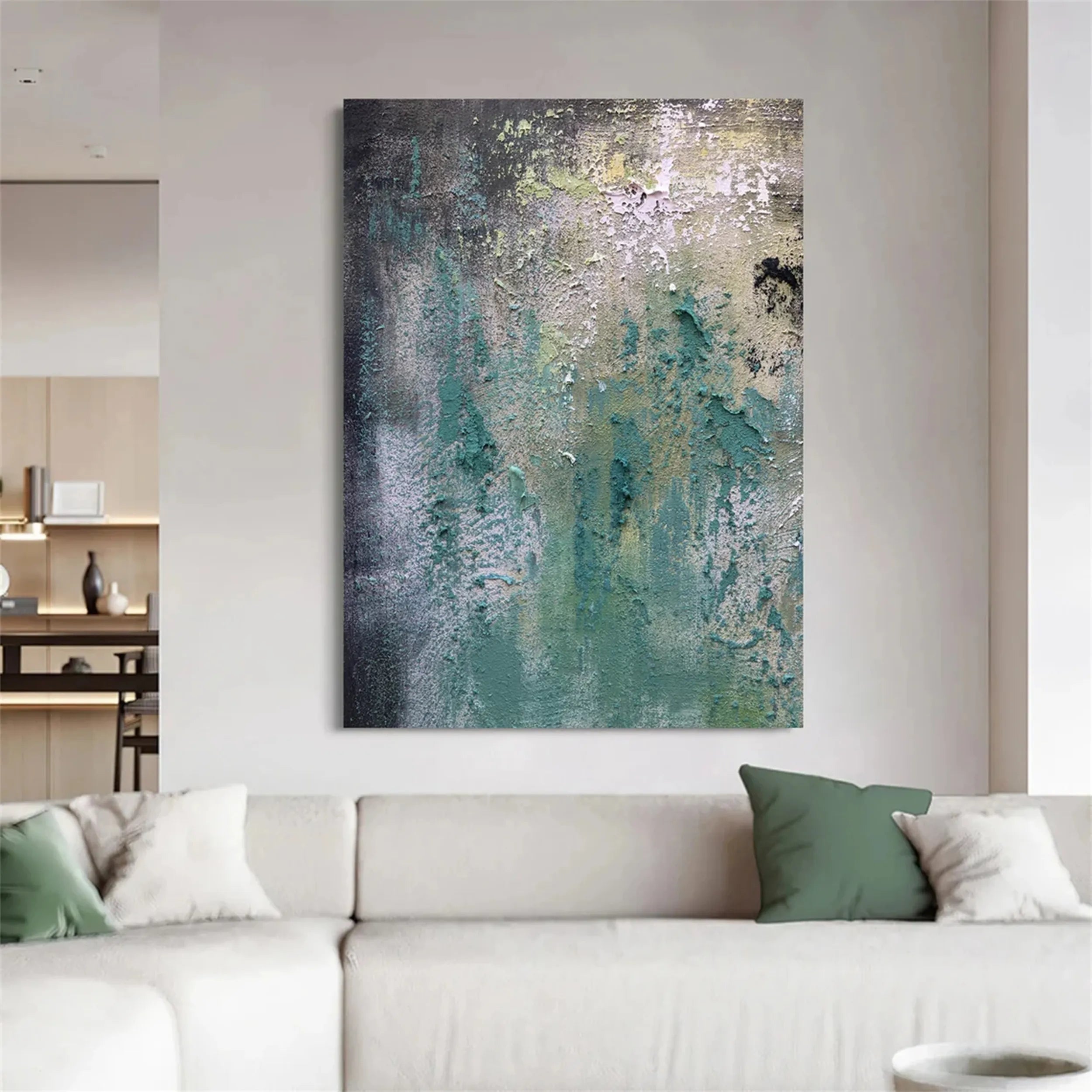
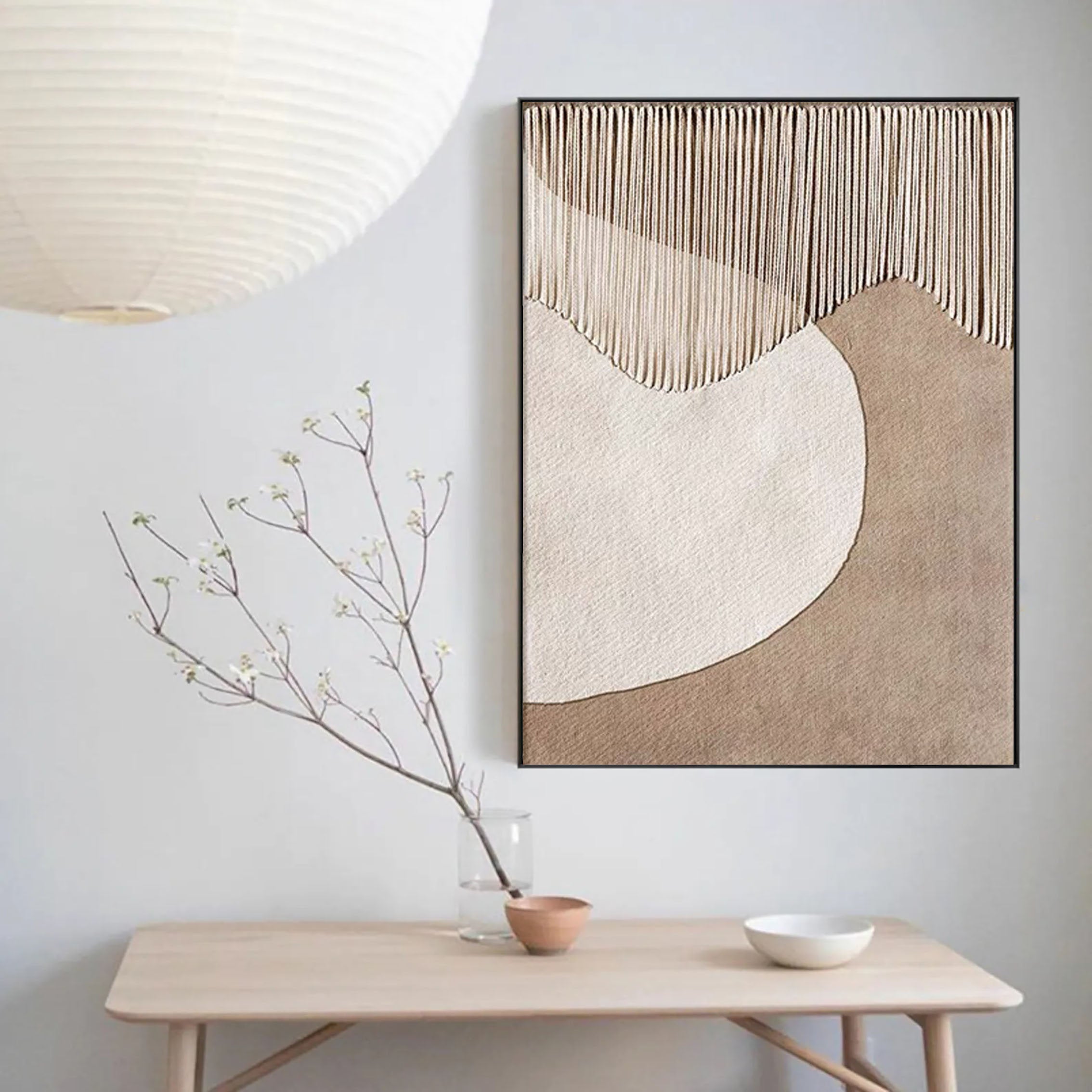
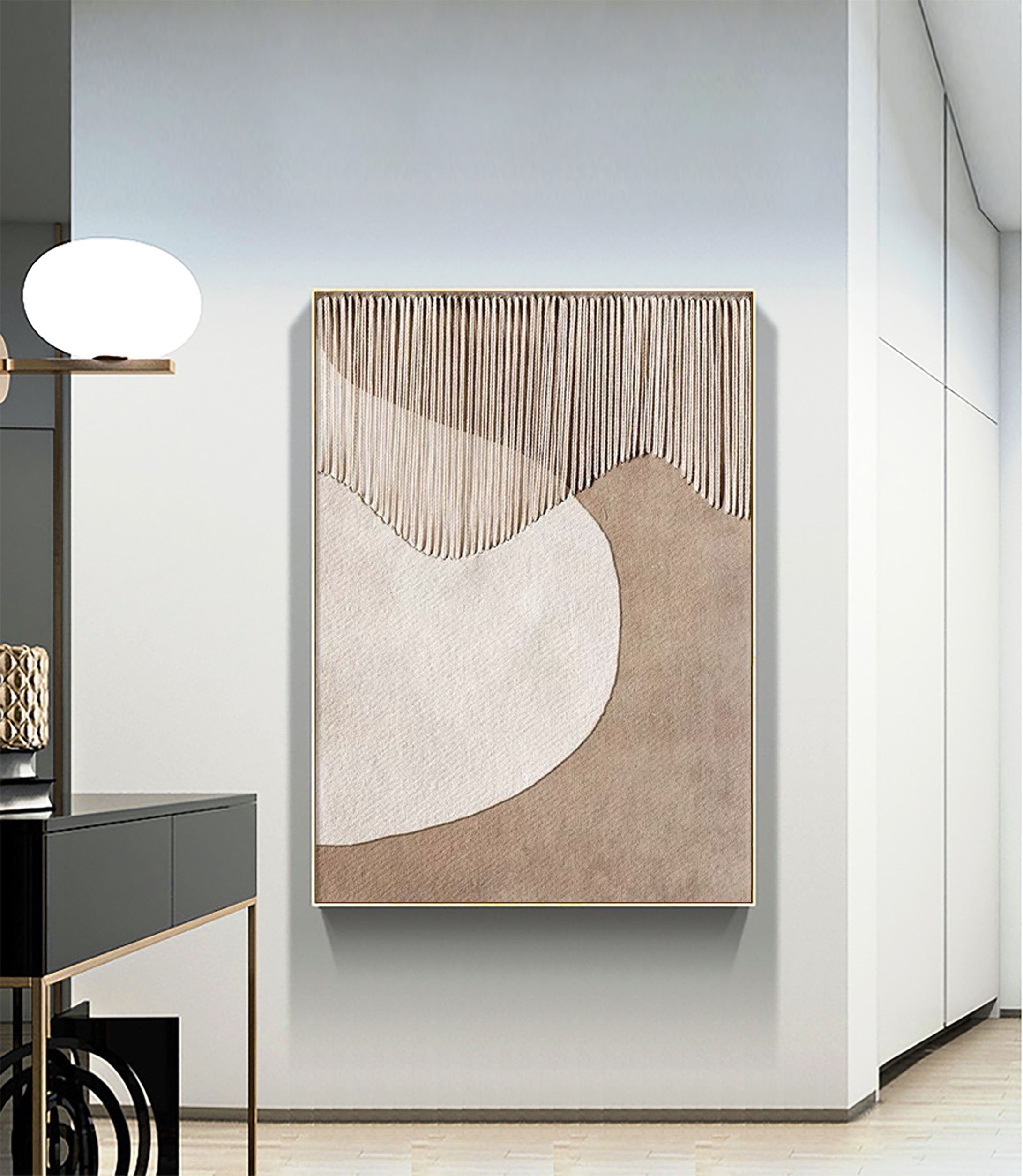
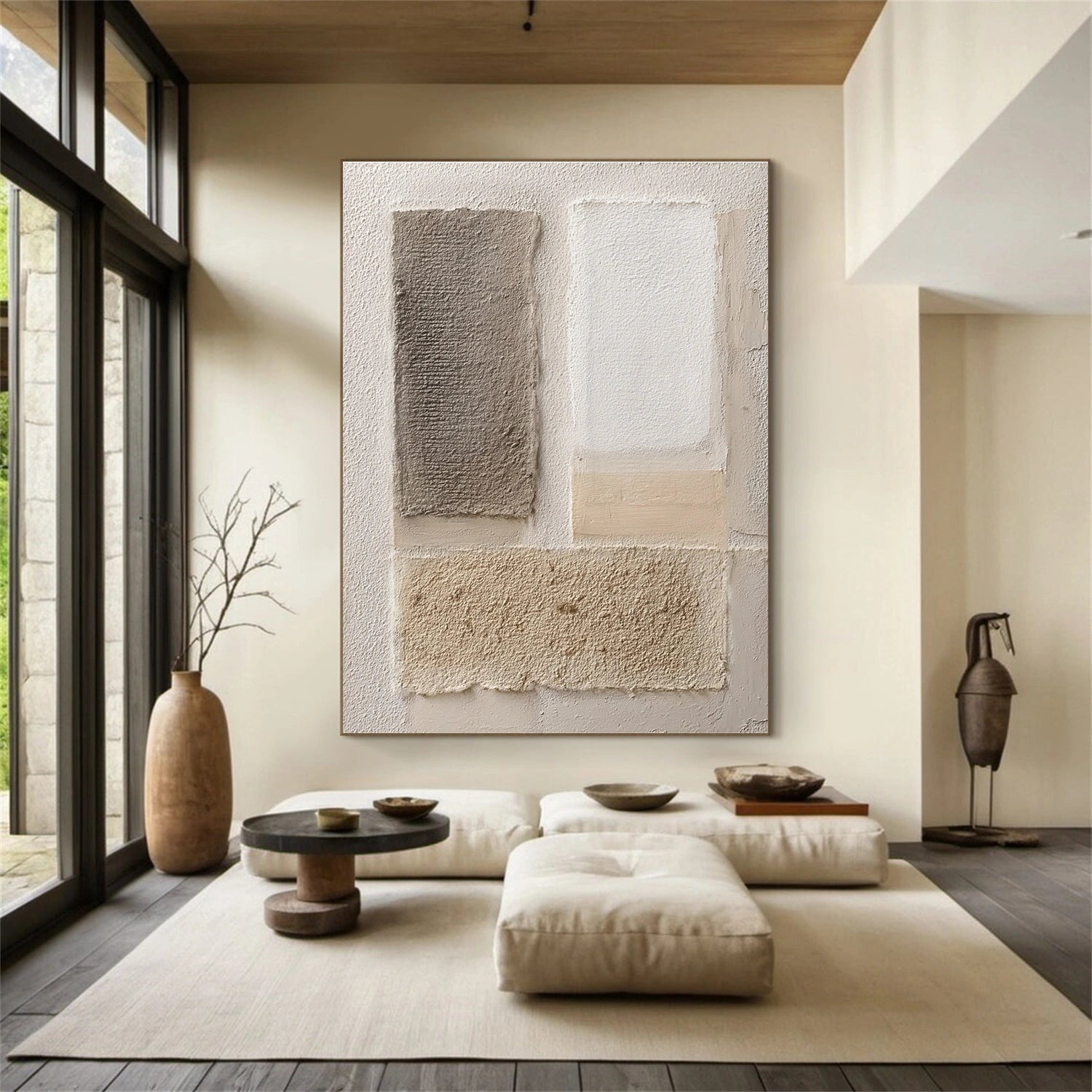
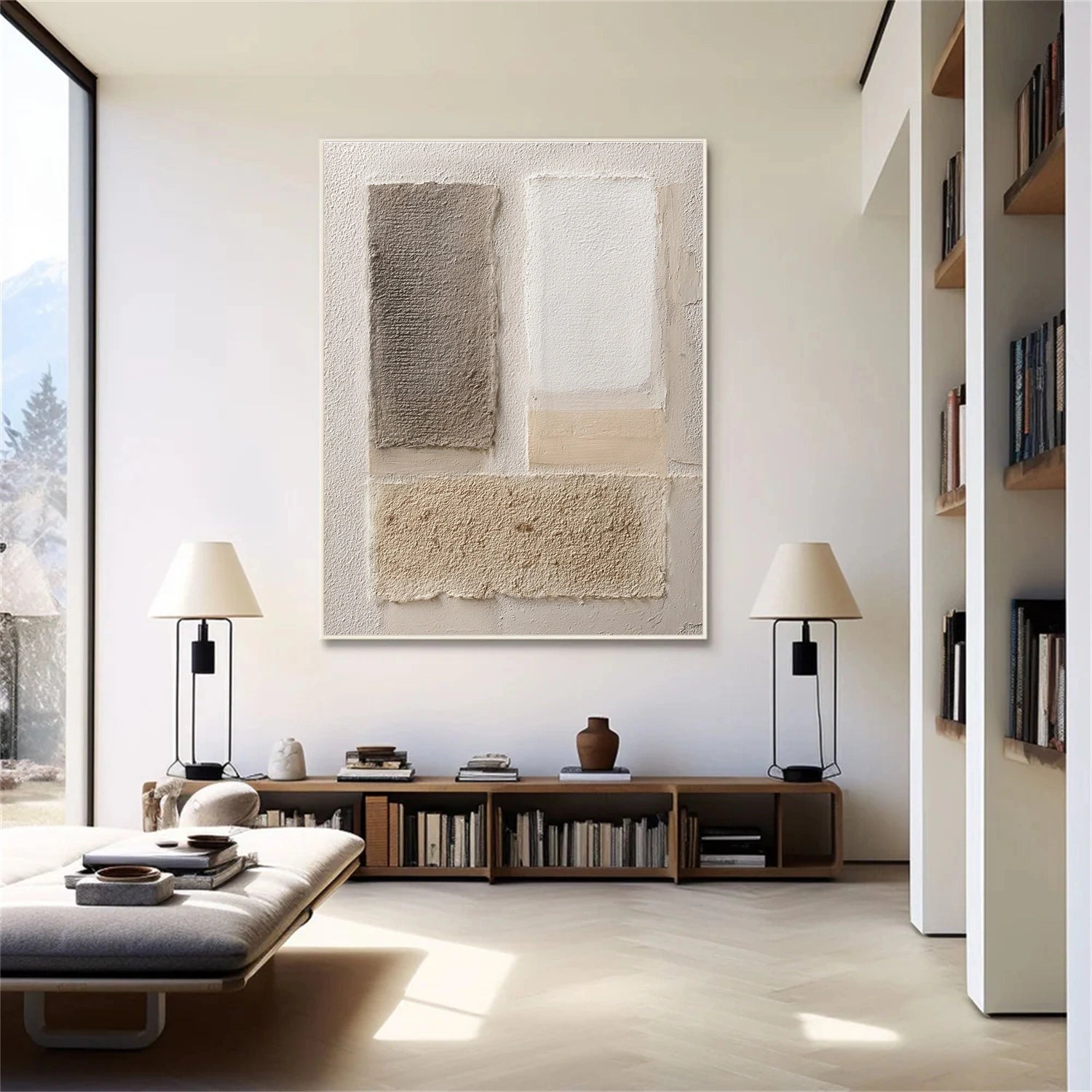
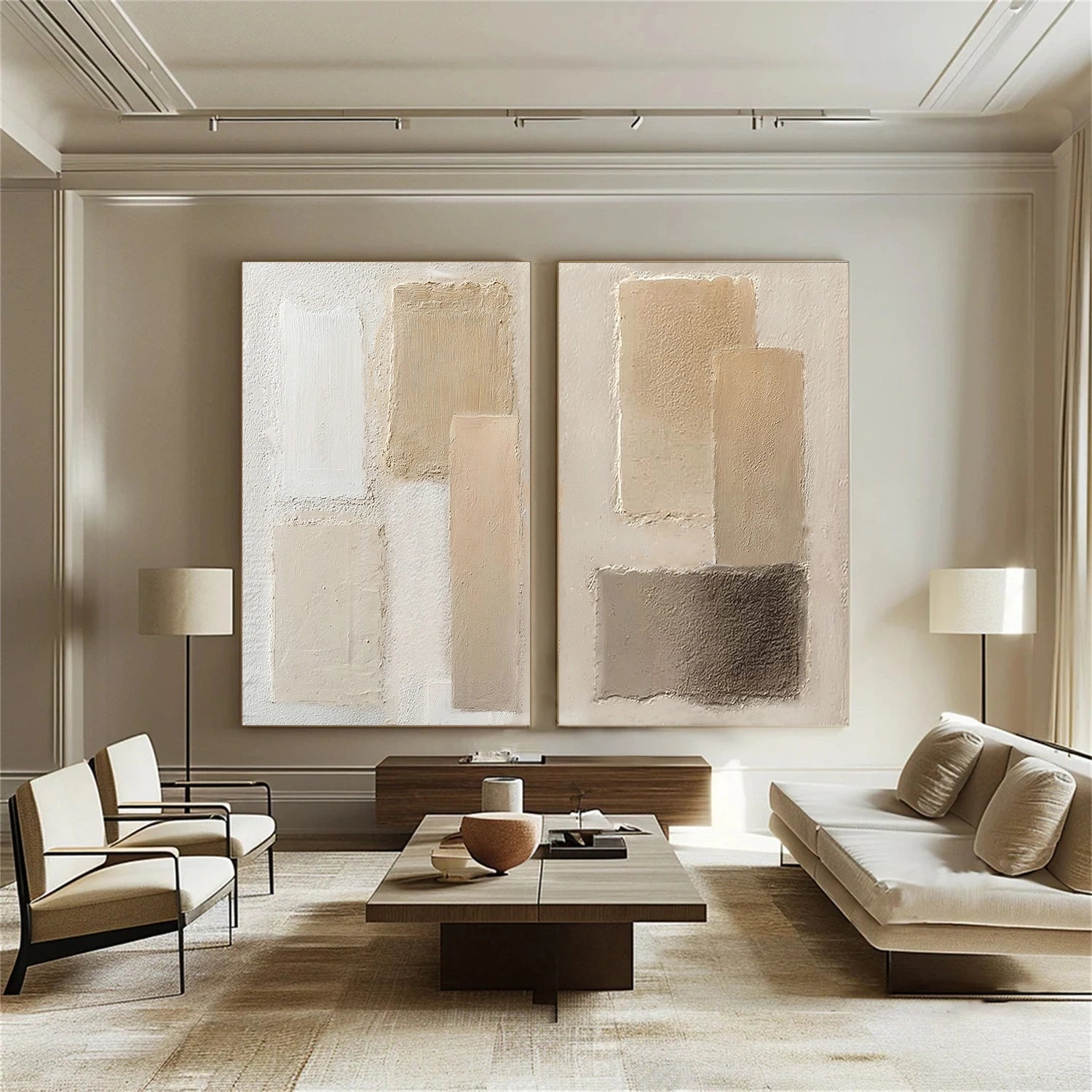
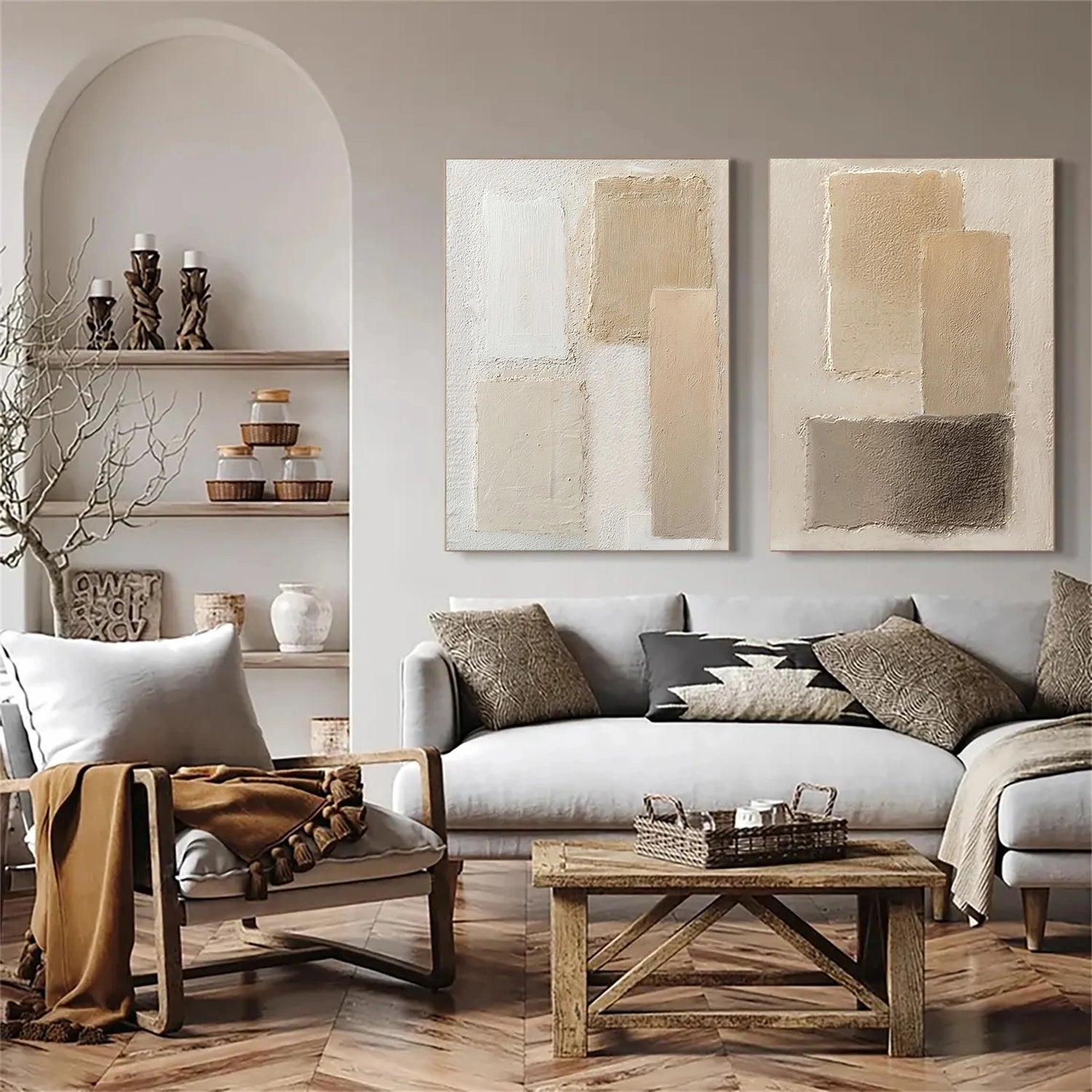
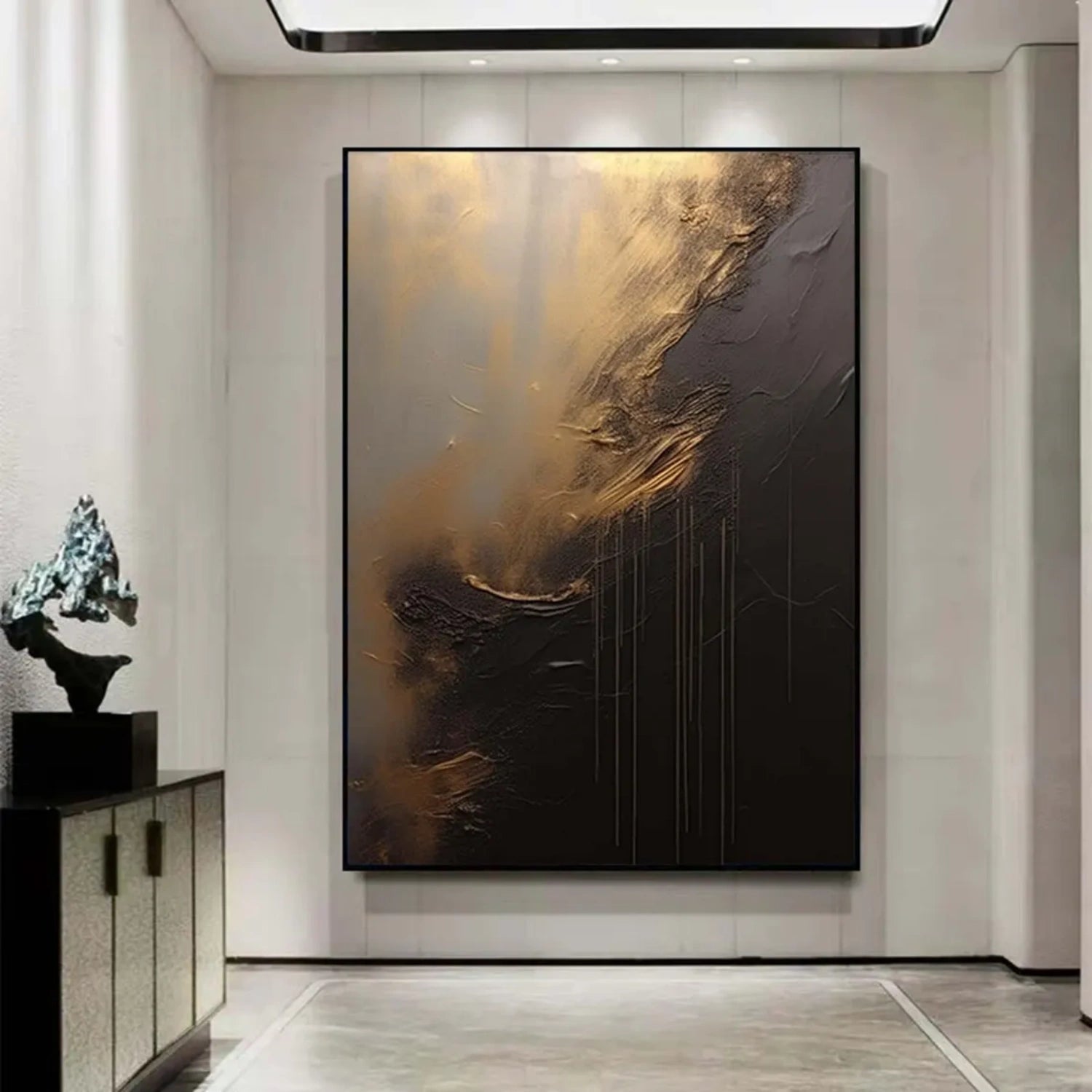
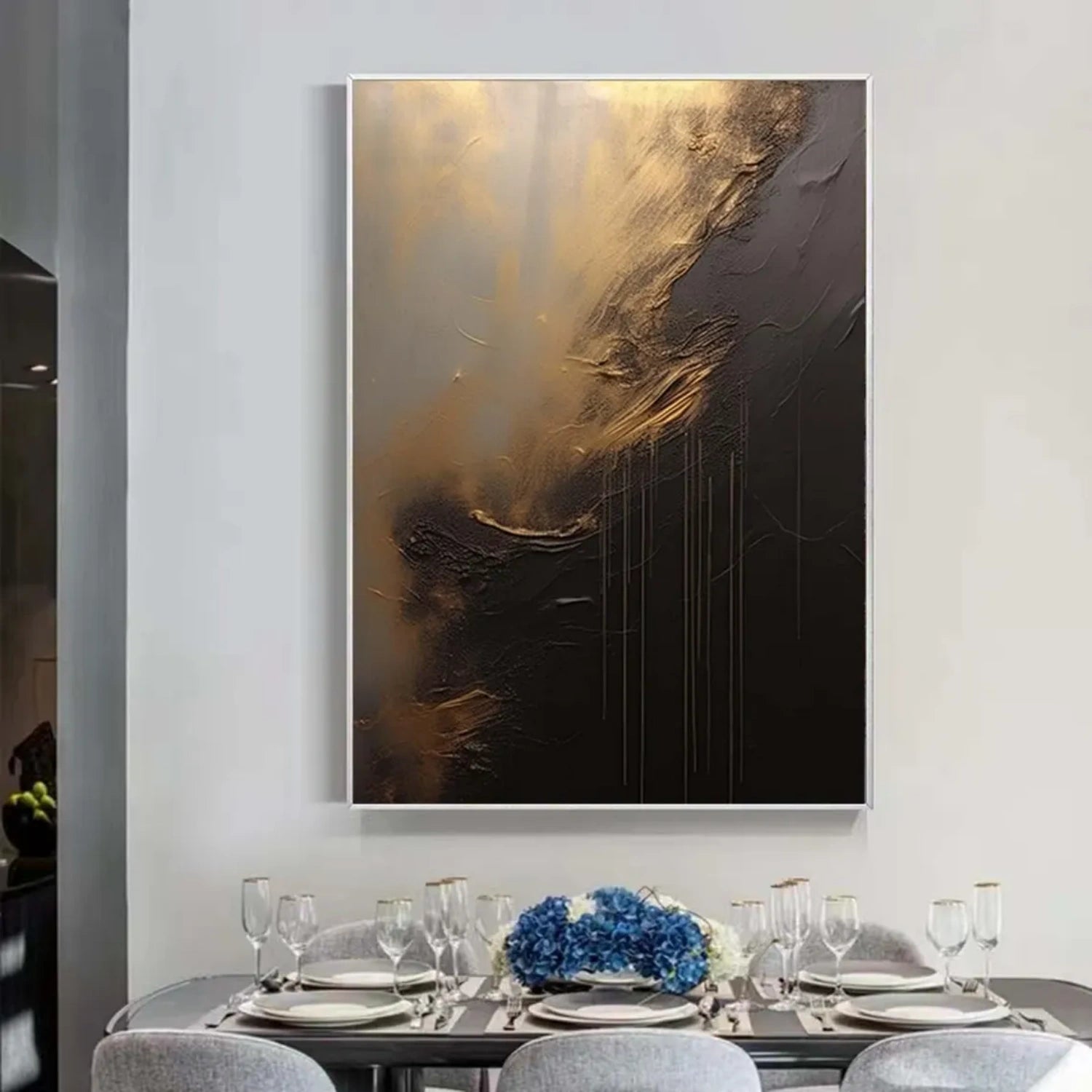
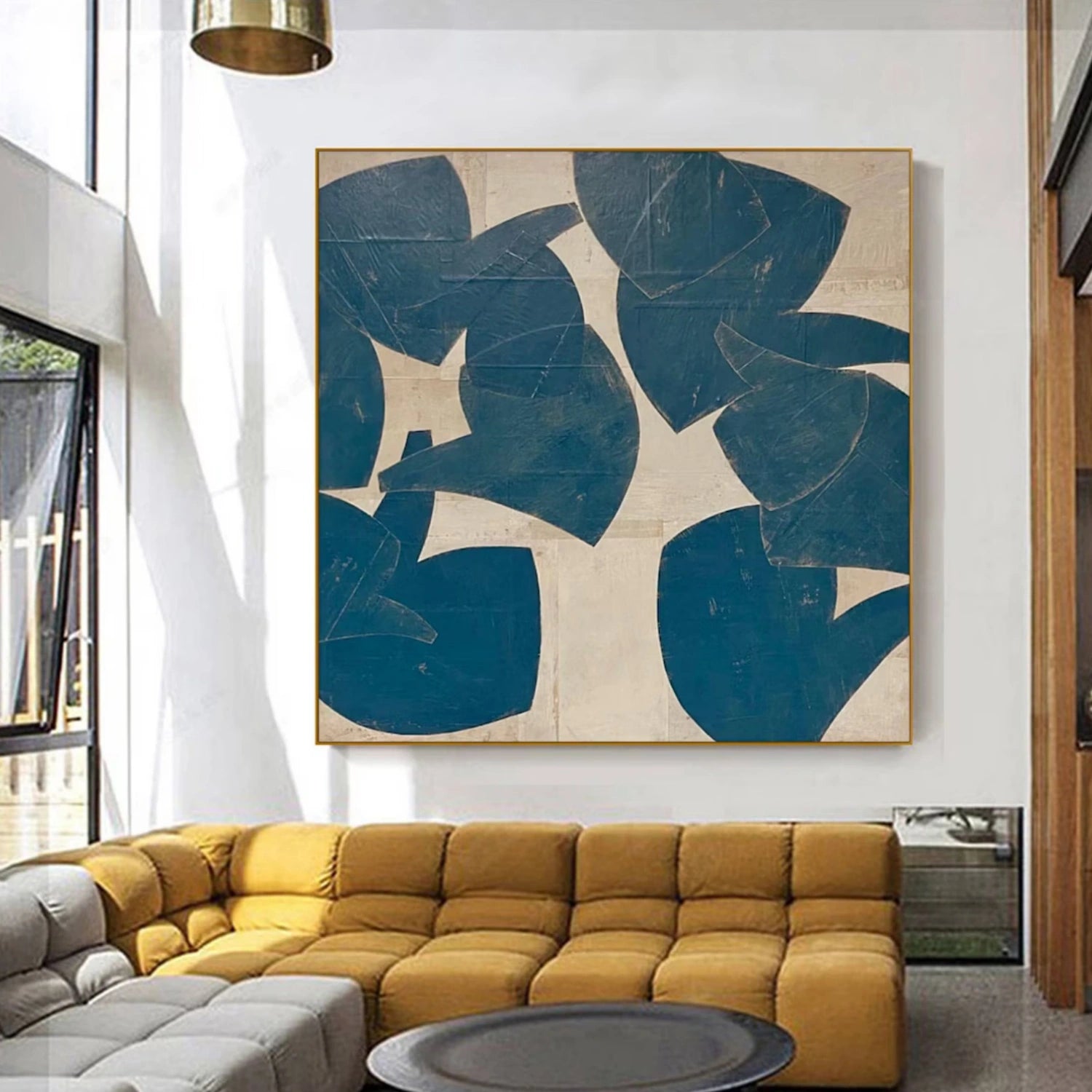
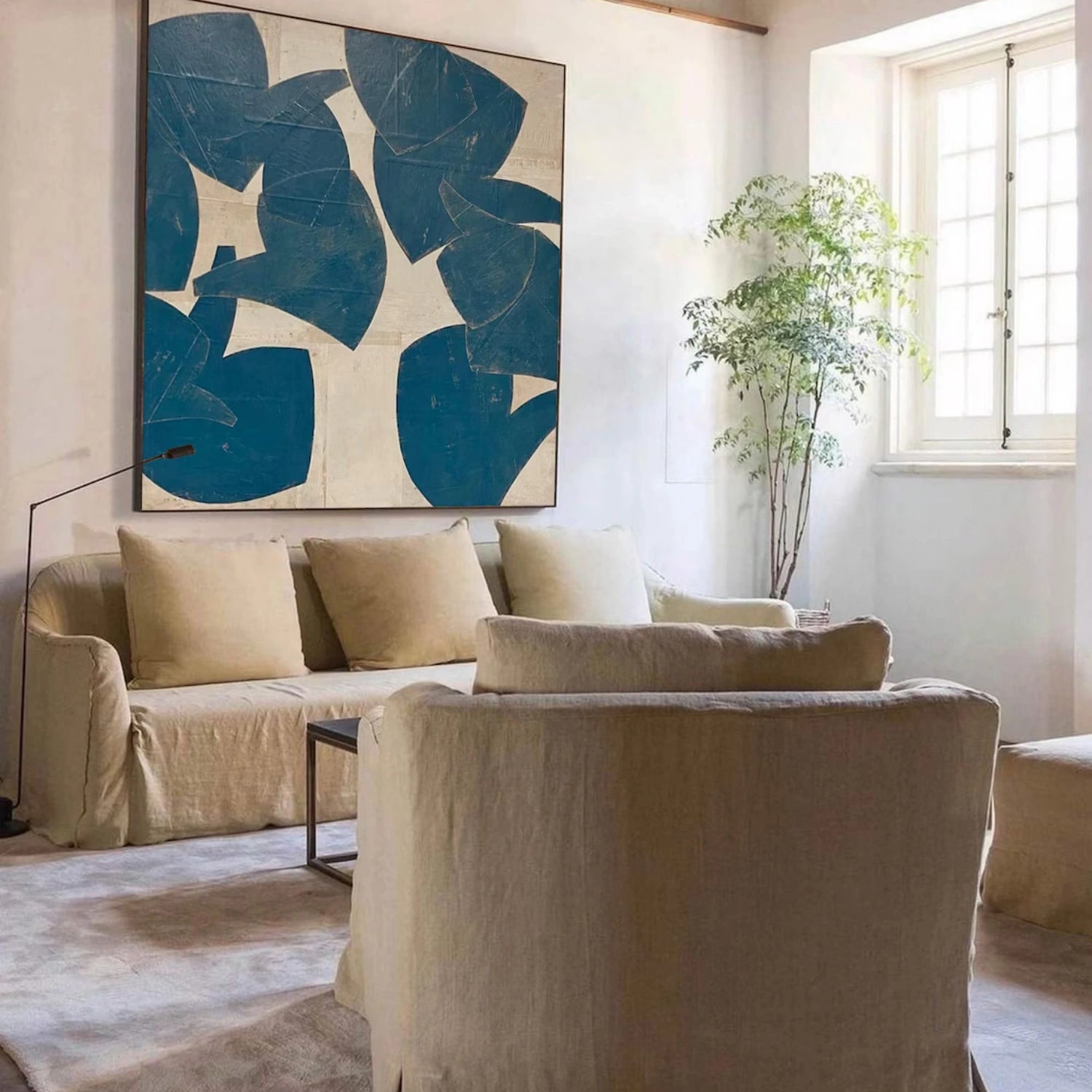
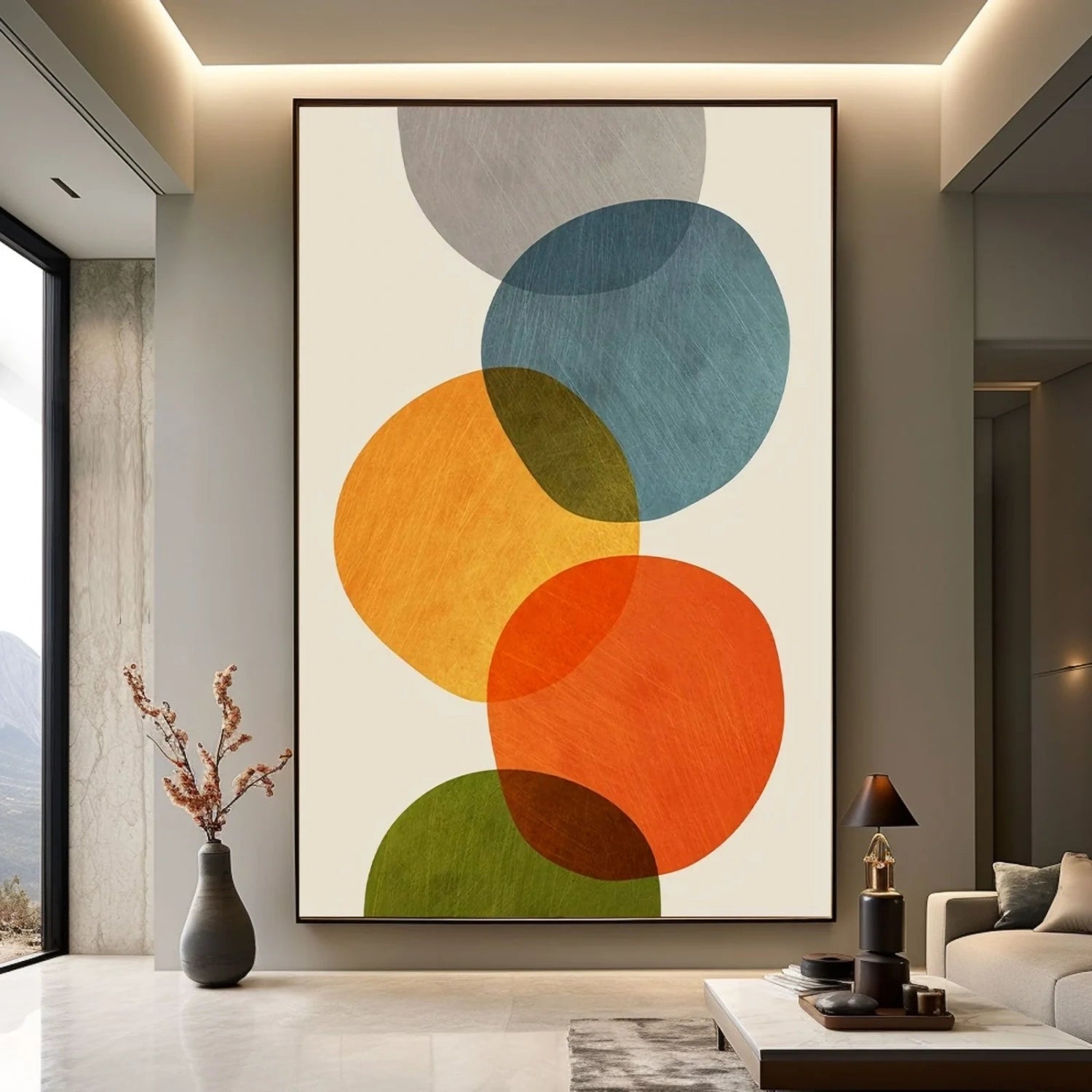
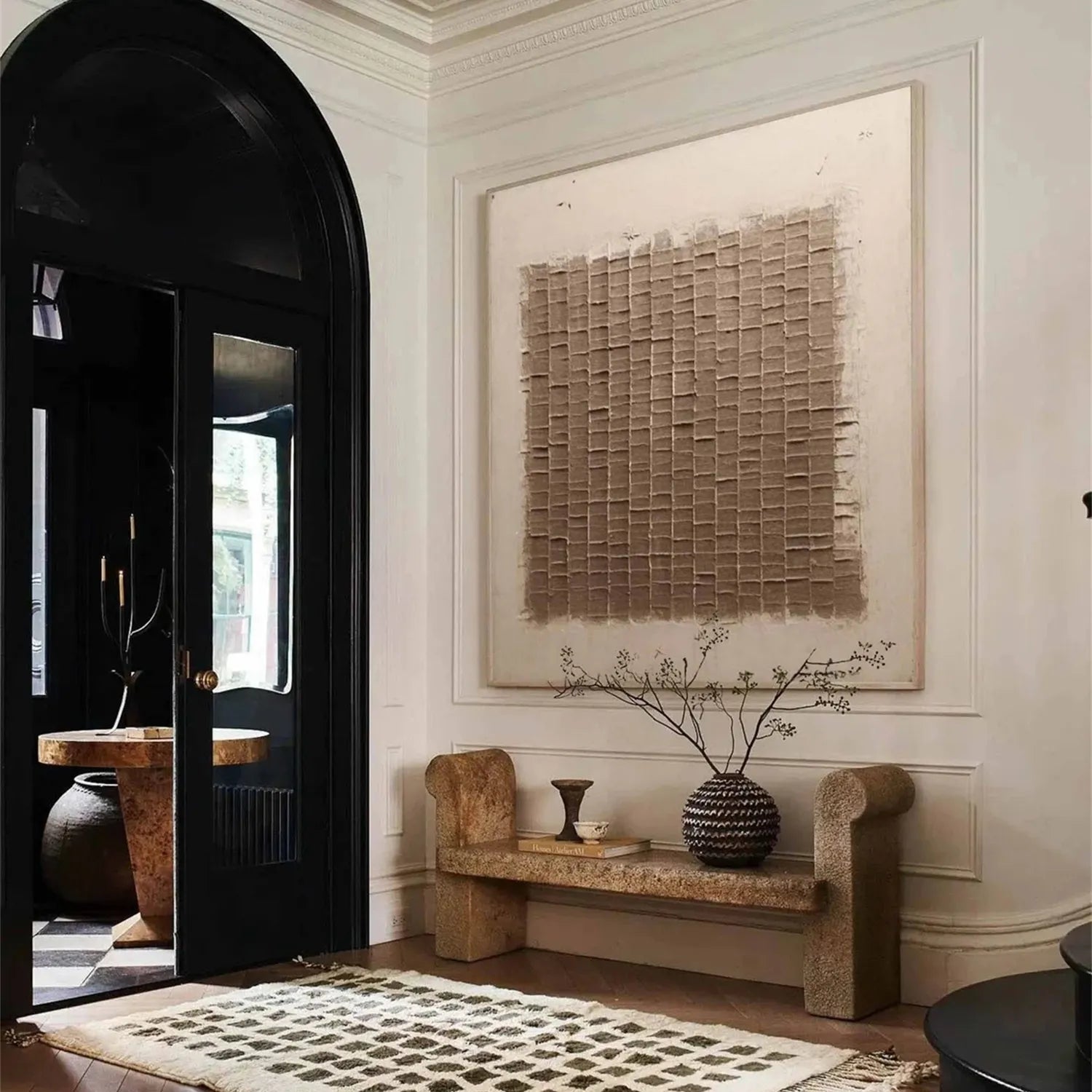
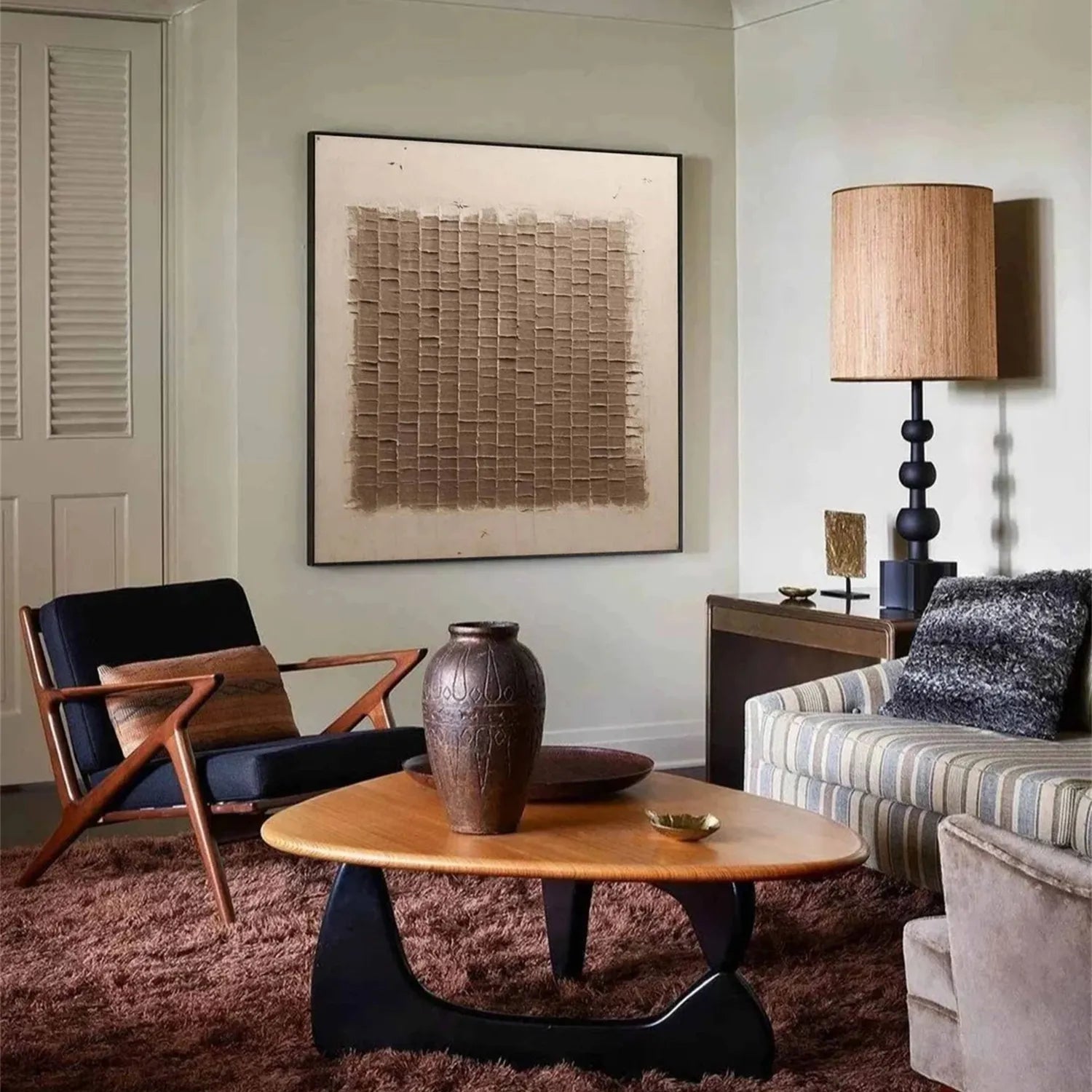
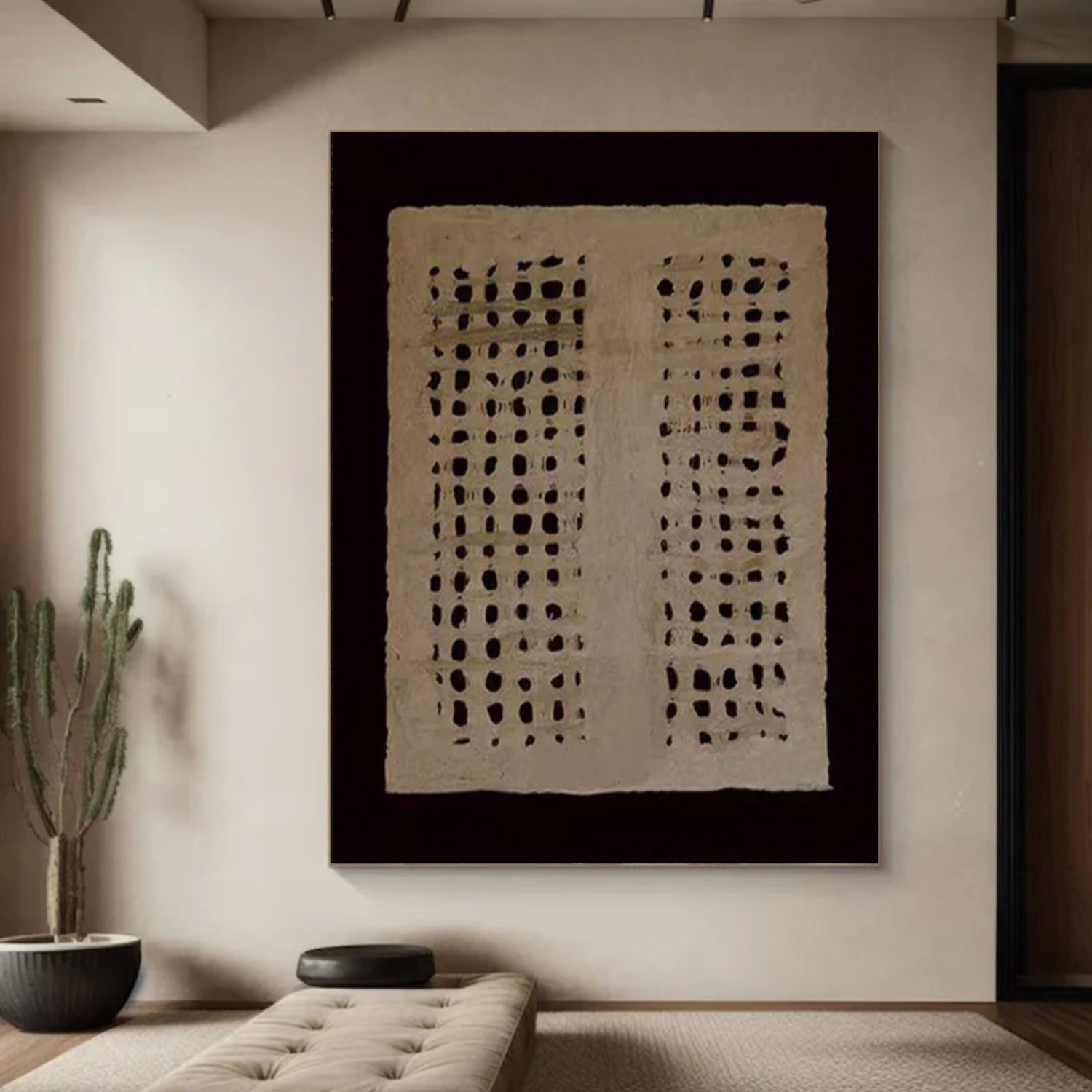
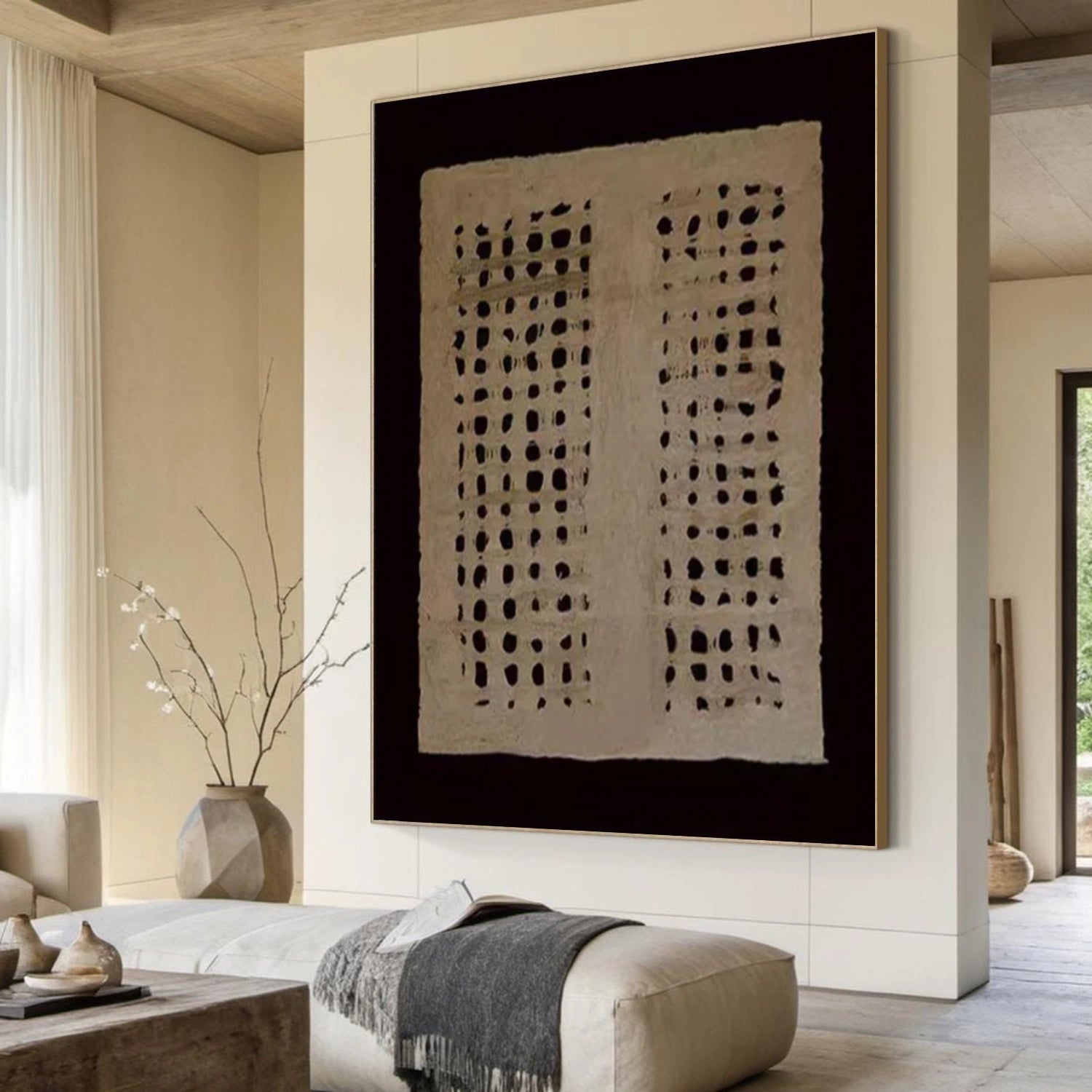
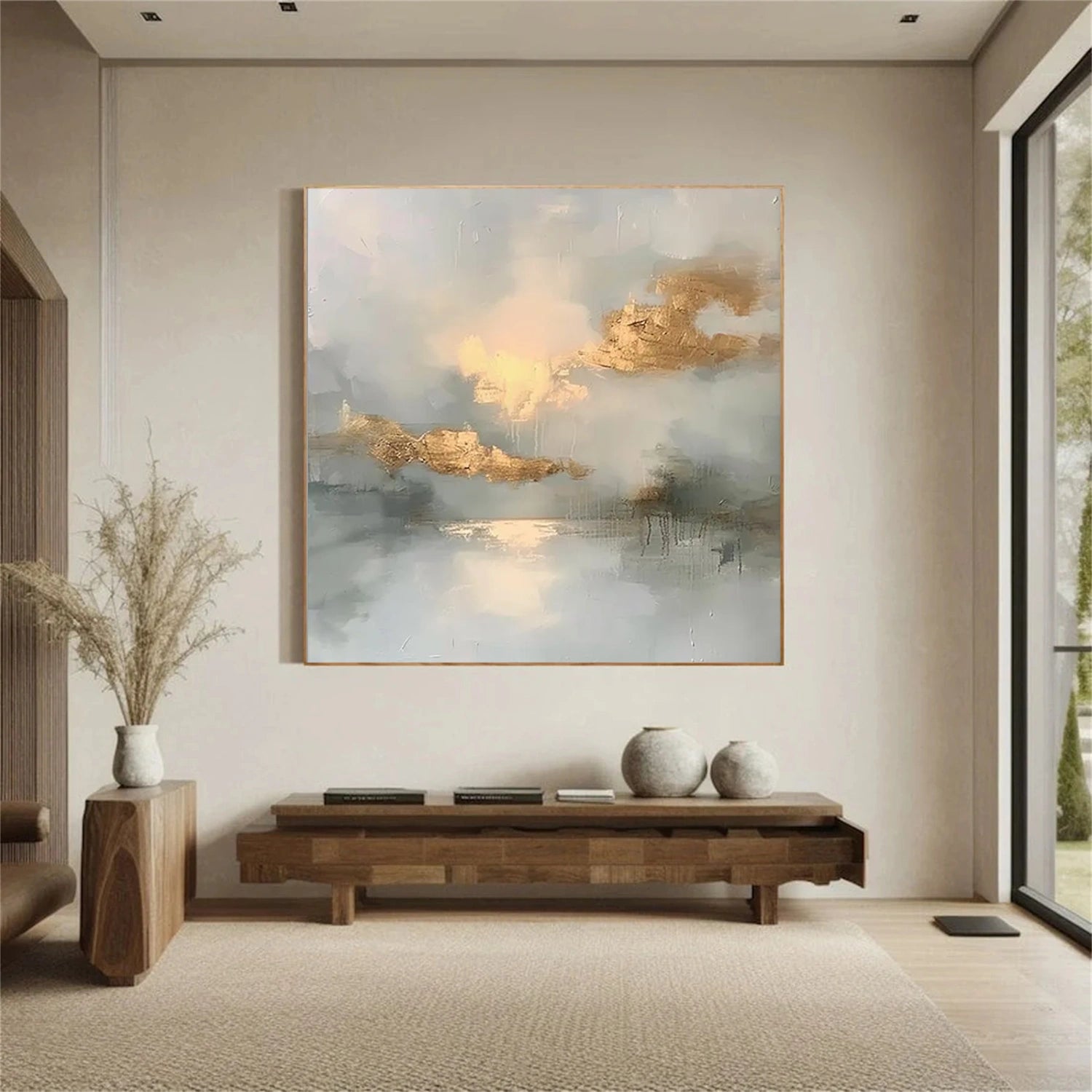
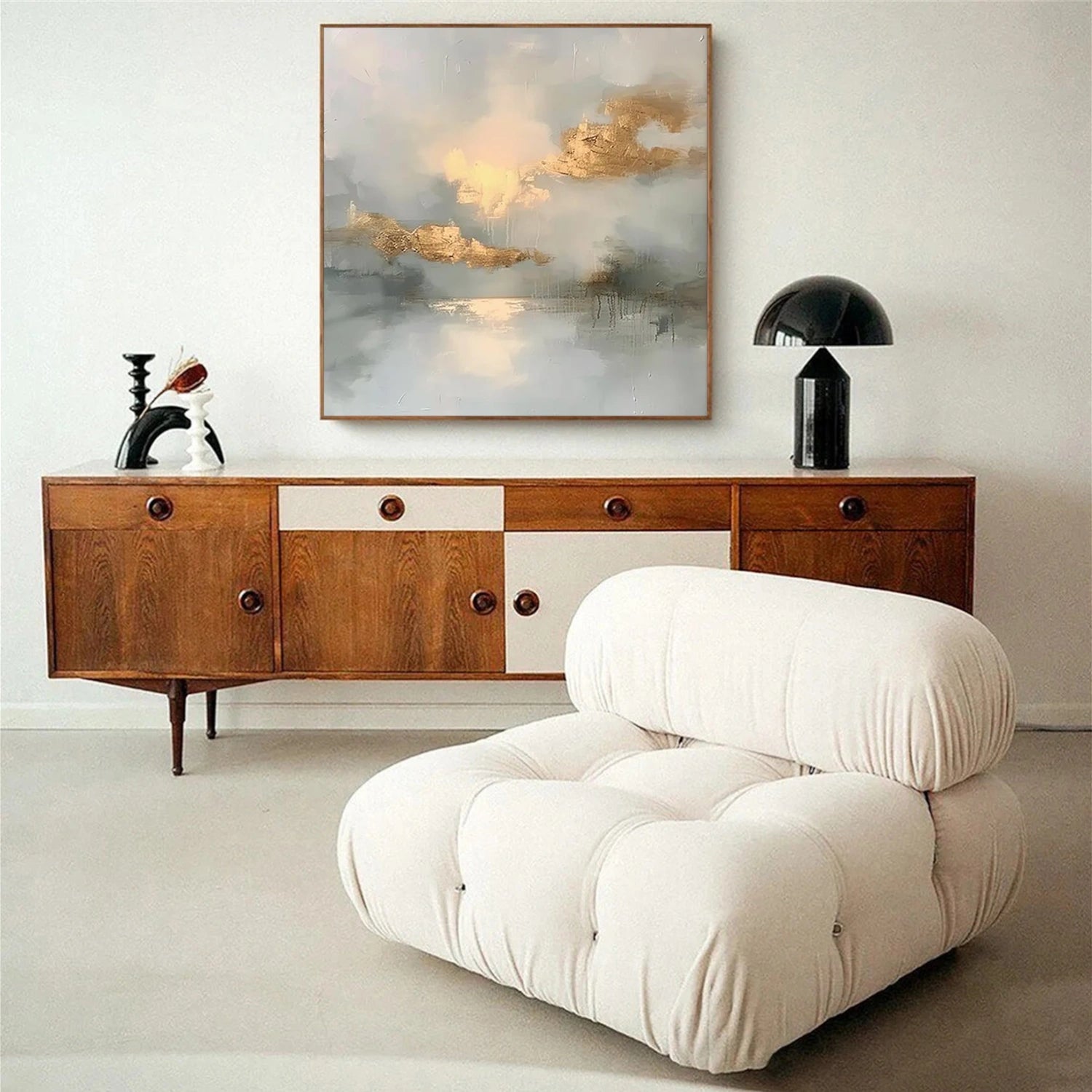
Sabi wabi originates from Japanese Zen thought, emphasizing the beauty of imperfection, impermanence, and authenticity. It encourages reflection through imperfect textures, muted colors, and asymmetry — elements that reward contemplation rather than demand attention. By adopting these principles, Vinchy Art brings sabi wabi into contemporary living spaces, transforming art from passive décor into an active agent of mental serenity. Each painting is crafted to immerse the viewer in emotional stillness, where subtle variation and texture invite the mind to slow down.
Which Gaps Exist in Traditional Art and Décor Solutions?
Decorative objects in modern design often prioritize precision and polish. However, excessive perfection leads to psychological monotony. Clinical studies show that irregular, organic forms enhance mental relaxation compared to geometric symmetry. Traditional art markets rarely address this nuance, leaving a gap for brands like Vinchy Art that integrate sabi wabi into abstract oil art, connecting aesthetic depth with emotional restoration.
What Is the Sabi Wabi Solution From Vinchy Art?
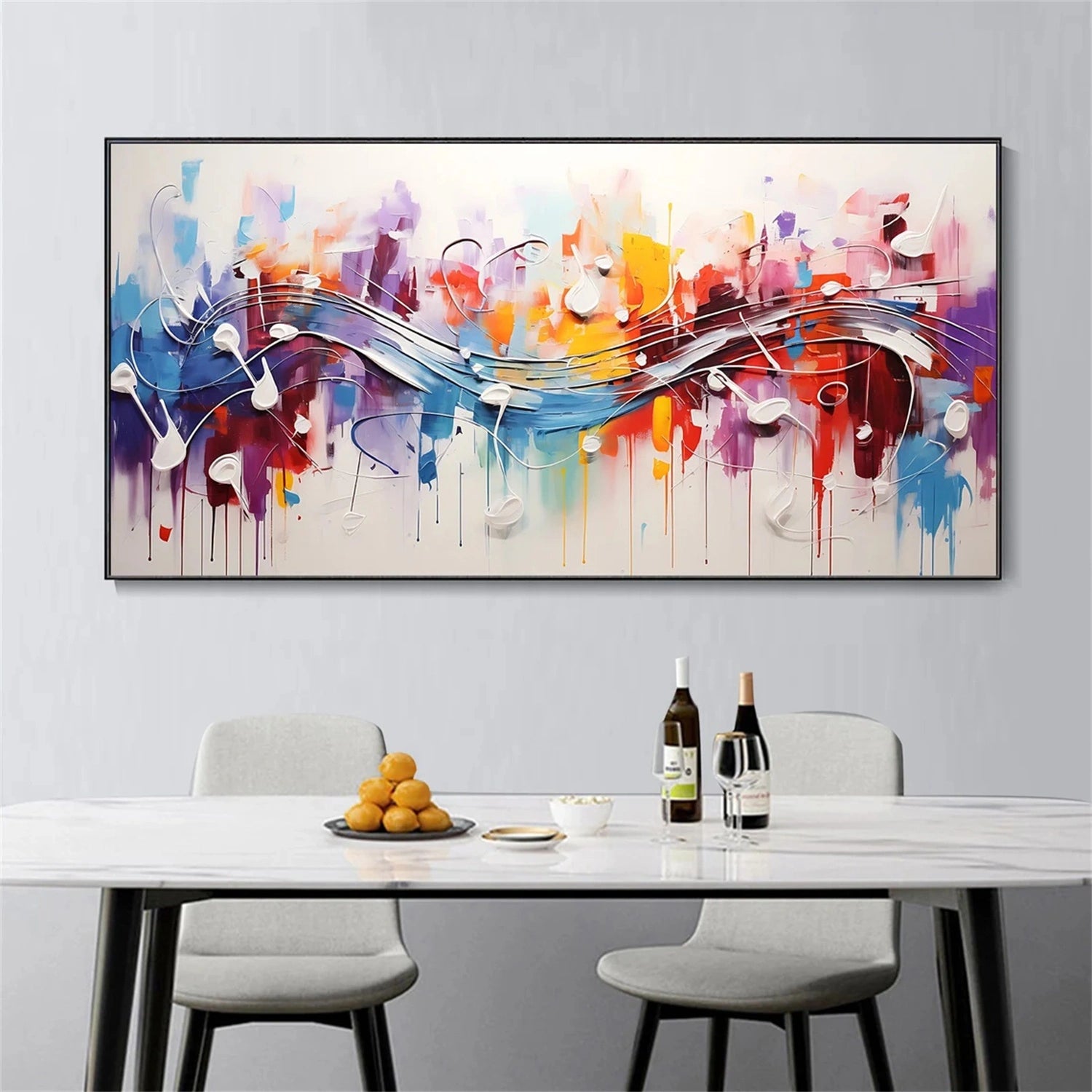
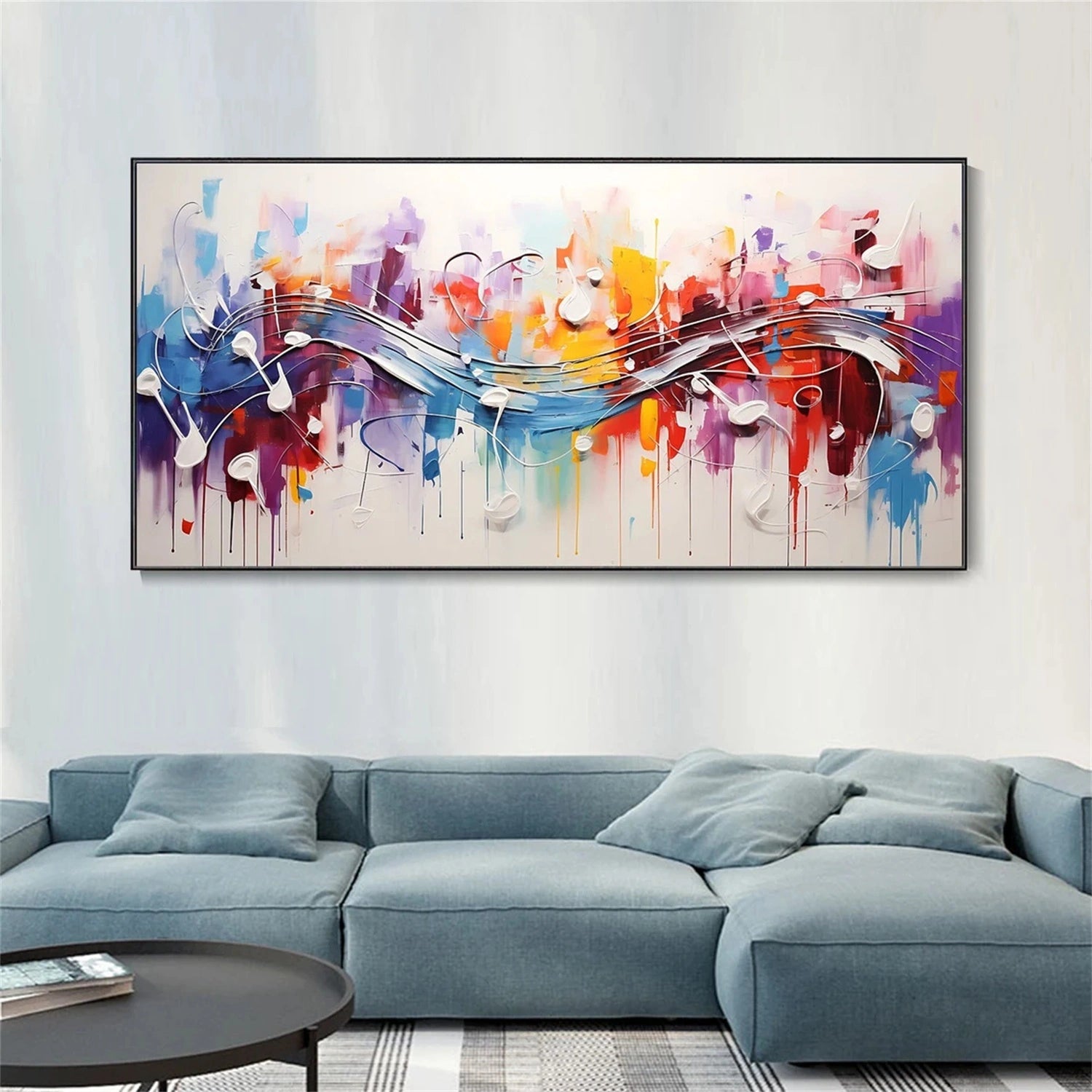
Vinchy Art’s sabi wabi-inspired collections introduce art as a mode of well-being, blending tactile texture, harmonized color gradients, and organic abstraction. The brand’s approach focuses on three pillars:
-
Mindful Materials: Every canvas uses natural pigments and brushflow to reflect the fluidity of nature.
-
Sensory Depth: Visible strokes and layered oil textures promote meditative observation.
-
Emotional Balance: Each piece is designed to calm visual chaos, transforming interiors into mindful habitats.
How Does the Sabi Wabi Approach Compare to Traditional Art Décor?
| Feature | Traditional Decorative Art | Vinchy Art Sabi Wabi Collection |
|---|---|---|
| Design Focus | Precision and perfection | Imperfection and authenticity |
| Emotional Effect | Aesthetic pleasure | Meditative calm and self-reflection |
| Longevity of Impact | Short-term interest | Sustained emotional wellness |
| Material Choice | Synthetic or printed materials | Handcrafted oils and natural pigments |
| Purpose | Visual appeal | Emotional and mental wellbeing |
How Can Users Incorporate Vinchy Art’s Sabi Wabi Solution?
-
Define Intent: Identify emotional goals — calmness, clarity, or reflection.
-
Select Artwork: Explore Vinchy Art’s online gallery and choose paintings with organic forms and balanced asymmetry.
-
Placement: Position artwork in personal reflection zones like bedrooms, meditation corners, or workspaces.
-
Engagement: Spend a few minutes daily observing textures and color gradients to cultivate mindfulness.
-
Integration: Use complementary lighting and minimal décor to enhance harmony and flow within the space.
What Are Real-World Scenarios Showing the Impact?
1. Urban Professional (Stress Relief)
-
Problem: Chronic stress from multitasking and digital overload.
-
Traditional Practice: Reliance on meditation apps with inconsistent results.
-
After Vinchy Art: Exposure to sabi wabi abstract oil pieces reduced reported stress and improved focus during work-from-home routines.
-
Benefit: 35% reduction in daily anxiety levels (survey-based).
2. Interior Designer (Space Harmony)
-
Problem: Clients seeking emotional warmth in overly minimalistic environments.
-
Traditional Practice: Use of neutral décor and lighting alone.
-
After Vinchy Art: Textured oil paintings created balance between modernity and comfort.
-
Benefit: Increased perceived client satisfaction by 42%.
3. Hotel Wellness Manager (Guest Experience)
-
Problem: Need to differentiate in wellness hospitality market.
-
Traditional Practice: Standard relaxation music and aroma diffusers.
-
After Vinchy Art: Sabi wabi art incorporated into spa and lounge spaces.
-
Benefit: Guests reported higher tranquility scores on post-stay surveys.
4. Therapist (Therapeutic Environment)
-
Problem: Difficulty creating emotionally neutral yet comforting therapy settings.
-
Traditional Practice: Generic prints and monotone décor.
-
After Vinchy Art: Abstract pieces stimulated mindful introspection without distraction.
-
Benefit: Improved client openness during sessions.
Why Is Now the Right Time to Embrace Sabi Wabi Through Vinchy Art?
Cultural data reveal a renewed interest in authenticity and emotion-driven design. As more individuals reject digital fatigue and visual uniformity, sabi wabi aesthetics align perfectly with the mindfulness revolution. Vinchy Art represents this shift — merging timeless philosophy with contemporary artistry to help people cultivate well-being through visual serenity. In a world craving impermanent beauty and inner balance, the sabi wabi movement reminds us that true harmony lives in imperfection.
FAQ
1. What does “sabi wabi” mean in simple terms?
It means finding beauty in imperfection and valuing authenticity and natural aging.
2. How does Vinchy Art implement sabi wabi in modern art?
Through organic composition, textured layers, and a focus on emotional balance rather than precision.
3. Can sabi wabi art improve mental wellness?
Studies suggest that contemplative visuals can reduce anxiety and increase mindfulness.
4. Is Vinchy Art’s collection customizable?
Yes, clients can consult the brand’s advisory service for size, tone, and composition preferences.
5. Where can buyers explore the full Vinchy Art collection?
All works are available at the official online gallery, which ships globally with satisfaction guarantees.
Sources
Global Wellness Institute Report 2024
World Health Organization Mental Health Data
Statista Global Art Market Outlook 2025
Harvard Health Publishing – Art and Mental Health
Vinchy Art Official Website