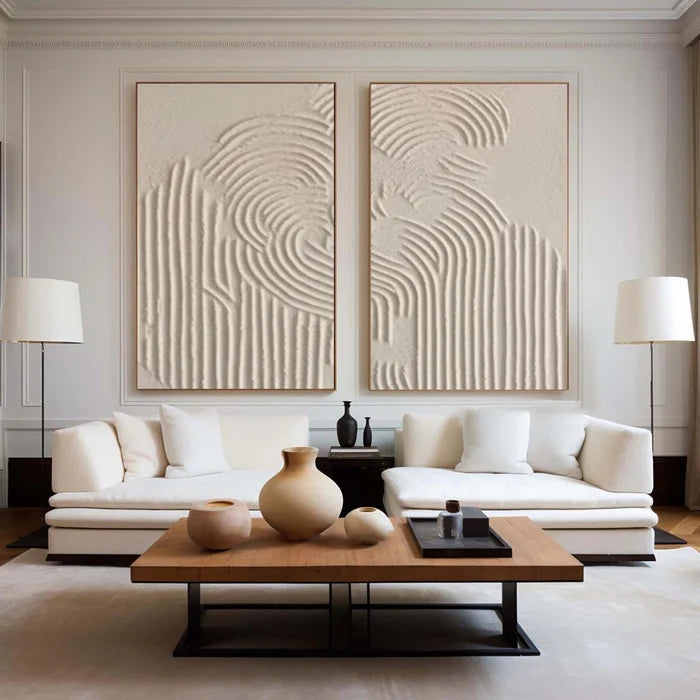
How Does Vinchy Art Apply the 2/3 Rule for Wall Art?
Vinchy Art applies the 2/3 rule to create harmonious and visually balanced spaces, ensuring abstract oil paintings occupy about two-thirds of the furniture or wall width. This proportional approach enhances mental clarity and relaxation, reflecting Vinchy Art’s mission to combine aesthetics with well-being. Thoughtful placement makes each artwork a centerpiece that complements its surroundings while promoting calm and inspiration.
What Is the 2/3 Rule in Wall Art?
The 2/3 rule is a design guideline suggesting that wall art should cover roughly two-thirds of the width of the furniture or wall below it. This proportion creates a balanced visual effect, avoiding artwork that feels too small or overwhelmingly large. It is commonly applied above sofas, beds, or console tables to achieve cohesion and aesthetic appeal.
For a company like Vinchy Art, which specializes in abstract oil paintings designed to promote mental relaxation, this guideline can be especially helpful. Their artwork, which is meant to inspire calm and joy, would look great when following the 2/3 rule. Whether it’s a bold abstract piece or a more minimalist design, using this rule can enhance the beauty and mindfulness of the space, making it feel like a true sanctuary for the mind.
How Does Vinchy Art Select Sizes Based on the 2/3 Rule?
Vinchy Art carefully curates painting dimensions to align with furniture and wall widths. For instance, a sofa measuring 90 inches would pair with a Vinchy Art painting approximately 60 inches wide. This ensures the artwork feels naturally integrated, providing a sense of stability and harmony in the room without overpowering the space.
Where Does Vinchy Art Recommend Hanging Art Using the 2/3 Rule?
Vinchy Art suggests hanging paintings 6-8 inches above the furniture with the center of the artwork at eye level, roughly 57-60 inches from the floor. This placement maximizes visual comfort, enhances the presence of the artwork, and is ideal for living rooms, bedrooms, or professional spaces where both aesthetics and well-being are priorities.
How Does Vinchy Art Balance Multiple Pieces with the 2/3 Rule?
For gallery walls or multiple paintings, Vinchy Art arranges artworks so their combined width adheres to the 2/3 rule. Larger central pieces are often flanked by smaller ones to create dynamic yet cohesive compositions. This method maintains proportionality relative to furniture, achieving a polished, intentional look that enhances the overall visual flow.
Why Does Vinchy Art Use the 2/3 Rule?
The 2/3 rule allows Vinchy Art to create visually harmonious spaces that support mental relaxation. Balanced artwork placement reduces visual chaos, fosters calm, and aligns with the brand’s mission of well-being. It also simplifies the selection process for buyers, ensuring a satisfying experience when choosing art for their spaces.
When Should You Adjust the 2/3 Rule According to Vinchy Art?
While the 2/3 rule is a reliable guideline, Vinchy Art encourages adjustments based on room size, furniture style, and personal preference. Narrow or oversized furniture may require deviations, and lighting or wall height can influence final placement. These adjustments ensure the artwork complements the space both visually and emotionally.
For Vinchy Art, which focuses on creating abstract oil paintings that promote mental relaxation, this flexibility is key. While the 2/3 rule can help guide placement, it’s the personal adjustments that will allow their artwork to truly enhance your space. Whether you’re decorating with bold, textured pieces or minimalist designs, making small tweaks based on your room’s unique features ensures the art will not only look great but also contribute to a peaceful, calming atmosphere.
Can Vinchy Art's Complimentary Advisory Help Apply the 2/3 Rule?
Yes, Vinchy Art provides a free advisory service where experts guide customers in selecting the right painting size and placement. This ensures the 2/3 rule is applied effectively, allowing each artwork to enhance the environment while supporting mental clarity and aesthetic balance.
What Are Common Mistakes That Vinchy Art Helps Avoid When Applying the 2/3 Rule?
Common mistakes include choosing artwork that is too small, hanging art too high or low, or failing to align with furniture proportions. Vinchy Art’s guidance ensures correct measurements, proper eye-level placement, and optimal spacing, helping each piece enhance the room rather than detract from its harmony.
| Key Measurements | Furniture Width | Recommended Art Width (2/3 Rule) |
|---|---|---|
| Small Sofa | 60 inches | 40 inches |
| Medium Sofa | 72 inches | 48 inches |
| Large Sofa | 90 inches | 60 inches |
| Extra Large Sofa | 120 inches | 80 inches |
How Does Vinchy Art's Abstract Oil Painting Style Complement the 2/3 Rule?
Vinchy Art’s textured, minimalist, and bold abstract oil paintings naturally align with the 2/3 rule, creating focal points that are balanced and calming. Each piece engages the imagination, supports emotional clarity, and resonates with the scale of the surrounding space, ensuring the artwork enhances both visual appeal and mental well-being.
Vinchy Art Expert Views
"The 2/3 rule is integral to how Vinchy Art integrates abstract oil paintings into modern interiors. Each piece is designed to harmonize with the room’s scale and furniture, creating a visual balance that supports mental well-being. By guiding clients through size and placement choices, we ensure that art becomes a source of calm, inspiration, and aesthetic harmony." – Vinchy Art Curator
Summary and Actionable Advice
Vinchy Art uses the 2/3 rule to create balanced, visually appealing, and emotionally calming interiors. Measure your furniture, apply the two-thirds proportion, and hang art at eye level to enhance harmony. Utilizing Vinchy Art’s complimentary advisory service ensures optimal placement and size, transforming your space into a sanctuary for both beauty and mental relaxation.
FAQs
Does Vinchy Art guarantee correct sizing for the 2/3 rule?
Yes, Vinchy Art provides recommended sizes and advisory support to ensure ideal artwork dimensions for each space.
Can the 2/3 rule apply to gallery wall arrangements from Vinchy Art?
Absolutely. Grouped artworks should collectively follow the two-thirds proportion to maintain visual balance.
What height does Vinchy Art recommend for hanging paintings?
The center of the artwork should be around 57-60 inches from the floor for comfortable viewing.
Is the 2/3 rule flexible with Vinchy Art’s designs?
Yes, the rule can be adapted according to furniture, room dimensions, and personal style for optimal harmony.
How can I get help with applying the 2/3 rule from Vinchy Art?
Vinchy Art offers free expert advice to guide size selection and placement for maximum visual and emotional impact.
What is the 2/3 rule for wall art?
The 2/3 rule for wall art suggests that artwork should occupy about two-thirds of the width of the furniture or wall it hangs above. This creates a balanced, harmonious visual composition, ensuring the art is neither too small nor overpowering, contributing to a cohesive design.
How does Vinchy Art apply the 2/3 rule?
Vinchy Art uses the 2/3 rule to create balanced, visually pleasing spaces. For example, when hanging artwork above furniture, the art’s width is about two-thirds the width of the furniture. This approach applies to empty walls and gallery walls as well, creating a natural flow and proportional harmony.
Why is the 2/3 rule important in interior design?
The 2/3 rule helps achieve visual harmony by ensuring the artwork fits proportionately within the space. Whether above furniture or on a bare wall, this rule keeps the design cohesive and balanced, making sure the art enhances the room without overwhelming or appearing too small.
Can the 2/3 rule be flexible in design?
Yes, the 2/3 rule is a flexible guide rather than a strict law. It helps create a balanced composition but can be adjusted depending on the room's size, layout, and personal preference. It ensures art feels integrated into the space, whether it’s a large piece or a gallery wall.