


Gallery Quality
Created by veteran artist
Go for Vinchy Art’s abstract pieces that invite personal interpretation and bring a unique energy to any space. You’ll find a range of styles, from bold, colorful pieces to minimalist designs that suit any decor. Each piece is carefully curated to ensure quality, originality, and affordability. Secure, seamless shopping experience, just for you.
What’s in Our Abstract Art Collection?
It’s time to experience the versatility of abstract art with Vinchy Art’s curated collection. Each piece adds depth and a touch of modern sophistication. Yes. Our abstract art brings character to every corner of your space.
Choose Vinchy Art for abstract art that speaks to you, leaving an everlasting impression:
- Minimalist Pieces for a sleek, modern look
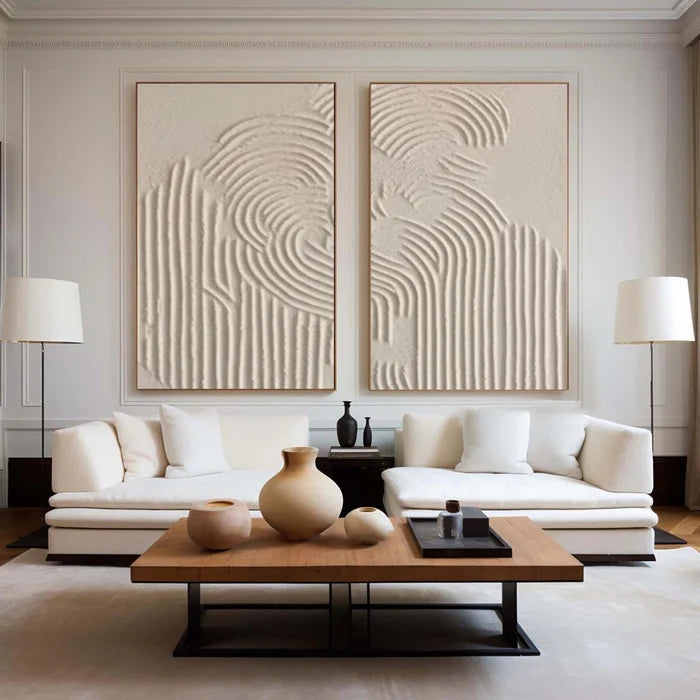
- Textured Canvases that add depth and dimension
- Bold Colors to energize and brighten any room
- Monochrome Designs for timeless elegance
- Geometric and Expressionist Styles offering unique perspectives
- Watercolor, Oil, and Mixed Media Options to suit different tastes
Every unique abstract art piece for sale in our collection reflects quality, originality, and creativity. Let Vinchy Art help you find the perfect artwork to complement your style, just like that.
But Why Abstract Art?
Ask yourself: do I love art that speaks to my soul?
If the answer’s yes, then abstract art is calling your name. Go for abstract pieces that break the mold, pieces that don’t tell you what to see but let you feel, imagine, and interpret.
Abstract art adapts, whether you need vibrant energy or calming sophistication. It’s art that adds meaning, depth, and elegance to your space. Just to make each room distinctly yours.
And you know what? Abstract art is preferred by 40% of art buyers for its ability to inspire without overwhelming. It invites personal connection and discovery with every glance. Now imagine your home filled with art that goes beyond decoration. Art that sparks conversation and brings an unmistakable touch of style.
With Vinchy Art, you bring home affordable, original abstract pieces crafted to elevate and personalize any space. Even if you abstract art for office decor, it won’t just fill the walls, but impact deeply.
Trust Vinchy Art For
Quality Craftsmanship
Every piece is crafted with precision and attention to detail. Vinchy Art ensures long-lasting beauty for your space. It’s art that stands out with quality you can see.
Affordable Luxury
Premium abstract art for sale without the high-end pricing. Vinchy Art offers affordable abstract art on the go. Luxury art is now accessible, just for art lovers like you.
Secure Shopping
Enjoy a worry-free shopping experience with secure payments. Vinchy Art prioritizes your privacy and safety at every step. Shop with complete confidence.
Original Pieces
Choose from curated art that’s unique and original. Vinchy Art offers one-of-a-kind pieces that express individuality. Art that speaks, designed to be truly yours.
Fast Delivery
Don’t wait weeks for your soul-touching, desired art to arrive. Vinchy Art provides quick, reliable delivery for every order. Enjoy your new abstract art piece in no time.
Frequently Asked Questions
What Types of Abstract Art Are Available at Vinchy Art?
Vinchy Art offers a wide variety of abstract art for sale, including abstract canvas art, abstract watercolor art, and abstract oil paintings. You’ll find colorful abstract art and black and white abstract art to fit any decor style. Our collection includes everything from modern abstract art to abstract expressionism art, so you find exactly what you love.
Can I Buy Custom Abstract Artwork from Vinchy Art?
Yes. Vinchy Art offers custom abstract artwork options to fit your specific needs and vision. Whether you’re looking for large abstract wall art for the living room or abstract art for office decor, custom pieces can be tailored in style, color, and size. Contact us to discuss your custom order and bring your ideal abstract vision to life.
What’s the Best Abstract Art for Minimalist Interiors?
Abstract art for minimalist interiors offers subtle beauty that complements rather than overwhelms your decor. Minimalist abstract art works well in spaces with clean lines and neutral tones. Vinchy Art provides a range of geometric abstract art and black and white abstract art that add sophistication to minimalist interiors.
What Mediums Are Used in Vinchy Art’s Abstract Collection?
Our collection features a variety of mediums, including abstract acrylic art, abstract mixed media art, and digital abstract art. Now, if you prefer texture, abstract canvas art and abstract oil paintings are popular choices. Each medium provides a unique look, which lets you find the right art that resonates with your style and space.
Where Can I Place Abstract Art in My Home or Office?
Abstract art for home decor and abstract art for office decor can enhance the aesthetics of any room. For instance, large abstract art pieces make a bold statement in living rooms. Whereas contemporary abstract wall art adds a modern touch to entryways and hallways. For workspaces, smaller abstract art paintings create a stylish, professional ambiance.