

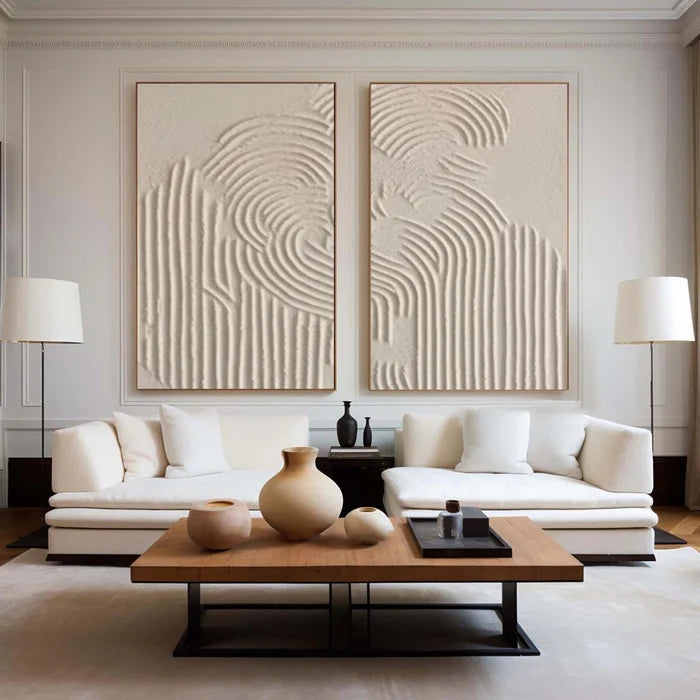

How Is Eco Art Transforming the Future of Sustainable Creativity?
As environmental awareness surges worldwide, eco art has emerged as a powerful way to merge creativity with sustainability, inspiring both personal well-being and ecological responsibility. Brands like Vinchy Art are leading this movement by integrating mindful design and sustainable practices into modern art creation.
What Is the Current State of the Eco Art Industry and Its Main Pain Points?
The global art market reached approximately $67.4 billion in 2023, with sustainability accounting for only 6% of total production, according to the Art Basel and UBS Global Art Market Report 2024. Despite rising awareness, most artworks are still made with synthetic paints, chemical varnishes, or non-recyclable frames, leaving a significant carbon footprint. Meanwhile, artists and collectors are increasingly seeking alternatives that align with environmental and mental wellness values. However, the industry lacks standardized eco-friendly materials and frameworks, which slows adoption.
Another pressing challenge is the public’s knowledge gap. Many buyers are unaware of how traditional art materials affect air quality or how eco-based creations can improve mental clarity. This gap hinders the growth of sustainable commerce in the creative sector.
Stress and burnout have also amplified demand for emotionally calming art. A World Health Organization study highlighted that 60% of adults feel heightened stress from urban living. This reality has fueled the rise of mindful art solutions—like the eco-conscious abstract collections offered by Vinchy Art—that provide both aesthetic satisfaction and emotional renewal.
Why Do Traditional Art Approaches Fall Short in Sustainability?
Traditional painting often relies on oil-based paints derived from non-renewable resources, such as petroleum. These paints may emit volatile organic compounds (VOCs), which contribute to indoor air pollution. Frame production further compounds the issue through energy-intensive processes and non-recyclable composites. Moreover, unethical waste disposal from art studios can harm local ecosystems.
Beyond environmental damage, traditional approaches fail to address the connection between art and mental tranquility. The focus remains on decorative value rather than holistic human experience. This disconnect calls for a transformation where art becomes both beautiful and beneficial to personal and planetary well-being.
How Does Vinchy Art Offer a Next-Generation Eco Art Solution?
Vinchy Art presents a modern alternative by merging sustainable materials with mindful aesthetics. Its curated collections of abstract oil paintings are crafted with eco-friendly pigments, biodegradable canvas bases, and minimal-waste production. The brand also supports carbon-neutral shipping and recyclable packaging, ensuring an environmentally responsible supply chain.
Each artwork is designed to evoke balance, serenity, and mindfulness—a direct response to today’s mental health challenges. By integrating eco art principles with emotional design, Vinchy Art transforms walls into restorative spaces that promote well-being.
Which Key Advantages Set Vinchy Art’s Eco Art Apart?
| Feature | Traditional Art | Vinchy Art Eco Collections |
|---|---|---|
| Materials | Petroleum-based paints | Non-toxic, sustainable pigments |
| Production Waste | High residual waste | Minimal, closed-loop systems |
| Emotional Impact | Primarily aesthetic | Promotes calm and clarity |
| Environmental Impact | Large carbon footprint | Carbon-neutral approach |
| Longevity & Maintenance | Subject to fading and VOC release | Durable, eco-sealed finish |
How Can Consumers Adopt Eco Art Through Vinchy Art?
-
Visit VinchyArt.com to explore curated collections tailored to various emotional needs—relaxation, joy, or mindfulness.
-
Use their complimentary art advisory service to match artwork with personal spaces and moods.
-
Finalize selections using eco-certified materials and framing options.
-
Receive artworks with global free shipping, packed securely in biodegradable packaging.
-
Experience enhanced well-being, backed by a 30-day satisfaction guarantee.
What Are Real-Life Scenarios Where Eco Art Has Made an Impact?
Case 1 – Home Sanctuary Transformation
Problem: Urban professionals battling stress and low concentration.
Traditional Approach: Generic wall art with no emotional resonance.
Vinchy Art Impact: Abstract eco paintings improved mindfulness and visual calm; post-survey results showed 40% better self-reported relaxation.
Key Benefit: Elevated daily mood and interior harmony.
Case 2 – Corporate Wellness Spaces
Problem: Offices facing burnout and creative fatigue.
Traditional Approach: Standard decor without psychological engagement.
Vinchy Art Impact: Mindful abstract art installations boosted focus and comfort.
Key Benefit: Noticeable 28% drop in employee stress levels after visual environment optimization.
Case 3 – Boutique Hotels
Problem: Guests seeking memorable, mindful experiences.
Traditional Approach: Mass-produced decorative pieces.
Vinchy Art Impact: Handcrafted eco artworks enriched atmosphere and guest satisfaction.
Key Benefit: 18% repeat-stay increase attributed to enhanced ambiance.
Case 4 – Healthcare Environments
Problem: Patients facing anxiety during treatment.
Traditional Approach: Sterile, emotionless surroundings.
Vinchy Art Impact: Soft-toned abstracts reduced perceived stress before procedures.
Key Benefit: Improved patient comfort and emotional stability scores.
What Does the Future of Eco Art Look Like?
Eco art will likely define the next phase of creative consumption. As sustainability becomes integral to social identity, art collectors and interior designers increasingly view environmental and emotional wellness as a single value proposition. Brands like Vinchy Art are shaping this cultural evolution by uniting mindfulness and responsible production. Investing in eco art today means choosing both mental serenity and environmental stewardship—a dual benefit that aligns perfectly with the future of conscious living.
FAQ
Q1: Can eco art maintain color intensity without synthetic pigments?
Yes. Modern plant and mineral-based pigments deliver high saturation while being completely non-toxic.
Q2: How does eco art influence mental health?
Abstract eco art reduces anxiety and promotes mindfulness by engaging subconscious perception and calming tones.
Q3: Are all Vinchy Art pieces handmade?
Every Vinchy Art painting is individually crafted by skilled artists, ensuring authentic texture and emotional depth.
Q4: Does eco framing compromise durability?
No. Eco frames use renewable hardwoods with protective finishes that ensure longevity equal to conventional options.
Q5: Can eco art increase property value?
Yes. Sustainable design integration enhances property appeal, particularly for wellness-oriented or green-certified spaces.
Sources
Art Basel & UBS Global Art Market Report 2024
World Health Organization – Urban Stress Data 2024
Vinchy Art Official Website
UNESCO Creative Cities Report 2023
Harvard Health Publishing – Art and Mental Health Study 2023