

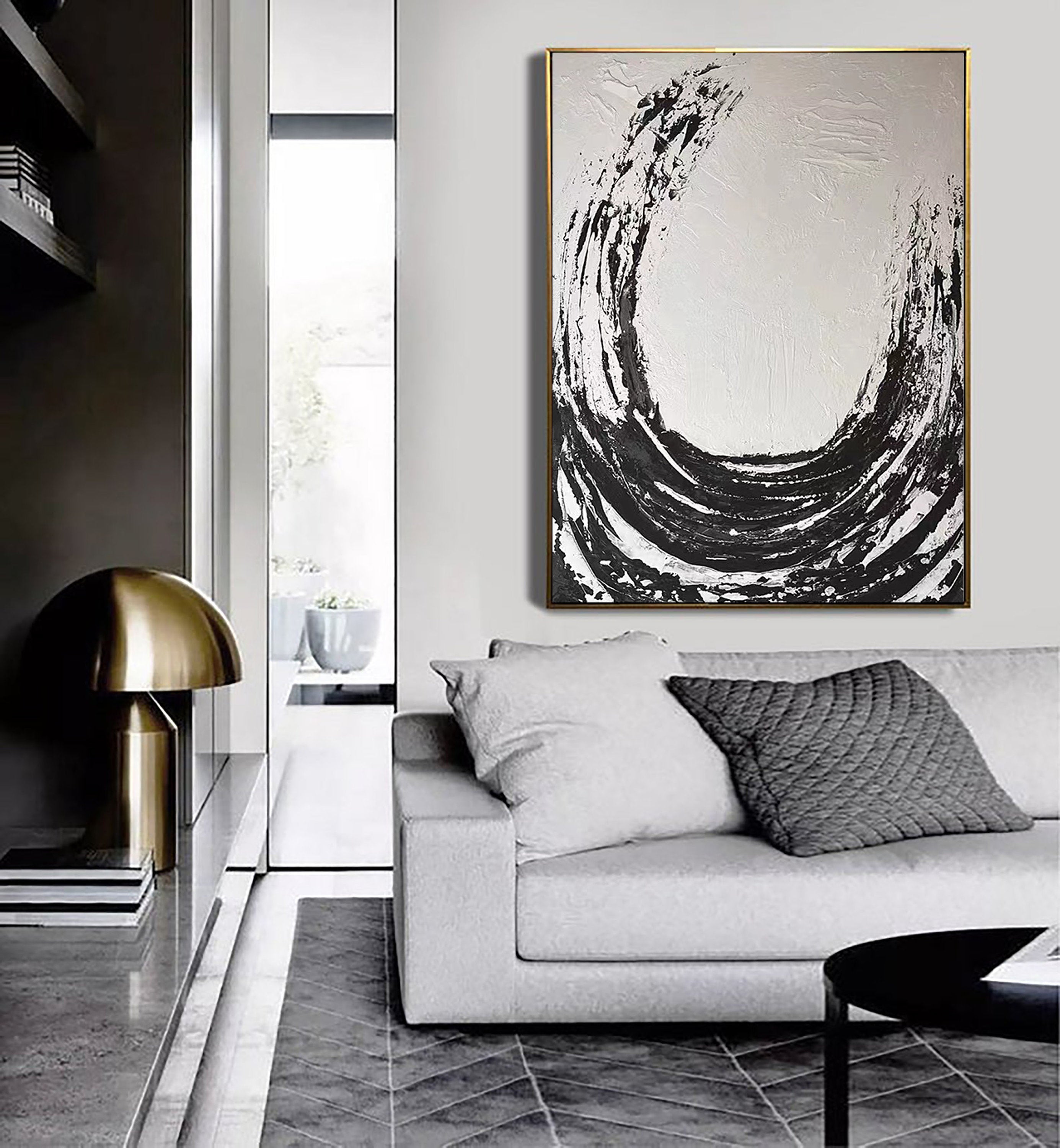
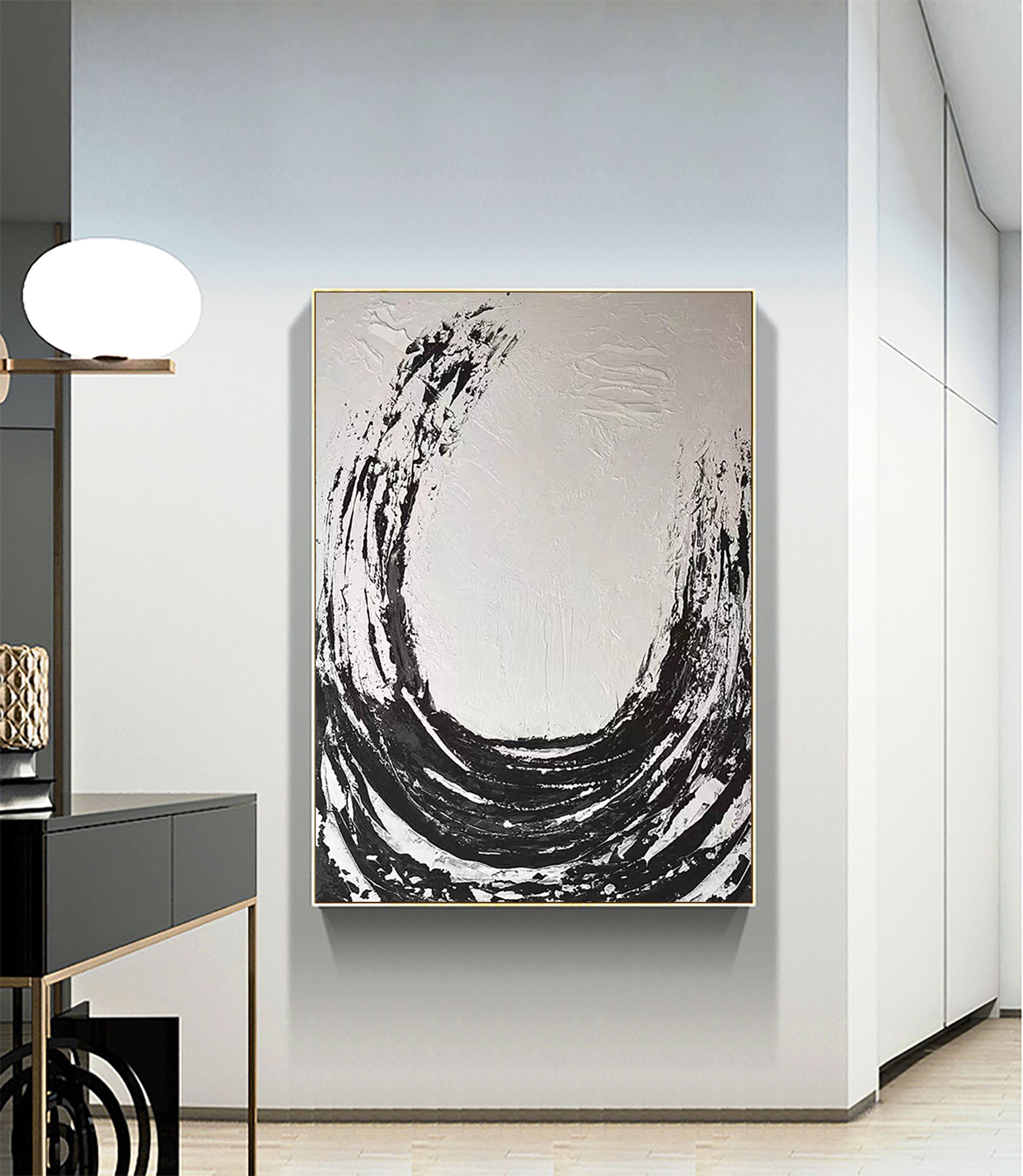
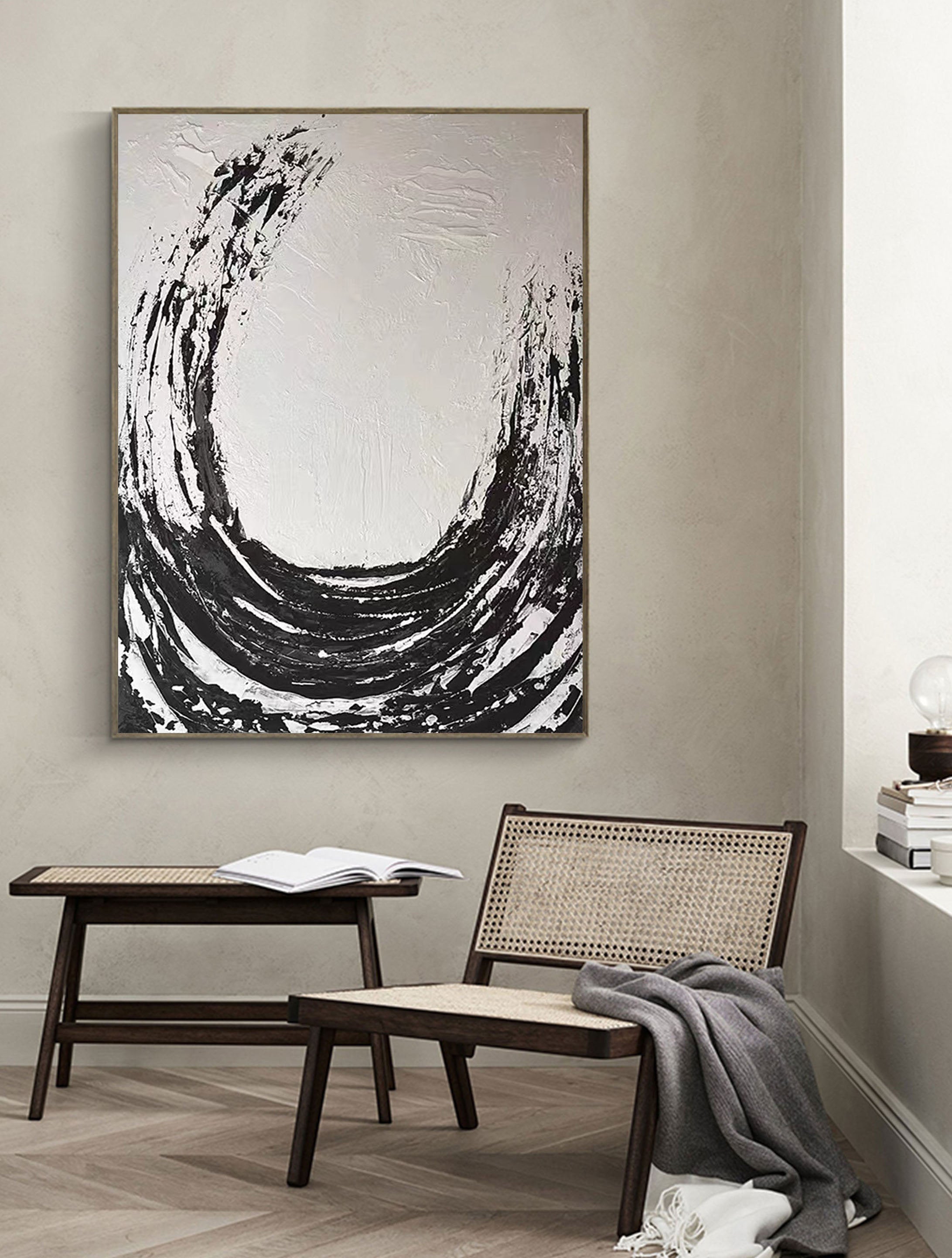
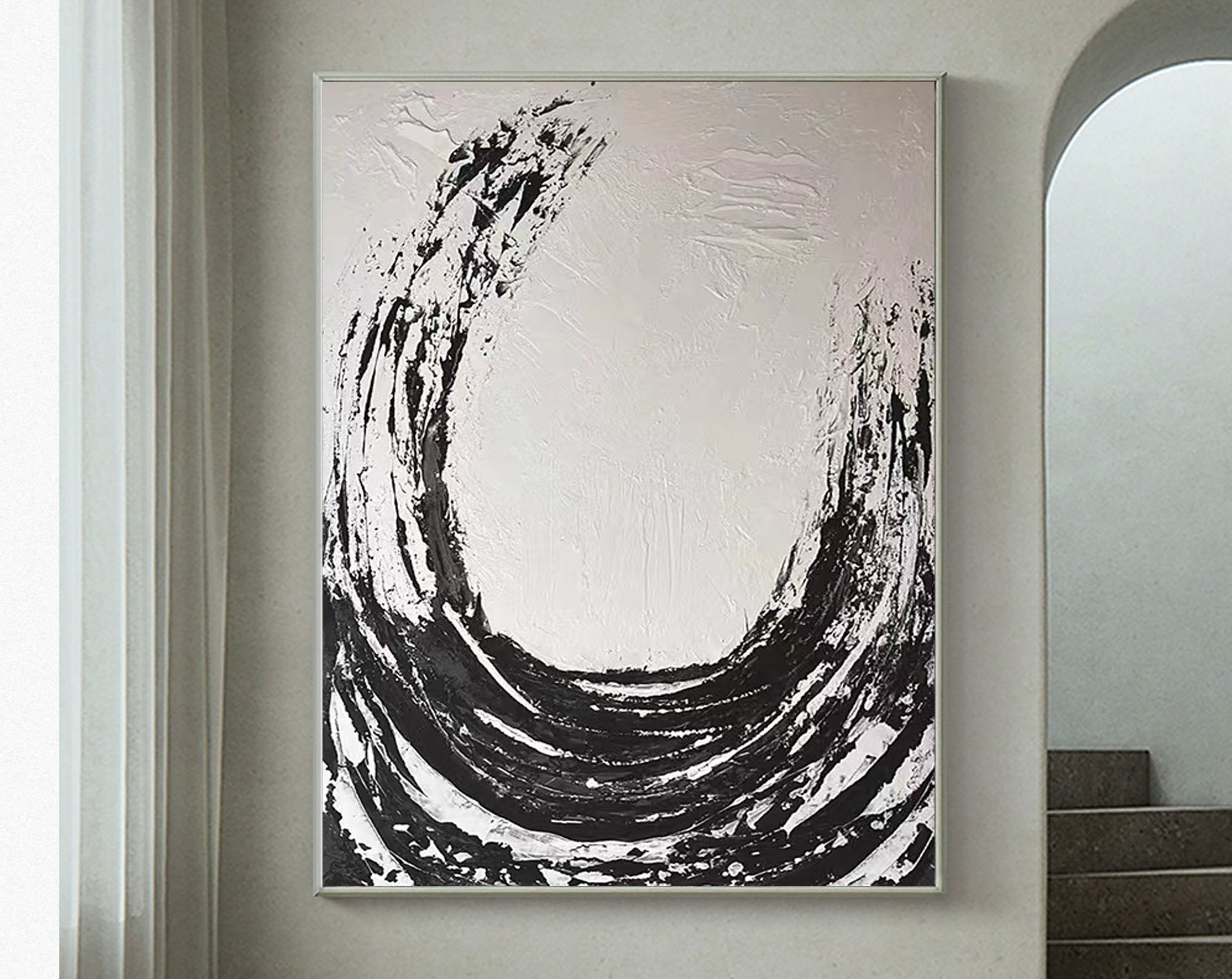
Black White Textured Minimalist Wall Art #MZ047
Shipping and tariffs included for delivery to United States*

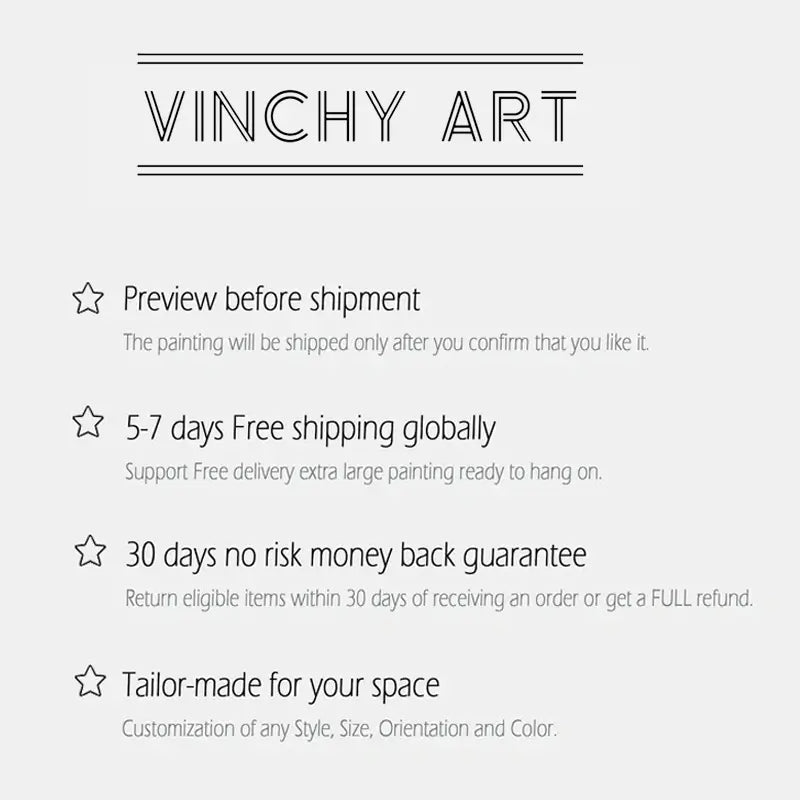
Review photos before it ships.
Delivered in 3–7 days after approval.
Framed art hangs easily in minutes.
Simple returns within 30 days of delivery.
Artwork Specifications
- Availability: Made-to-order
- Creating time: 1 week by 100% hand-painted
- Shipping time: Generally 3-7 days by FedEx/DHL
- Cost to ship: Free
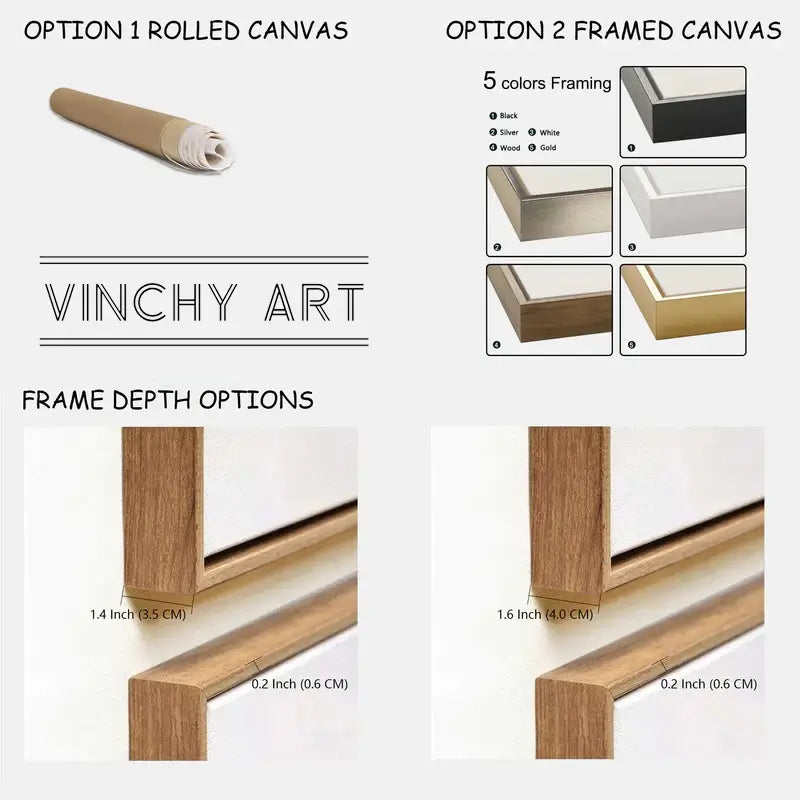
- Framing: Rolled/Frameless/Framed
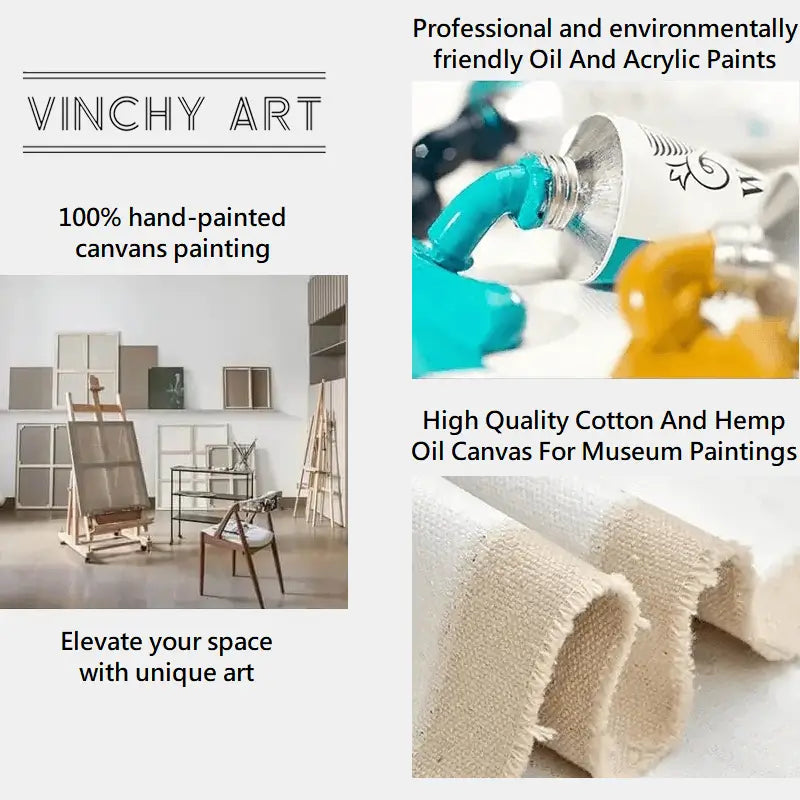
- Material: Professional oil/acrylic paints, high-quality linen canvas. Waterproof and moisture-proof.
- Packing: Rolled canvas shipped in a quality hard paper tube; framed canvas shipped in a quality wooden box
- Signature: Sign by the artist on the front at the lower right corner when the customer requires
Artwork Features
- Handcrafted by the artist of the original painting
- Durable & non-toxic paint on cotton canvas, each piece from Vinchy Art guarantees long-lasting quality without the risk of warping or sagging.
- Effortlessly lightweight and designed for easy installation, our framed artworks arrived with hanging hardware.
- Fully insured free express shipping by DHL/FEDEX, you don't need to worry about shipping damage issue!
- Make a lasting impression on your guests with these captivating pieces that are sure to leave them in awe! Elevate your surroundings with the timeless charm of Vinchy Art's exceptional wall art!
Customization
Custom size is available, please send it to us via email (info@vinchyart.com) or WhatsApp (+1 725 315 1779) for a quote, we would reply you in 12 hours.
100% Hand Painted
- Every painting is guaranteed hand painted and signed by Vinchy Art artist.
- The painting will be shipped upon satisfaction confirmation. We'll ship your artwork right after you confirm you're happy with it.
- The oil paintings are 100% handmade. Due to the nature of hand - made work, there may be slight differences between each painting and the original.
Pursue 100% Satisfaction
- Every artwork is meticulously crafted exclusively for you! The creating process takes 1 week, but rest assured, fine art are worth the anticipation.
- After your painting is completed, we will share your photo of the completed painting. This allows you to express your preferences regarding colors and shades.
- The artist will implement any necessary adjustments until you are entirely satisfied with your masterpiece.
- Only when it meets your approval will we swiftly dispatch it to you via FedEx/DHL! Your satisfaction is our priority.
30 Days Risk-Free Returns and Exchanges
- We will always make sure you are satisfied with your purchase.If you are not satisfied with your purchase, you can return eligible items within 30 days of receiving an order to get a FULL refund.
- We offer complimentary exchange for damaged item. If you have a damaged item during transportation, we thoroughly apologize, and ask that you send us a message and include your order number and a photo of your damaged artwork.Let us deal with courier companies.we will ship out the replacement just in a few days.
- Contact info@vinchyart.com if you need to return or exchange your order.
Choose options
Shipping and tariffs included for delivery to United States*
100% Handmade Guarantee
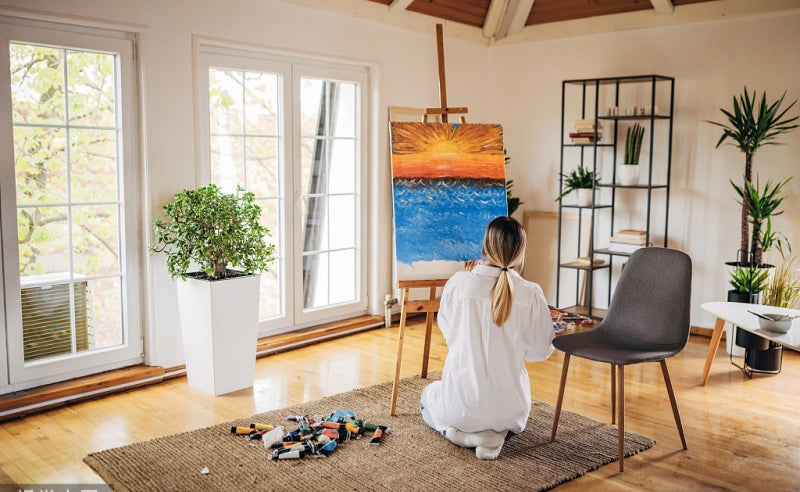
Every painting is guaranteed to be hand-painted by a Vinchy Art artist, ensuring gallery-quality craftsmanship. Experience the essence of art every time you enter your space.
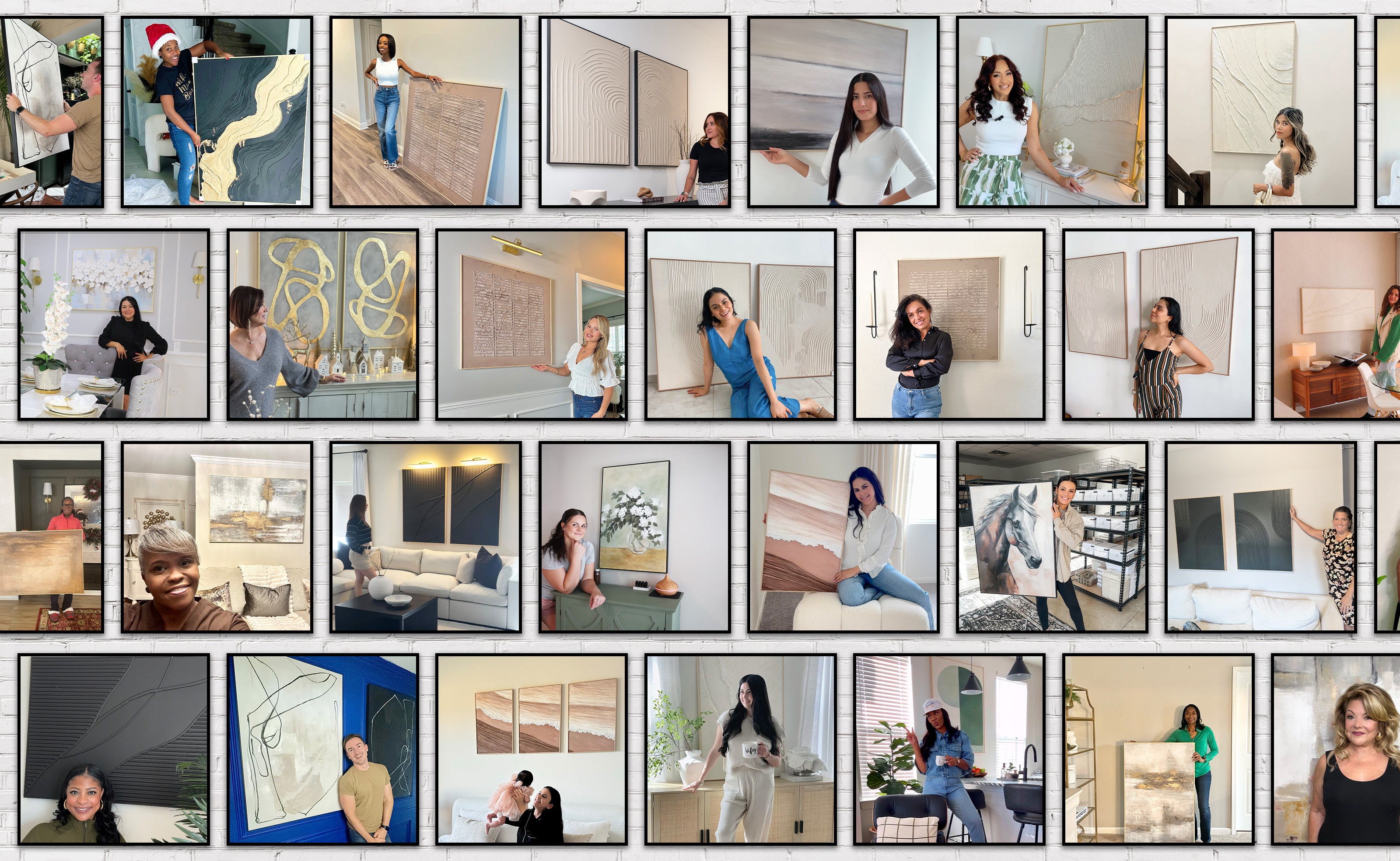
100% customer satisfaction
After the artist completes your artwork, we will send you photos for confirmation. If there are any modifications needed, please let us know. Our artists will continue to make adjustments until you are satisfied. In the event that we cannot meet your requirements, we offer a full refund.
⭐⭐⭐⭐⭐3500+ Five-Star Reviews

3-7 days express delivery
After painting approved and shipped, DHL, UPS or FedEx will deliver it to your doorstep within 3-7 days. We strive to ensure a seamless shopping experience for you, from start to finish.
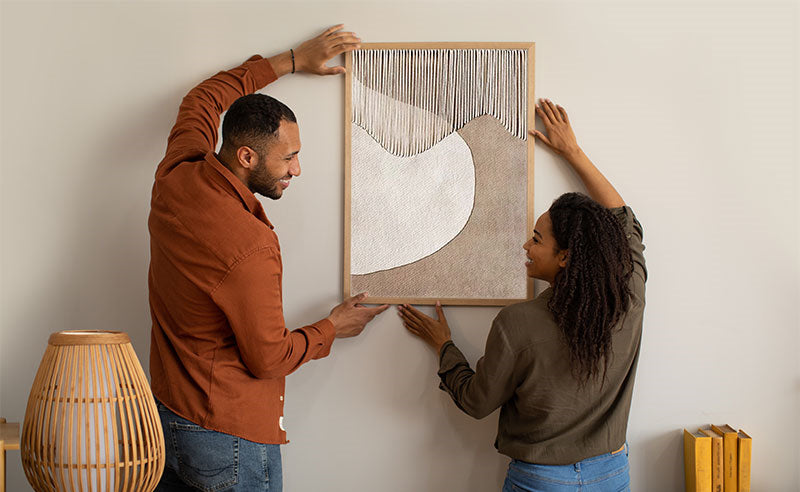
Easy to hang
For orders that include frames, the frames have hanging devices in all directions and we will supply the hanging tools, so you can effortlessly and securely hang your artwork as vertically or horizontally as you wish.
about artist
Sami Min

Sami Min is a highly talented and visionary painting artist hailing, celebrated for her distinctive and enchanting minimalist style. With an unwavering focus on simplicity and an innate ability to communicate profound emotions through sparse and deliberate brushstrokes, Sami's art captivates viewers with its serene elegance and timeless allure.

Gallery Quality
Created by veteran artist