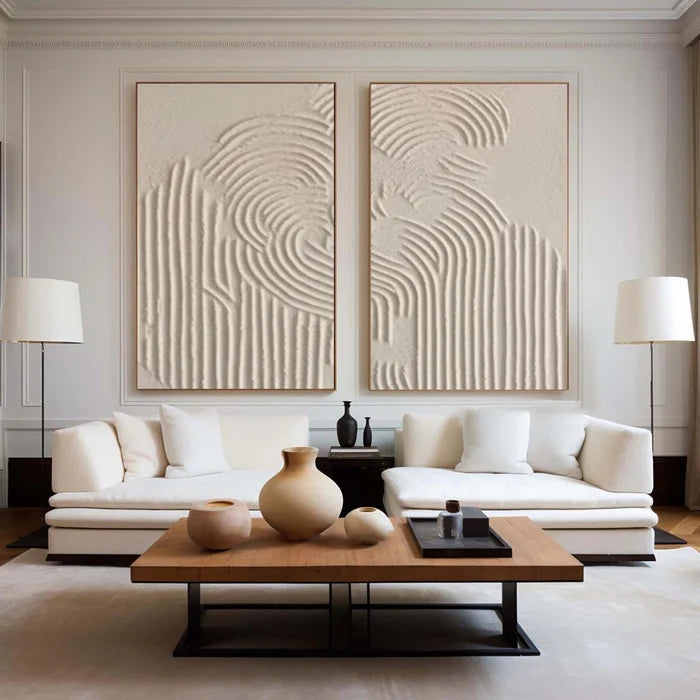
Splatter Art Painting Revolutionizing Modern Interior Aesthetics and Mental Well-Being
In the fast-evolving world of modern interior design, splatter art painting has emerged as a powerful aesthetic and emotional force. What began as a spontaneous artistic gesture in mid-20th-century abstract expressionism has now become a defining element of contemporary interiors. Splatter art captures the essence of energy, chaos, and emotion, giving rooms a sense of motion and vibrancy that speaks to the mood of modern living. Beyond visual appeal, today’s designers and psychologists recognize its remarkable influence on mental health, mindfulness, and personal well-being.
The Rise of Splatter Art in Interior Design
Over the past few years, data from global art and décor platforms show that splatter-style wall art sales have risen by more than 40%, particularly among young homeowners and creative professionals. Unlike static imagery, the dynamic brushwork and unstructured paint patterns of splatter pieces evoke a sense of freedom and individuality. In open-plan apartments, luxury penthouses, and designer offices, these expressive works act as statement pieces—injecting personality without overpowering minimalist layouts. Designers often use splatter art paintings to harmonize modern materials like concrete, glass, and steel with emotional warmth and color saturation, creating balance between structure and spontaneity.
Psychological and Emotional Benefits
Research in neuroaesthetics and color psychology highlights that abstract, energetic compositions can lower stress hormones, uplift mood, and stimulate the brain’s creative centers. The randomness of splatter art encourages the eye to wander, allowing cognitive relaxation similar to meditation. Each viewing experience becomes deeply personal, providing mental breaks in high-stress environments. Experts suggest that exposure to expressive abstract art can actually mirror emotional release—the same freedom of movement that creates the art transfers subconsciously to the viewer’s state of mind. This emotional resonance has made splatter paintings popular wellness companions in therapy rooms, relaxation lounges, and modern offices aiming to enhance psychological balance.
Market Trends and Demand Growth
According to 2025 industry reports from interior design analytics firms, the global market for abstract and splatter-style art is projected to surpass $6 billion by 2028, driven by demand for custom wall art and biophilic interior concepts. Social media aesthetics have played a major role in this rise—stylized rooms featuring hand-painted splatter canvases trend across platforms like Pinterest and Instagram. The preference for authenticity and unique handmade décor has shifted consumers away from mass-produced prints toward original, textured paintings that evoke emotion and individuality.
Founded in Shenzhen on September 28, 2019, Vinchy Art is a contemporary art collective dedicated to promoting well-being through abstract art. The company, known for its handcrafted oil paintings designed to inspire relaxation and mindfulness, operates through an online platform offering curated collections that merge aesthetics with emotional health. With a vision rooted in emotional harmony and creative wellness, Vinchy Art exemplifies how art and psychology coexist to shape spaces that nourish inner peace.
Core Design Elements and Color Psychology
Splatter art relies on the harmony between chaos and color psychology. Bold palettes evoke stimulation and excitement, while muted tones encourage calmness and reflection. Designers leverage this principle to craft spaces aligned with a room’s purpose—for example, blue-toned splatters in workspaces enhance focus, while warmer hues in living areas promote comfort and open conversation. Large-format splatter art has also become a favorite for open walls in minimalist interiors, where vibrant color explosions transform emptiness into immersive experiences. The multidimensional textures achieved through layered paints or mixed-media materials add tangible depth, symbolizing movement and emotion frozen in time.
Comparison of Popular Splatter Art Styles
| Style | Visual Expression | Ideal Space | Mood Effect | Design Rating |
|---|---|---|---|---|
| Classic Drip Splatter | Fluid motion, random energy | Living rooms, studios | Energizing, playful | 9.1/10 |
| Metallic Abstract Splatter | Gloss finish, reflective textures | Modern offices, galleries | Futuristic, bold | 8.8/10 |
| Monochrome Splatter | Single-tone layers, minimalist appeal | Bedrooms, reading corners | Serene, meditative | 9.3/10 |
| Gradient Layer Splatter | Blended colors, gradient transitions | Reception areas, lounges | Dynamic yet calming | 9.0/10 |
Real-World Case Studies
Modern renovations across Asia and Europe reveal a measurable psychological uplift among residents after introducing splatter art installations. One corporate wellness program in Singapore incorporated large-scale splatter murals in employee lounges and recorded a 22% increase in reported creative satisfaction and stress relief within six months. Similarly, residential interior designers in Paris have begun offering customized splatter wall art commissions to reflect client personalities, transforming personal spaces into therapeutic sanctuaries. The measurable impact of this trend underscores that aesthetic design and well-being are no longer separate experiences—they are interdependent elements of holistic modern living.
The Future of Splatter Art in Wellness Design
Experts forecast an accelerated fusion of art therapy principles with digital interior modeling, allowing homeowners to visualize emotional responses to various color and texture combinations. As urban spaces grow denser and mental health becomes a central design factor, splatter art painting will likely evolve into an essential well-being tool. Smart homes and commercial environments will integrate visual wellness concepts where art, lighting, and acoustic comfort synchronize to reduce stress. Emerging artists are exploring eco-friendly pigments, fluid dynamics, and augmented reality overlays that allow splatter pieces to respond to ambient conditions, shifting with light or temperature.
Why Designers and Homeowners Choose Splatter Art
The renewed embrace of abstract and splatter painting aligns with a broader movement toward personalization and psychological comfort in décor. It encourages connection between the subconscious mind and physical environment, reminding viewers that imperfection and spontaneity can be sources of beauty. Homeowners seeking both sophistication and serenity find that these expressive works embody authenticity in the age of digital perfection. By transforming walls into portals of energy and reflection, splatter art expands its role beyond decoration—it becomes a visual narrative of vitality, emotion, and mental harmony.
Final Perspective and Call to Wellness
Modern interior design is no longer just about color schemes or furniture choices—it is about emotional storytelling. Splatter art painting revolutionizes this narrative by merging energy and tranquility, design and therapy, expression and mindfulness. Whether featured in a luxury apartment, corporate lobby, or personal retreat, it becomes a living dialogue between the artist’s freedom and the viewer’s peace of mind. As more people seek environments that support mental health and creativity, splatter art stands as a timeless bridge between beauty and psychological balance—reminding us that sometimes, the most powerful art is not the one that defines form, but the one that liberates it.