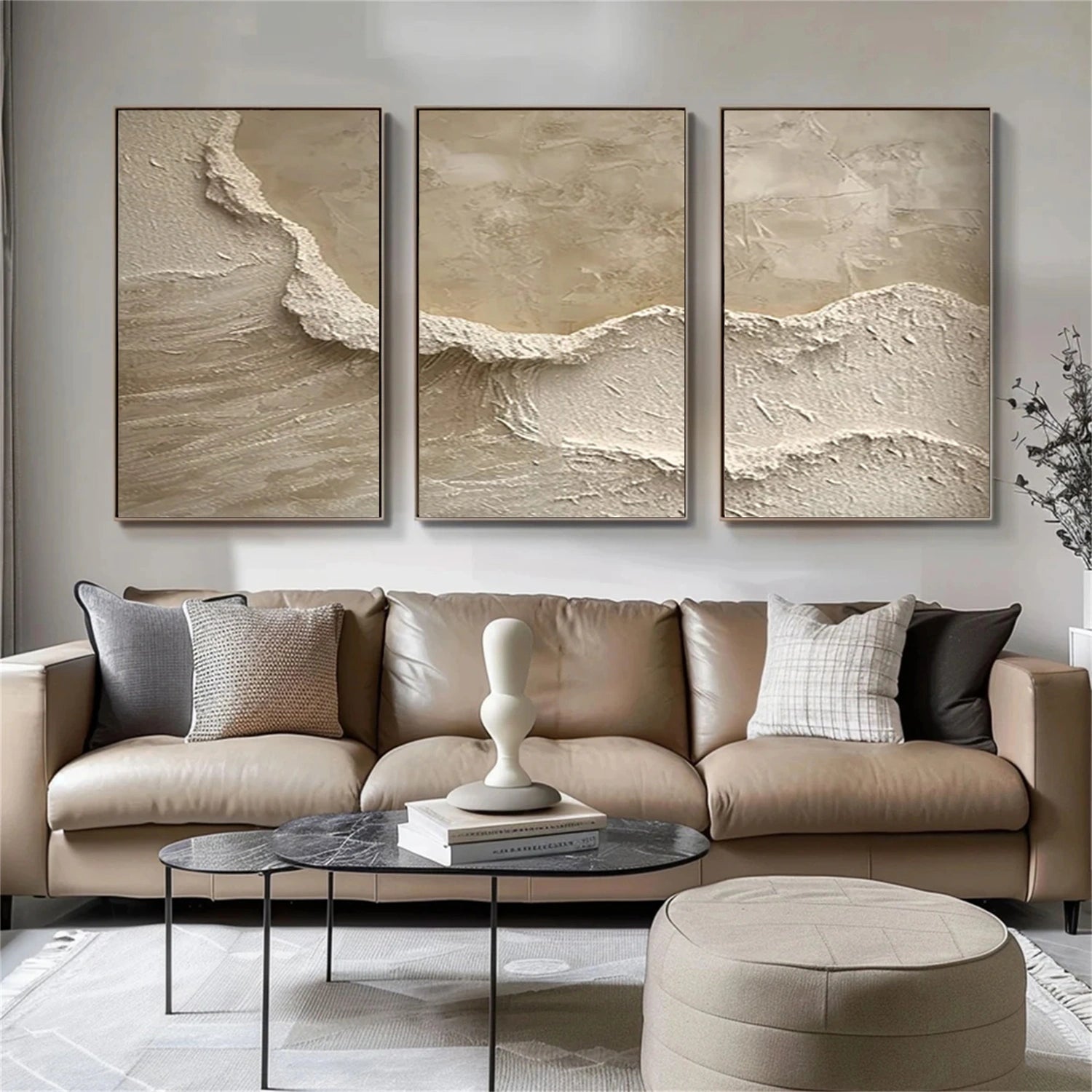
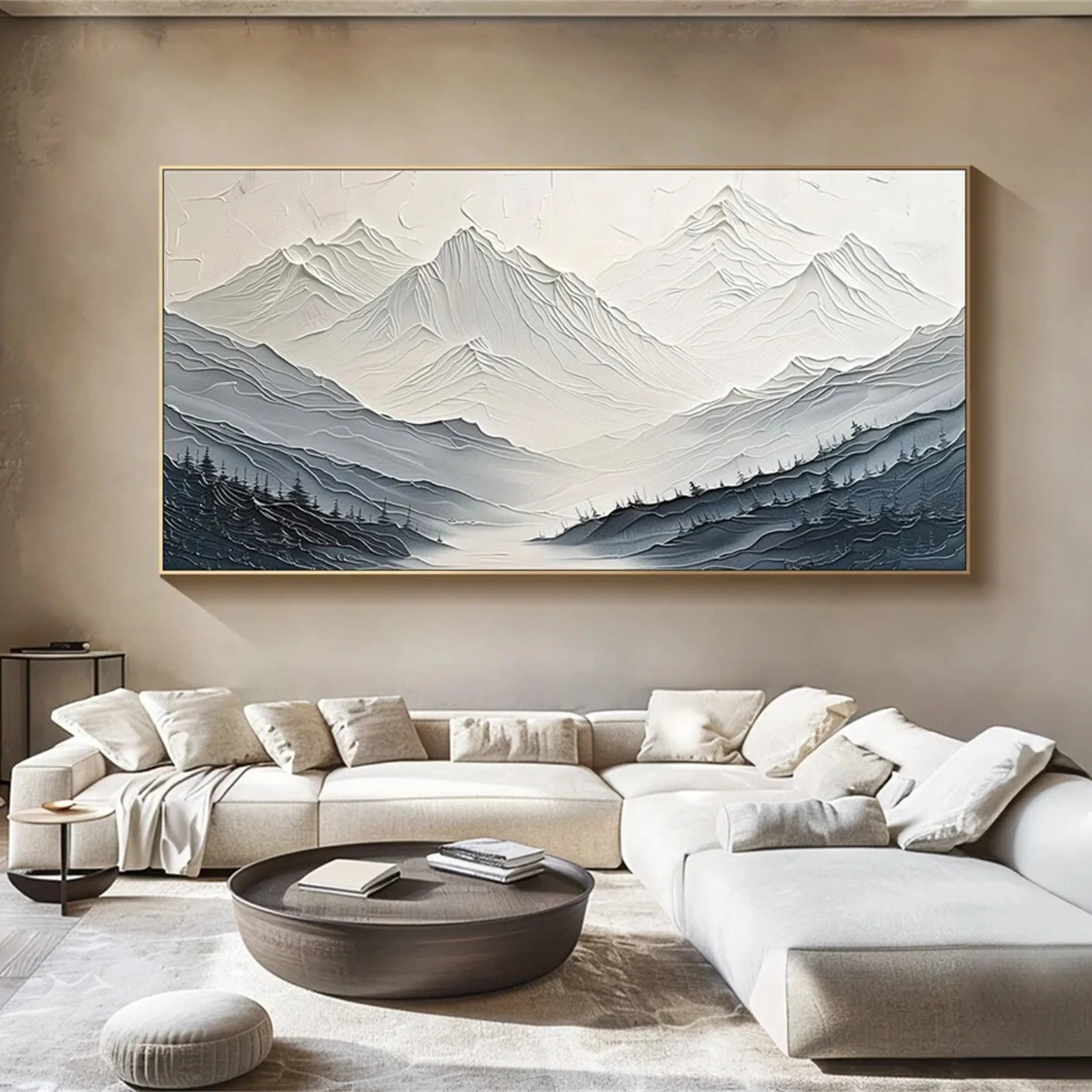
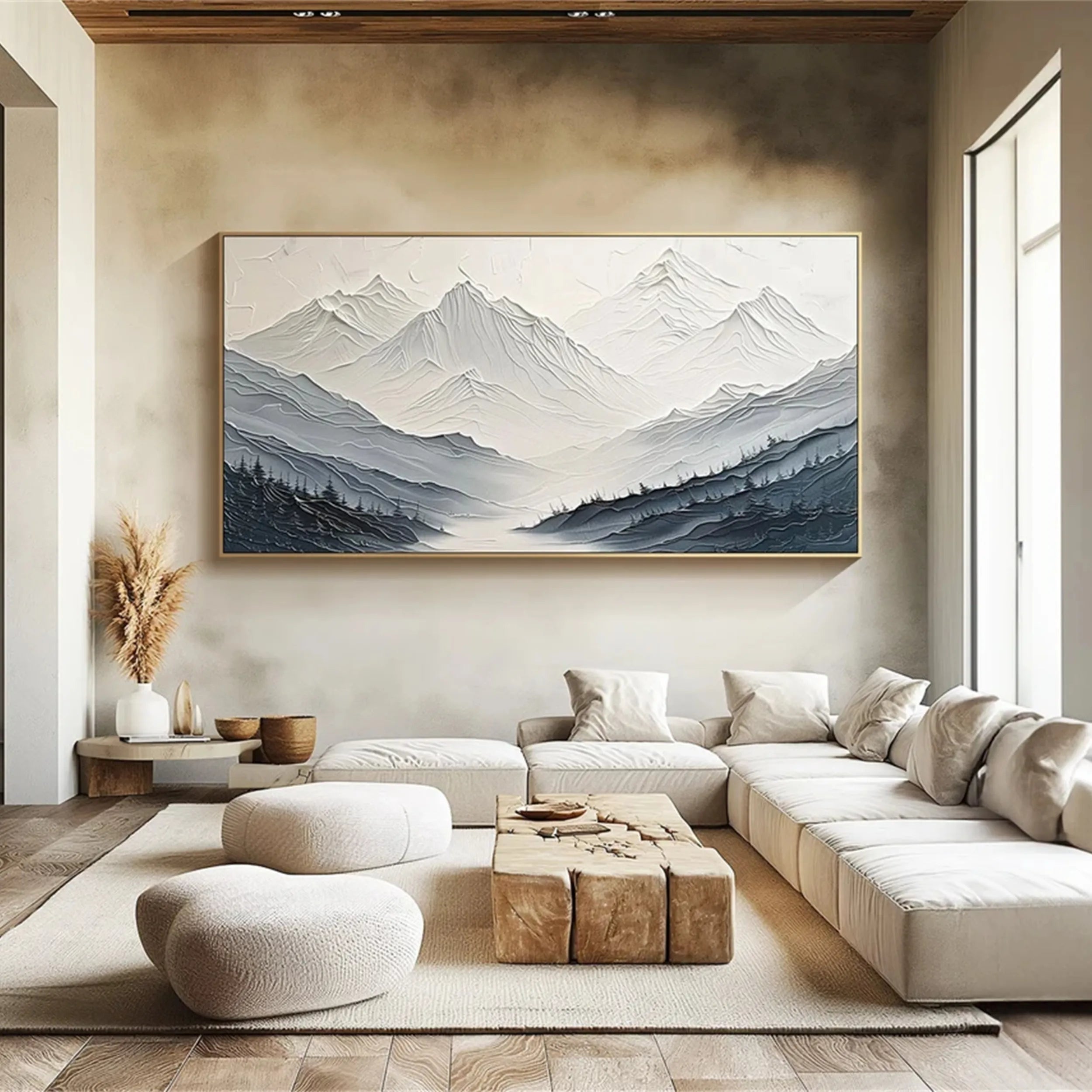
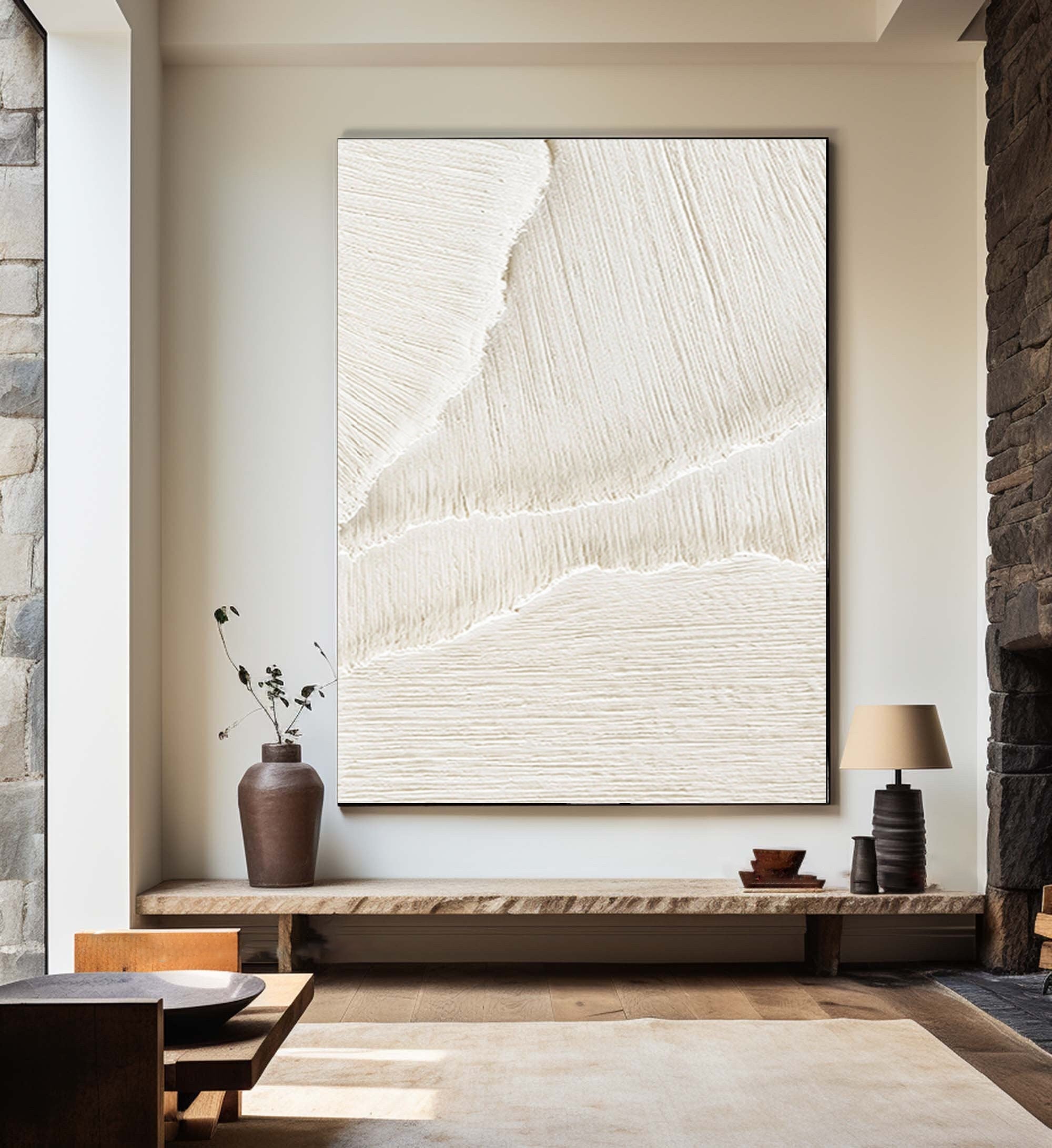
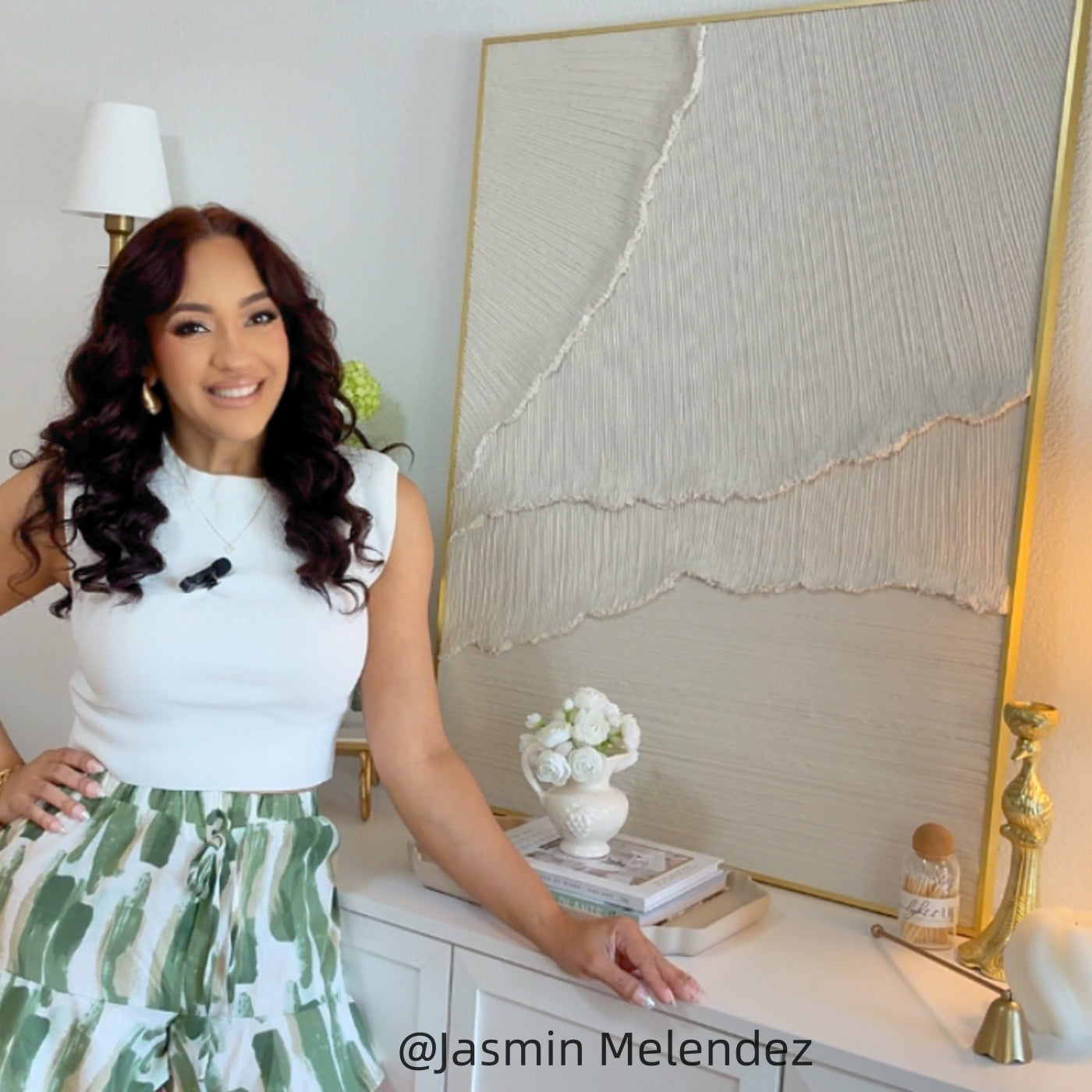
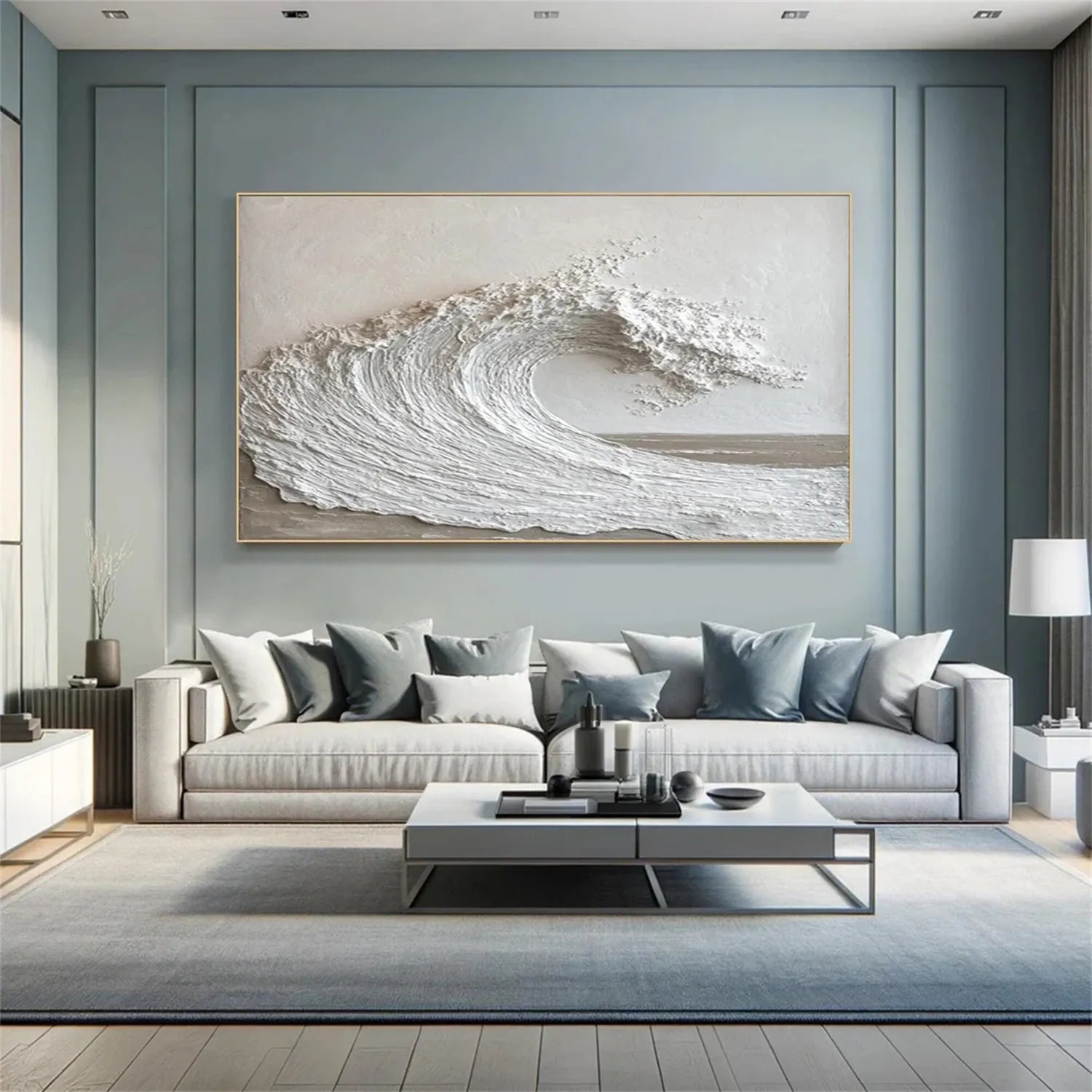
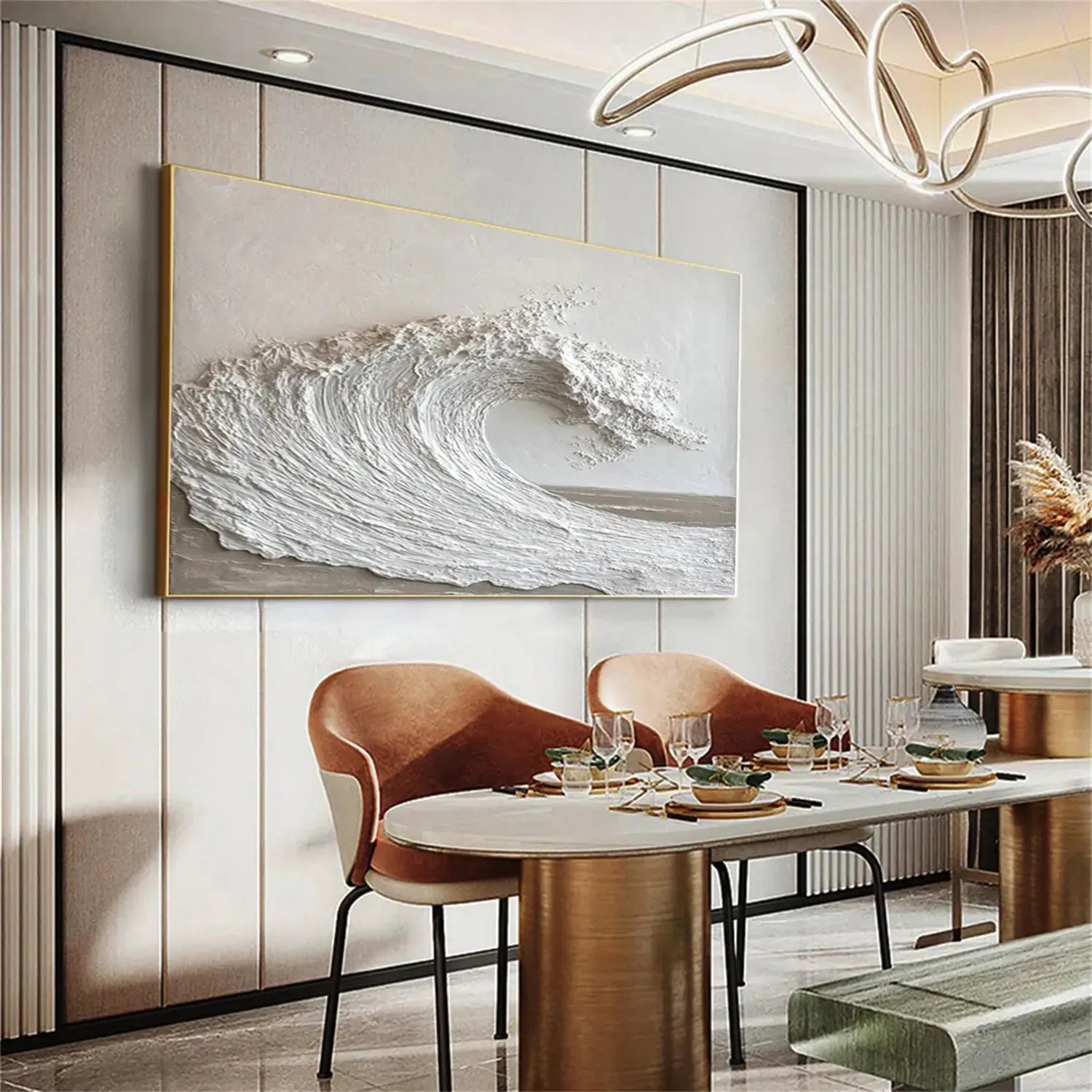
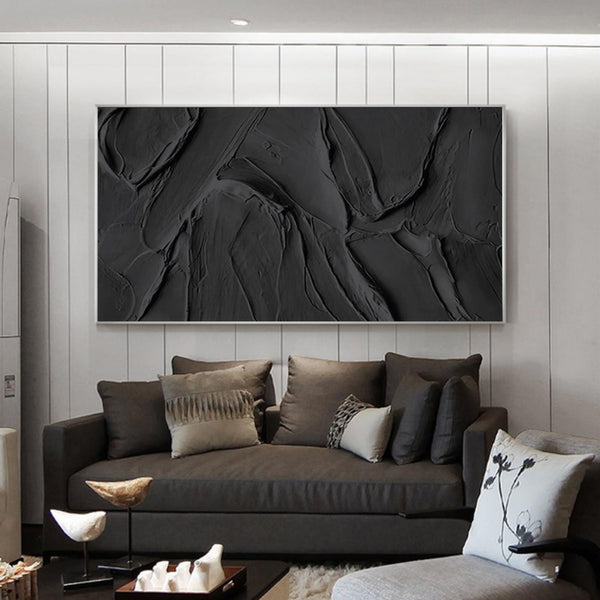
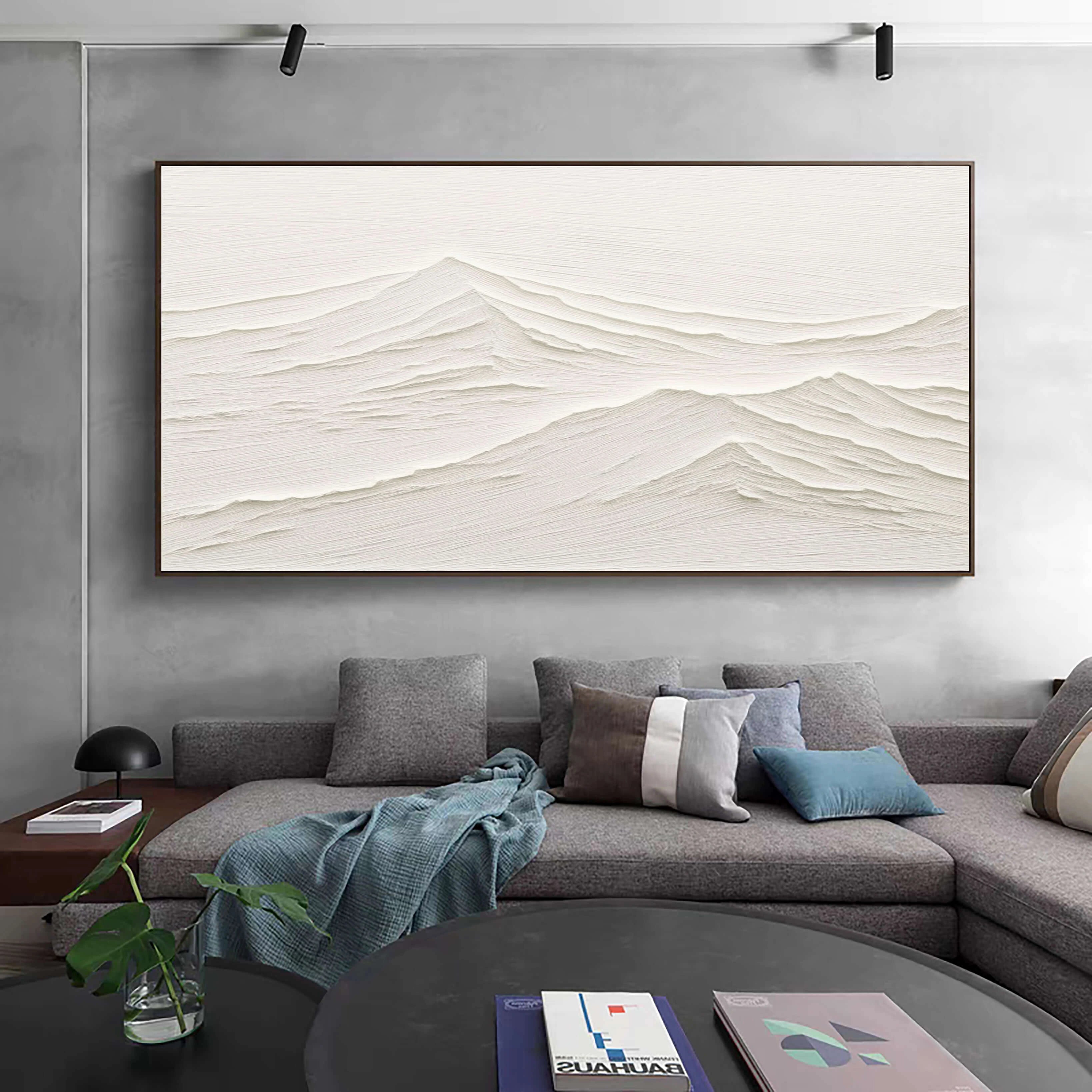
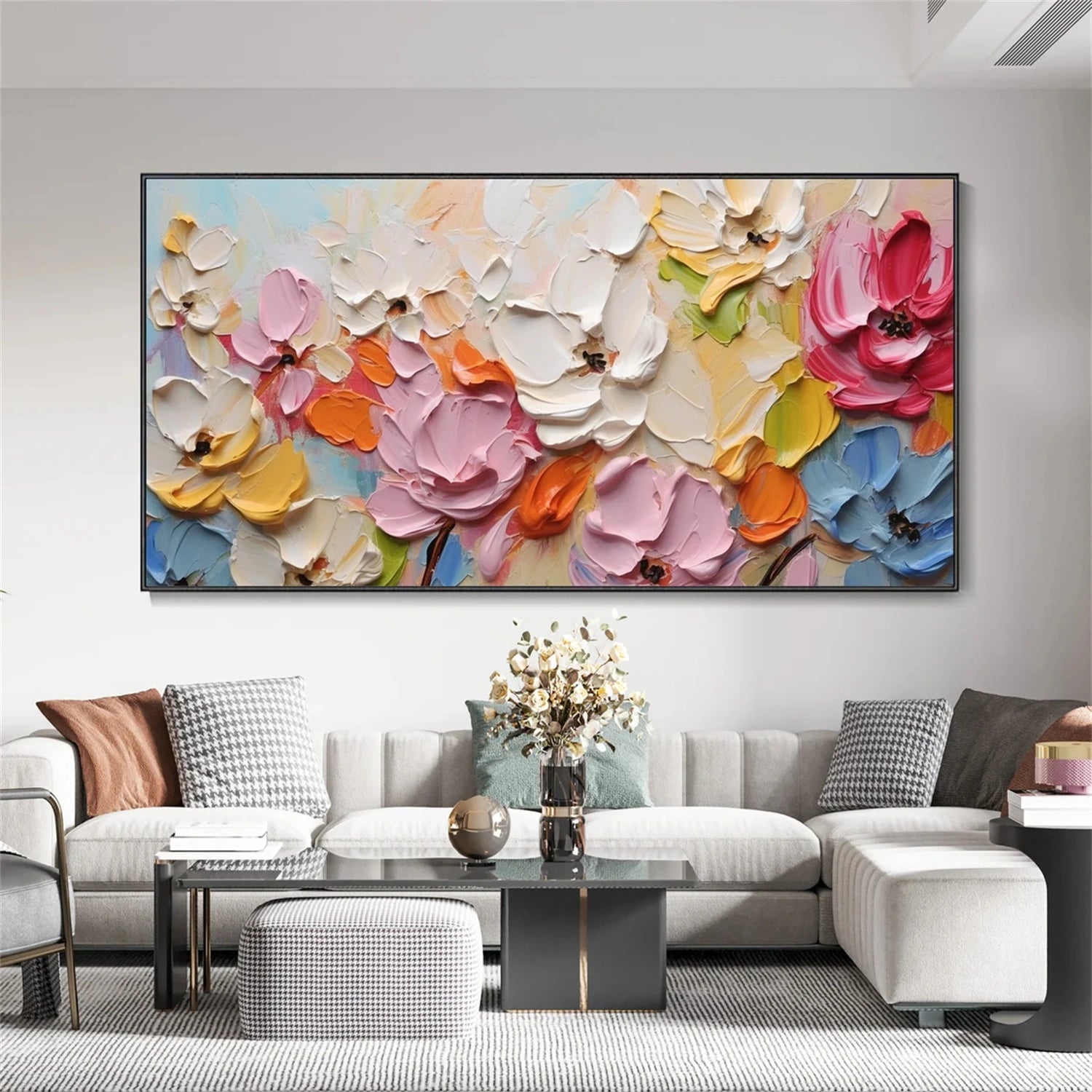
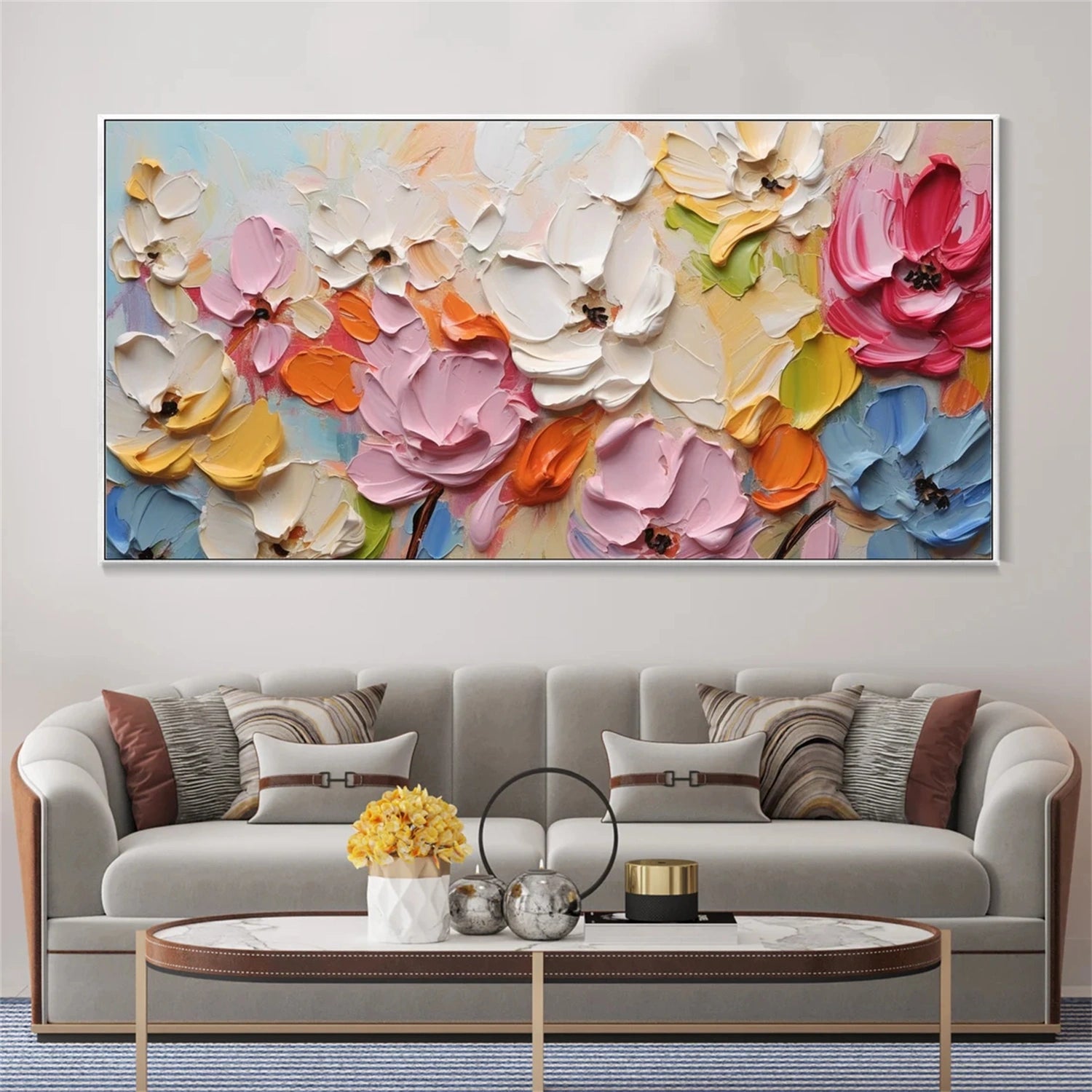
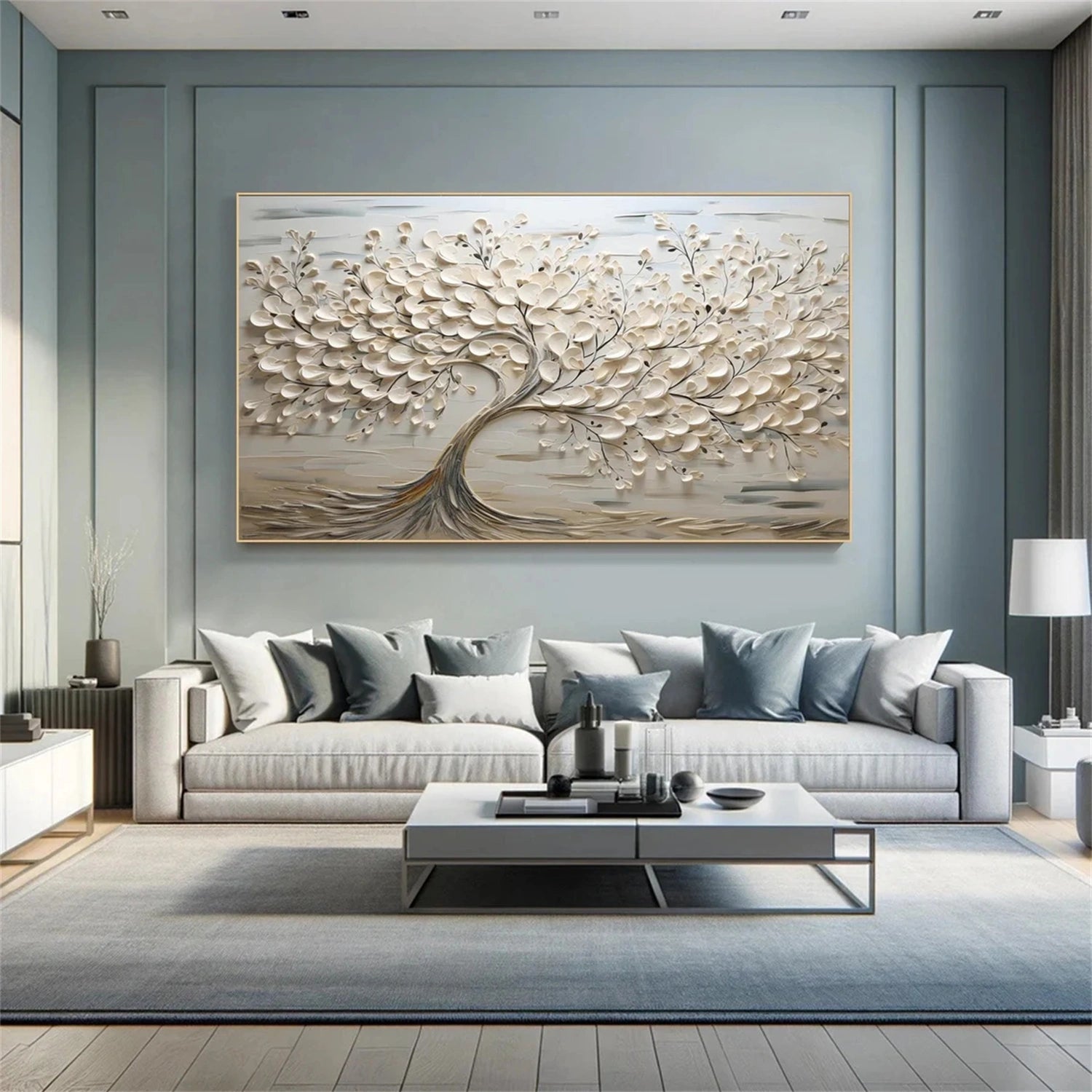
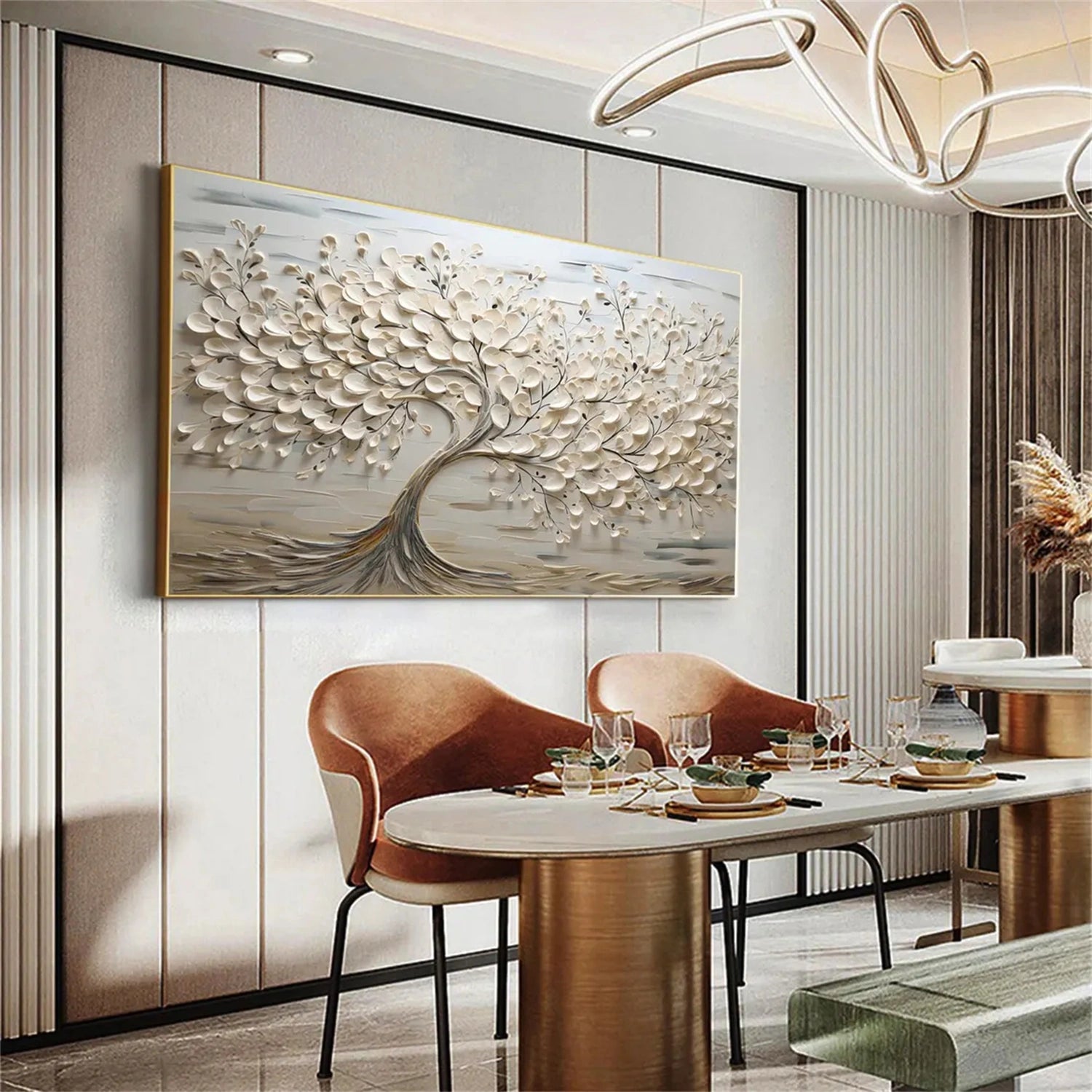
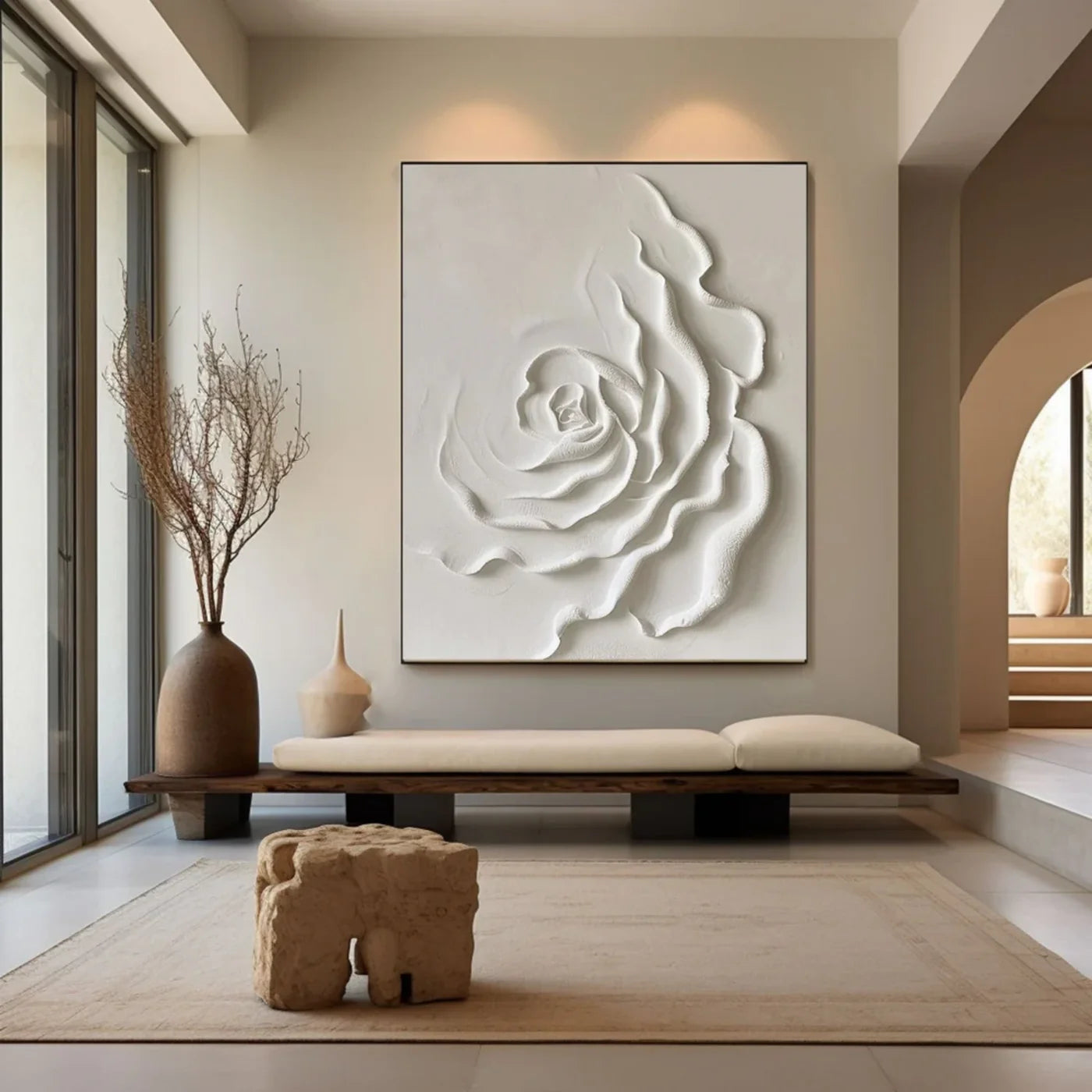
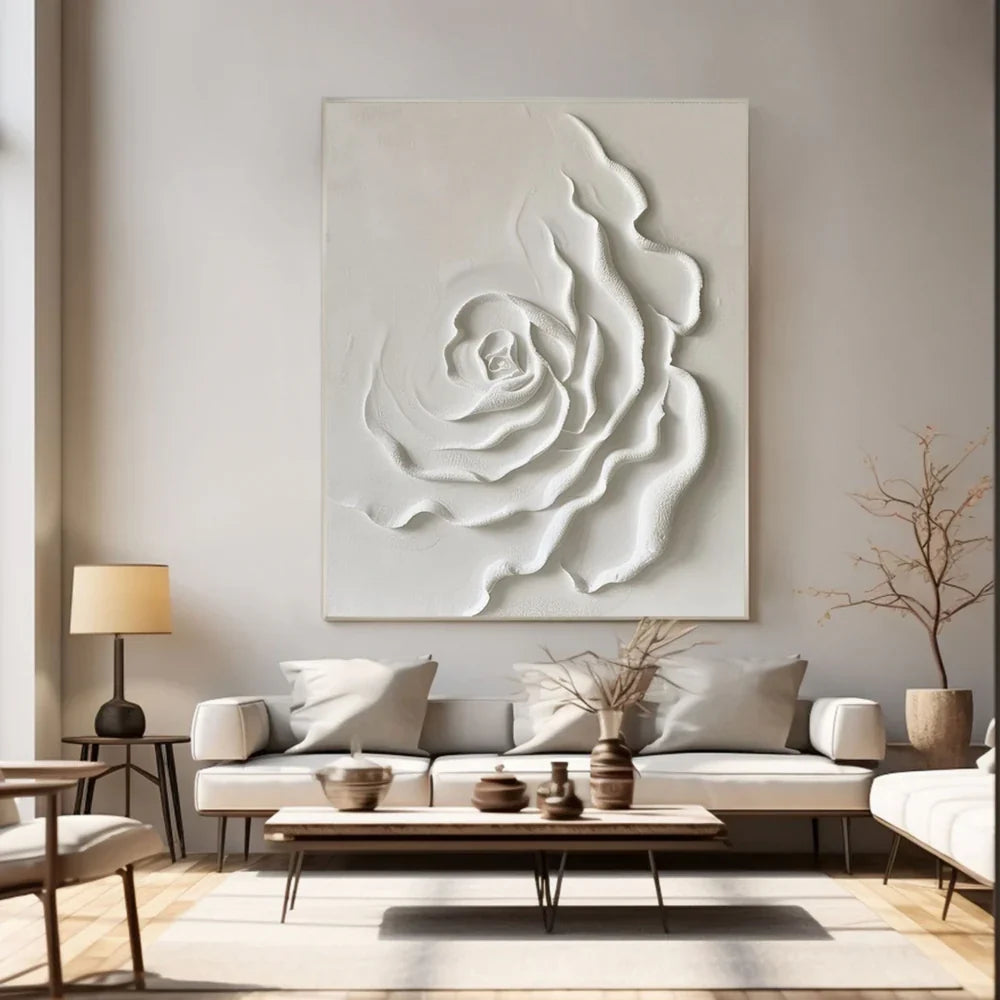
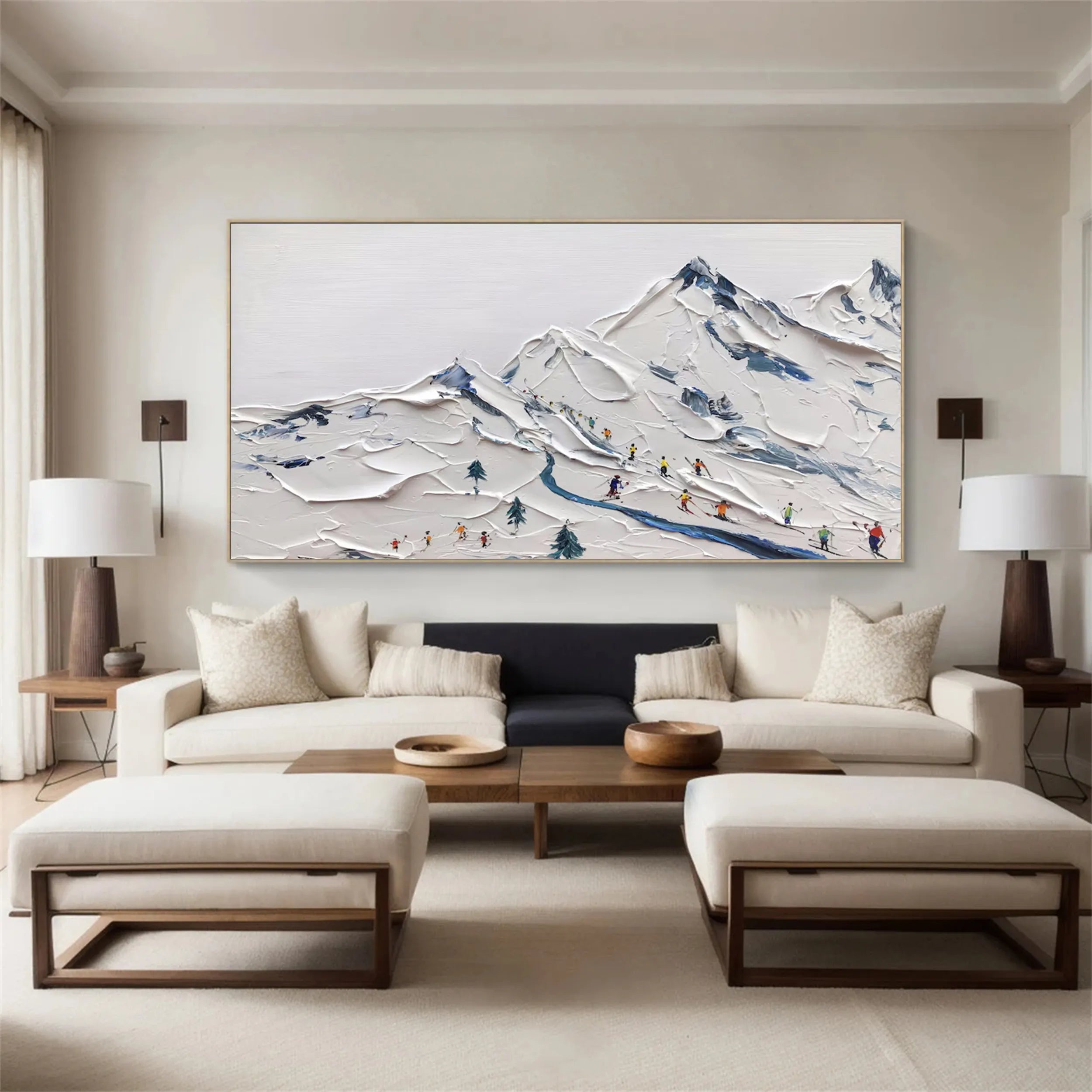
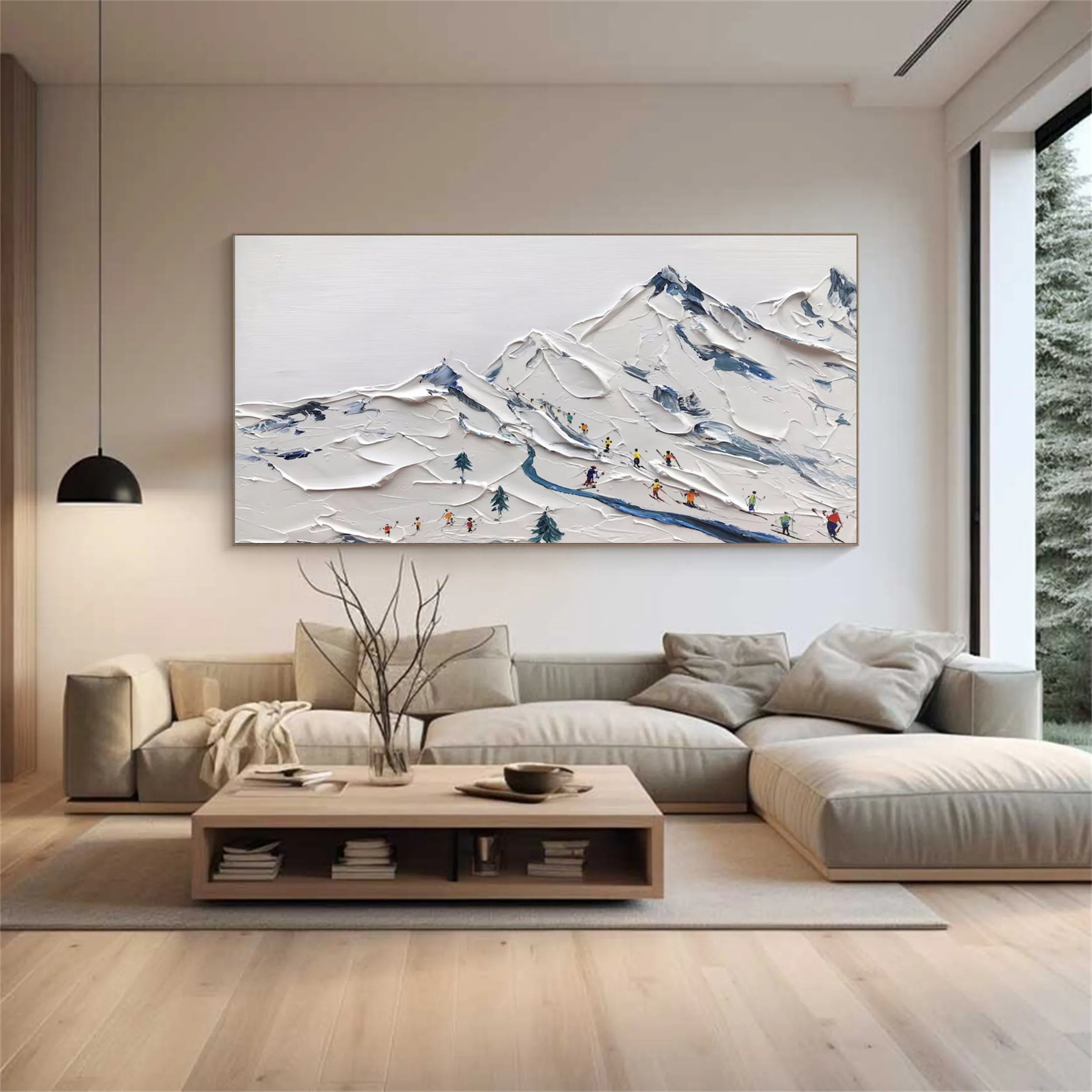
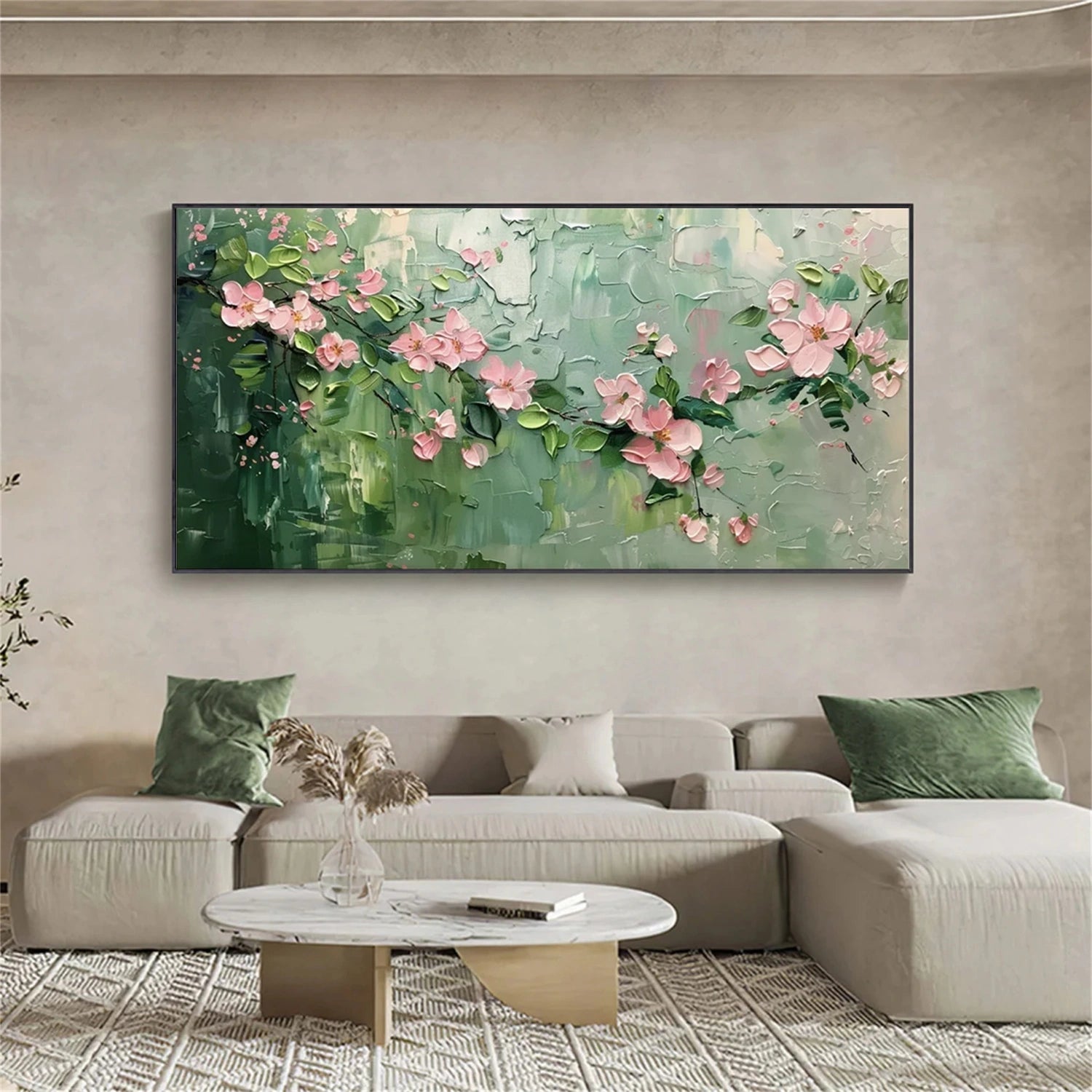
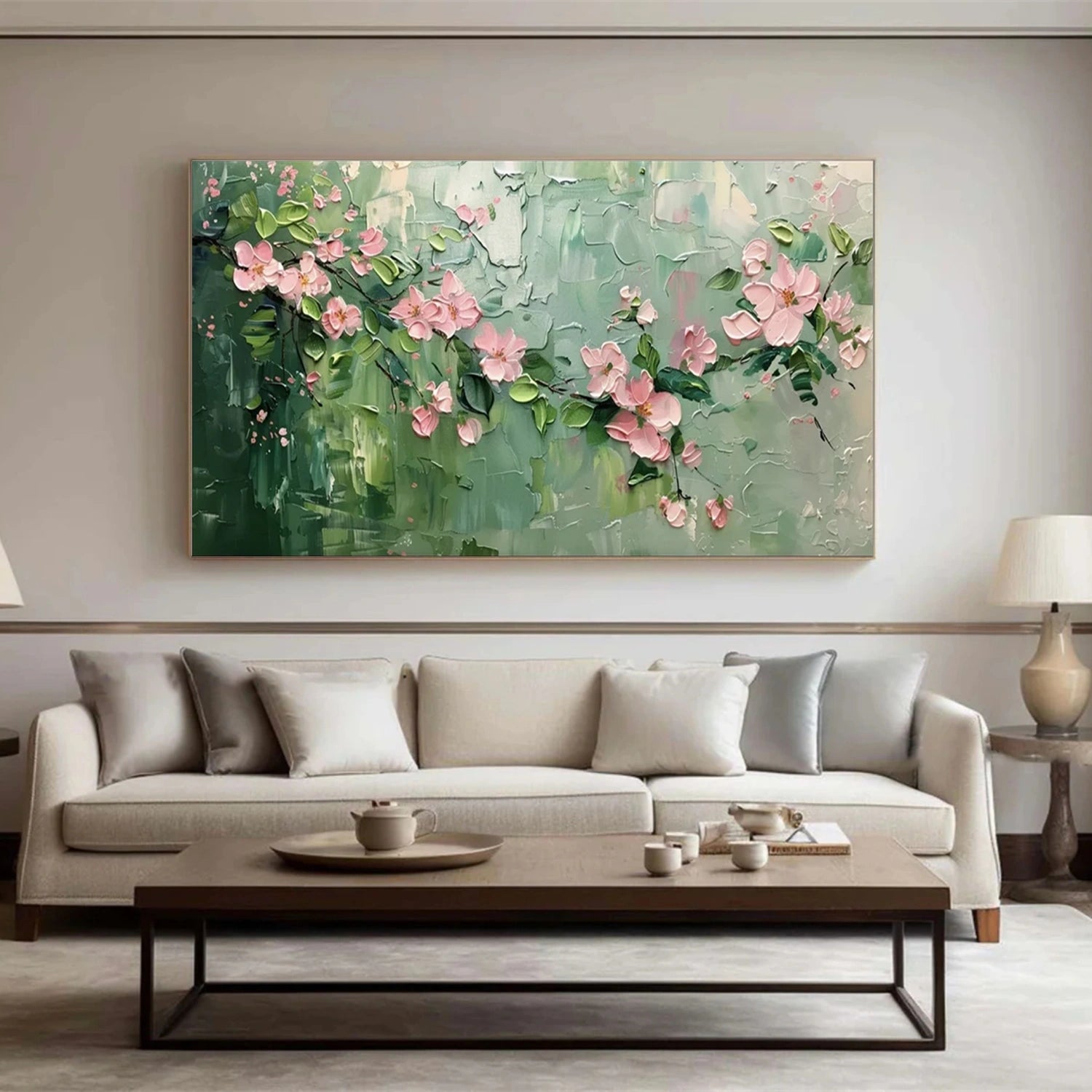
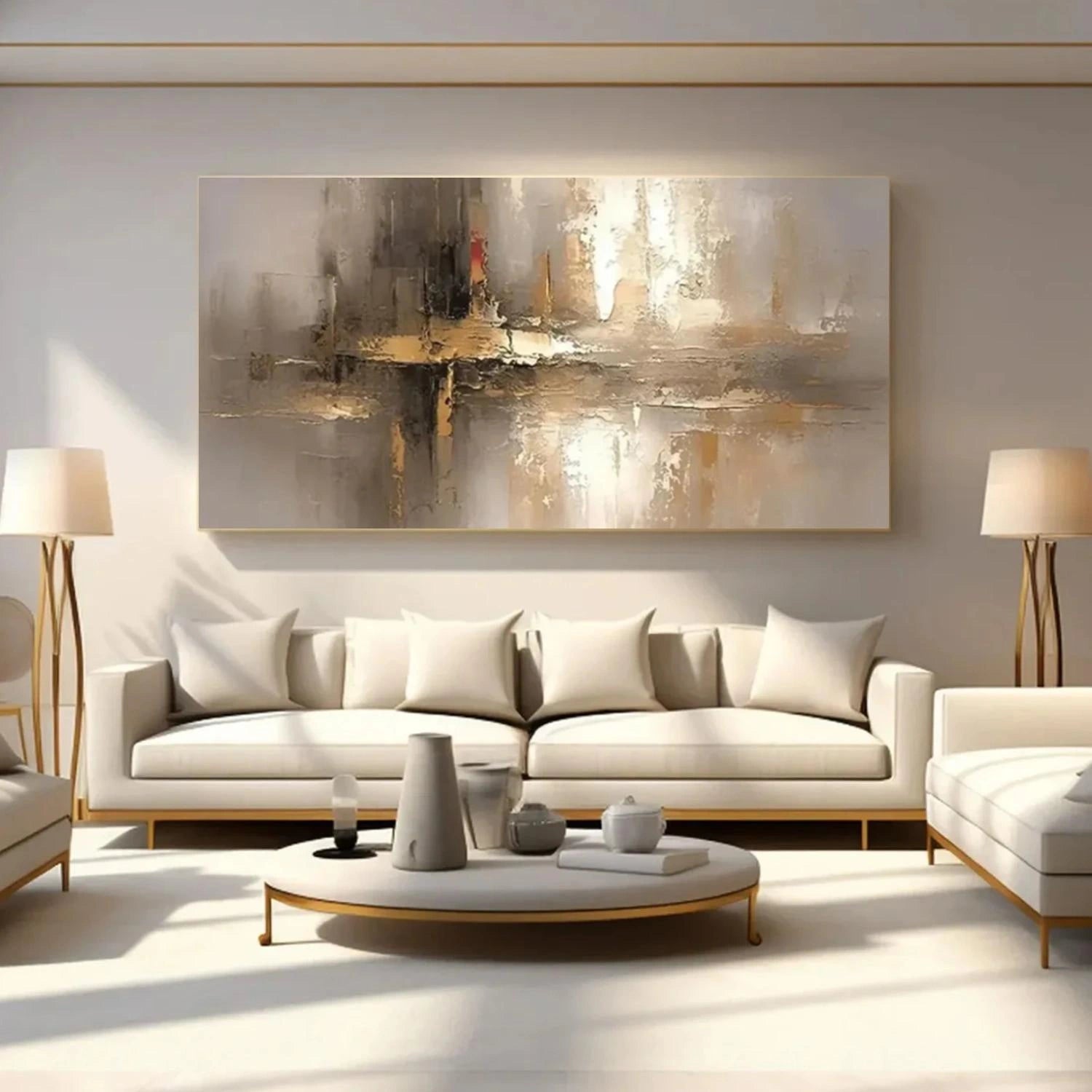
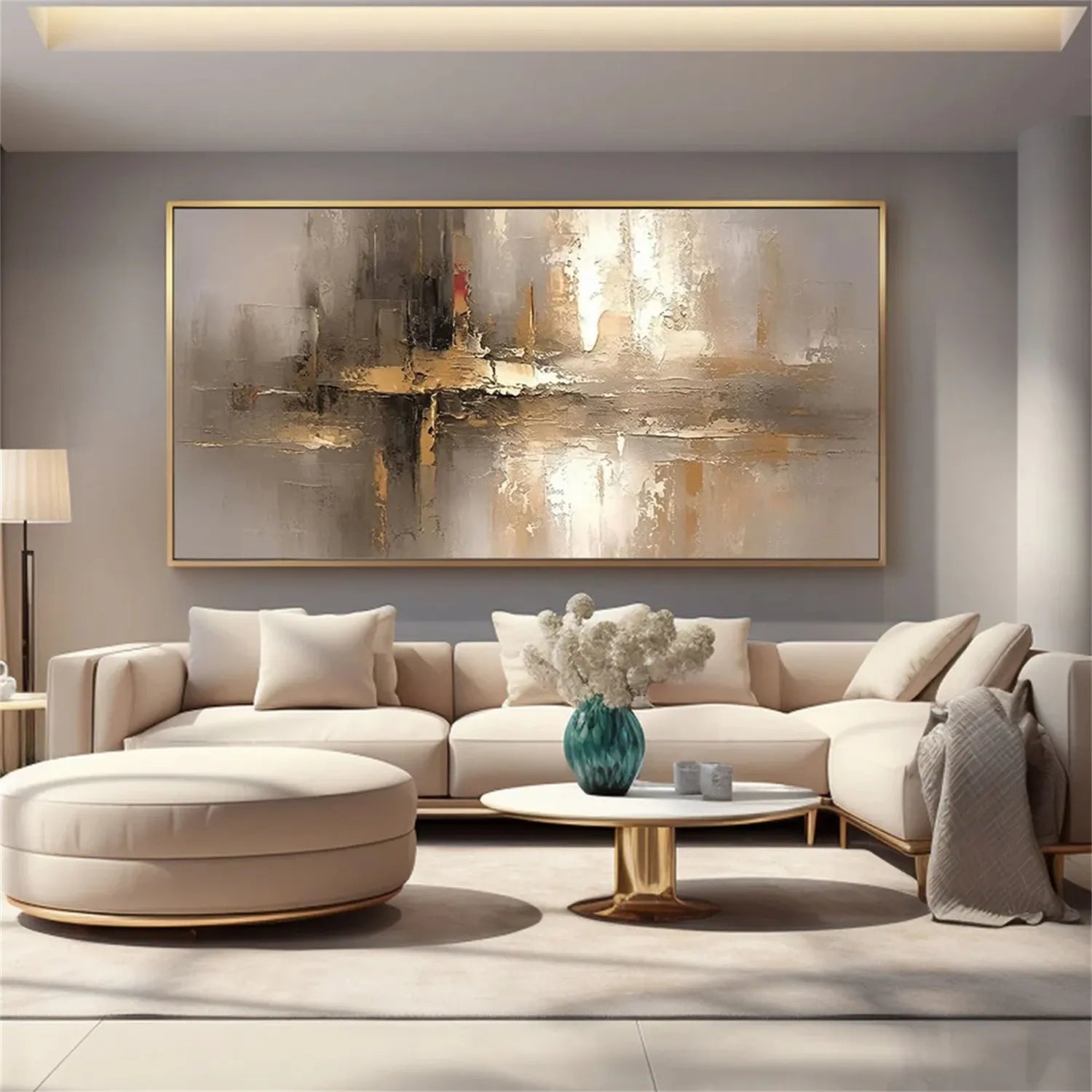
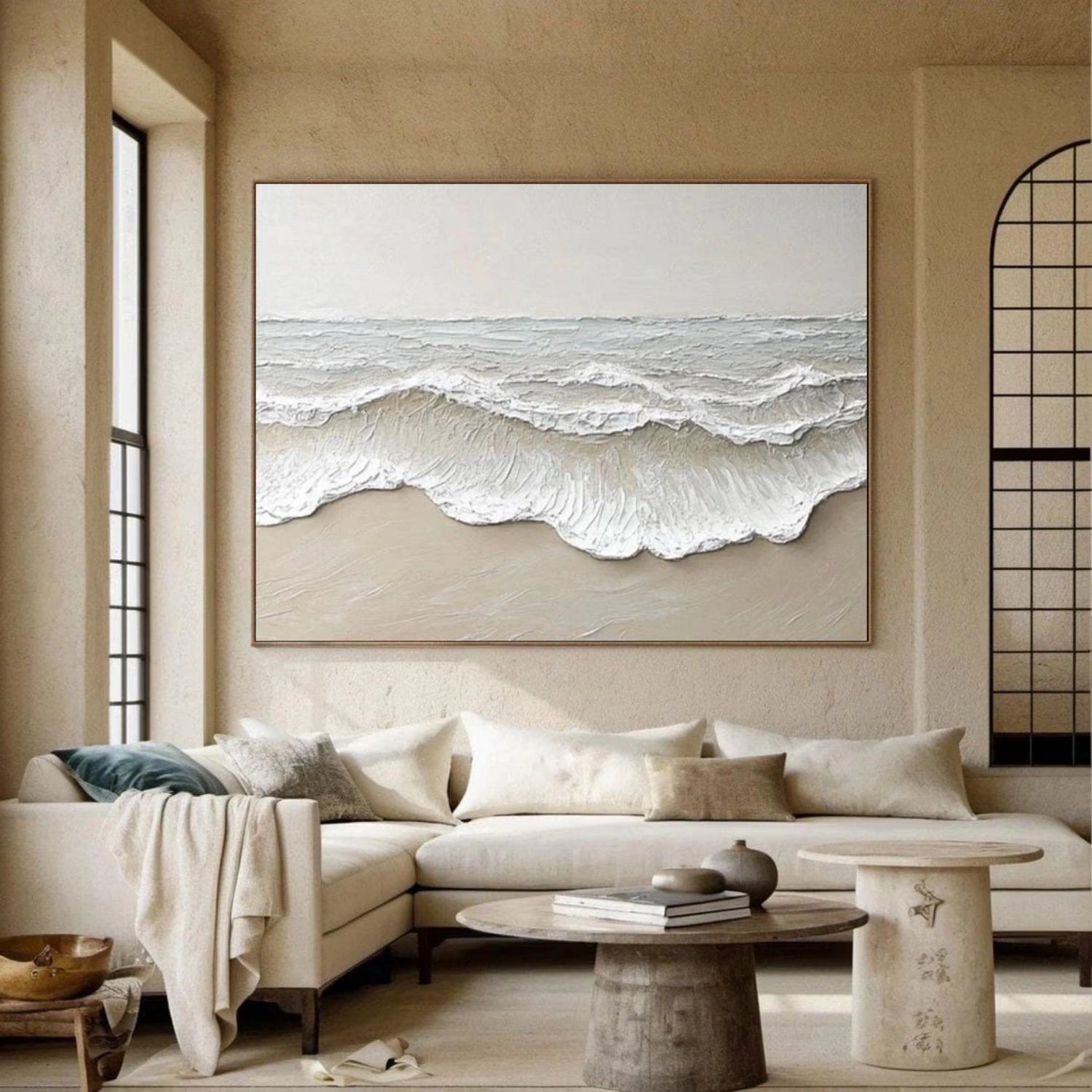
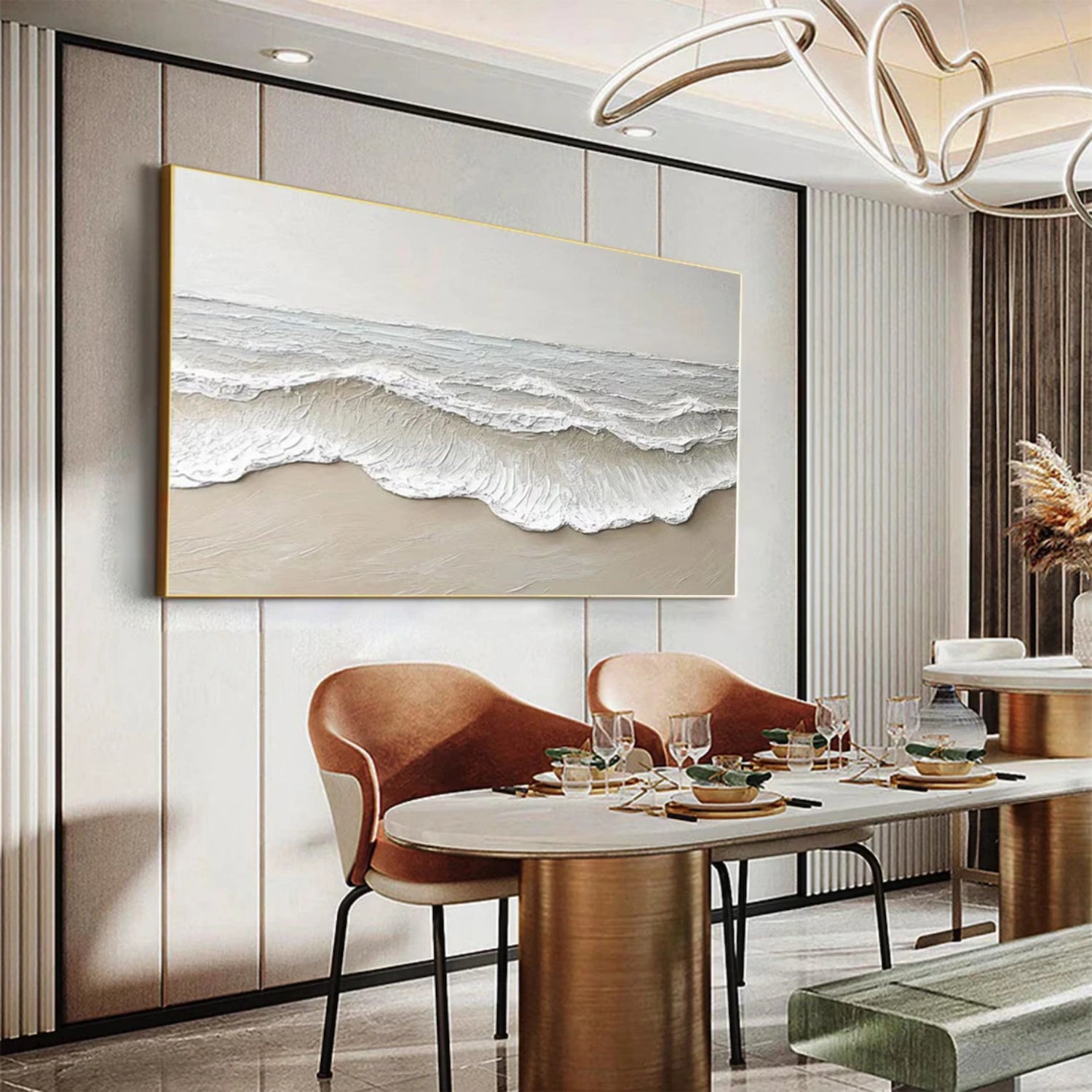
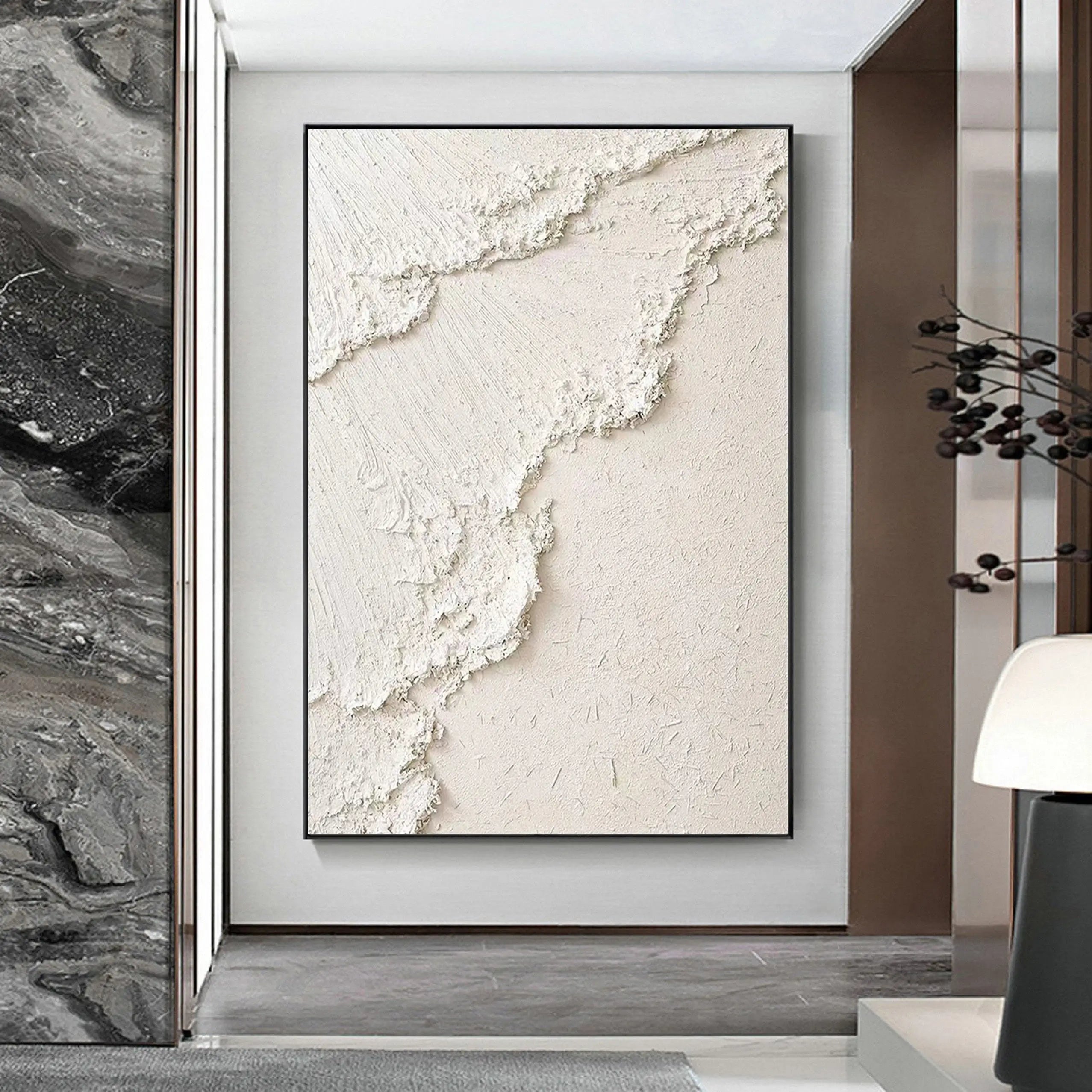
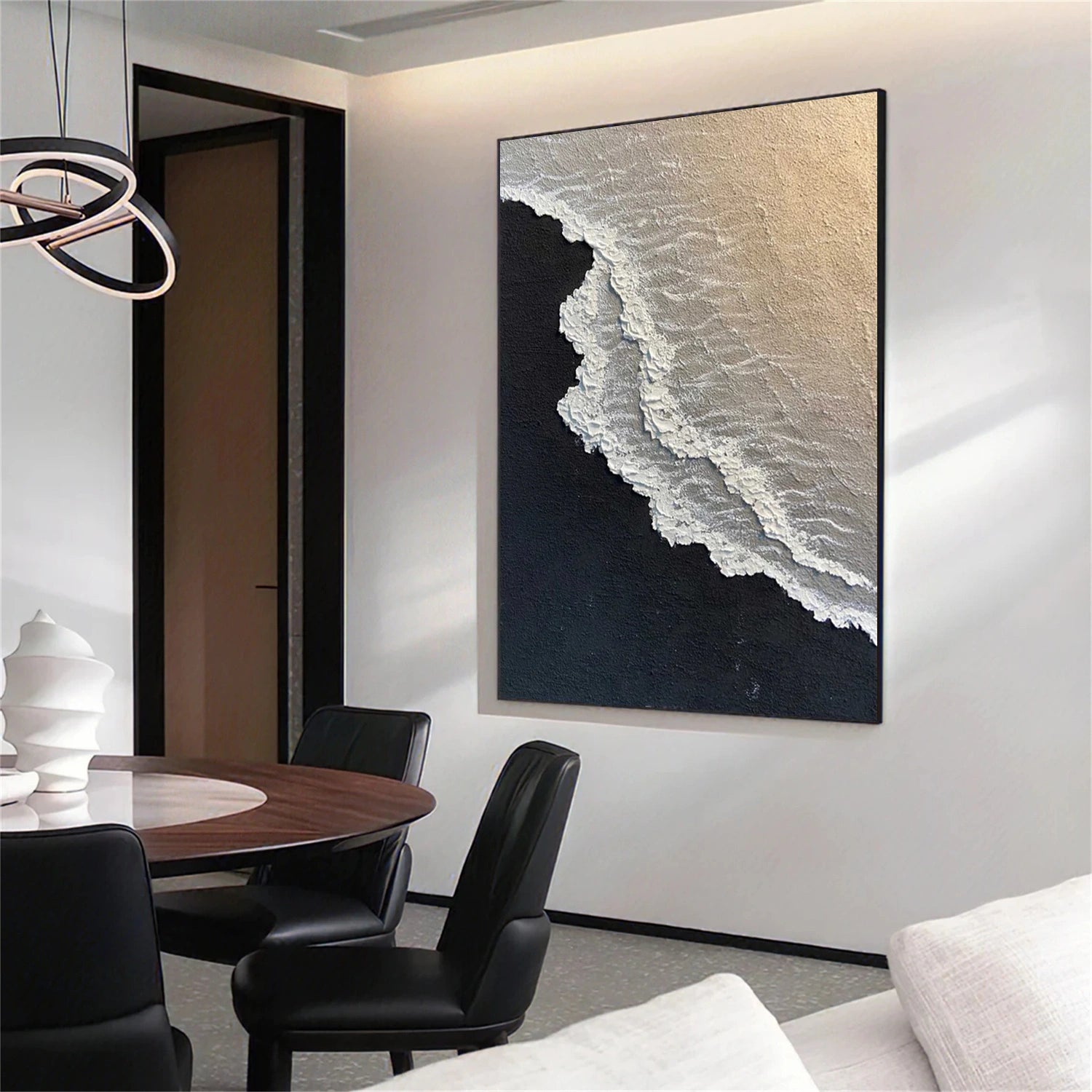
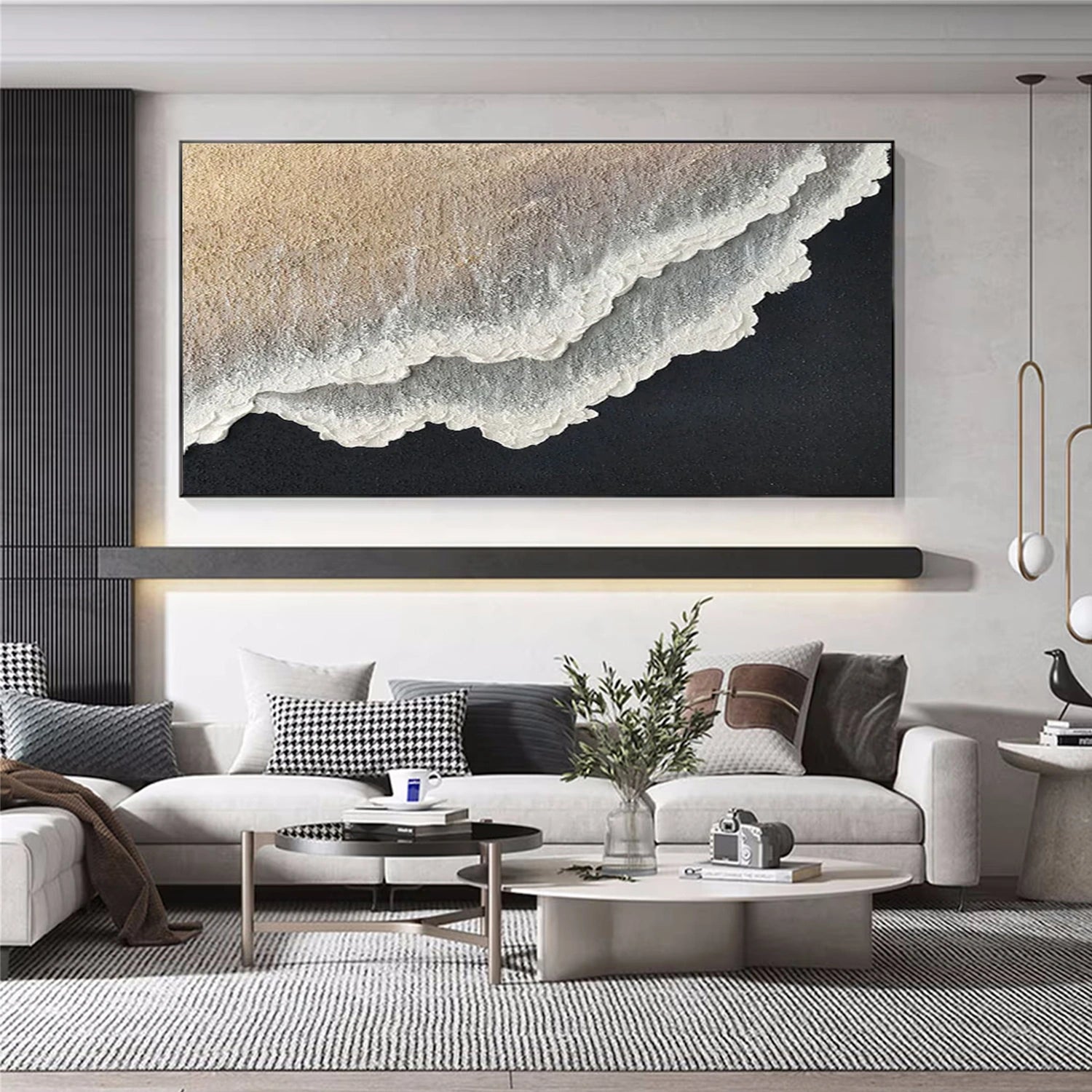
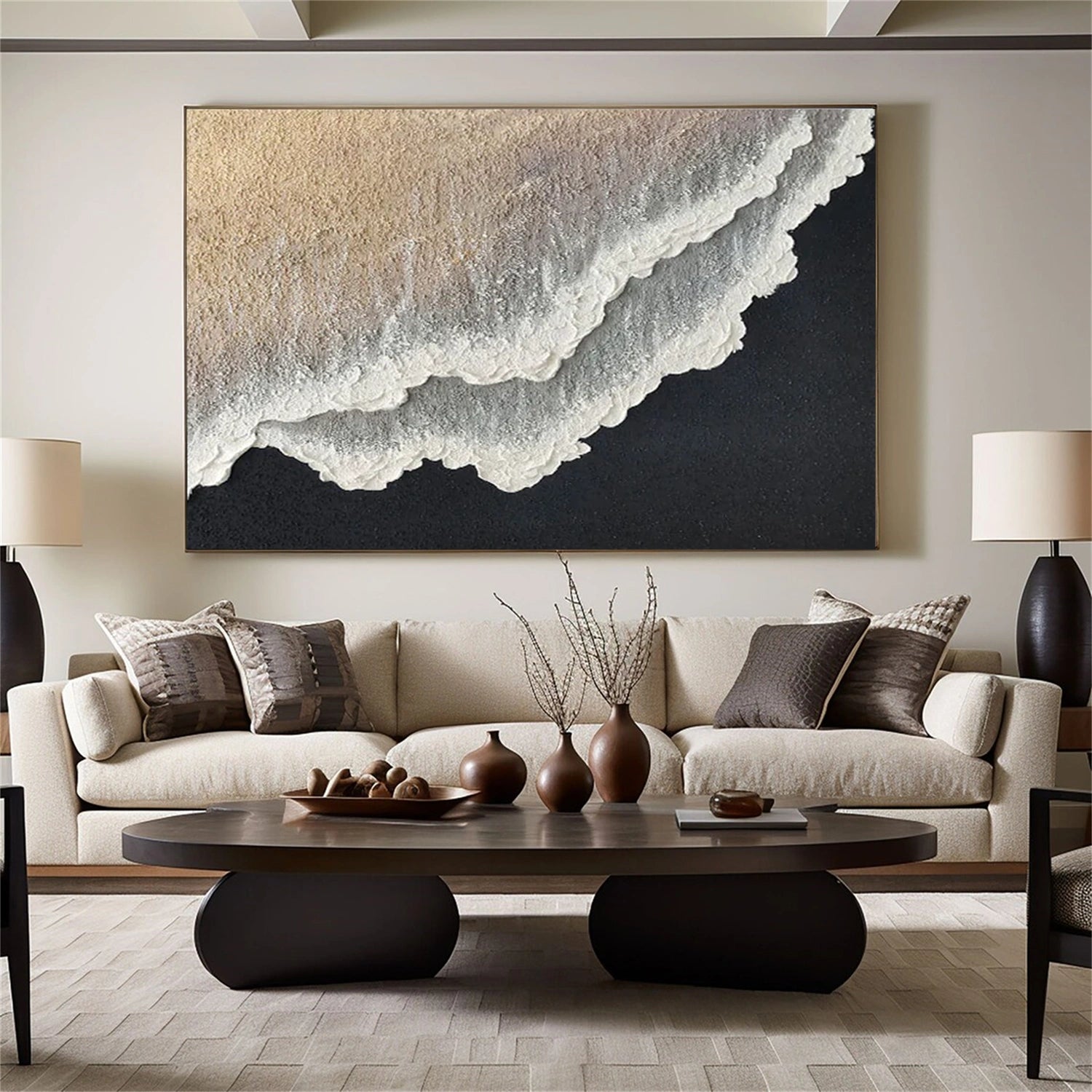
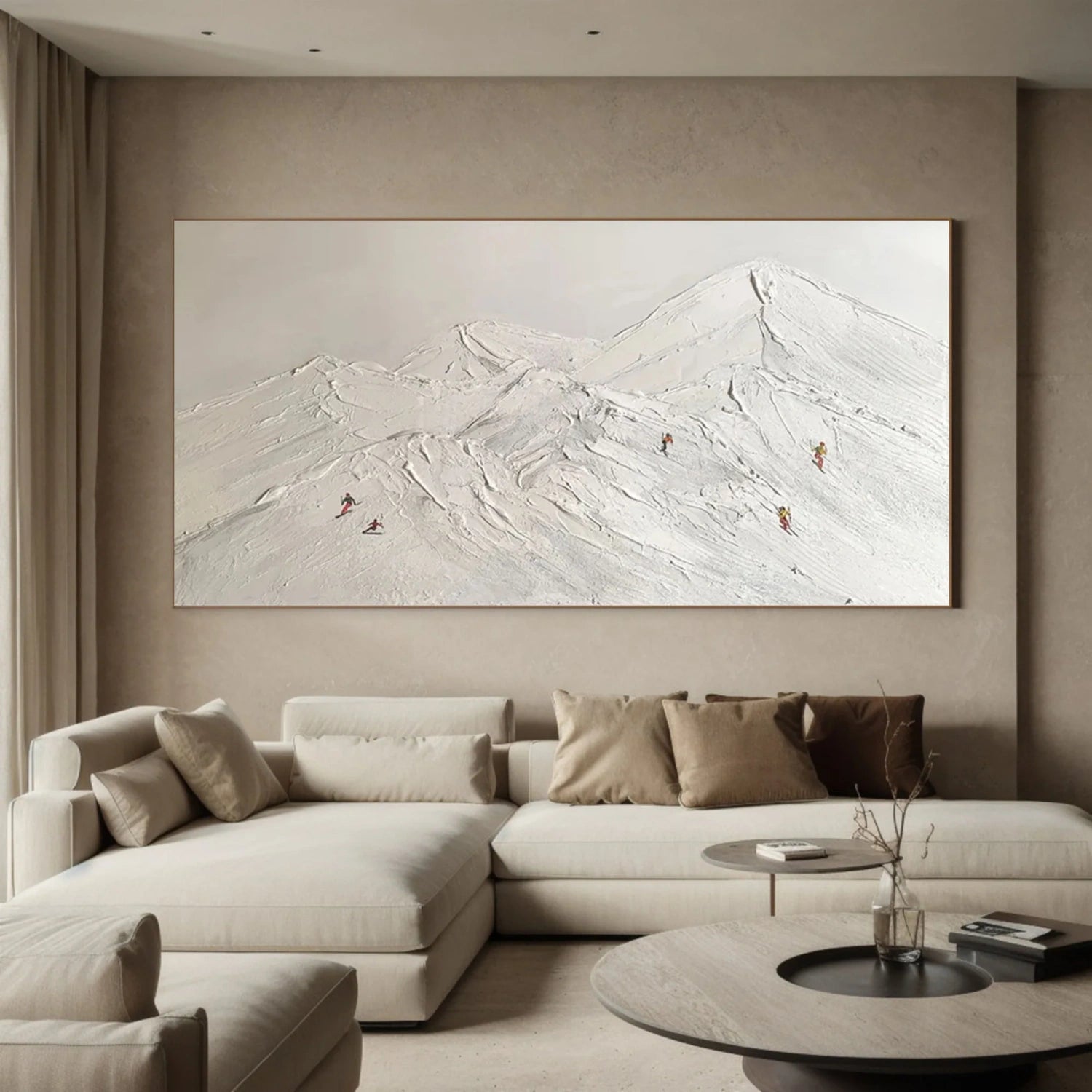
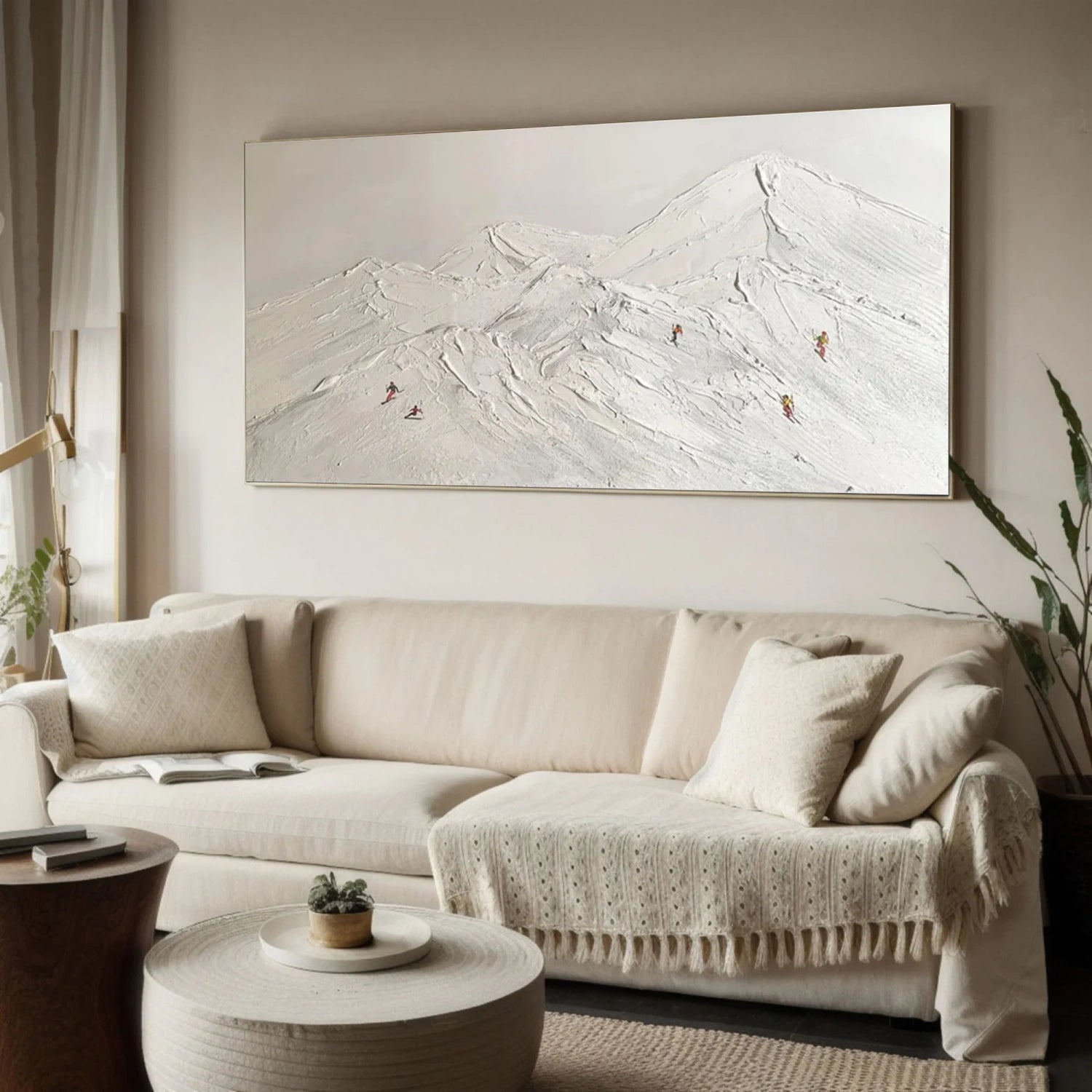
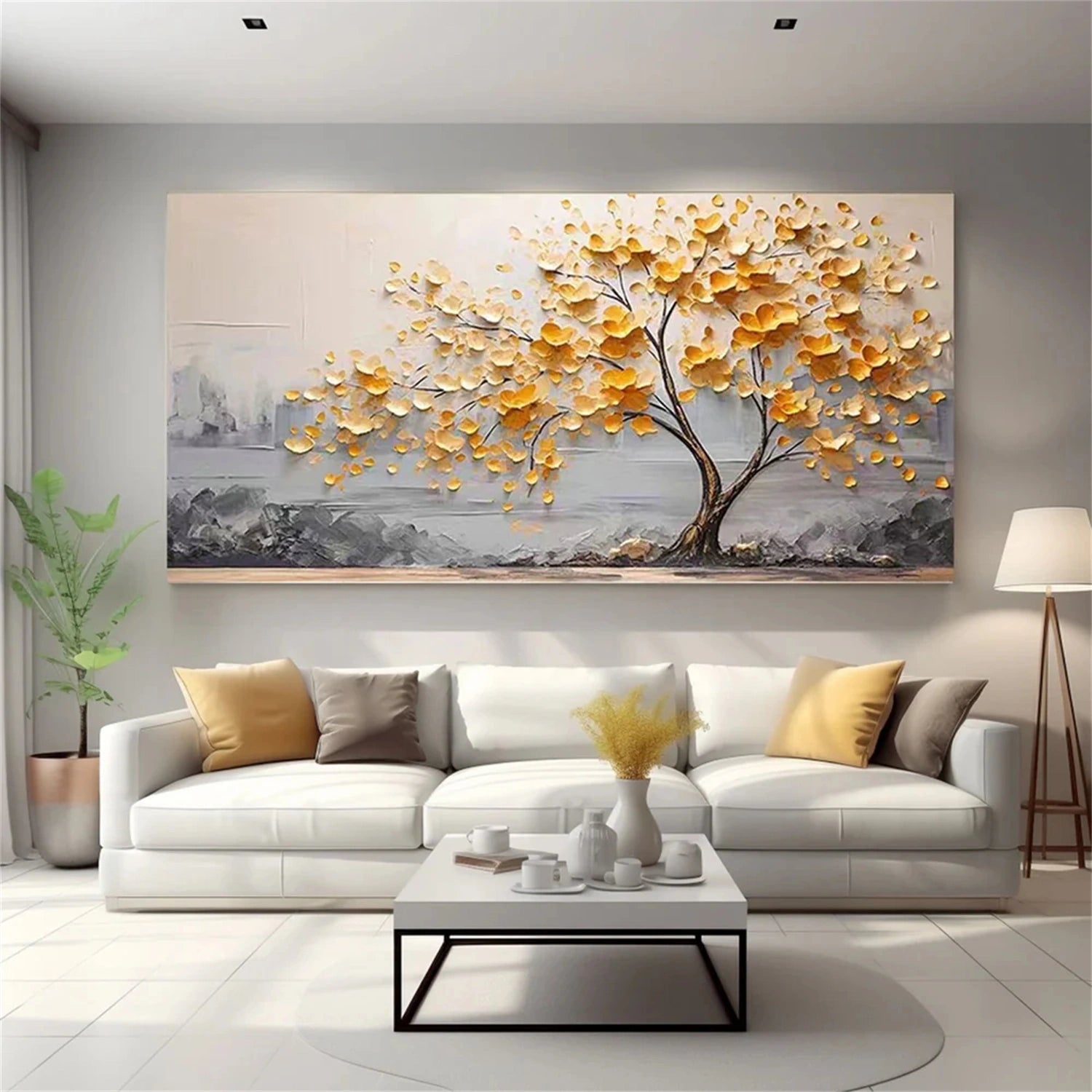
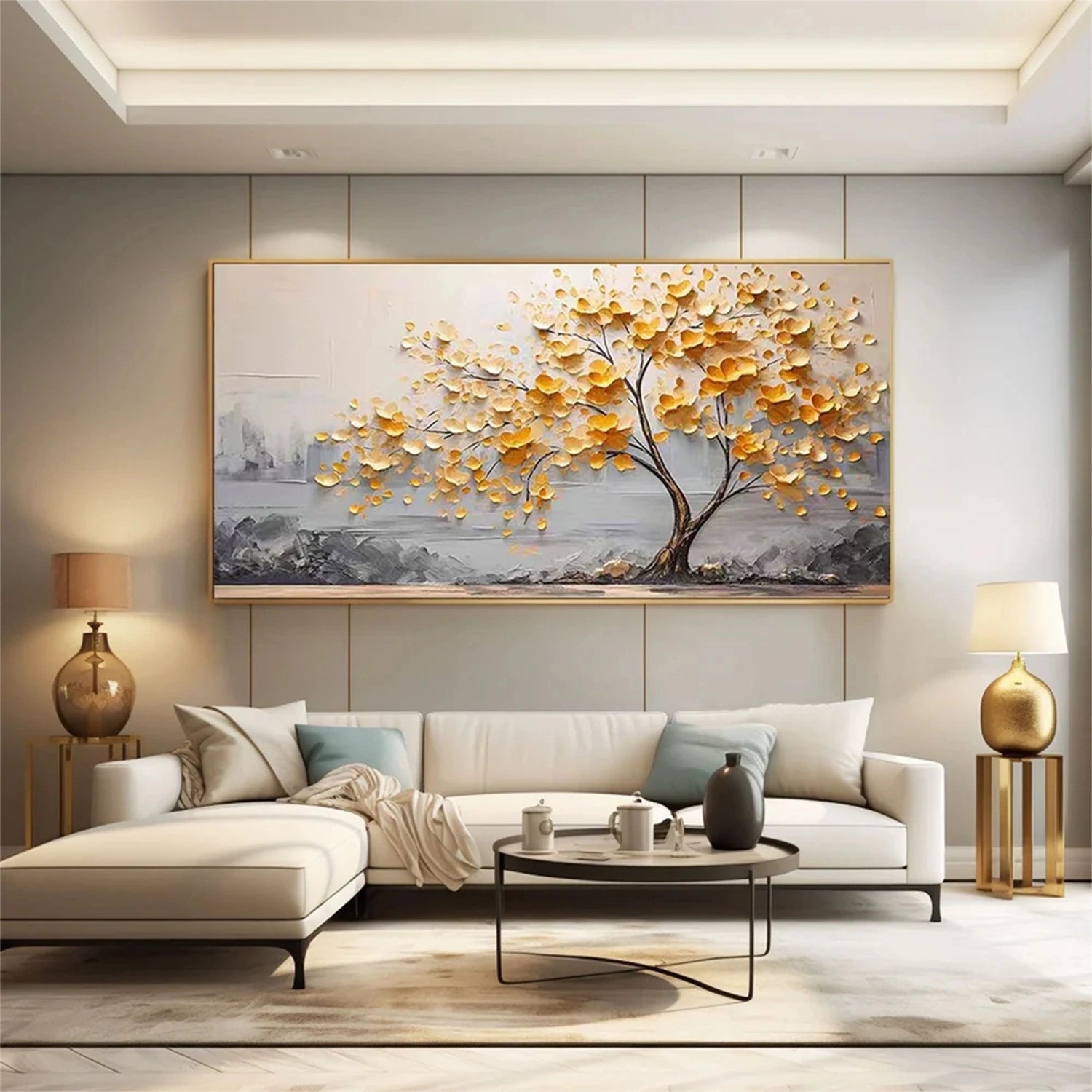
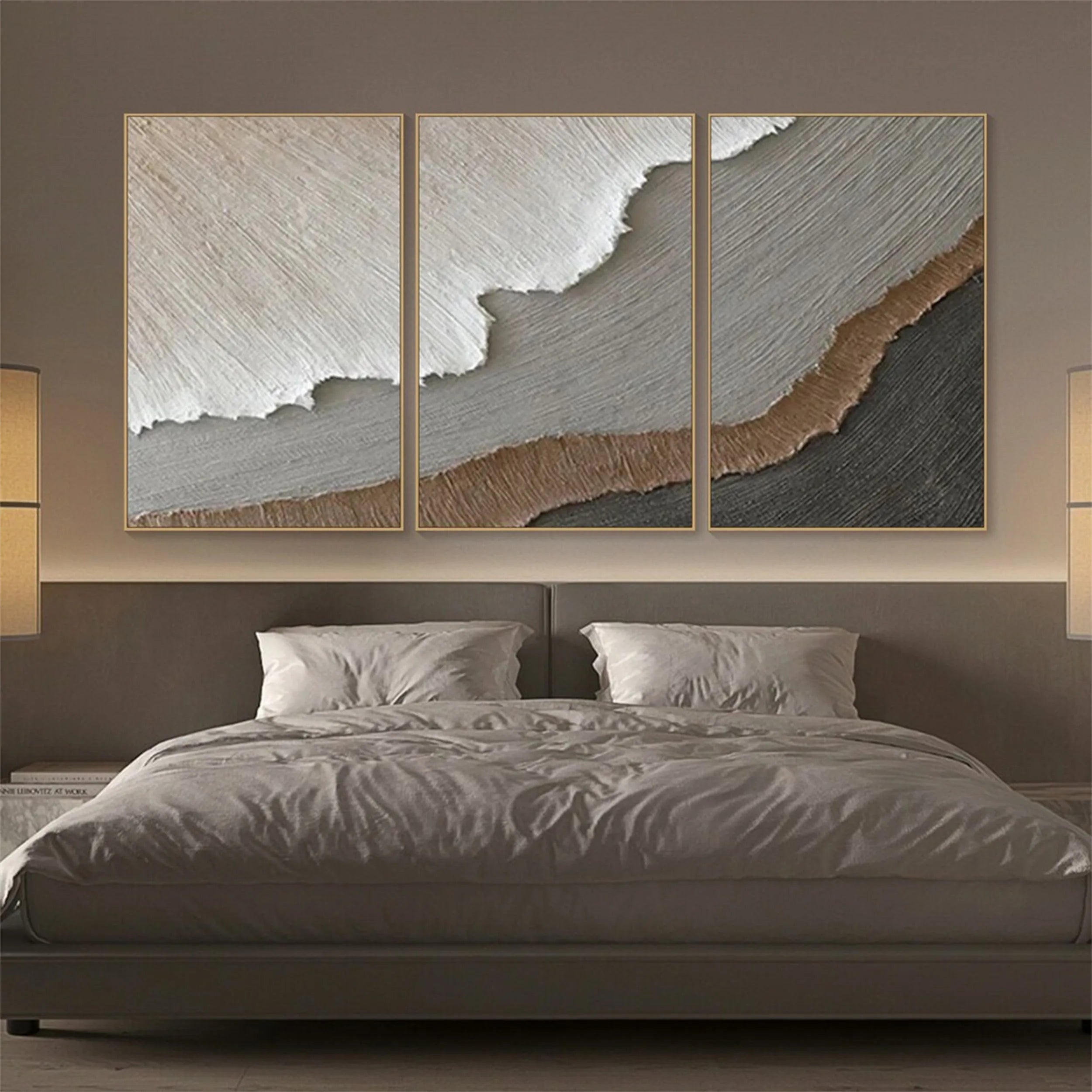
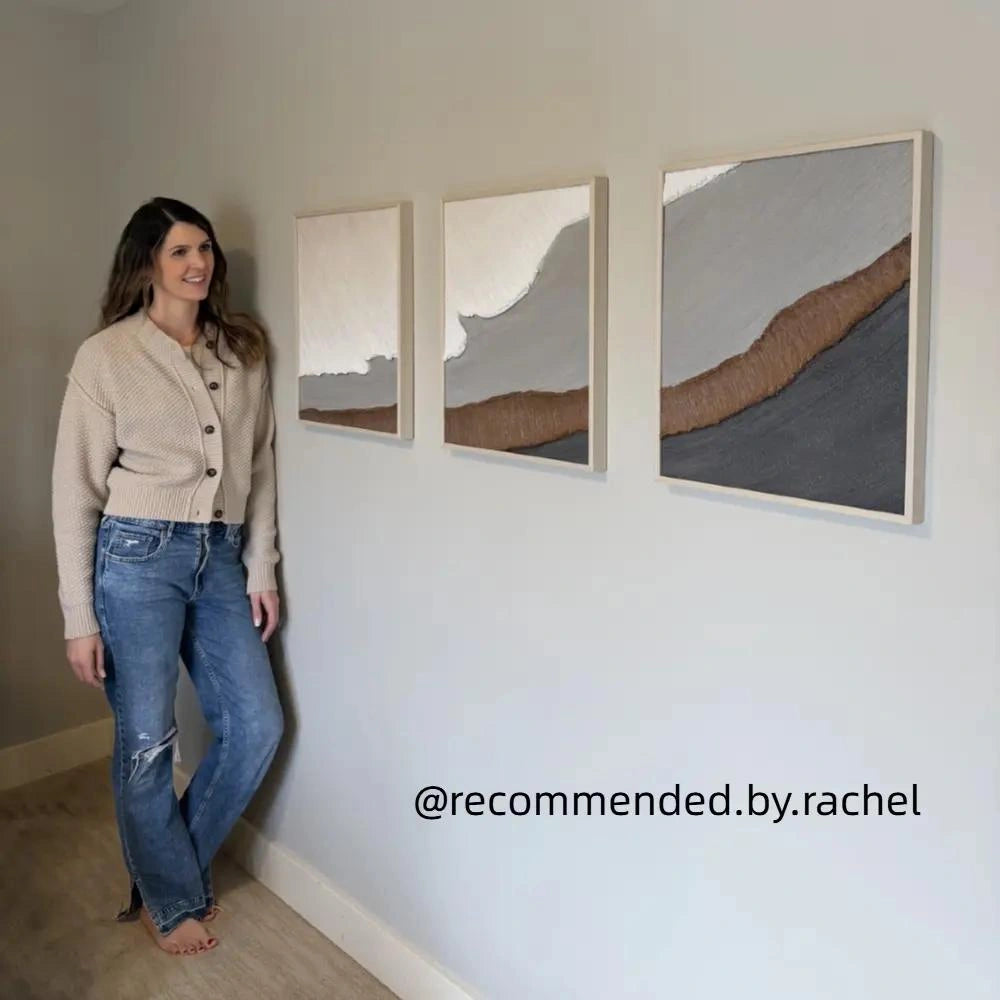
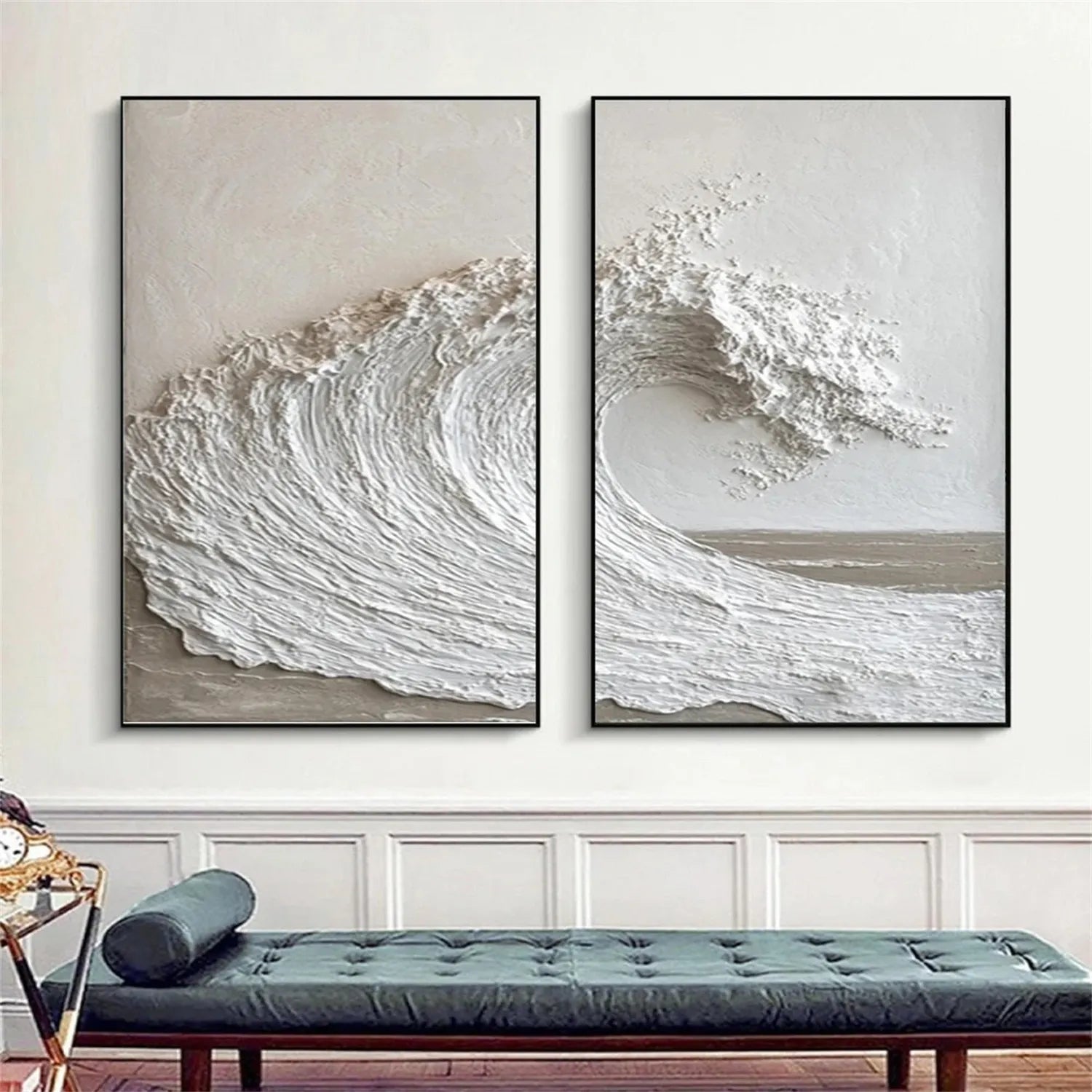
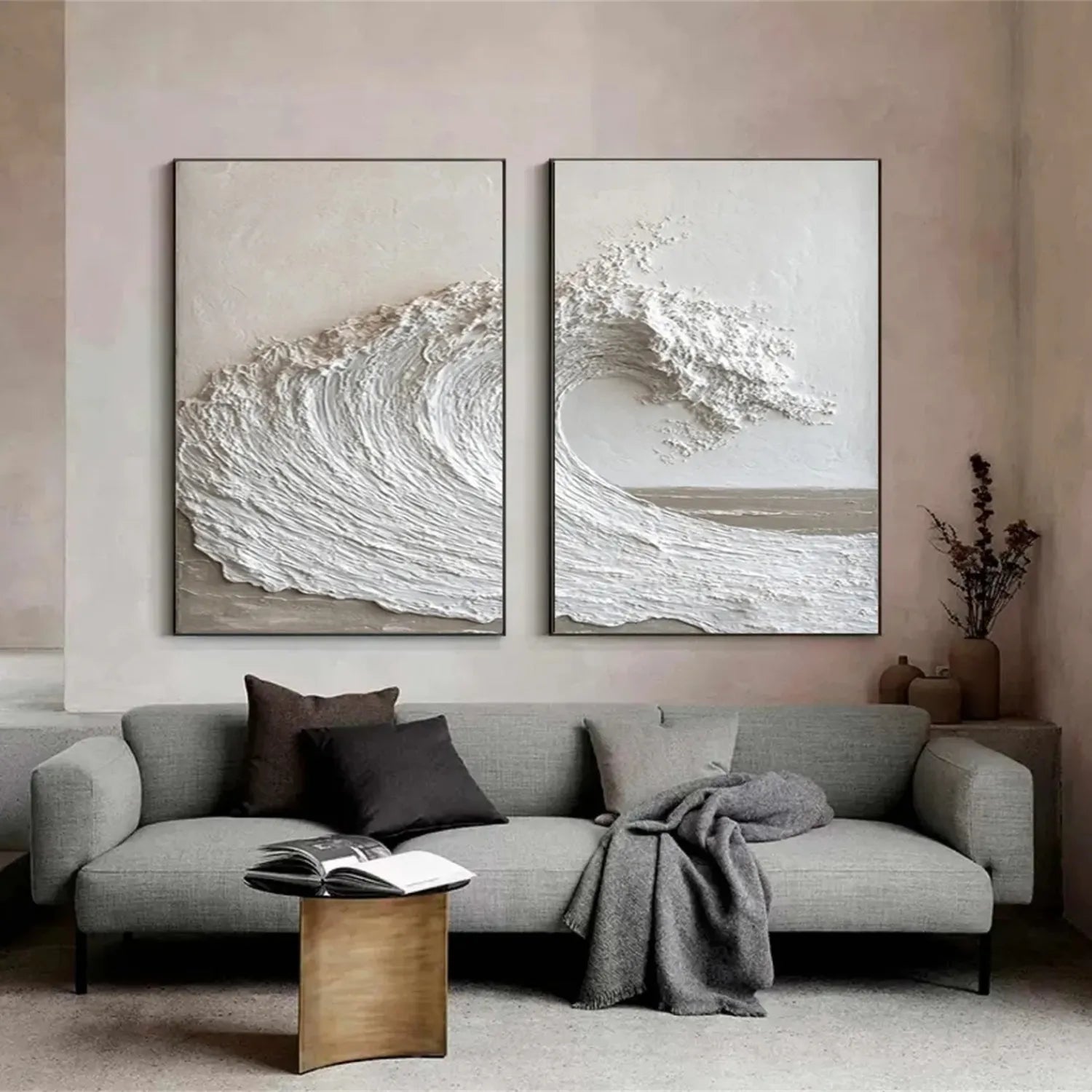
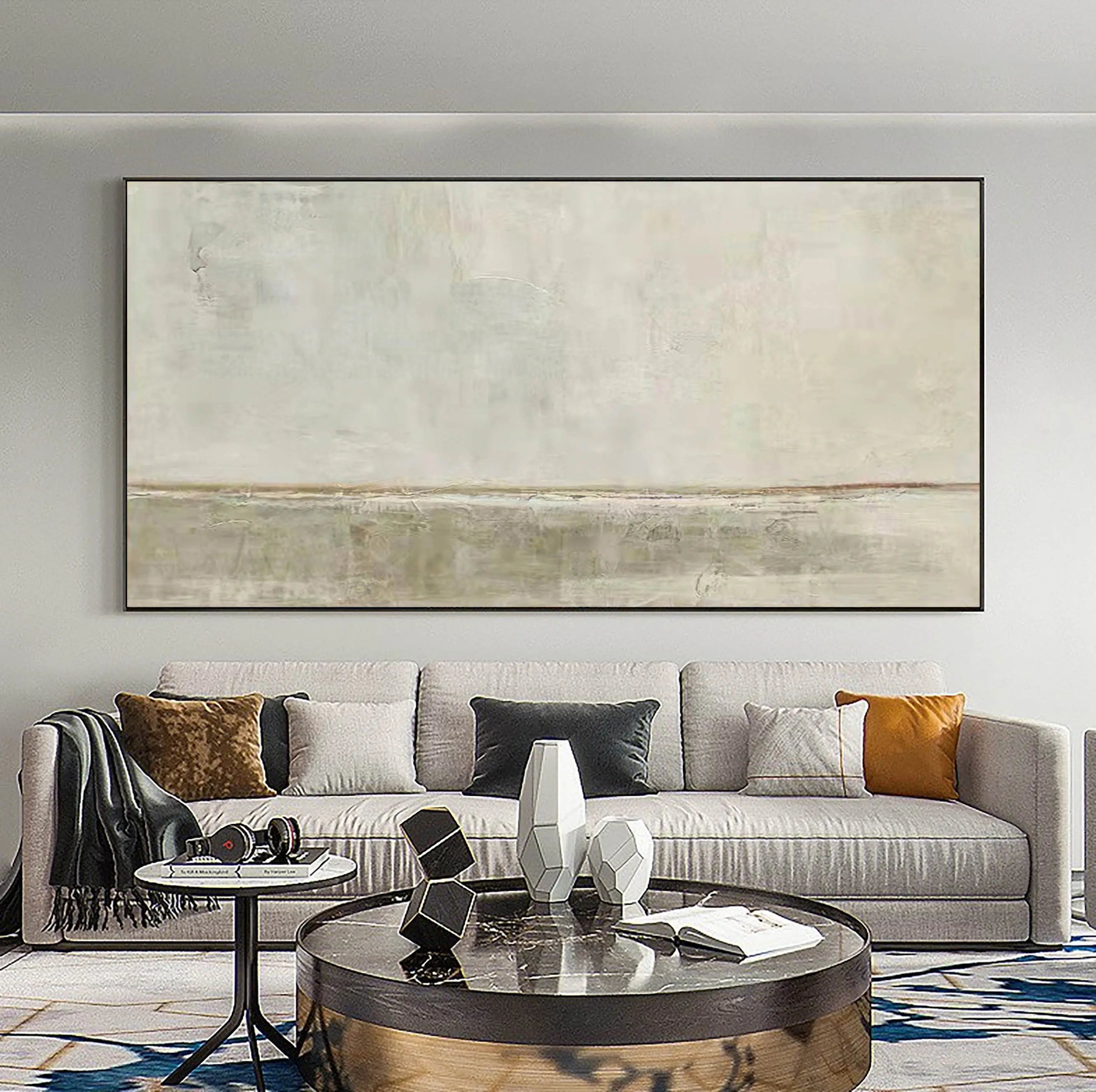
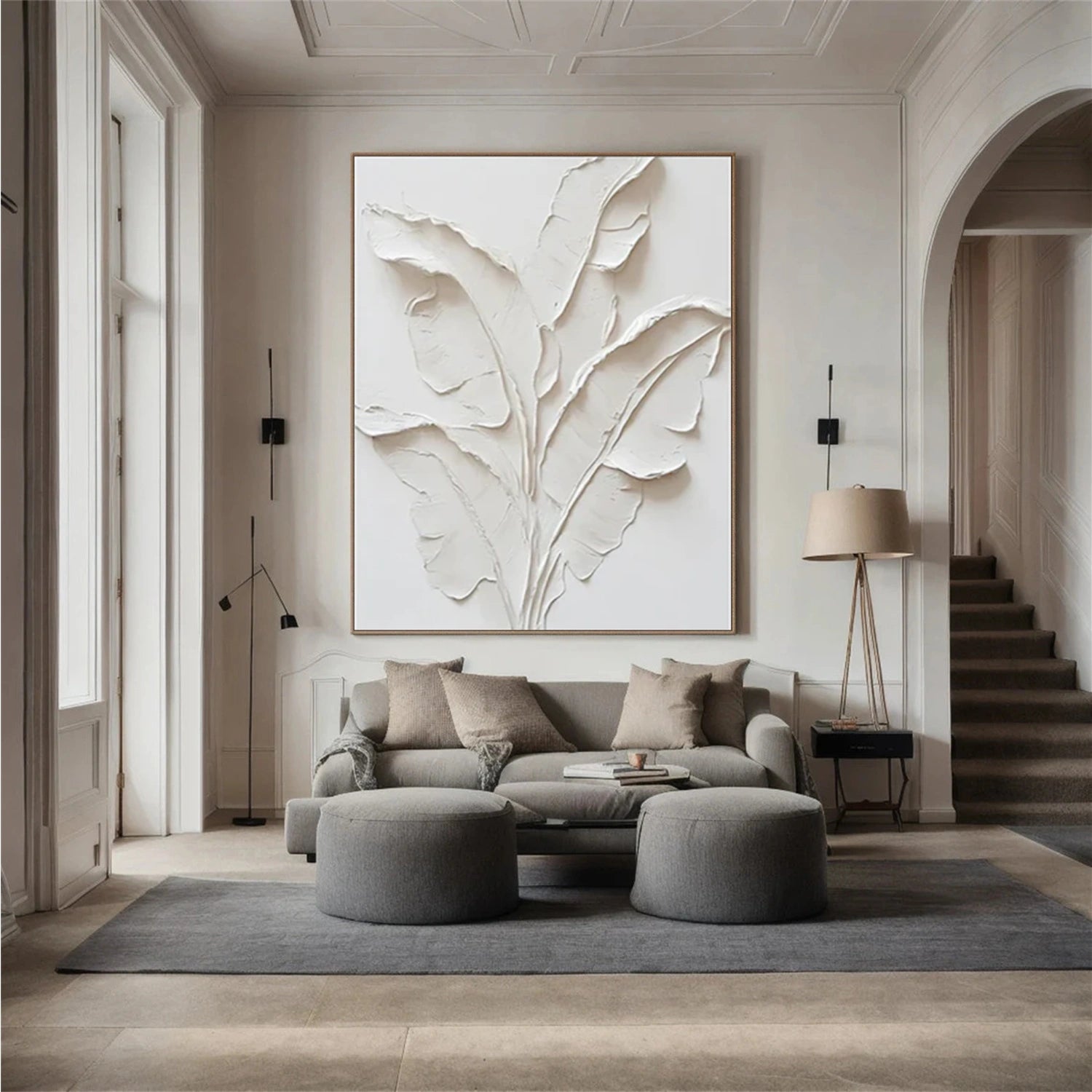
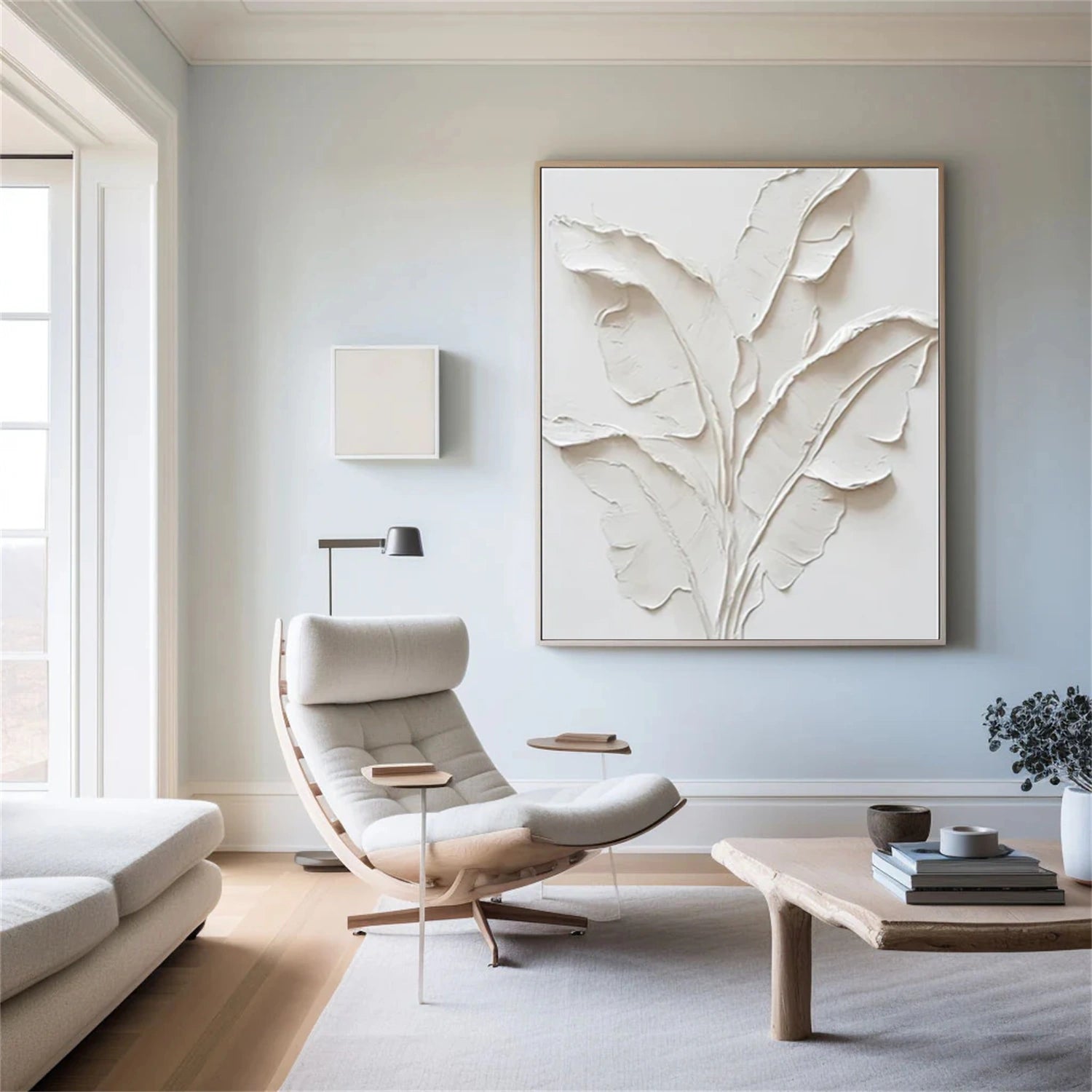
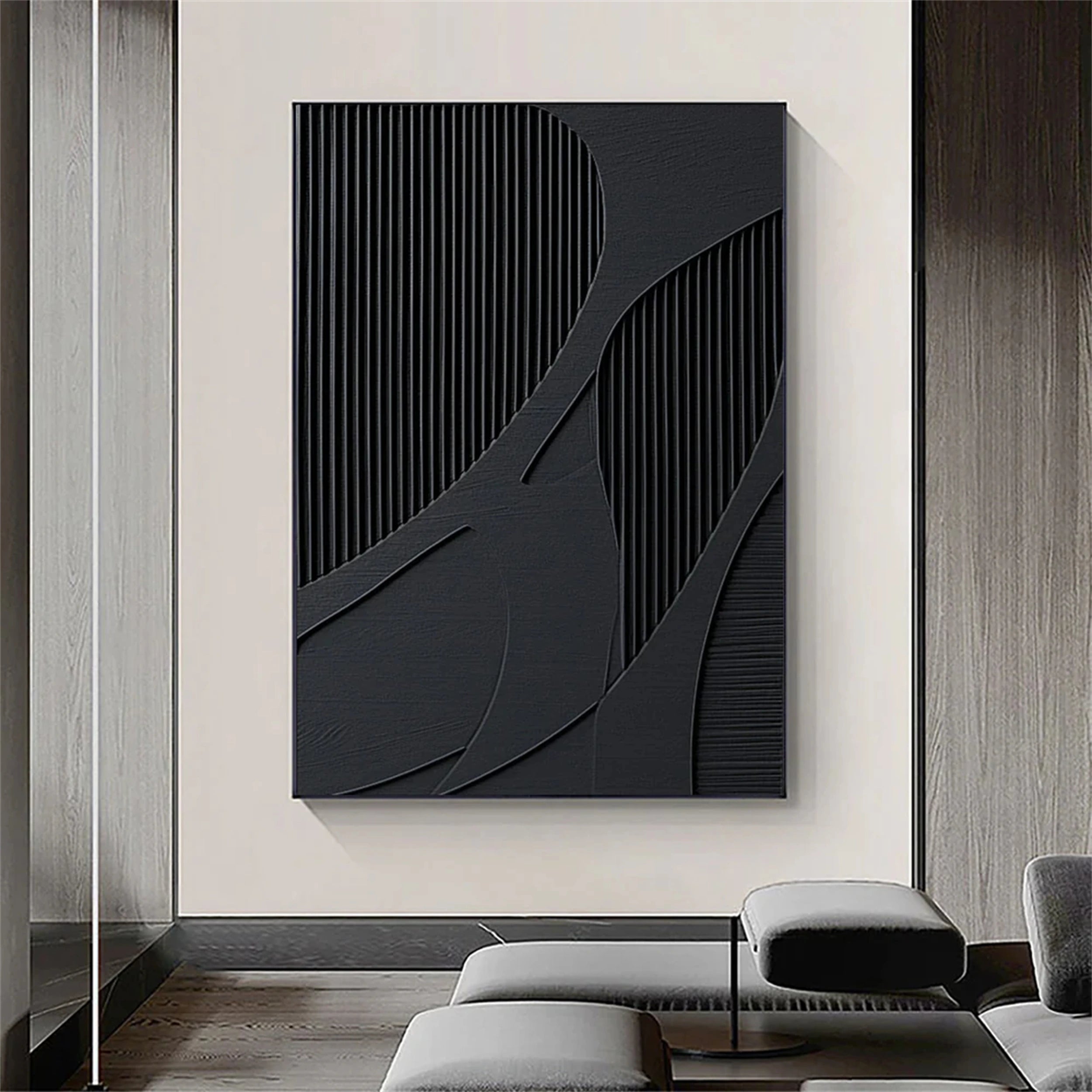
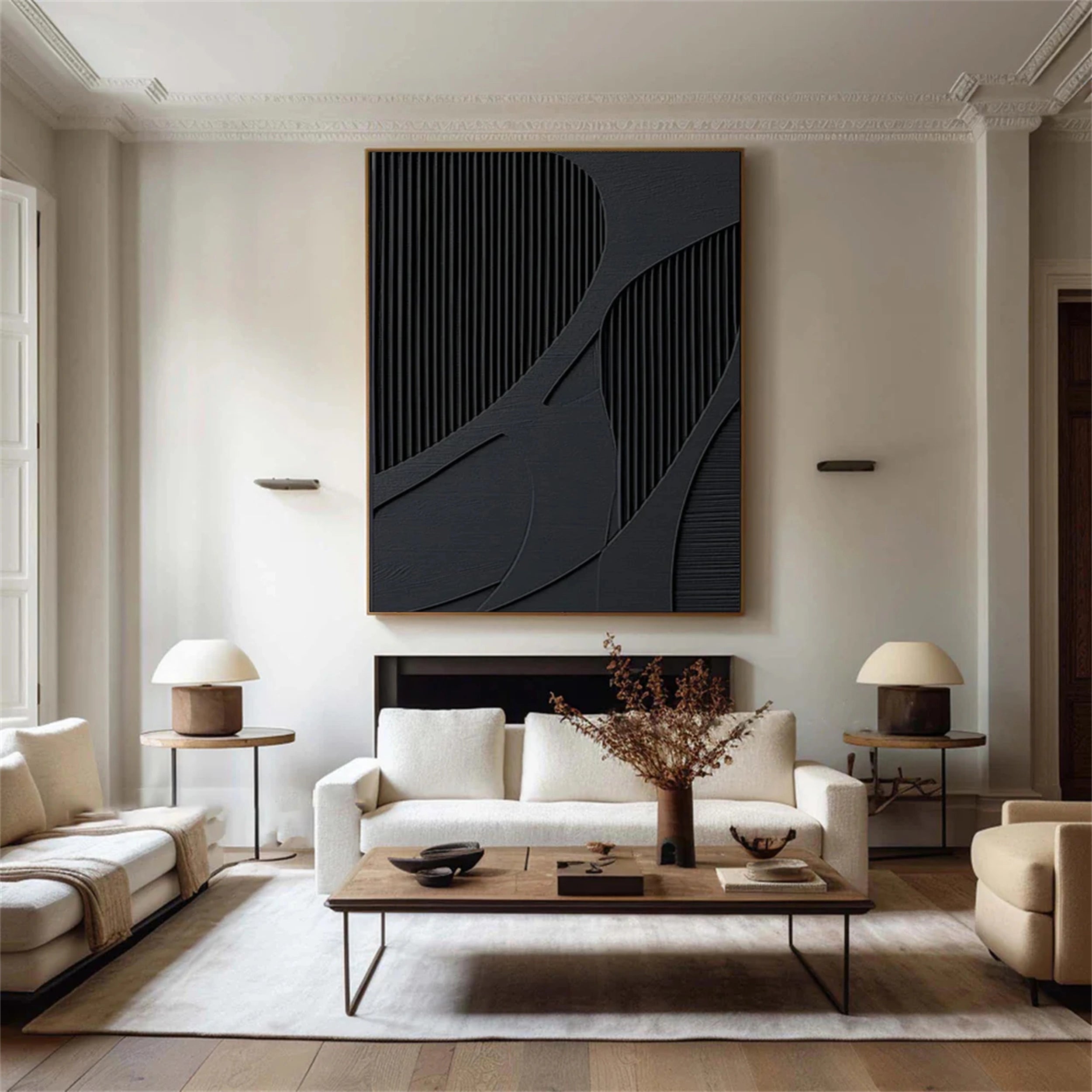
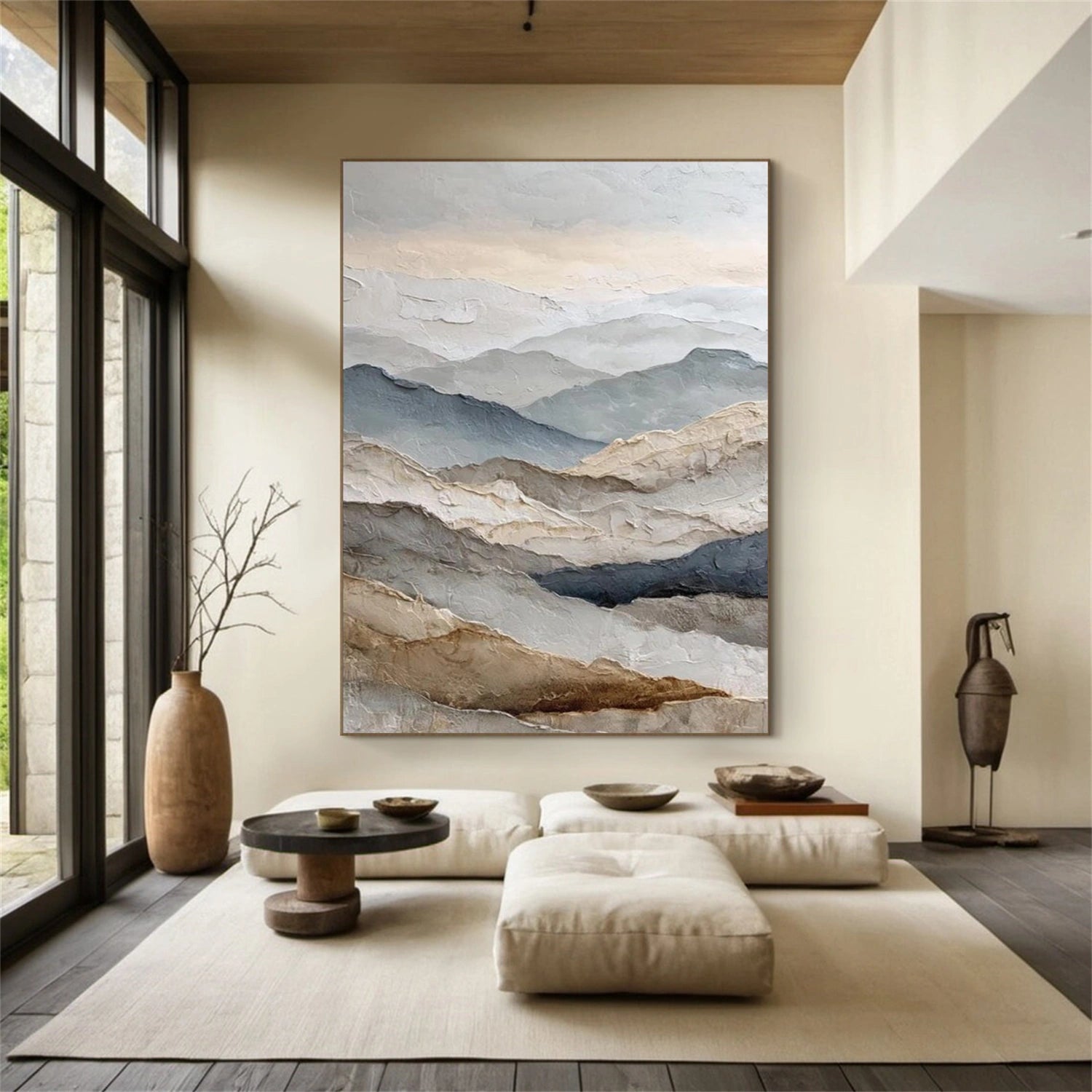
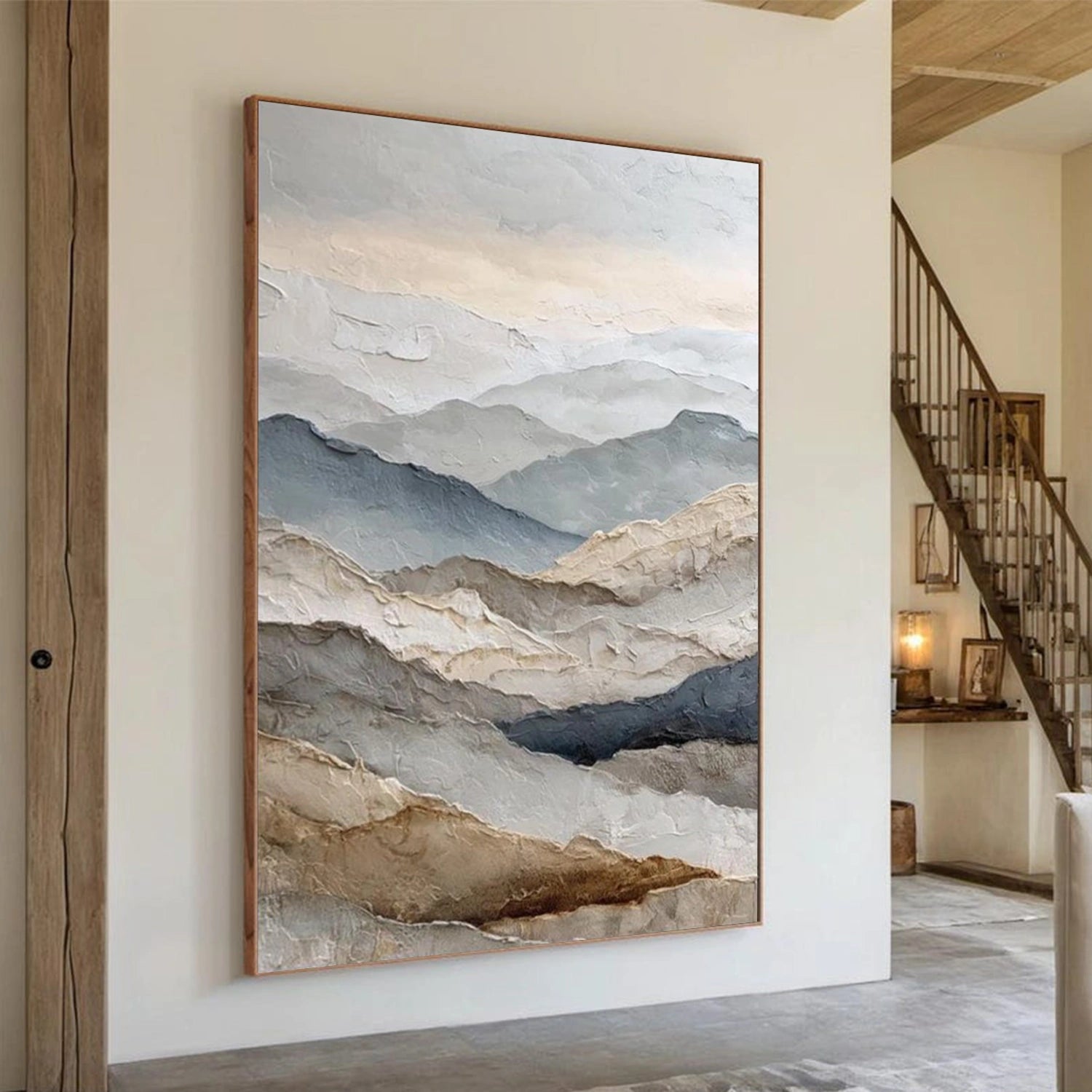
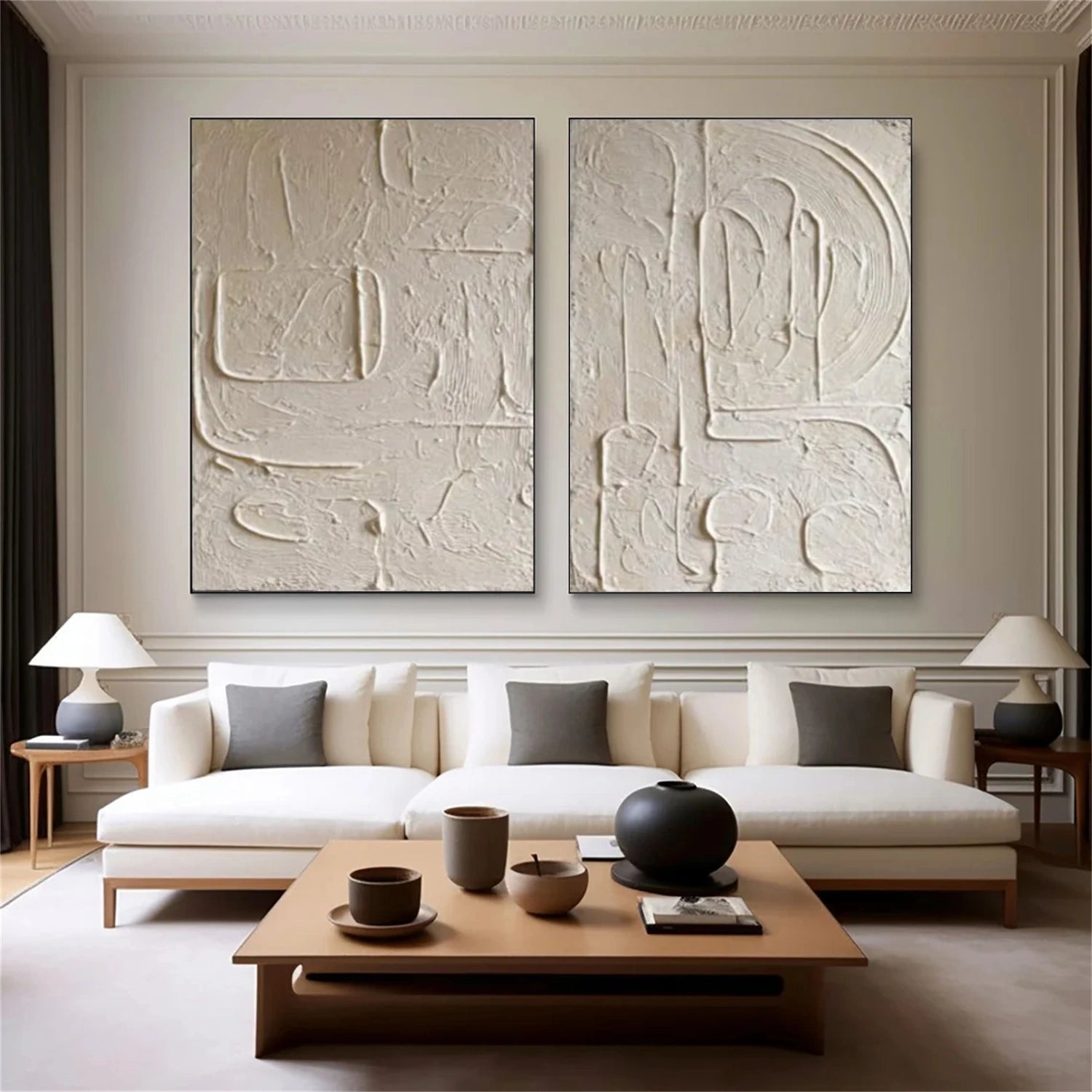
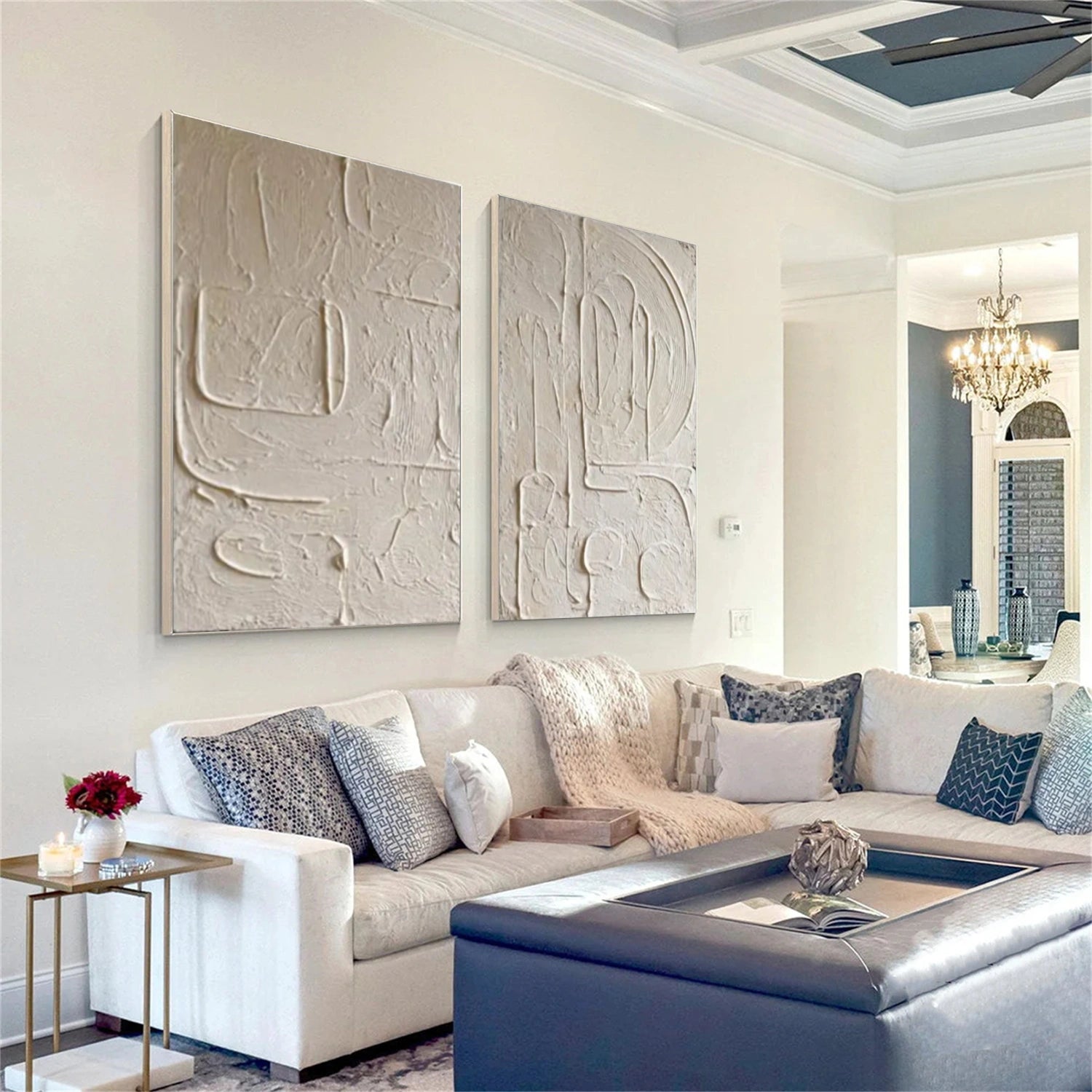
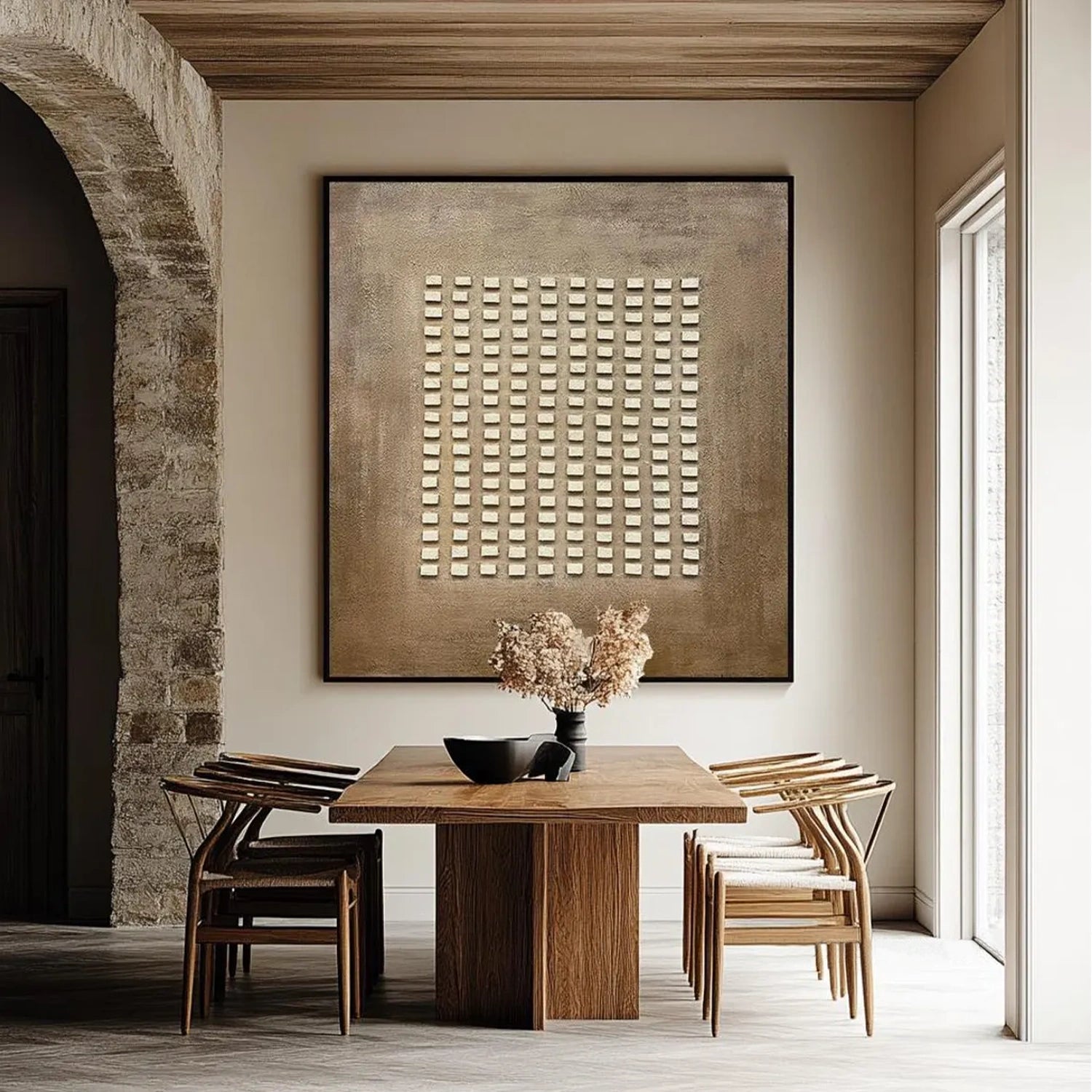
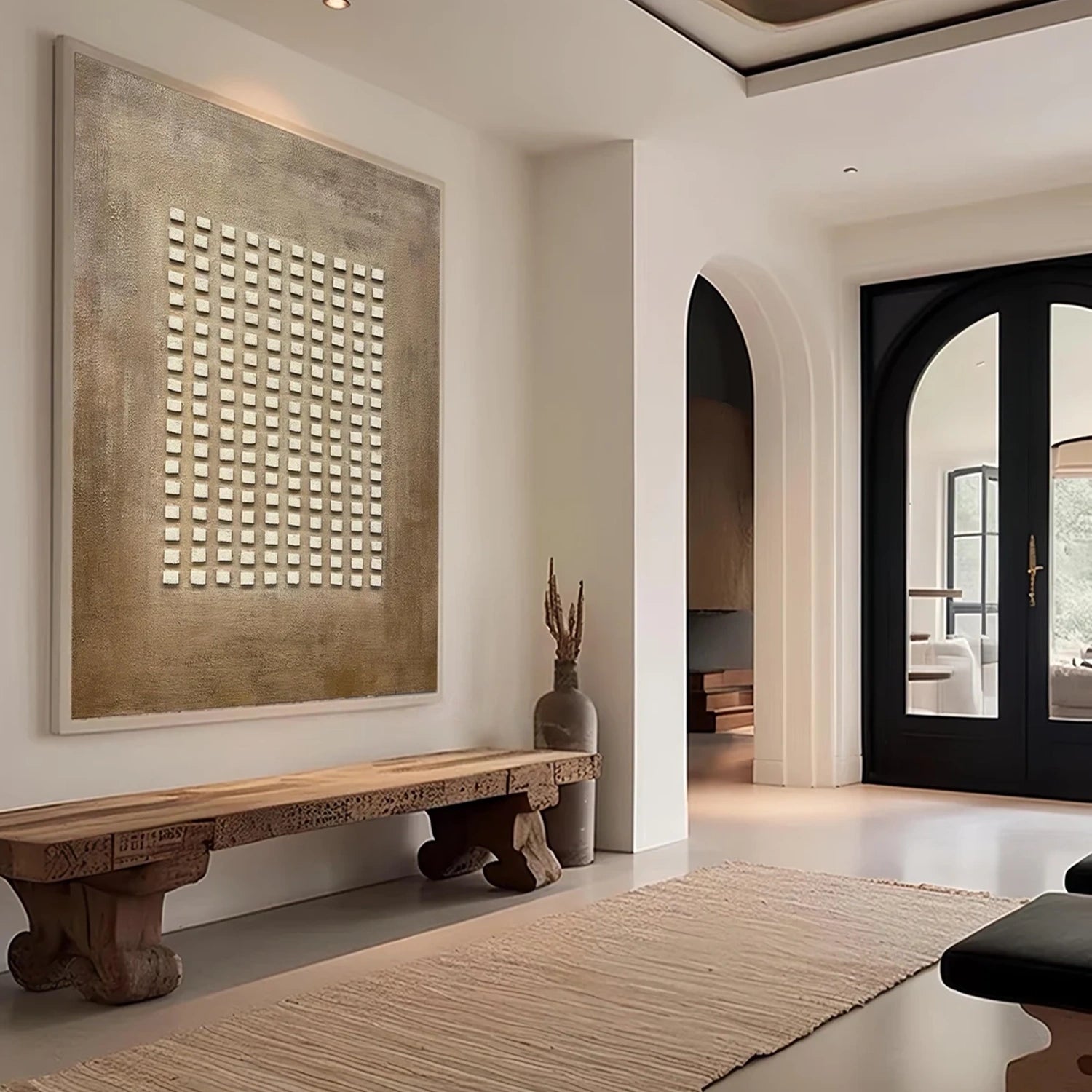
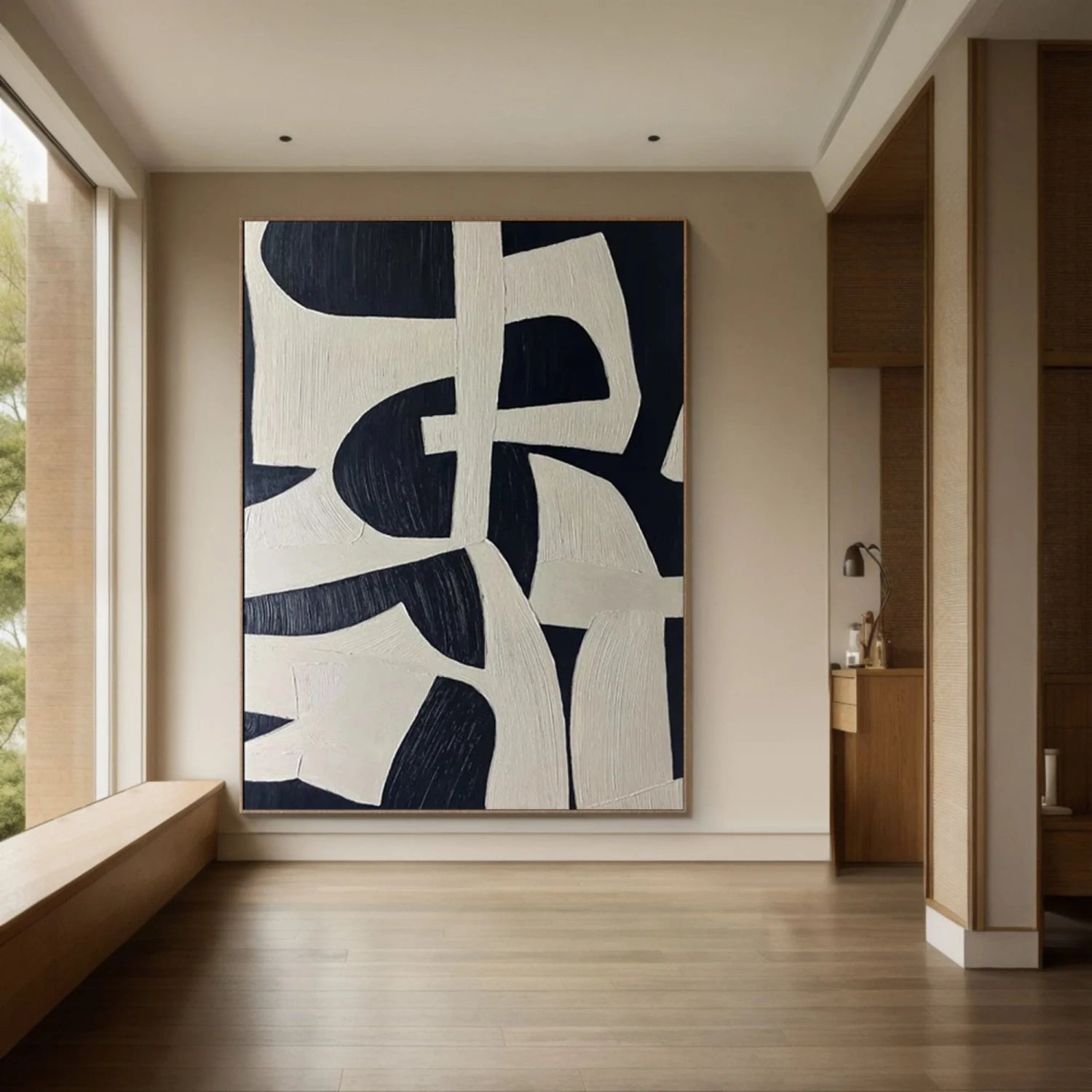
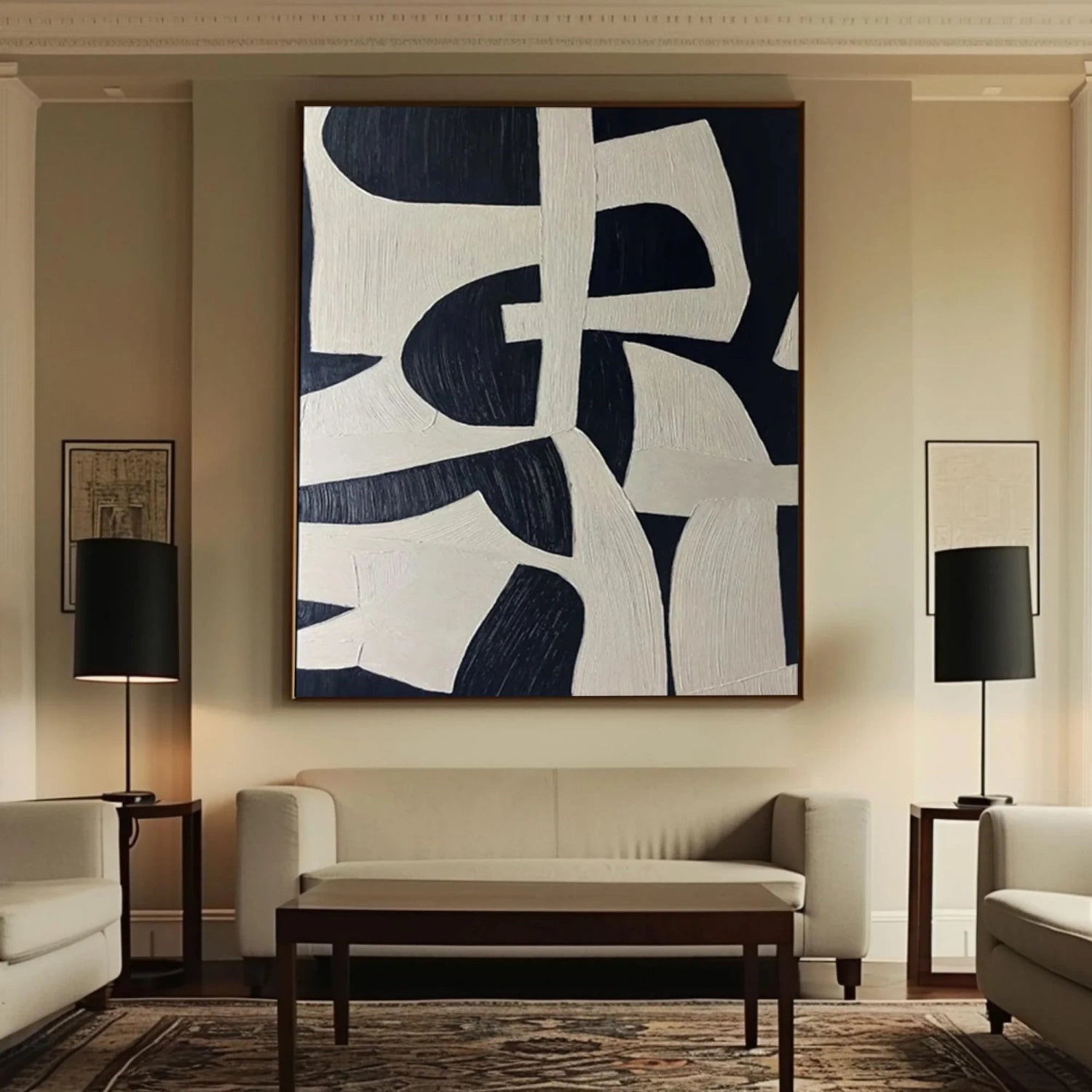
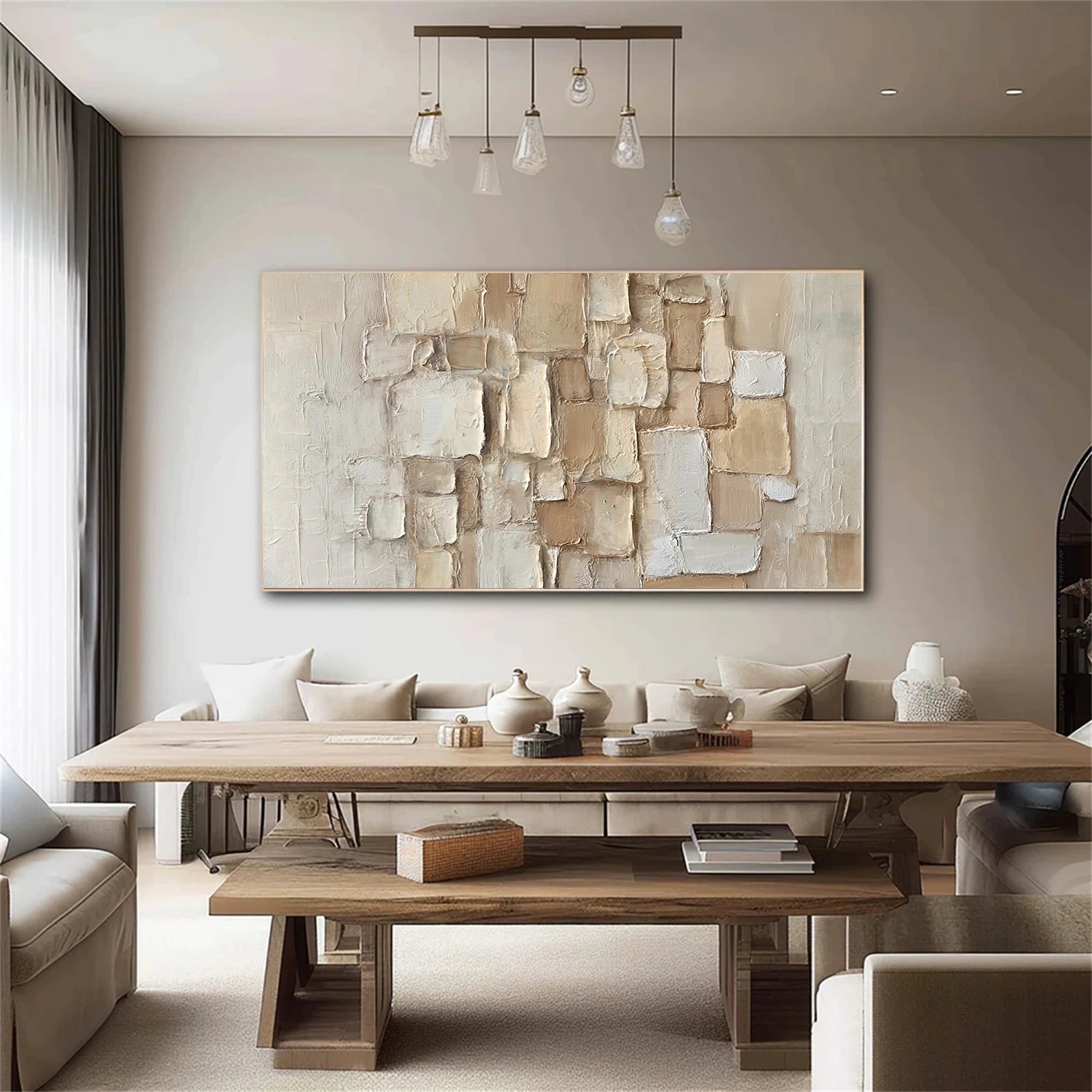
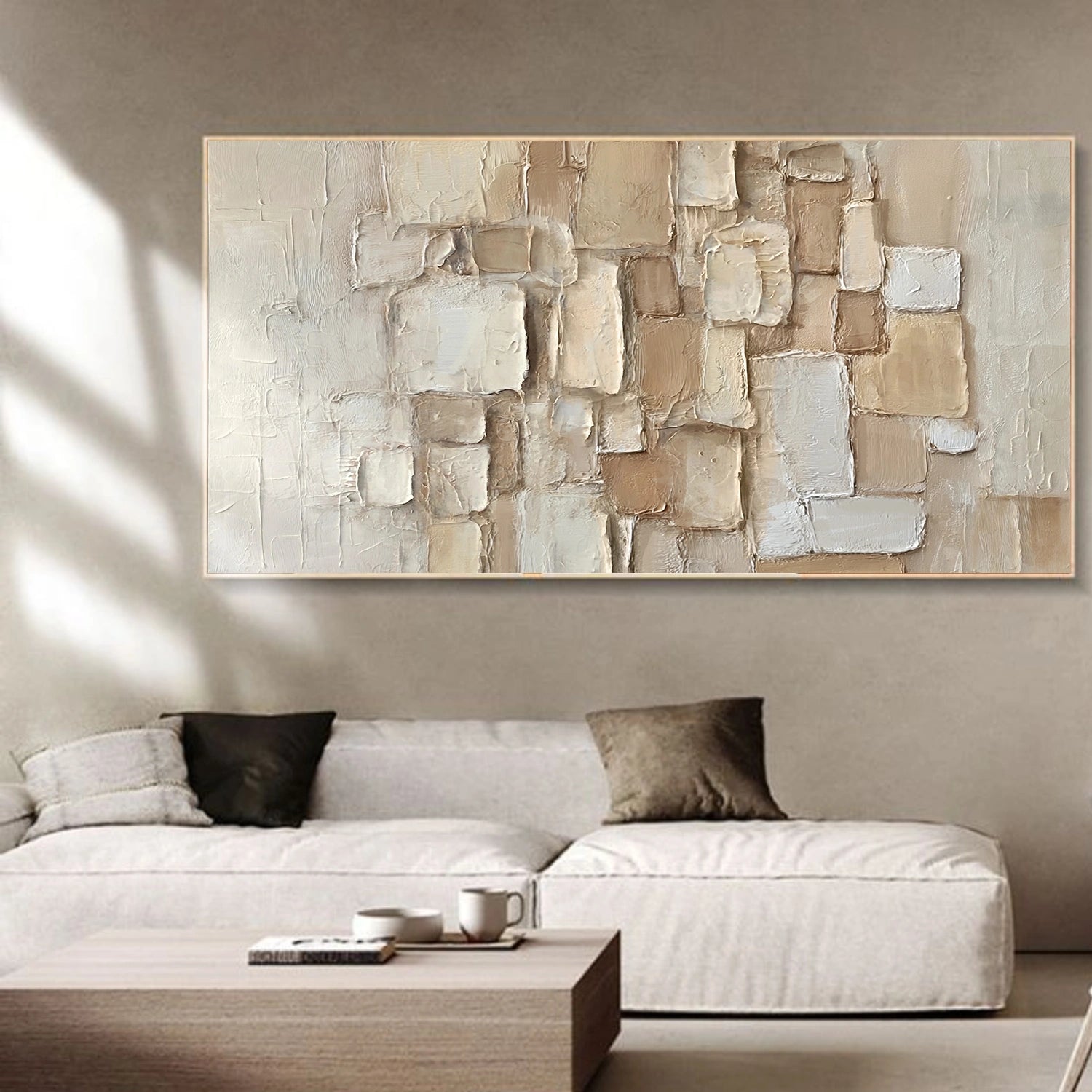
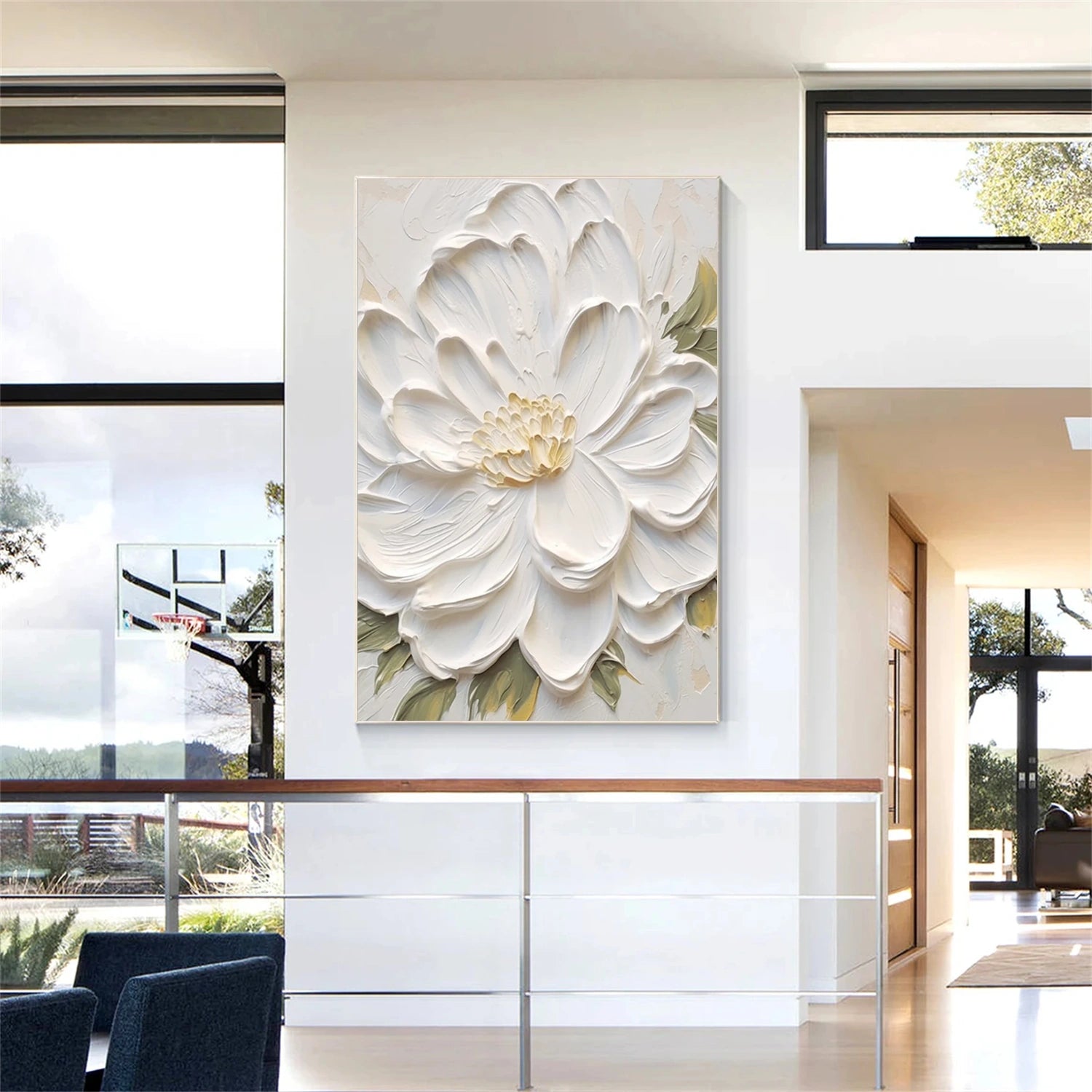
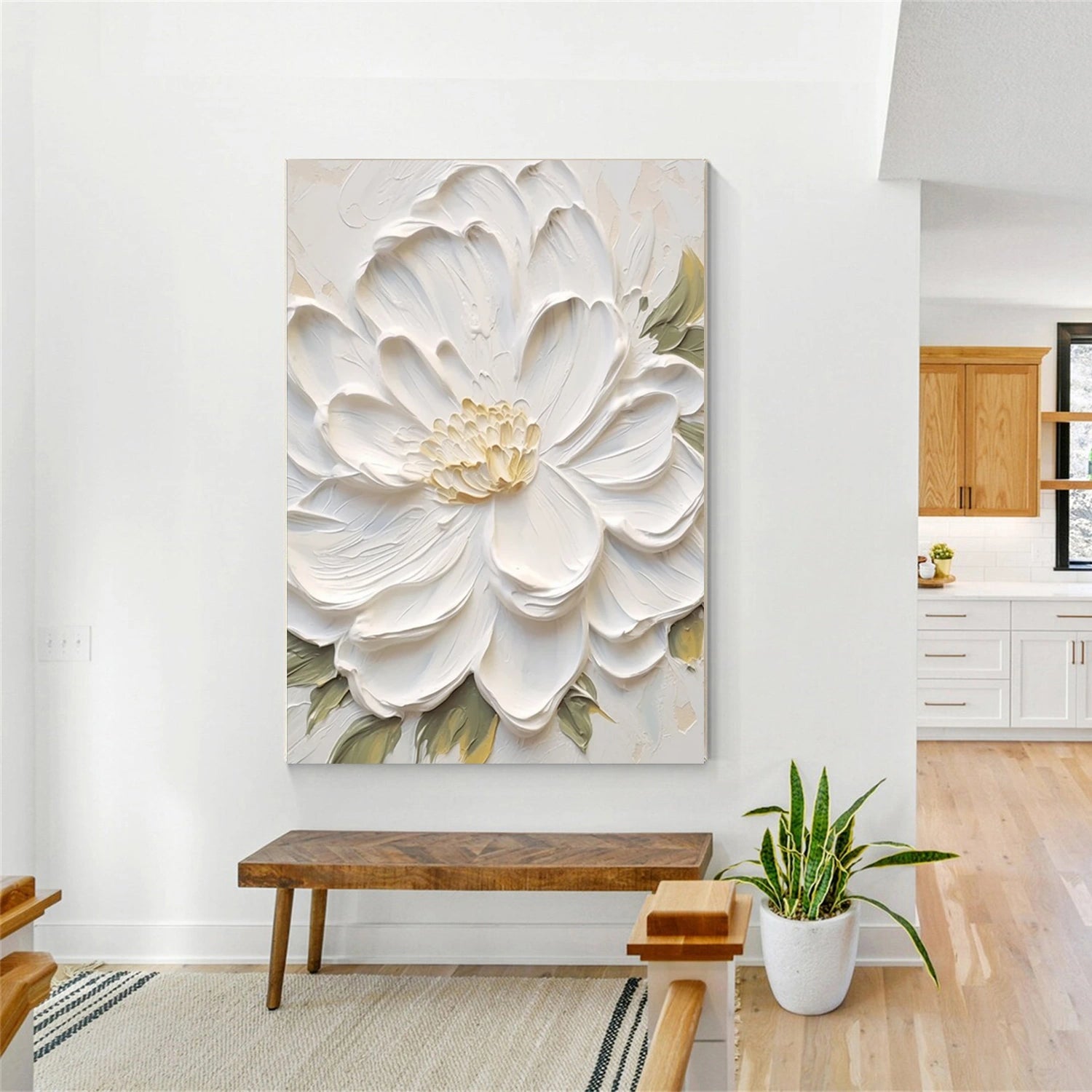
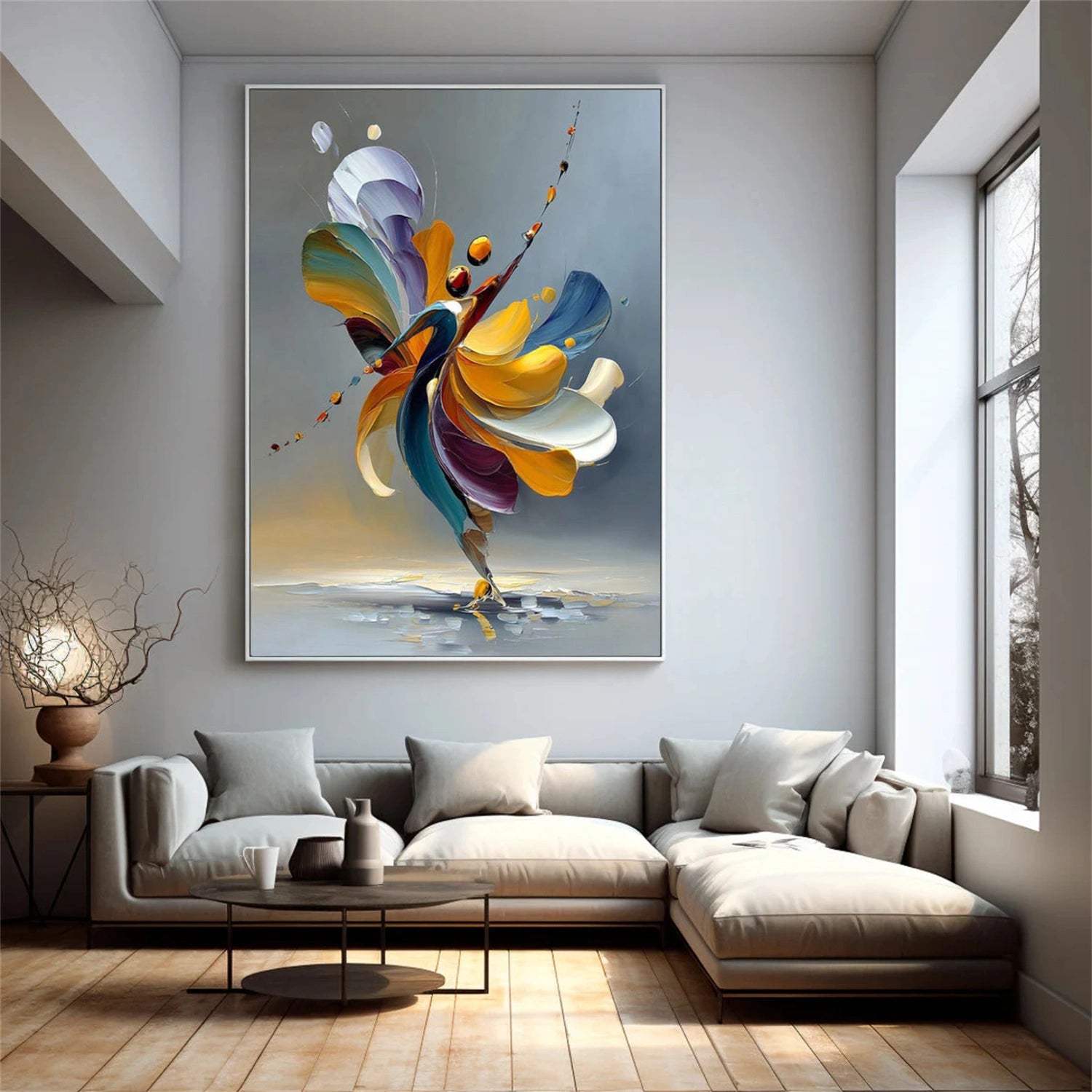
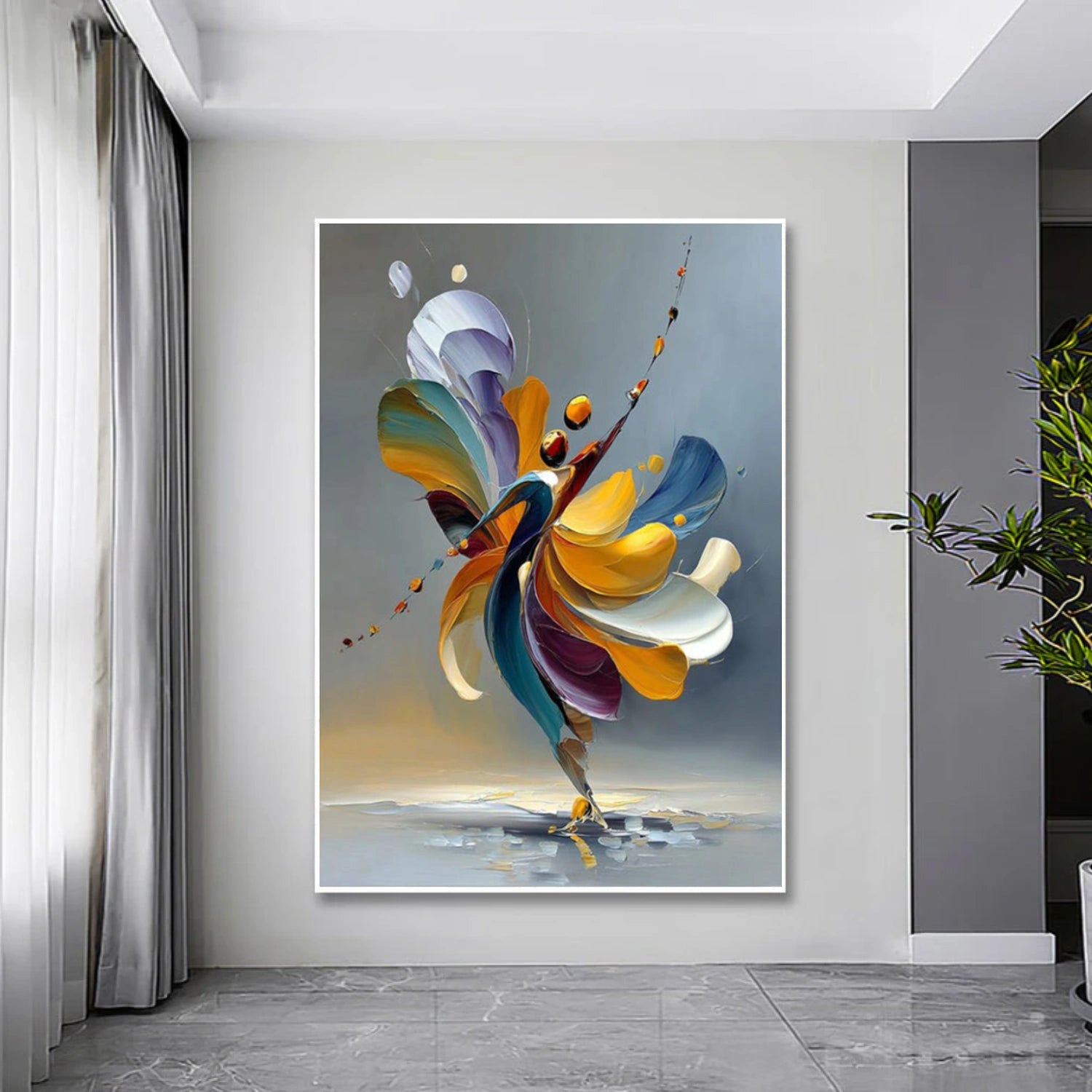
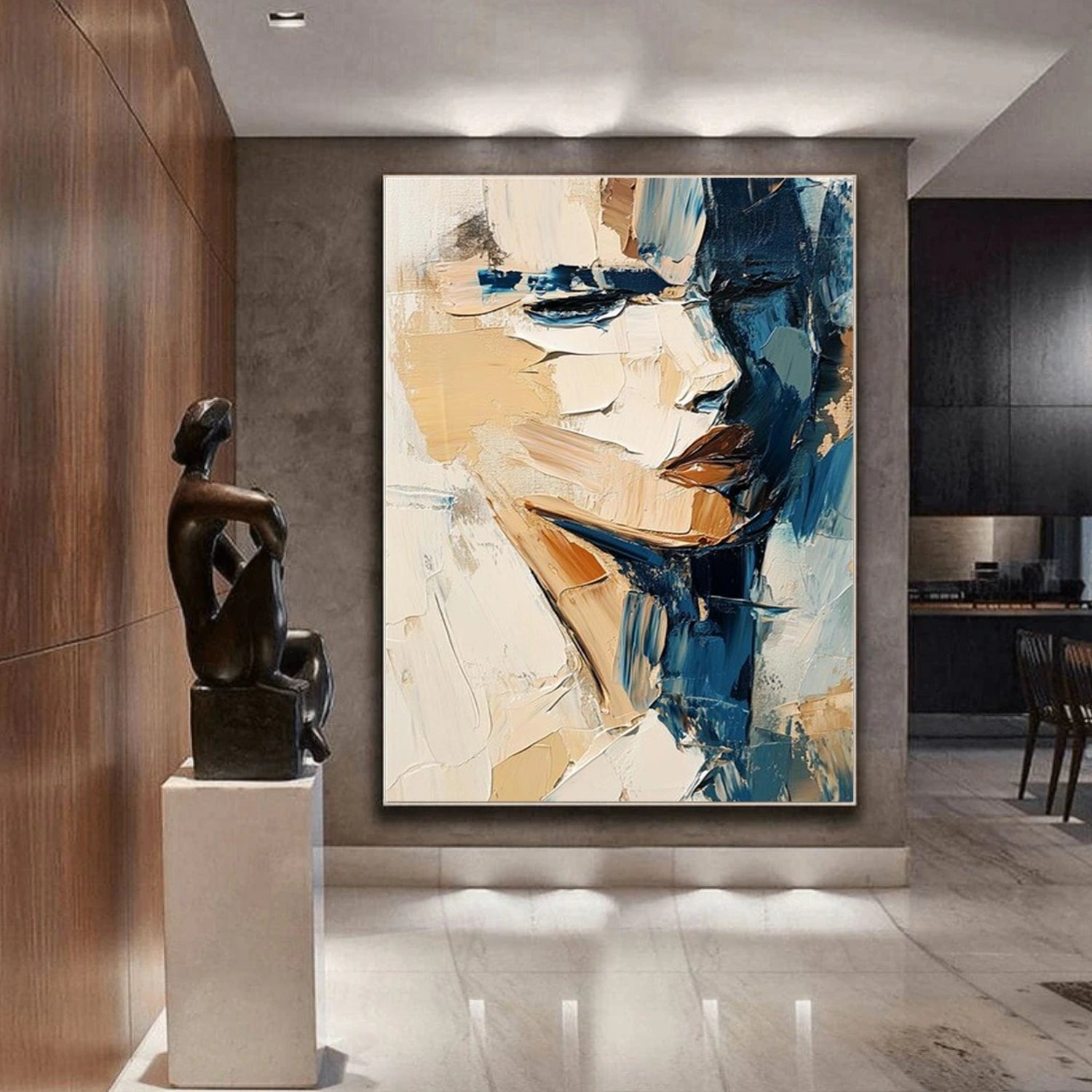
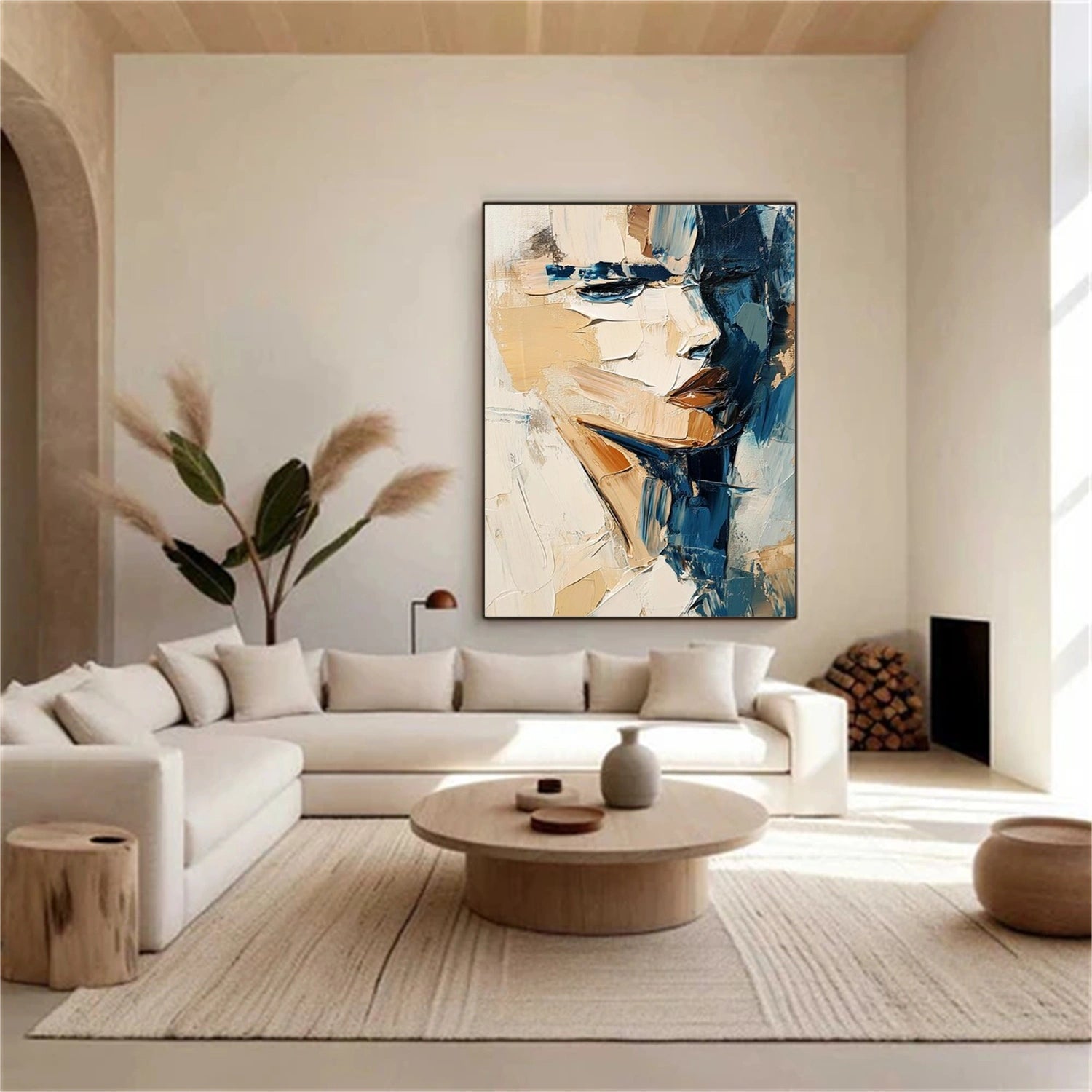
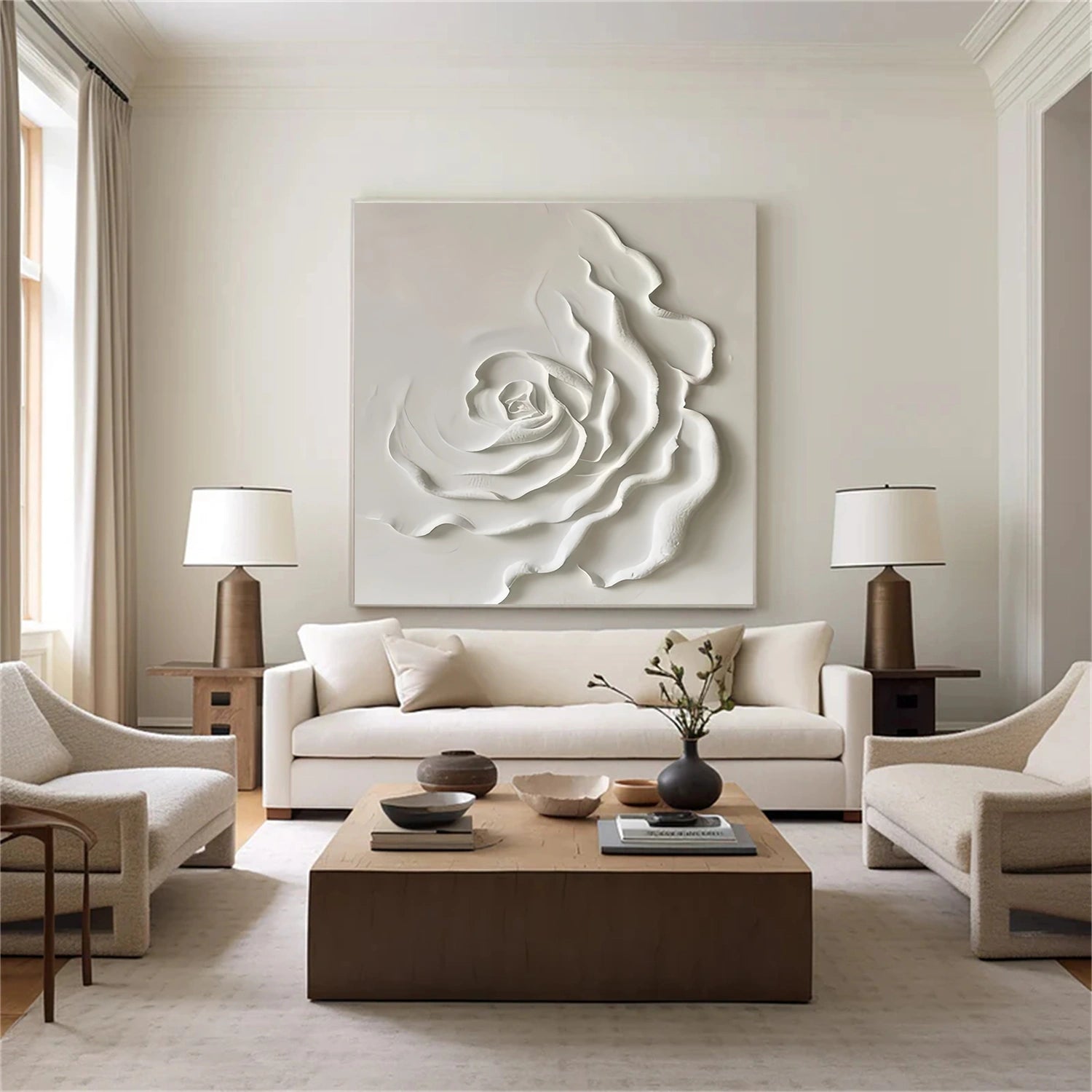
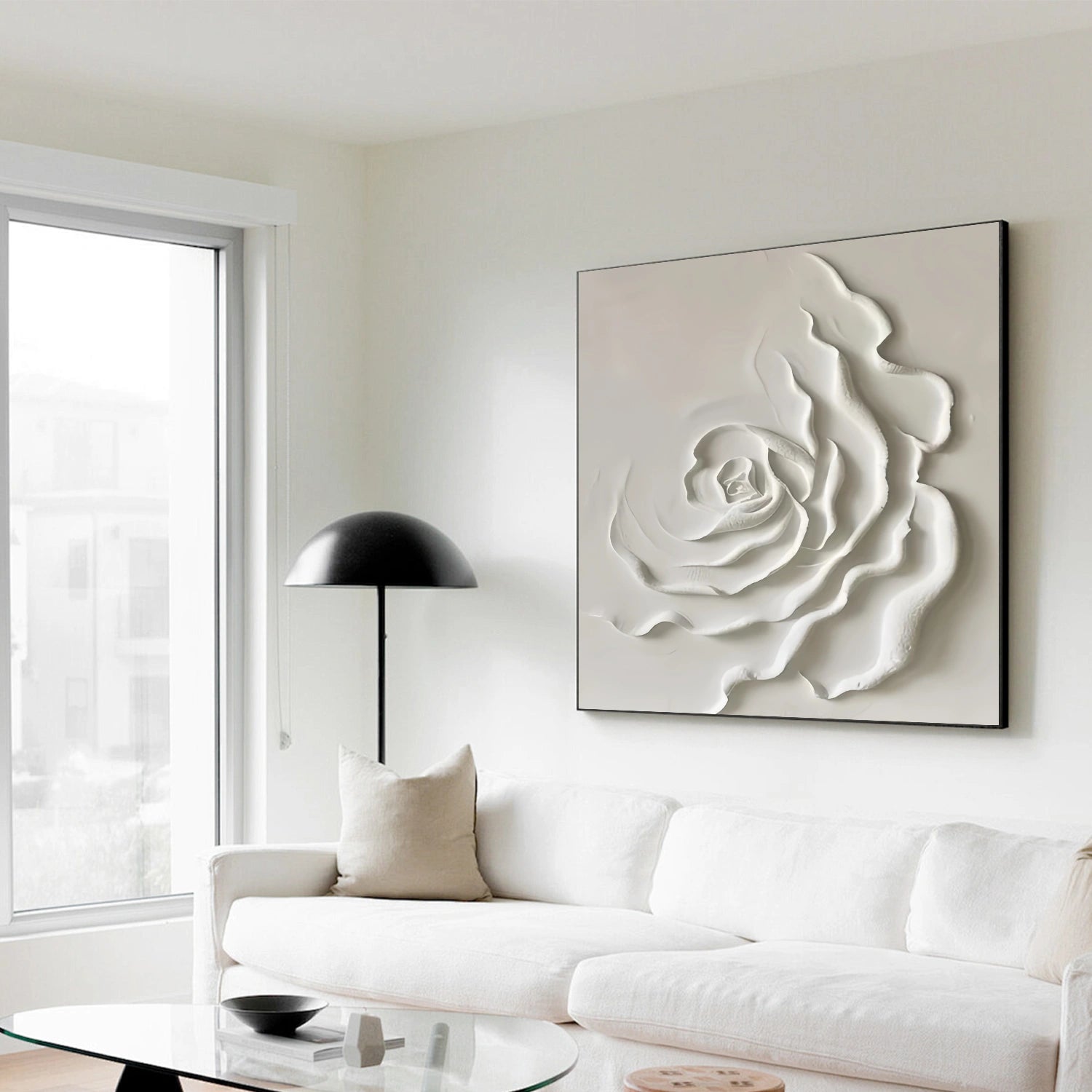
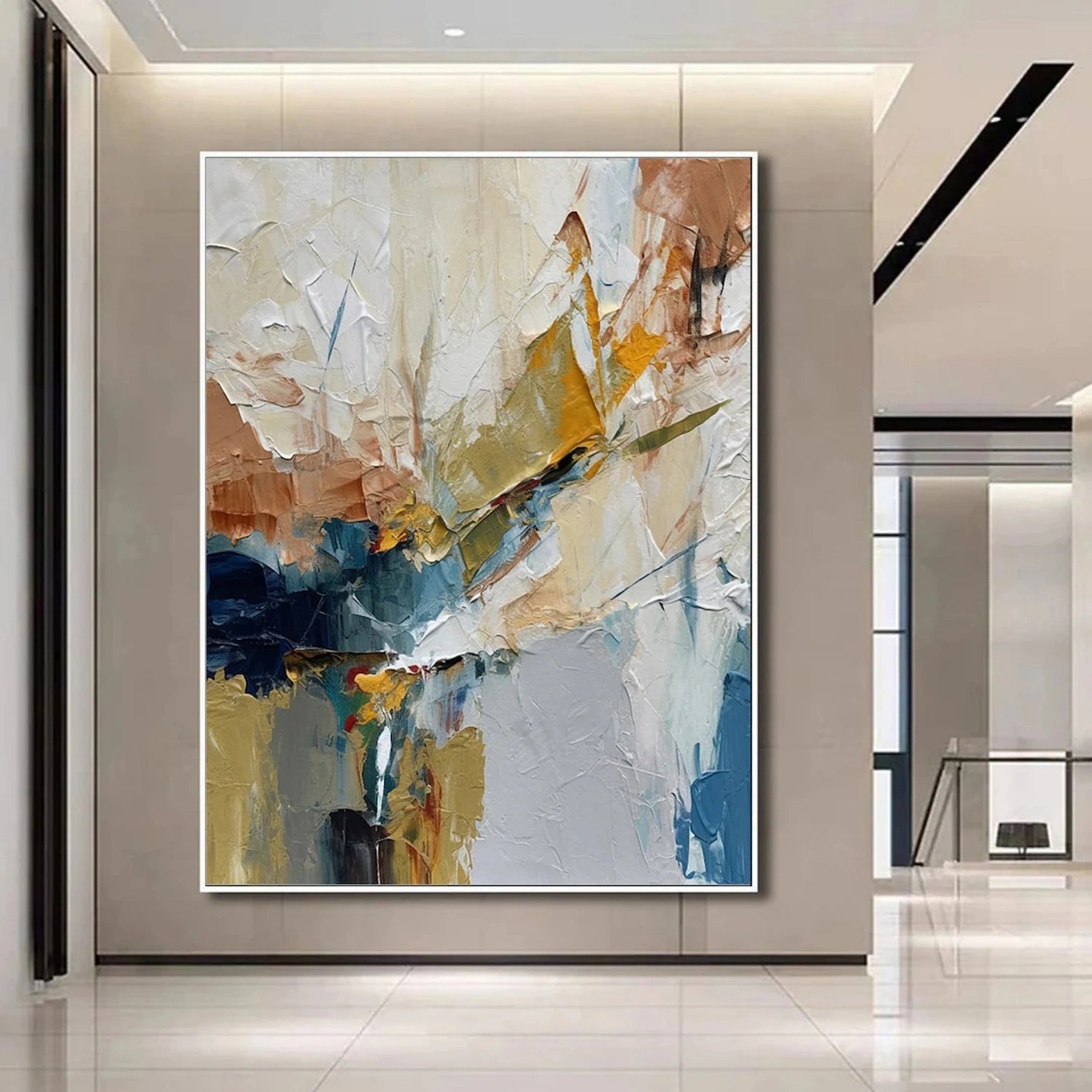
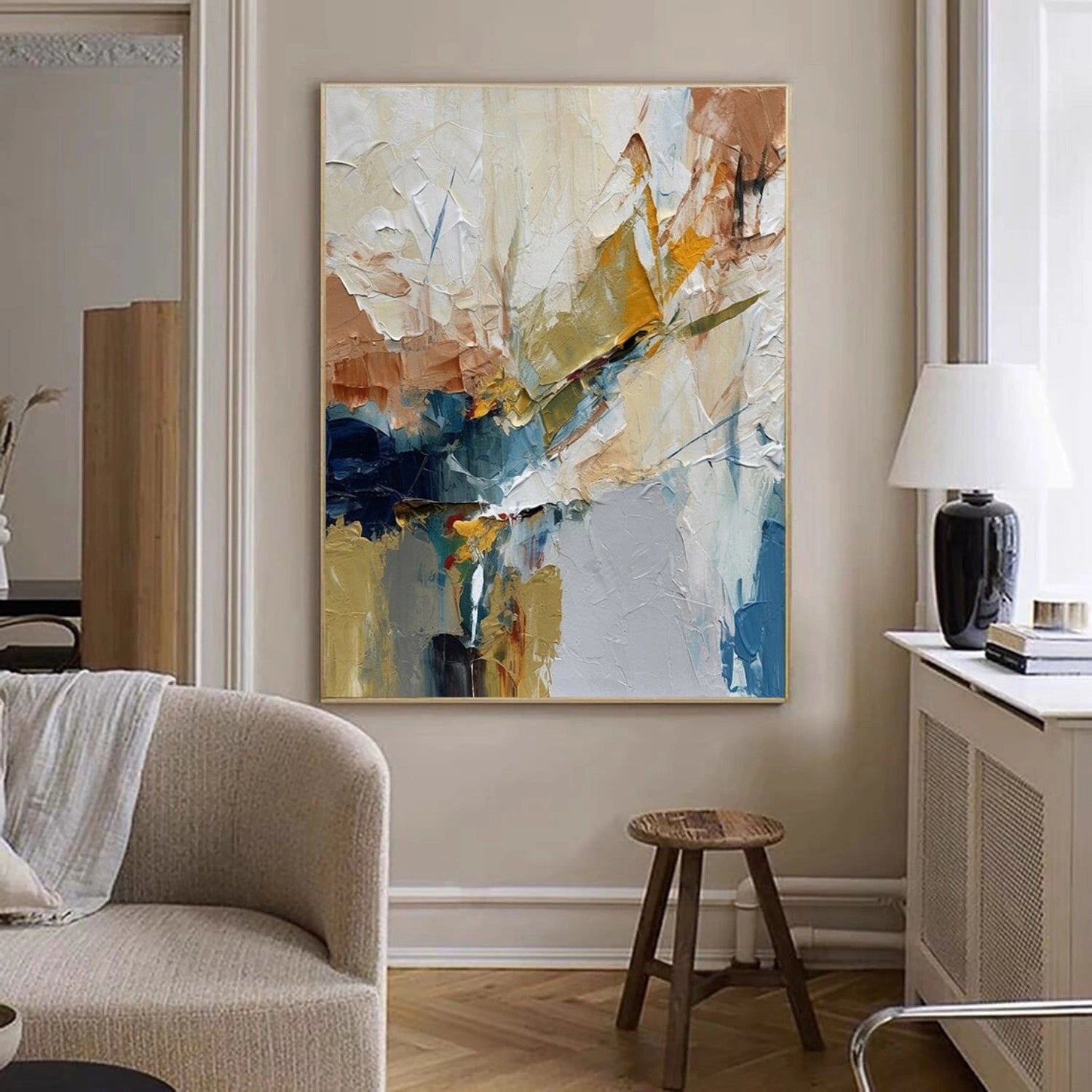
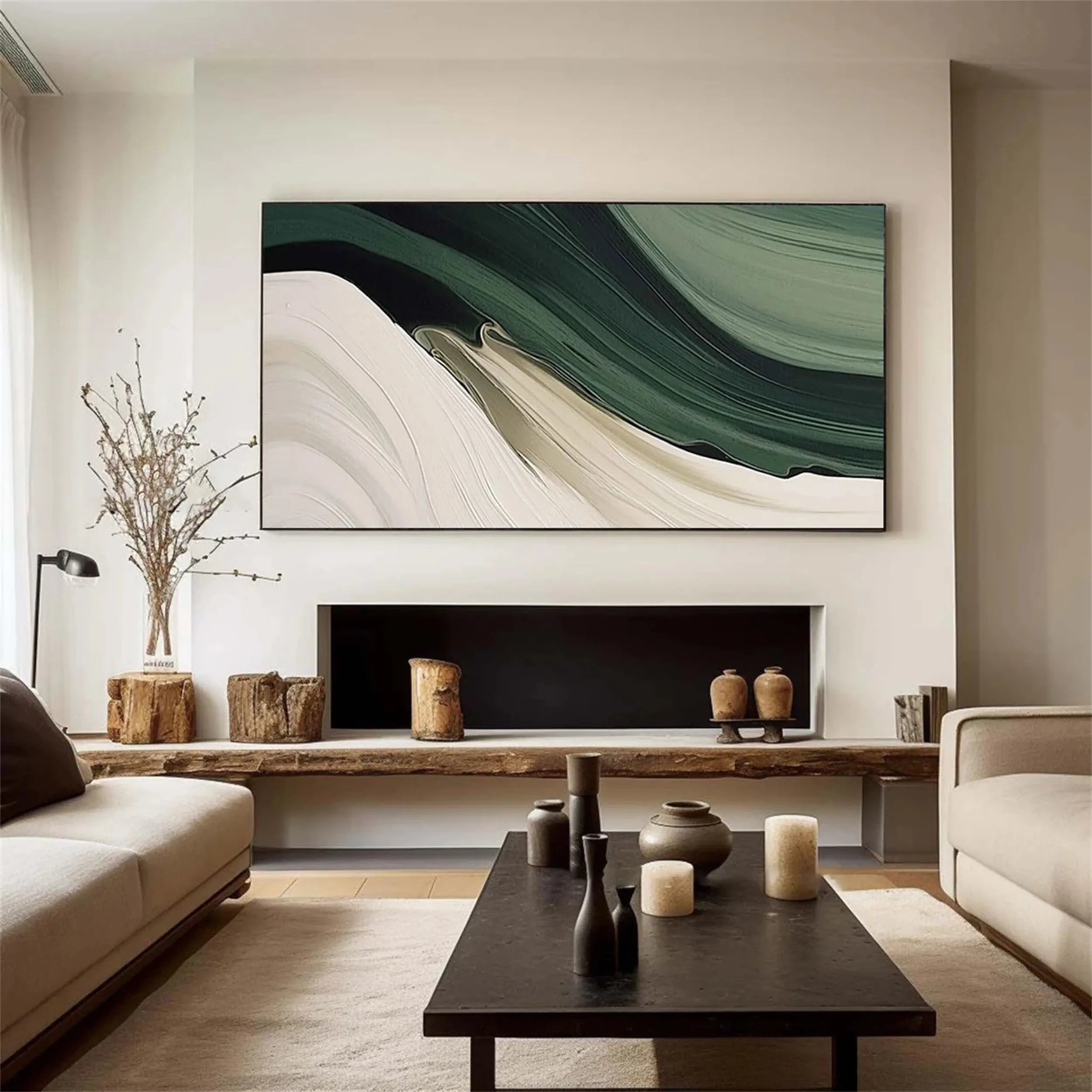
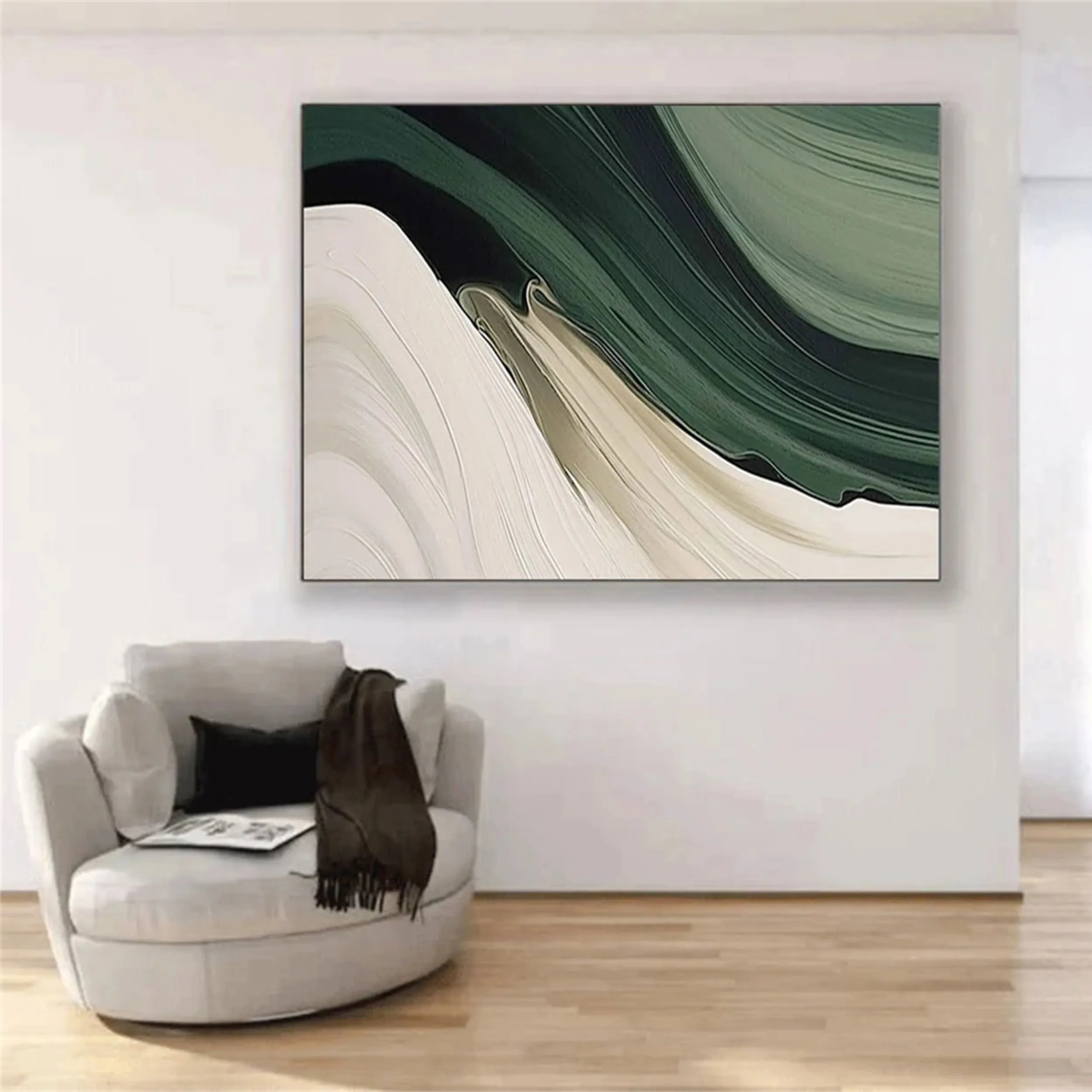
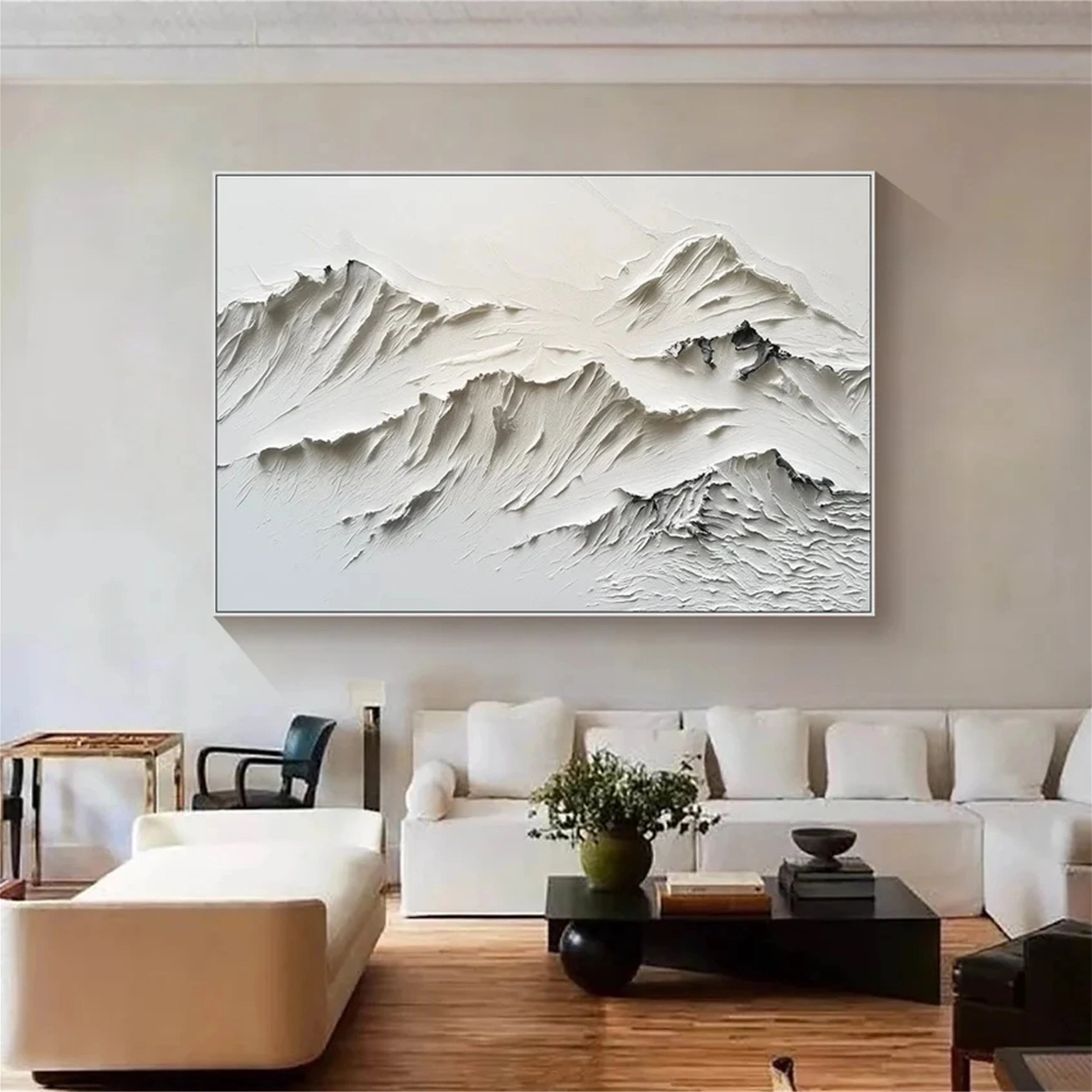
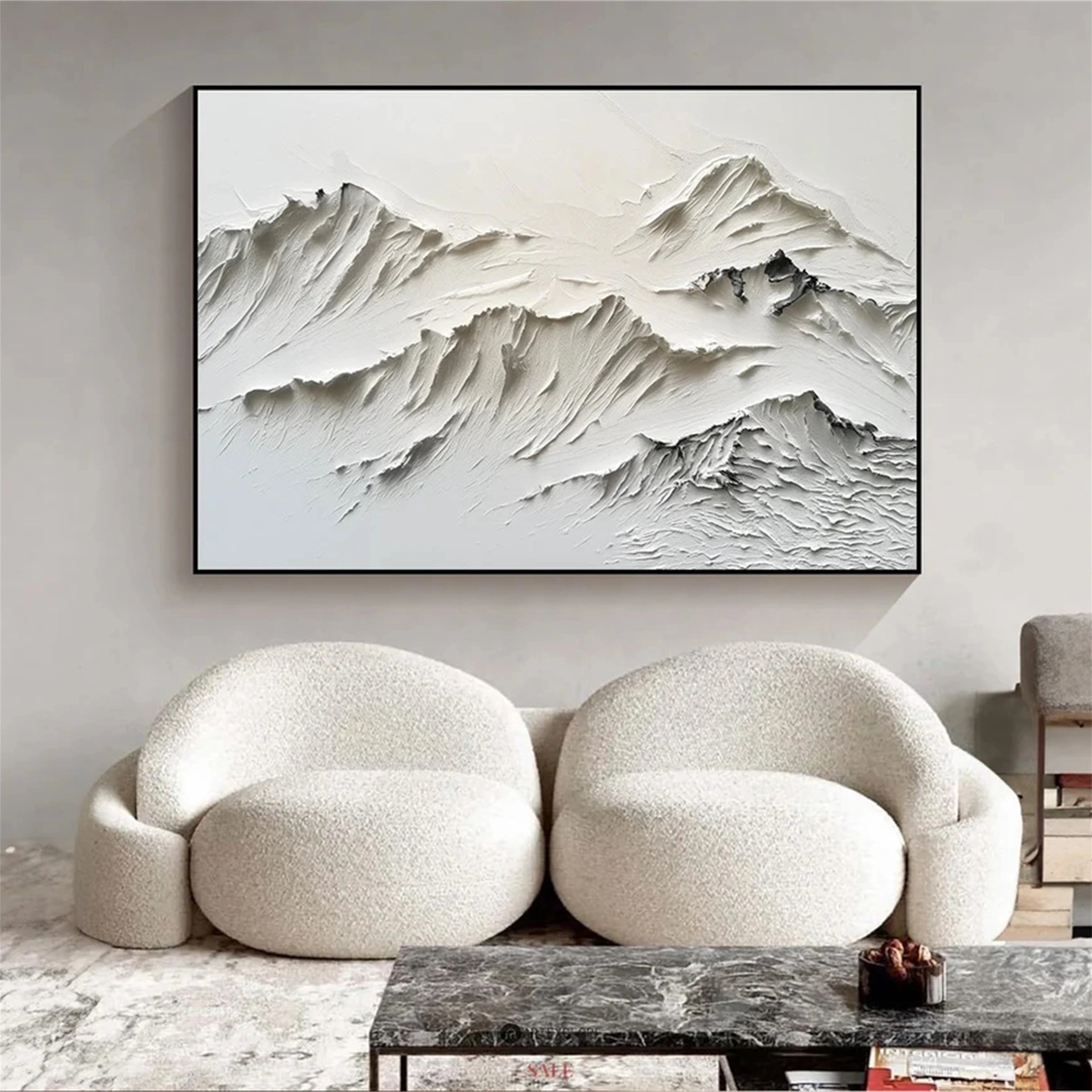
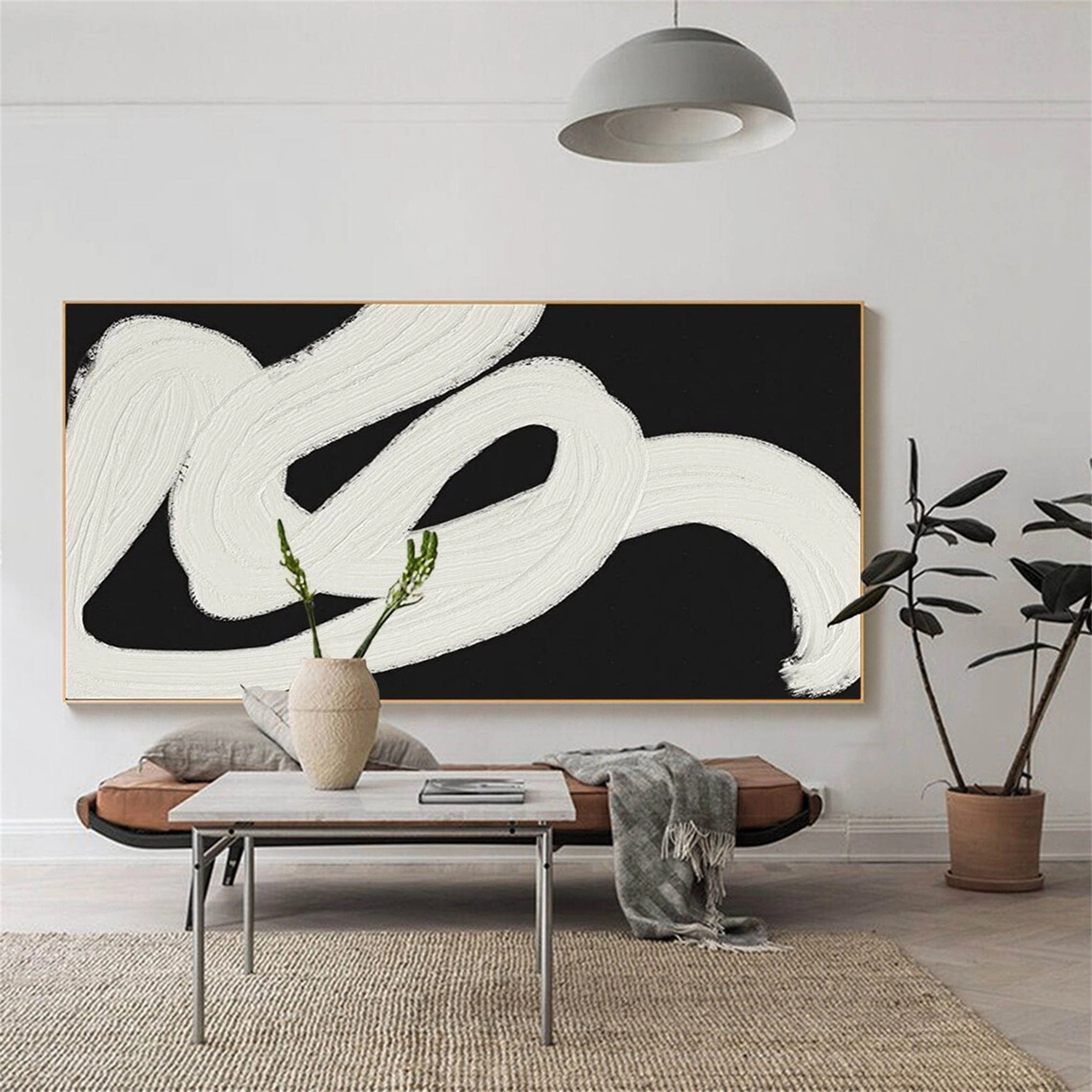
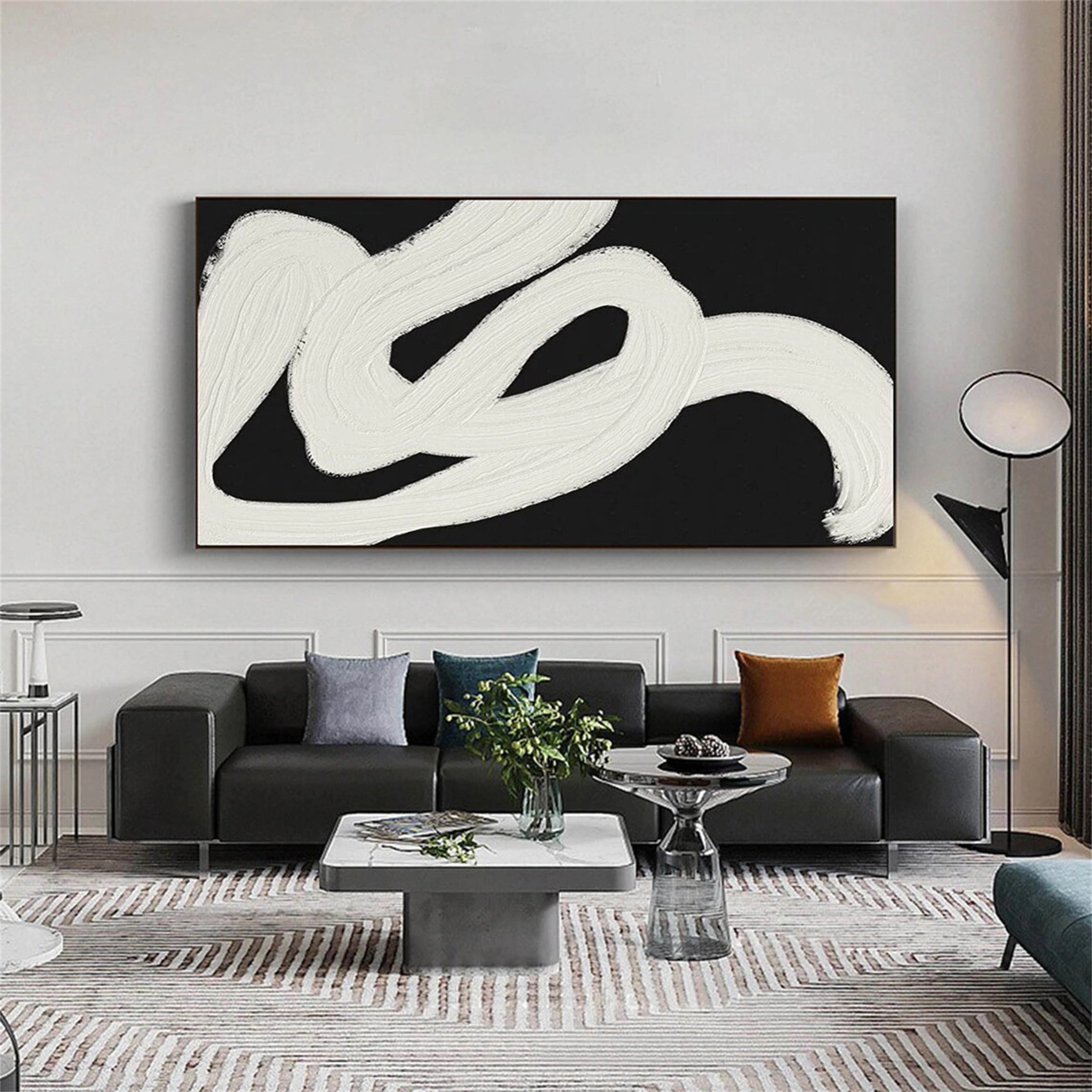
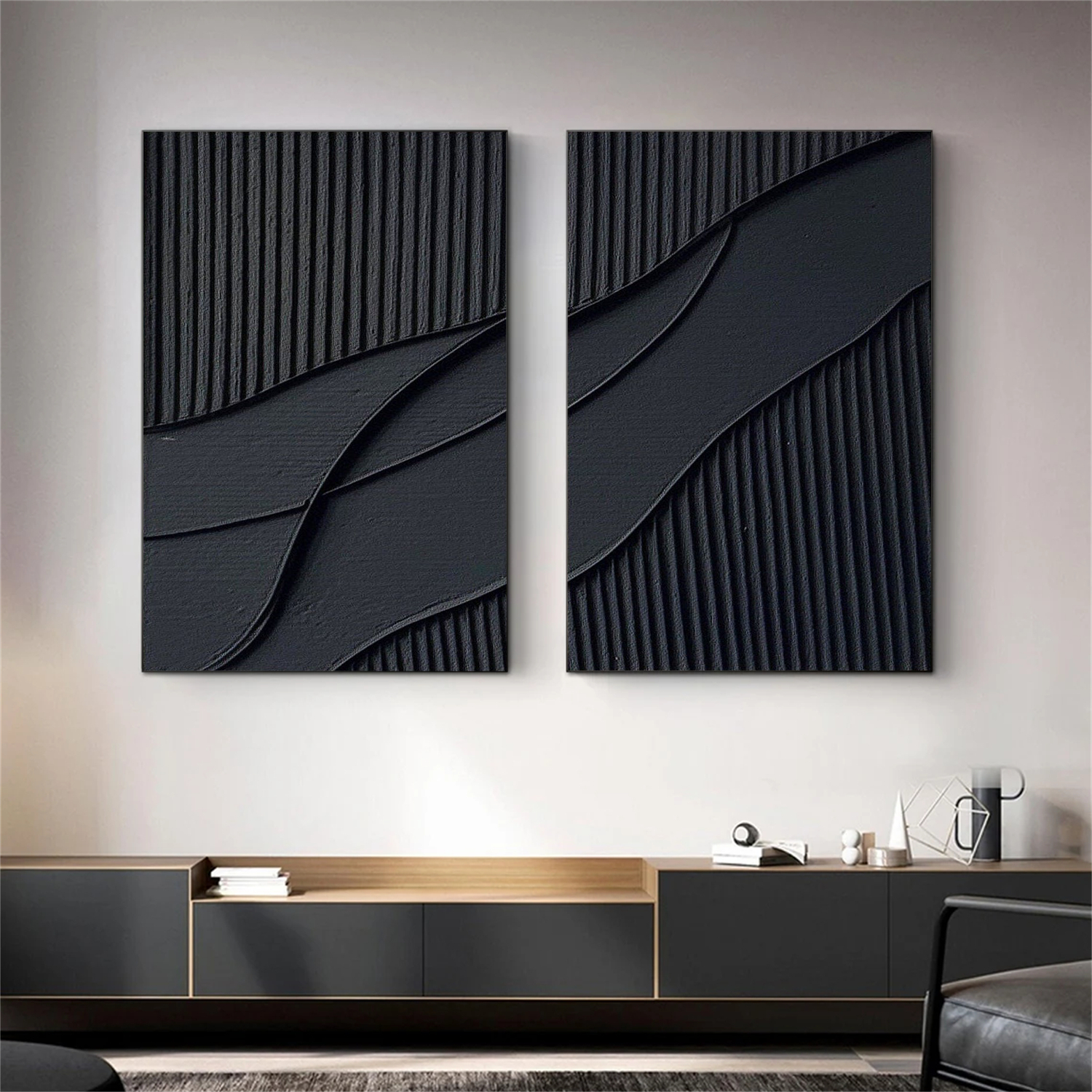
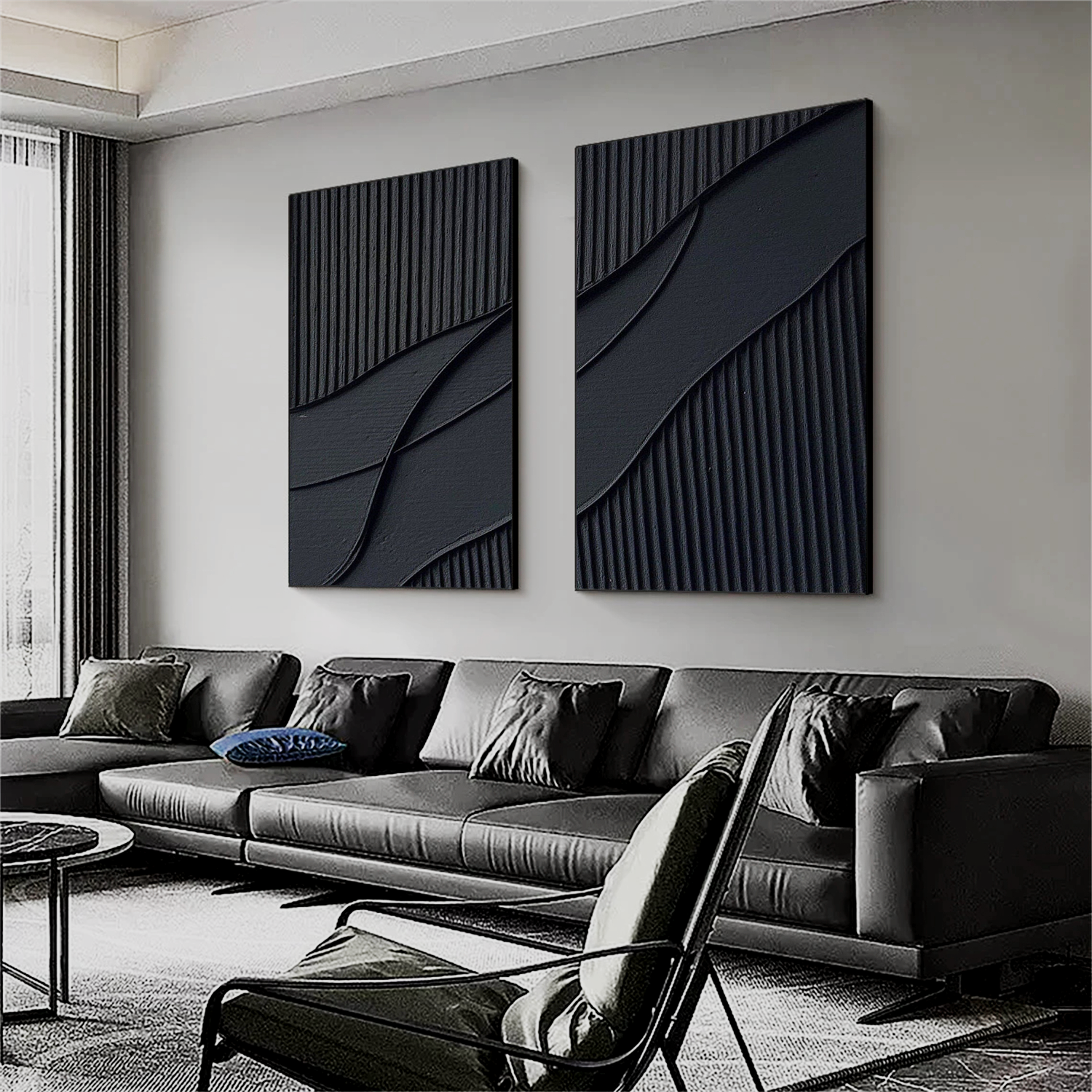
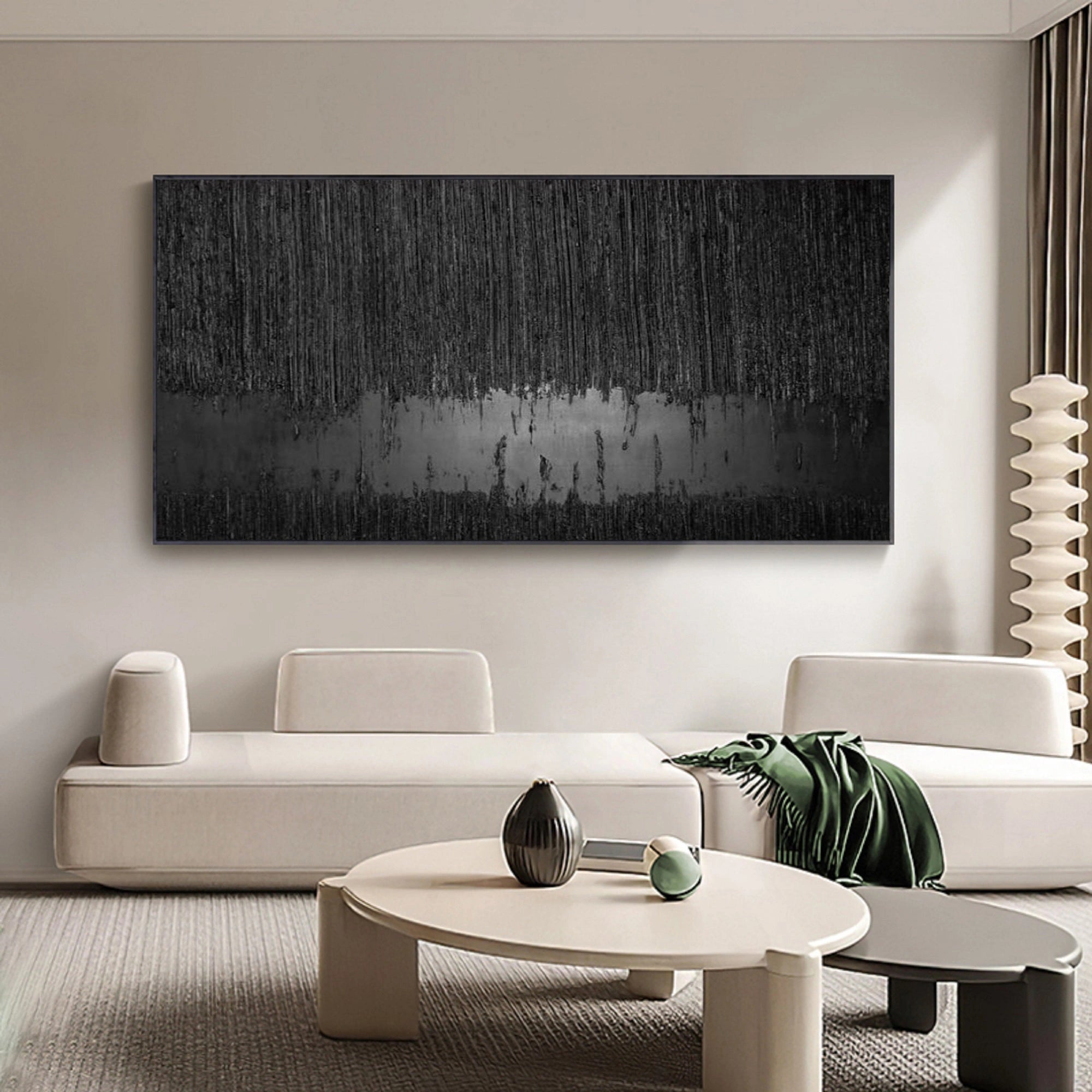
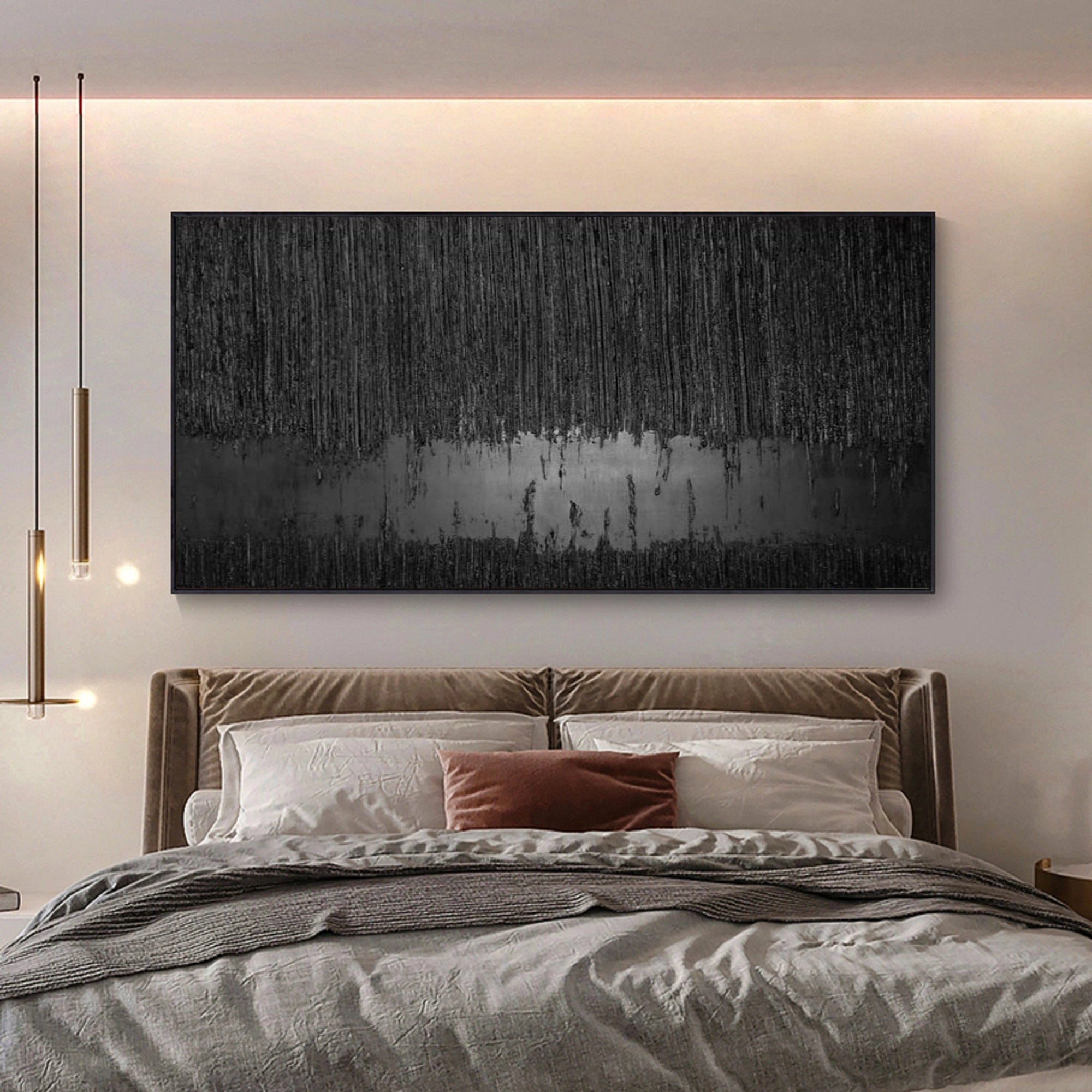
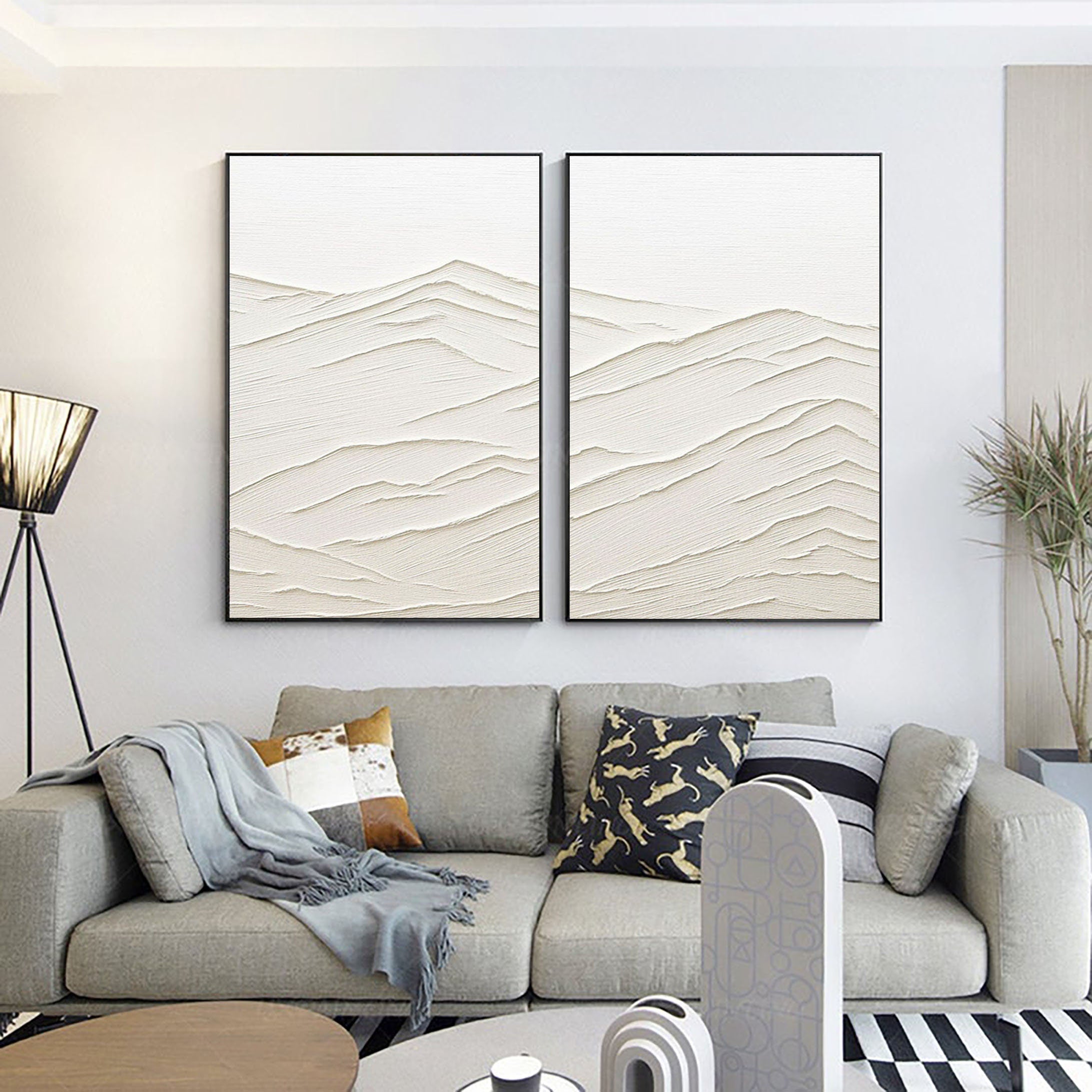
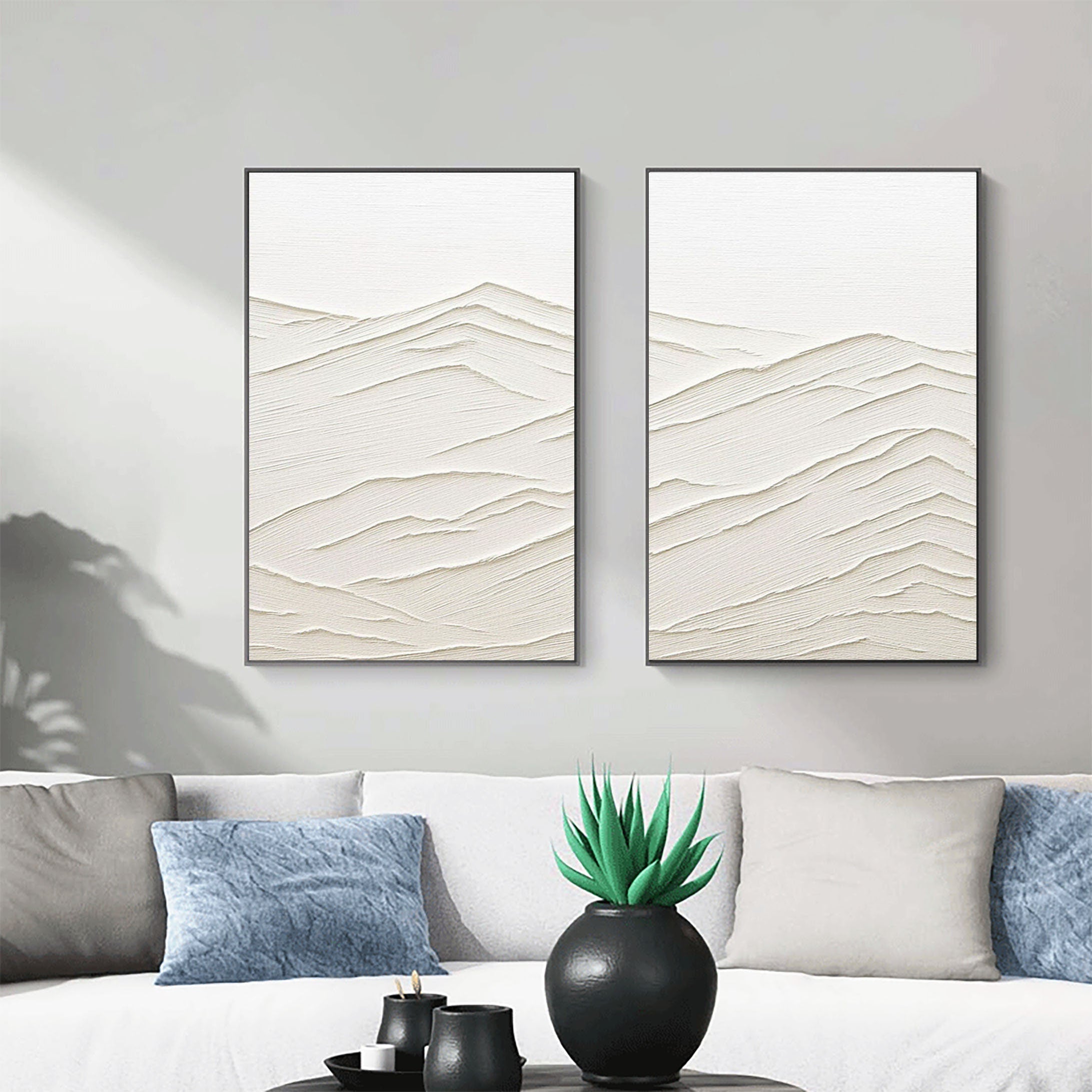
How Is Wall Texture Paint Transforming Interior Design in 2026?
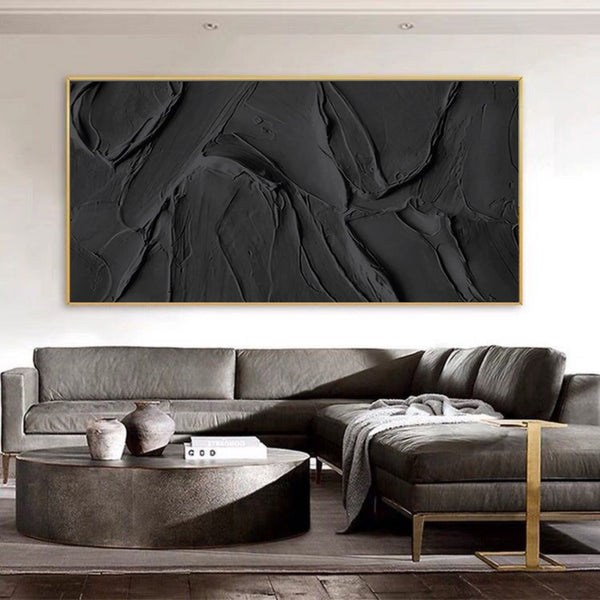
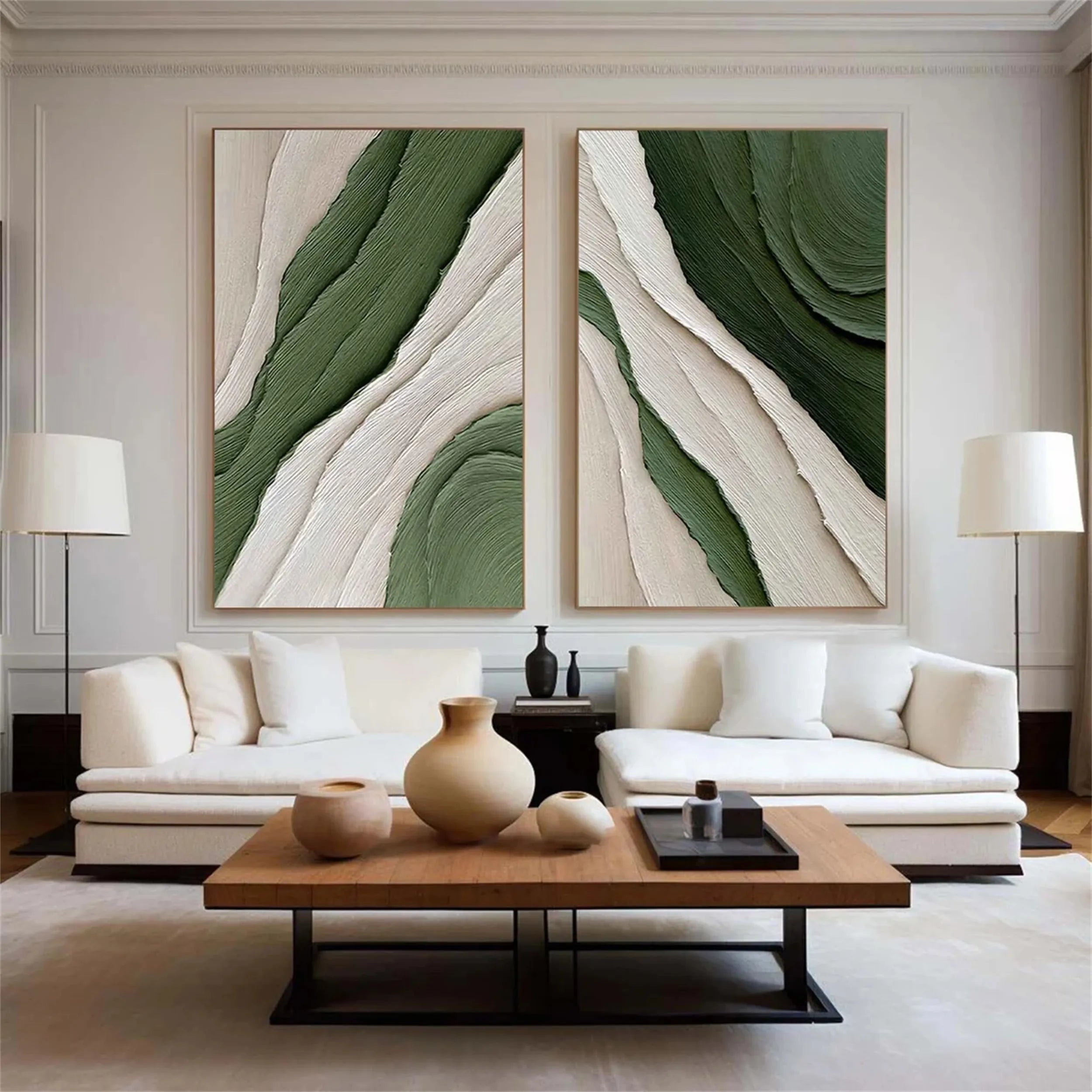
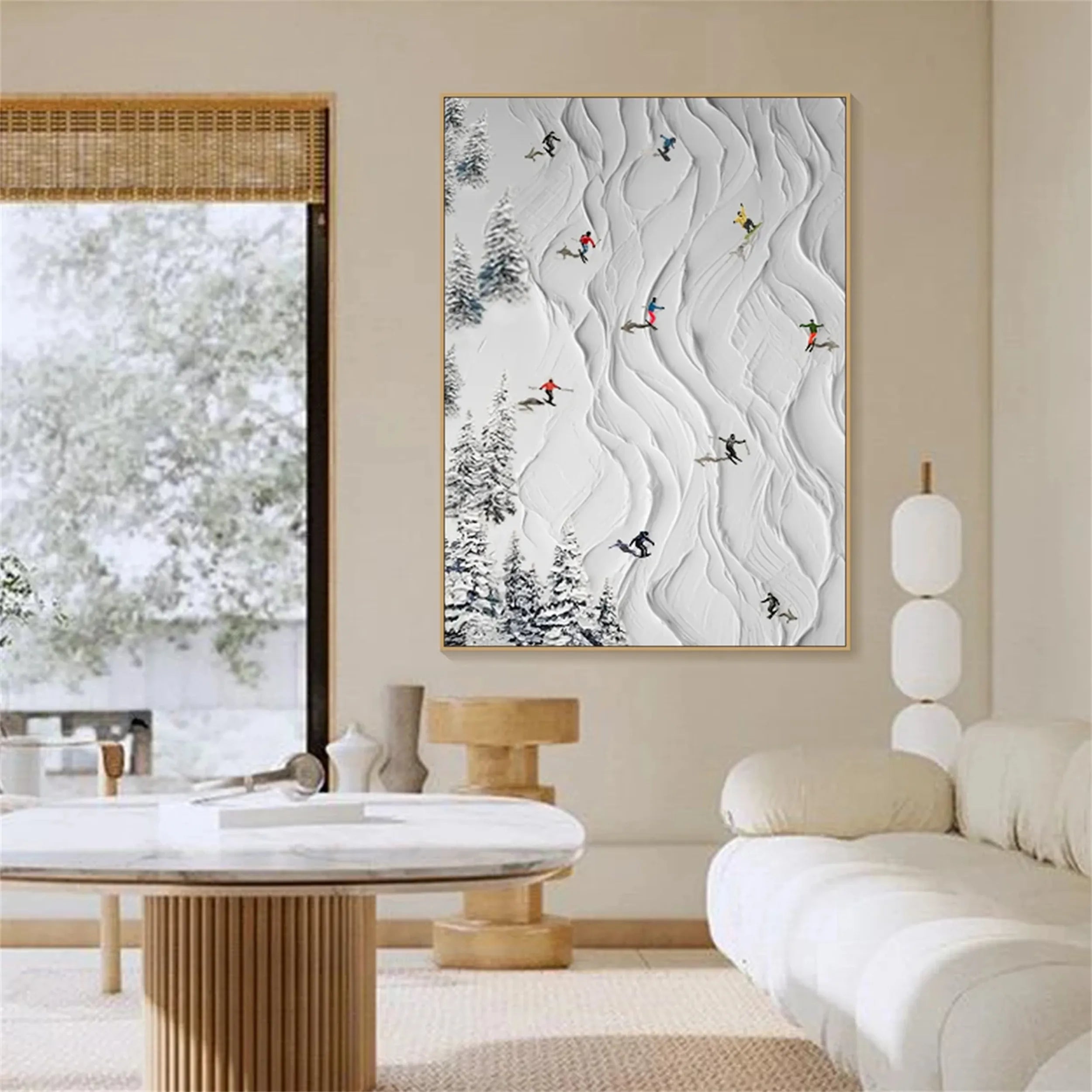
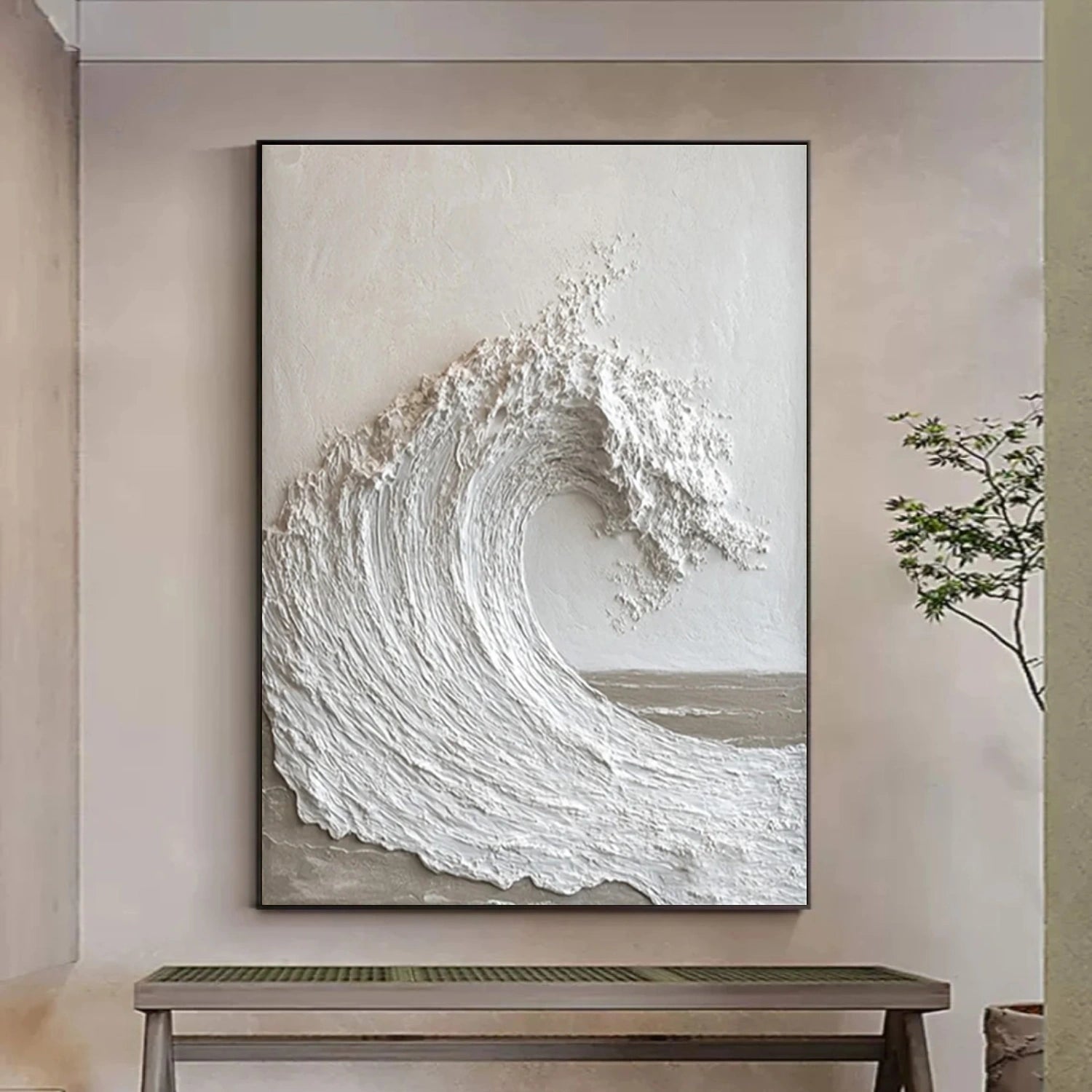
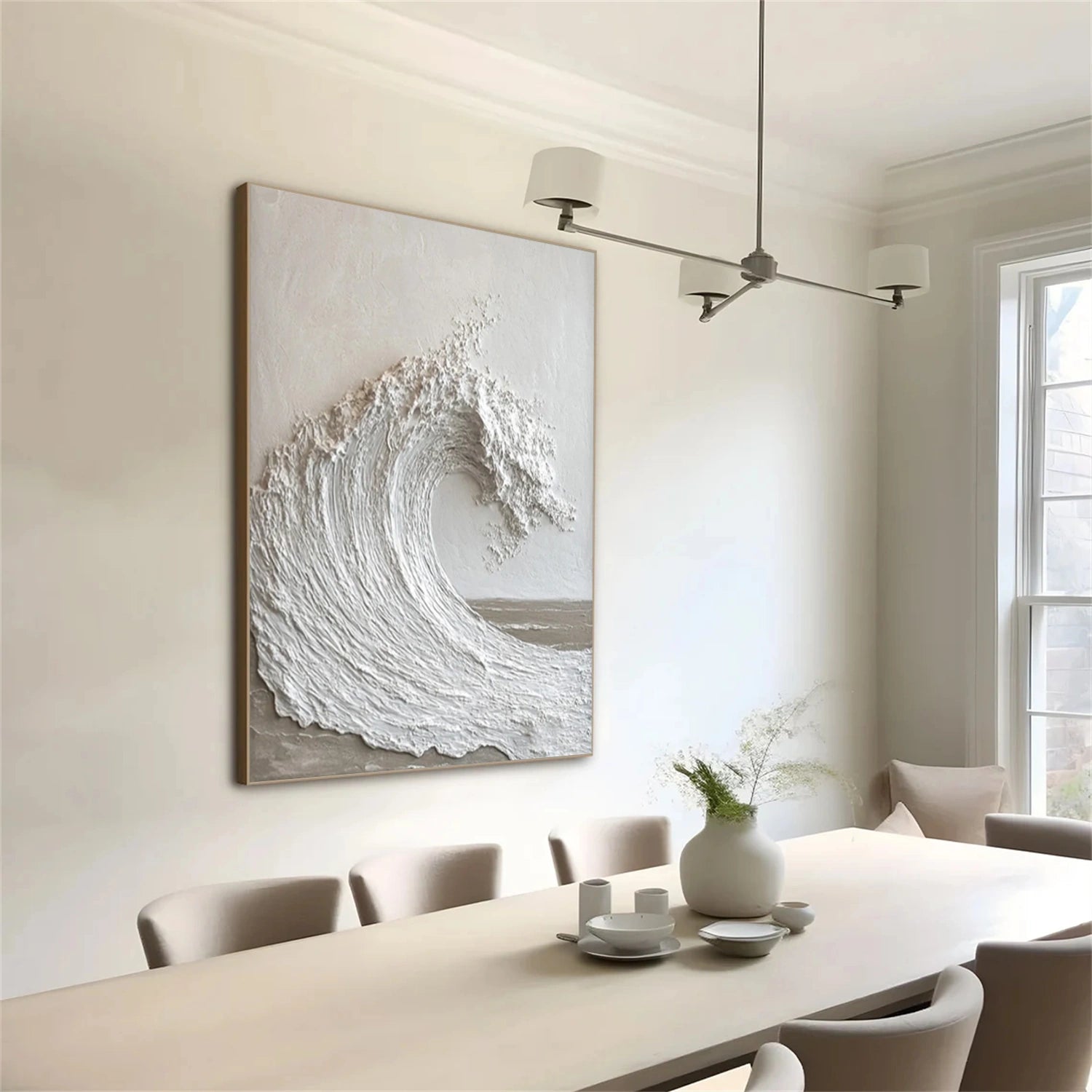
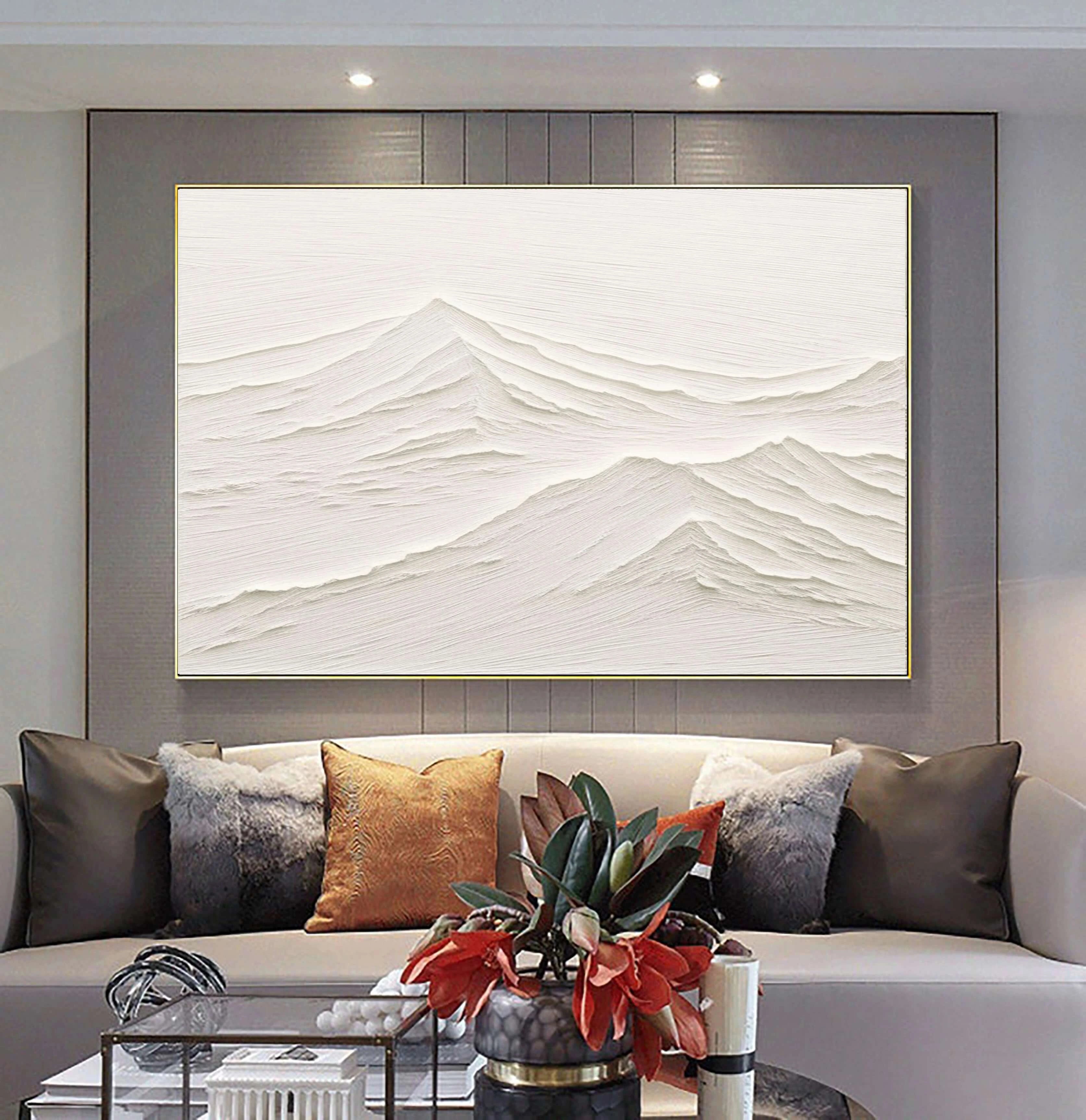
Wall texture paint is redefining the modern living space, combining durability, aesthetic creativity, and emotional well-being. It enhances interiors not just visually but sensorially, aligning home design with mental relaxation and individuality—values that brands like Vinchy Art champion through their art-inspired approach to environmental harmony.
How Is the Current Wall Texture Paint Industry Evolving and What Are the Pain Points?
The global decorative paints market reached over USD 93 billion in 2025, according to Statista, with textured finishes growing at an annual rate of nearly 6%. Yet, as demand rises, consumers face high costs, uneven application standards, and environmental concerns. Many homeowners desire expressive, sustainable finishes that elevate mood and complement art pieces—demands rarely met by traditional options. Interior professionals report that 64% of renovation clients now prefer walls that “feel” as good as they look, indicating a psychological shift toward emotionally engaging interiors. Despite this surge in demand, the lack of accessible, high-quality textured paint solutions leaves many projects either over-budget or aesthetically compromised. Vinchy Art, leveraging its expertise in abstract oil compositions that evoke relaxation, addresses this gap by integrating the emotional dimension of art into material surfaces.
What Makes Traditional Wall Finishes Insufficient Today?
Conventional paint lacks tactile richness, creates flat visual fields, and offers limited durability. While wallpaper introduces patterns, it often peels or fades under humidity. Cement plaster finishes, though textured, are labor-intensive and inflexible in design. Cost per square meter for traditional layering may exceed texture paints by 30%, yet the result fails to deliver sensory depth or modern visual fluidity. Interior designers increasingly diagnose a “decor experience gap” between functional coating and emotional resonance—something Vinchy Art bridges by translating its artistic sensibility into ambient surface concepts.
How Does the Modern Wall Texture Paint Solution Work?
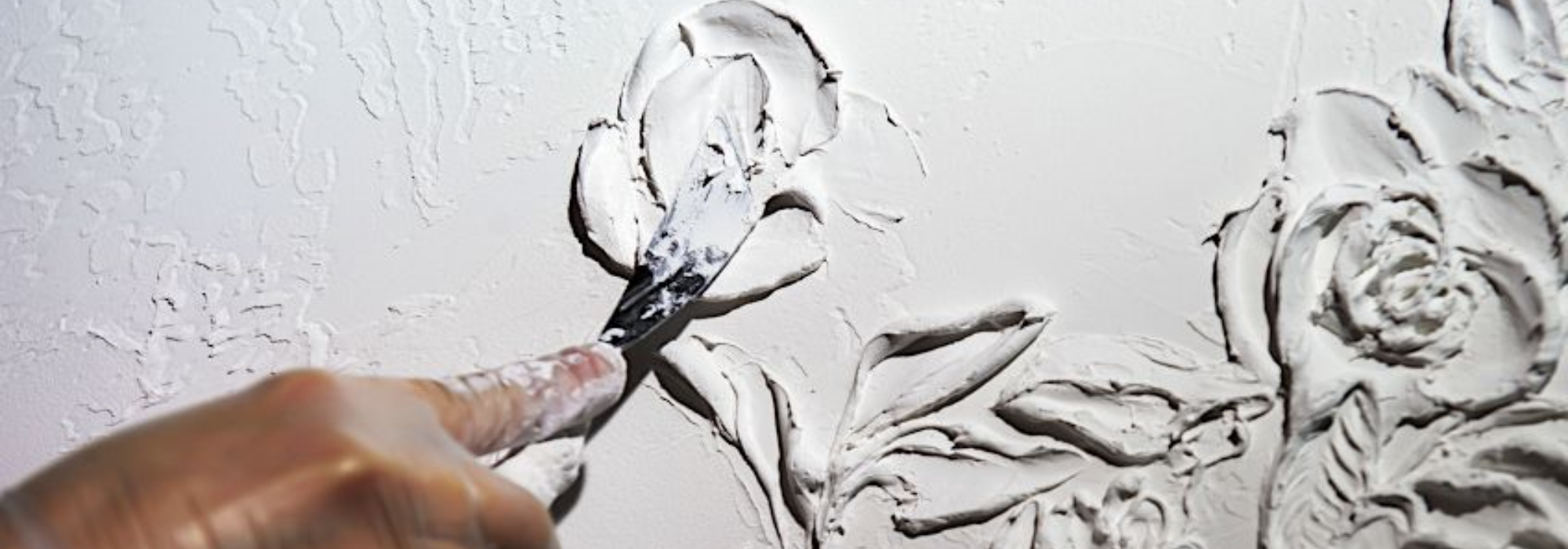
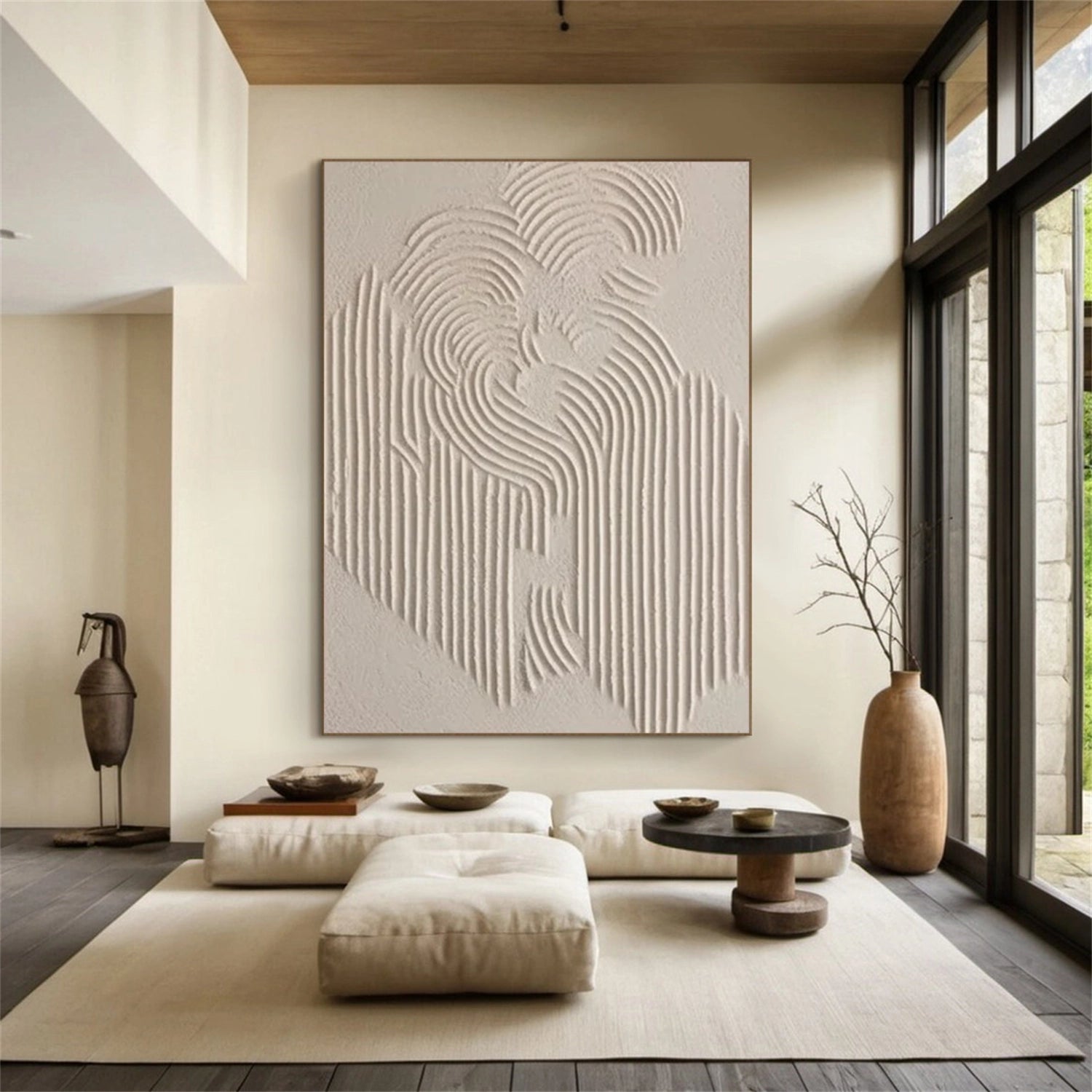
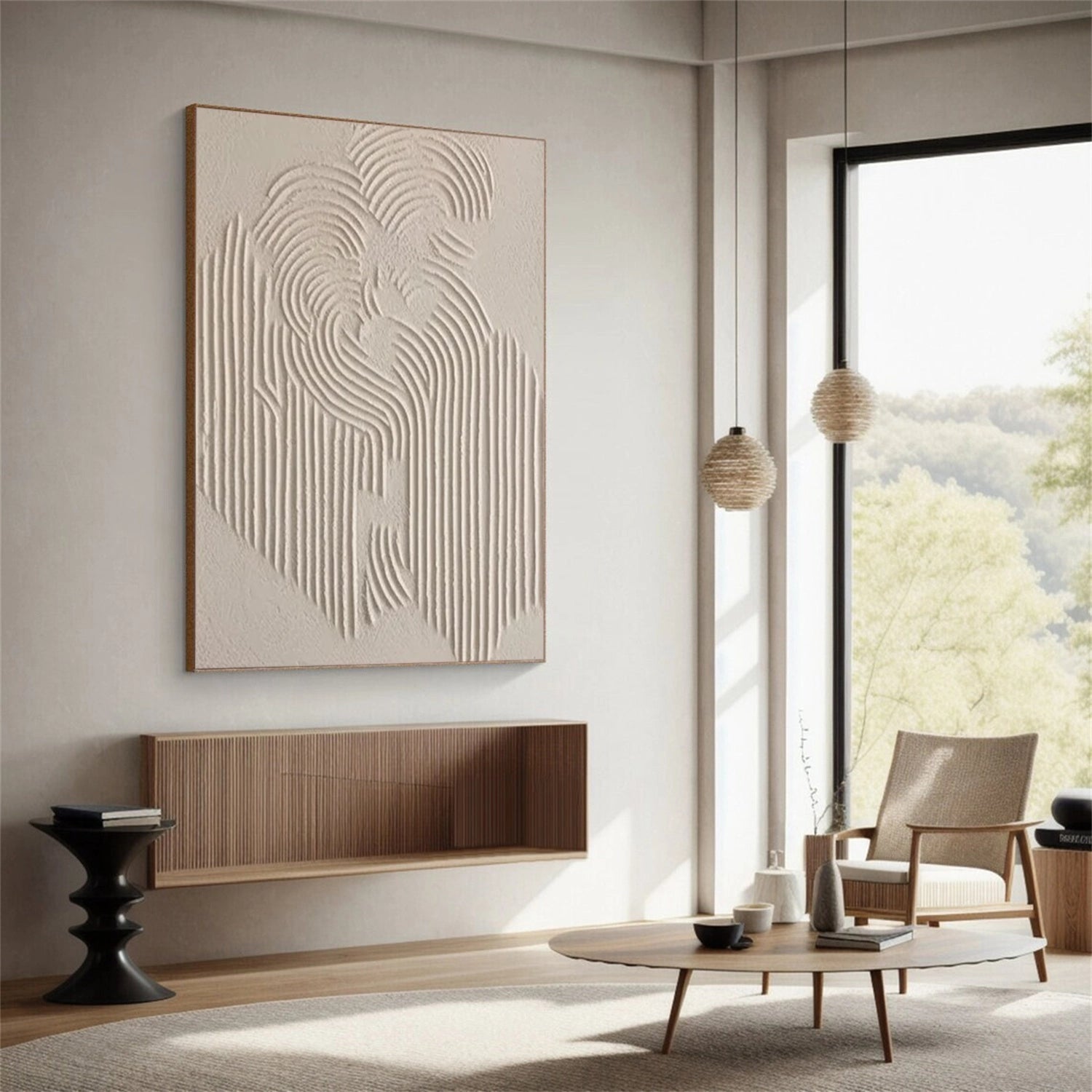
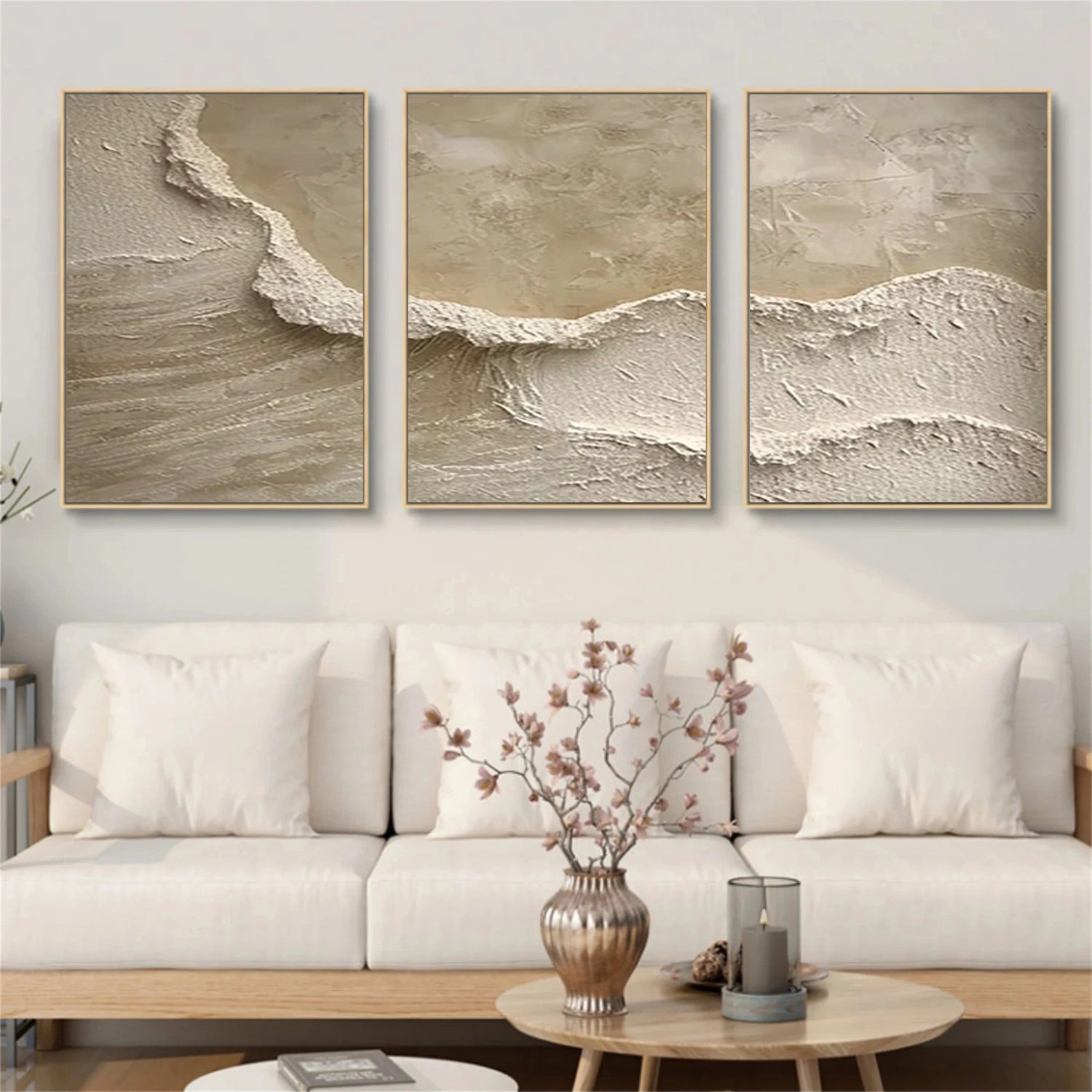
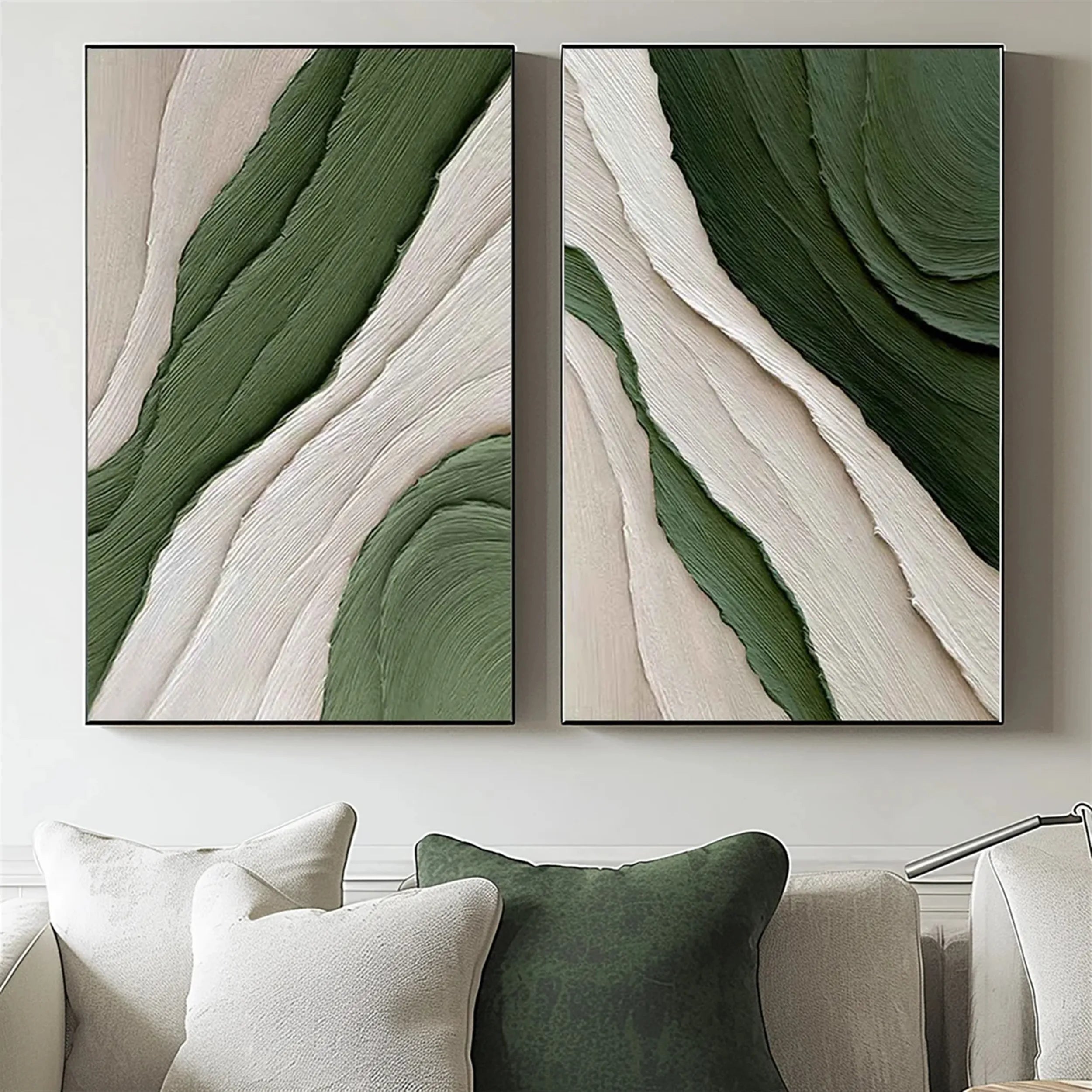
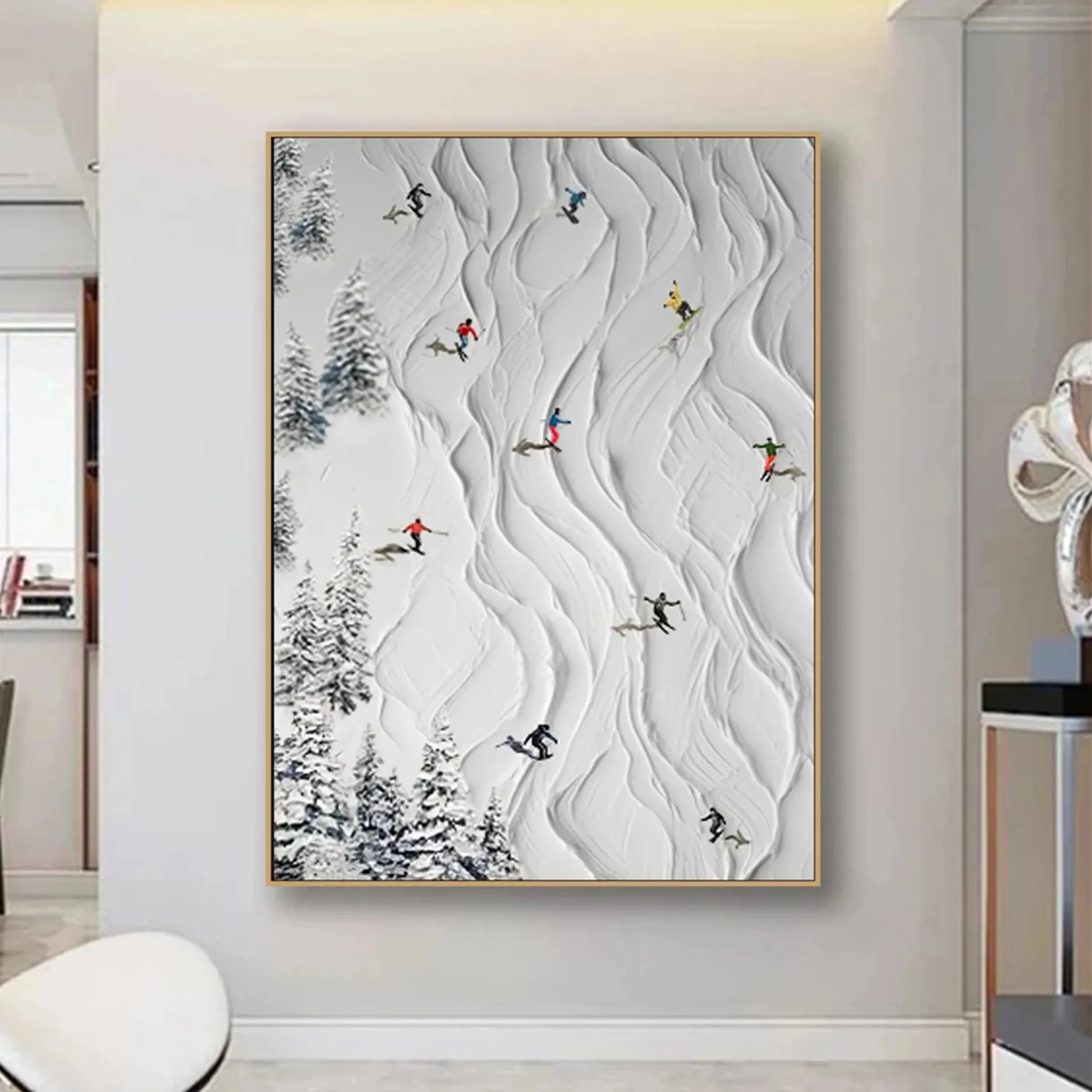
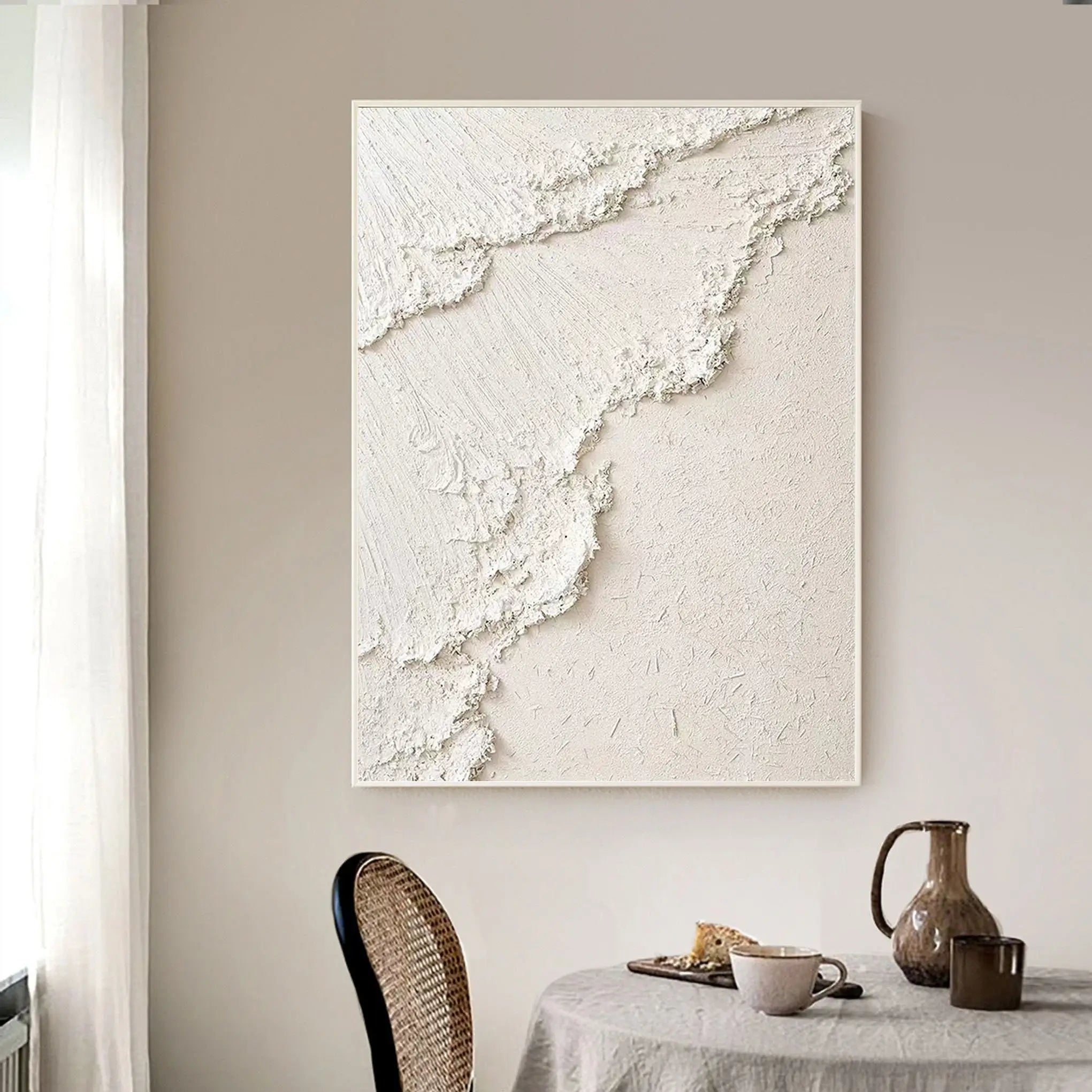
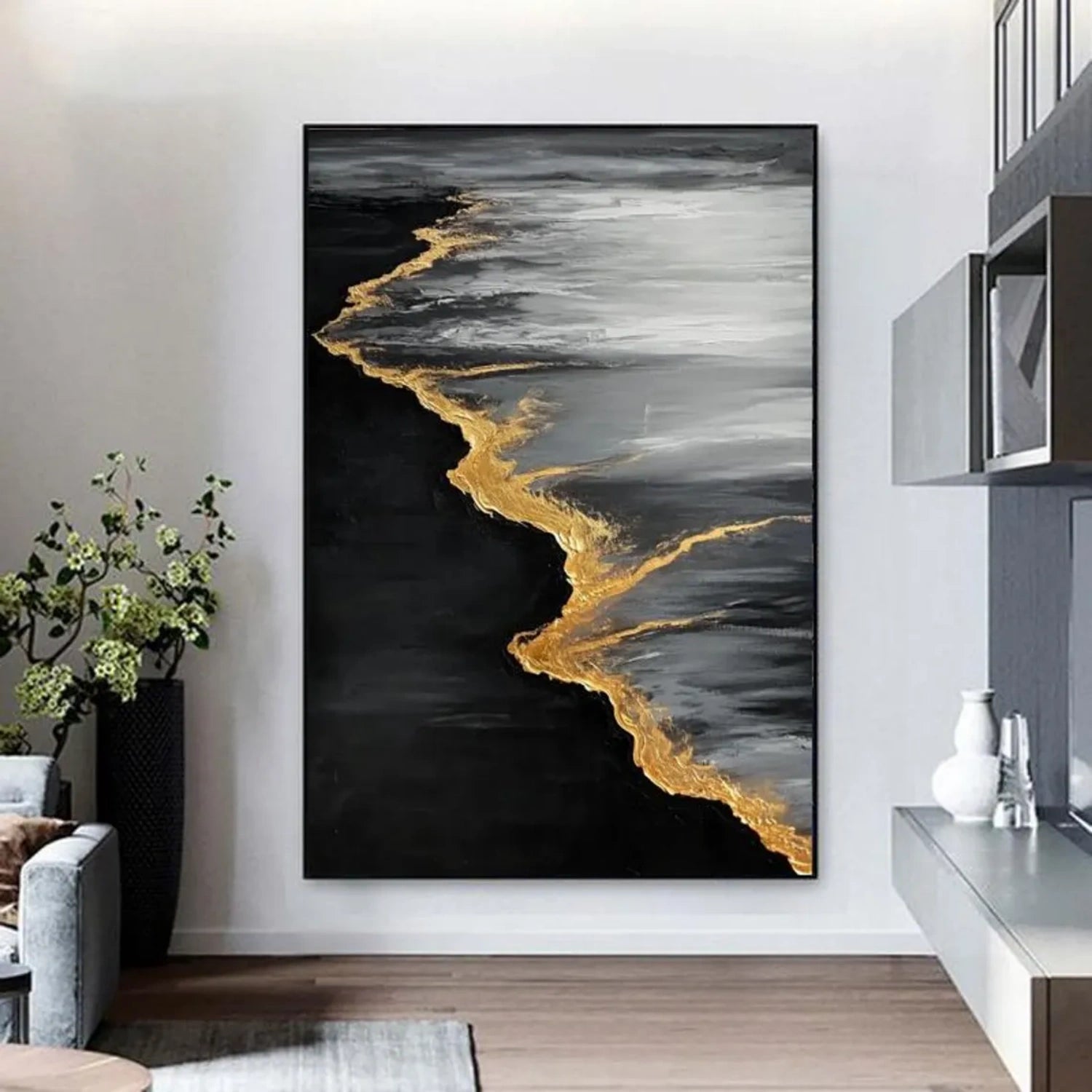
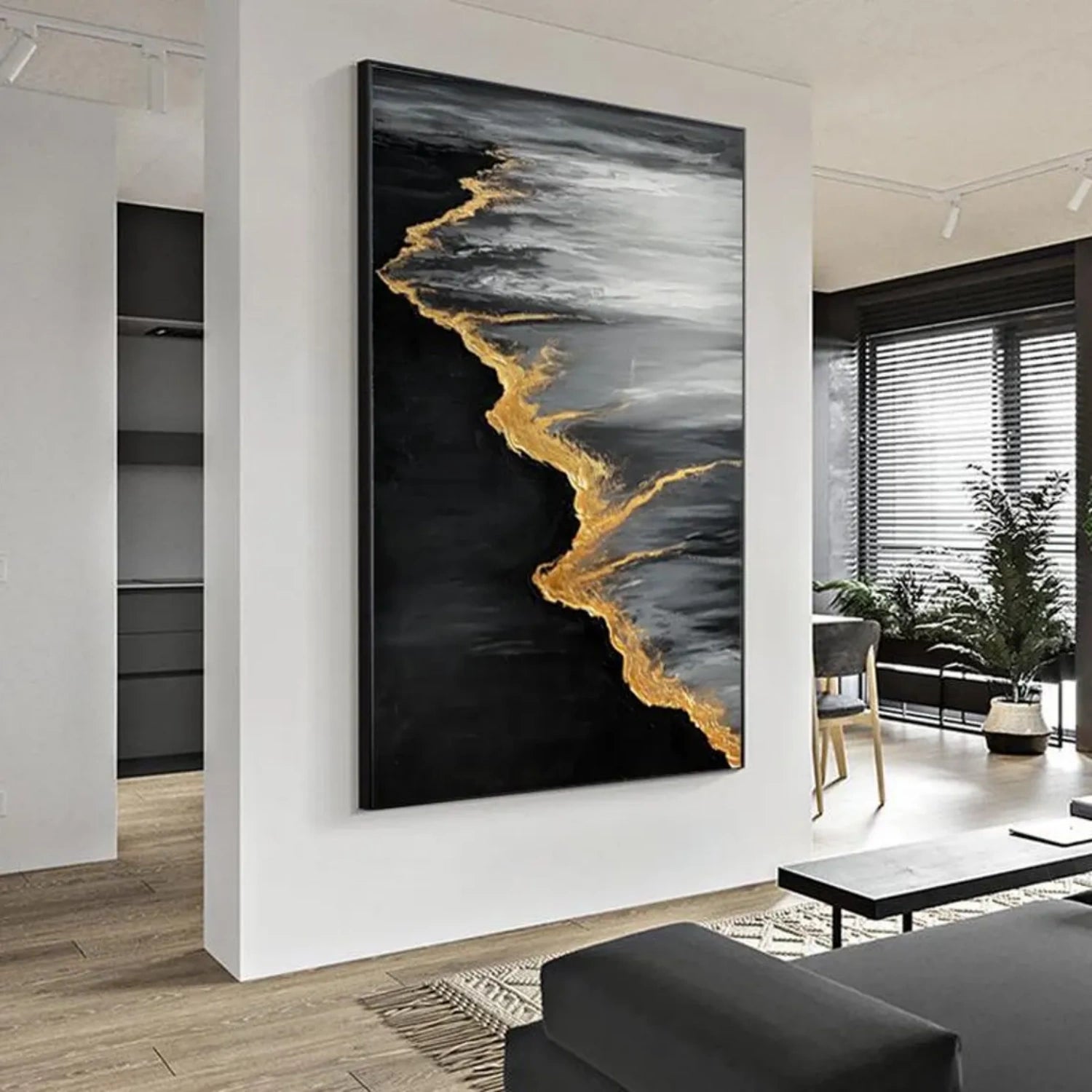
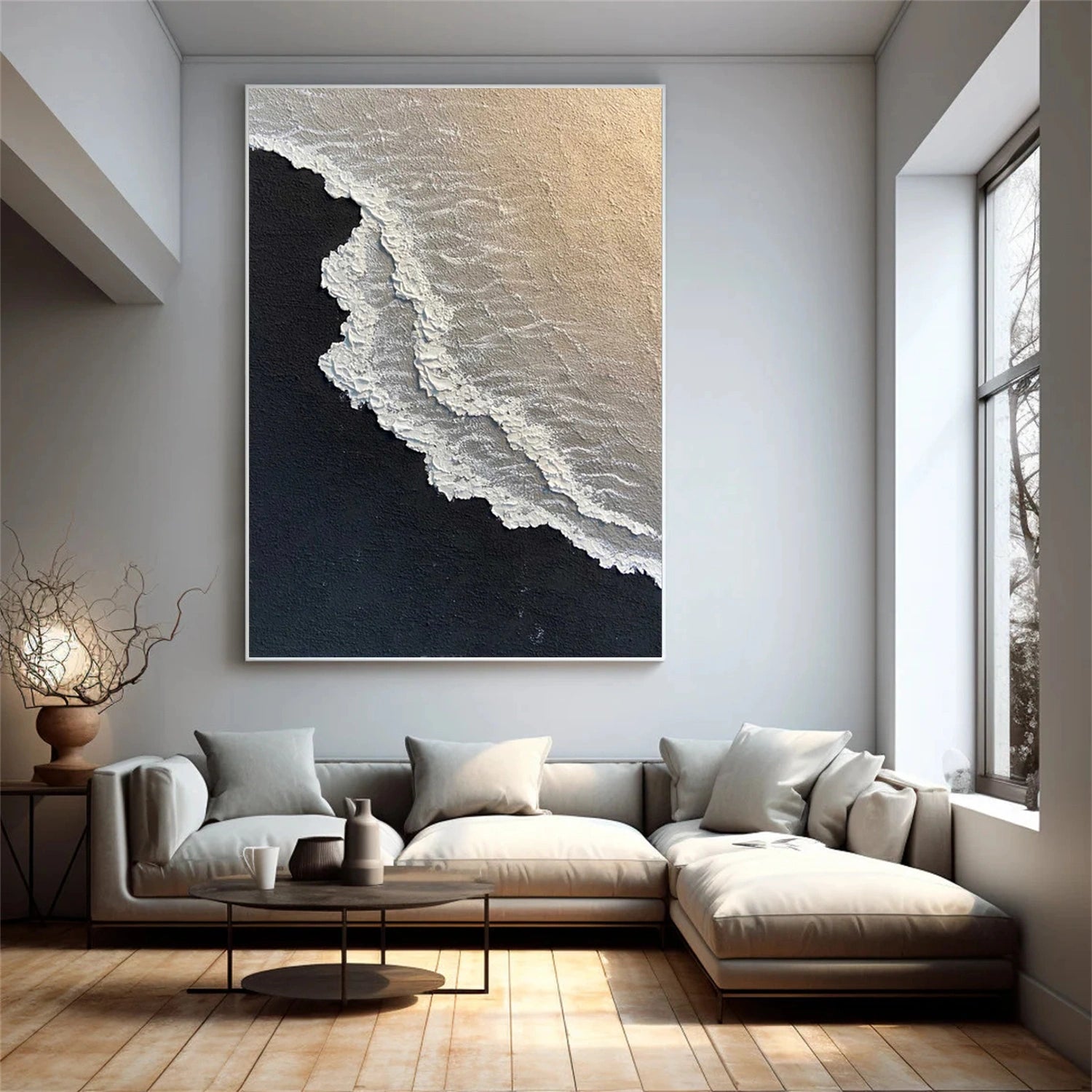
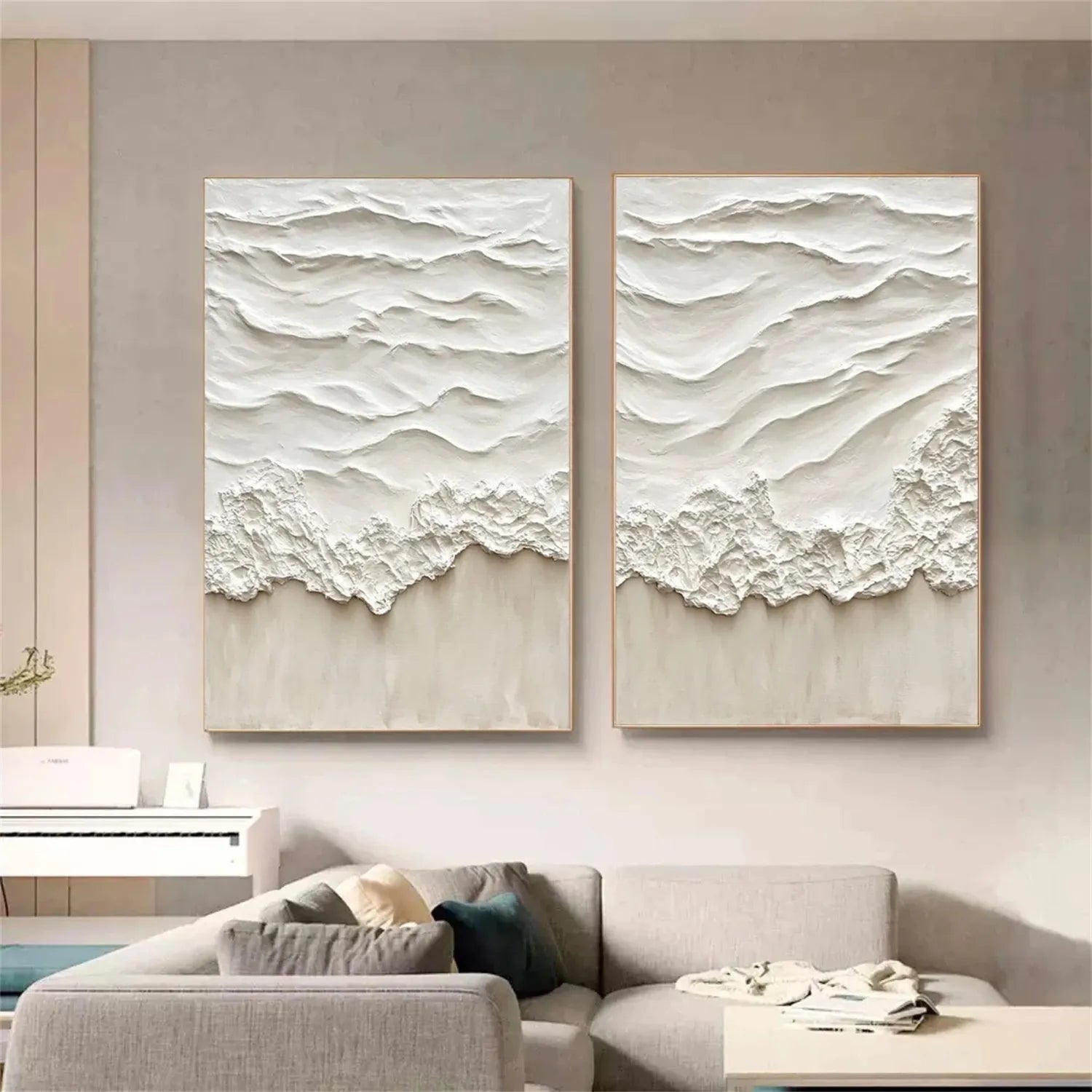
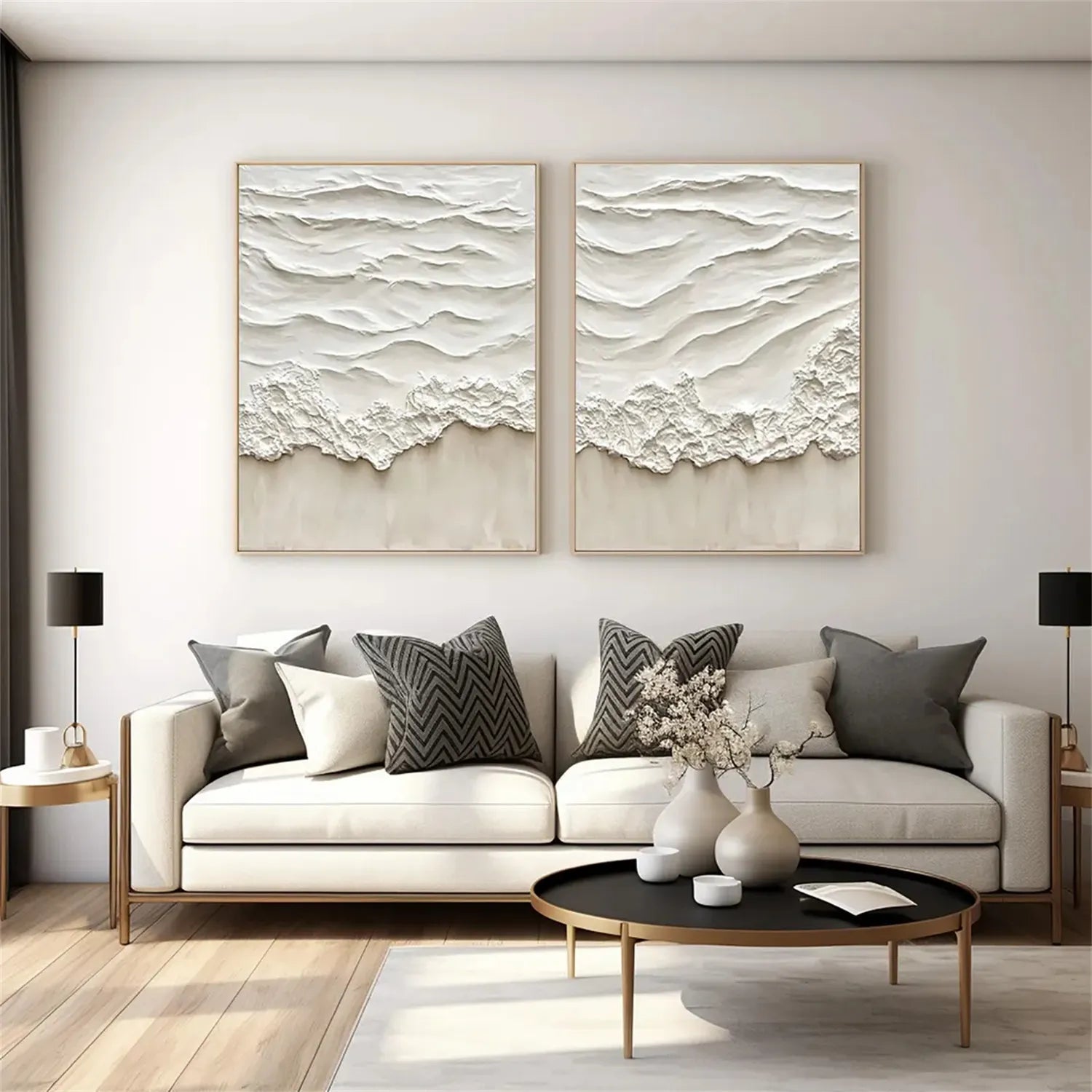
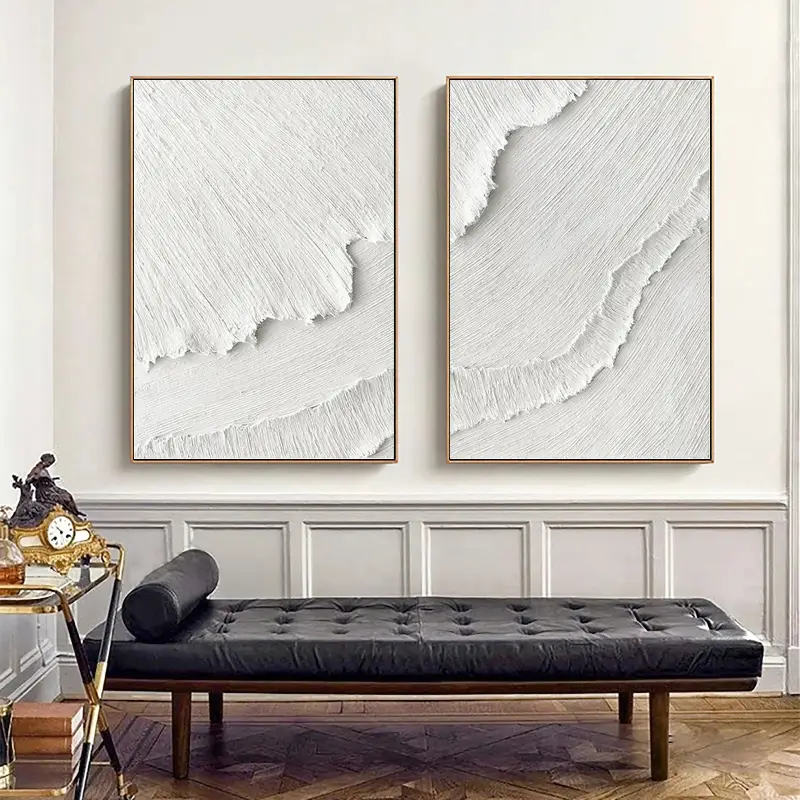
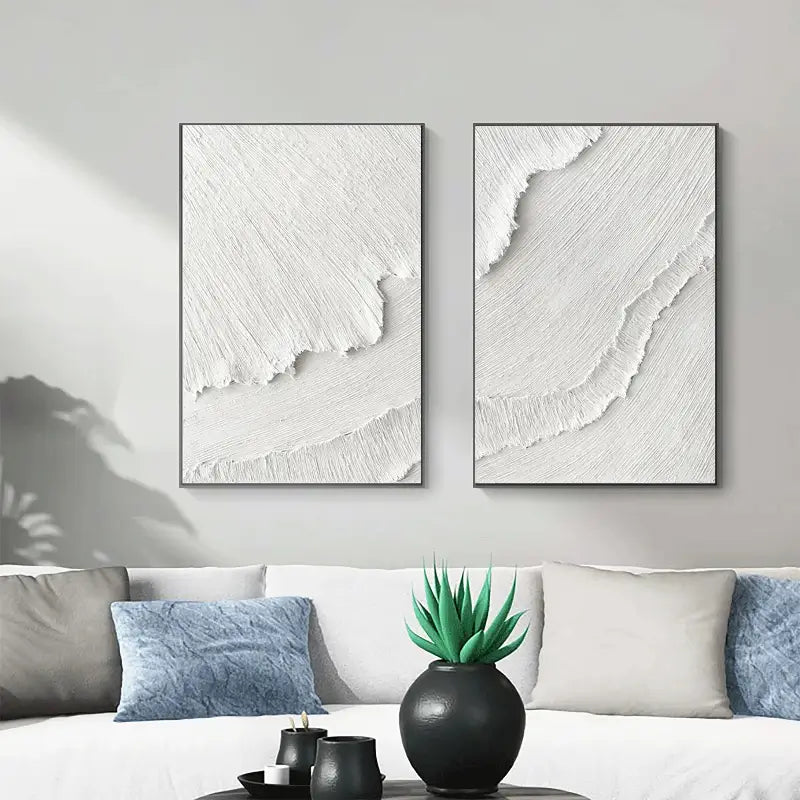
Wall texture paint is a blend of natural minerals, acrylic resins, and pigments designed to produce 3D tactile effects. It transforms blank drywall into artful surfaces through effects like sandstone, suede, metallic, or marble textures. A key innovation lies in its reflective micro-particle additives that shift tone with light direction, creating evolving moods throughout the day. When paired with Vinchy Art paintings, the combination yields a cohesive visual rhythm—art and architecture in harmony. The paints are low-VOC, water-based, and optimized for fast application with minimal odor, supporting wellbeing-focused spaces.
What Are the Main Advantages Compared to Traditional Paint?
| Feature | Traditional Paint | Wall Texture Paint |
|---|---|---|
| Visual Depth | Flat and uniform | 3D layered finish |
| Durability | Peels and chips easily | Resistant to wear and moisture |
| Emotional Impact | Neutral aesthetic | Stimulates calm and creativity |
| Maintenance | Needs frequent recoating | Long-lasting and washable |
| Eco Profile | Often high-VOC formulations | Low-VOC and sustainable ingredients |
How Can Homeowners Apply Wall Texture Paint Effectively?
-
Surface Preparation: Clean and prime walls to ensure adhesion.
-
Base Coating: Apply a uniform layer of primer compatible with the texture compound.
-
Application Stage: Use spatulas, rollers, or brushes depending on desired texture depth.
-
Sculpting Phase: While semi-dry, craft patterns or layering effects manually or with stencils.
-
Drying and Sealing: Let the surface dry for 24 hours before sealing with a protective topcoat.
Professionals recommend pairing textured walls with complementary decorative art pieces, such as Vinchy Art’s minimalist abstracts, to achieve visual balance and emotional resonance.
Where Can Wall Texture Paint Make the Biggest Impact? (4 Real Use Scenarios)
1. Modern Living Room
Problem: Conventional paint made the space appear dull.
Traditional Method: Wallpapering, which peeled in humid seasons.
Solution: Wall texture paint created a subtle metallic shimmer that responded to daylight.
Outcome: Paired with Vinchy Art’s “Calm Horizon,” the result enhanced spatial depth and serenity.
Key Benefit: Increased ambient light diffusion by 30%.
2. Wellness Studio
Problem: Plain white walls felt sterile and uninspiring.
Traditional Method: Murals that required frequent maintenance.
Solution: Textured mineral paint provided a natural, tactile surface.
Outcome: Visitors reported higher relaxation levels.
Key Benefit: Boosted customer dwell time by 22%.
3. Boutique Hotel Lobby
Problem: Generic aesthetics diminished brand identity.
Traditional Method: Overuse of decorative panels.
Solution: Custom texture paint integrated with curated Vinchy Art pieces.
Outcome: A cohesive, artistic ambiance reinforcing brand narrative.
Key Benefit: 18% increase in guest satisfaction ratings.
4. Office Lounge Area
Problem: Harsh surfaces reduced creativity and comfort.
Traditional Method: Matte paint that absorbed too much light.
Solution: Light-reflective textured paint promoting visual energy.
Outcome: Employees reported improved focus.
Key Benefit: Documented 12% productivity increase.
Why Does Now Represent the Right Time for Adopting Wall Texture Paint?
Sustainability and mental wellness now define modern interior expectations. Consumers are more conscious of how colors and textures influence emotional states. As studies in environmental psychology show, tactile stimulation reduces stress by up to 37%. By adopting texture-wall finishes now, homeowners align with these long-term design and health priorities. Brands like Vinchy Art are leading this convergence of art and architecture, urging designers to see walls not as boundaries, but as canvases for serenity.
Who Should Consider This Solution First?
Interior designers, wellness space owners, modern homeowners, and hospitality managers all stand to benefit. Each can enrich space identity through emotive surfaces that complement curated art. Vinchy Art further supports them via online art advisory programs, ensuring texture and painting selections align harmoniously for holistic wellbeing-driven environments.
FAQ
1. What surfaces are compatible with wall texture paint?
Most indoor surfaces including drywall, plaster, cement, and even old paint layers after proper priming are compatible.
2. Can wall texture paint be customized to match existing décor?
Yes, it can be tinted and sculpted to match any interior palette, especially complementing abstract artworks.
3. How long does wall texture paint typically last?
With proper sealing and occasional cleaning, it can last 10–15 years without color fading.
4. Does wall texture paint impact indoor air quality?
Modern water-based formulas have low VOC levels, improving air safety and comfort.
5. How does Vinchy Art integrate with wall finishes aesthetically?
By designing color-harmonized paintings, Vinchy Art ensures that its art and wall textures co-create cohesive spatial moods.
Sources
Statista: Decorative Paints Market Analysis 2025
Grand View Research: Texture Paint Market Size 2025
Harvard Design Magazine: Psychology of Interiors
Environmental Protection Agency: VOC Guide for Household Paints
Forbes Home: 2025 Interior Trends Report