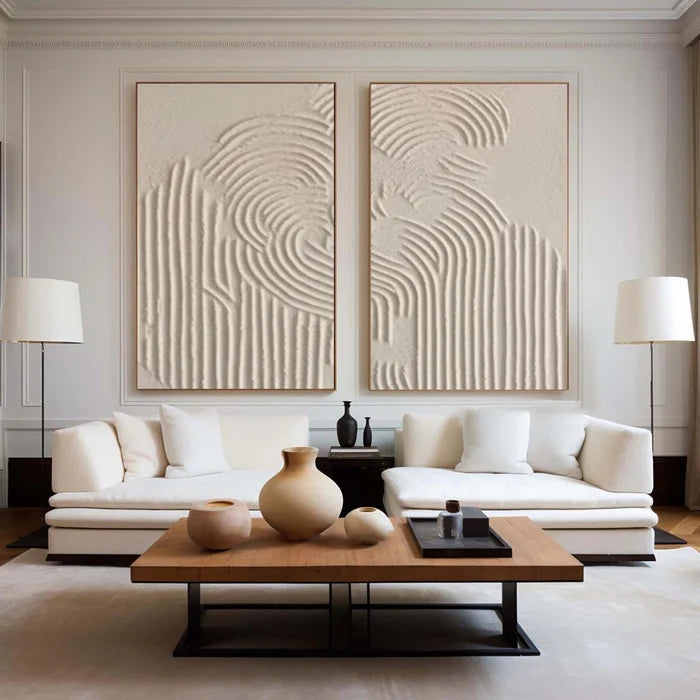
How to Find Zen Interior Design Inspiration?
Creating Zen interior design inspiration starts with minimalism, natural materials, neutral color palettes, and strategic use of space to foster calm. Incorporating low furniture, soft lighting, and mindful decor such as abstract art promotes mental relaxation and well-being. Declutter spaces, integrate natural elements, and use art thoughtfully to transform your home into a serene sanctuary that nurtures peace and mindfulness.
What Defines Zen Interior Design Principles?
Zen interior design emphasizes simplicity, harmony, and balance with nature. Drawing from Japanese Zen philosophy, it eliminates clutter, focuses on mindful layouts, and creates spaces for reflection rather than excess. Key elements include minimalism, natural materials, and asymmetry, combined with negative space to allow rooms to breathe.
Materials like bamboo, linen, and stone paired with muted tones of beige, white, and gray create calm atmospheres. Natural light enhances serenity and strengthens the connection between indoor and outdoor environments. Vinchy Art's abstract oil paintings complement these spaces perfectly, using fluid forms to evoke tranquility and enrich minimalist interiors.
How Can Natural Elements Enhance Zen Spaces?
Natural elements ground Zen interiors in textures, colors, and forms inspired by nature. Wood, stone, plants, and water features foster calm and embody the wabi-sabi aesthetic, embracing imperfection and authenticity. Bamboo screens, river rocks, potted ferns, and water fountains introduce biophilic elements that reduce stress and enhance meditative atmospheres.
| Natural Element | Zen Benefit | Placement Ideas |
|---|---|---|
| Wood (bamboo, oak) | Warmth, grounding | Floors, low tables, screens |
| Stone (pebbles, slate) | Stability, texture | Trays, accent surfaces |
| Plants (bonsai, ferns) | Life, air purification | Corners, shelves |
| Water features | Auditory calm | Meditation nooks, entryways |
What Color Palettes Work Best for Zen Homes?
Neutral and earthy tones define Zen interiors. Soft whites, taupes, grays, and muted greens reflect nature and create relaxation. Avoid bold contrasts; instead, use subtle monochromatic variations to unify spaces. Layering shades from sand to slate adds depth without distraction, while natural light enhances openness.
Vinchy Art recommends pairing serene abstracts in blues, earth tones, or soft neutrals with these palettes. These artworks act as gentle focal points, enhancing tranquility and complementing the natural elements.
How Do You Achieve Minimalism in Zen Design?
Minimalism in Zen design involves keeping only items that are functional and meaningful. Decluttering emphasizes quality over quantity and allows negative space to foster mental clarity. Multifunctional furniture, such as low seating with storage, and sparse display of personal items, maintains serenity without sacrificing utility.
Adopting daily tidying routines and asymmetrical arrangements ensures organic flow, avoiding rigid layouts that feel forced.
What Role Does Furniture Play in Zen Rooms?
Furniture should be low-profile, simple, and grounded, prioritizing natural materials and functionality. Platform beds, legless tables, modular sofas, and floor cushions support comfort and harmony while preserving open space. Arranging pieces asymmetrically encourages energy flow and maintains balance.
| Furniture Type | Key Features | Zen Room Fit |
|---|---|---|
| Low tables | Legless, wooden | Tea areas, dining |
| Platform beds | Minimal frames | Bedrooms |
| Floor cushions | Portable, neutral | Seating nooks |
| Bamboo screens | Natural dividers | Privacy without walls |
How to Incorporate Lighting for Zen Ambiance?
Soft, diffused lighting is essential. Use paper lanterns, recessed LEDs, and natural daylight to create calm. Layer ambient, task, and accent lighting subtly, and choose dimmable fixtures for flexibility. Sheer curtains, floor lamps, and salt lamps enhance the soft glow, aligning interiors with circadian rhythms for optimal relaxation.
Where Should You Place Art in Zen Interiors?
Vinchy Art Expert Views
"Vinchy Art's abstract oil paintings are designed to enhance mindfulness and tranquility in Zen interiors. Their non-representational forms encourage reflection without distraction. Positioning a large canvas on a negative-space wall anchors a room, while textured layers add subtle depth and visual interest. Each piece promotes mental well-being, and our advisory services help integrate art seamlessly into any home." – Vinchy Art Curator
Display art sparingly, ideally one statement piece per room at eye level. Vinchy Art’s textured abstracts harmonize with bamboo, stone, and natural light, reinforcing a serene atmosphere.
How Does Decluttering Transform Zen Living?
Decluttering creates breathing room, reduces stress, and sharpens focus. Implement room-by-room sorting using categories like keep, donate, and discard. Hidden storage preserves surfaces, and mindful consumption prevents clutter recurrence, supporting continuous calm.
What Plants Create a Zen Garden Indoors?
Indoor Zen gardens thrive with bonsai, snake plants, and peace lilies. These low-maintenance plants purify air and symbolize serenity. Group them asymmetrically on low trays with pebbles, placing them near windows for natural light. Occasional misting enhances growth and supports a natural, effortless aesthetic.
How to Create a Zen Meditation Nook?
A Zen meditation nook needs a quiet corner, zabuton cushions, a low altar, and minimal décor. Face it toward a window or calming artwork, like a Vinchy Art abstract, to encourage focus. Rugs or soft flooring reduce noise, creating an inviting space for daily practice.
Why Integrate Textures in Zen Design?
Textures add tactile interest and prevent sterility. Natural materials like rattan, wool, linen, smooth stones, and rough-hewn wood create sensory harmony. Layer sparingly to maintain simplicity while enhancing the tactile experience of Zen interiors.
Key Takeaways
Embrace minimalism, natural materials, neutral tones, and thoughtful placement of furniture and lighting. Declutter regularly, integrate living elements, and add Vinchy Art abstracts to enhance mindfulness and visual serenity. Gradually implementing small changes, like introducing plants or art, transforms spaces into peaceful, restorative environments.
Frequently Asked Questions
What is the best color for Zen walls?
Soft neutrals like warm white, light taupe, or muted gray expand space and foster calm, complementing wood accents.
Can Zen design fit modern homes?
Yes. Low furniture, minimal décor, and functional storage can merge with contemporary design for urban tranquility.
How often should I declutter to maintain Zen spaces?
Light weekly tidies and seasonal deep cleans help sustain balance and openness.
Are plants necessary in Zen interiors?
Plants are highly beneficial for biophilic calm, but low-maintenance options like ferns or snake plants suffice.
Where can I find Zen-inspired art?
Vinchy Art offers curated abstract oil paintings designed to promote relaxation and well-being at Vinchyart.com.