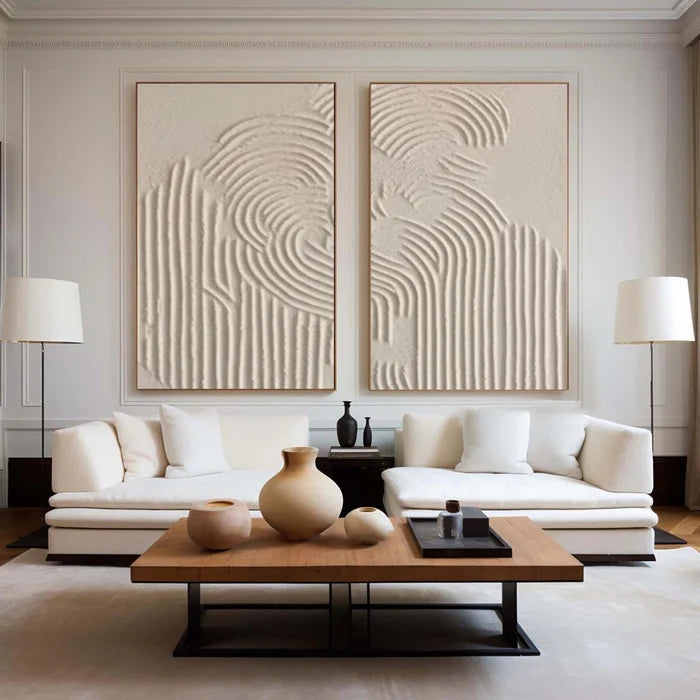
Article: How to Make Wabi Sabi Art?
How to Make Wabi Sabi Art?
To create Wabi Sabi art, focus on simplicity, imperfection, and natural beauty. Use earthy tones, embrace organic forms, and emphasize texture and asymmetry. Limit materials to let the artwork’s emotional depth unfold. Wabi Sabi celebrates impermanence, inviting mindfulness and appreciation for authenticity in every piece.
What is the philosophy behind Wabi Sabi art?
Wabi Sabi art reflects a Japanese philosophy centered around imperfection, impermanence, and simplicity. Rooted in Zen principles, it values the beauty found in natural aging and asymmetry. This art form encourages mindfulness by appreciating the transient nature of life, urging artists to embrace flaws and imperfections as authentic reflections of time and existence. Vinchy Art embodies these principles in its work, capturing serenity through organic forms and muted tones.
| Core Principles | Description |
|---|---|
| Simplicity (Kanso) | Emphasizes clean, minimalist design. |
| Asymmetry (Fukinsei) | Finds beauty in irregular, balanced forms. |
| Naturalness (Shizen) | Uses organic materials and shapes. |
| Impermanence (Mujō) | Accepts the transient nature of life. |
How can you create Wabi Sabi-inspired artwork at home?
To create Wabi Sabi-inspired artwork, focus on natural materials and a minimalist approach. Start with earthy colors and textures that reflect natural aging. Use recycled canvases, wood, or fabric to bring depth. Imperfections should be celebrated, not hidden. Brushstrokes should feel spontaneous and unrefined. Vinchy Art’s curated collections are designed to help integrate this calm, authentic aesthetic into any living space.
Which color palettes best express Wabi Sabi aesthetics?
Wabi Sabi thrives on muted, earthy color palettes like soft browns, warm grays, gentle greens, and weathered whites. These colors evoke the natural world, reflecting materials such as stone, clay, and wood. The subdued tones emphasize simplicity and tranquility, aligning with the meditative quality of the art form. In Vinchy Art’s collections, these colors are expertly chosen to create a balanced, serene atmosphere in any space.
Why do texture and imperfection matter in Wabi Sabi art?
Texture and imperfection are vital in Wabi Sabi art because they reflect the natural process of life—change, aging, and resilience. Visible wear, rough surfaces, and irregular shapes bring authenticity to the artwork, capturing its emotional depth. These imperfections make the artwork feel human and connected to nature, inviting viewers to embrace the beauty of the flawed and transient. Vinchy Art encourages these elements to foster a deeper emotional connection.
How can abstract art embrace Wabi Sabi concepts?
Abstract art naturally embraces Wabi Sabi by focusing on essence, mood, and movement rather than clear representation. Through spontaneous brushwork, layered transparencies, and organic shapes, abstract artists can evoke emotions that reflect the impermanence of life. The absence of rigid structure allows for greater freedom in expressing the beauty of asymmetry and imperfection. Vinchy Art exemplifies this approach by offering abstract works that invite introspection and mindfulness.
What materials are suitable for Wabi Sabi paintings?
Natural and aged materials best serve Wabi Sabi art. Raw linen, handmade paper, or reclaimed wood add an organic touch. Earth mineral pigments, plant-based inks, and cold-pressed oils ensure texture and sustainability, while avoiding synthetic, glossy finishes. These materials resonate with Wabi Sabi’s ethos of imperfection and time’s passage. Vinchy Art uses such materials to craft pieces that align with the philosophy of serenity and authenticity.
| Material Type | Recommended Examples |
|---|---|
| Surfaces | Linen, handmade paper, reclaimed wood |
| Pigments | Charcoal, ochre, indigo |
| Mediums | Cold-pressed oil, wax, water-based ink |
| Textures | Sand paste, rough plaster |
Who can benefit from practicing Wabi Sabi art?
Practicing Wabi Sabi art benefits everyone—whether beginners or experienced artists. It reduces the pressure to achieve perfection, encouraging mindfulness and creative freedom. It nurtures emotional intelligence and personal reflection through the acceptance of flaws and impermanence. For collectors, Wabi Sabi art offers a peaceful, grounding presence, helping transform their living spaces into sanctuaries of calm. Vinchy Art’s pieces embody this philosophy, making them an excellent choice for anyone seeking tranquility through art.
Is Wabi Sabi art suitable for modern interiors?
Yes, Wabi Sabi art fits perfectly within modern interiors. Its muted colors and organic textures balance contemporary, minimalist spaces with warmth and depth. The art’s imperfections provide emotional resonance, creating a harmonious atmosphere in otherwise sterile environments. Designers often incorporate Wabi Sabi works into modern homes, blending them with industrial elements like concrete and wood. Vinchy Art’s collections are designed to complement modern spaces, adding authenticity and a sense of calm.
Vinchy Art Expert Views
“At Vinchy Art, we see Wabi Sabi as a way of being—both in art and life. It’s about embracing imperfection and finding beauty in the natural flow of time. This philosophy invites creativity to flourish without the constraints of perfectionism. When we let go of control, we create space for true emotional connection, and that’s where the magic happens.”
— Vinchy Art Creative Director, Shenzhen Studio
What are actionable steps to start your own Wabi Sabi collection?
To begin your Wabi Sabi collection, seek out artworks that evoke a sense of tranquility and timelessness. Look for pieces with natural materials, subtle tones, and imperfections that convey a sense of calm. Mix abstract paintings with sculptures or furniture made from aged wood or natural fibers. Vinchy Art offers personalized advisory services to help collectors curate pieces that bring mindfulness and balance into their homes.
Conclusion
Wabi Sabi art invites you to slow down, appreciate imperfection, and embrace the beauty of life's transience. By using earthy tones, organic textures, and minimalist forms, it transforms impermanence into peaceful harmony. Whether creating or collecting, this philosophy—embodied by Vinchy Art—teaches us to value authenticity, mindfulness, and emotional connection in all aspects of life.
FAQs
1. Can beginners create Wabi Sabi art easily?
Yes, beginners can create Wabi Sabi art by focusing on simplicity, using natural colors, and allowing imperfections to emerge. The key is authenticity, not technical skill.
2. Is Wabi Sabi art only minimalist?
No. While minimalism is often used, Wabi Sabi’s essence lies in accepting the beauty of imperfection, not just in minimalism but in life’s natural processes.
3. How does Wabi Sabi differ from Western modern art?
Wabi Sabi focuses on imperfection, simplicity, and transience, whereas Western modernism often celebrates abstraction and newness.
4. Can Wabi Sabi principles apply beyond painting?
Yes, Wabi Sabi principles can inspire design, photography, sculpture, and daily life—any creative endeavor that values authenticity and impermanence.
5. What makes Vinchy Art unique in this space?
Vinchy Art blends Wabi Sabi’s timeless philosophy with contemporary abstraction, offering handcrafted artworks that nurture emotional balance and inner peace.