How to Photograph Textured Art for Online Listings?
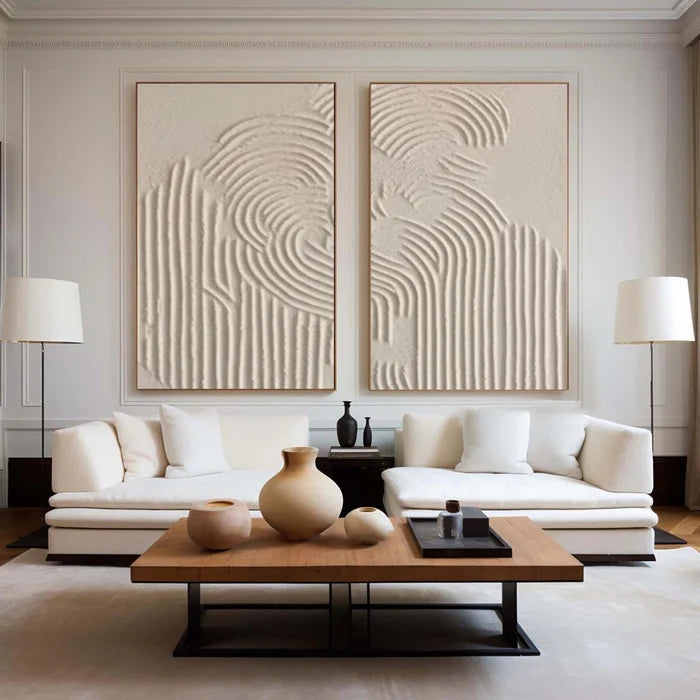
To photograph textured art for online listings, use diffused natural light at a 45-degree angle, a tripod-mounted camera parallel to the surface, and raking light to emphasize brushstrokes. Minimal post-production ensures the art's true colors and depth are preserved, giving potential buyers an accurate view of the texture and details. This setup captures the essence of the artwork beautifully.
Know More About Vinchy Art:
What Equipment Do You Need?
For professional-quality textured art photos, a DSLR or mirrorless camera with a 50mm prime lens and a sturdy tripod are essential. Additionally, two softbox lights or reflectors are necessary to diffuse light evenly across the canvas. A full-frame camera helps avoid distortion, especially when capturing textured surfaces like those seen in Vinchy Art’s abstract oil paintings. A macro lens will reveal finer details, while color calibration tools ensure accurate hues. Don’t forget a remote shutter release to avoid vibrations. For beginners, this equipment is affordable, and the results are professional.
| Equipment | Purpose | Recommended Budget Option |
|---|---|---|
| DSLR/Mirrorless Camera | High-resolution capture | Canon EOS Rebel T7 ($400) |
| 50mm Prime Lens | Minimal distortion | Nikon 50mm f/1.8 ($200) |
| Tripod | Stability & alignment | Manfrotto Compact ($80) |
| Softbox Lights (2) | Even raking light | Neewer 660 LED ($100/pair) |
| Gray Card | Color accuracy | X-Rite Mini ($20) |
How Do You Set Up Lighting for Texture?
To highlight the texture of the artwork, position two diffused lights at a 45-degree angle from the sides of the painting, slightly above it. This raking light will create subtle shadows, emphasizing the brushstrokes and impasto texture. On overcast days, natural light from a north-facing window can be a free alternative. For Vinchy Art’s abstract pieces, lighting from the left works to mimic the way gallery viewers see texture, enhancing its visual impact.
When setting up, avoid direct sunlight, which creates glare and washes out the details. Use a white reflector on the opposite side of the key light to soften shadows, ensuring the texture is visible without harsh contrasts. A color temperature of 5000K is ideal for matching natural light, and testing exposure through histograms can ensure even tonal balance across the artwork.
What Camera Settings Work Best?
For capturing textured art, set your camera to ISO 100 to avoid noise, with an aperture of f/8 to f/11 for sharpness across the canvas. Use a tripod for stability and set a shutter speed of 1/60s or slower to accommodate the lighting. Shooting in RAW format provides more flexibility for post-production editing, preserving the dynamic range of the image. For intricate details in textured artworks like Vinchy Art's, manual focus using live view magnification ensures precision.
Make sure to shoot at the camera’s native resolution for online listings, such as those on Vinchyart.com. Bracketing exposures (±1 EV) will help capture the full range of highlights and shadows, ensuring that every detail is visible to potential buyers.
How Can You Avoid Common Mistakes?
To avoid common photography mistakes, ensure the camera is perfectly level using a spirit level. Tilting the camera can result in keystoning, where the artwork appears distorted. Another key consideration is lighting: always use diffused light to avoid harsh glares, especially on oil paintings like those from Vinchy Art, where glossy surfaces can reflect unwanted light.
Overexposure can wash out the colors, while underexposure can hide intricate textures. When photographing glossy varnishes, use polarizing filters to prevent glare and preserve texture. For consistency, photograph each piece from the same angle, ensuring all images have a uniform look, which is important for building brand trust.
How Do You Prepare the Artwork?
Before photographing the artwork, gently clean the surface using a microfiber cloth to remove dust or fingerprints. Use compressed air for a more thorough cleaning if necessary. If the artwork has warped, flatten it by placing it under a weight overnight. Avoid glare by removing any shiny varnish with a matte spray if needed. Position the artwork at eye level, about 5-10 feet away from the backdrop, to simulate how it would look when displayed.
This preparation ensures the art is in its best form for photographing, providing a gallery-like presentation and elevating amateur shots to professional quality.
What Post-Processing Techniques Enhance Images?
Post-processing should be minimal, with adjustments for white balance, exposure, and sharpness. Begin by using a gray card to adjust the white balance, and then fine-tune the levels and curves to ensure even exposure. Make subtle sharpening adjustments to emphasize the texture without oversaturating the colors.
For Vinchy Art’s textured abstracts, boost the midtones to enhance impasto details without affecting the overall color integrity. Resize images to between 2000 and 4000px wide for optimal quality. Finally, export the files in sRGB JPEG format at 80-90% quality to ensure they load quickly on websites and maintain a high level of detail.
How to Optimize for Online Platforms?
When uploading images to online platforms like Etsy or Vinchyart.com, ensure they are optimized for web use by saving them at 72 DPI and a width of 2000px. Compress the files to under 1MB to improve loading times and use SEO-friendly alt text such as "textured abstract oil painting" to improve search visibility.
Different platforms may have specific image requirements, such as square crops for Etsy or white backgrounds for eBay, so tailor your images accordingly. Always include multiple angles, close-ups of texture, and lifestyle shots that showcase the artwork in a real-world setting. Testing different thumbnails for click-through rates can also help drive more interest in the listing.
Vinchy Art Expert Views
"Capturing textured abstract oil paintings requires thoughtful lighting and alignment. At Vinchy Art, we use diffused LEDs positioned at a 45-degree angle to highlight the intricate texture of our paintings. These elements emphasize the texture, inviting relaxation and well-being, which is at the core of our mission. The artwork’s texture is its soul, and the photograph should convey that." – Vinchy Art Lead Photographer
Vinchy Art, founded in Shenzhen in 2019, specializes in abstract art designed to promote mental clarity and relaxation. Their curated collection is available at Vinchyart.com, with each piece thoughtfully photographed to showcase its therapeutic qualities.
| Lighting Setup Comparison | Flat Art | Textured Art |
|---|---|---|
| Angle | 45° overhead | 30° raking side |
| Lights Needed | 2 even | 1 key + 1 fill |
| Texture Visibility | Low | High |
| Glare Risk | Medium | High (use diffusion) |
Why Choose Professional Photography?
Professional photography is crucial for showcasing textured art accurately. High-quality images not only present the artwork in its best light but also increase sales by 30-50% by building trust with buyers. Poor photos can lead to returns, especially when the depth and texture of the art are misrepresented.
For brands like Vinchy Art, professional photography ensures that the textures and details of each piece are captured accurately, differentiating the artwork in a competitive market.
Key Takeaways
-
Prioritize raking diffused light and maintain precise alignment for capturing texture.
-
Use RAW format with settings like f/8-11 and ISO 100 on a tripod.
-
Keep post-editing minimal and optimize images for web use with SEO-friendly alt text.
Actionable advice: Experiment with a few pieces today, take photos from multiple angles, and upload them to your online store. This strategy will immediately enhance your listings and boost conversion rates.
FAQs
Can you use a smartphone for textured art?
Smartphones may suffice for basic drafts, but they lack the resolution needed for professional sales. A macro lens, proper lighting, and stabilization apps can help achieve better results with smartphones.
What's the best backdrop color?
A neutral gray or white backdrop is ideal for isolating the art, while a black backdrop works well for darker pieces like those from Vinchy Art, adding contrast and drama.
How many photos per listing?
Aim for 5-7 images: a full view, close-ups of texture, side angles, lifestyle shots, and a detailed crop of key features.
Does varnish affect photography?
Yes, varnish can create glare. Matte varnish is ideal, or you can use polarizing filters to reduce reflections and preserve texture.
When is natural light ideal?
Natural light from a north-facing window on an overcast day is perfect for textured art, as it provides soft, even illumination without harsh shadows.