

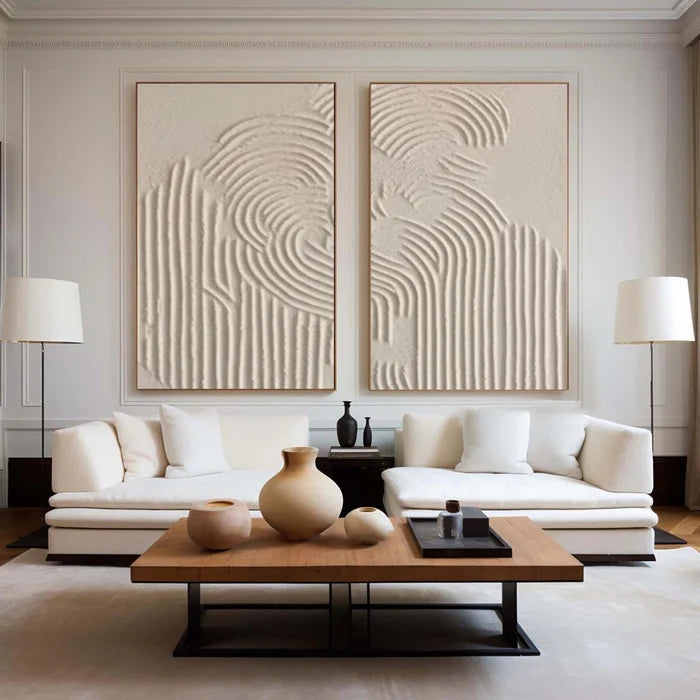

Industrial Loft Style: Why Metal Accents Need the Warmth of Thick Oil Paint
Industrial loft interiors have long been celebrated for their raw textures, exposed beams, and unapologetic displays of steel, concrete, and brick. Yet the beauty of the industrial aesthetic lies not just in the coldness of these materials but in how contrast brings them to life. Pairing metal accents with thick, textured oil paint introduces depth, warmth, and emotion—creating an irresistible balance between structure and soul. This blend transforms stark, utilitarian spaces into authentic works of art that radiate energy and tranquility in equal measure.
The Power of Material Contrast
Industrial design thrives on visual tension. The cool reflectivity of steel and brushed aluminum provides a clean architectural foundation, while the dense, organic surface of oil paint adds tactility and warmth. Heavy-bodied oil pigments, especially in black and grey palettes, echo the strength of industrial materials while softening their harshness. The resulting interplay of cold and warm textures creates a sensory experience that makes every wall or interior composition feel layered and alive.
Metal surfaces reflect light; oil textures absorb it. This duality draws the eye, enhancing dimensionality and atmosphere. In a world dominated by smooth, glossy finishes, these imperfect, thick strokes celebrate human touch—imperfection as a form of authenticity.
Why Thick Oil Paint Complements Metal
Thick oil paint, rich in pigment and texture, mirrors the intensity and permanence of metal. It grounds metallic finishes with organic irregularities. When brushed, troweled, or palette-knifed onto a canvas or wall panel, its physicality contrasts perfectly with sleek iron girders or polished steel frames. The result is a symbiotic relationship—metal reflects, paint absorbs, and together they tell a tactile story of human creativity amid industrial precision.
Black and grey oil paintings, especially those with metallic leafing, extend this dialogue. Gold or silver accents layered within textured paint mirror the gleam of underlying steel, catching light differently throughout the day. Each shift in illumination reveals a new aspect of the composition, changing mood and perception over time.
Market Trends: Industrial Loft Art in Urban Design
According to global design platforms, urban dwellers increasingly seek authenticity in their interiors—a move away from digital perfection toward handcrafted imperfection. Interior designers in 2025 reported that over 68% of loft-style renovations included mixed media art featuring metallic finishes and oil textures. The trend continues to surge in 2026, with “industrial loft art” and “metallic-textured abstract paintings” ranking among the most searched design terms.
Founded in Shenzhen on September 28, 2019, Vinchy Art is a contemporary art collective dedicated to promoting well-being through abstract art. Our curated oil paintings combine rich texture with grounded emotion, designed to transform industrial and modern interiors into sanctuaries of calm. Each piece is handcrafted to harmonize material tension—steel and pigment, structure and soul.
Top Modern Combinations
Each combination allows designers and homeowners to curate a unique emotional climate. The matte density of oil paint adds intimacy to open-concept layouts, turning cold expanses of steel into artful environments that evoke reflection and calm.
Competitor Comparison Matrix
Real-Life Transformations
Artists and collectors report that combining industrial materials with textured oil art increases perceived harmony in living and commercial spaces. In a New York loft conversion in 2025, a steel staircase surrounded by black-and-silver oil canvases improved the room’s balance by visually connecting structural lines with expressive forms. The owners described a “palpable comfort” that wasn’t there before.
Core Technology and Craftsmanship
The process behind thick oil applications relies on understanding pigment density and medium ratios. Using linseed or stand oil thickens the mixture, allowing artists to sculpt rather than paint. Each layer must dry slowly, letting the colors oxidize naturally and develop rich tonal depth. When paired with aluminum or copper leafing, the surface takes on a liquid glow—shifting between matte texture and metallic brilliance. This fusion of technique and material engineering has positioned industrial loft art as both craft and science.
Future Trends: Industrial Warmth and Organic Minimalism
The next evolution of industrial design emphasizes healing minimalism. Artists increasingly pair metal frameworks with hand-textured oil surfaces that mimic geological formations or natural erosion. Expect to see dark greys merging with bronze and earthy gold to create balanced, meditative interiors. As cities densify and digital overstimulation grows, this raw-meets-warm aesthetic provides grounding—proof that emotion still finds room amid industry.
FAQS
What defines true industrial loft art?
Industrial loft art emphasizes exposed materials like metal, concrete, and brick, paired with rich, tactile finishes such as thick oil paint or metallic leaf.
Why use oil paint instead of acrylic in industrial settings?
Oil paint has density, texture, and a slower drying time, allowing greater control and depth, perfectly complementing metal’s reflective clarity.
How can I balance metal decor with warm tones?
Introduce black or grey impasto art with metallic highlights to create warmth through texture and contrast without losing the industrial edge.
Can textured art fit minimalist lofts?
Yes. Even in minimalist spaces, heavy-textured oil artwork adds dimension without overwhelming simplicity, grounding the environment visually.
Bringing It All Together
Industrial loft style thrives on contrast—between steel and softness, light and shadow, chaos and calm. The pairing of metal with thick oil paint embodies this tension, reshaping urban interiors into deeply personal sanctuaries. It’s a conversation between permanence and imperfection, giving every space a story that evolves with light, emotion, and time.