Integrating Nature Without Cliché: How to Choose and Position Deer Wall Art for Modern Spaces
Deer wall art often sits in an awkward design middle ground. It can feel deeply atmospheric and refined, or it can feel overly themed and predictable depending entirely on how it is selected and placed. If you are searching for nature-inspired focal pieces, the real question is not just which image you like, but how the subject interacts with your room’s scale, lighting, texture, and overall tone. A well-selected piece introduces calm, movement, and quiet narrative; a flat, mass-produced print risks flattening the space into something purely decorative rather than intentional.
Why Composition and Minimalism Matter in Contemporary Interiors
Deer as a subject carry a natural sense of stillness. Long limbs, soft posture, and open landscapes tend to create visual breathing room. This is why wildlife artwork performs best when the composition avoids overly sharp detail or aggressive, photographic contrast.
In contemporary interiors, the most effective deer wall art leans toward abstraction, softened edges, or restrained palettes. Instead of focusing on hyper-realistic fur or dramatic hunting scenes, a more subdued interpretation allows the artwork to function as atmosphere rather than literal illustration. This becomes especially important in living rooms or bedrooms where visual calm matters more than high-contrast storytelling. A large-scale canvas with minimal background detail, for example, can anchor a blank wall without competing with surrounding furniture textures or lighting variations.

Scale Decisions That Determine Architectural Intent
Deer wall art is frequently under-scaled by buyers. A small framed piece centered on a large wall often feels disconnected and lost, no matter how strong the underlying image is. The better approach is to treat deer artwork as a focal plane rather than an accessory. The relationship between artwork width and furniture is what makes the piece feel grounded in the room.
The following practical sizing references align artwork dimensions with common furniture layouts to prevent visual fragmentation:
Above a 3-seat sofa: Aim for 60 percent to 75 percent of the total sofa width to create a balanced focal presence.
Above a queen or king bed: Aim for 65 percent to 80 percent of the headboard width to introduce soft, centered calm.
Narrow hallways: Utilize a vertical or square format to elongates the passing space.
Large blank walls: Implement an oversized single canvas or a balanced set of two to prevent visual fragmentation.
When wildlife imagery is scaled properly, it reads as part of the architecture of the room rather than an added decoration.
Color Direction and Light Temperature Shifts
Many buyers focus entirely on the deer motif but overlook the underlying palette, which is what actually determines whether the piece integrates into the space. Warm-toned interiors featuring beige, tan, brown, or muted gold benefit from deer art with earthy washes, soft browns, or off-white backgrounds. Cooler interiors dominated by grey, blue, or charcoal tend to work better with desaturated palettes or subtle tonal contrast.
One critical, overlooked detail is how your room's lighting temperature shifts color perception in real settings. Under warm lighting around 2700K, beige and brown tones become richer and slightly darker. Under cooler lighting around 4000K, those same tones can appear flatter or slightly grey. This directly affects how deer artwork reads in the evening versus daytime. Choosing a palette that holds up under your actual lighting conditions prevents disappointment after installation.
Handcrafted Texture Versus Mass Market Prints
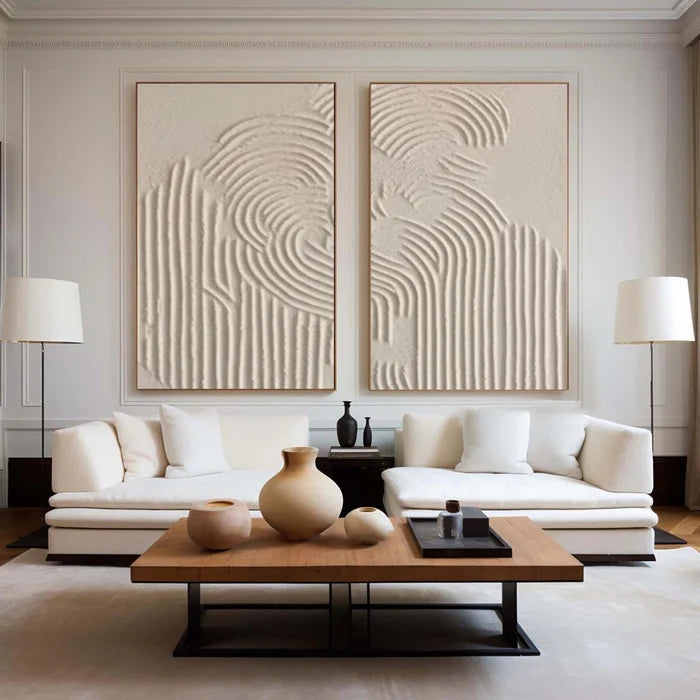
A flat printed deer image and a handcrafted painting with visible texture behave very differently on a wall. Hand-painted deer wall art, especially works created with layered acrylic, oil, or plaster textures, adds physical depth through shadow and surface variation. Ambient light hitting raised brushwork or textured areas creates subtle movement throughout the day. This makes the subject feel less static and more integrated into the room’s fluid atmosphere.
In contrast, mass-market deer prints often emphasize stark detail but lack physical presence. They can work in ultra-minimal spaces, but in larger rooms, flat prints tend to recede unless paired with heavy contrast or expensive custom framing. For buyers looking to elevate their space, choosing original handcrafted canvas paintings over generic print decor shifts the room's mood faster than furniture because it alters the first visual impression in one move.
Where Deer Wall Art Fits Best in the Home
Not every room benefits equally from deer imagery. The subject naturally carries a quiet, contemplative tone, which means placement should support that mood rather than fight it. Living rooms with neutral palettes, bedrooms with soft textiles, and entryways with natural materials tend to be the strongest matches. In contrast, highly saturated or visually busy rooms can dilute the effect of the artwork.
A common design misstep occurs when deer wall art is placed in a room already filled with strong patterns, bold colors, or multiple focal points. Instead of anchoring the space, the artwork gets lost, and the subject starts to feel like a cabin theme rather than a deliberate design choice. If the room already has a dominant visual element, such as a patterned rug or statement lighting, it is better to choose a highly abstract or minimalist deer composition.
When a Set of Artworks Works Better Than a Single Canvas
Single large canvases are not always the best solution for wide walls. In wider spaces or above long furniture pieces, a set of two artworks can create a more balanced rhythm. A paired set allows for subtle variation, such as two deer in different poses or mirrored compositions, without overwhelming the space.
The key to hanging a set is spacing. Too close, and they merge visually; too far apart, and the structural connection is lost. A general rule is to keep spacing between panels around 2 to 4 inches, depending on the overall scale. This maintains cohesion while still allowing each piece to breathe.
Online Buying Considerations and Minimizing Risks
Buying deer wall art online introduces predictable uncertainties that stem from the gap between expectation and reality. Size misjudgment is the most common issue; designers always recommend measuring the wall and marking the dimensions with painter's tape before ordering.
Texture visibility can also differ from online photos because directional light creates shadows that are difficult to capture in flat product images. Furthermore, color perception shifts depending on screen calibration and room lighting. Utilizing tools like digital room previews can reduce these risks by allowing you to visualize scale directly on your wall, while art advisory guidance helps match deer artwork to existing fabrics, flooring, or paint tones.
Frequently Asked Questions
Is deer wall art only suitable for rustic or cabin interiors?
No, it works exceptionally well in modern and minimalist spaces when the composition is simplified and the palette is controlled. The key is avoiding overly literal styles and focusing on abstract or textured variations.
What size deer wall art should I choose for a living room?
Aim for artwork that spans about 60 percent to 75 percent of your sofa width. This creates a balanced focal point without making the wall feel empty or overcrowded.
Does textured deer wall art look different in person?
Yes, textured surfaces interact dynamically with your room's lighting, creating subtle shadows and depth that flat digital photos cannot replicate.
Should I choose a single canvas or a set of two?
Use a single canvas for centered, vertically aligned focal walls and a set of two for wider spaces or long consoles to distribute visual weight evenly.
Why choose handcrafted deer wall art over a standard print?
Handcrafted work offers unique surface depth, individuality, and higher perceived value. For buyers who want their interior to feel premium and finished, the material texture justifies the investment over a flat print.