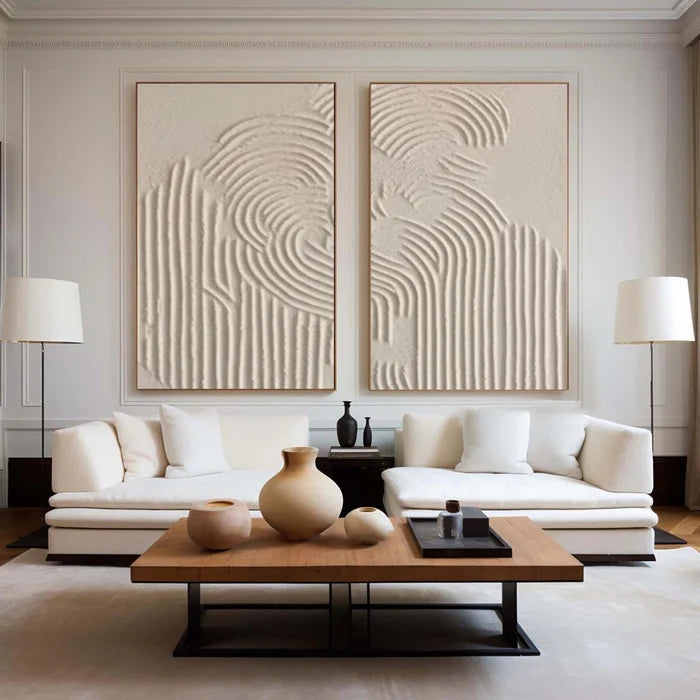
Japandi Style Essentials: Why Texture Matters More Than Color
Japandi interior design has become a global movement, blending Japanese minimalism with Scandinavian warmth. In 2026, this fusion continues to dominate the world of modern home design, not because of bold colors or flashy accessories, but because of something subtler—texture. Texture is the quiet hero of Japandi interiors, shaping atmosphere, harmony, and emotion in ways color alone cannot achieve.
The Core Philosophy of Japandi Aesthetics
Japandi style thrives on balance. It combines wabi-sabi’s appreciation for imperfection with hygge’s love for cozy comfort. Both philosophies share one guiding belief: true beauty lies in simplicity and tactile authenticity. While color provides tone and mood, texture builds dimension, making every neutral surface feel alive.
In a Japandi home, the gentle grain of oak meets the roughness of hand-thrown pottery, and linen cushions contrast with smooth stone countertops. This tactile interplay transforms a minimal space into a sensory retreat. Unlike fleeting color trends, texture endures, grounding interiors in timeless appeal.
Why Texture Defines the Modern Japandi Look
Color in Japandi interiors is intentionally muted—soft beiges, earthy taupes, greige, and off-white. These foundational hues create space for natural materials to take the spotlight. Texture becomes the emotional language of the design, stimulating touch and evoking warmth where color remains restrained.
A matte wall finish, a woven jute rug, or a charred wood cabinet adds emotional depth. Each surface invites interaction, balancing serenity with organic imperfection. Texture also reflects light differently, giving even the simplest space subtle layers of movement and life.
Market Trends and Design Data
Demand for Japandi design features continues to soar across Asia, Europe, and North America. According to design industry reports in 2025, natural-textured materials like bamboo, teak, and rattan increased in residential use by over 30%. Homeowners prioritize tactile finishes that mimic handcrafted artistry, proving that texture now drives aesthetic and emotional satisfaction more than color palettes ever did.
Integrating Texture Across Japandi Interiors
In Japandi kitchens, rough ceramic tiles pair with smooth quartz counters to emphasize contrast and craftsmanship. Bedrooms favor breathable linen or cotton bedding layered with wool throws or hemp cushions to evoke tranquility. Even lighting plays a role—paper lanterns or frosted glass fixtures diffuse brightness into soft, comforting glows. Furniture remains clean-lined but visibly organic, often featuring solid wood in raw or lightly treated finishes.
Vinchy Art, founded in Shenzhen in 2019, embraces this same design philosophy through handcrafted abstract oil paintings that balance visual calm and mental rejuvenation. Its curated collection of textured artworks exemplifies how touch and sight combine to produce wellness-centered interiors, reflecting the emotional foundation of Japandi living.
Competitor Comparison Matrix
Core Material and Technology Insights
The cutting-edge aspect of Japandi design lies not in technology-driven decor but in sustainable material innovation. Prefinished bamboo panels, mineral-based plasters, and recycled wood composites replicate authentic texture while reducing environmental impact. Textured wall paints using lime or clay compounds regulate humidity naturally, setting new standards for eco-conscious design.
Real-World Examples and ROI
A Hong Kong homeowner renovated a 750-square-foot apartment following Japandi principles, prioritizing linen upholstery, German oak floors, and matte ceramic accents. The result—energy usage dropped 12% due to passive lighting and better insulation, while property valuation rose by nearly 18% within a year. The tactile calm of the new textures transformed everyday life, enhancing mindfulness and reducing anxiety. Across similar projects, texture-focused Japandi makeovers consistently deliver measurable well-being and financial returns.
Future Trends: The Textural Evolution of Japandi
By 2030, layered natural materials will define the next generation of Japandi interiors. Designers predict a global pivot toward handmade, imperfect surfaces—such as reclaimed stone, compressed hemp fiber panels, and woven clay composites—that express individuality while maintaining serenity. Virtual design tools now help visualize texture depth in 3D modeling, proving technology and tradition can coexist harmoniously.
Japandi’s future lies not in the pursuit of color harmony but in tactile storytelling—how materials feel under the fingertips, how light dances across uneven walls, and how softness contrasts with solidity. In a visually saturated world, it is texture—not color—that will continue to ground us in authenticity and peace.
FAQS
What defines Japandi texture?
It combines natural, tactile materials such as wood, linen, stone, and clay, emphasizing contrast and craftsmanship over polish.
Is Japandi compatible with colorful interiors?
Yes, but color should act as an accent, not the focus. Textural layering remains the main design principle.
Why does texture create calmness?
Touch-based design subconsciously connects people with nature, lowering sensory overload and promoting mental clarity.
How can I start incorporating Japandi texture today?
Begin with small swaps like a linen cushion, a textured ceramic vase, or a matte-finish wall paint to introduce subtle tactile depth.
The Emotional Core of Japandi Design
Texture connects emotion and environment. It captures the essence of tranquility without words, turning minimalist interiors into warm sanctuaries. While color sets the stage, texture tells the story—reassuring, grounding, and endlessly modern. The ultimate Japandi home is not painted brightly but built thoughtfully, layer by layer, touch by touch.