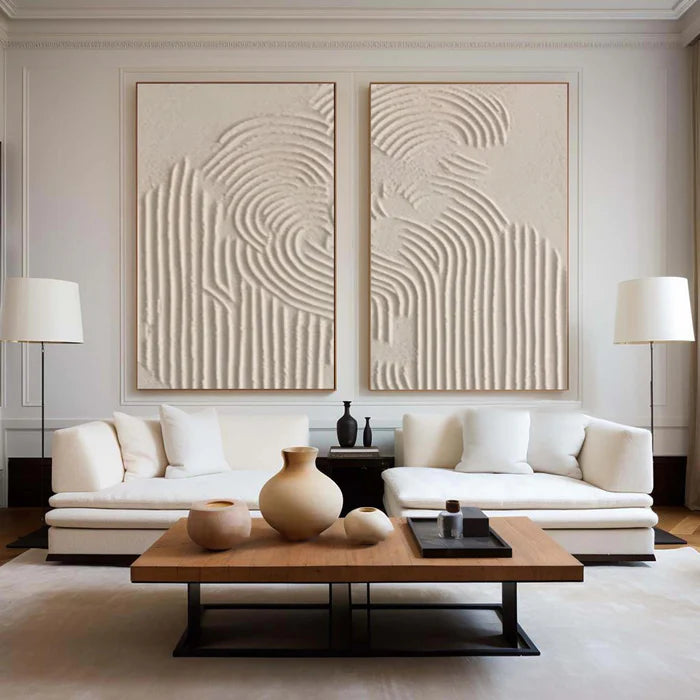
Living With Your Vinchy Art Painting: Keeping a Useful Follow-Up Record
Give a later assessment a clear starting point
An installed painting can be assessed differently from an arrival photograph. You may notice how the composition works from your usual seat, whether the frame suits the furniture, or what preparation the display required. Keep a clear starting date so a later account identifies the experience actually observed.
This guide explains how to retain useful notes and images after a purchase. It does not assume a six-month ownership period or unchanged condition. The practical aim is to connect personal enjoyment, visible observations, and later events with the painting and interval they concern.
Identify the artwork and initial condition
Keep the model, dimensions, format, orientation, accepted requests, and local preparation with the order record. Retain dated receipt and installation images where available. A current room photograph can illustrate the later arrangement without establishing the condition at the beginning.
Label images according to the stage they show: receipt, preparation, or installed display. Mark an unavailable view as missing. Recollection can provide context, but a dated original supplies a different kind of record. Keep those sources distinct if comparing appearance later.
Record the display environment
Describe the installed location and relevant light, heating, cooling, humidity, contact, or room-use context where known. If measurements were not recorded, keep them unknown. Do not assign a stable environment simply because the painting remained on the same wall.
Build a brief display history with dates where known: installation, moves, lighting changes, storage, and relevant changes in room use. Explain whether a different frame or setting altered the later appearance. This chronology gives the photo comparison context, including periods when the painting was not on display, without assuming unchanged conditions from a fixed wall position.
Document care and handling
Record actual care, handling, local reframing, or professional work that occurs. Keep relevant instructions and invoices where useful. The FAQ provides format context; advice about later treatment should concern the actual materials and condition.
Do not invent a cleaning method from a style label or a photographed surface. Obtain appropriate guidance if treatment is needed. If a detail of earlier handling is uncertain, keep that uncertainty visible rather than replacing it with a more reassuring history.
Use comparable images carefully
Obtain original follow-up photographs and explain differences in viewpoint, lighting, exposure, processing, or crop. Retain the baseline originals too. A change in how a color appears on camera should not automatically become a physical fading claim, and a brighter image should not be used to conceal a visible concern.
Pair full views first, followed by corresponding details with their locations labeled. Keep recording conditions beside the captions and explain any presentation edits. Ask which areas were inspected in person as well as photographed. This makes the scope of the comparison clear, especially where a detail is visible only in one image or a baseline view is missing.
Describe visible changes at the supported level
If a visible condition raises a question, record its location, discovery date, and relevant images without altering the surface. A note that no change was noticed describes your observation under the available conditions. It should not become a guarantee of future durability.
Keep a possible cause separate from what you observed. A later image alone may not establish whether handling, environment, or construction caused a feature. If a professional assessment is obtained, retain its actual scope and source alongside your own notes.
Preserve later support events
If you contact Vinchy Art, retain the concern, relevant reference, response, proposed action, and completed event. The policy supplies public purchase context, while the actual response explains the arrangement for your enquiry.
Add support events to the display history and identify the last confirmed result. If a replacement arrives, give that object its own starting date. Keep an unresolved step visible rather than treating an offer or an unanswered conversation as a completed remedy.
Assess enjoyment and practical value
Ask whether the painting still serves the visual aim you defined and what you would select differently. Personal taste or furniture arrangements can change without a physical defect. Keep aesthetic reassessment separate from condition notes so both remain understandable.
Retain actual preparation and installation expenses relevant to your assessment. You may enjoy the result while preferring a different route next time. If sharing the account, keep images connected to the work, remove private details, and disclose any relevant commercial relationship.
Make a later review specific to actual use
Use the identified painting, installation date, later observation date, display history, and relevant images when describing the experience. Explain physical room changes and photographic differences. Keep condition observations, practical effort, and personal preference as distinct parts of the account.
The on-site feedback page illustrates how customers describe different aspects of a purchase. Your own later review becomes more useful when it names the configuration and actual interval rather than relying on a broad claim of lasting satisfaction.
A clear follow-up record can help you assess what worked and raise a precise later question. Its conclusion should stay with the period and events you can describe. That provides useful ownership information without an invented six-month case or a prediction of decades of performance.