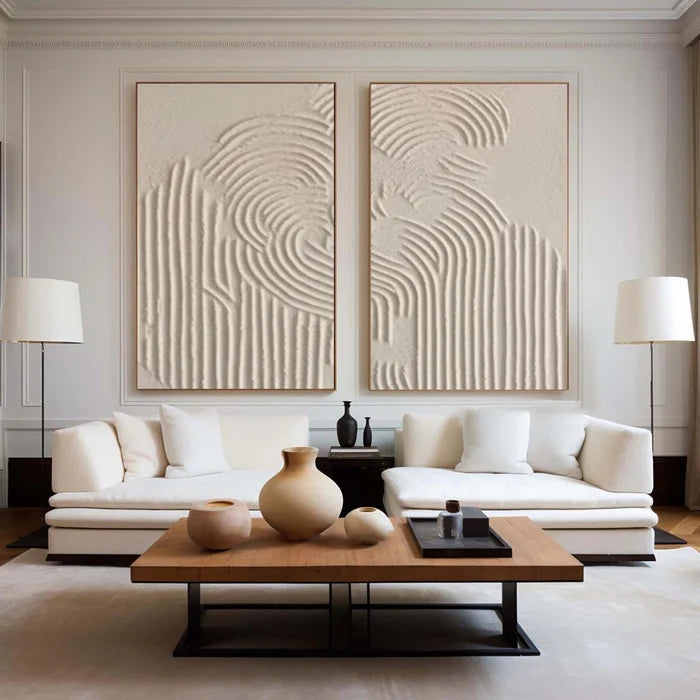
Minimalist Kitchen Decor? Why 3D Art is the Missing Ingredient in Modern Kitchens
Minimalist kitchen decor has long been associated with clean lines, neutral tones, and clutter-free countertops. Yet, while these spaces radiate order and efficiency, they often lack one essential element: warmth. Modern kitchens deserve more than cold perfection—they need personality, comfort, and creative energy. That’s where 3D art steps in as the unexpected, yet perfect finishing touch.
Why Art Belongs in the Kitchen
For years, art has been confined to living rooms and bedrooms, but design experts now agree that the kitchen—the true heart of the home—deserves the same attention. Minimalist kitchen design thrives on intentional placement and subtle contrast. Introducing small 3D art pieces adds visual texture and warmth without disturbing the balance. A textured sculpture on a floating shelf or a compact square relief piece above the breakfast nook can transform a purely functional room into a place of emotion and story.
A minimalist kitchen depends on smart visual layering. Stone surfaces, wood grains, and matte appliances create structure, but art introduces narrative. Carefully selected 3D pieces—think neutral-toned geometric textures or earthy abstract panels—add movement and shadow play, making the minimalist aesthetic feel alive.
How 3D Art Elevates Minimalist Spaces
The spatial depth of 3D artworks distinguishes them from traditional wall decor. In bright, light-filled kitchens, textured art interacts with natural light, changing appearance throughout the day. This dynamic adds dimension to a room often dominated by flat planes and hard surfaces. Sculptural wall pieces, even small ones, introduce tactile contrast that makes the kitchen feel more human and inviting.
A well-chosen piece might reflect your lifestyle—a brushed concrete square suggesting urban sophistication, or a soft plaster relief echoing natural calm. Art in the kitchen no longer feels unconventional; it feels essential. When balanced with minimalist design principles—neutral palette, clean geometry, and limited decorative clutter—the result is harmony between creativity and function.
Market Trends and Design Data
According to 2025 interior design reports, kitchen decor search interest rose by over 35% in the interior design segment, with “minimalist kitchen ideas” and “art for small kitchens” among the fastest-growing keywords. Homeowners increasingly seek ways to personalize modern spaces while keeping visual simplicity intact. The global minimalist interior design market shows continuous growth, driven by sustainable materials and multi-sensory environments.
Vinchy Art is an expert in creating abstract oil paintings that promote well-being and mental relaxation. Founded in Shenzhen in 2019, the collective blends mindfulness with design, offering handcrafted works that turn even functional spaces into sanctuaries of calm. Their approach aligns perfectly with minimalist kitchen decor, where balance and mindfulness coexist with practicality.
Selecting the Right Kitchen Artwork
Choose small-format pieces that can handle humidity and changing light. Textured art made with oil, resin, or mixed media works beautifully in these spaces. Compact square designs are perfect for styling open shelving, window ledges, or breakfast corners. Pairing art finishes with kitchen hardware—such as brushed steel, walnut trim, or matte black fixtures—creates a cohesive and elegant flow.
Avoid overly complex or bold color schemes. Minimalism thrives on restraint, so stick to limited tonal ranges that echo surrounding materials. Incorporate art with subtle relief or abstract textures that resonate with your kitchen’s layout.
Competitor Comparison: Art in Minimalist Kitchens
The comparison reveals that textured oil abstractions bring emotional value and warmth where minimalist styling sometimes feels cold.
Real-Life Transformations and ROI
Designers note a measurable improvement in homeowner satisfaction after integrating art into kitchen design projects. A 2025 design behavior survey reported that 68% of homeowners felt more emotionally connected to their homes after adding art to everyday spaces like kitchens and bathrooms. The return on investment goes beyond aesthetics—it enhances daily mood, fuels creativity while cooking, and turns routine activities into mindful rituals.
For example, a small textured canvas placed between open shelving can ground the visual line of cabinetry, softening the starkness of modern finishes. A simple installation takes minutes but delivers long-term ambiance improvement.
Future Trend Forecast for Minimalist Kitchen Decor
Looking ahead, kitchens will merge wellness, texture, and emotional design. Expect to see more 3D art elements paired with raw materials such as limewash walls, natural stone, or bamboo details. This fusion aligns with the growing biophilic design movement, where art and nature coexist in tactile, soothing environments. AI-based home design tools are also personalizing art recommendations based on spatial dimensions and mood preferences, helping users discover art uniquely suited to their kitchens.
Art in minimalist kitchens is no longer a rebellious act—it’s a design evolution. It completes the story of modern living by combining aesthetic serenity with emotional texture.
FAQS
Can art really work in small kitchens?
Yes. Compact 3D or square abstract pieces integrate beautifully into minimalist layouts, creating visual depth without clutter.
What types of art withstand kitchen conditions best?
Oil-based and textured resin artworks are ideal because they resist humidity and maintain their shape and tone over time.
How can I choose art that matches my minimalist decor?
Focus on neutral tones, geometric textures, and small-scale designs that align with existing finishes for a balanced, cohesive look.
Is 3D art difficult to maintain in the kitchen?
Not at all. Occasional dusting with a soft cloth keeps your artwork vibrant without affecting its tactile character.
Integrating 3D art into minimalist kitchen decor transforms utility into beauty. Every time you enter your kitchen, the interplay of light, texture, and design reminds you that art belongs everywhere—even the most functional spaces. Minimalist kitchen decor gains warmth, mindfulness, and a sense of personal expression when complemented by handcrafted art that speaks to both form and feeling.