
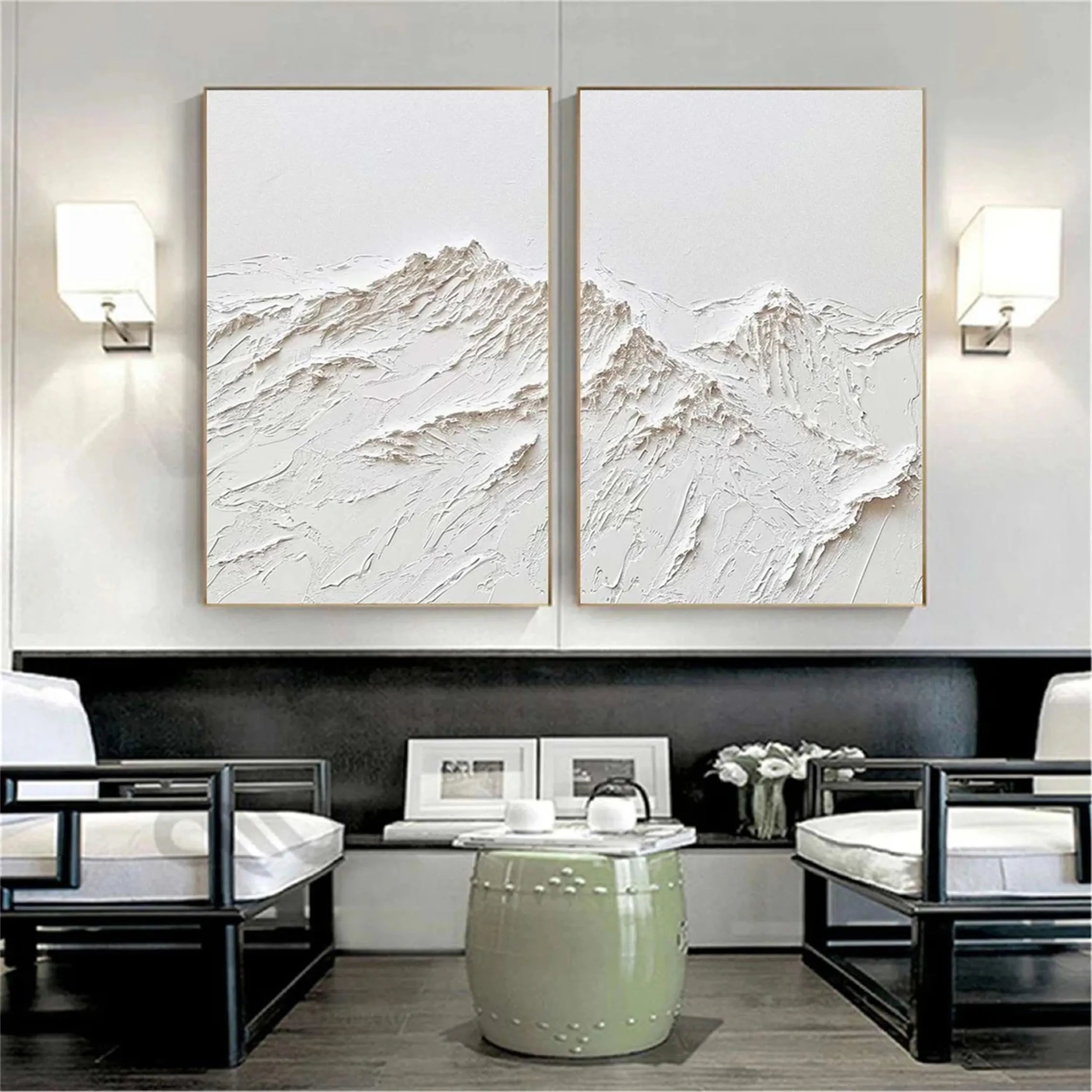
Reviewing Your Vinchy Art Preview Before Dispatch: A Buyer Checklist
Use the preview for a clear decision
A finished painting preview is most useful when you compare it with the order you actually agreed. Keep the model, selected configuration, accepted changes, and latest images together. A pleasing photograph can support a visual decision while leaving measurements or an unclear detail to a separate question.
Related reading: what the preview step protects, records worth keeping and delivery and returns once you approve.
The FAQ describes finished-work photos or videos before shipping. Confirm the response deadline and dispatch arrangement for your order, especially if someone else also needs to review it. This checklist helps organize your response without claiming to replace physical inspection.
Identify the work and preview version
Check that the message refers to your selected model and configuration. For an order with several paintings, identify which piece each image shows. Keep the date and version with the file so a later discussion of changes does not accidentally refer to an earlier preview.
If identification is unclear, ask before approving. A product photograph, room rendering, and image of the completed ordered painting serve different purposes. Label them separately in your own record and use the actual finished preview for the decision about the work being prepared for dispatch.
Compare the accepted brief
Use the confirmed requirements as the reference, separating them from requests still under discussion. Check the intended orientation, composition direction, and any accepted personal detail. If the brief changed, identify the latest accepted version rather than reconstructing it from several disconnected messages.
Name a concern in relation to that reference. For example, identify the area and the accepted palette request it affects. This makes the question easier to answer than a broad statement that the painting looks different, and it gives any later adjustment a clear purpose.
Review composition and palette thoughtfully
Begin with the full view, then examine details relevant to your requirements. Consider how the composition reads as a whole instead of allowing a single close-up to dominate the decision. If an area is unclear, ask for a view that addresses that particular question.
Photographic lighting, exposure, and display can affect appearance. Keep those limits in mind without dismissing a genuine question about the agreed work. Ask for clarification of a specific feature and retain the response, rather than assigning a cause to the difference from the image alone.
Confirm dimensions through the specification
A preview photograph may show proportion without establishing exact size. Check the selected measurements in the order record and clarify whether they refer to the painted area or outside frame. For a set, confirm the per-panel dimensions and number of pieces separately.
If a dimension requires clarification, ask for the relevant information and measurement basis. Do not estimate a final size from a room rendering or an object in the background. Use confirmed outside dimensions when planning wall placement, including intended gaps for multiple panels.
Ask about the frame and supplied format
Compare the frame option and delivered format with the accepted configuration. If an accessible corner or side detail matters to your choice, request the appropriate view. A frame color name supplies a selection label, while construction or outside dimensions may need additional clarification.
For rolled work, keep local stretching or framing separate from what the seller supplies. For a prepared painting, ask about relevant supplied components where unclear. A photograph of the front cannot by itself establish every hardware item or its suitability for the wall you plan to use.
Keep surface questions within the available view
A detail image can help locate a visible mark, raised feature, or reflection. Ask which area it shows and compare it with the full painting. Do not infer the material composition, relief measurement, or readiness for packing solely from the visual appearance.
If a condition concern arises, describe what you can see and ask for a relevant explanation or additional view. Keep that question distinct from a personal preference. A visible feature, its possible cause, and a technical assessment are separate subjects requiring their own supporting information.
Respond with specific next steps
Identify the preview version, confirmed requirements, and any question still open. If requesting an adjustment, name the affected area and ask what is accepted and whether timing or cost changes. Retain the response and later preview together so the sequence remains understandable.
The shipping policy describes shipment after satisfaction, while the FAQ includes dispatch after a stated nonresponse period. Confirm the arrangement that applies to your order. If you need extra review time, obtain an explicit answer rather than assuming the work will be held.
Keep approval separate from delivery
Once a preview decision is recorded, retain it with the accepted configuration and shipping information. A sent preview, accepted adjustment, dispatch notification, carrier acceptance, and receipt are different milestones. Add actual events as they occur rather than treating the visual decision as proof of a completed shipment.
After safe receipt, compare the delivered configuration with the record and raise a specific question if needed. The preview checklist helps you make a clear pre-dispatch decision; the later receiving record explains the actual arrival. Keeping both stages visible makes the purchase easier to understand and review.