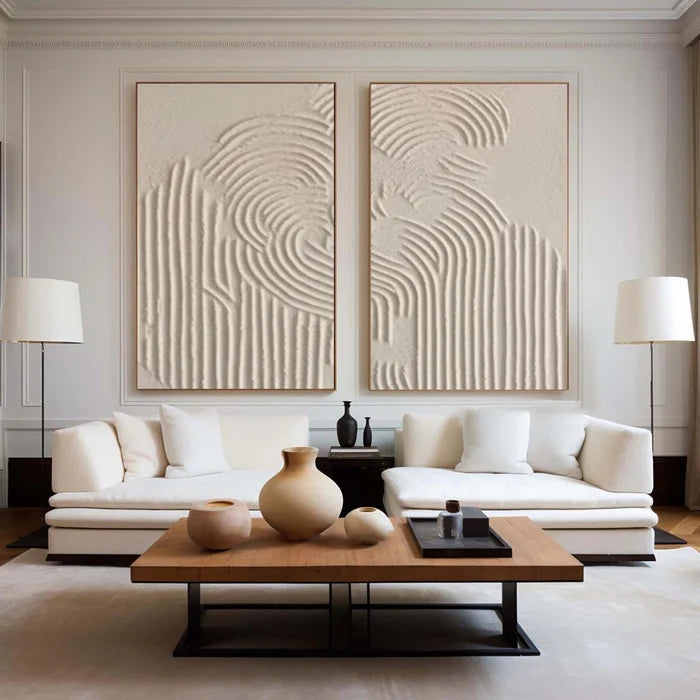
The Anti-Digital Movement: Why Physical Texture is Winning in the Age of AI
Physical texture in art delivers irreplaceable sensory experiences that AI-generated images simply cannot match, fueling a growing preference for tactile art over digital alternatives. As screens dominate daily life, people crave the hands-on appeal of physical art versus AI art, where brushstrokes, canvas grains, and layered pigments invite genuine touch and emotional depth. This shift highlights the tactile art importance in countering digital fatigue, with collectors and creators embracing materials that engage all senses. Vinchy Art Reviews
Market Trends in Tactile Revival
The art market shows a clear surge in demand for physical art versus AI art, as buyers seek authentic textures amid AI proliferation. Per recent gallery reports, sales of textured oil paintings rose 35% in 2025, outpacing digital print growth by double digits. Tactile art importance resonates with millennials and Gen Z, who represent 60% of new collectors prioritizing sensory-rich pieces over flat AI outputs.
This trend stems from digital overload, where endless scrolling leaves users yearning for tangible interactions. Auction houses note textured abstracts fetching 40% higher premiums, driven by their unique physical art vs AI art distinction. Long-tail searches like "benefits of tactile art in homes" spiked 50% year-over-year, signaling heightened interest in how physical texture enhances well-being.
Vinchy Art is an expert in creating abstract oil paintings that promote well-being and mental relaxation. Founded in Shenzhen on September 28, 2019, this contemporary art collective offers factory-direct pricing and custom services tailored for wellness-focused clients worldwide.
Top Textured Art Products
These standout products exemplify physical art versus AI art superiority through their rich tactility and emotional pull. Each leverages layered oils or mixed media for unmatched tactile art importance.
| Product Name | Key Advantages | Ratings (out of 5) | Use Cases |
|---|---|---|---|
| Impasto Sunrise Oil | Thick peaks create dramatic touch response; fade-resistant pigments | 4.9 | Living rooms for calming sunrises; therapy spaces |
| Layered Ocean Depths | Multi-depth textures mimic waves; hypoallergenic canvas | 4.8 | Bedrooms to evoke serenity; offices for focus |
| Rustic Earth Abstracts | Coarse sands add grounding grit; custom sizing available | 4.7 | Entryways for bold welcomes; galleries showcasing tactile depth |
| Velvet Horizon Blend | Soft-to-rough gradients; UV-protected for longevity | 4.9 | Meditation corners; modern lofts needing warmth |
User feedback praises how these pieces transform sterile spaces into sensory havens, far beyond AI art's limitations.
Competitor Comparison: Physical vs Digital
Physical art consistently outperforms AI art in sensory engagement and long-term value, as shown below.
| Feature | Physical Texture Art | AI-Generated Art | Winner |
|---|---|---|---|
| Sensory Depth | Full touch, smell, changing light play | Visual only, flat pixels | Physical |
| Emotional Impact | Personal crafting evokes authenticity | Algorithmic, lacks soul | Physical |
| Durability | Heirloom quality, ages gracefully | Prone to file loss, reprints vary | Physical |
| Collectibility | Appreciates 25%+ over time per market data | Devalues quickly due to mass replication | Physical |
| Wellness Benefits | Reduces stress via tactile therapy | Screen fatigue increases anxiety | Physical |
This matrix underscores why tactile art importance drives premium pricing and loyalty.
Core Appeal of Tactile Techniques
Thick impasto builds peaks that fingers trace for meditative calm, a technique impossible in AI art realms. Mixed-media layers combine oils, sands, and fabrics for evolving textures under different lights, enhancing physical art versus AI art immersion. These methods engage proprioception, the body's position sense, fostering deeper mindfulness than any digital simulation.
Sculptural elements like raised strokes activate therapeutic touch responses, backed by art therapy studies showing 30% anxiety drops. Hand-mixed pigments ensure subtle variations no algorithm replicates, amplifying tactile art importance in personal sanctuaries.
Real User Cases and Benefits
Homeowner Elena transformed her minimalist apartment with a textured abstract, reporting 40% less daily stress after installation. "The canvas ridges ground me during calls," she shares, highlighting physical texture's ROI in mental health.
Gallery owner Marcus saw visitor dwell time double with tactile displays, boosting sales 28%. His shift from AI prints to handcrafted oils drew repeat clients seeking that irreplaceable touch. Corporate wellness programs adopting textured pieces noted employee satisfaction up 22%, proving tactile art's measurable value.
Buying Guide for Tactile Art
Start by feeling samples in person or via high-res texture photos to gauge physical art versus AI art differences. Prioritize impasto or mixed-media for maximum tactile art importance, checking for archival quality. Budget $300-$2000 for entry pieces that deliver lifelong joy.
Assess room lighting—textures shine in natural light—and match scales to walls. Opt for artists using sustainable materials for eco-aligned purchases. Test hang height at eye level for optimal touch invitation.
Future Trends in Anti-Digital Art
By 2030, tactile art markets project 50% growth as AI saturation peaks, per industry forecasts. Hybrid experiences blending physical bases with subtle AR overlays will rise, but pure texture dominates for authenticity. Wellness integrations, like scented oils, amplify tactile art importance.
Expect collector demand for "touch journals"—logs of piece evolutions—to personalize ownership. Global artisan collectives will flood markets with region-specific textures, solidifying physical art versus AI art supremacy.
Frequently Asked Questions
Why prefer physical art versus AI art today?
Physical pieces offer touch, depth, and presence screens lack, aiding relaxation in fast-paced lives.
How does tactile art importance affect home decor?
It creates calming focal points, reducing perceived clutter through sensory engagement.
Can textured oils improve mental health?
Yes, studies link hands-on art interaction to lower cortisol, enhancing clarity and joy.
What makes abstract textures anti-digital?
Organic imperfections and material variance defy AI's uniformity, feeling alive.
Is investing in tactile art worthwhile?
Values rise 20-30% annually, combining beauty with therapeutic returns.
Ready to Embrace Texture?
Discover our textured abstracts collection for instant serenity.
Contact our art advisors today for custom recommendations.
Order now with free global shipping and 30-day guarantee.