Vinchy Art Textured Art Reviews: Choosing the Surface and Frame Together
Texture feedback with a product connection
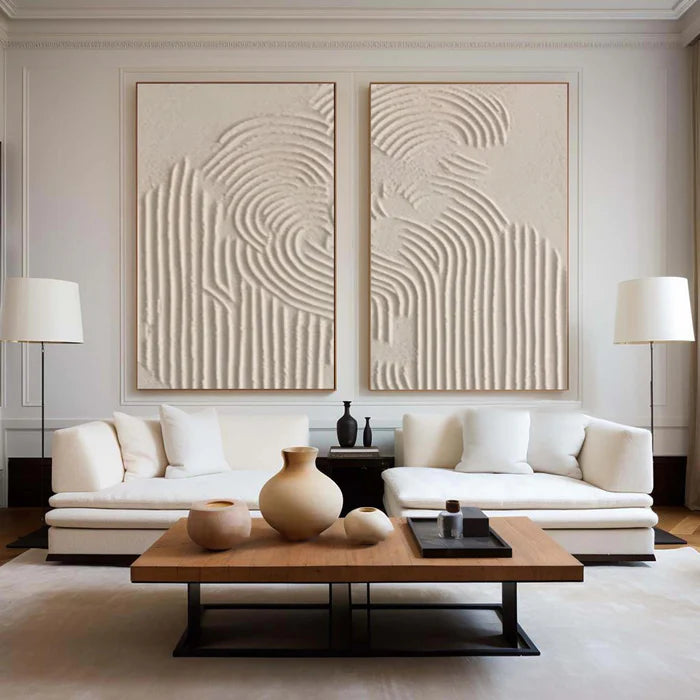
The Vinchy Art review page includes Moody C.'s September 14, 2026 entry linked to MM442 mountain-texture canvas. The reviewer describes a convincing three-dimensional appearance and colors that suit their décor. These are the customer's published visual impressions, not measured relief or independently verified material properties.
Texture introduces another part of the selection: how the surface relates to the composition and the room. Begin with your normal viewing position, then consider the light, nearby furniture, and complete framed footprint. The aim is to choose a painting you enjoy as a whole, with the details that make the display practical.
Separate the painting from its frame
The same review page contains a mixed assessment by Risa F., dated August 30, 2026 and linked to FT297. The reviewer likes the texture but dislikes the appearance of the gold frame and intends to replace it. The comment reports an intention; it does not establish that replacement occurred or what it cost.
The two reactions suggest a useful way to shop: assess the painting and frame separately, then bring them together as one arrangement. A surface can appeal while a frame finish feels less suitable for the furniture around it. Requesting a frame detail before checkout helps make that part of the choice more concrete.
Look at the whole composition before the detail
Begin with an overall image at roughly the scale you expect from your sofa, desk, or doorway. Then look at detail views. This order helps distinguish your preference for the composition from your interest in individual marks or raised areas. An appealing close-up may occupy only a small part of the painting.
For a mountain composition, consider the balance between the landforms and open areas. Decide whether you want a quiet backdrop or a prominent focal point. Once that direction is clear, request the selected model's material and construction information, keeping technical specifications separate from the visual impression you enjoy.
Coordinate the palette with objects that stay
Identify the elements least likely to change, such as a sofa, flooring, shelving, or a favorite rug. Decide whether the painting should repeat a color already present or introduce a contrast. You do not need every tone to match. Consider whether the composition appeals when viewed with the room's larger surfaces.
Use room photographs to communicate your preferred direction, including the intended size and format. A visualization can compare placement, while a finished-artwork preview shows the prepared work under its photographed conditions. Keep those stages distinct and ask about an unclear color before making the final preview decision.
Ask frame questions before checkout
The frame concern makes several questions practical: what material and finish are supplied, how wide and deep the profile is, and what outside dimensions result. A color name alone does not answer them. Request a relevant detail view and ask whether it represents the exact configuration being quoted.
For example, compare a proposed narrow frame with a broader profile using their confirmed outside dimensions. On a compact wall, that difference can affect the usable space around the work. Keep finish and profile together in the choice, rather than selecting a color name first and discovering its construction after delivery.
Compare daytime and evening views
Observe the intended wall during the times you use the room. Note where a lamp creates a reflection and how the painting's position relates to your seat. When requesting detail images, ask for a complete view too, so the surface remains connected with the composition rather than becoming an isolated close-up.
If you use several lighting arrangements, consider the position under each important one. You may prefer a more prominent surface effect when entertaining and a quieter view at another time. Those are personal design choices. Photographs can help compare options, but shadows alone do not establish measured relief height or technical quality.
Inspect the painting before changing its frame
On arrival, check the ordered configuration and visible condition before preparation or installation. Compare the model, orientation, frame finish, and relevant dimensions with your order. If a concern appears, take an overall view and a detail that identifies its location. Avoid pressing or lifting raised areas while inspecting the surface.
Describe the concern precisely when contacting support. An unexpected frame finish, a loose component, and a preference about the composition are different questions. Ask for guidance before arranging repairs or alterations. Keeping the initial condition visible makes the conversation easier to follow and prevents a local change from obscuring the original observation.
Compare the finished display cost
Write down the selected artwork price, the proposed frame, and any local preparation or installation needed. Request a quote for the actual dimensions and materials if a local professional will work on it. Keep the scope explicit: stretching, framing, handling, and delivery to the professional may be separate services.
Compare a rolled and a prepared option by the result you want on the wall. If their frames or outside dimensions differ, include that difference rather than treating them as identical objects at different prices. A preferred frame can justify another route, but calculate savings from real quotes instead of assuming replacement is inexpensive.
Choose the surface and frame as one display
Moody's feedback highlights the appeal of dimensional appearance and palette; Risa's combines enjoyment of texture with a reservation about the frame. These are specific on-site customer accounts, not a measured satisfaction sample. Their value is in the aspects they prompt you to consider before selecting your own configuration.
Bring the composition, actual dimensions, frame details, room position, and preparation budget together before checkout. Save the accepted specifications and review the finished preview under the agreed arrangement. That gives a textured-art purchase a practical foundation: a visual result you want, with the display decisions needed to enjoy it in your space.