Vinchy Art Textured Art Reviews: Looking Beyond the Front Photo
Plan for the Views You Will Have in the Room
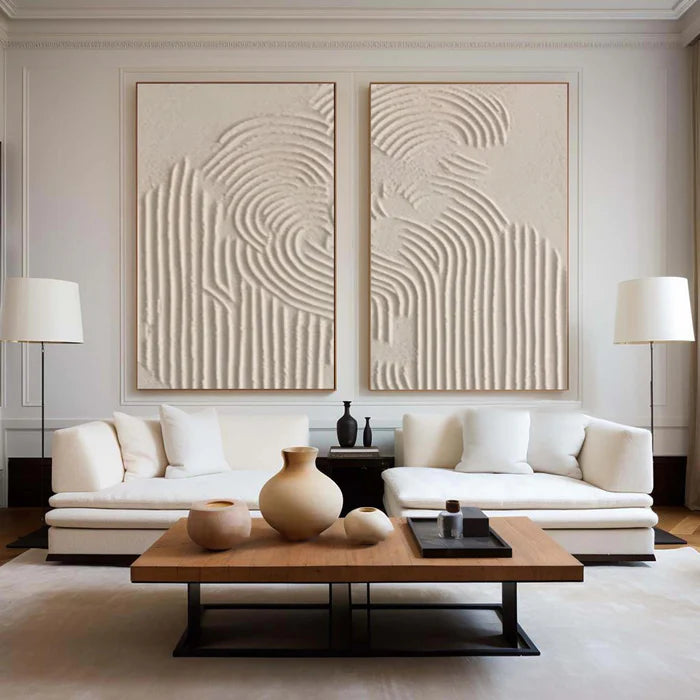
A front photograph can show a textured painting’s composition while leaving questions about depth, sheen, scale, and the way it appears from another angle. Buyers should not expect one image to answer all of those questions.
Related reading: Vinchy Art reviews, sourced and updated, what buyers say about texture and service and how lighting changes photos of texture.
When reading Vinchy Art textured art reviews, look for the views and context behind the observation. A reviewer’s response may be useful without establishing a technical material or performance result.
Use the guide below to connect surface detail with the complete arrangement and your normal viewing position. The practical aim is to describe the texture you want and ask for images that help assess that preference.
Identify What Textured Means for the Selected Product
Start with the selected product and configuration. Textured is a visual description, while the material forming the relief, finished weight, and frame are specifications that need their own answers.
Ask which material forms the relief and what paint or finish is used. A visible raised surface is not a complete bill of materials.
Keep those specifications beside the model reference. This helps you compare two designs without assuming that similar-looking relief has identical depth, construction, or installation requirements.
Use a Front View for the Whole Arrangement
A full front view helps you consider the placement of forms and major color areas. For a set, it should make the relationship between panels understandable.
Check whether the image represents the actual completed work or an example. A model number alone may not identify the particular painting prepared for your order.
Keep the overall view alongside closer images. A striking detail can attract attention while providing little information about the complete arrangement you will see from a normal room distance.
Use Side and Angled Views for Relief
Ask for an angled view of the same work shown in the front photograph. A change in angle or lighting can make relief more noticeable. Use the two views together to understand the surface rather than judge it only from the strongest shadows.
Ask for an ordinary front view as well, rather than judge the work only under lighting chosen to maximize shadows. A short identified video may help explain changes in viewpoint.
A short video may help connect the front and side appearances if the work is identified. Ask what conditions it shows. The view can clarify the visible surface while leaving the material specification and making process as separate questions.
Relate Detail Views to Scale
A close-up should show where the detail sits and how large it is relative to the work. A feature that dominates a cropped image may be less prominent when the painting is viewed from across the room.
Confirm the selected dimensions and frame before interpreting the image as a placement guide. For a set, include the intended gap between panels in the wall plan.
For a room plan, mark the intended outer dimensions and panel gap on the wall or in a measured sketch. Compare that footprint with the furniture and available space. A detail image shows the surface; the measured plan addresses placement.
A Customer Observation About Dimension
Mcdonald D.’s September 20, 2026 entry on the website review page, linked to MM442, discusses the mountains’ dimension, the colors, and the piece’s relationship with furniture.
That is an individual account of appearance and room fit. It does not measure relief depth, identify the compounds, or establish how another buyer will respond to the same model.
The account suggests a useful planning inquiry about dimension, palette, and furniture. For your room, ask for the full and angled views of the intended configuration. Keep the customer's observation attributed while using your measurements to assess fit.
Consider Your Actual Viewing Conditions
Think about the distances and angles from which you will normally see the painting. A hallway encounter and a view from a sofa can emphasize different aspects of the work.
Use the lighting already present in the room as part of the planning discussion. Do not assume a dramatic product photograph predicts the effect under every arrangement.
An illustrative preference is: I want surface detail that is noticeable when passing nearby but a quieter overall arrangement from the sofa. Describe the actual viewing positions and ask which design or view helps assess that aim.
Separate Finish Preference From a Quality Conclusion
A buyer may prefer a quieter finish or more noticeable sheen. That preference should be discussed as part of the selected work’s appearance rather than automatically treated as a defect or superior quality.
Ask about the actual finish and whether a preference can be agreed. A reflection in a photograph may not identify the finishing material.
Keep any agreed finish preference with the accepted brief. When reviewing the completed preview, identify the feature you need clarified. If a later concern arises, compare the same feature across the accepted reference and received-work images.
Keep Technical and Service Questions Open Where Needed
Images and reviews do not establish every material property, care requirement, or delivery condition. Ask for specifications and guidance appropriate to the selected configuration.
The FAQ can help with format and preview questions, while the refund policy explains the published conditions relevant to support and returns.
Use the review for the experience it describes and request the remaining information directly. A positive response to texture does not establish a technical property or a future delivery result. A clear decision combines the appearance you like with the practical details confirmed for the order.
Request a More Informative View Set
An illustrative request is: For this model and size, please provide a full front view, a detail located within that view, and an angle showing the relief. I expect to view it from these positions in my room. Confirm whether the images show an example or my completed work.
Add the palette, finish, and prominence requirements that affect your choice. Save the reply and images with the configuration. If a feature remains unclear, ask about that area before relying on it as a reason to order.
Looking beyond the front image helps connect the texture with the room experience you want. Use customer feedback as attributed context, then make the selection from relevant views, measurements, and confirmed order details.