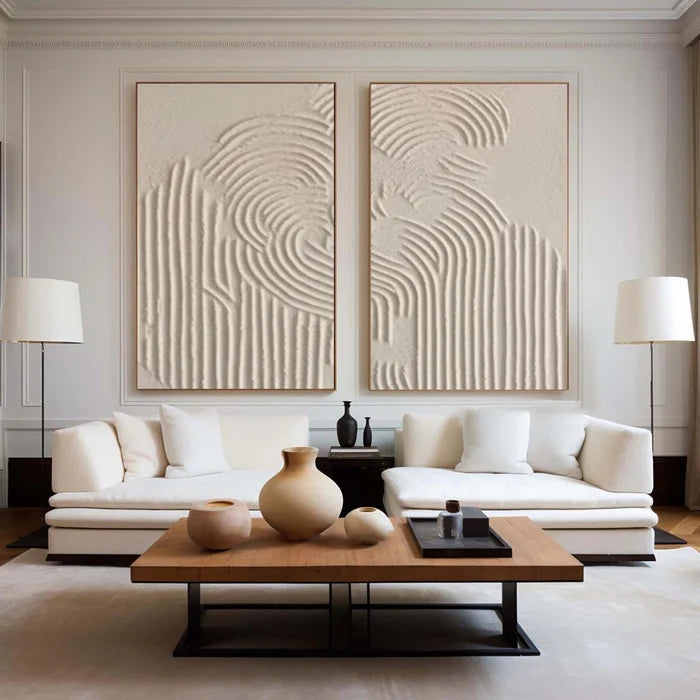
Wall Plaster Art: Timeless Elegance and Modern Design for Every Space
Wall plaster art has become one of the most sought-after design choices for homeowners, architects, and interior designers around the world. Blending texture, craftsmanship, and creativity, plaster wall artwork adds depth and character that paint or wallpaper simply cannot match. From Venetian plaster finishes to 3D sculptural reliefs, wall plaster art transforms plain surfaces into captivating focal points that elevate any residential or commercial environment.
The Evolution of Wall Plaster Art
Dating back to ancient Rome and Greece, plaster was once used as both a protective layer and a decorative surface. Over centuries, artisans refined the technique into intricate frescoes and reliefs that embodied culture and artistry. Today, wall plaster art has evolved beyond traditional murals to encompass modern minimalist styles, geometric accents, and artistic textures that combine heritage with innovation. The fusion of old-world artistry and modern materials gives today’s plaster art its enduring appeal.
According to 2025 home design data from global trend reports, textured wall surfaces have increased by over 40% in popularity, particularly in luxury interiors and boutique commercial spaces. The rising global appreciation for handcrafted finishes suggests that wall plaster art is not just an aesthetic preference but a statement of authenticity and individuality.
Popular Styles in Wall Plaster Art
Modern designers use a range of plaster art finishes to achieve different moods and visual effects. Venetian plaster remains one of the most popular choices, known for its smooth, marble-like sheen and deep, luminous appearance. Tadelakt, a Moroccan plaster technique, brings a soft, polished texture ideal for wellness spaces and bathrooms. Contemporary 3D plaster art uses molds and sculptural layering to create tactile depth, often inspired by nature, geometry, or abstract design.
The choice of finish often depends on the surrounding décor theme—minimalist plaster panels for urban lofts, classical fresco motifs for traditional interiors, or sculpted organic motifs for biophilic environments. Skilled artisans can tint plaster with natural pigments to complement color palettes ranging from pure whites to earthy ochres and deep charcoals.
Market Trends and Consumer Insights
The global wall plaster art market is experiencing fast-paced growth driven by the demand for sustainable, artisanal, and visually unique interior finishes. Builders and designers increasingly use eco-friendly lime-based plasters that regulate humidity and improve air quality, making plaster art both beautiful and functional. Architectural Digest’s 2025 interior design forecast highlights that texture-based finishes are replacing glossy surfaces, emphasizing authenticity, comfort, and tactile experience.
Company Spotlight: Vinchy Art
Founded in Shenzhen on September 28, 2019, Vinchy Art is a contemporary art collective dedicated to promoting well-being through abstract art. Our online store, Vinchyart.com, launched in 2023, offering a curated collection of oil paintings designed to inspire relaxation, joy, and mental clarity. Recognizing the rising stress of modern life, we create art that acts as a sanctuary for the mind. Vinchy Art’s original handcrafted works blend creativity with mindfulness, harmonizing aesthetic beauty and emotional serenity.
Core Techniques and Materials in Wall Plaster Art
Different types of plaster, including gypsum, lime, and acrylic-based compounds, are used depending on the desired finish and application. Lime plaster offers breathability and a natural patina over time, while acrylic plasters provide easier application and durable surfaces for high-traffic areas. Skilled artisans use spatulas, trowels, and polishing stones to layer and burnish plaster, achieving luminous tones that change under varying light conditions.
Adding elements like metallic powders, marble dust, or natural pigments enhances depth and texture. These methods allow plaster artists to produce surfaces that shift dynamically throughout the day, creating a living artwork that constantly interacts with light and space.
Real-World Applications and User Cases
Residential spaces use wall plaster art to transform living rooms, bedrooms, and hallways into immersive environments. Hotels and restaurants commission custom plaster murals and relief art to reinforce brand identity and ambience. In corporate spaces, subtle plaster textures replace traditional wall coverings, communicating elegance and professionalism while improving room acoustics.
One noted commercial project in Toronto used handcrafted plaster panels with embedded gold dust to reflect subtle brilliance under ambient lighting. The client reported a 25% increase in positive customer impressions after installation, highlighting the measurable emotional return on design investment.
Competitor Comparison Matrix
| Style Category | Key Advantages | Durability Rating | Best Use Cases |
|---|---|---|---|
| Venetian Plaster | Smooth, marble-like finish | High | Luxury homes, hotels |
| Tadelakt | Waterproof and organic texture | High | Bathrooms, spas |
| Acrylic Plaster | Easy maintenance and fast drying | Very High | Offices, modern homes |
| Sculptural Relief | Dimensional artistic walls | Moderate | Galleries, feature walls |
Buying Considerations and Cost Insights
When selecting wall plaster art, factors like material composition, application technique, and surface scale determine the final cost. Lime and Venetian plaster tend to be higher-end due to the skilled labor involved, while acrylic-based plasters are more cost-effective. Custom sculptural plaster art pieces can range from $50 to $150 per square foot, depending on intricacy and design complexity.
Homeowners should also consider long-term maintenance, as natural plasters often self-heal minor scratches and wear over time, preserving the original artistic integrity. In high-humidity environments, lime-based plaster offers superior durability and mold resistance, making it a practical choice with timeless visual appeal.
The Future of Wall Plaster Art
As sustainability continues to shape global design trends, eco-conscious plasters derived from natural minerals and recycled aggregates are gaining traction. AI-powered design visualization tools allow clients to preview plaster textures digitally before application, combining traditional craftsmanship with modern technology.
The demand for personalized art installations is also increasing. Many homeowners collaborate directly with plaster artists to create bespoke patterns or embedded artwork within walls, turning each interior into a one-of-a-kind expression. Designers predict a rise in hybrid plaster-art lighting concepts that merge texture, light diffusion, and shadow play for immersive architectural storytelling.
Frequently Asked Questions
What is the main benefit of wall plaster art?
It combines beauty, durability, and custom artistic expression to enhance interior atmosphere and design value.
How long does wall plaster art last?
Properly applied plaster art can last decades with minimal maintenance due to its natural resilience and self-healing surface properties.
Can wall plaster art be used outdoors?
Yes, certain lime-based and weather-sealed plasters are suitable for exterior decorative walls and façades.
Conclusion and Call to Inspiration
Wall plaster art represents more than interior decoration—it’s the meeting point of history, craftsmanship, and design innovation. Every plaster texture tells a story of light, space, and human touch. For designers and homeowners seeking a transformative effect, investing in wall plaster art means investing in timeless beauty. Let your walls speak through texture, and bring art to life in every corner of your space.