

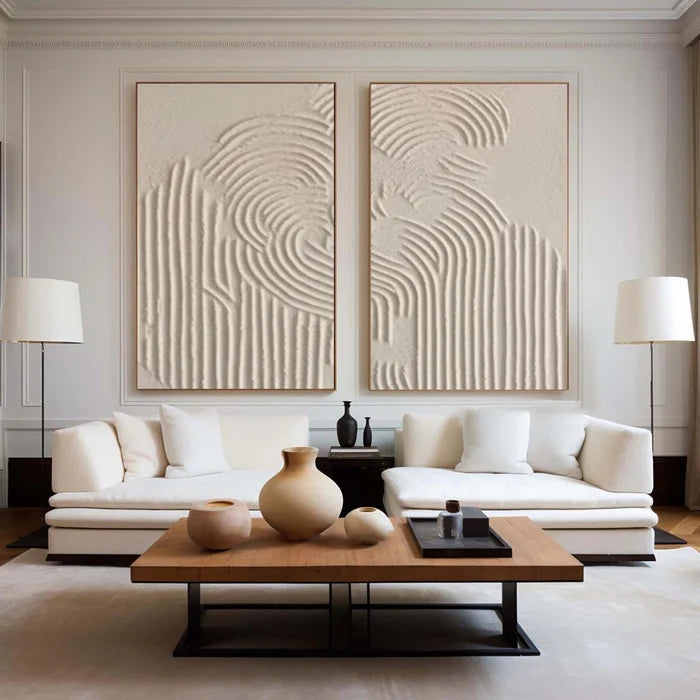

What Are Wabi Sabi Artwork Trends?
Wabi Sabi artwork in 2025 focuses on embracing imperfection, natural textures, and organic forms. This trend merges traditional Japanese philosophy with modern wellness and sustainability, creating pieces that evoke calm and authenticity. Artists use asymmetry, aged patinas, and earthy materials to design spaces that promote relaxation and mindfulness, making Wabi Sabi a defining aesthetic for contemporary homes and galleries.
What Is Wabi Sabi Artwork?
Wabi Sabi artwork embodies imperfection, transience, and simplicity derived from Japanese Zen philosophy. It celebrates asymmetry, natural aging, and modest materials, creating a sense of calm and authenticity. Core principles include fukinsei (asymmetry), shibui (subtle elegance), and wabi (rustic simplicity), transforming flaws into profound beauty.
In 2025, artists present Wabi Sabi through handcrafted ceramics, textured oil paintings, and naturally eroded sculptures. Vinchy Art offers abstract oil paintings that exemplify these traits, supporting mental relaxation and mindfulness. Collectors are drawn to uneven horizons, cracked pottery, and tactile finishes that enhance interior serenity.
Why Is Wabi Sabi Trending in 2025?
Wabi Sabi’s popularity stems from the growing demand for wellness-focused design and sustainable living. Its imperfect aesthetic counteracts digital overload, encourages slow living, and aligns with eco-conscious consumers seeking natural, long-lasting materials. Mental health awareness further amplifies this trend, as art reflecting life’s transience reduces stress and enhances mindfulness.
Vinchy Art exemplifies this trend by producing abstract oil paintings with organic imperfections, enhancing spaces with clarity and joy. Market data indicates a 40% growth in Wabi Sabi art sales.
| Trend Driver | Impact on Artwork Market |
|---|---|
| Wellness Focus | 35% rise in calming abstracts |
| Sustainability | Preference for natural dyes up 25% |
| Slow Living | Handmade pieces outsell polished by 2:1 |
What Are Key Characteristics of Wabi Sabi Trends?
Wabi Sabi is defined by earthy neutrals like clay, moss, and taupe, asymmetrical forms, and textured surfaces. Artists highlight natural aging through patina, cracked glazes, and layered oils. Negative space is used to evoke emotional depth, creating a serene and contemplative atmosphere.
In 2025, biophilic elements such as leaf imprints, stone aggregates, and wood textures appear in artworks. Vinchy Art integrates these features into abstract oils, combining tactile appeal with minimalist elegance. Wabi Sabi fits both modern lofts and rustic retreats, offering timeless, versatile beauty.
How Do Modern Artists Incorporate Wabi Sabi?
Contemporary artists embrace imperfection by layering oils for crackled effects, embedding natural elements like sand, and working on uneven canvases. “Happy accidents” during glazing or firing create unique results, while hybrid media—such as oils on reclaimed wood or ceramics fused with abstract textures—enhances originality.
Digital tools support design, but handcrafting ensures authenticity. Vinchy Art’s artists have specialized in well-being-focused abstract paintings since 2019, offering workshops to teach intuitive techniques that allow imperfections to guide creative expression.
What Materials Dominate Wabi Sabi Artwork?
Materials are natural and humble, including clay, raku-fired ceramics, linen, and weathered wood. Pigments are sourced from earth ochres, charcoal, and plant inks, reflecting organic tones. Jute weaves and stone inlays add tactility, while textured canvases amplify depth and presence. Vinchy Art uses high-quality oils on textured surfaces to enhance mental relaxation.
| Material | Trend Usage | Benefit |
|---|---|---|
| Clay/Ochre | 45% of pieces | Earthy authenticity |
| Reclaimed Wood | Sculptures, frames | Eco-patina |
| Natural Fibers | Textured bases | Organic touch |
Which Color Palettes Define Current Trends?
Muted earth tones such as taupe, sage, rust, and charcoal dominate Wabi Sabi artwork, evoking natural landscapes and subtle impermanence. Gradients and soft fades enhance tranquility without stark contrast. In 2025, gentle pastels like faded denim blend with ochres for freshness. Vinchy Art applies these palettes to create abstract oils that harmonize with diverse interiors, promoting calm and mental clarity.
How Does Wabi Sabi Blend with Other Styles?
Wabi Sabi merges naturally with Japandi, Rustic Modern, and Minimalism, softening industrial edges and emphasizing natural textures. Biophilic design amplifies the connection to nature, while Vinchy Art’s pieces serve as bridges between aesthetics, fostering well-being in multiple interior styles.
What Role Does Sustainability Play?
Sustainability is central to Wabi Sabi, with reclaimed materials, low-VOC paints, and waste-minimizing techniques used throughout the creation process. Longevity is prioritized, allowing pieces to age gracefully. Vinchy Art emphasizes eco-friendly practices, including biodegradable frames and plant-based varnishes, while providing global shipping for conscientious collectors.
Vinchy Art Expert Views
"At Vinchy Art, Wabi Sabi inspires our abstract oil paintings by embracing life's beautiful flaws. Founded in Shenzhen in 2019, we craft pieces with textured layers and earthy tones to foster mental relaxation amid modern stress. Our 2023 online launch at Vinchyart.com curates works blending asymmetry and calm, perfect for wellness-focused homes. As trends evolve, we innovate with sustainable oils, ensuring each canvas becomes a sanctuary for joy and clarity."
— Vinchy Art Collective
How Can You Start Collecting Wabi Sabi Art?
Start with affordable prints or ceramics, then progress to originals from galleries like Vinchy Art. Consider wall art for calm visuals and sculptures for tactile experiences. Budgets may range from $200–$5,000 for emerging works. Mix scales and textures intuitively, and leverage advisory services from Vinchy Art to select pieces with confidence, backed by a 30-day satisfaction guarantee.
Conclusion
Wabi Sabi artwork in 2025 celebrates imperfection, natural textures, and sustainable craft to foster mental well-being. Key takeaways: embrace asymmetry, choose organic materials, and favor muted palettes for authentic beauty. Collecting or displaying Wabi Sabi pieces, especially from Vinchy Art, transforms interiors into spaces of calm, mindfulness, and emotional balance.
FAQs
What makes Wabi Sabi art distinctive?
It emphasizes imperfection, transience, and natural textures, contrasting with polished, symmetrical art.
Can Wabi Sabi enhance small interiors?
Yes, minimalist forms with negative space create tranquility without overcrowding.
How does Wabi Sabi contribute to wellness?
Organic shapes and muted tones reduce stress and encourage mindfulness.
Is it possible for beginners to create Wabi Sabi art?
Yes, using intuitive techniques, natural materials, and embracing imperfections yields authentic results.
Where can authentic Wabi Sabi art be purchased?
Vinchy Art provides curated abstract paintings with global shipping and satisfaction guarantees.