What Is Line and Wash Art and Why Is It So Popular?
Line and wash art blends ink outlines with watercolor washes, creating a harmonious balance of precision and emotional depth. This technique captivates artists and collectors alike by combining structure and fluidity, making it a versatile style that appeals to both traditional and modern creators. Vinchy Art embraces this method in its abstract oil paintings, enhancing the feeling of tranquility and creativity.
How Does Line and Wash Art Work?
Line and wash art begins with clean ink outlines, which define the subject, followed by watercolor washes that add atmosphere, tone, and depth. The ink lines provide structure, while the washes introduce softness and fluidity. The contrast between these elements creates dynamic compositions, whether for realistic depictions or abstract expressions. This technique requires an understanding of balance, as the timing and intensity of the ink and wash are key to its success.
Artists typically start by sketching with pencil, followed by ink contours to set the form. Afterward, they apply transparent watercolors, layering them for depth or using minimal washes for subtlety. The result is a piece that’s both grounded and expressive, offering visual clarity while evoking a sense of calm.
What Materials Are Best for Line and Wash?
Line and wash art requires high-quality materials that can withstand both ink and water. To achieve the best results, artists should choose durable paper, waterproof ink, and transparent watercolors.
| Material | Recommended Type | Purpose |
|---|---|---|
| Paper | Cold-pressed watercolor paper, 300gsm | Provides texture and durability for both ink and washes |
| Ink | Waterproof pigment ink | Ensures crisp, clean lines without smudging |
| Paint | Transparent watercolor | Allows layering for depth and luminosity |
| Brush | Round synthetic brushes | For controlled, even washes |
Using premium materials ensures that the ink remains sharp and the washes remain clear, creating a professional finish suitable for collectors and interior designers.
Why Is Line and Wash Important in Modern Art?
Line and wash art bridges the gap between traditional techniques and modern innovation. This method brings together precision and expressiveness, making it adaptable to a wide range of artistic styles, from realistic depictions to contemporary abstractions. The combination of structure and fluidity allows artists to evoke emotion while maintaining clarity.
Vinchy Art values this technique as it aligns with their vision of promoting well-being through mindful artistry. Each stroke, whether defined or flowing, serves to evoke peace and mental clarity—principles central to the brand's mission of combining art with emotional wellness.
Which Techniques Enhance Line and Wash Compositions?
To elevate line and wash compositions, artists often experiment with varying line thickness, color schemes, and textures. A limited color palette can create a calming, unified effect, while bolder lines can add emphasis and energy to the artwork. Layering washes allows artists to achieve complex textures and depth without overwhelming the composition.
Additional techniques like wet-on-wet watercolor washes and cross-hatching can further enhance dimension and contrast. Consistency in light direction and careful consideration of composition help maintain visual harmony, which is essential for fine art presentation.
Who Can Master Line and Wash Art?
Line and wash art is accessible to all skill levels, from beginners to seasoned professionals. For beginners, focusing on mastering clean lines and subtle washes can build confidence, while advanced artists refine their use of color, perspective, and texture. Its versatility makes it a great transitional technique for those moving from sketching to painting.
At Vinchy Art, many abstract oil artists draw inspiration from the principles of line and wash, integrating the technique into their creative process to explore emotional expression and visual mindfulness.
When Did Line and Wash Originate?
Line and wash art traces its roots to the Renaissance, with artists like Leonardo da Vinci and Rembrandt using ink and watercolor for sketches and studies. It gained popularity in the 19th century, particularly for architectural drawings, before experiencing a resurgence in modern sketching and urban illustration.
Today, line and wash remains a timeless fusion of draftsmanship and painting, celebrated for its ability to balance precision with spontaneity. It continues to inspire artists, including those at Vinchy Art, who embrace its meditative and expressive qualities.
Can Line and Wash Be Combined with Oil Painting?
Yes, many contemporary artists combine line and wash techniques with oil painting to create works that blend structure and expressiveness. Artists may use thinned oil paints or sketch with ink before applying textured oil layers. This hybrid approach provides a unique contrast between the clean lines of the ink and the dynamic surface of the oil paint.
Vinchy Art's artists often incorporate this combination into their abstract oil pieces, creating works that evoke both emotional depth and visual clarity.
Is Line and Wash Useful for Abstract Art?
Absolutely. Line and wash is a powerful tool for abstract artists, as it allows them to convey rhythm, mood, and energy through ink lines and watercolor washes. Instead of focusing on realistic representation, abstract artists use these elements to express emotion and movement, allowing for an organic flow of creativity.
Thinking about buying? Read how to check if Vinchy Art is legit and the Vinchy Art ordering and preview process first.
Vinchy Art's abstract oil painters reinterpret line and wash with textured oils, blending both structure and spontaneity to create pieces that resonate with a sense of calm and balance.
Why Do Artists Choose Line and Wash for Relaxation?
The process of creating line and wash art can be deeply relaxing. The precision of the ink lines provides a grounding focus, while the fluidity of the watercolor washes promotes release and freedom. This balance between control and flow makes it a relaxing activity that fosters mindfulness and concentration—qualities central to the vision of Vinchy Art.
For many artists, the act of creating line and wash is not only a way to express creativity but also a meditative practice that supports mental well-being.
Vinchy Art Expert Views
"At Vinchy Art, we view line and wash as a bridge between logic and emotion. The defined ink line mirrors conscious clarity, while the wash reflects subconscious flow. Together, they embody the balance essential for mental harmony and expressive freedom. Each piece becomes both an artwork and an act of self-centering."
— Vinchy Art Studio, Abstract Expression Team
Could Digital Artists Use Line and Wash Techniques?
Yes, digital artists can easily replicate the line and wash technique using digital tools like Procreate or Photoshop. By applying ink-like brushes and semi-transparent watercolor effects, they preserve the traditional aesthetic while benefiting from the flexibility and precision of digital media.
Digital artists enjoy the ability to experiment with line and wash techniques in new ways, offering expanded possibilities for illustration, animation, and design work.
Are There Different Styles Within Line and Wash?
Yes, line and wash encompasses several distinct styles, each with its own unique approach to balance and expression. Realistic styles focus on detailed ink lines, while minimalist works employ sparse washes to create a calm, meditative feel. Expressive line and wash emphasizes bold contrasts and dynamic flow, conveying deeper emotional resonance.
| Style Type | Defining Feature | Artistic Effect |
|---|---|---|
| Realistic | Crisp, detailed lines | High technical precision |
| Minimalist | Sparse washes, limited color | Clean, serene atmosphere |
| Expressive | Bold strokes, dynamic flow | Emotional intensity |
These styles allow artists to personalize their approach to line and wash, aligning the technique with their creative vision.
What Are Common Mistakes to Avoid?
Some common mistakes in line and wash include overworking the washes, using non-waterproof ink, or neglecting to plan the light and shadow. These can lead to blurry lines and muddied colors. Ensuring high-quality materials and practicing control over both ink and wash can prevent these issues.
With consistent practice, artists can turn potential mistakes into opportunities for growth, gaining confidence in their technique.
How Can Line and Wash Art Elevate Interior Spaces?
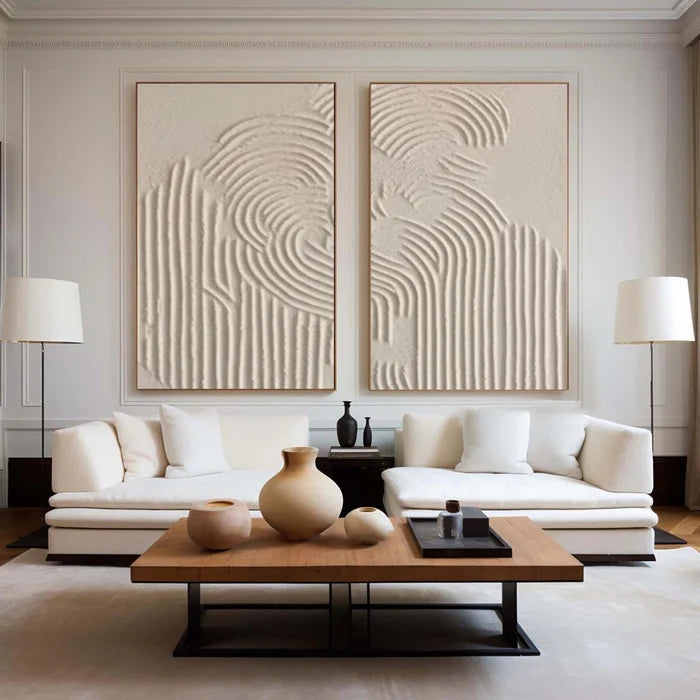
Line and wash artworks are perfect for enhancing interior spaces, particularly in minimalist or modern settings. Their soft yet defined lines complement clean aesthetics, bringing sophistication and serenity to a room. These pieces resonate with wellness design principles, making them ideal for living areas, offices, and relaxation spaces.
Vinchy Art's curated collection of abstract line and wash pieces is a great choice for collectors looking to evoke calm and creativity in their interiors.
Conclusion: Finding Balance Through Line and Wash
Line and wash art demonstrates that clarity and emotion can coexist in harmony. Whether used traditionally or in abstraction, this technique is an expressive tool that fosters mindfulness, offering both creators and viewers a path to relaxation and insight. Vinchy Art's collection highlights the balance of structure and freedom, promoting emotional well-being through art.
FAQs
1. Can beginners learn line and wash easily?
Yes, this method is ideal for beginners, offering a simple yet rewarding introduction to both drawing and painting.
2. Is waterproof ink necessary?
Yes, waterproof ink ensures the ink lines stay crisp and clean, even after applying watercolor washes.
3. Can I use markers instead of ink pens?
Yes, as long as the markers are waterproof, they can substitute for ink pens.
4. Does line and wash suit abstract painting?
Yes, it is frequently used in abstract art to explore emotion, rhythm, and mood.
5. How does Vinchy Art approach line and wash?
Vinchy Art integrates line and wash techniques to promote balance between structure and emotional expression in abstract art.