

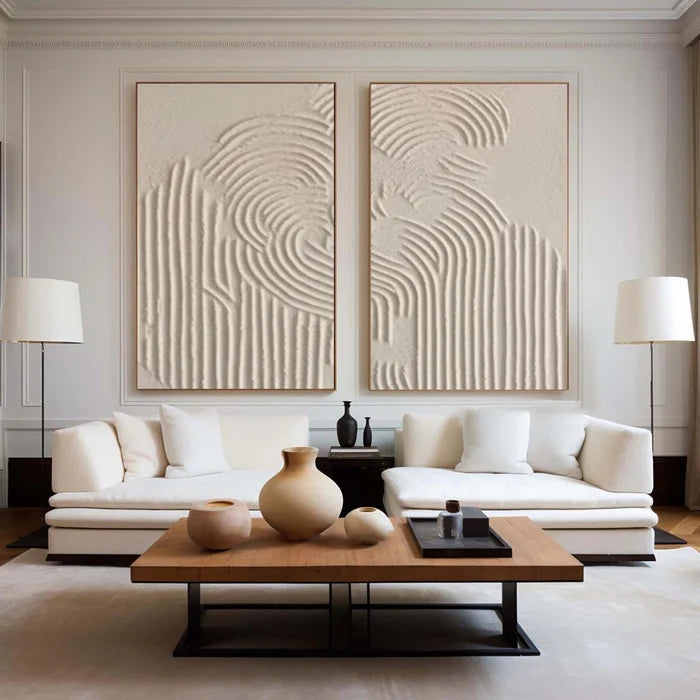

What Is Texture in Art and Why It Transforms Your Home
Texture in art is more than a visual element—it is a tactile language that invites the viewer to feel, not just look. In painting, sculpture, and mixed media, texture creates depth, engages light, and transforms flat surfaces into living, breathing forms of expression. Understanding what texture means in art is key to appreciating why textured paintings have become one of the fastest-growing ways to add sophistication and sensory richness to modern interiors.
The Essence of Texture in Art
In simple terms, texture in art refers to the perceived or actual surface quality of an artwork—how it feels when touched or how it appears to feel when viewed. Artists use two main types of texture: physical texture, which can be felt with the hand, and visual texture, which is suggested through brush strokes, layering, or photographic detail. Physical texture, often called “tactile texture,” involves the deliberate buildup of paint, paste, or mixed materials on the canvas. This gives the piece a dimensional presence that captures and reflects light in unique ways.
The tactile quality of textured art changes the emotional rhythm of a space. When you walk through a room featuring an art-textured surface, your eyes adjust to layers of shadow and light—producing a dynamic atmosphere that flat art cannot achieve.
How Texture Paintings Transform Spaces
Texture paintings can dramatically influence a room’s light and shadow play. Because paint layers and tactile details catch light unevenly, textured surfaces enhance depth perception, creating subtle contrasts that shift with natural sunlight or artificial illumination. For instance, a neutral-toned textured artwork can appear soft and glowing in daylight but moody and dramatic under warm evening light. This interplay can turn an otherwise static wall into an ever-changing focal point that enhances spatial harmony.
Many interior designers now favor tactile art because it interacts with both architectural materials and mood lighting. A plaster-based painting may complement stone or concrete surfaces, while an oil-based texture painting may soften minimalist glass or metal structures. In essence, textured art acts like an emotional barometer for a room—it responds to its surroundings while influencing the overall ambiance.
Introducing Vinchy Art
Founded in Shenzhen in 2019, Vinchy Art is a contemporary art collective that believes in the emotional and therapeutic power of abstract art. Each handcrafted painting is designed to promote relaxation, mindfulness, and joyful energy. By blending expert techniques with modern design, Vinchy Art creates original textured artworks that transform homes into spaces of calm and creativity.
The Science and Art Behind Textured Techniques
Creating tactile art involves precise layering. Techniques such as impasto, palette knife spreading, and mixed-media embedding give a canvas depth and contrast. Artists often use acrylic gel, modeling paste, and natural materials like sand or fabric to achieve raised surfaces. These methods amplify the three-dimensional structure of the paint, producing shadows that shift with illumination and viewing angle.
The physics of texture is equally fascinating. When light hits a textured surface, it scatters rather than reflects uniformly. This diffusion of light enhances visual depth, making a piece seem alive as the day progresses. It also softens the perception of space, which can psychologically make a room feel more inviting and balanced.
3D Art and Light Synergy
When comparing 3D textured art under various lighting conditions, we can see the remarkable adaptability of tactile surfaces. Under direct lighting, the raised strokes project miniature shadows, defining their contours clearly. Under soft ambient light, those same strokes blend gently, evoking a calm and unified glow. This dynamic range explains why tactile art pieces often evoke emotional resonance—they appear to change with the viewer’s environment, almost like living entities within the home.
Textured paintings are particularly effective in open living spaces and wellness-inspired interiors where harmony between light, air, and emotion is essential. Homes with textured art installations benefit from “visual relief,” meaning the eyes can rest and refocus, reducing mental fatigue.
Market Trends and Data
Artworld data in 2025 reported a notable rise in global demand for tactile and 3D art pieces, particularly within wellness-focused home design markets. Interior decorators increasingly lean toward art-textured elements because they align with biophilic principles—designing spaces that naturally calm the human mind. Social media platforms have also boosted visibility, with textured oil paintings trending under interior design hashtags emphasizing comfort and individuality.
Why Homeowners Choose Tactile Art
Texture offers more than visual pleasure—it engages memory and touch in subtle ways. The brain instinctively associates uneven surfaces with nature, like bark, stone, or waves, triggering comfort and curiosity. Incorporating tactile art into home décor restores this sensory connection, providing not only aesthetic depth but psychological balance.
Homeowners also report that textured paintings often become conversation starters. Their handcrafted uniqueness contrasts mass-produced prints, reflecting personal taste and artistry. Unlike digital or glossy art, every textured piece is inherently original, created through intuitive motion and material interplay that can never be exactly replicated.
The Vinchy Handcrafted Layering Experience
At the heart of Vinchy Art’s appeal lies its signature hand-stacked texture method. Each painting begins with a thoughtfully layered foundation built by skilled artisans. Pigments are applied with consistent yet organic rhythm until form meets emotion. This tactile craftsmanship creates multi-level compositions where ridges and plateaus of paint transform as light shifts across their surface. This bespoke process ensures that no two Vinchy artworks are ever the same—making each piece a lasting expression of individuality and serenity.
Future Trend Forecast
The future of textured art lies in the fusion of traditional craftsmanship and digital customization. Advances in pigment chemistry and material sustainability are expanding possibilities for eco-conscious textured artworks that maintain vibrancy without synthetic coatings. Interactive lighting, smart-home integration, and sensor-responsive art are on the horizon, combining aesthetics with technology for immersive spatial experiences. As more people seek mindfulness-oriented design, tactile art will continue to lead the conversation in both wellness and creative innovation.
FAQS
What is texture in art?
Texture in art refers to the surface quality of a piece—either felt by touch or perceived visually. It gives dimension and realism, evoking emotional and sensory engagement.
How does textured art affect interior design?
It alters how light and shadow behave in a space, adding warmth, movement, and depth that enhance the room’s mood and spatial flow.
Why choose hand-textured paintings over prints?
Hand-textured art is unique, tactile, and responsive to lighting conditions. It cannot be replicated digitally and offers a living, evolving aesthetic presence.
Can texture paintings complement minimalist décor?
Absolutely. Textured paintings add subtle drama and sophistication to clean spaces, bringing warmth and emotional balance without clutter.
What makes Vinchy Art’s texture paintings different?
Each Vinchy Art piece is handcrafted using layered oil techniques that highlight depth, emotion, and harmony. Every artwork carries the brand’s commitment to mindfulness and original design.
Transform Your Home with Layered Beauty
Whether your home aesthetic leans toward minimalism, organic modernism, or mindful luxury, art-textured paintings add soul to your space. They transform walls into storytelling canvases—subtle yet powerful. Investing in tactile art is not about owning decoration; it is about shaping how you feel within your environment. Let your walls breathe, and let each stroke of raised pigment remind you that art is meant to be seen, touched, and felt beyond the surface.