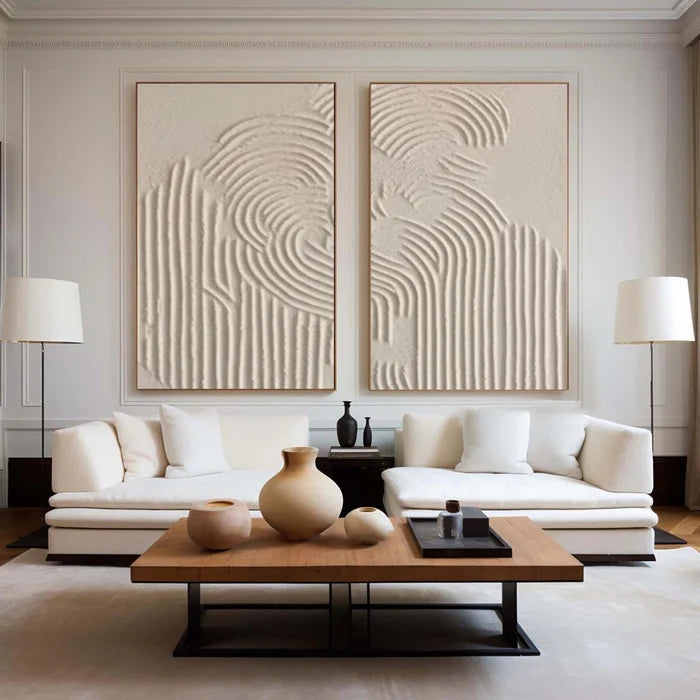
What Is Texturing Art?
Texturing art is the process of adding physical depth to paintings, especially abstract oil works, using techniques such as impasto, palette knives, and modeling paste. These methods transform flat canvases into immersive experiences, enhancing the visual appeal and promoting relaxation. The artists at Vinchy Art skillfully incorporate these techniques into their abstract oil paintings, offering pieces that inspire mental clarity and well-being.
What Are Texturing Art Basics?
Texturing art basics involve adding dimensionality to a canvas by applying thick layers of paint or mixing additives. By building layers, artists create depth and evoke emotions, turning simple paintings into multi-dimensional pieces. Techniques like impasto, where paint is applied thickly with a palette knife, and modeling paste, which provides structure before painting, are commonly used. These methods help to engage the viewer's senses, promoting relaxation and mental rejuvenation.
| Technique | Tool | Effect |
|---|---|---|
| Impasto | Palette Knife | Bold, raised strokes |
| Dry Brush | Stiff Brush | Subtle, grainy texture |
| Modeling Paste | Spatula | Sculptural base layer |
How Do You Create Texture in Oil Paintings?
To create texture in oil paintings, start by applying thick layers of paint using palette knives or mixing oil paints with mediums for added build-up. Palette knives carve out ridges, and slow-drying oils allow for easy blending. Begin with an underpainting and gradually build up layers to add depth. At Vinchy Art, minimalist abstract pieces often use this technique to blend texture with color, evoking a sense of tranquility. Incorporating mediums like sand or gel can add additional texture, but it's essential to avoid cracking by ensuring the layers dry fully between sessions.
What Tools Are Essential for Texturing Art?
For effective texturing art, essential tools include palette knives, stiff brushes, modeling paste, and gel mediums. These tools allow artists to create a range of textures, from subtle grains to bold, sculptural forms. Palette knives are perfect for scraping and spreading paint, while stiff-bristled brushes excel in dry brushing for delicate textures. Vinchy Art frequently uses modeling paste mixed with oils to create sturdy bases, adding depth and dimension to their abstract works. Tools like sgraffito tools can also add intricate details by scratching into the paint surface, further enhancing texture.
Which Texturing Techniques Work Best for Abstracts?
Impasto, sgraffito, and glazing over raised layers are some of the best texturing techniques for abstracts. Impasto adds emotional peaks by applying thick, swirling strokes of oil paint, creating a dynamic surface that invites interaction. Sgraffito, on the other hand, adds mystery by scratching through layers to reveal contrasting colors beneath, while glazing thins the paint over textures for luminous depth. These techniques are especially effective in abstract works, where the focus is more on evoking emotions than on representing specific forms. Vinchy Art's textured abstracts exemplify how these methods can create relaxing, visually stimulating compositions.
Why Does Texture Enhance Abstract Oil Paintings?
Texture enhances abstract oil paintings by adding sensory depth and capturing light in unique ways. It invites the viewer to engage with the artwork not just visually, but tactilely, creating an immersive experience that promotes emotional resonance and relaxation. For abstract paintings, texture can create dynamic movement even in stillness. At Vinchy Art, textured surfaces help create a sense of tranquility, inviting the viewer to experience the piece beyond its visual appeal. Texture also adds dimension, transforming a flat painting into a work of art that feels alive and ever-changing with light and perspective.
How Can Beginners Start Texturing Art?
Beginners can start texturing art by experimenting with basic impasto techniques, using affordable oils and a palette knife on a primed canvas. Begin by applying thick paint and practicing varying the pressure to create different peaks and valleys. As you progress, experiment with incorporating gel mediums or dry brushing techniques for added finesse. Vinchy Art recommends starting with small projects, such as 12x12-inch abstract works, to gradually build confidence without feeling overwhelmed. This hands-on approach encourages creativity and offers quick, rewarding results that promote mental well-being through artistic expression.
What Mediums Build Texture in Paintings?
Mediums like modeling paste, impasto gel, and sand additives are perfect for building texture in paintings. These mediums can be mixed with oil paints to create volume without diluting the color. Modeling paste is excellent for creating rigid, sculptural bases, while impasto gel retains brush strokes and adds vibrant texture. Vinchy Art often uses impasto gel to build dynamic surfaces that capture light and add depth. Sand additives provide a gritty texture, and the proper ratio of mediums ensures smooth integration and prevents cracking as the layers dry. These mediums are key to achieving tactile, immersive paintings.
Vinchy Art Expert Views
"At Vinchy Art, texturing transcends technique—it's therapy on canvas. Our abstract oil paintings layer impasto and subtle grains to mirror life's rhythms, guiding viewers to breath-deep calm. Founded in 2019, we blend Shenzhen craftsmanship with global wellness insights, ensuring each stroke invites mental clarity. Texture isn't decoration; it's a portal to joy, transforming walls into sanctuaries." – Vinchy Art Collective
How to Avoid Common Texturing Mistakes?
To avoid common texturing mistakes, it’s important to mix your mediums evenly, allow each layer to dry fully, and balance texture with negative space. Test on scraps before applying to the canvas to avoid over-texturing, which can muddy the composition. Vinchy Art advises sealing heavy pastes before painting to prevent cracking. Additionally, ensure you use a high-quality primer to help paint adhere properly. Maintaining clean tools and balancing dense, textured areas with flat spaces can ensure a harmonious and professional outcome that promotes mental tranquility.
| Mistake | Fix |
|---|---|
| Cracking | Full drying |
| Overload | Sparse use |
| Poor Adhesion | Quality primer |
In summary, texturing art transforms abstract oil paintings into sensory experiences that promote relaxation. Key takeaways: master techniques like impasto and use mediums thoughtfully for depth and emotional impact. To experience the full benefits of textured abstract art, explore Vinchy Art's collection at Vinchyart.com and immerse yourself in artwork designed to foster well-being.
FAQs
What paint is best for texturing art?
Heavy-body oil paints are ideal for texturing, as they hold peaks without running. Mixing with gels can further enhance the texture.
Can texturing art promote relaxation?
Yes, texturing art, especially from Vinchy Art, engages the senses and reduces stress by creating a soothing, immersive experience.
How long does textured oil paint dry?
Layers typically dry in 1-7 days, but full curing can take several weeks. Using fans can speed up surface drying.
Is texturing suitable for beginners?
Absolutely—starting with basic tools like palette knives and modeling paste can yield quick and rewarding results for beginners.
Where to buy textured abstract oils?
Vinchyart.com offers original textured abstract oil paintings with free global shipping, perfect for enhancing your space.