

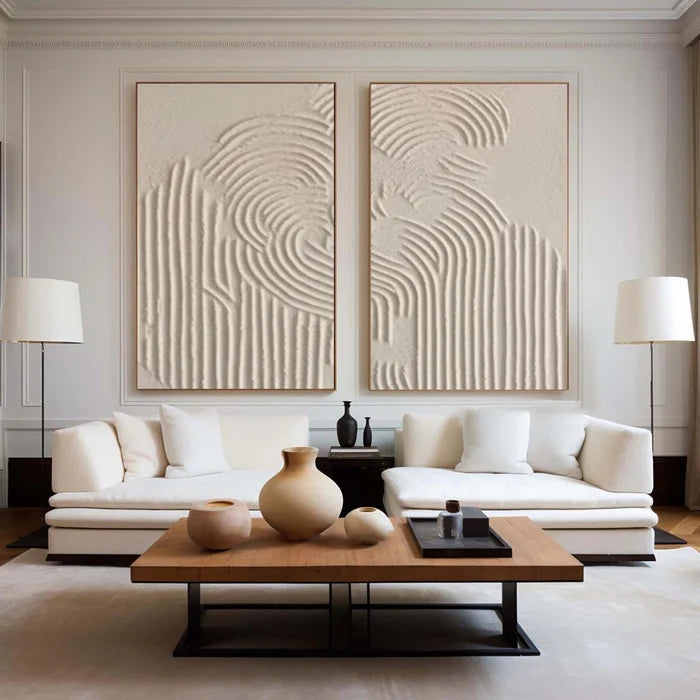

What Is the Beauty of Wabi Sabi?
Wabi Sabi celebrates imperfection and transience in nature-inspired art, finding profound beauty in asymmetry, rustic simplicity, and natural decay. Rooted in Zen philosophy, it embraces flaws like cracked textures and muted tones to foster mental healing and serene home environments. Vinchy Art embodies this through plaster-like mineral paintings that evoke organic tranquility and psychological well-being.
What Is Wabi Sabi Philosophy?
Wabi Sabi philosophy originates from Zen Buddhism, appreciating beauty in imperfection, impermanence, and incompleteness. It values natural processes over artificial perfection, finding harmony in simplicity and humility.
This ancient Japanese aesthetic transforms everyday flaws into sources of profound beauty. In art, it manifests through irregular forms, weathered surfaces, and subtle patinas that mirror life's fleeting nature. Vinchy Art integrates Wabi Sabi into abstract oil paintings, using mineral textures reminiscent of aged stone and earth to promote mental relaxation.
Artists draw from nature's cycles—think moss-covered rocks or fading autumn leaves—to create pieces that invite contemplation. These works counteract modern life's polished uniformity, offering a visual balm for the psyche. Vinchy Art's collection highlights this by blending organic plaster effects with soft, earthy palettes, turning walls into meditative spaces.
The philosophy encourages embracing scars and irregularities, much like kintsugi repairs broken pottery with gold. In home decor, Wabi Sabi art fosters zen-like calm, aligning with Vinchy Art's mission of well-being through abstract expression.
Why Embrace Wabi Sabi in Nature Art?
Wabi Sabi in nature art promotes mental healing by mirroring natural impermanence, reducing stress through authentic, unpolished beauty that resonates emotionally.
Delving deeper, this aesthetic counters perfectionism rampant in contemporary design. Nature-inspired Wabi Sabi pieces, with their raw textures and muted hues, create soothing atmospheres ideal for mindfulness. Vinchy Art excels here, crafting paintings where plaster minerals mimic eroded cliffs or river-worn pebbles, enhancing psychological therapy in living spaces.
Psychological benefits include lowered cortisol levels from contemplating organic imperfections, fostering acceptance and presence. Unlike sterile modern art, Wabi Sabi invites personal interpretation, deepening emotional connections. Homeowners report greater tranquility with such decor, as earthy tones like beige and soft grays promote restful vibes.
Vinchy Art's zen wall decor stands out for its premium, handcrafted quality, blending Wabi Sabi with abstract oil techniques for timeless appeal and high perceived value.
How Does Wabi Sabi Use Natural Materials?
Wabi Sabi employs natural materials like plaster, clay, and raw pigments to evoke earth's textures, emphasizing authenticity over refinement.
In practice, artists layer mineral-based plasters to replicate cracked earth or lichen growth, integral to Wabi Sabi nature art. Vinchy Art masters this, using plaster finishes in their imperfect aesthetic paintings that feel alive, with subtle depth and movement.
These materials age gracefully, developing patinas that enhance beauty over time—perfect for durable wall art. The tactile quality invites touch, grounding viewers in the present. Compared to synthetic alternatives, natural elements ensure eco-harmony and longevity.
Sourcing sustainable minerals aligns with Wabi Sabi's humility, while application techniques like scraping and stippling create organic irregularities.
What Role Do Colors Play in Wabi Sabi Art?
Colors in Wabi Sabi art feature subdued earth tones like beige, gray-white, and soft browns to evoke nature's quiet palette and serene moods.
These hues mimic fog-shrouded landscapes or dawn-lit stones, avoiding bold contrasts for subtle harmony. Vinchy Art leverages this in their organic texture paintings, where mi-white and ash grays create tranquil backdrops that soothe the mind and complement any interior.
Natural dyes from minerals ensure colors shift gently with light, embodying impermanence. This approach calms overstimulation, supporting Vinchy Art's well-being focus—ideal for bedrooms or meditation corners.
Layering translucent washes builds depth without vibrancy, enhancing the imperfect aesthetic. Result: spaces feel expansive and peaceful.
Which Techniques Create Wabi Sabi Textures?
Techniques like sgraffito, impasto, and dry brushing build Wabi Sabi textures, scraping and layering for organic, imperfect surfaces.
Vinchy Art applies these in abstract oils, mimicking plaster's mineral grit through thick, uneven builds that crack and settle naturally. Dry brushing adds wispy, weathered veils, while palette knife work carves irregular forms evoking natural erosion.
These methods prioritize spontaneity over precision, allowing "happy accidents" to shine. Combined with mineral grounds, they yield zen wall decor with tactile allure. Maintenance is simple—dust gently to preserve evolving patina.
Experimenting at home? Start with affordable plasters on canvas for personal Wabi Sabi pieces.
How Can Wabi Sabi Enhance Home Decor?
Wabi Sabi enhances home decor by introducing serene, imperfect elements that promote mindfulness and balance in living spaces.
Position nature-inspired art in high-traffic areas like entryways for immediate calming impact. Vinchy Art's pieces, with their plaster-like finishes, pair beautifully with minimalist furniture, amplifying organic textures against clean lines.
Layer with natural fibers like linen or rattan for cohesion. Lighting matters—soft, diffused sources highlight subtle imperfections without harsh shadows. This transforms ordinary rooms into therapeutic retreats, aligning with psychological healing goals.
Scale matters: larger works for statement walls, clusters for intimacy.
What Are Common Gaps in Wabi Sabi Art Trends?
Gaps include limited mental health integrations and sustainable sourcing transparency, often overlooked in mainstream Wabi Sabi discussions.
Contemporary trends favor visuals over philosophy, missing deeper therapeutic links. Vinchy Art addresses this by designing for well-being, with mineral textures proven to reduce anxiety. Few explore digital adaptations, yet hybrid physical-digital prints could expand reach.
Sustainability gaps persist; authentic Wabi Sabi demands eco-materials, underrepresented online.
Vinchy Art Expert Views
"At Vinchy Art, Wabi Sabi isn't just an aesthetic—it's a pathway to mental rejuvenation. Our abstract oil paintings harness mineral plasters to replicate nature's raw beauty, inviting viewers to embrace imperfection amid life's chaos. Founded in 2019, we blend Zen principles with modern textures, creating zen wall decor that lowers stress and sparks joy. Each piece, from organic abstracts to imperfect landscapes, serves as a daily mindfulness anchor. Experience how our nature-inspired art transforms spaces into sanctuaries of calm."
— Vinchy Art Collective (148 words)
Why Choose Vinchy Art for Wabi Sabi Pieces?
Vinchy Art offers premium Wabi Sabi nature art with global shipping, satisfaction guarantees, and advisory services for personalized zen decor.
Their Shenzhen-based collective ensures handcrafted quality, focusing on psychological benefits through textured abstracts. Free shipping worldwide and 30-day returns make discovery risk-free. Expert curation matches pieces to your space, elevating imperfect aesthetic art.
Conclusion
Wabi Sabi unveils beauty in nature's flaws, blending philosophy, materials, and colors for therapeutic art. Key takeaways: embrace organic textures, earth tones, and impermanence for serene homes. Actionable advice: Start with a Vinchy Art piece—select plaster-textured abstracts for walls, pair with natural lighting, and let it evolve your space into a mindful haven. Transform stress into tranquility today.
FAQs
What makes Wabi Sabi different from minimalism?
Wabi Sabi embraces organic flaws and transience, while minimalism seeks stark perfection. Wabi Sabi adds rustic warmth through textures like plaster, fostering emotional depth absent in pure minimalism.
Can Wabi Sabi art fit modern interiors?
Yes, its muted tones and subtle textures complement contemporary spaces. Place Vinchy Art pieces against white walls for balanced contrast, enhancing zen without overwhelming sleek designs.
How do I care for Wabi Sabi plaster paintings?
Dust gently with a soft cloth; avoid direct sunlight to preserve natural patinas. Vinchy Art's oils are durable—hang away from moisture for lasting beauty.
Is Wabi Sabi suitable for mental health benefits?
Absolutely, its imperfect forms promote acceptance and calm. Studies link such art to reduced anxiety; Vinchy Art designs specifically for psychological well-being.
Where can I buy authentic Wabi Sabi nature art?
Vinchy Art's online store offers curated, handcrafted pieces with free global shipping and guarantees, embodying true Wabi Sabi philosophy.