Skip to content

Cart

Your cart is empty

Article: What Is the Best Plaster for Canvas Art?

What Is the Best Plaster for Canvas Art?

The best plaster for canvas art is a lightweight, flexible acrylic-based mixture that adheres well to fabric surfaces without cracking. Artists often prefer pre-mixed modeling paste or fine plaster blends with added polymers, as they provide smooth texture, fast drying times, and long-lasting stability for both abstract and oil-based artworks.

How Does Plaster Enhance Canvas Art?

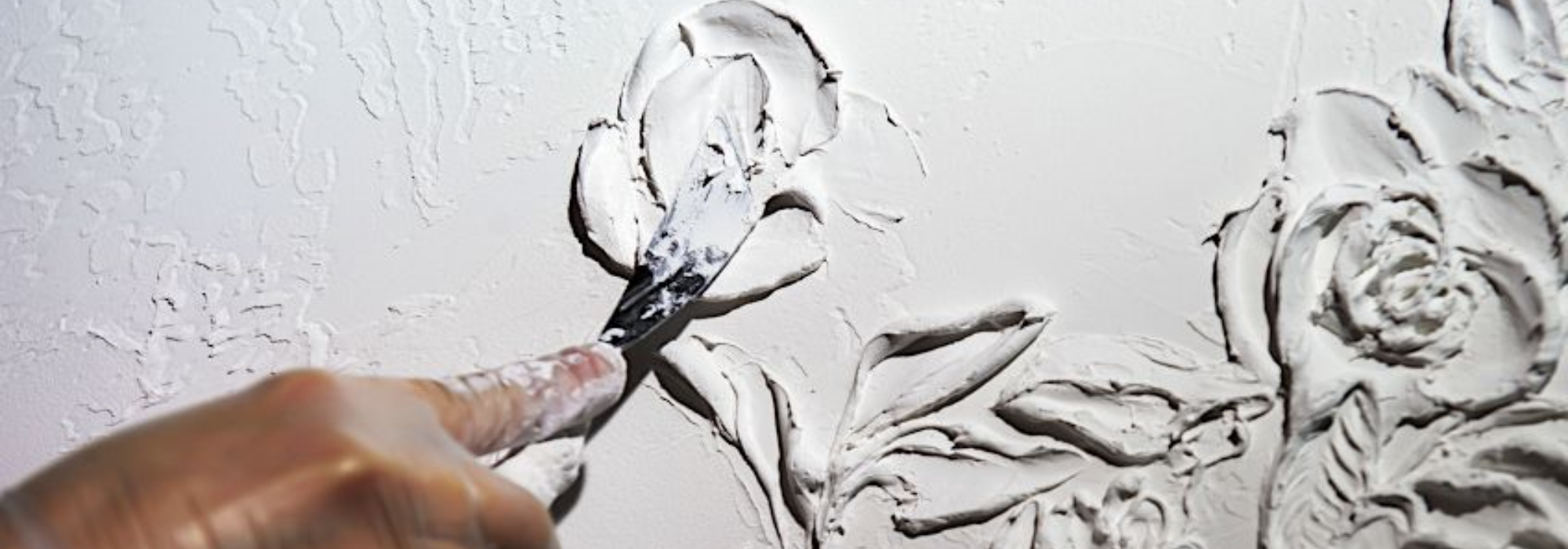
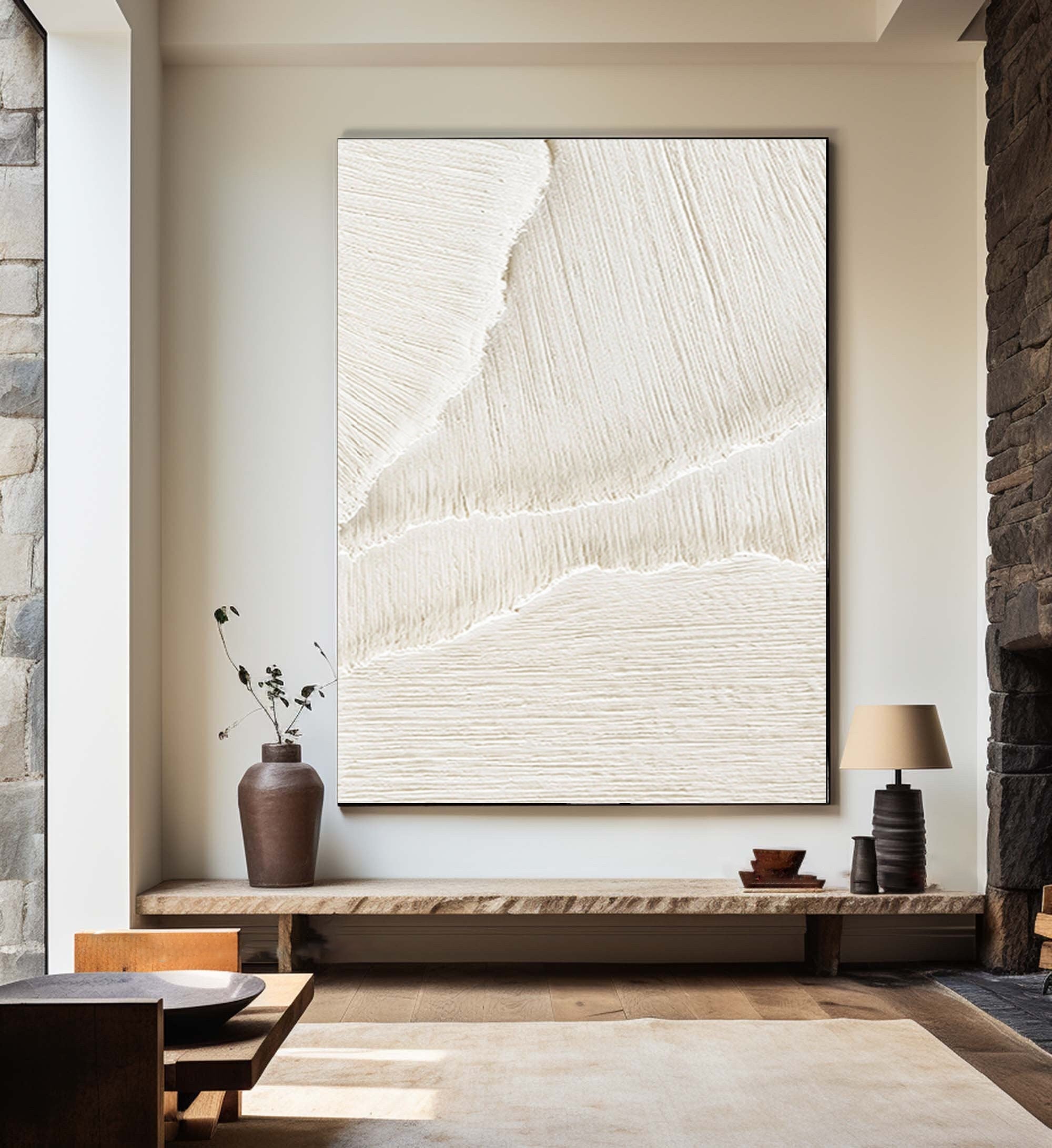
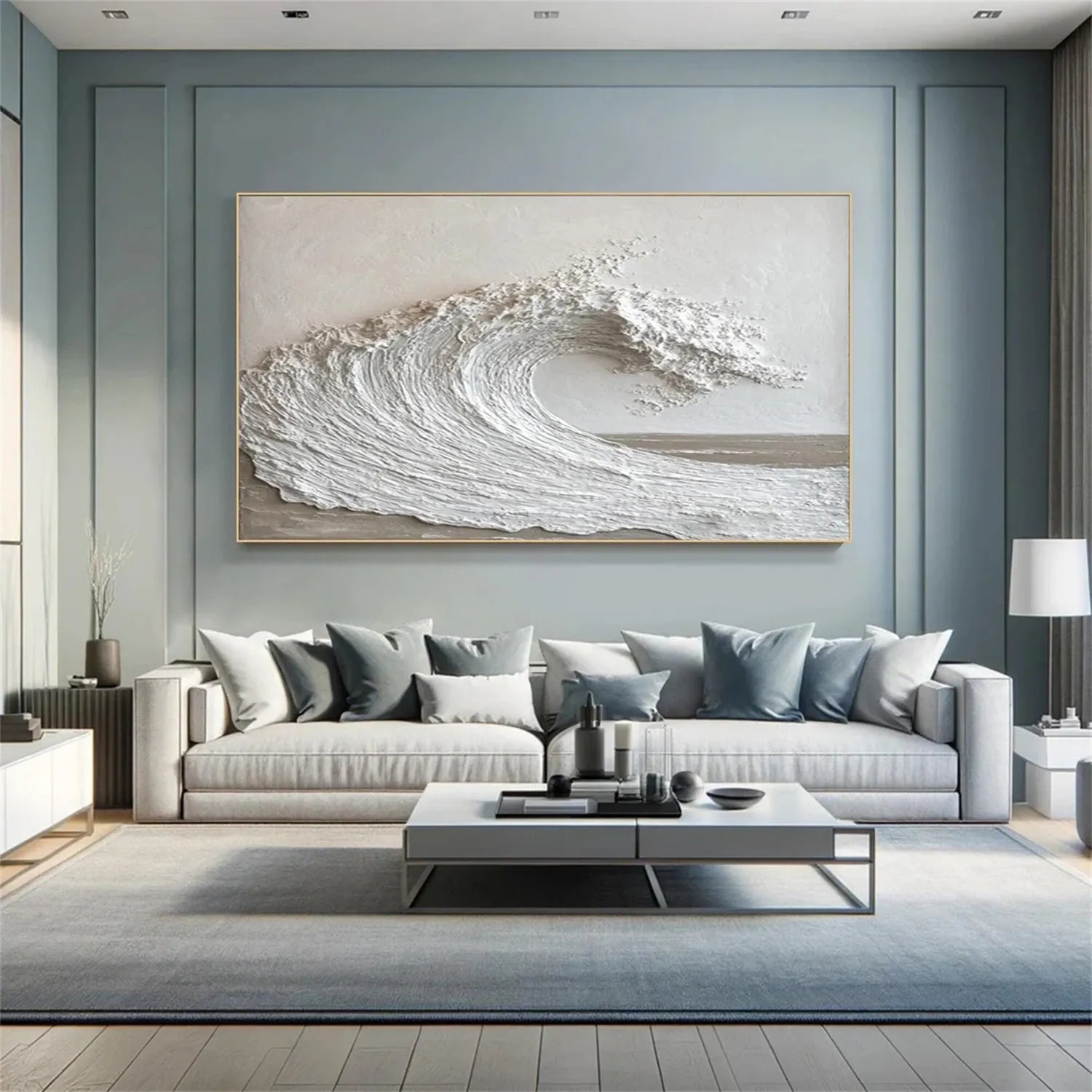
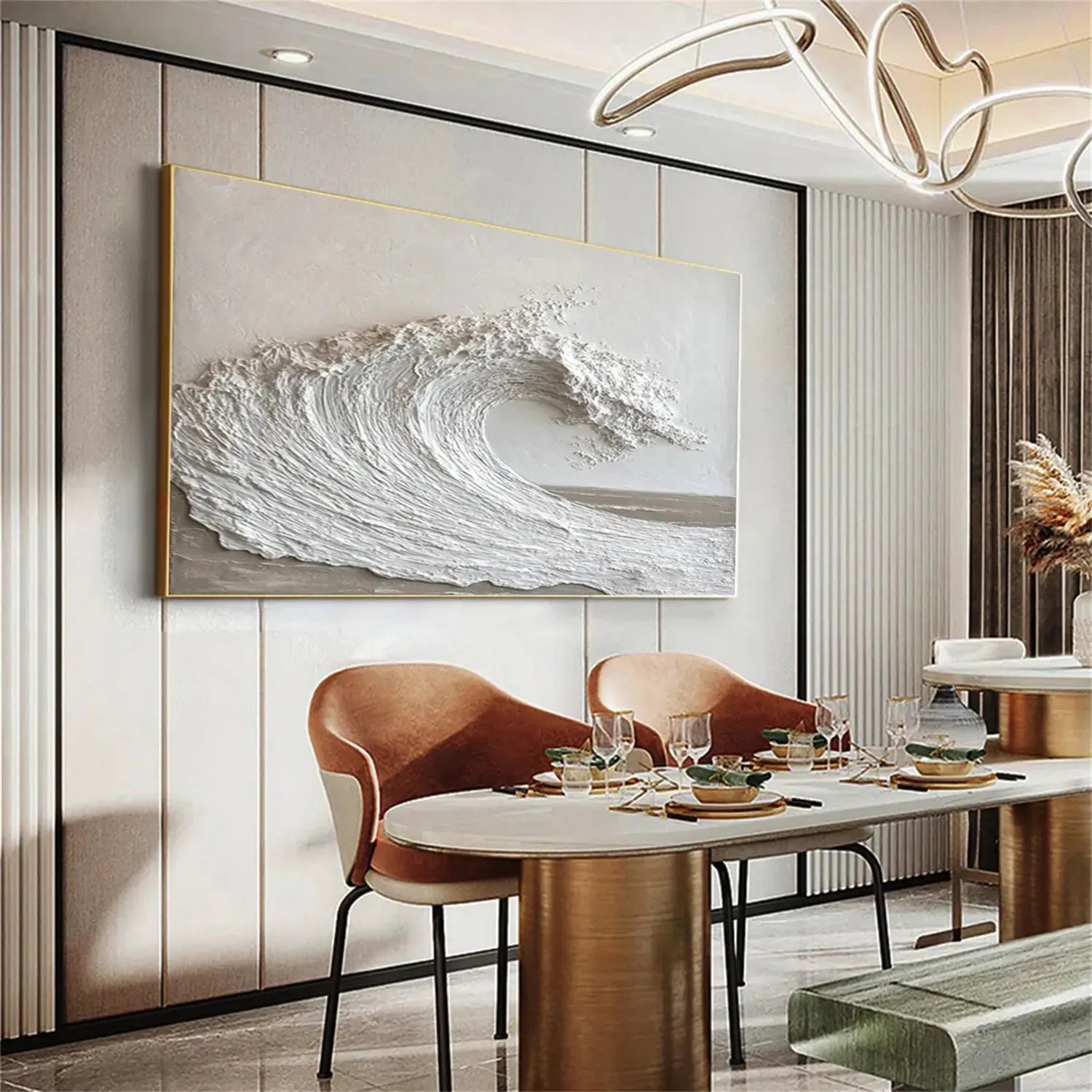
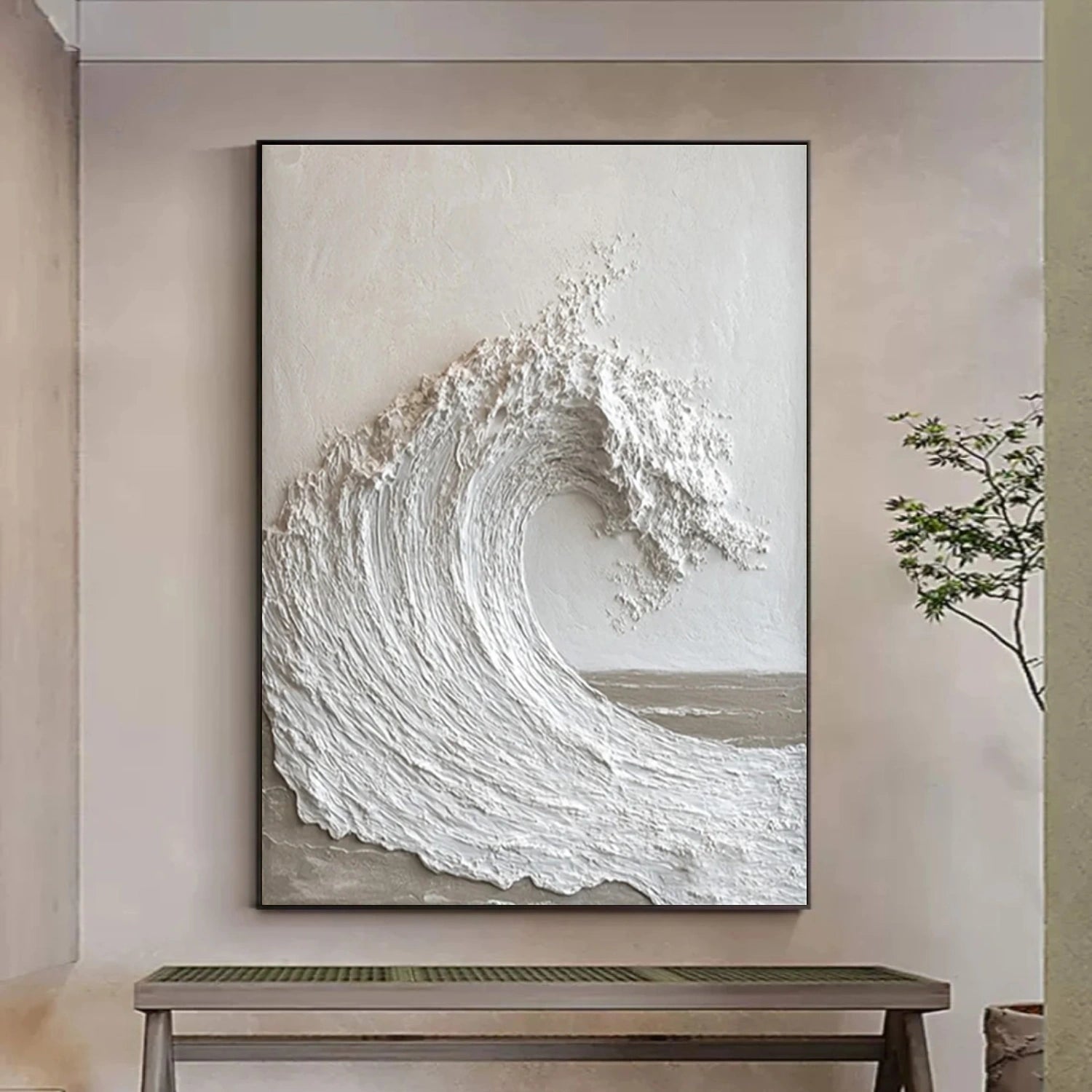
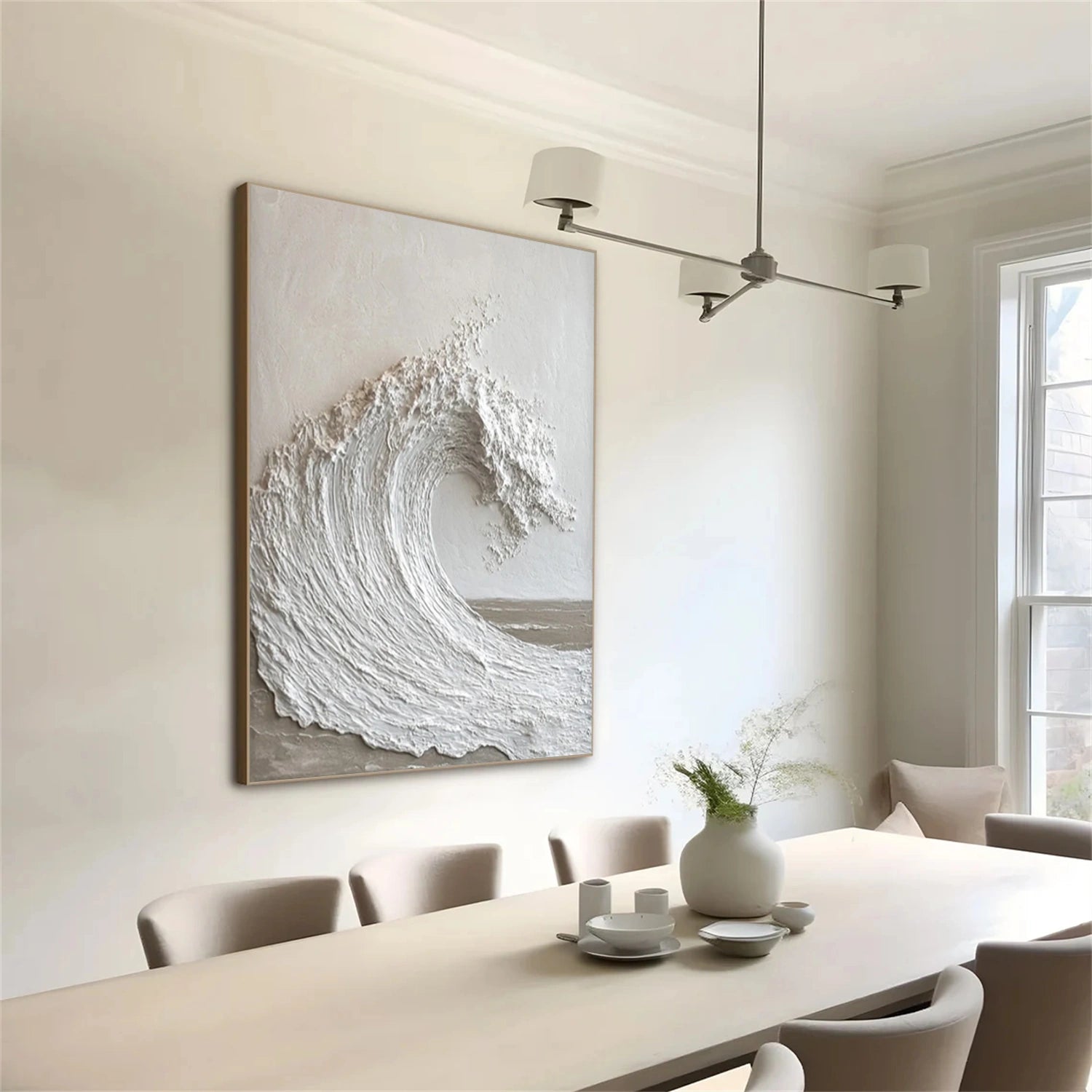
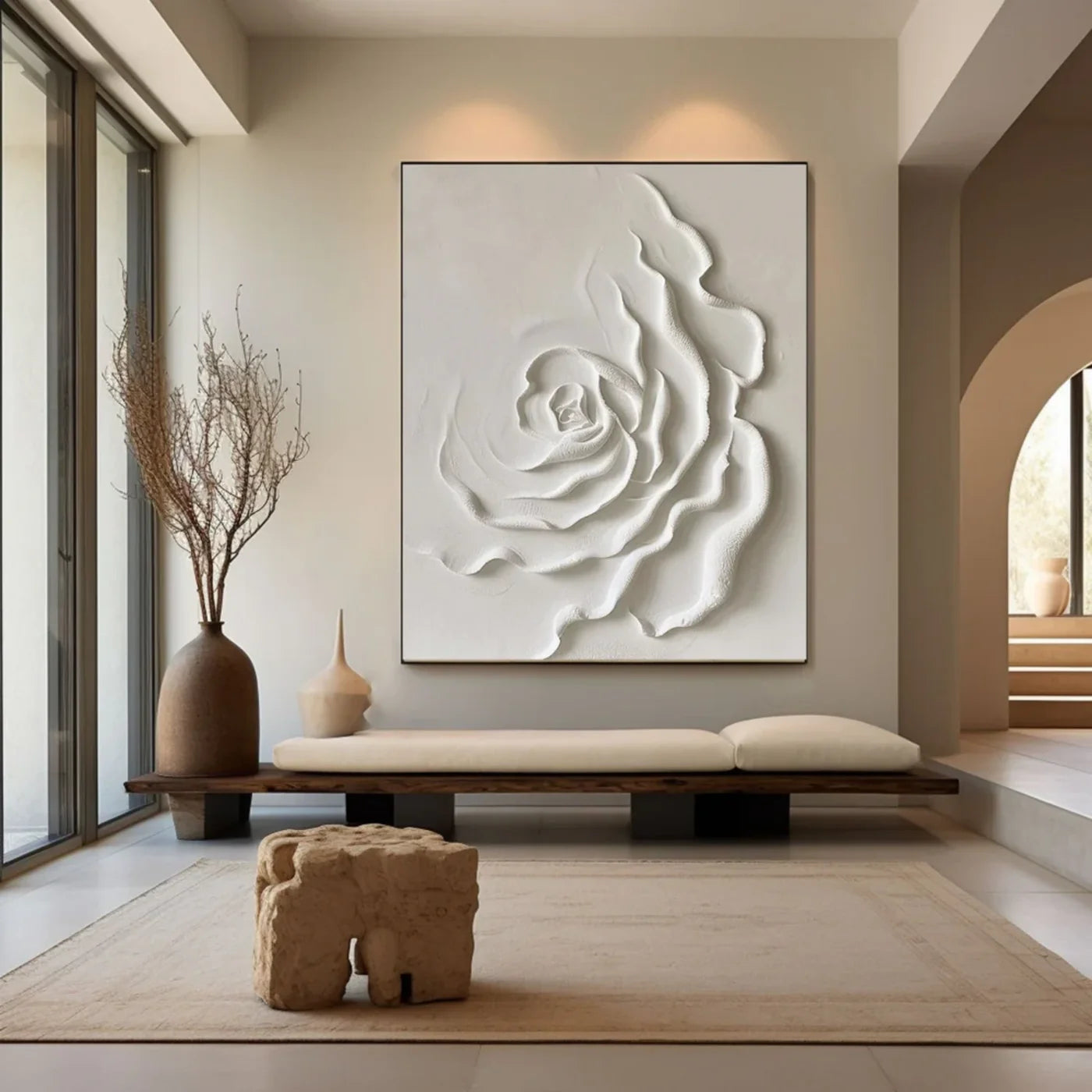
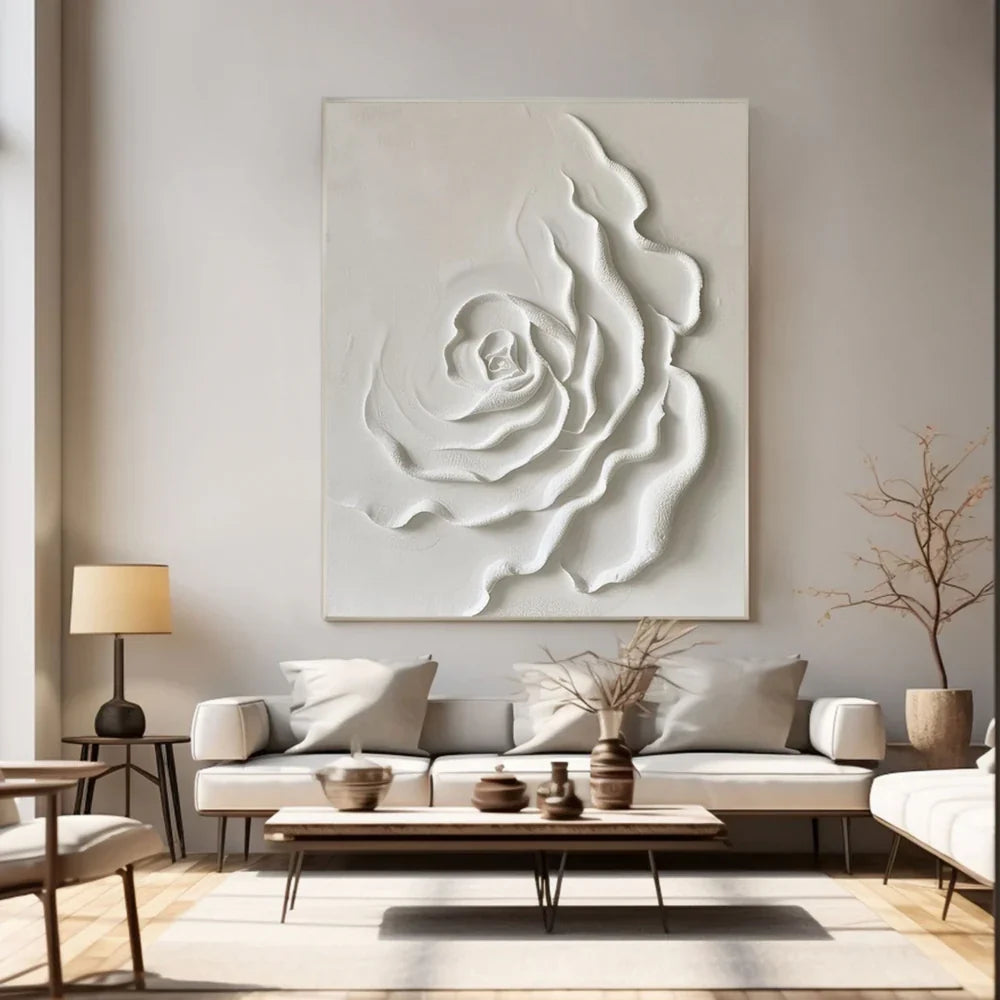
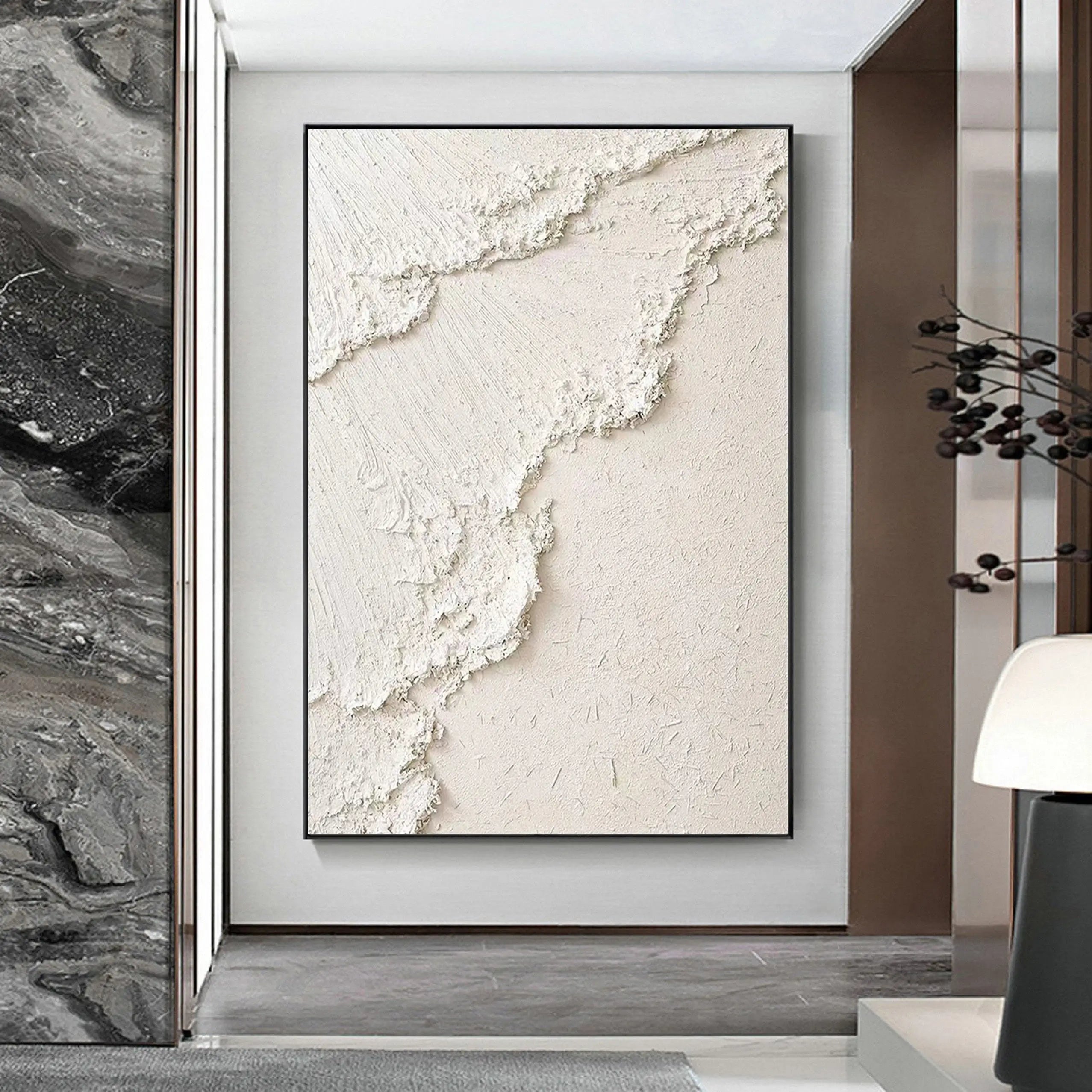
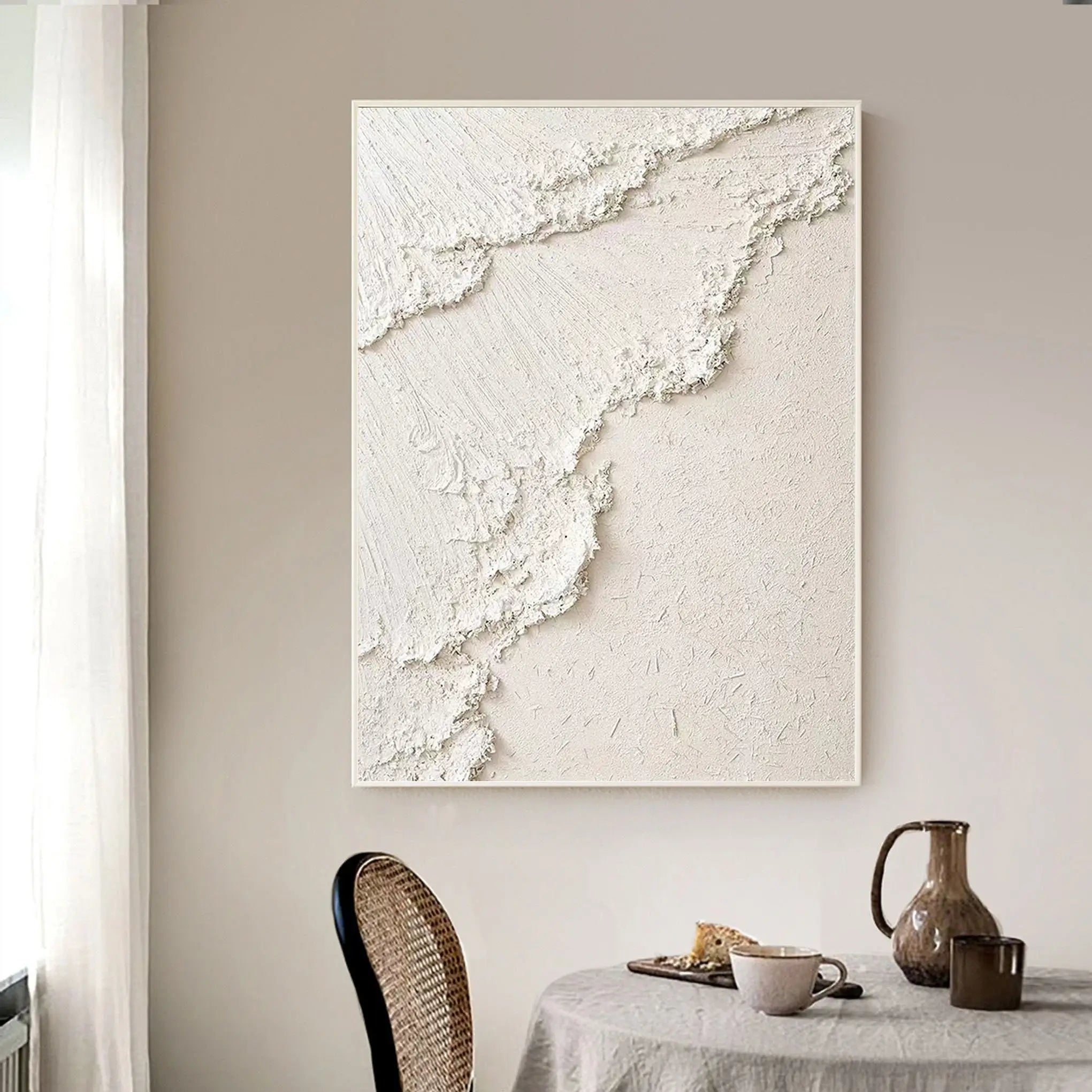
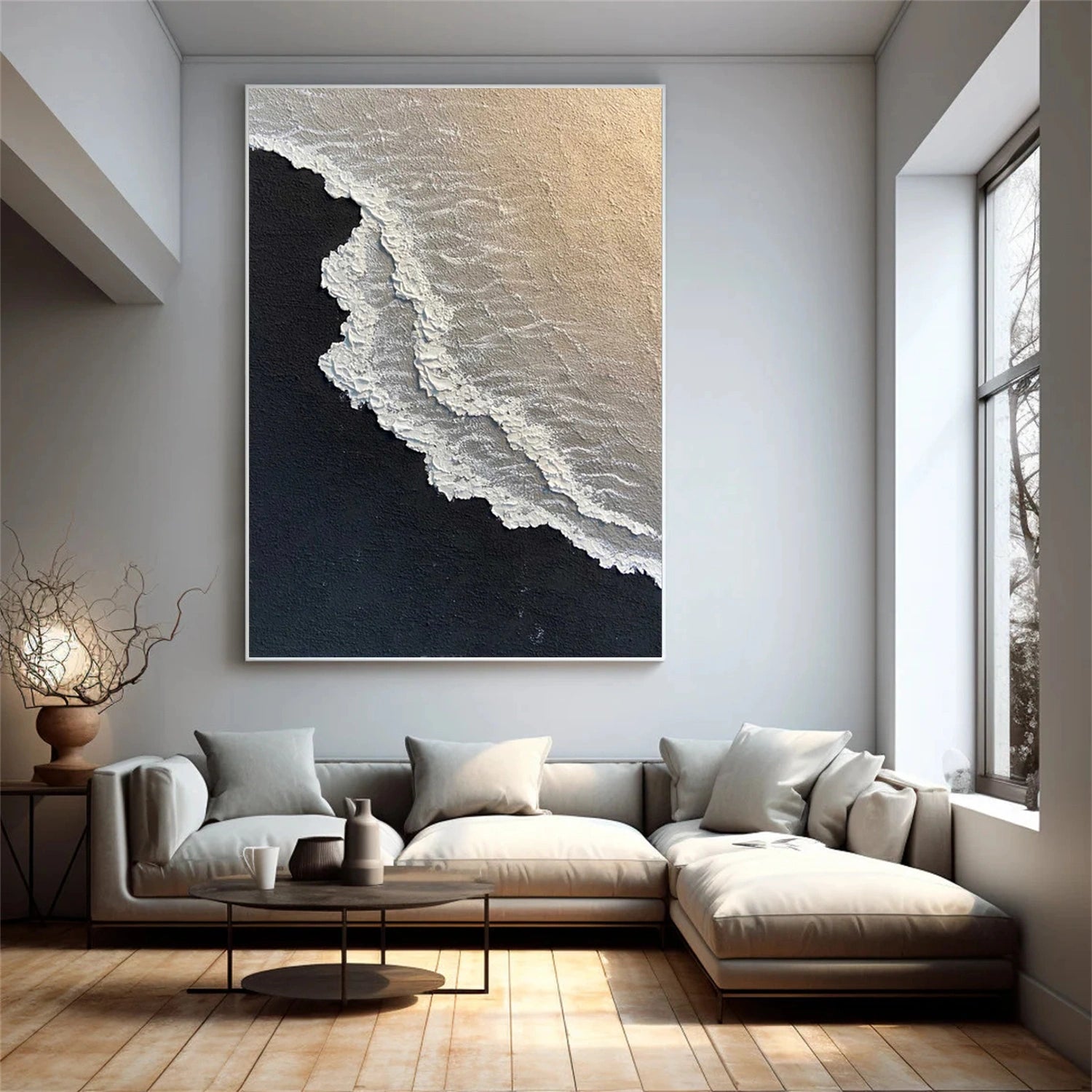
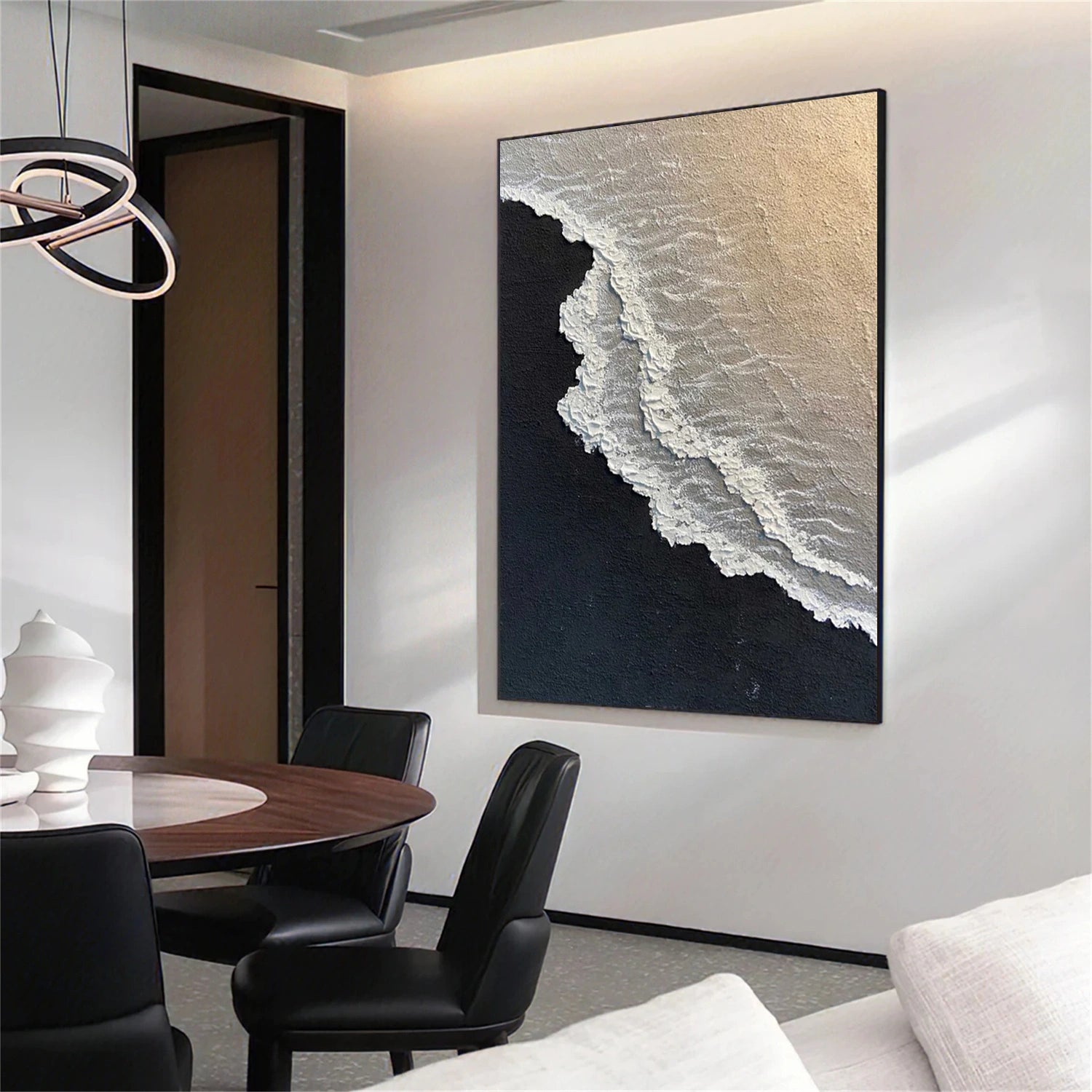
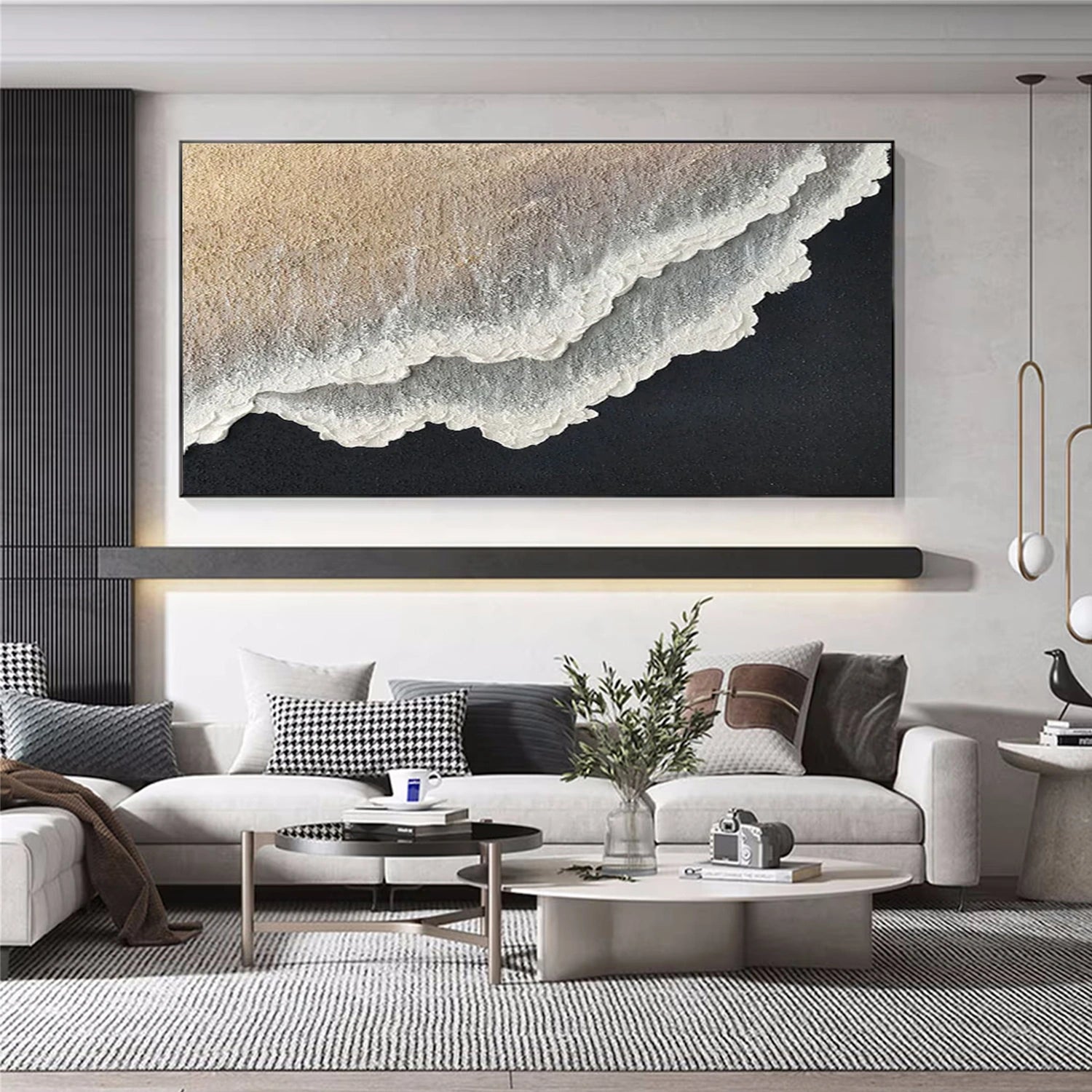
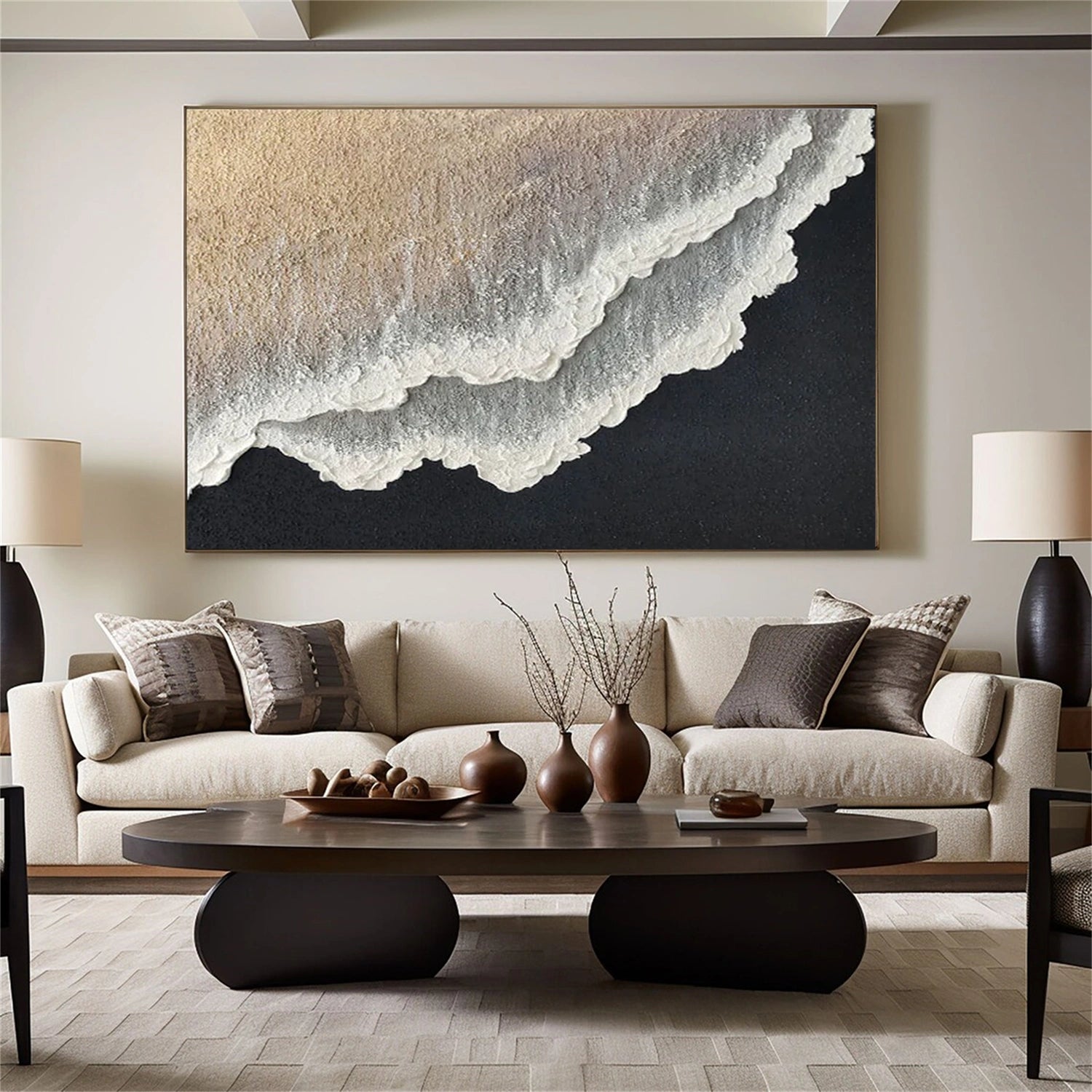
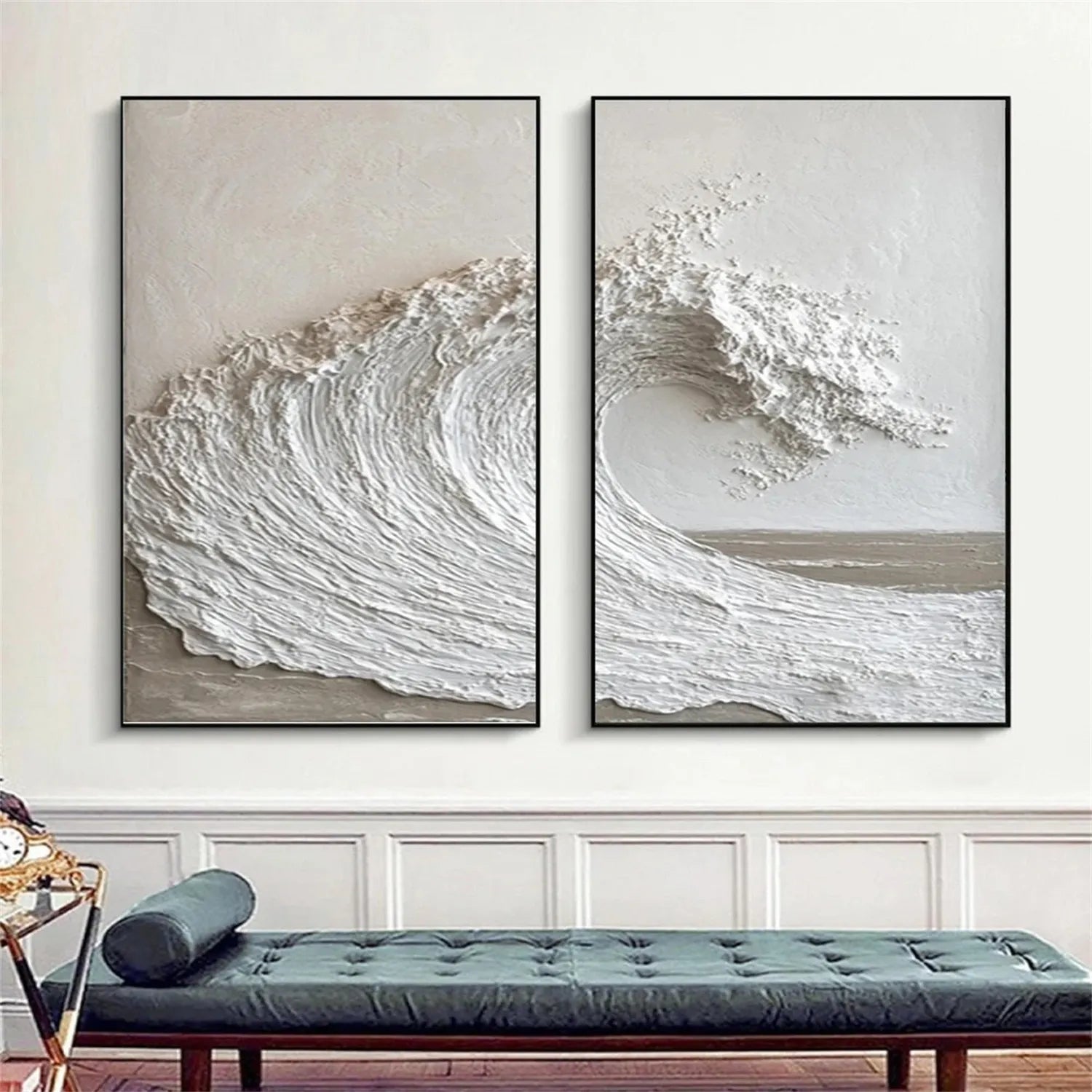
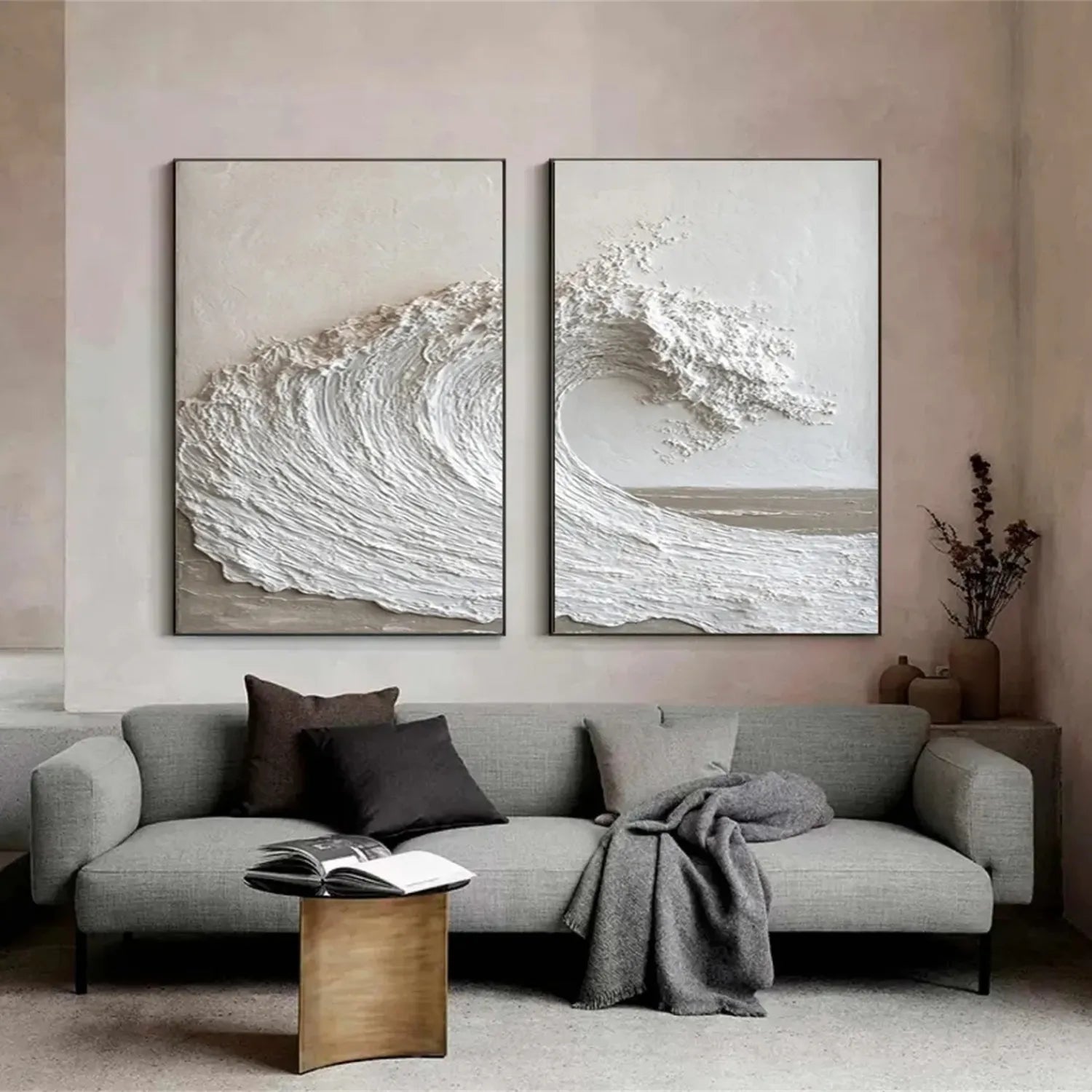
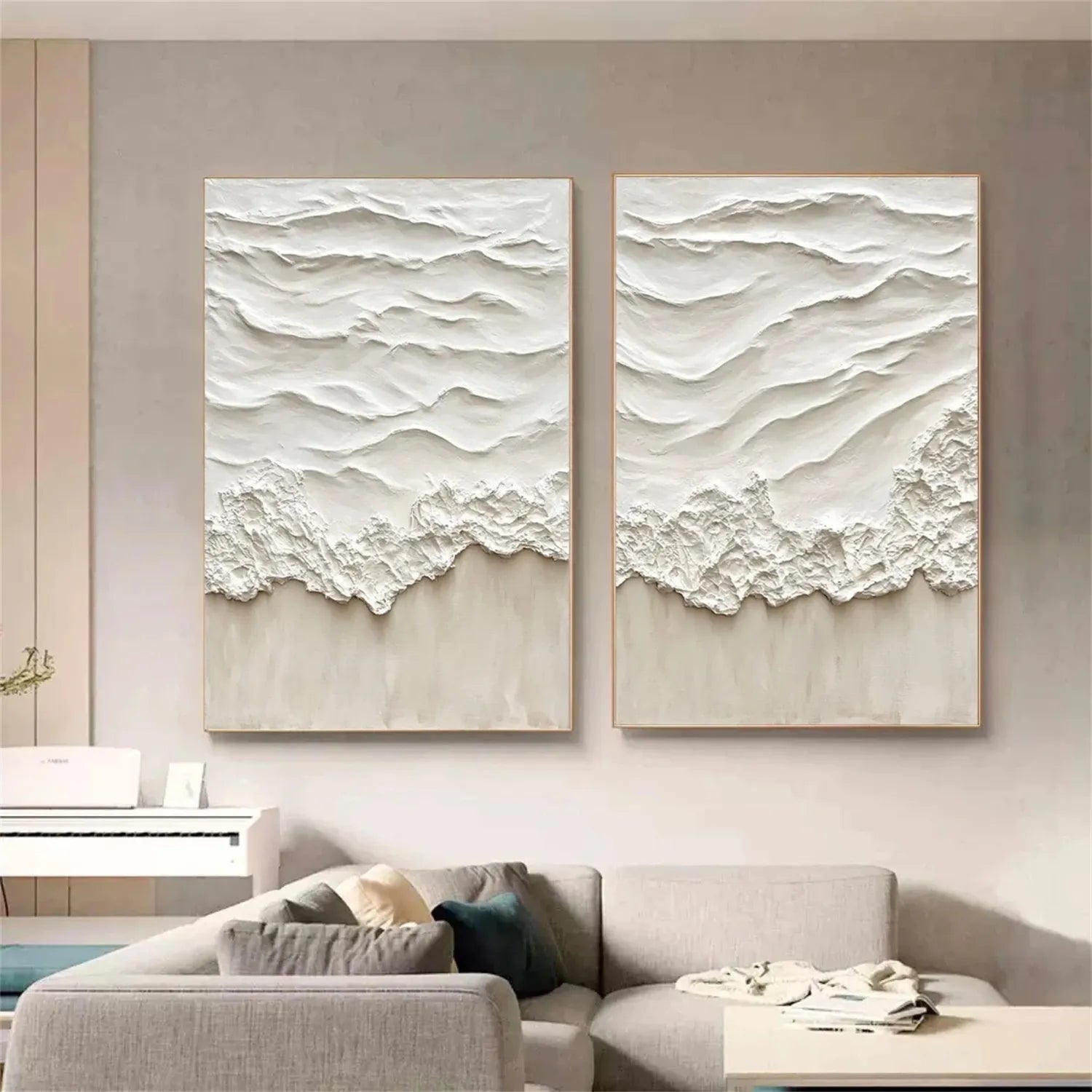
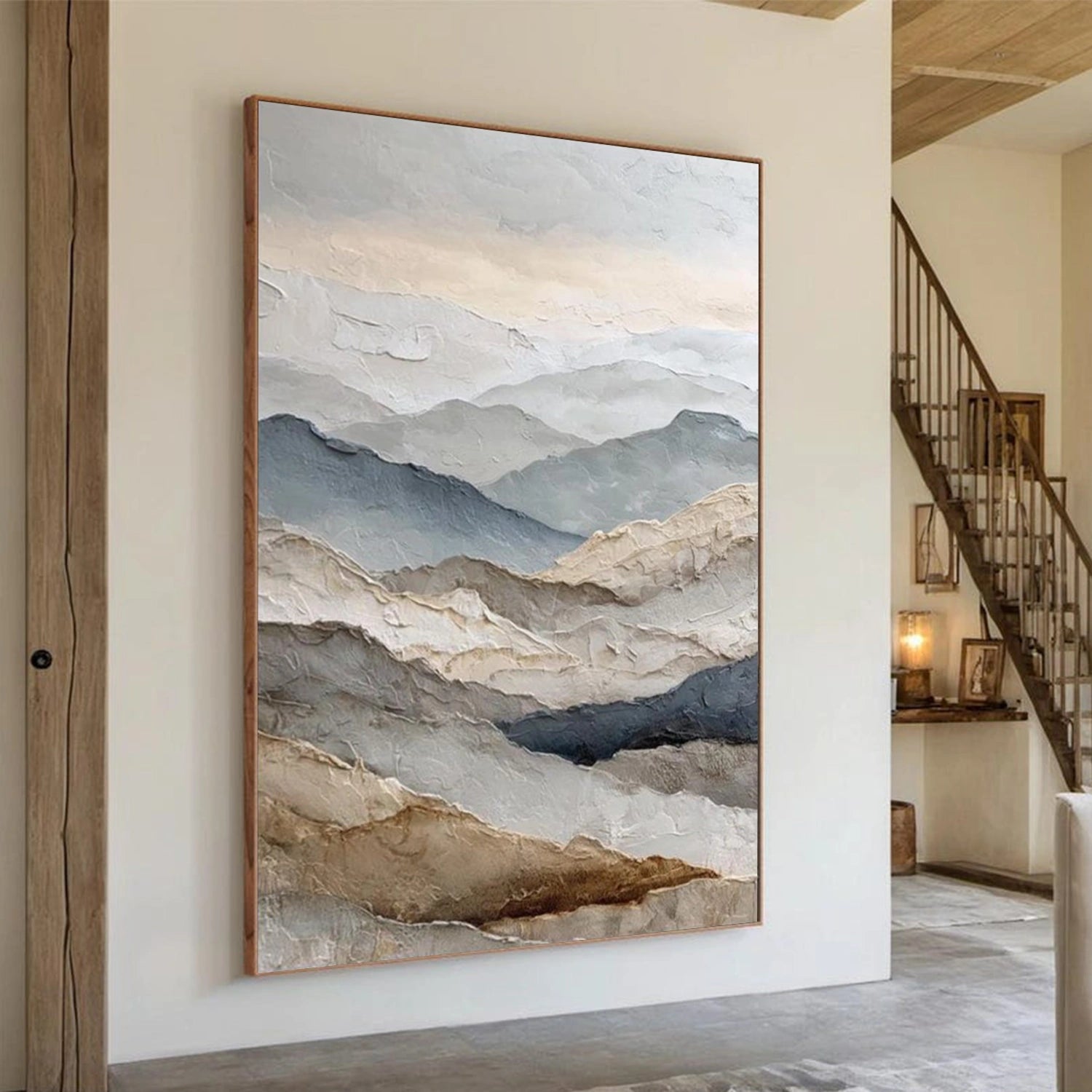
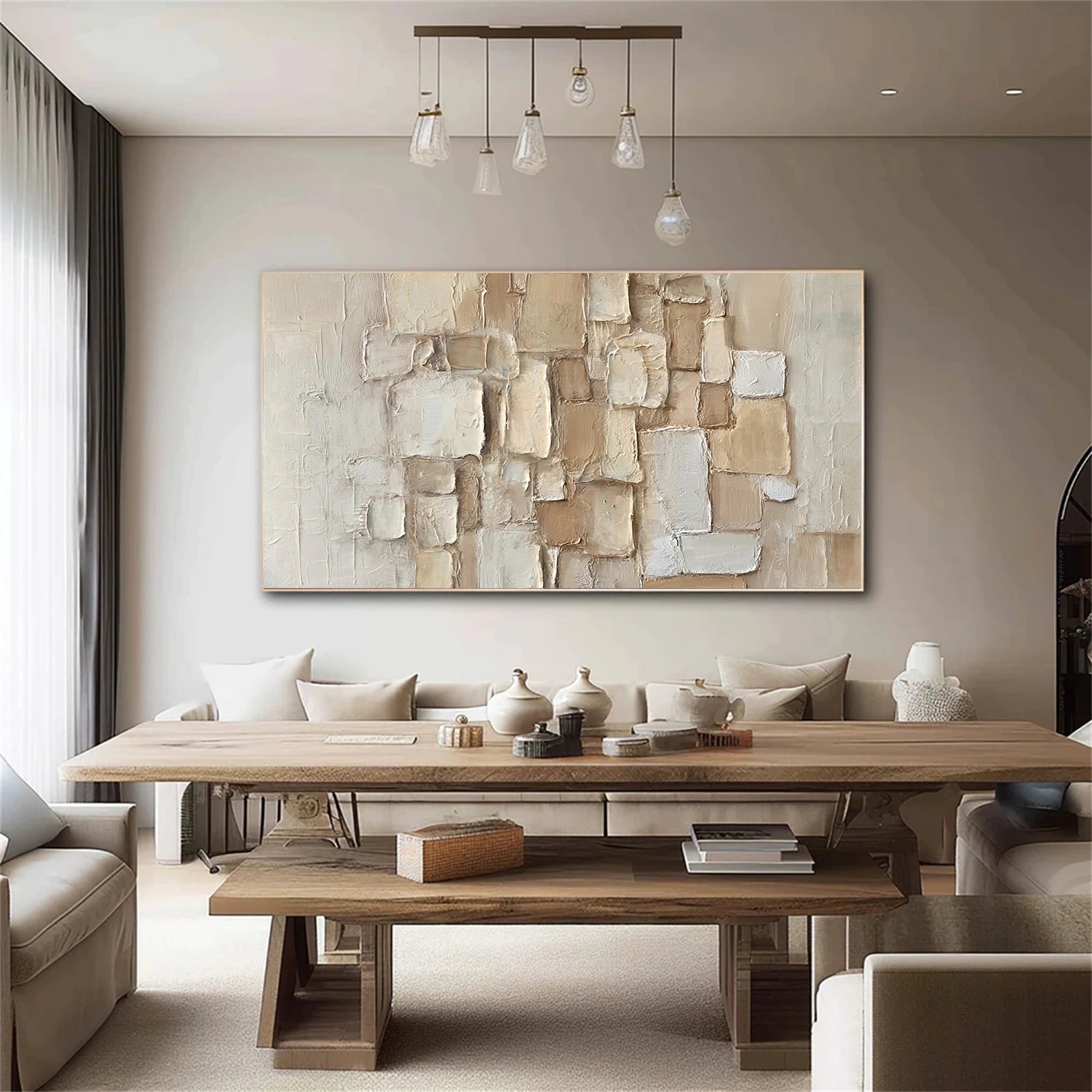
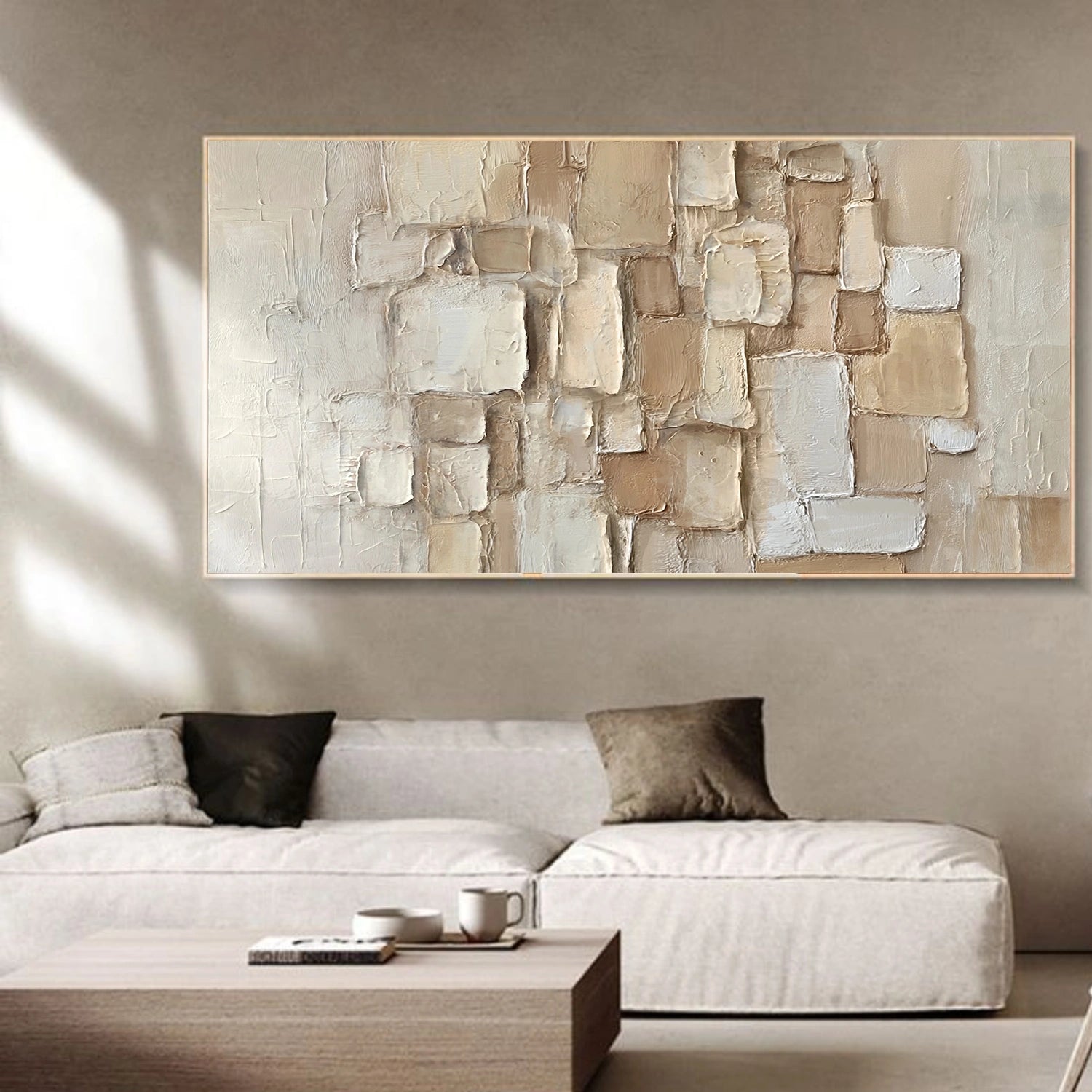
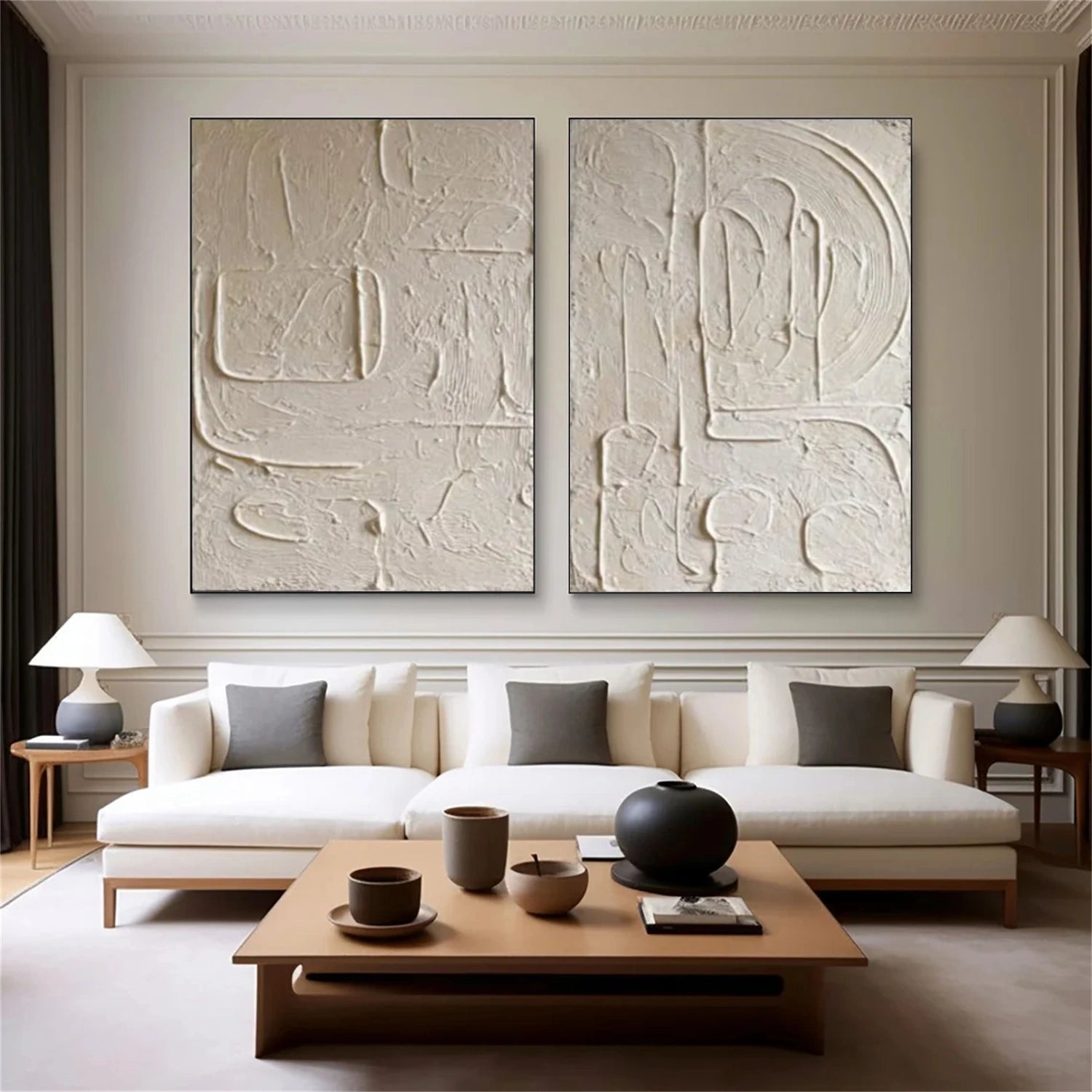
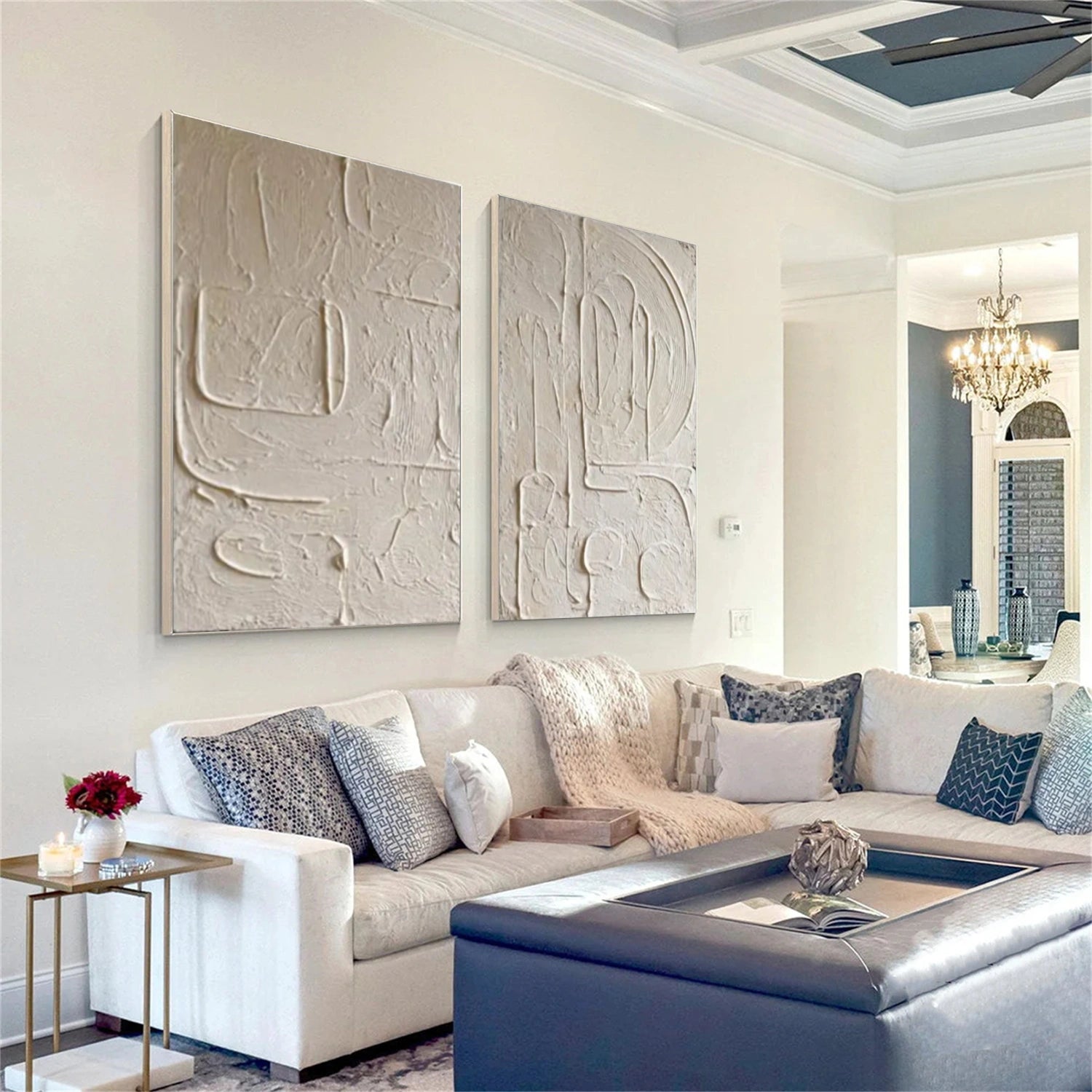
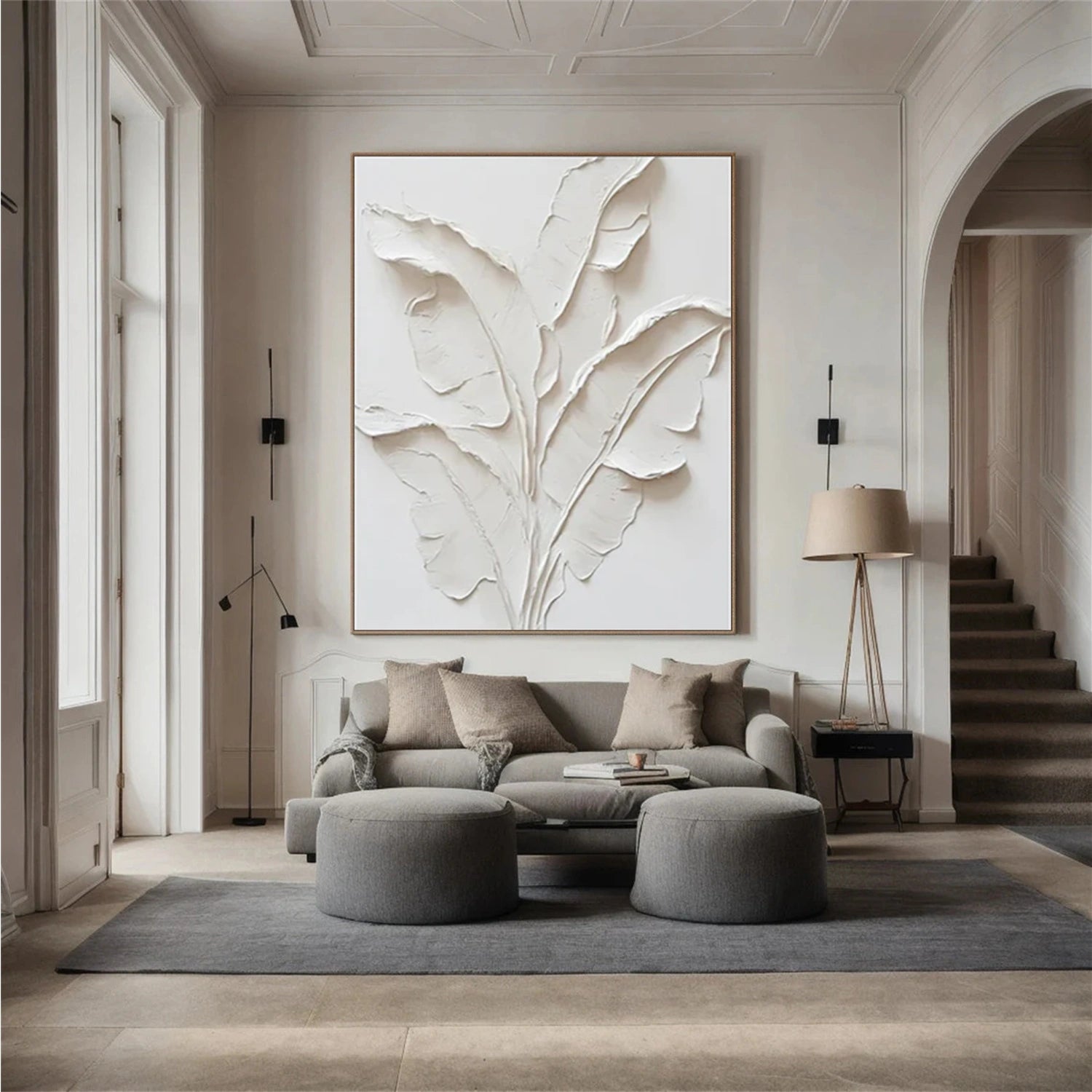
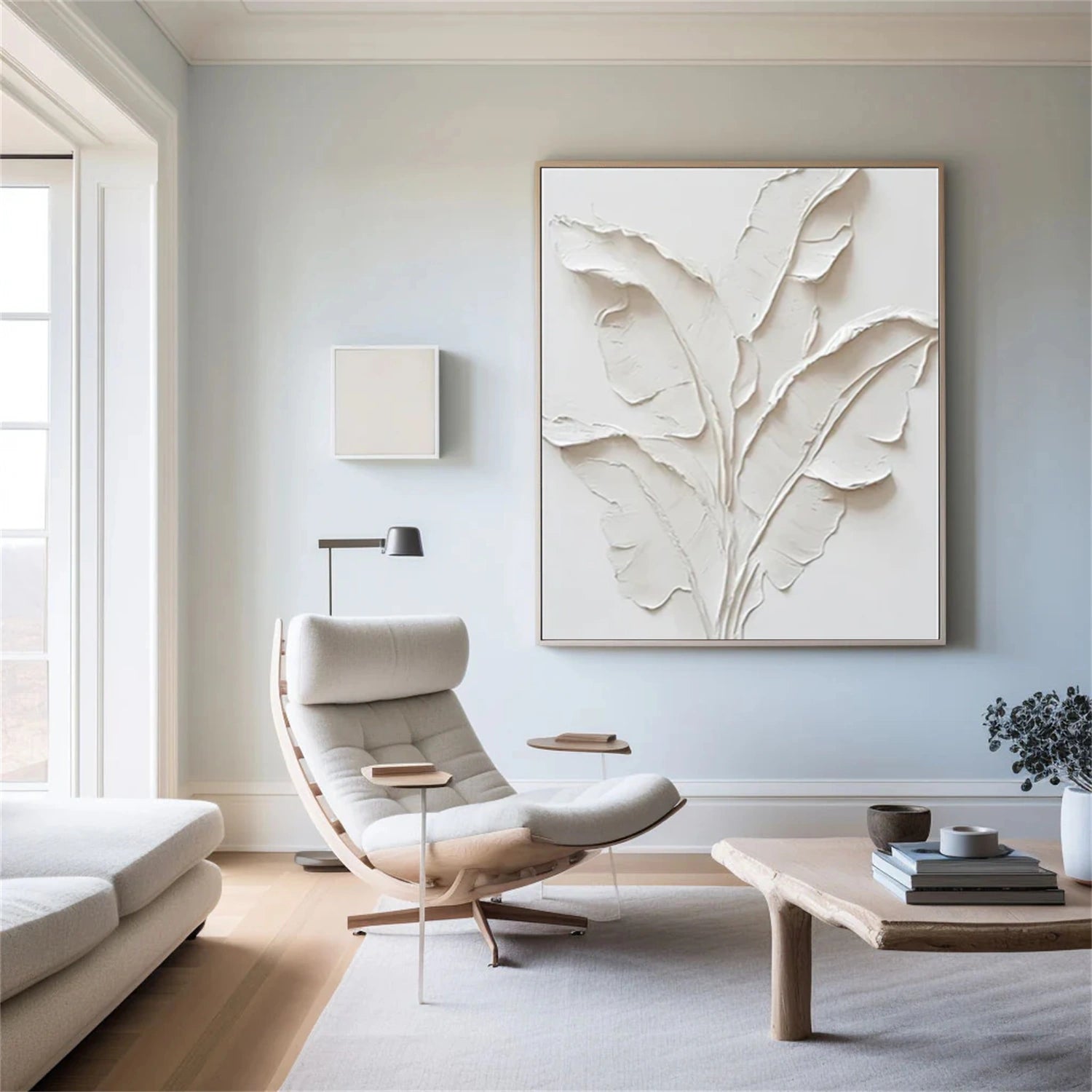
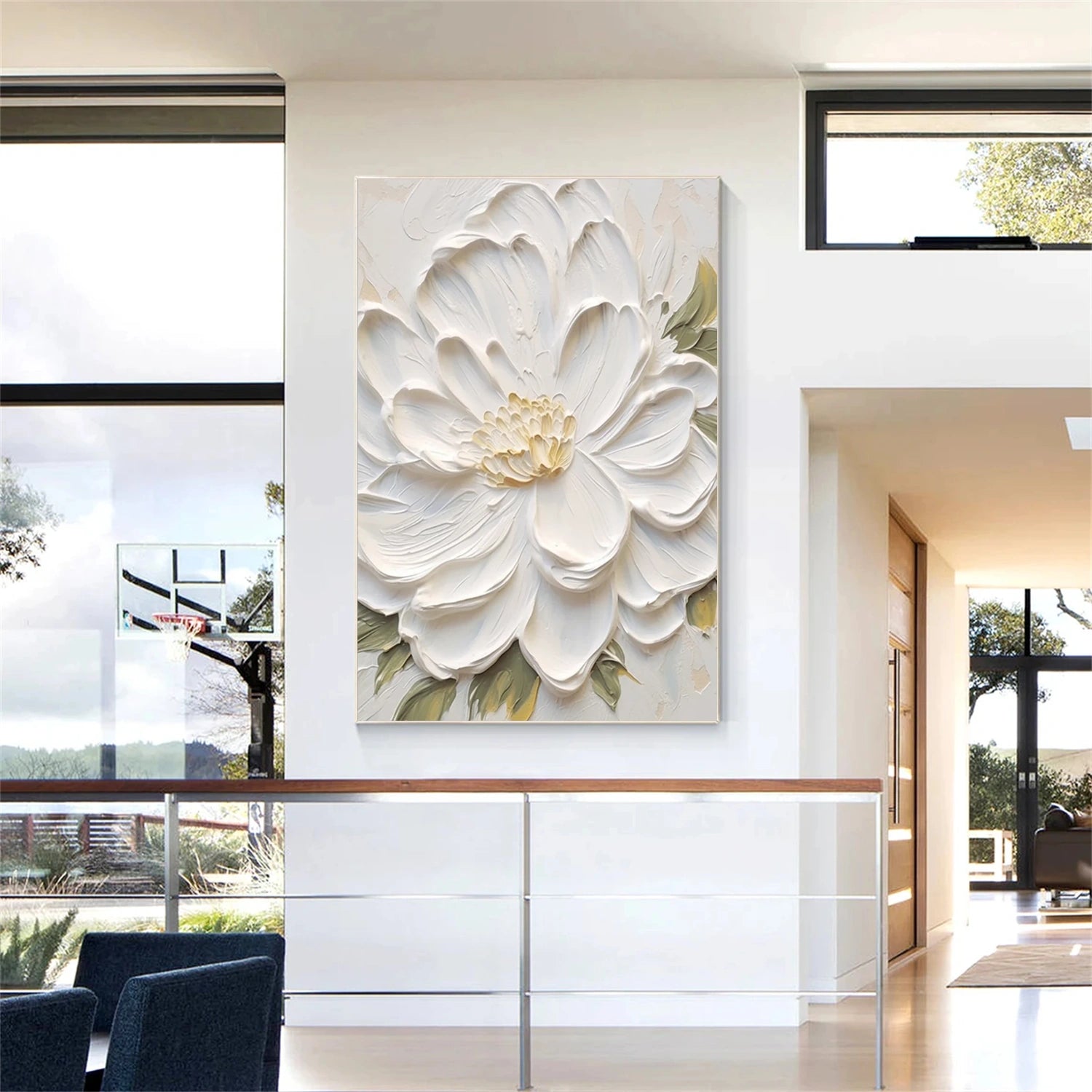
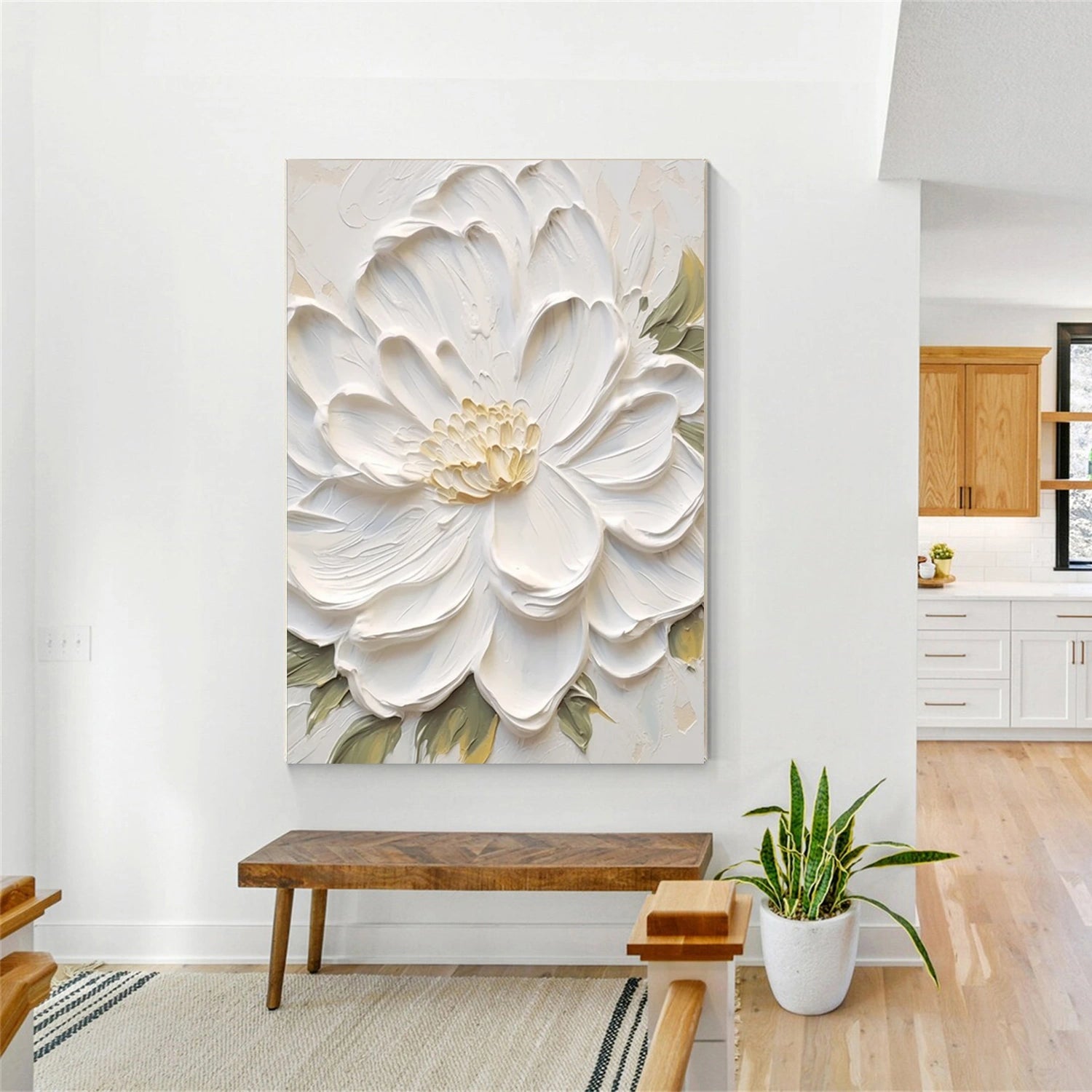
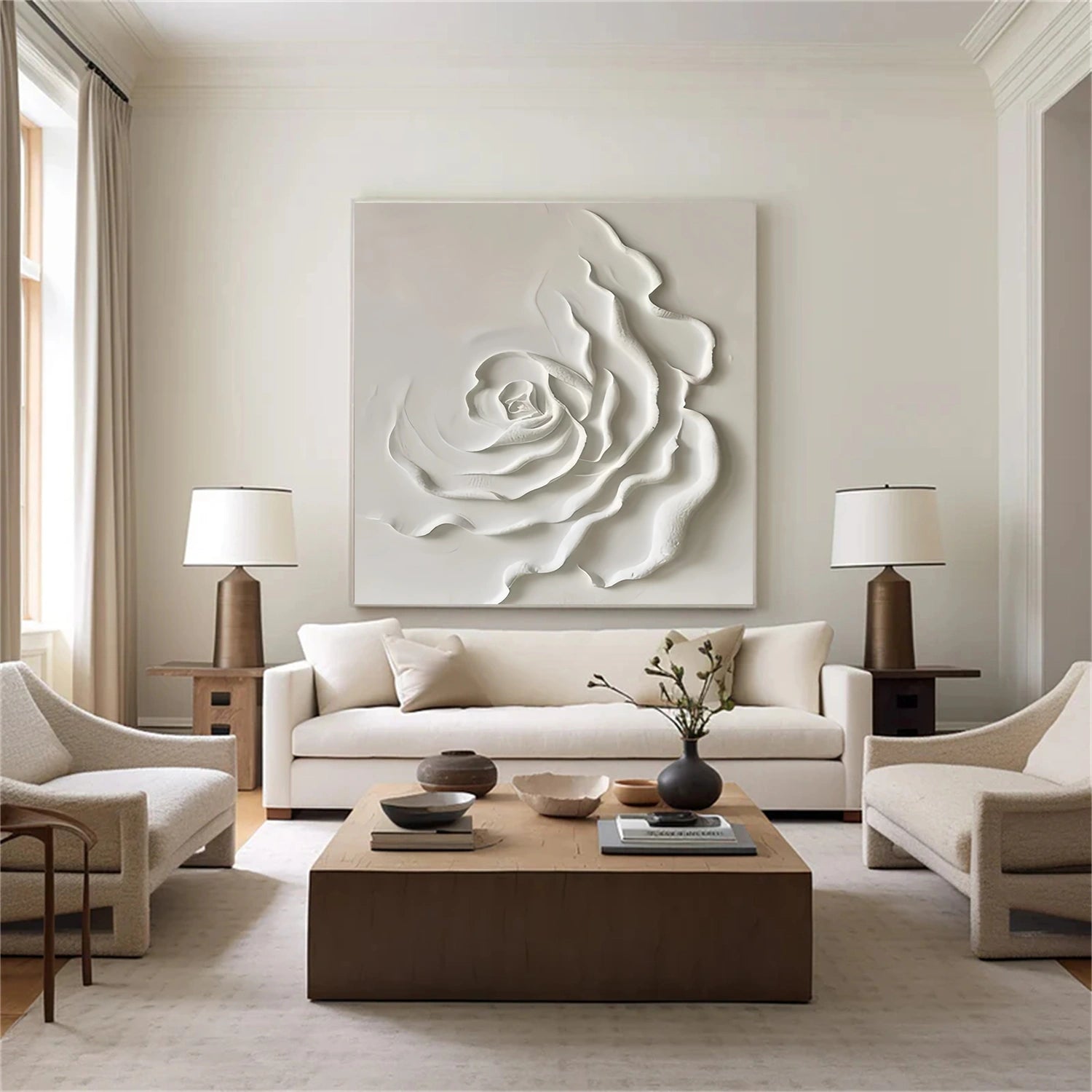
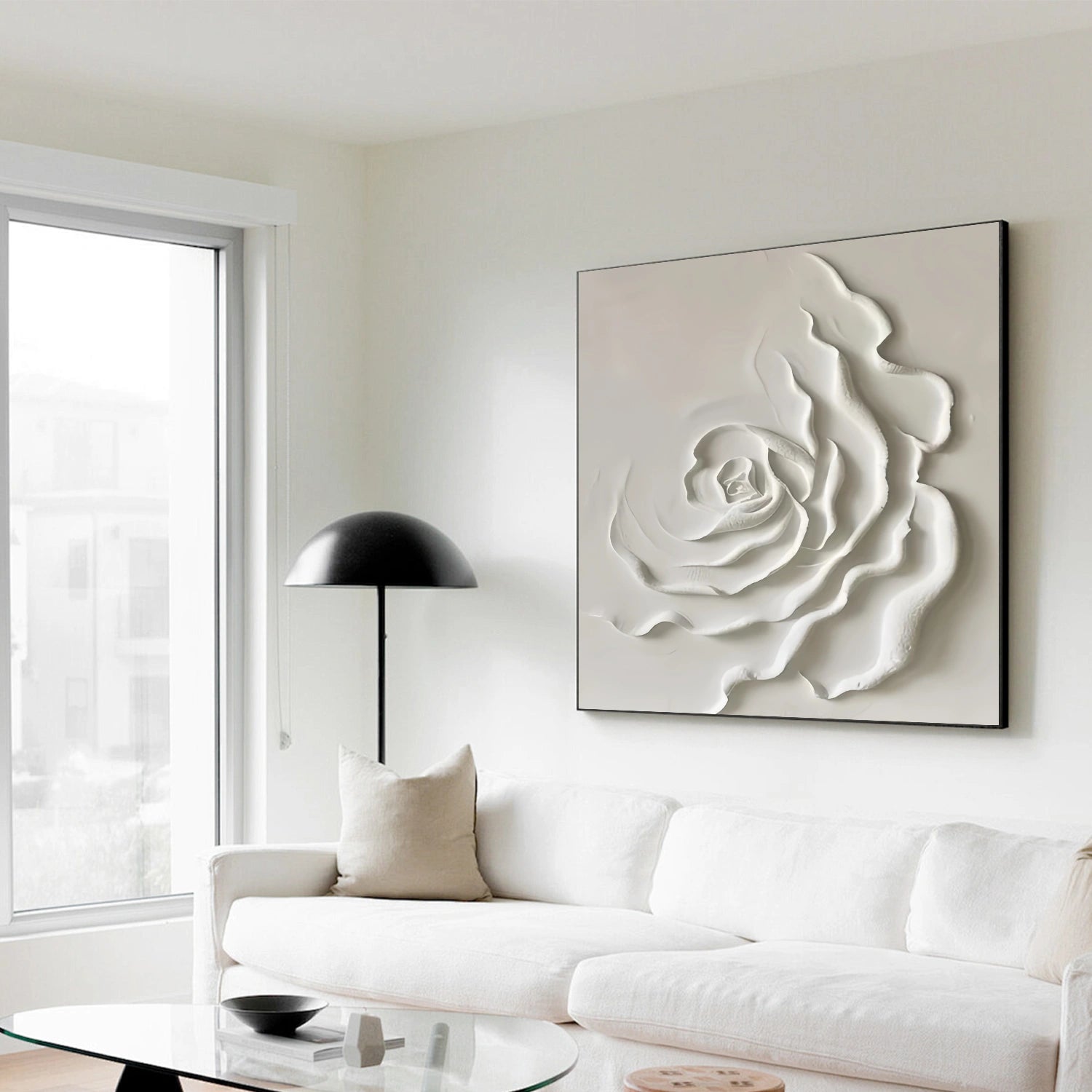
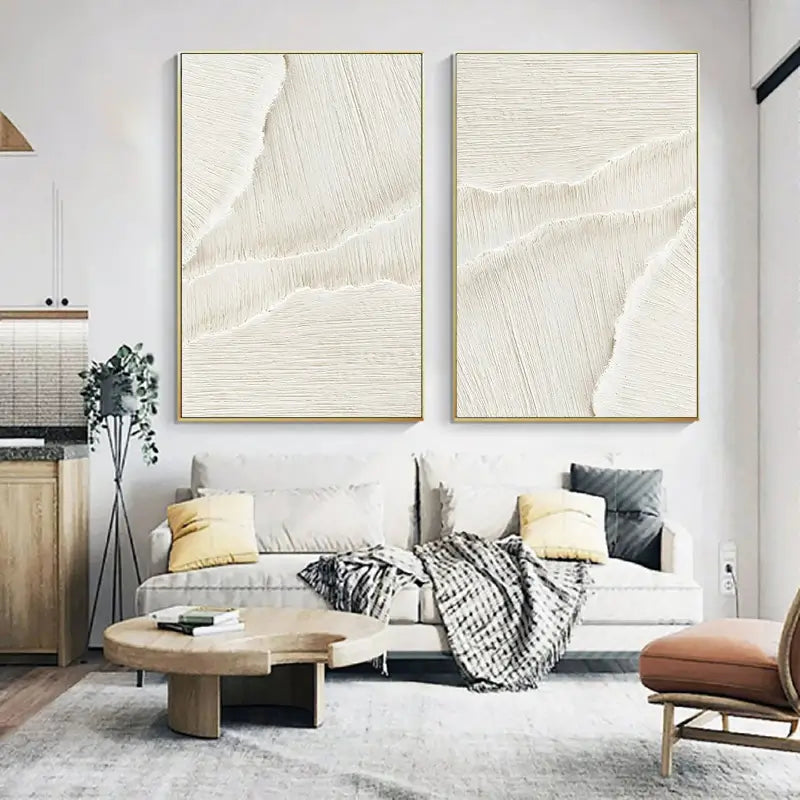
Plaster enhances canvas art by adding texture, depth, and dimension, creating a tactile surface that complements paint layers. It allows artists to sculpt forms, highlight movement, or introduce relief effects. The right plaster blend helps capture light differently across surfaces, turning a flat painting into a dynamic, multi-sensory piece.

Technical Benefits of Plaster in Painting

  • Provides three-dimensional structure.

  • Improves durability of thick paint layers.

  • Enhances color retention and light reflection.

  • Supports mixed-media techniques.

What Factors Determine the Right Plaster Type?

The ideal plaster depends on canvas strength, painting technique, and desired texture. For flexible surfaces, choose lightweight acrylic plasters; for rigid textures or sculptural work, select gypsum-based plaster or marble dust blends. Texture consistency and drying time also influence the final look and stability of the artwork.

Plaster Type Best For Key Feature
Acrylic Modeling Paste Abstract and modern art Flexible, crack-resistant
Lightweight Plaster Large canvases Low weight, smooth finish
Gypsum Plaster Heavy textures, reliefs Hard-setting, sculptural

Which Plaster Brands Are Most Popular Among Artists?

Leading brands for high-quality plasters include Golden, Liquitex, and Vinchy Art’s custom texturing blends. Each offers varied viscosities suitable for different artistic styles. Vinchy Art provides artist-grade materials formulated for abstract oil painting, ensuring flexibility, adhesion, and vibrant pigment interaction.

Recommended Features to Look For

  • Smooth consistency for layering.

  • Crack resistance upon drying.

  • Compatibility with acrylic or oil mediums.

  • Non-yellowing finish for long-term preservation.

Why Do Artists Prefer Lightweight Plaster for Canvas Work?

Lightweight plaster balances durability and flexibility—two essential qualities for stretched canvas. Heavy plasters can strain or warp the fabric, while light, polymer-based compounds remain stable. These modern mixtures also adhere more evenly, allowing for expressive texture building without compromising surface tension or paint integrity.

Where Should Artists Apply Plaster in the Creative Process?

Artists should apply plaster after priming the canvas but before any paint layers. This ensures proper adhesion and prevents the canvas from absorbing excess moisture. Once dry, the plaster forms a firm yet flexible ground, ready for acrylics, oils, or mixed-media applications.

Step-by-Step Timing

  1. Prime canvas with gesso.

  2. Mix and apply plaster texture.

  3. Let dry completely (6–24 hours).

  4. Sand lightly if needed.

  5. Begin painting or glazing.

Are There Risks in Using the Wrong Plaster?

Yes. Using interior wall plaster or non-acrylic formulas can crack, peel, or detach from canvas over time. Poor-quality materials absorb moisture unevenly and may discolor. For abstract pieces that use tactile layering—like those by Vinchy Art—professional-grade texture pastes ensure the artwork remains stable and visually stunning for years.

Can Plaster Be Mixed With Paint Directly?

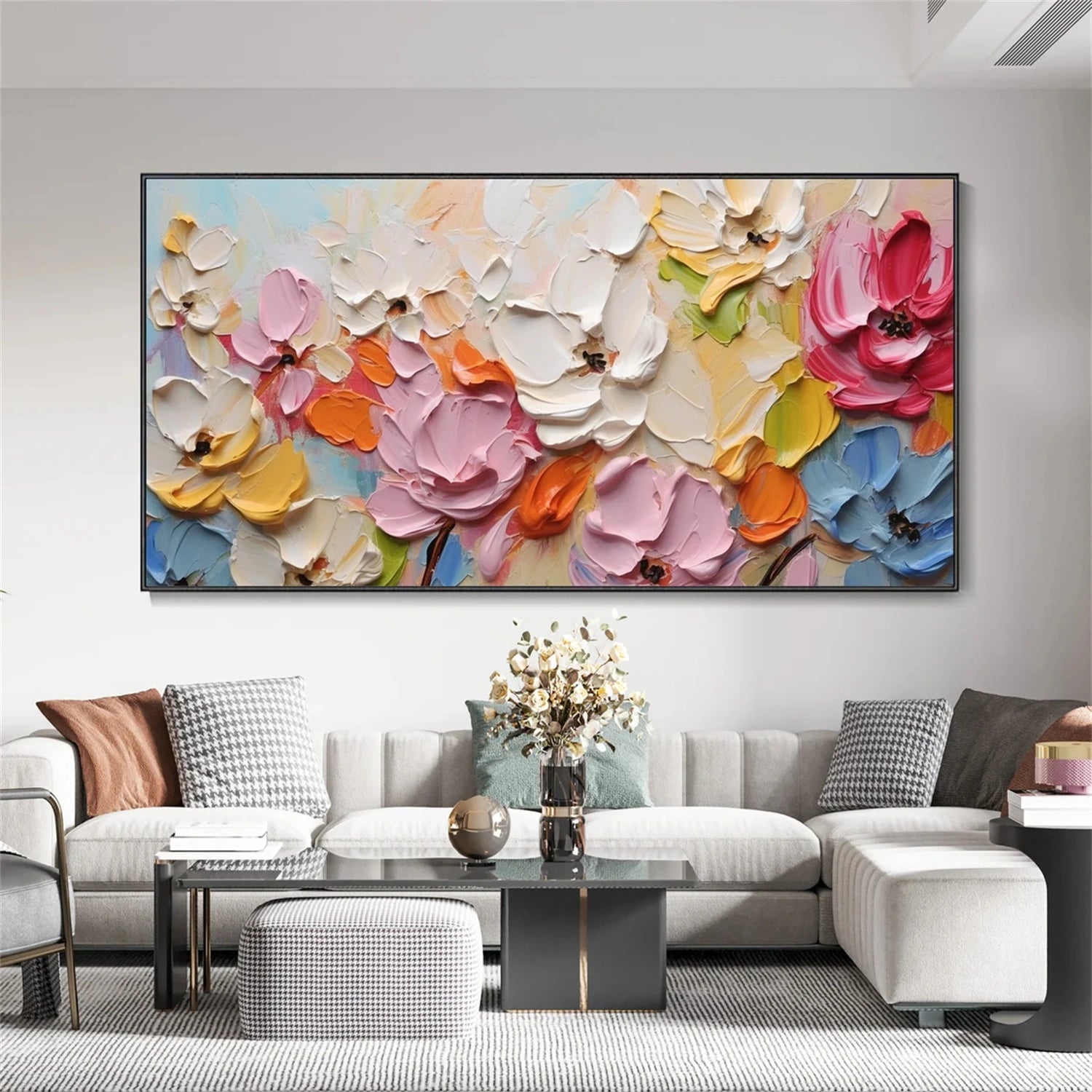
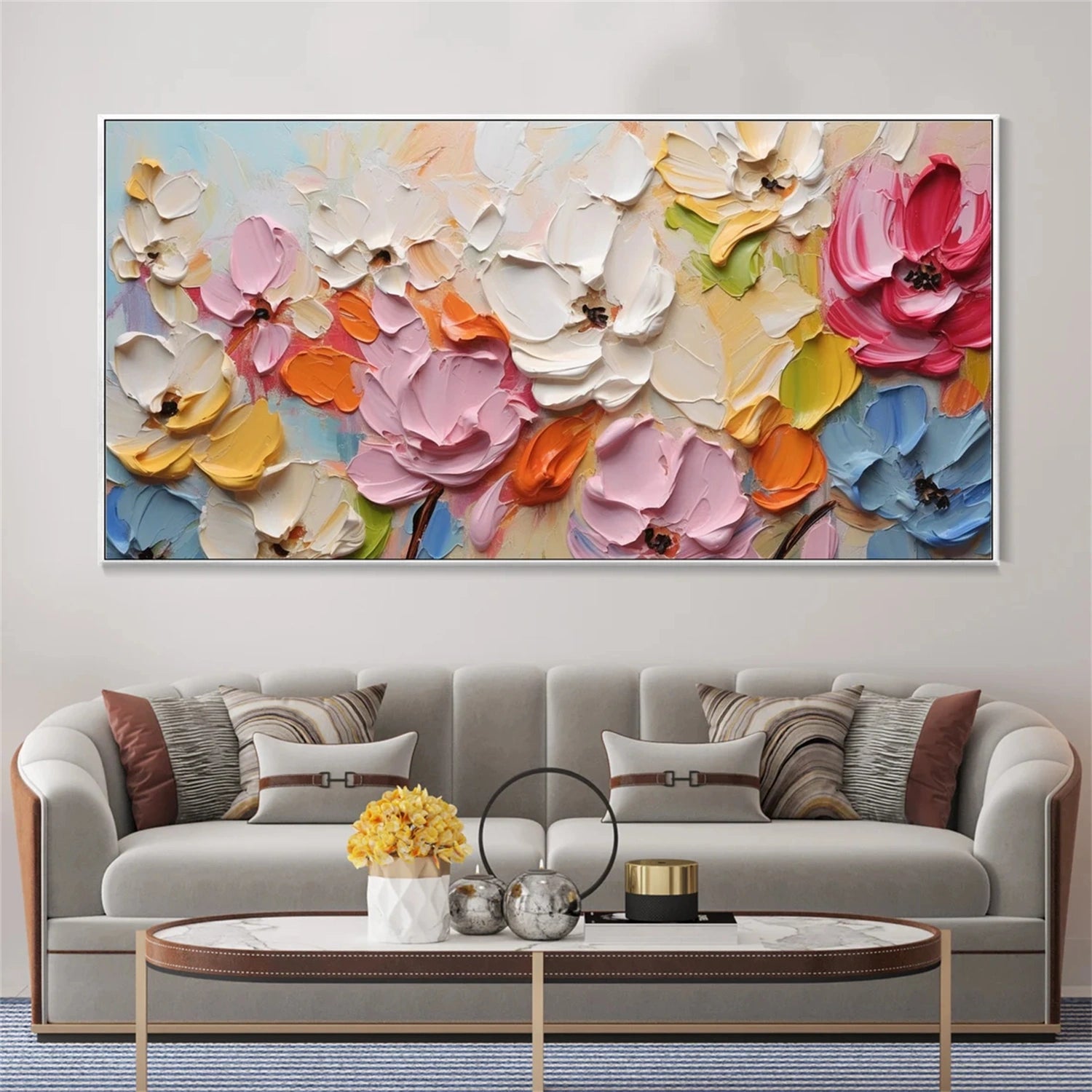
Absolutely. Many artists mix plaster with acrylic or oil paints to create thicker impasto effects. Adding small pigment amounts to plaster helps unify the base tone and reduce excess shine. This technique enhances cohesion between textured and painted regions, delivering harmonious depth across the artwork.

Pro Tip: Test mixtures on scrap canvas to ensure consistent drying and flexibility.

Who Uses Plaster in Modern Abstract Painting?

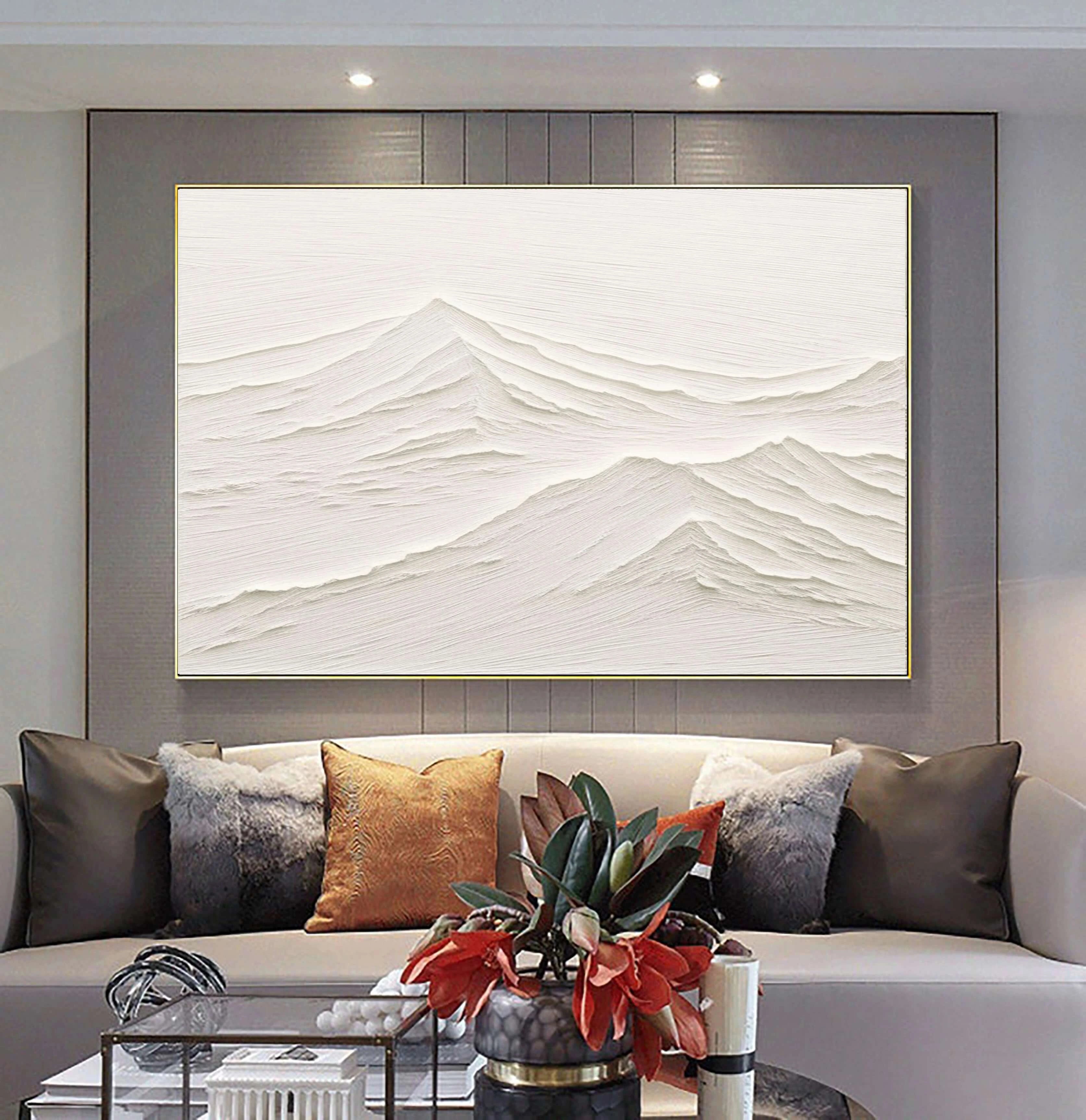
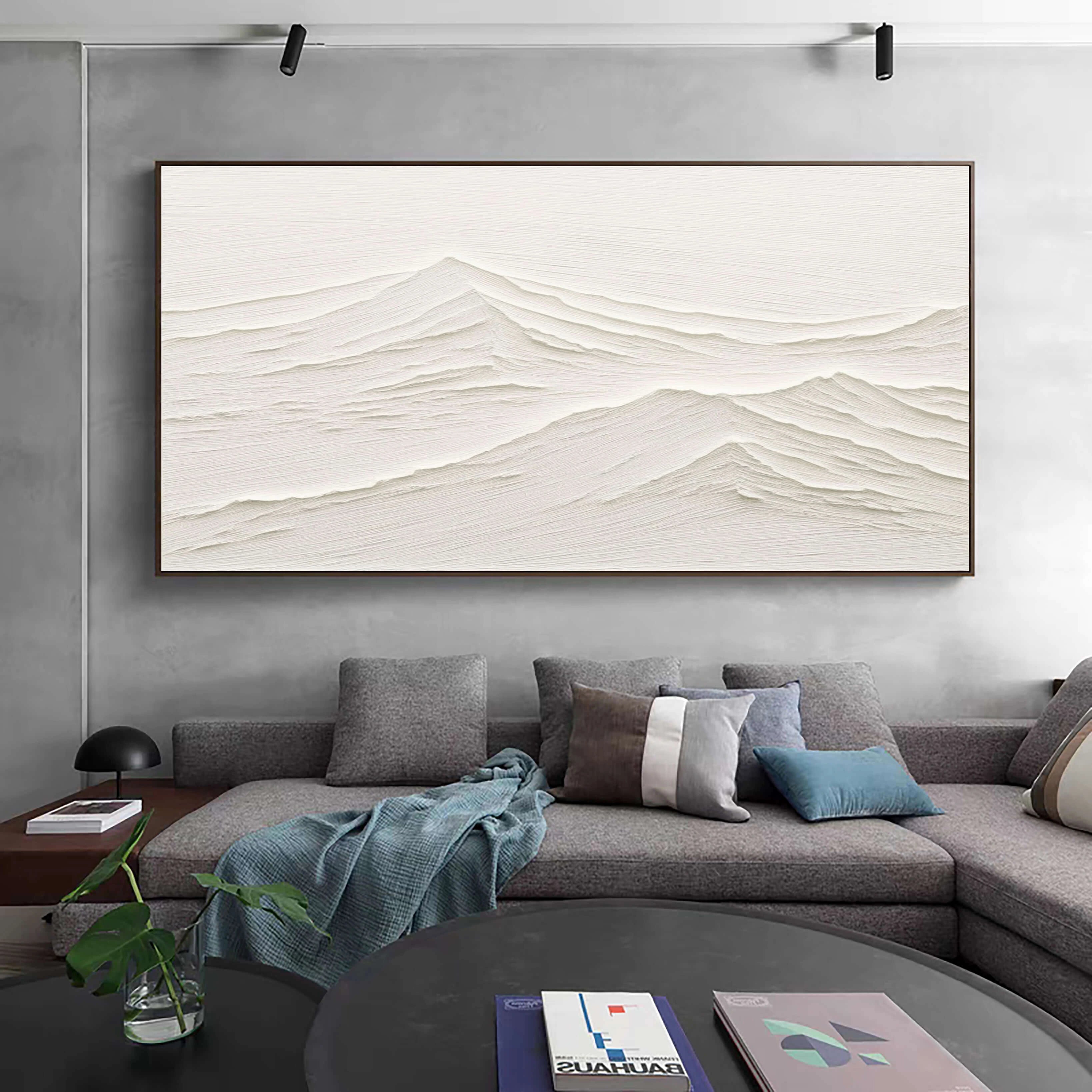
Contemporary artists worldwide, including collectives like Vinchy Art, frequently use plaster to develop their signature textures. It enables expressive freedom while maintaining strength and lightness. Plaster’s adaptability supports both minimalist reliefs and heavily layered compositions seen in high-end interior art galleries.

What Is the Ideal Plaster-to-Water Ratio?

For high flexibility, a general ratio is 2 parts plaster to 1 part water, adjusting texture to achieve the desired consistency. Too much water weakens adhesion, while overly thick mixes limit workability. Artists often mix small batches to keep the compound fresh and prevent early setting.

When Should You Choose Acrylic vs. Gypsum Plaster?

Choose acrylic plaster for flexible supports and contemporary artworks requiring long-term elasticity. Gypsum-based plaster excels on rigid boards or panels where strength is more important than movement. Acrylic versions, like those offered by Vinchy Art, integrate seamlessly with oils and mixed media for durable, layered outcomes.

Dimension Acrylic Plaster Gypsum Plaster
Flexibility High Low
Weight Light Heavy
Crack Resistance Excellent Moderate
Ideal Surface Canvas Wood Panel

Could DIY Plaster Mixtures Be a Good Alternative?

DIY plaster recipes—such as glue-and-plaster blends—can work for experimental pieces but lack durability for professional use. They may crack or yellow over time. For serious art collectors or gallery displays, artist-grade pastes remain superior for longevity and finish quality.

Vinchy Art Expert Views

“At Vinchy Art, we’ve tested over 30 plaster formulations before selecting our current blend. What distinguishes it is the balance between flexibility and tactile richness—it holds sculptural form without stressing the canvas. Our artists mix this plaster with subtle oils to enhance the meditative aesthetics of abstract paintings and create a serene, immersive viewing experience.”

Is Plaster Eco-Friendly for Modern Art?

Most commercial acrylic plasters are low-VOC and safe once dry. Eco-conscious artists can use mineral-based plasters free of synthetic polymers. Vinchy Art advocates sustainable practices, ensuring materials align with modern environmental standards while maintaining superior artistic performance.

Conclusion

Choosing the right plaster for canvas art involves balancing texture, durability, and flexibility. Lightweight acrylic-based mixes remain the top choice for contemporary artists. Brands like Vinchy Art perfect this combination, ensuring the canvas supports bold textures without damage. Whether crafting minimal reliefs or expressive abstracts, quality plaster transforms ordinary canvases into sensory art experiences.

FAQs

Can plaster be used on unprimed canvas?
No. Always prime the canvas with acrylic gesso to prevent cracking and moisture absorption.

How long should plaster cure before painting?
Let plaster cure for at least 24 hours to ensure stability before applying paint.

Can you paint over plaster with oil paints directly?
Yes, but apply a sealing primer first to avoid uneven absorption.

Is plaster art suitable for humid climates?
Yes, if sealed properly with varnish or acrylic medium to block moisture.

What’s the main difference between modeling paste and plaster?
Modeling paste is acrylic-based and flexible; traditional plaster is more rigid and better suited for hard surfaces.

What is fresco painting?
Fresco painting is a technique where pigments mixed with water are applied to fresh plaster or limewater-soaked surfaces, typically on walls or ceilings. This method allows the pigments to become part of the plaster as it dries, creating a long-lasting and vibrant image.

What are some must-see activities in the Tri-State area?
The Tri-State area offers numerous exciting activities, especially around holidays like Chol HaMoed. From cultural events and museum exhibitions to outdoor adventures, there's something for everyone looking to make their time enjoyable and memorable in New York.

Who is Dirk Kroll?
Dirk Kroll is a well-known figure in the art world, often recognized for his insightful and thought-provoking contributions. His work has sparked engaging discussions, and he has been featured in various art-focused publications like CanvasRebel Magazine, where his perspective on contemporary art is shared.

What is the trend in textured wall art?
Textured wall art is gaining popularity as a décor trend, with its rich, tactile appeal transforming spaces. The trend can be found on various platforms, including Amazon, where you can find a variety of pieces starting at $14. Textured art adds depth and warmth to any room.

What is the best plaster for canvas art?
The best plaster for canvas art is a lightweight, flexible acrylic-based modeling paste. It adheres well to fabric surfaces, ensuring no cracking while providing a smooth texture. For a more cost-effective option, Plaster of Paris mixed with wood glue or gesso also works well for creating durable, sculptural textures.

Can you use Plaster of Paris on canvas?
Yes, Plaster of Paris can be used on canvas for creating textured art. When mixed with materials like wood glue or gesso, it provides flexibility and durability, preventing cracks while allowing for smooth or sculptural textures that are perfect for canvas-based art.

What are some alternatives to plaster for textured canvas art?
Alternatives to plaster for textured canvas art include joint compound, modeling paste (acrylic-based), and drywall compound. These materials offer different textures, from smooth to coarse, and are often used to create intricate, tactile surfaces that enhance the visual depth of the artwork.

How do you prepare canvas for plaster art?
Before applying plaster to canvas, always prime the canvas with a layer of gesso. This helps the plaster adhere better and prevents it from soaking into the fabric. Once primed, you can apply your plaster mixture in thin or thick layers, depending on your desired texture and finish.

Read more

What Makes a White Textured Painting So Captivating?

A white textured painting captivates by combining minimalism with tactile depth. The layers of texture, often created through techniques like impasto and mixed media, invite deeper emotional connec...

Read more

What Makes 3D Plaster Art So Unique and Captivating?

3D plaster art turns ordinary walls into stunning, textured pieces of visual depth, transforming spaces with its sculptural nature. By blending traditional plaster techniques with modern design, it...

Read more
Free Shipping
30 Days Refund
100% Handmade
Eco Friendly