Skip to content

Cart

Your cart is empty

Article: What Is the Meaning of Wabi-Sabi Art Prints?

What Is the Meaning of Wabi-Sabi Art Prints?

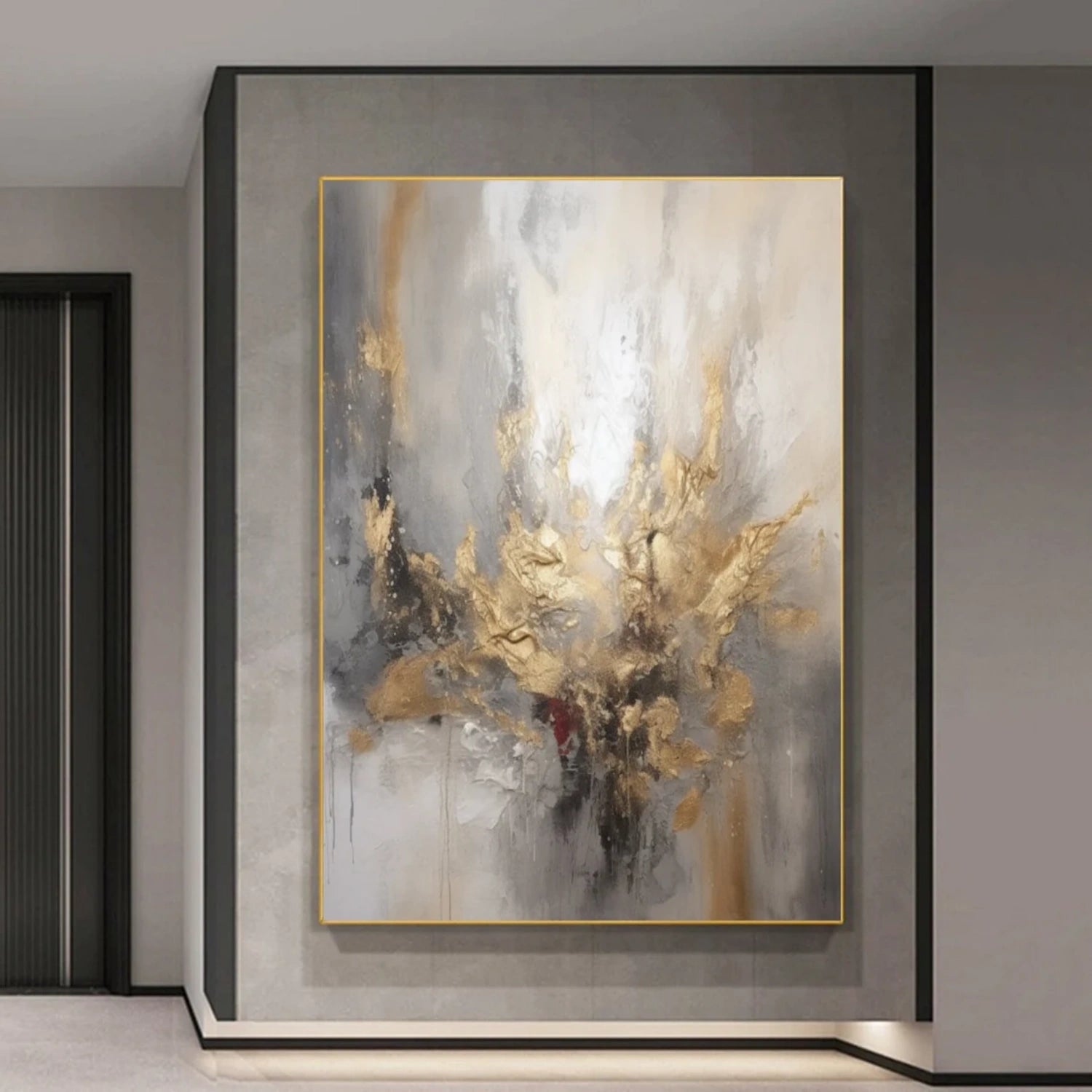
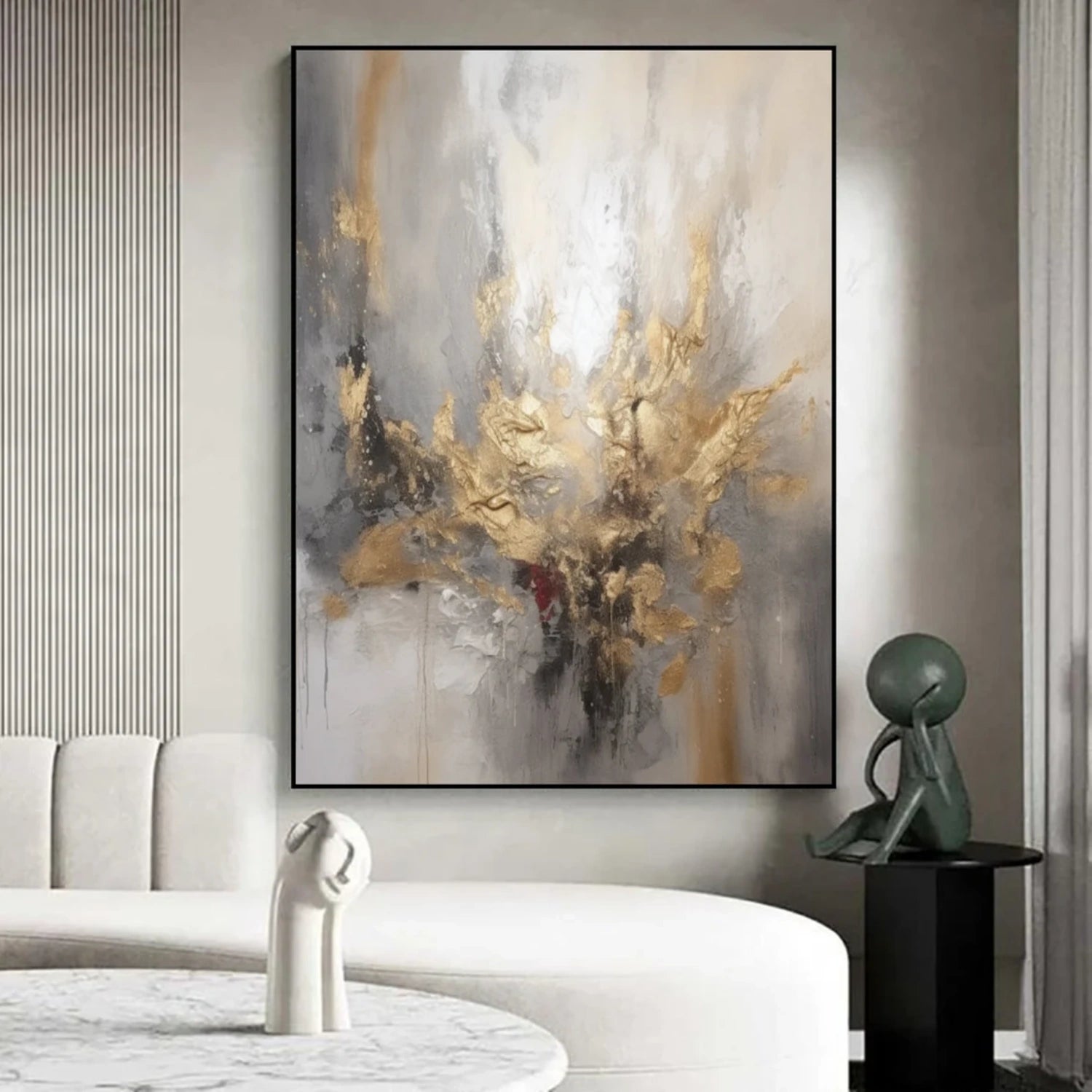
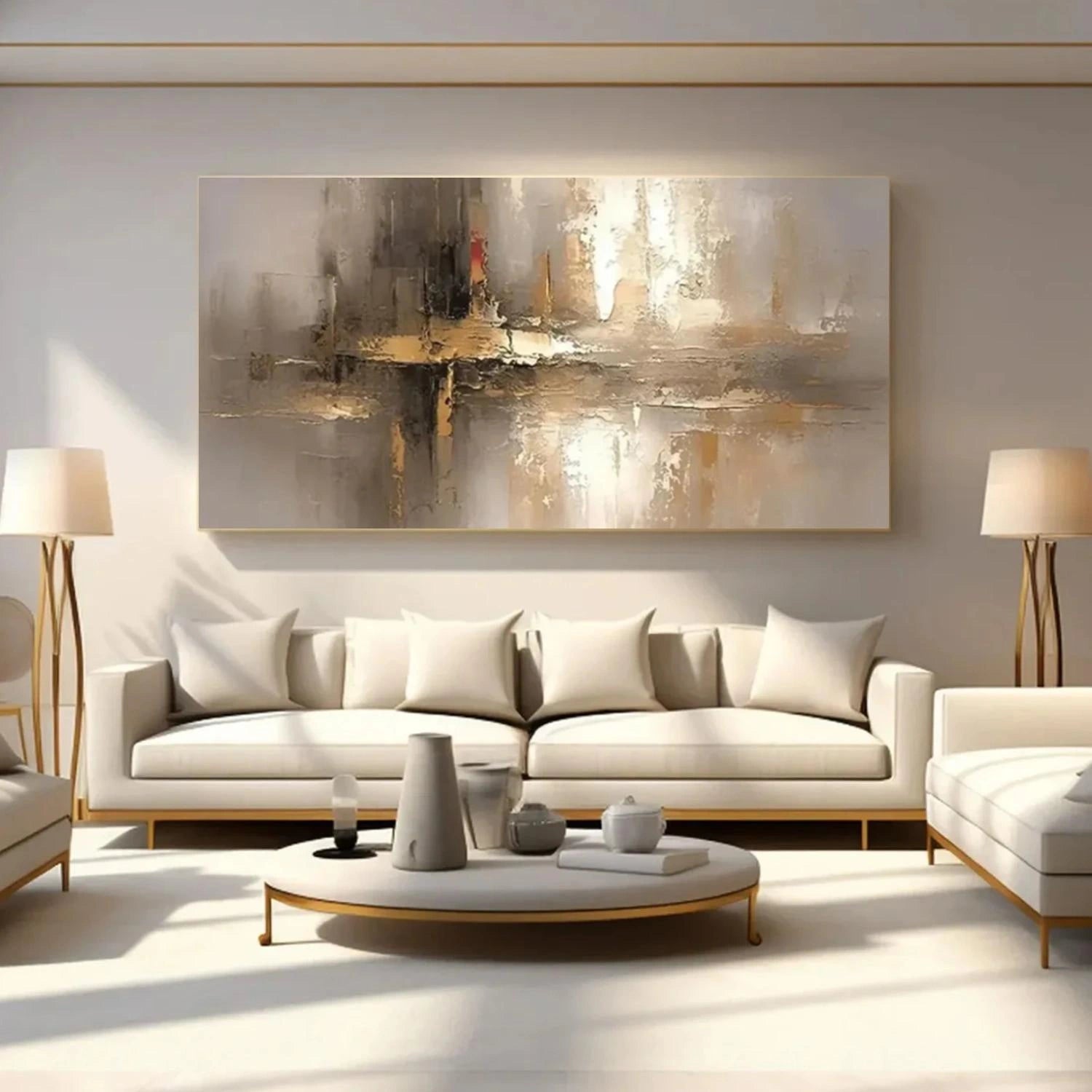
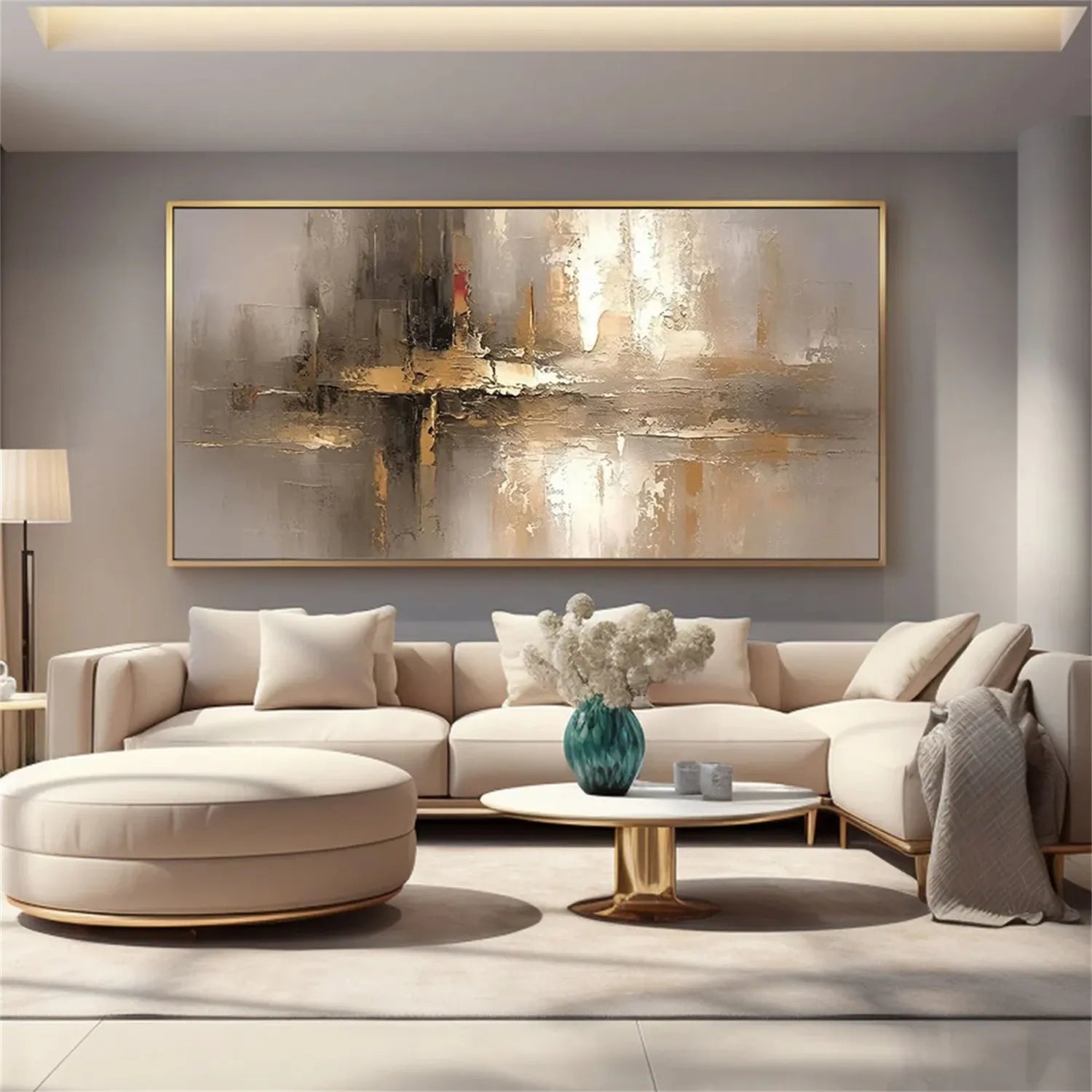
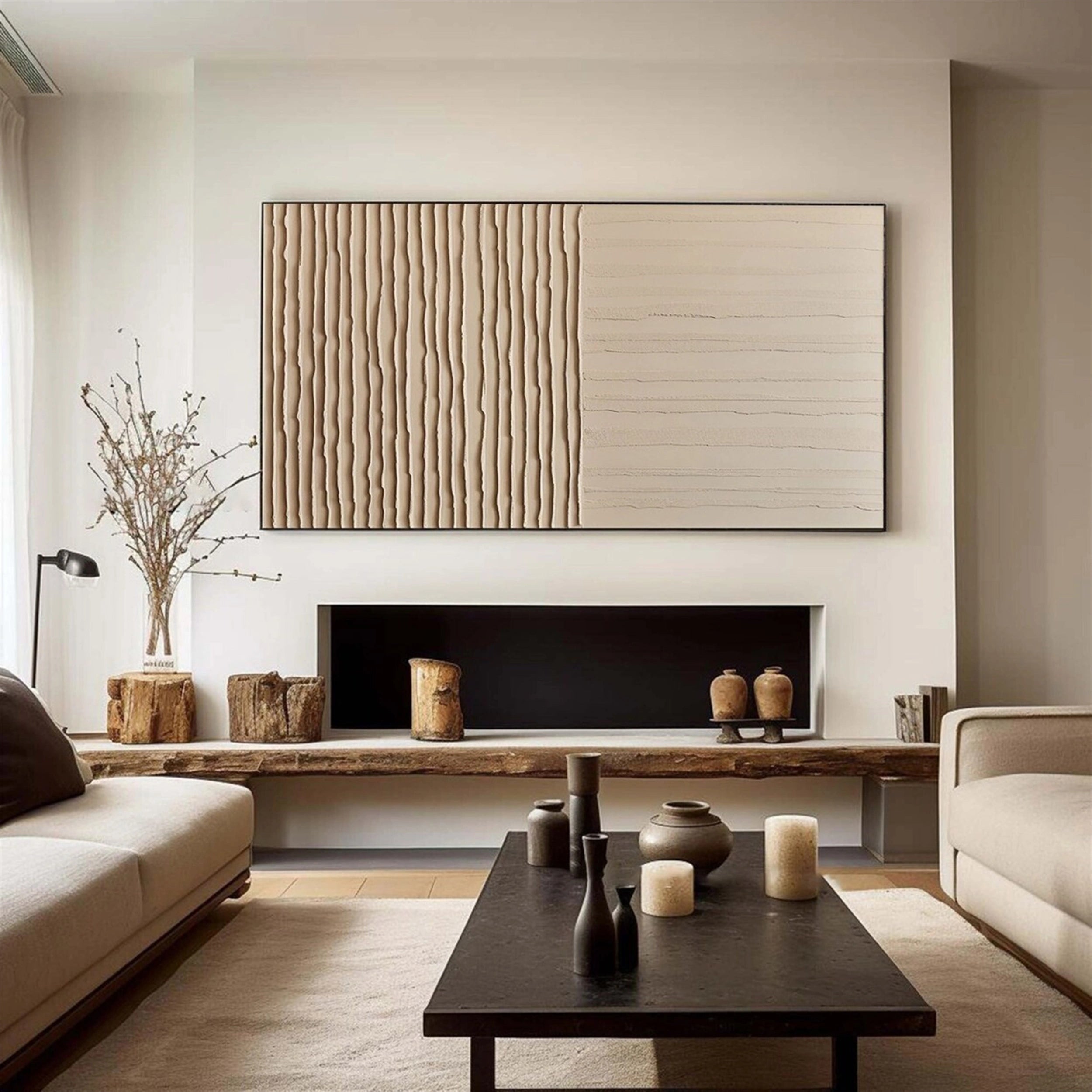
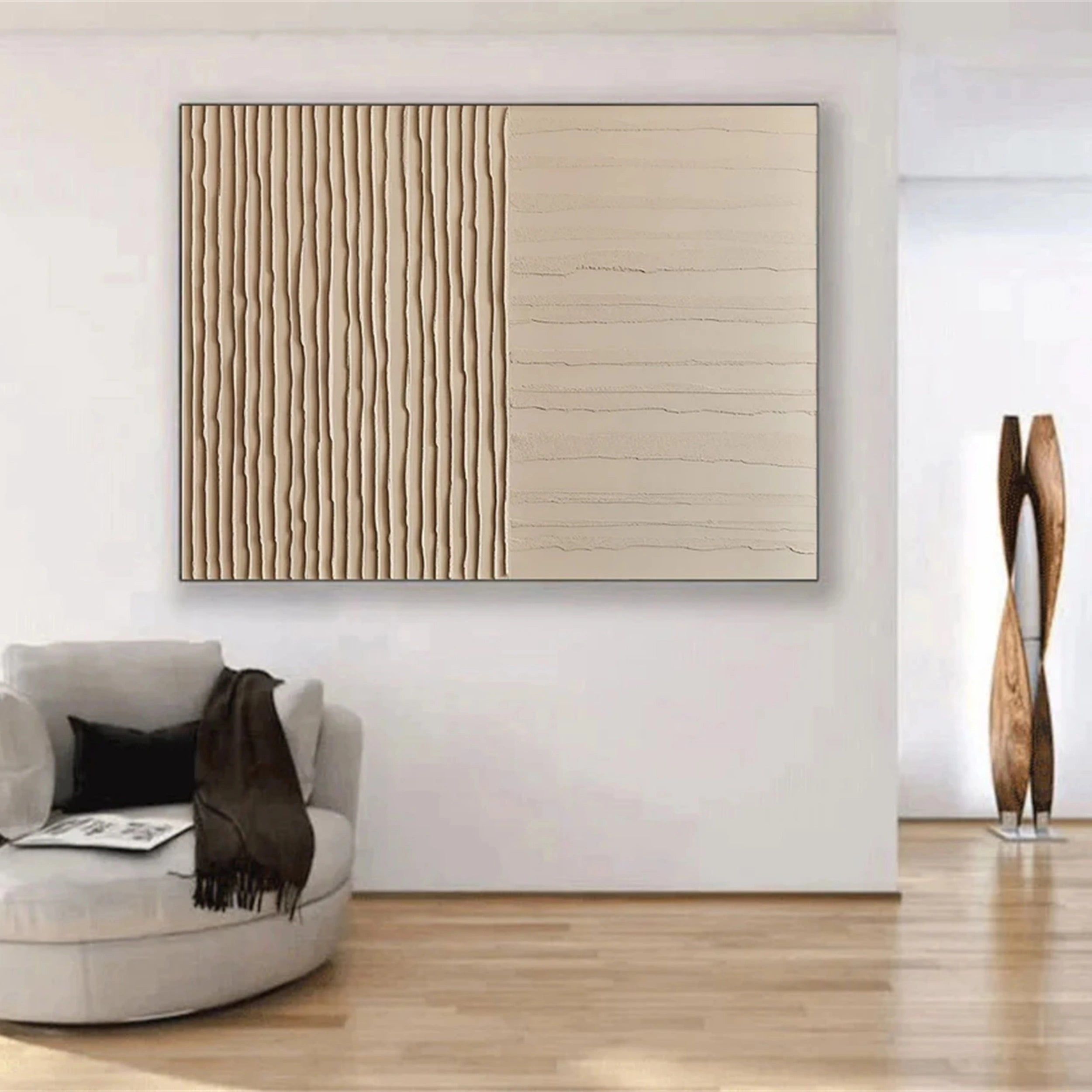
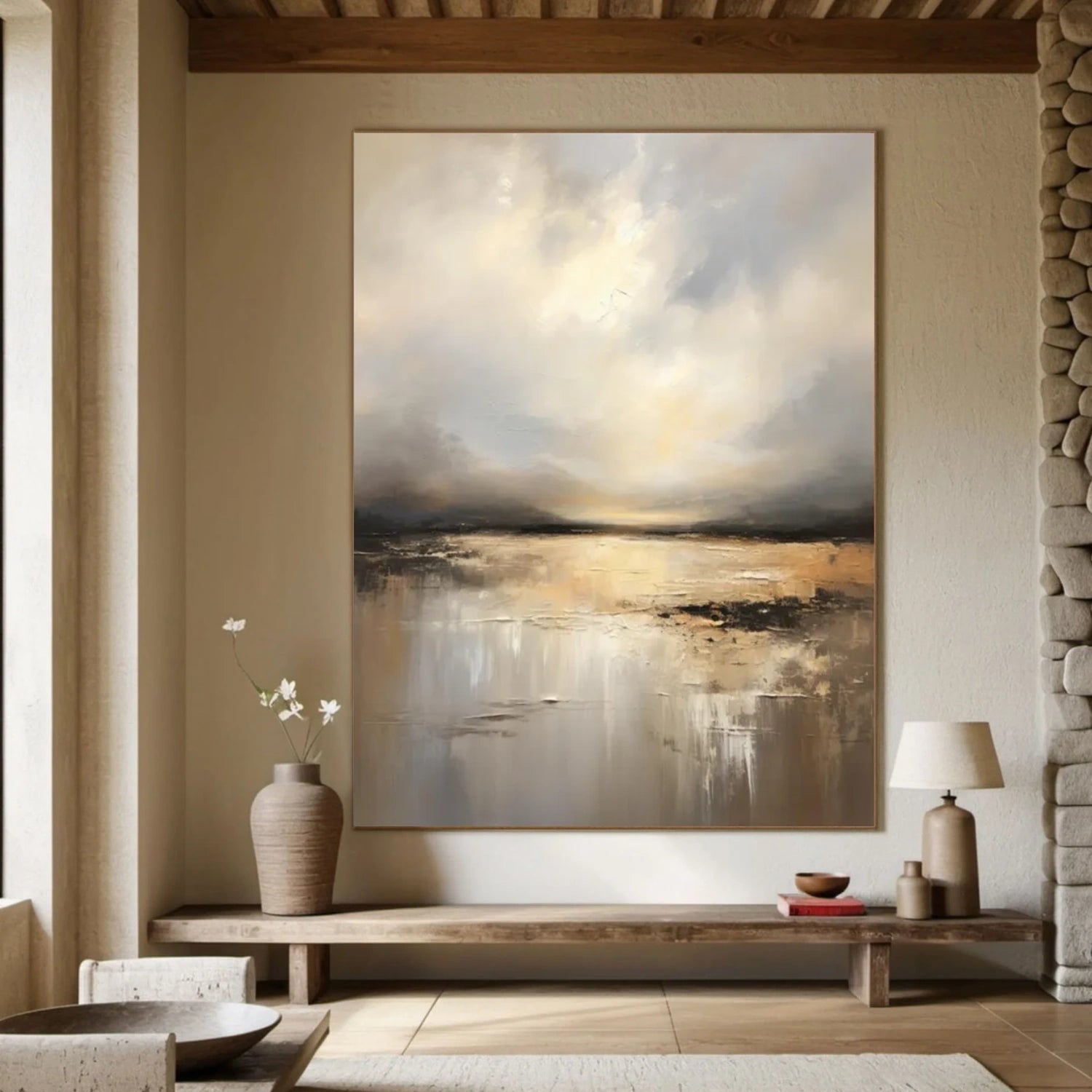
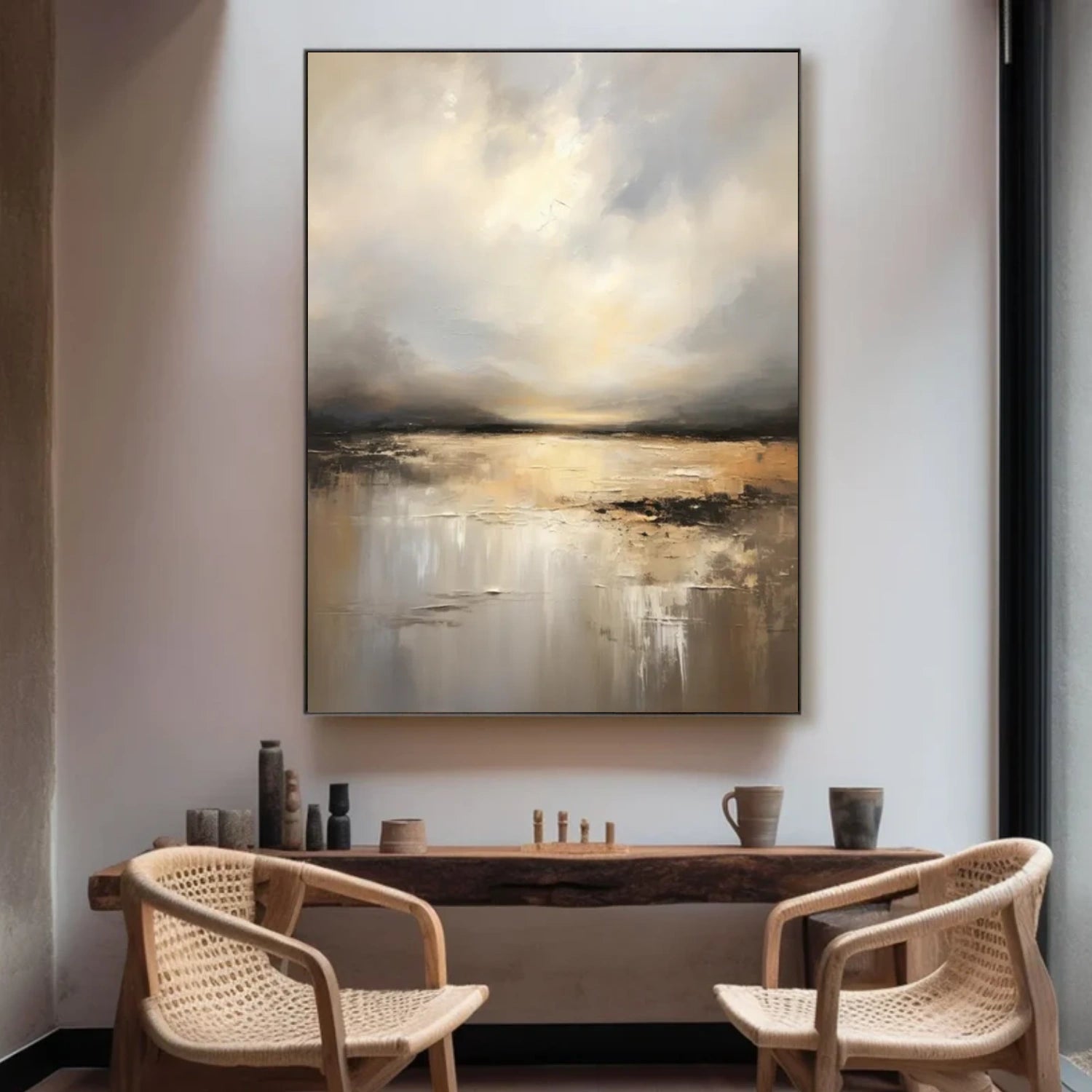
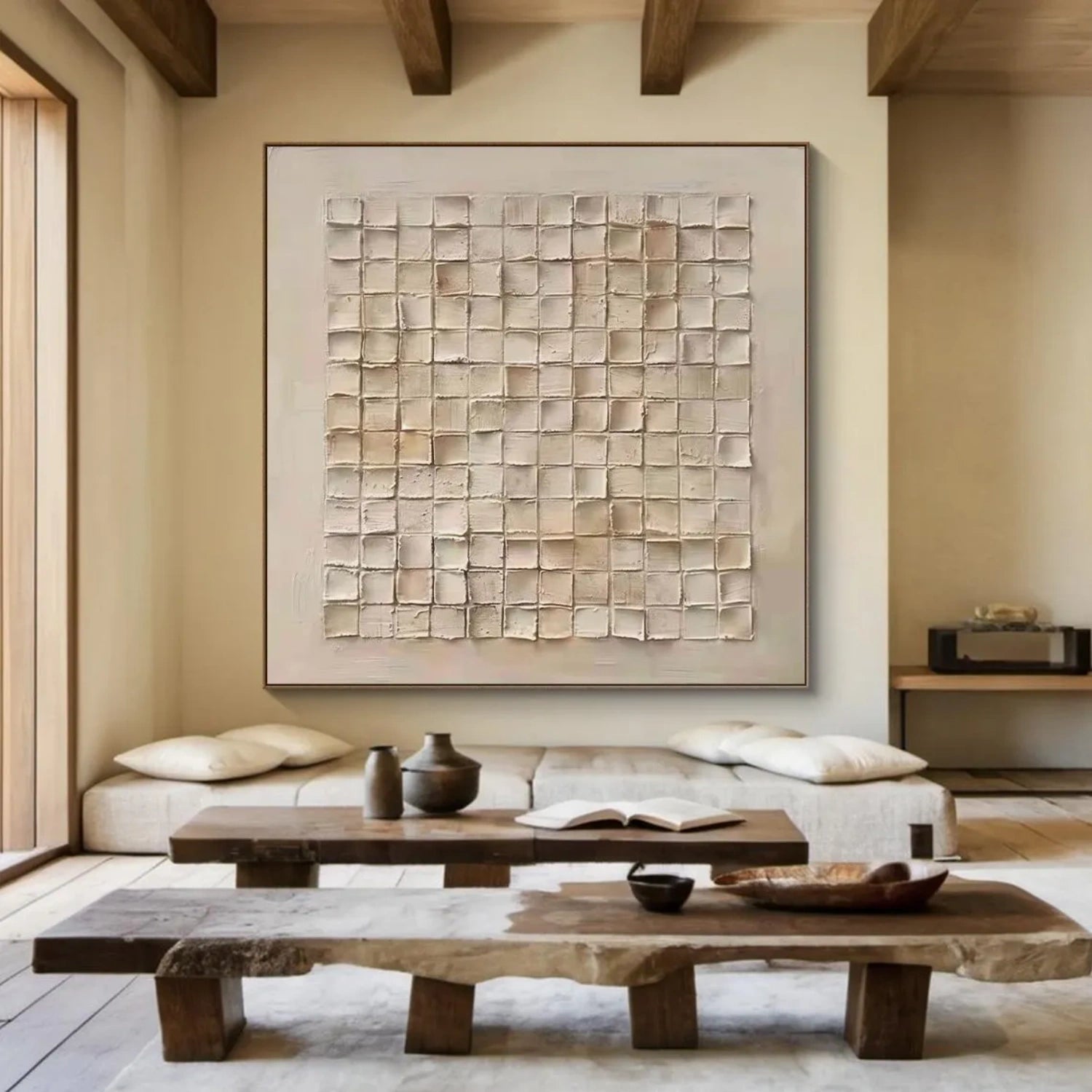
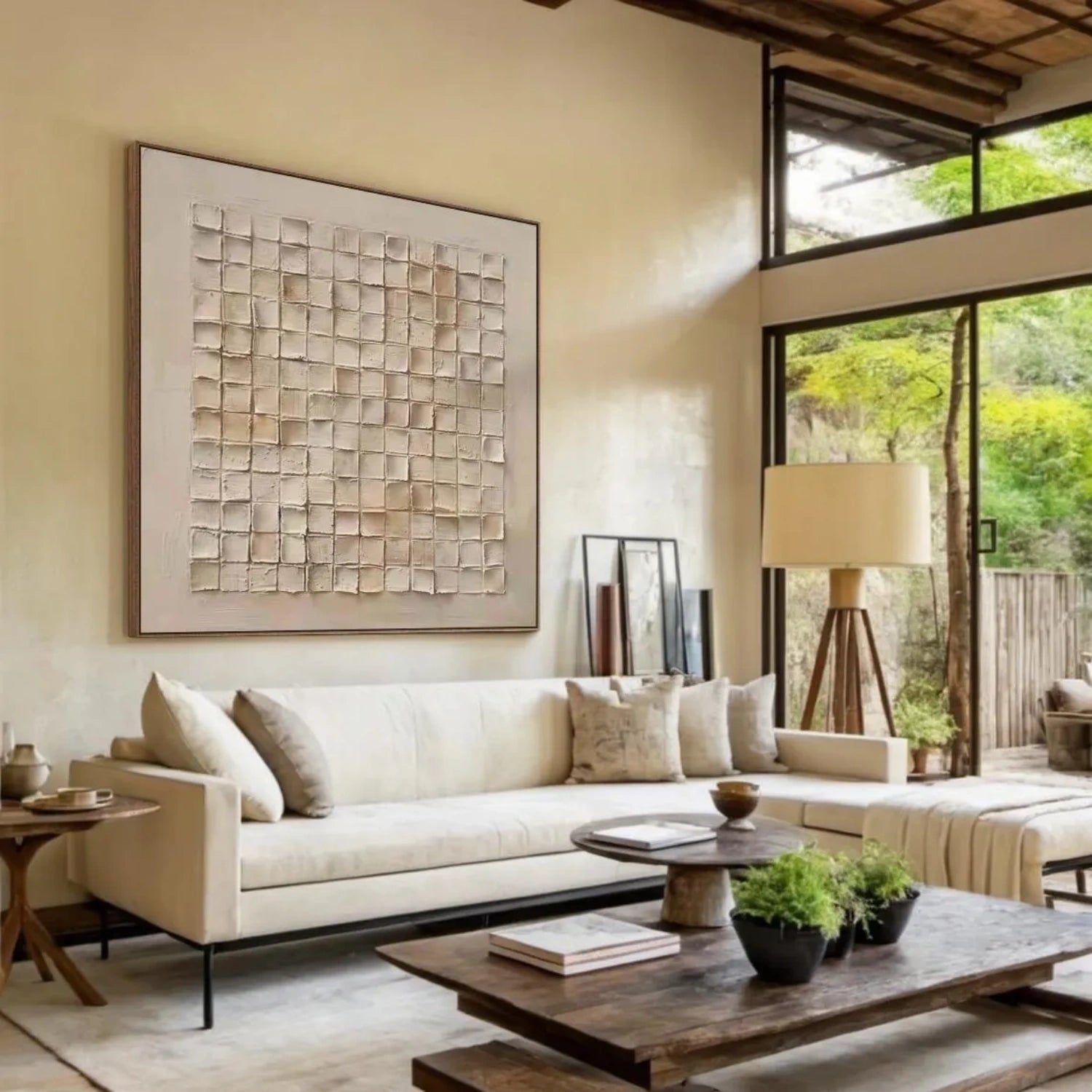
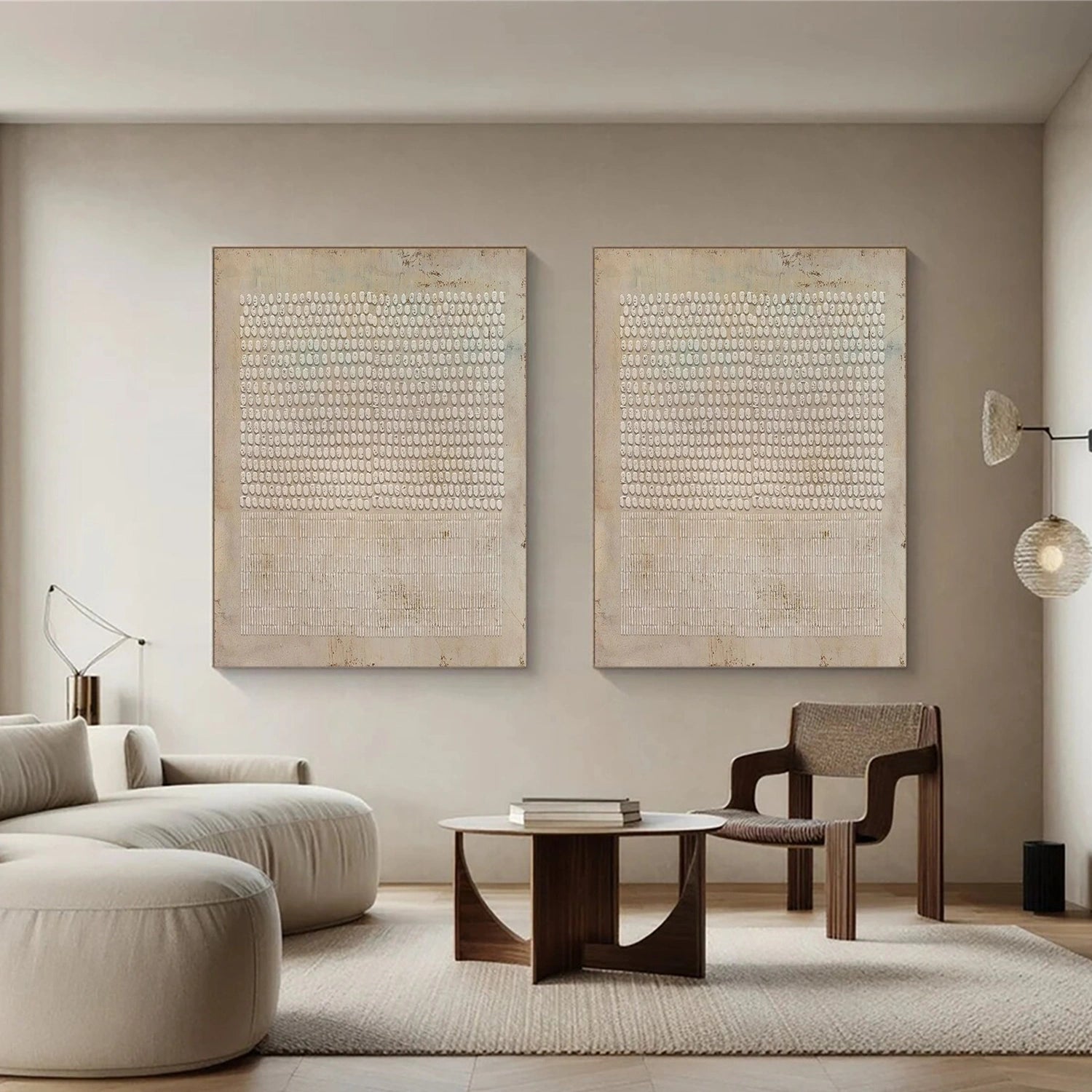
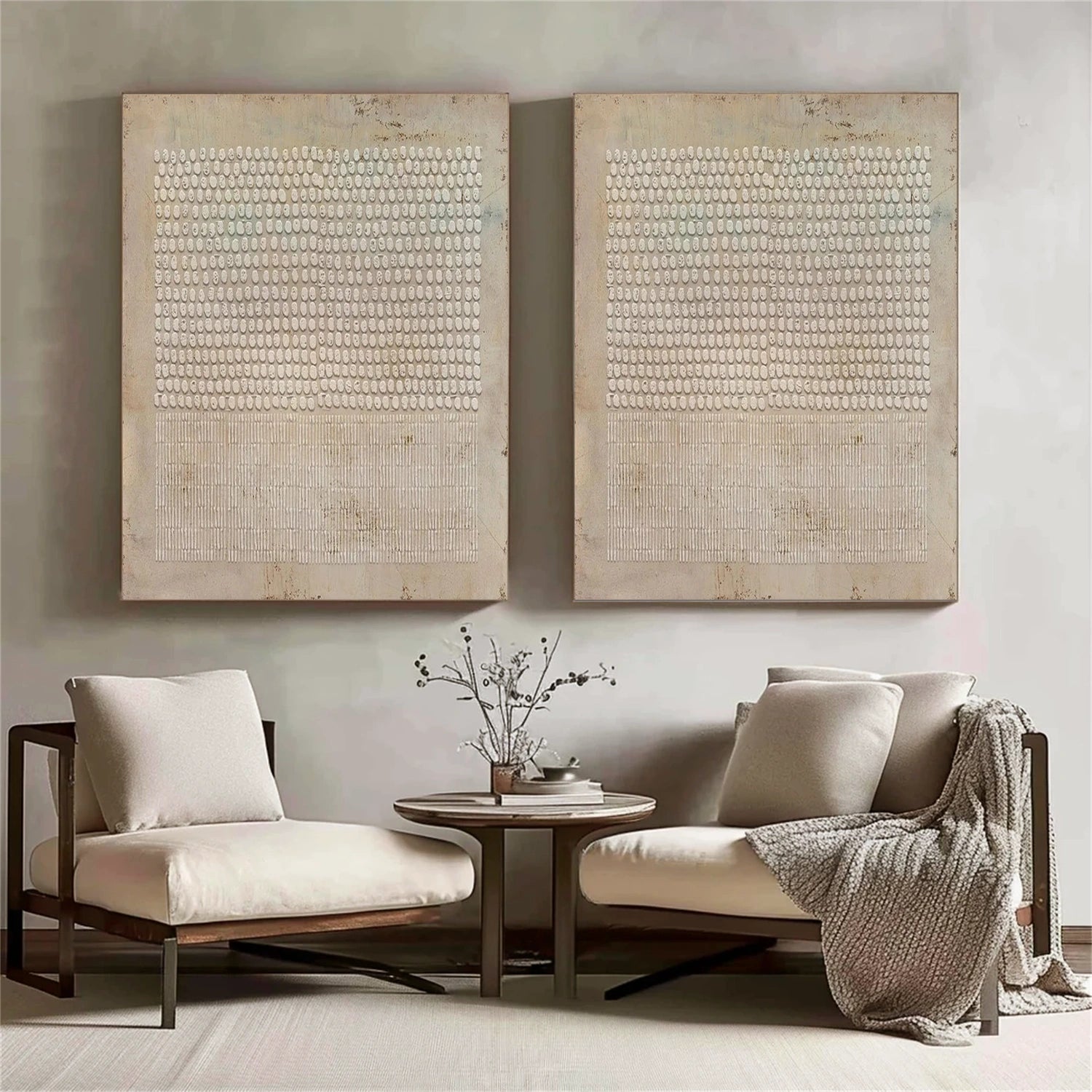
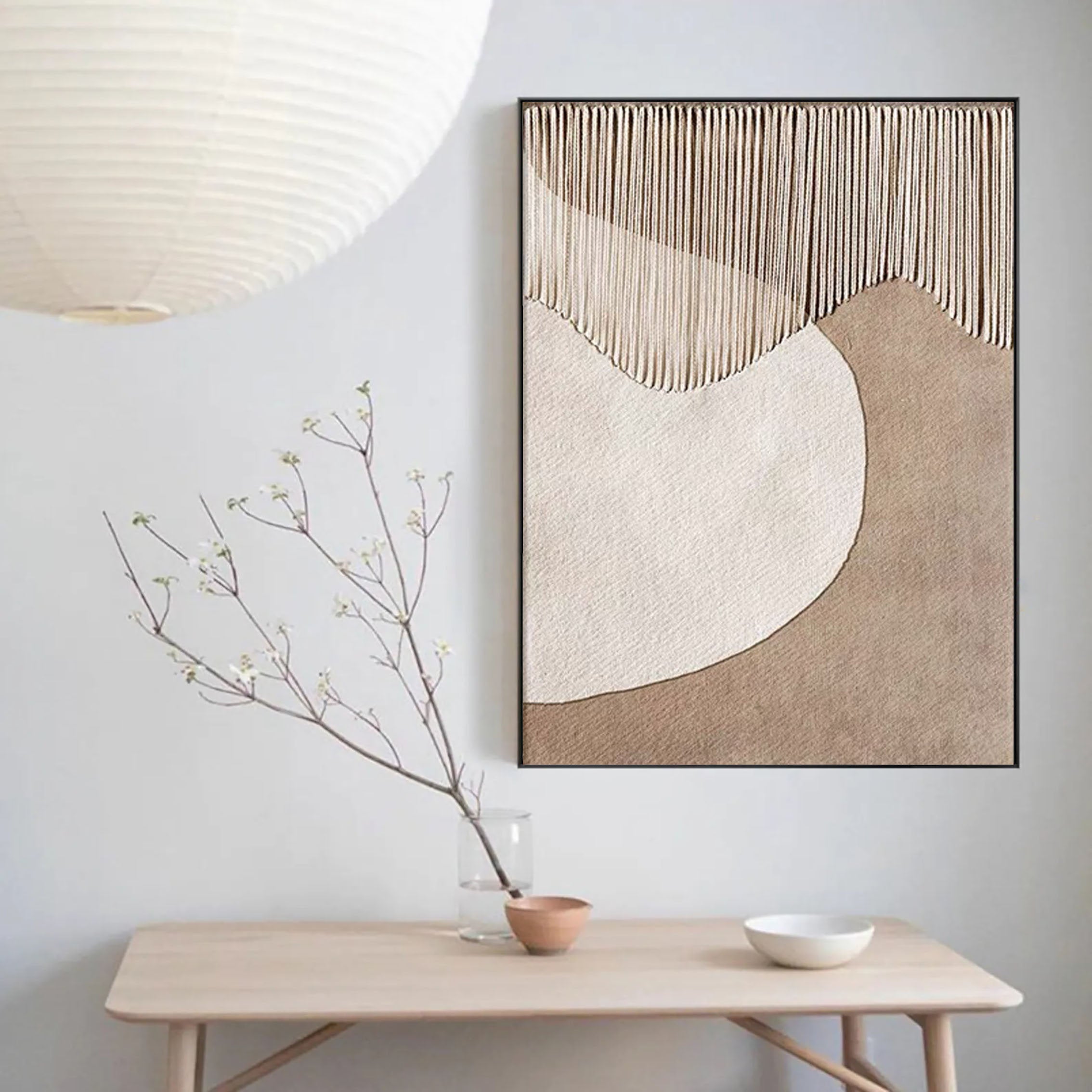
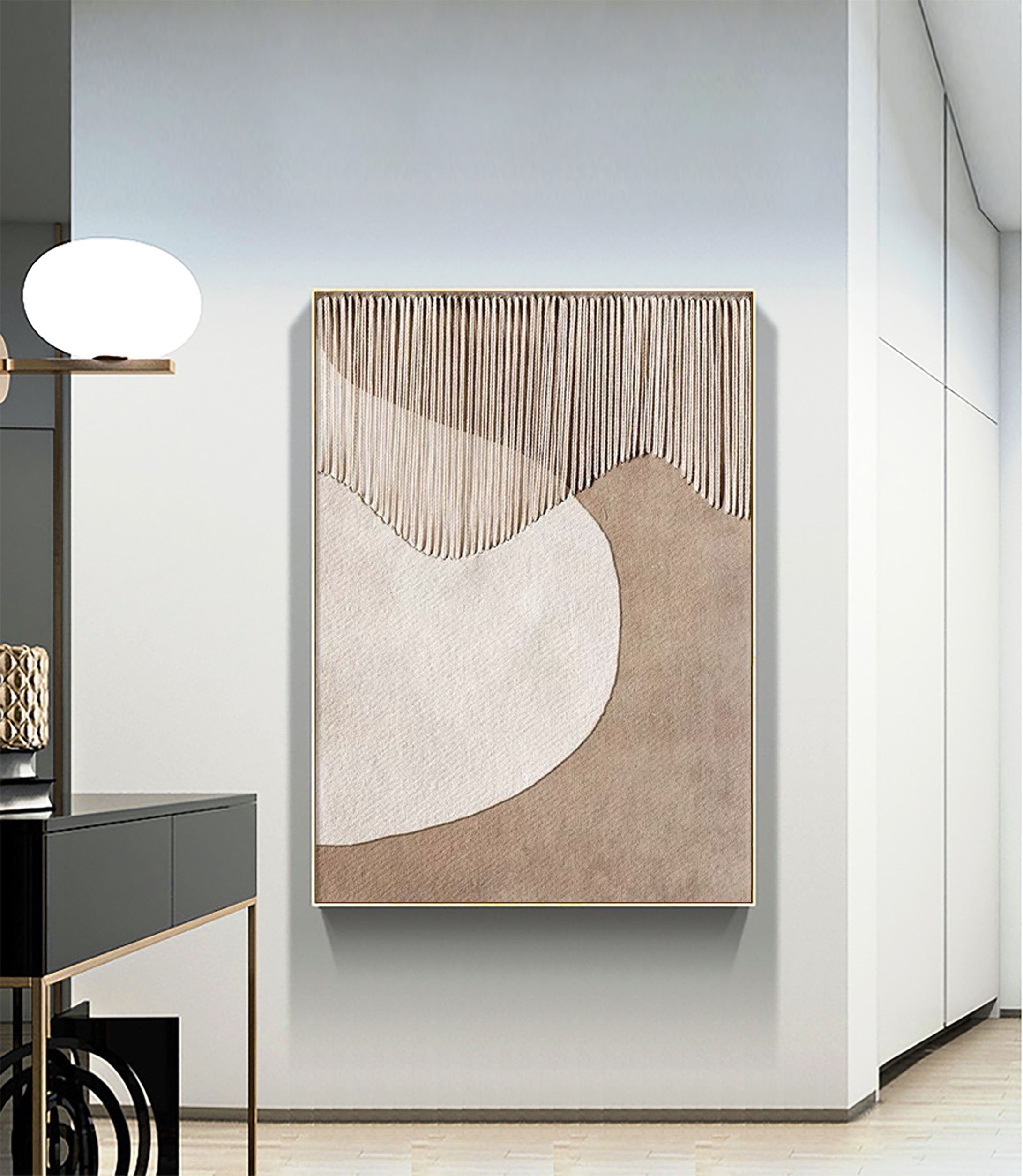
Wabi-sabi art prints are a celebration of the Japanese philosophy that embraces beauty in imperfection, impermanence, and simplicity. These art pieces are characterized by muted tones, raw textures, and asymmetry, evoking a sense of calm and authenticity. At Vinchy Art, wabi-sabi prints serve as a reminder to find tranquility in life's fleeting moments, offering a serene aesthetic to any space.

How Did the Wabi-Sabi Philosophy Originate?

Wabi-sabi emerged from Zen Buddhist teachings in 15th-century Japan, particularly through the tea ceremony culture. The philosophy emphasized simplicity, humility, and the beauty of aging. Wabi, meaning tranquil simplicity, and sabi, meaning the grace brought by age, together define a worldview that appreciates the natural process of decay, offering wisdom in imperfection.

What Defines Wabi-Sabi in Art Prints?

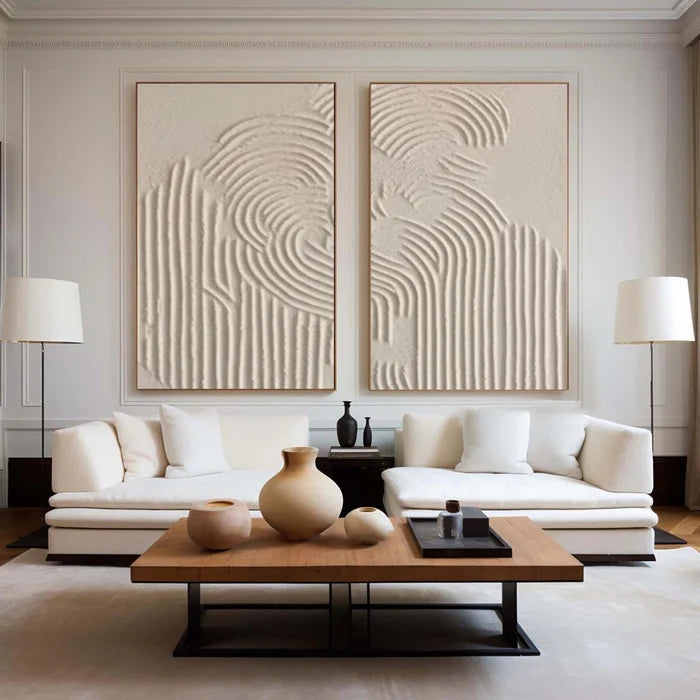
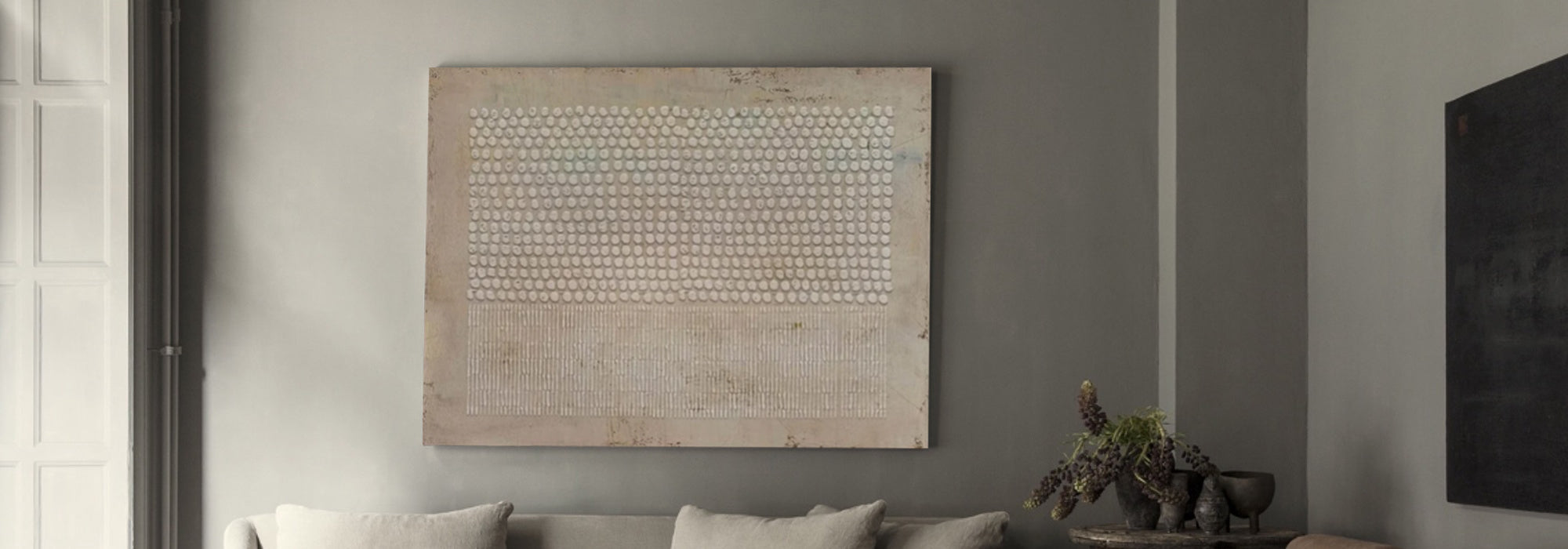
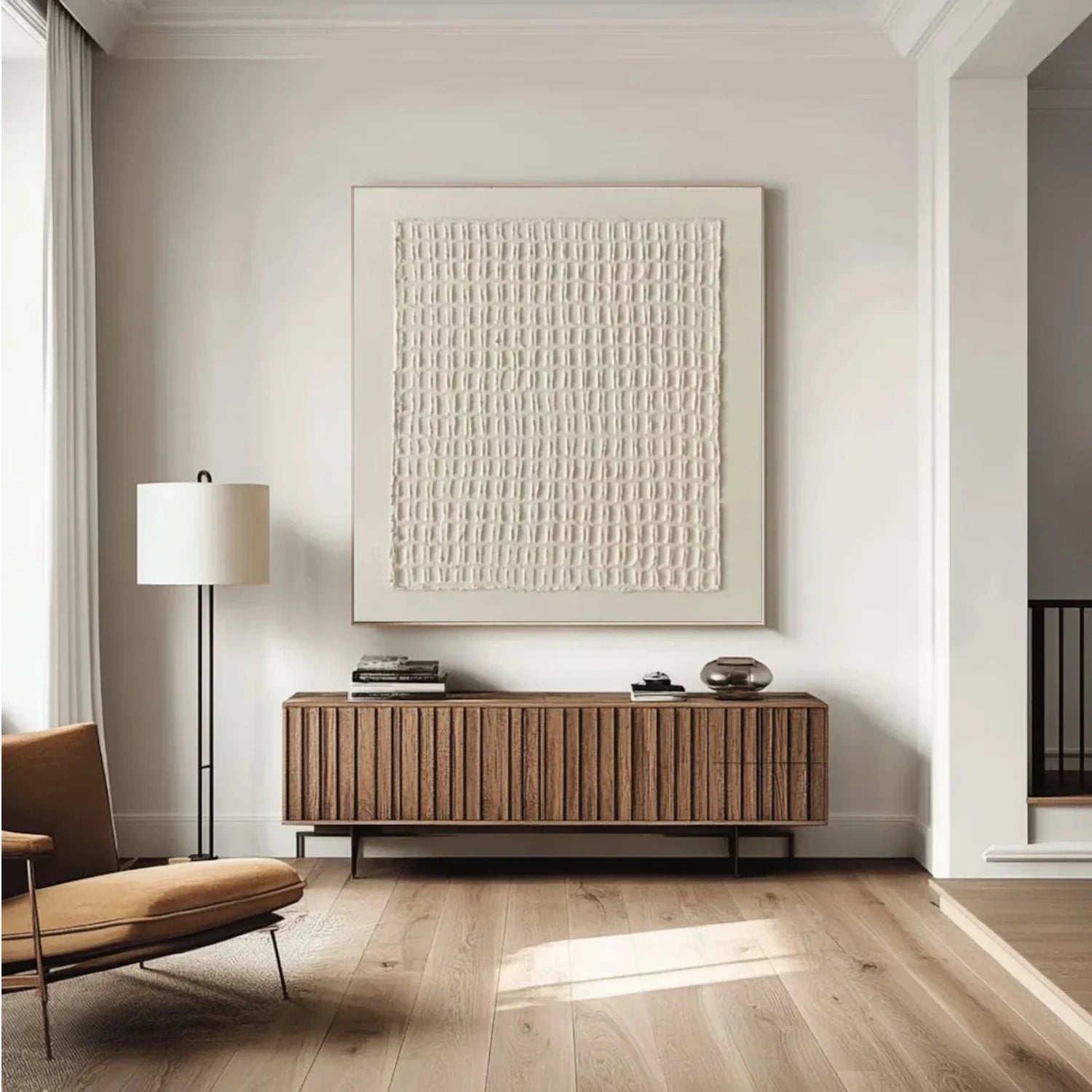
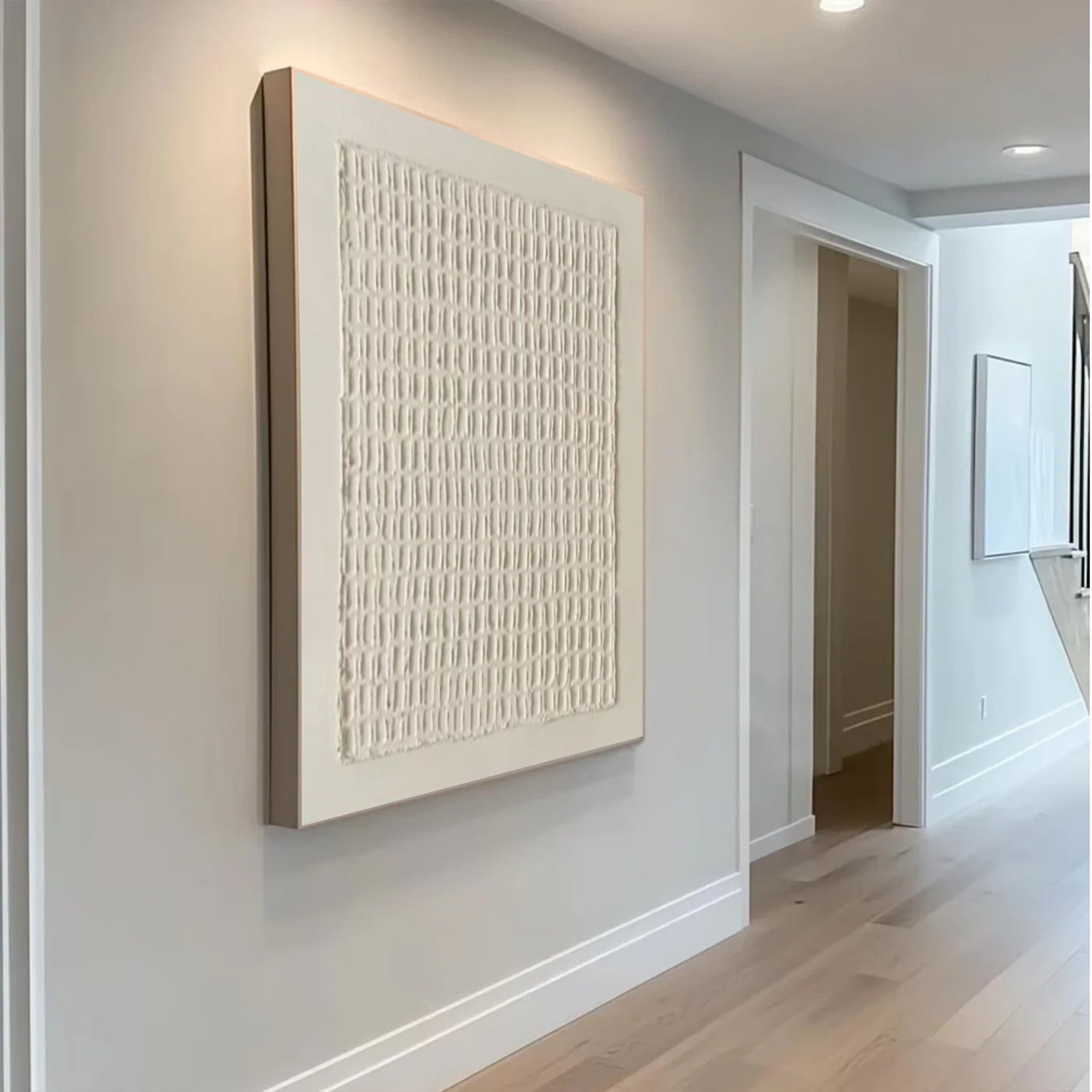
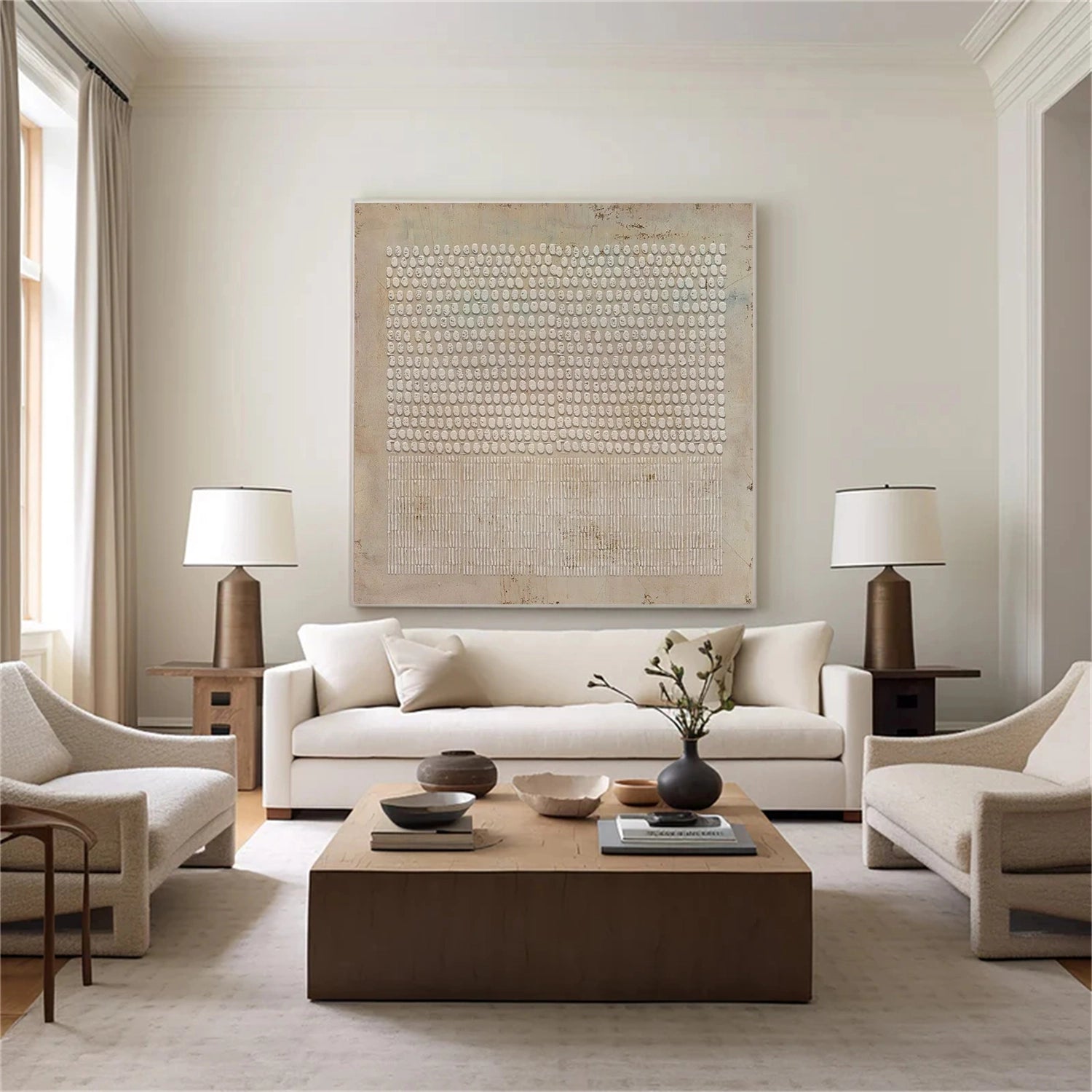
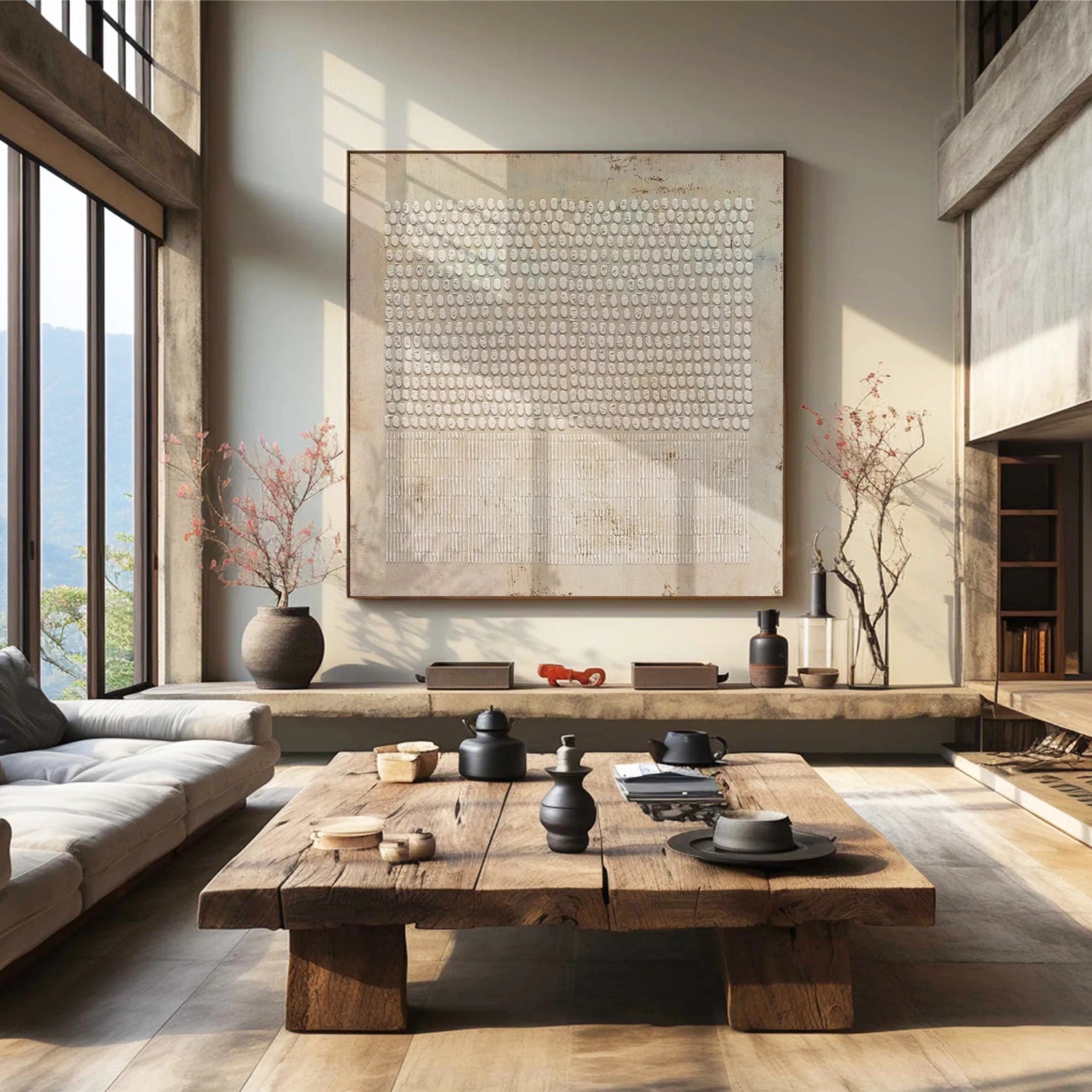
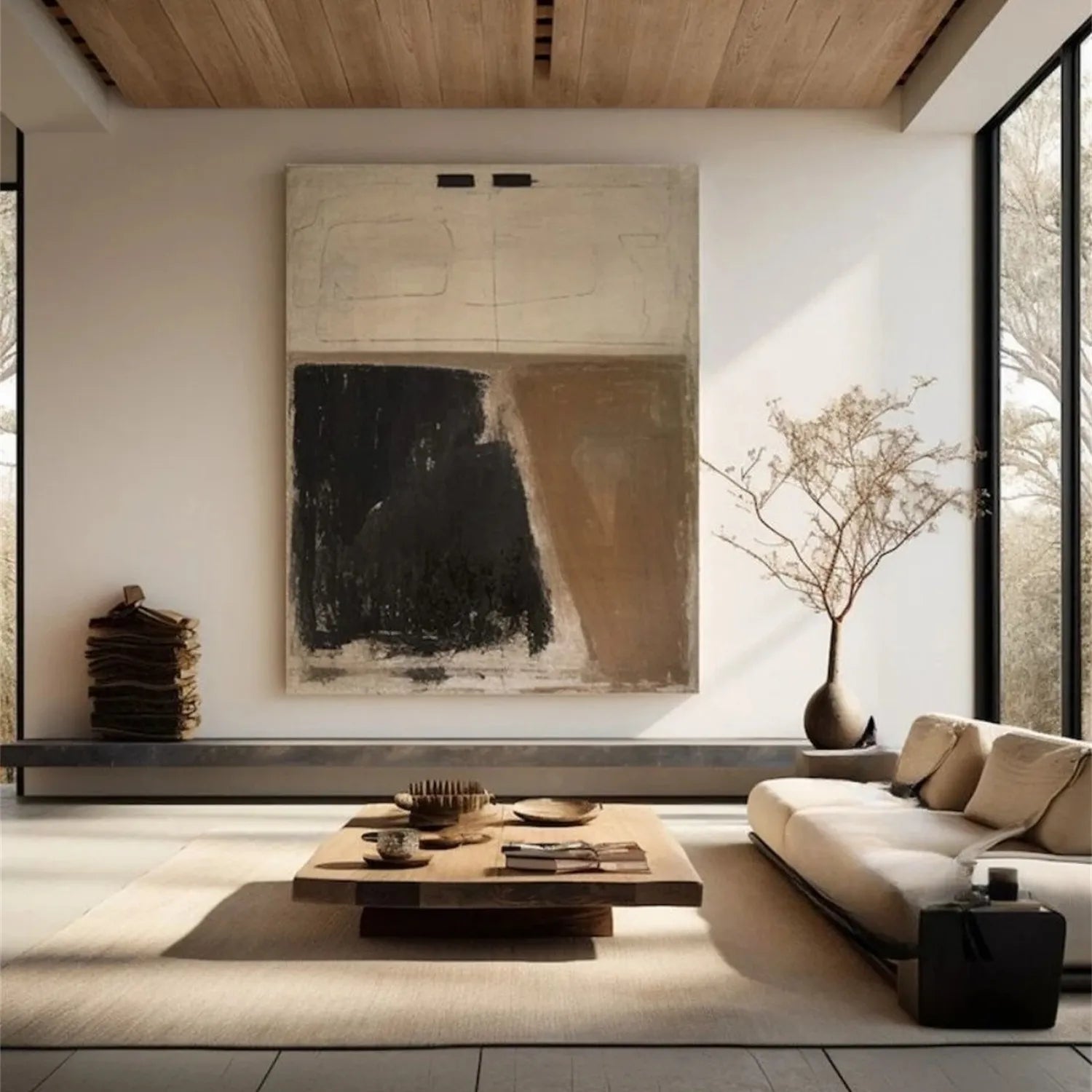
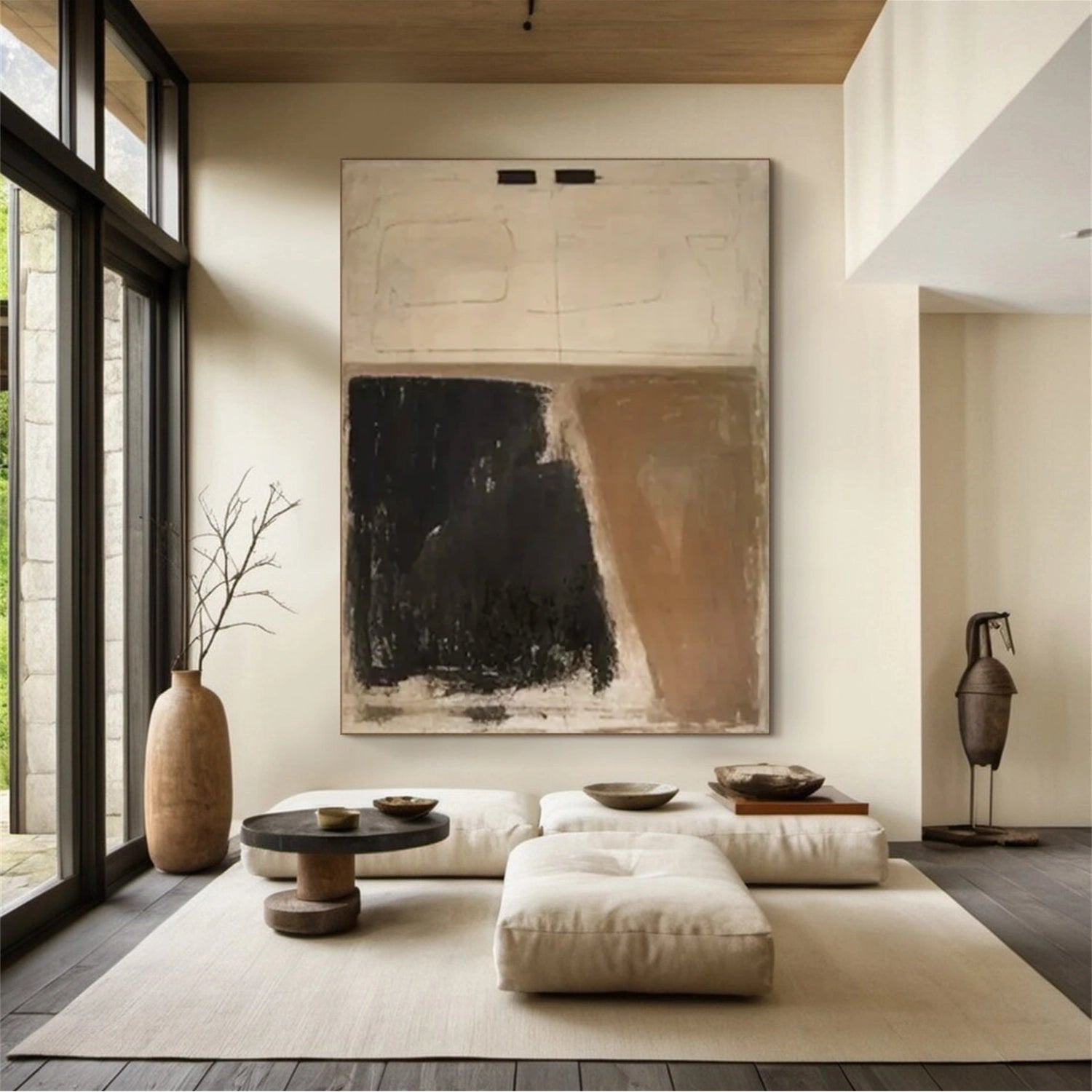
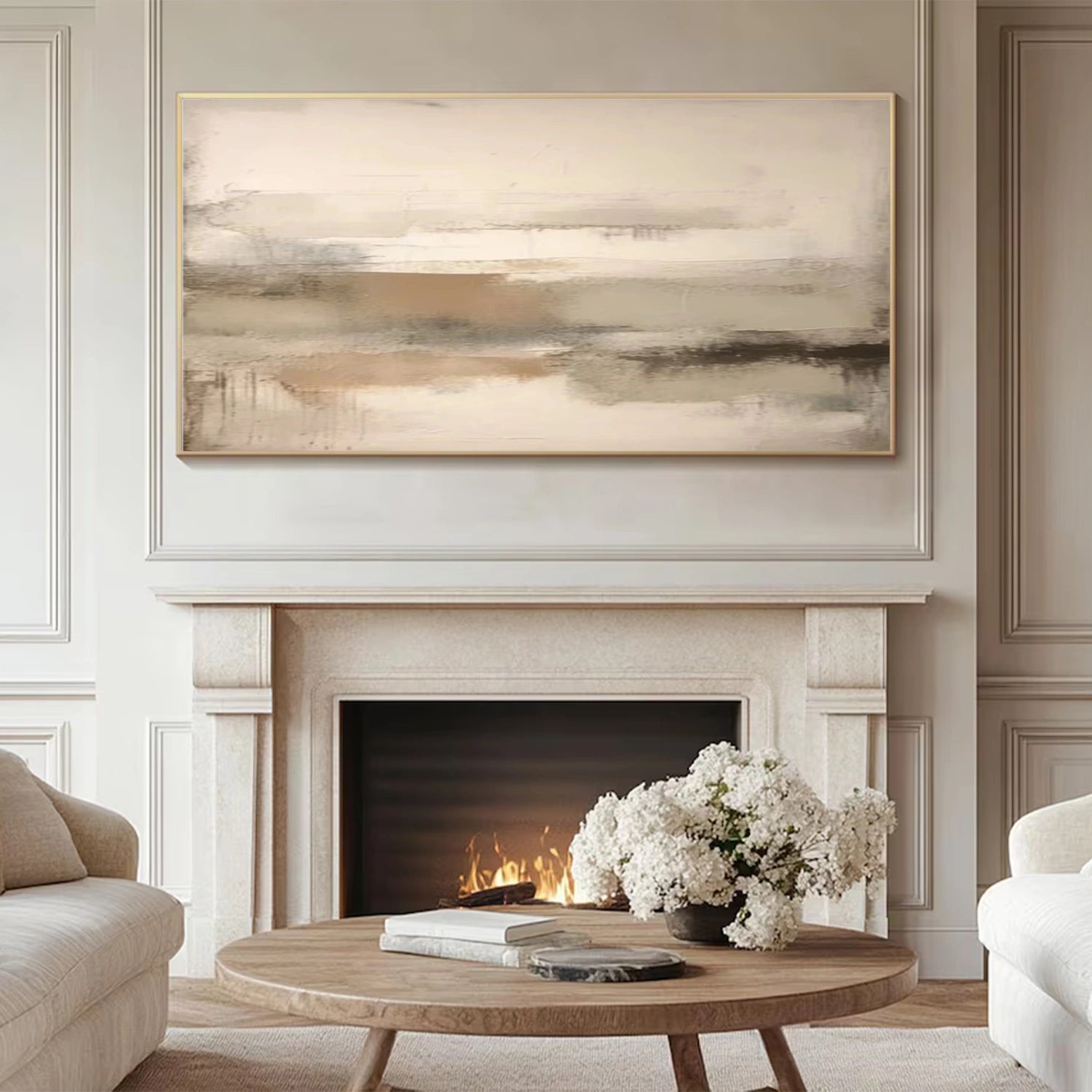
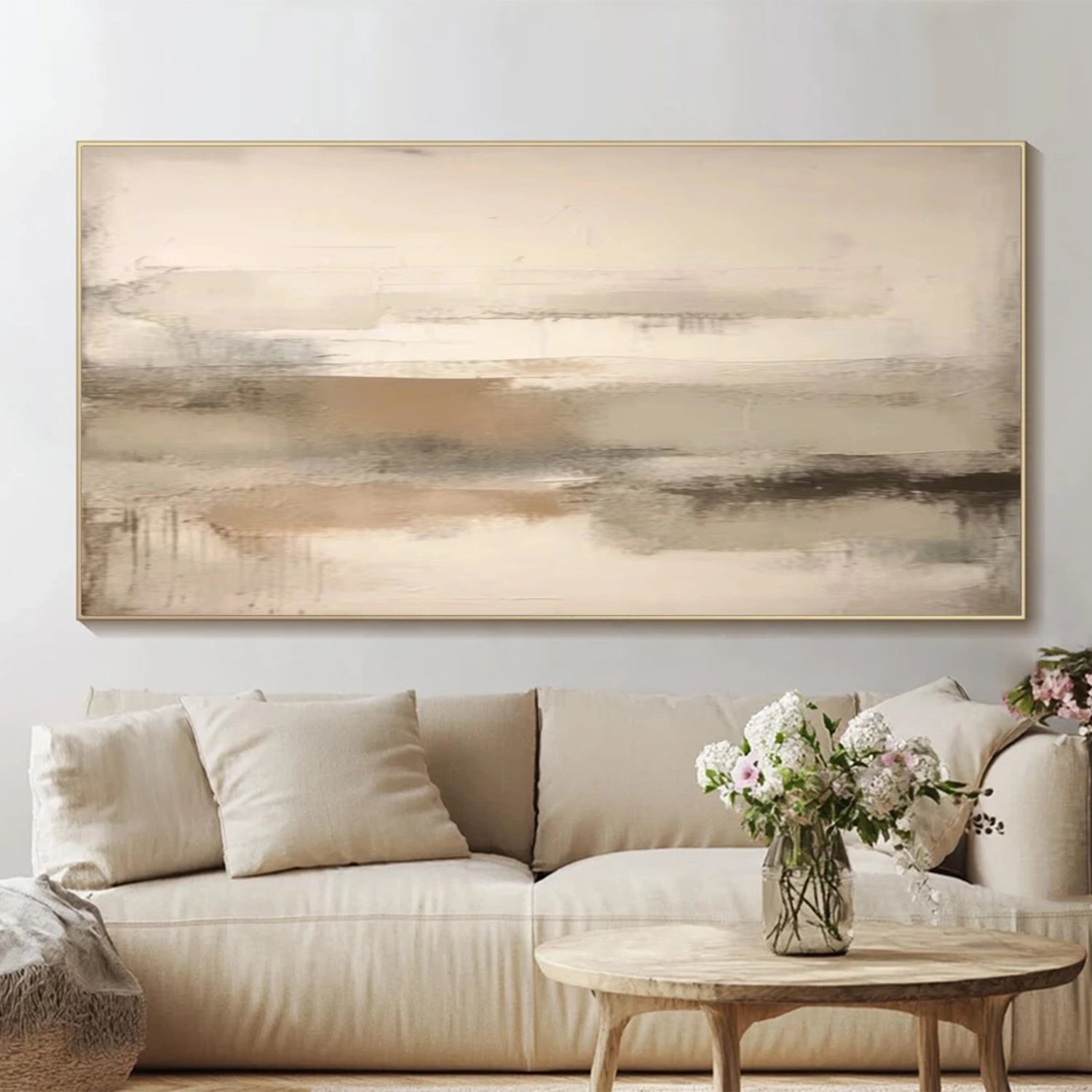
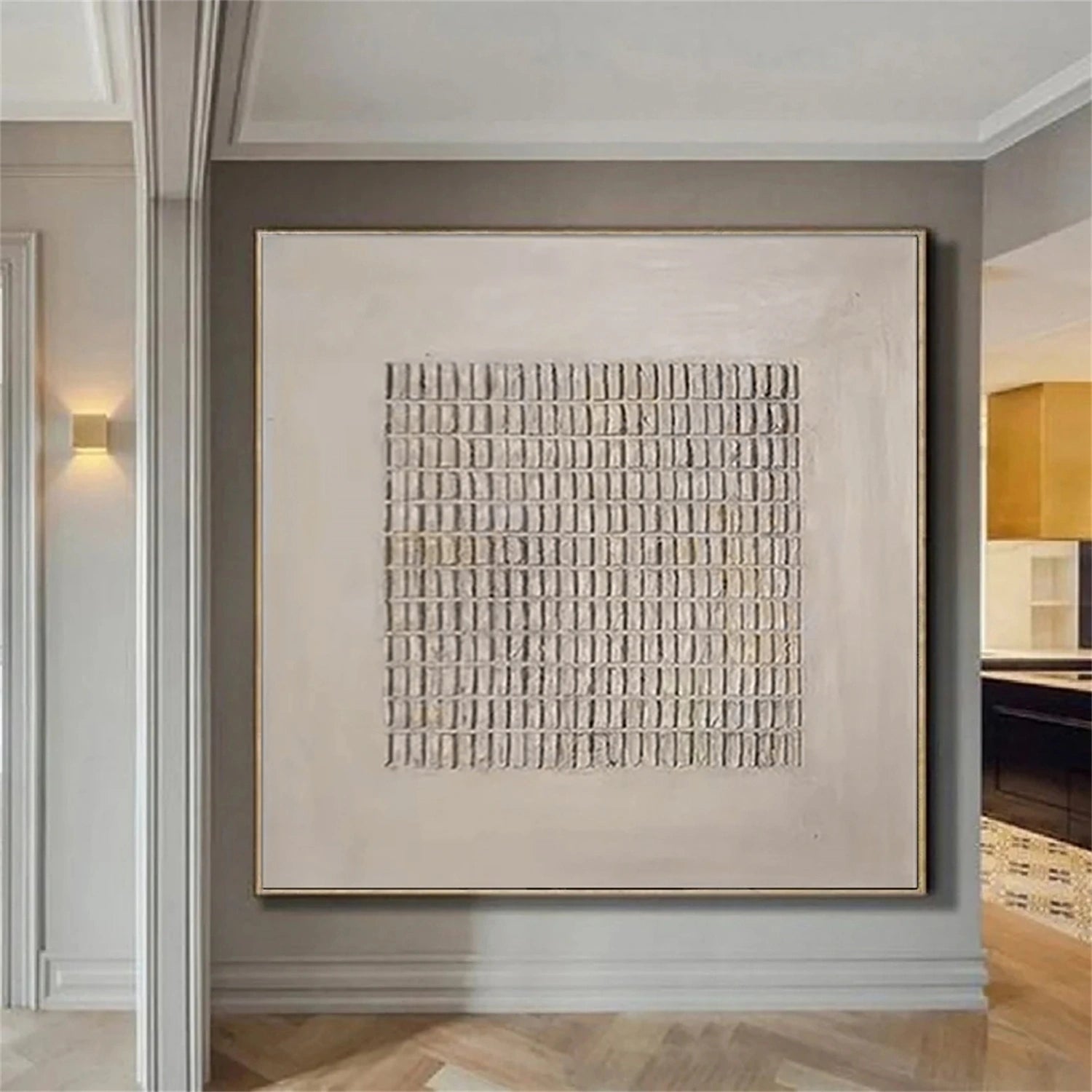
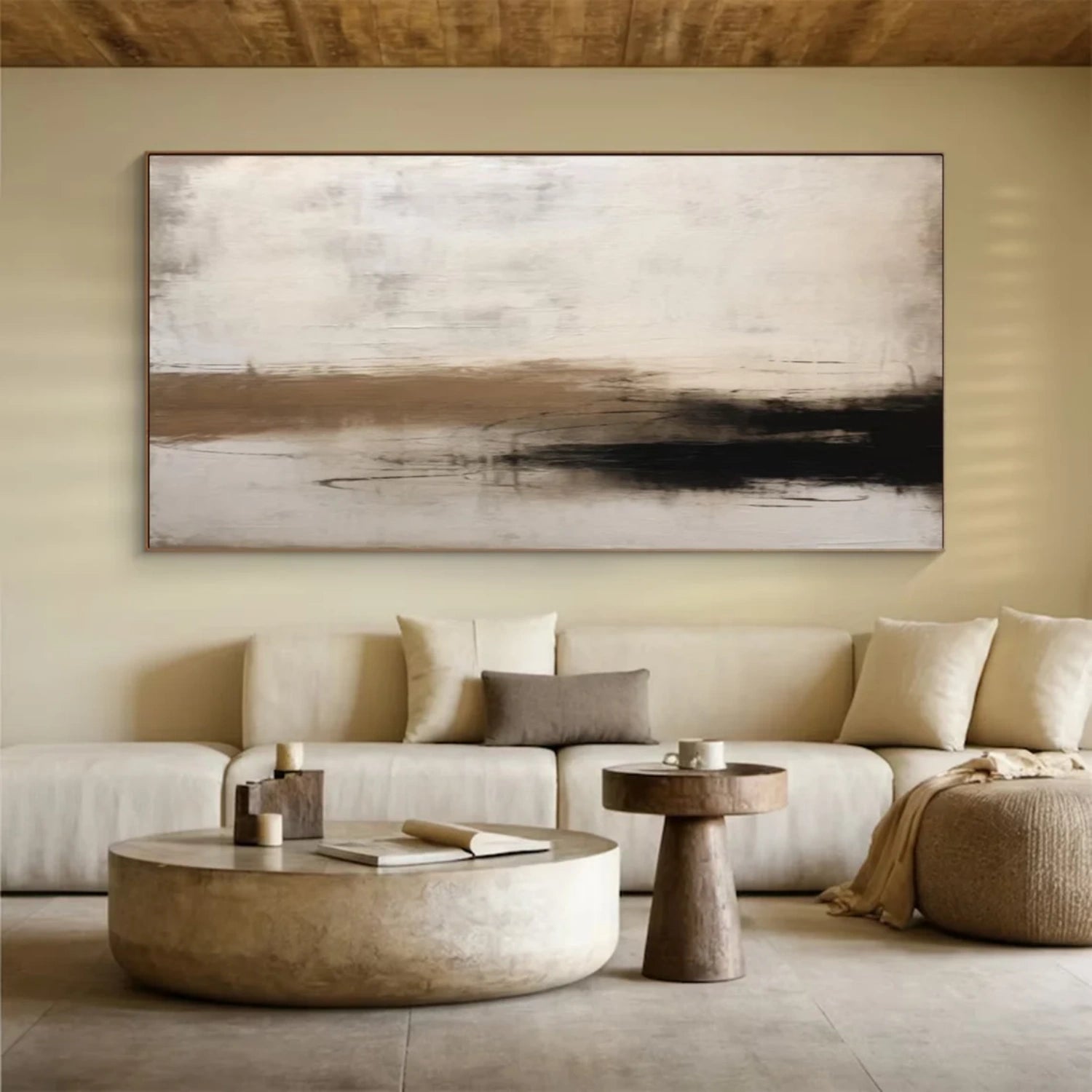
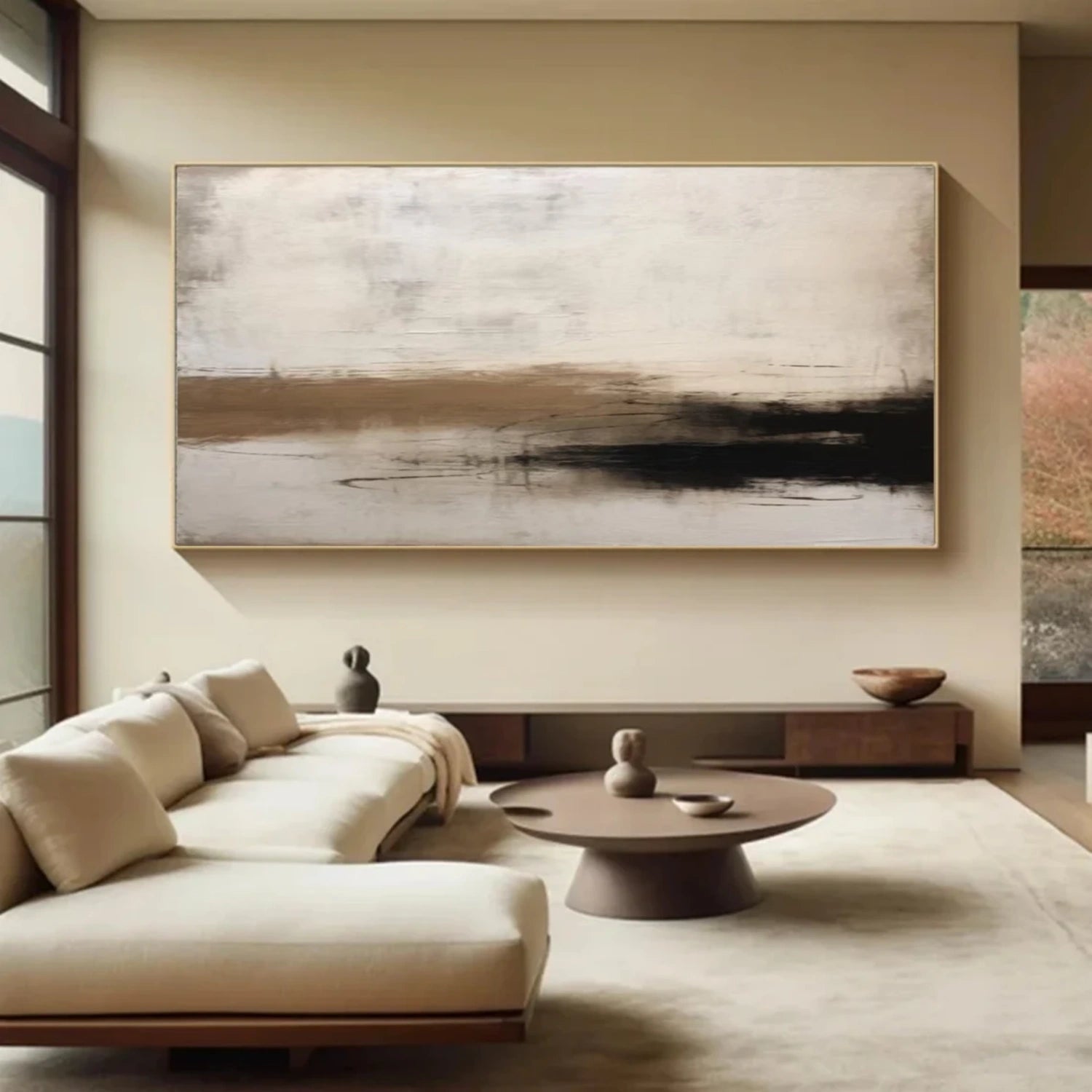
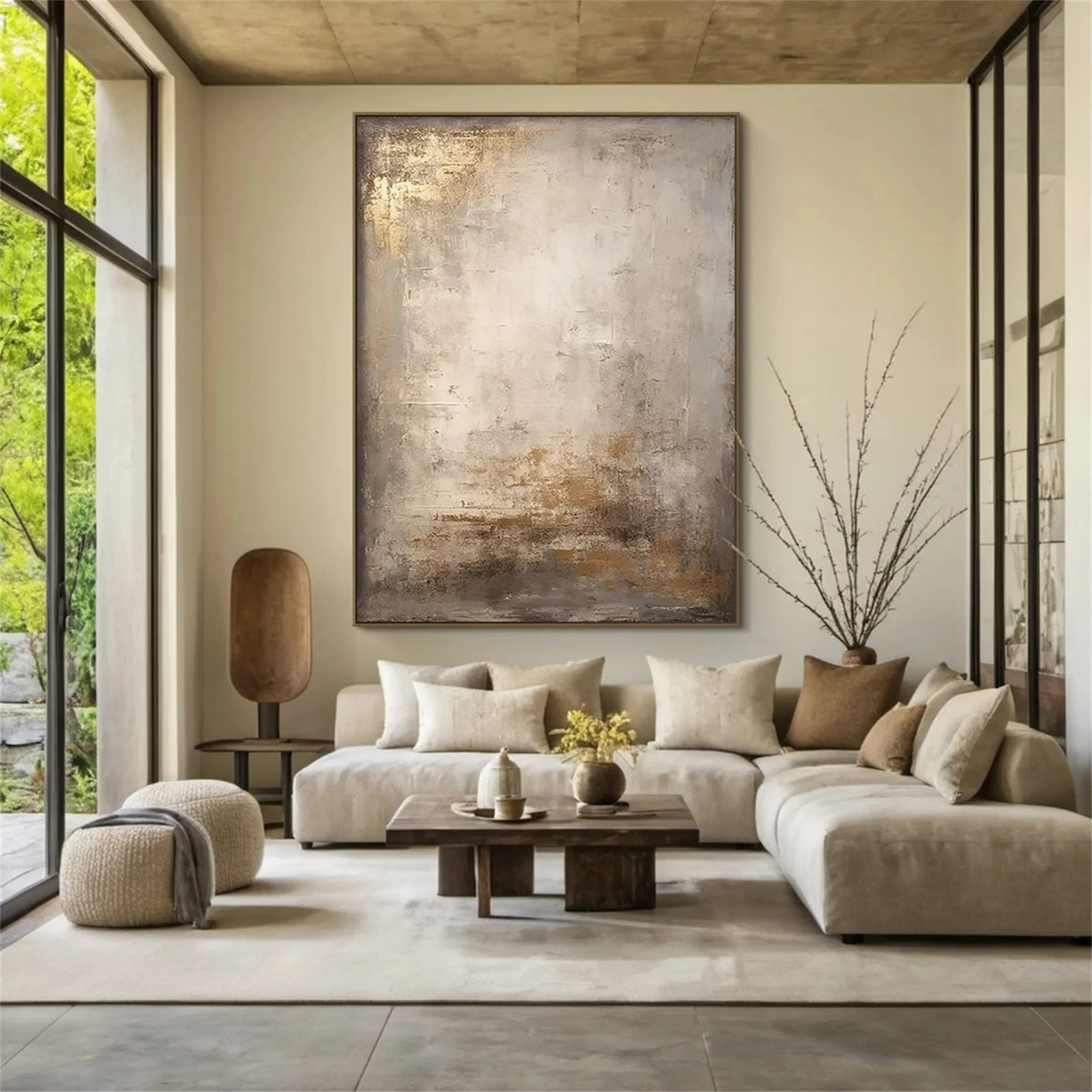
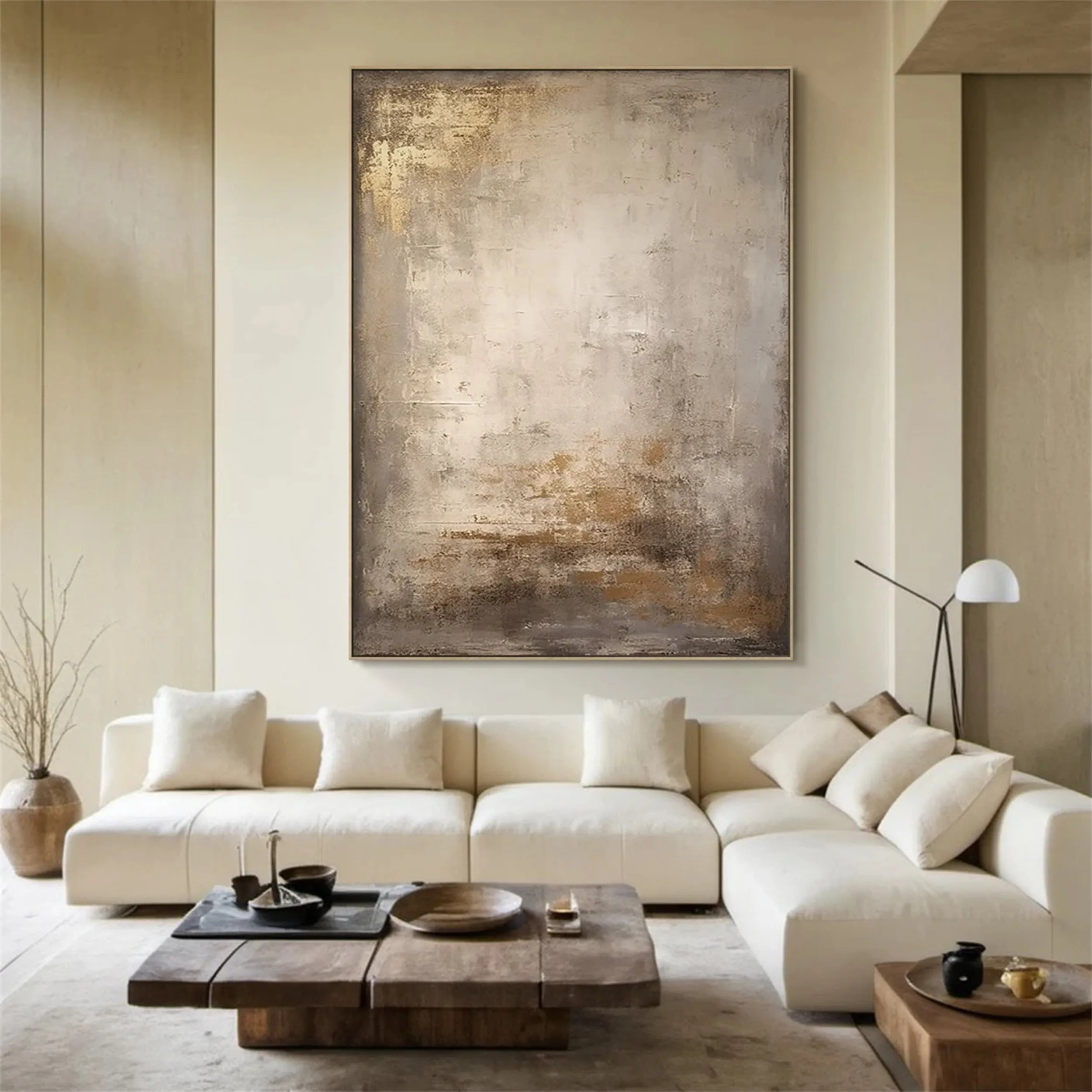
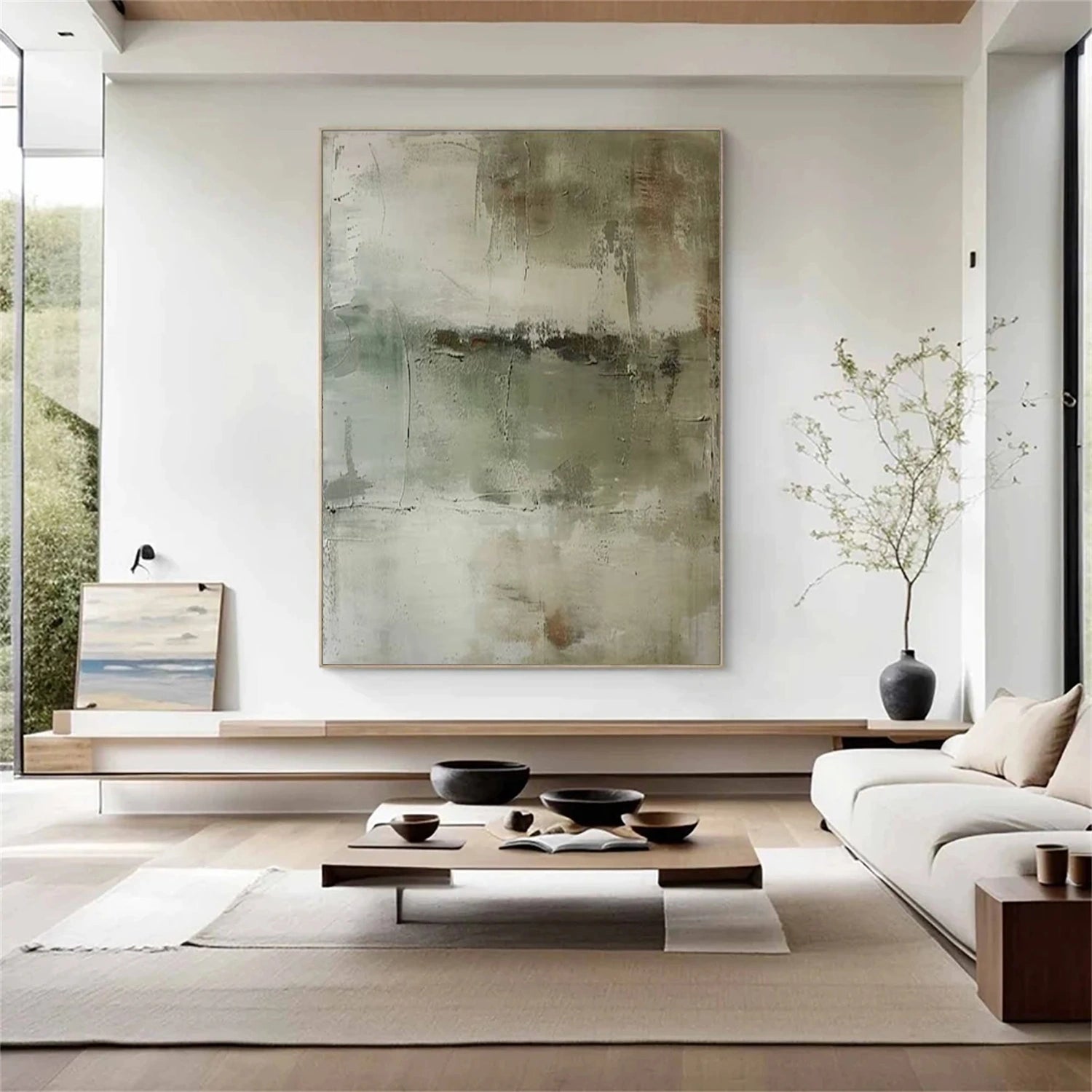
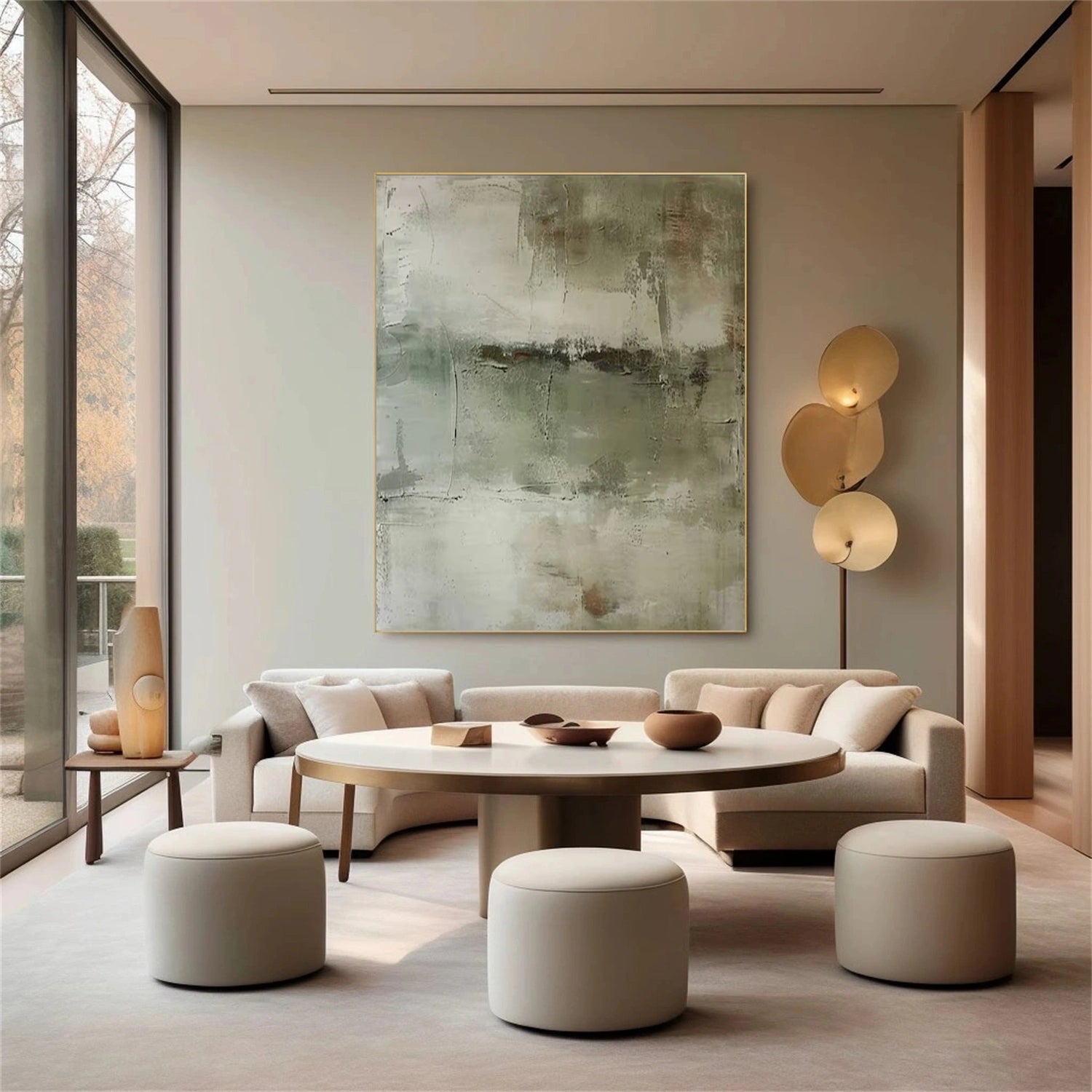
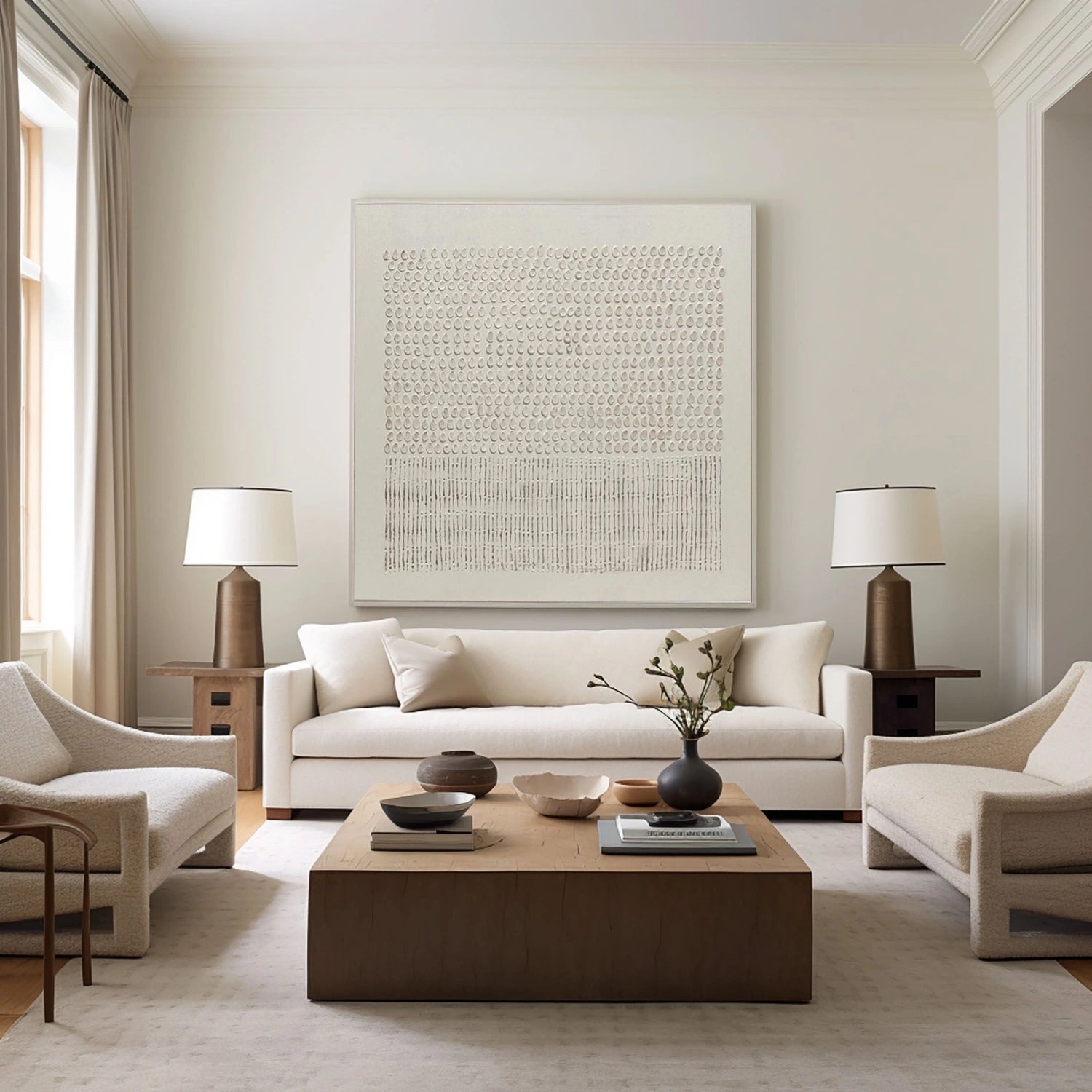
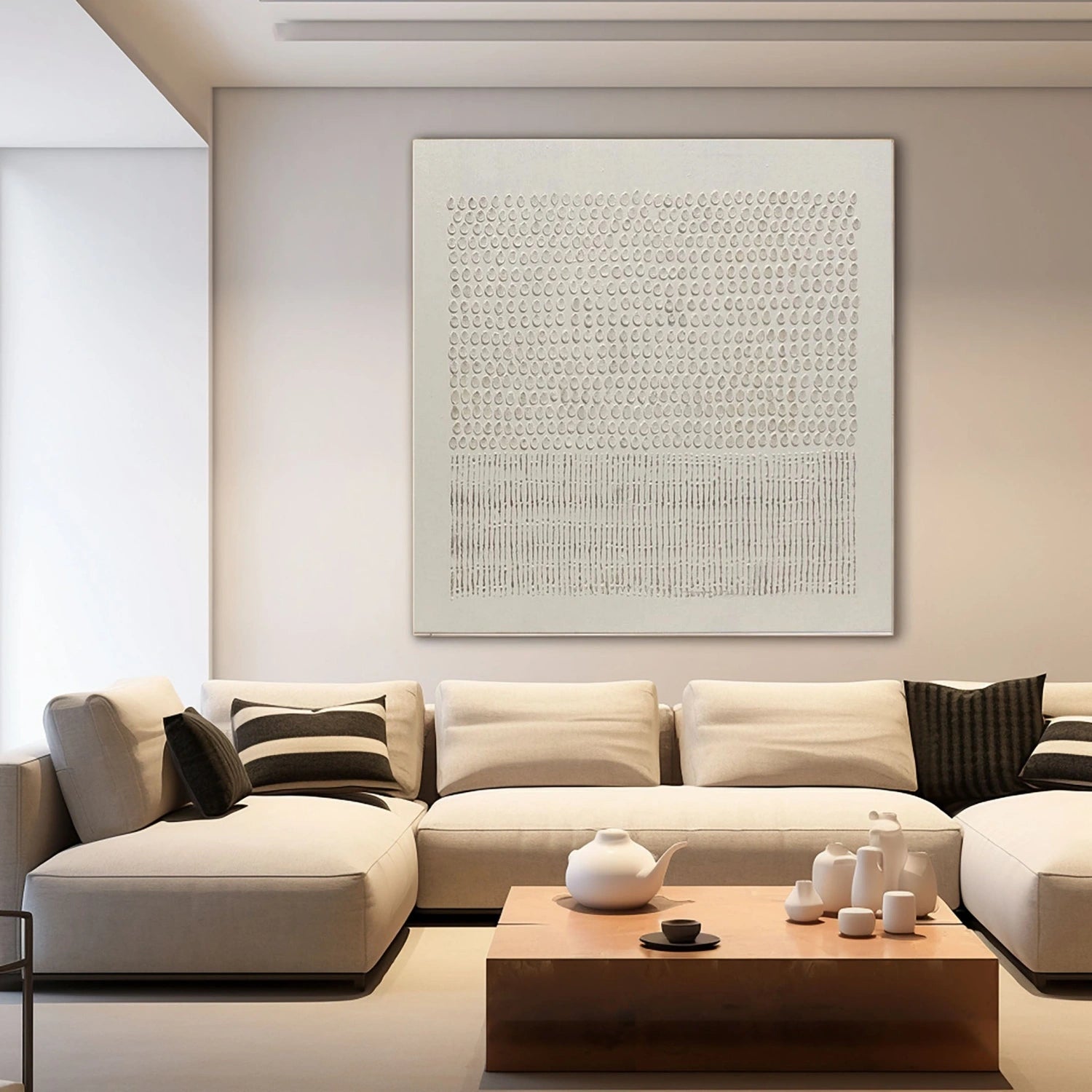
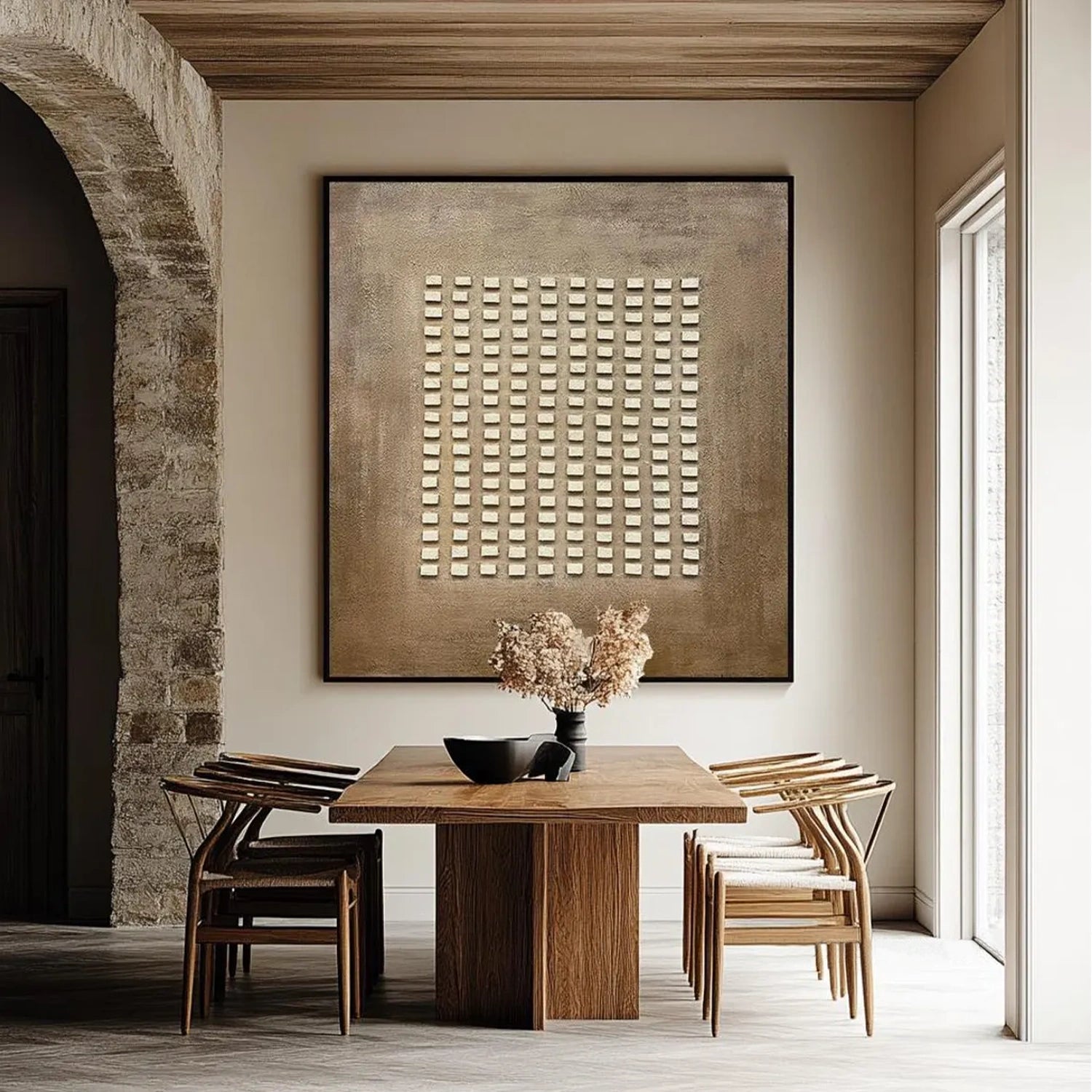
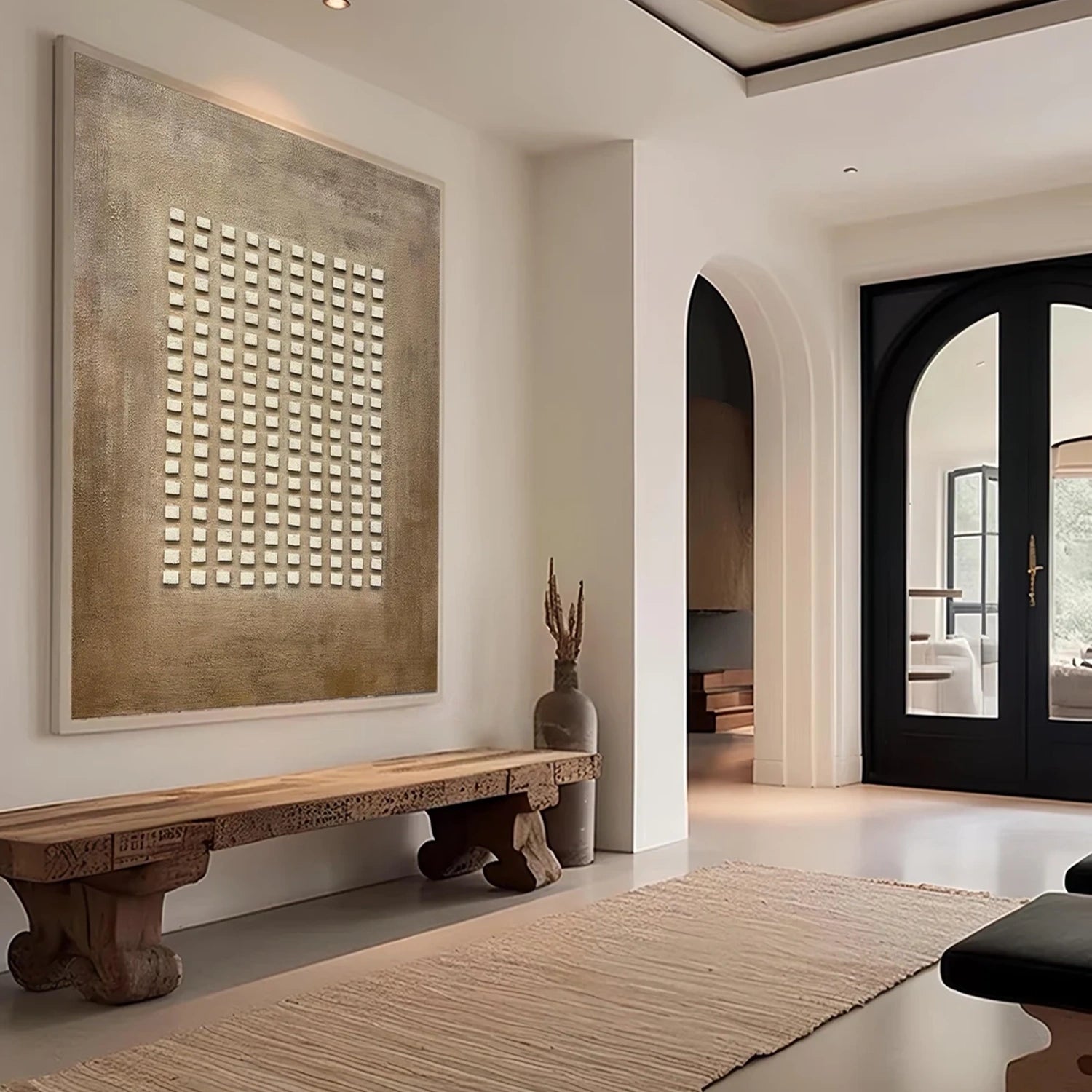
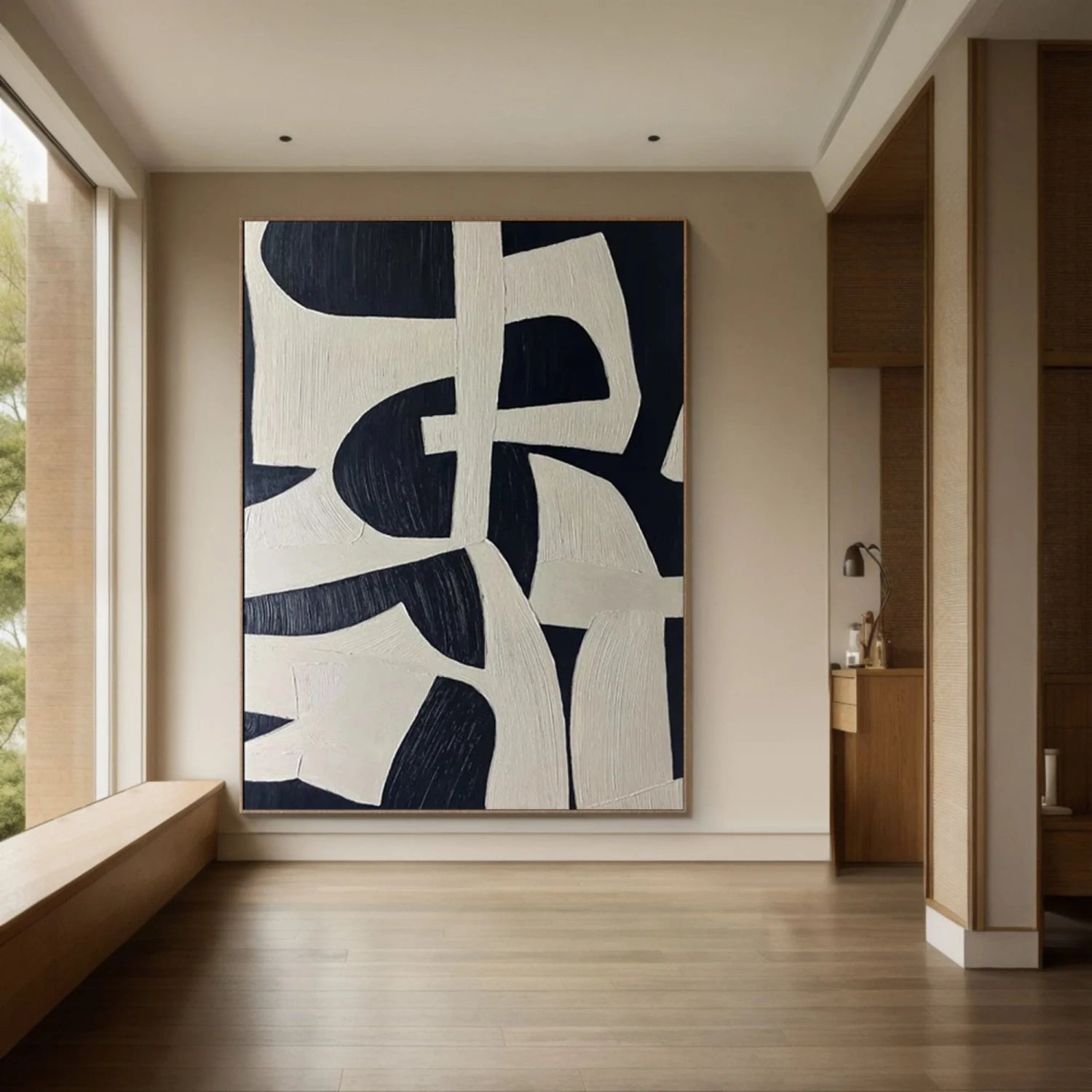
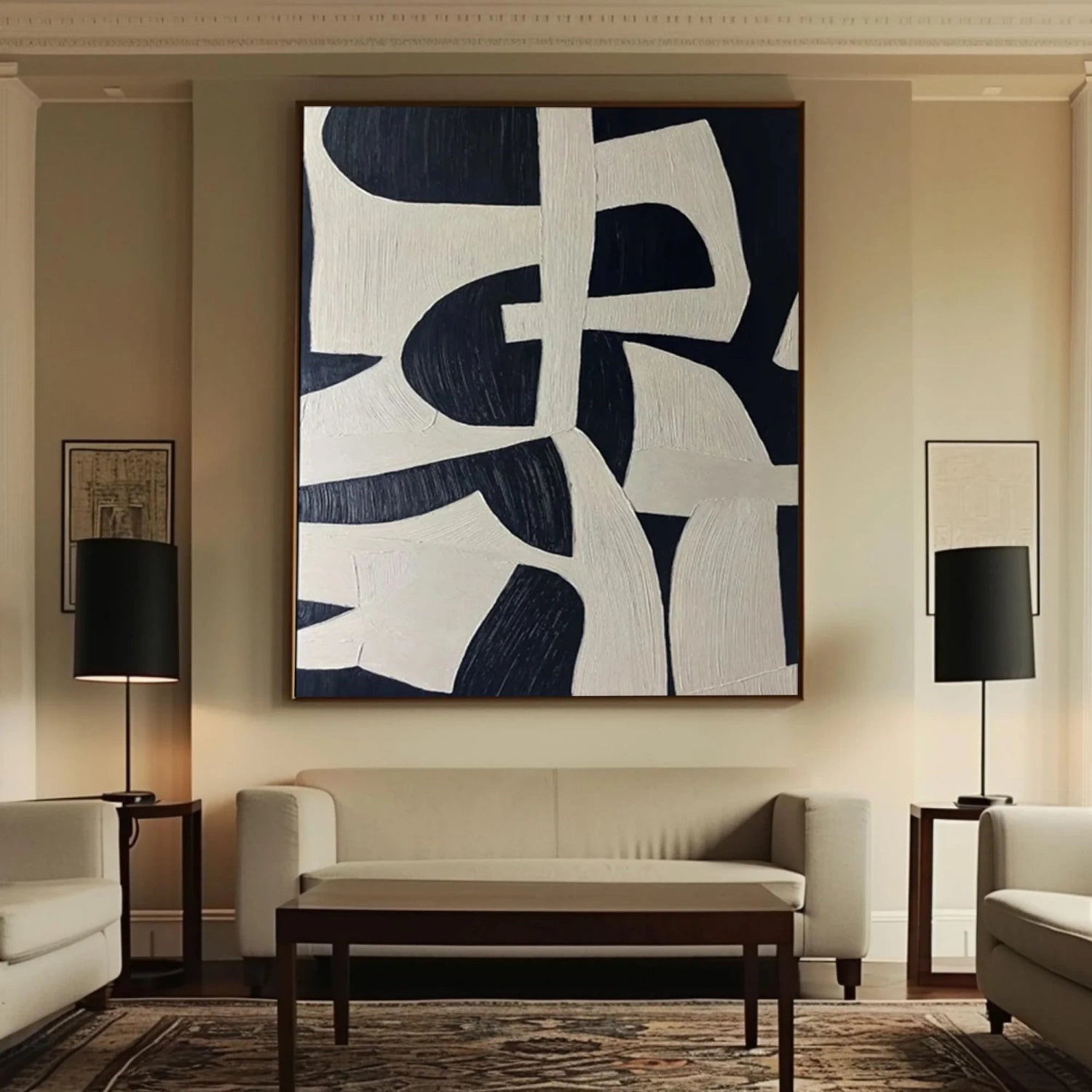
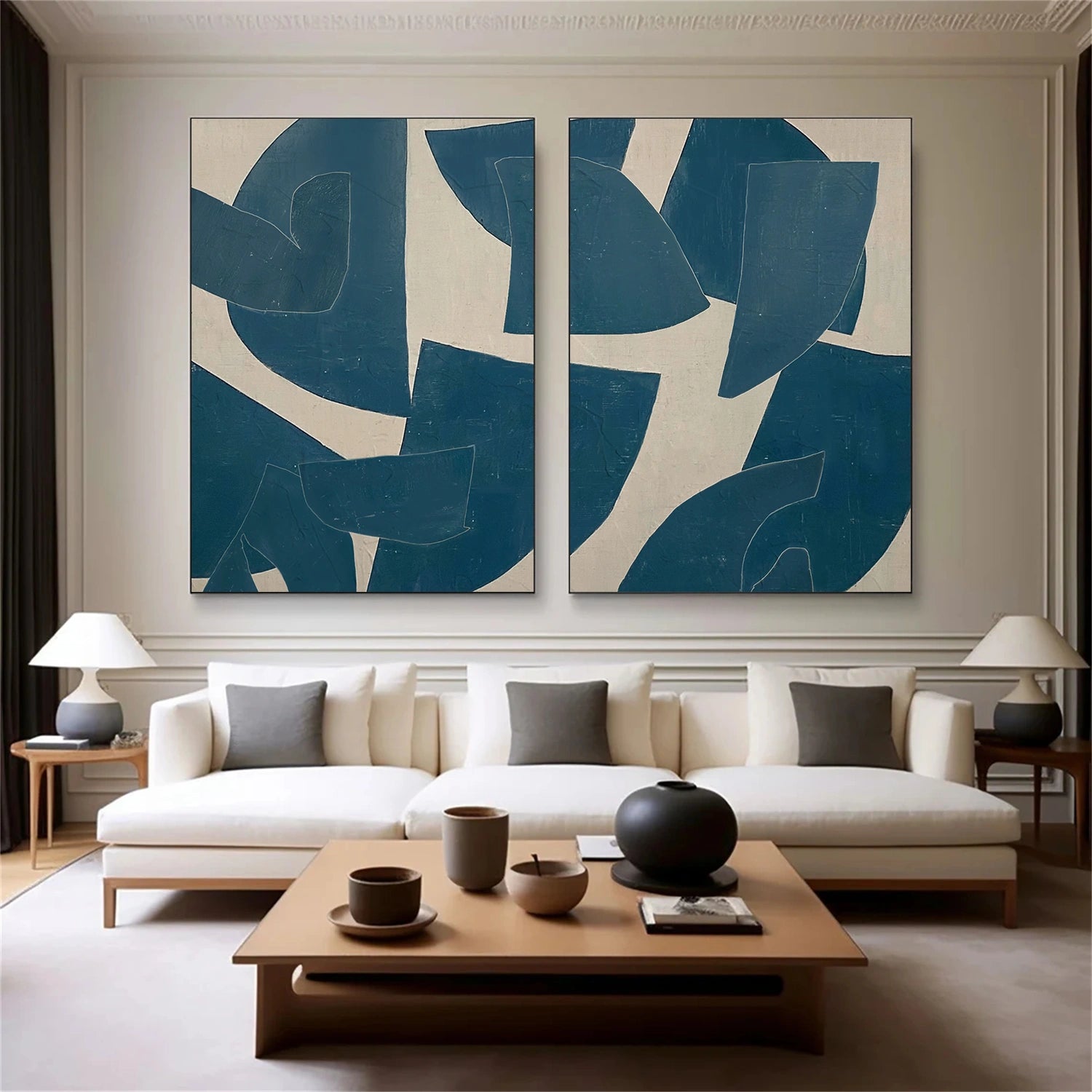
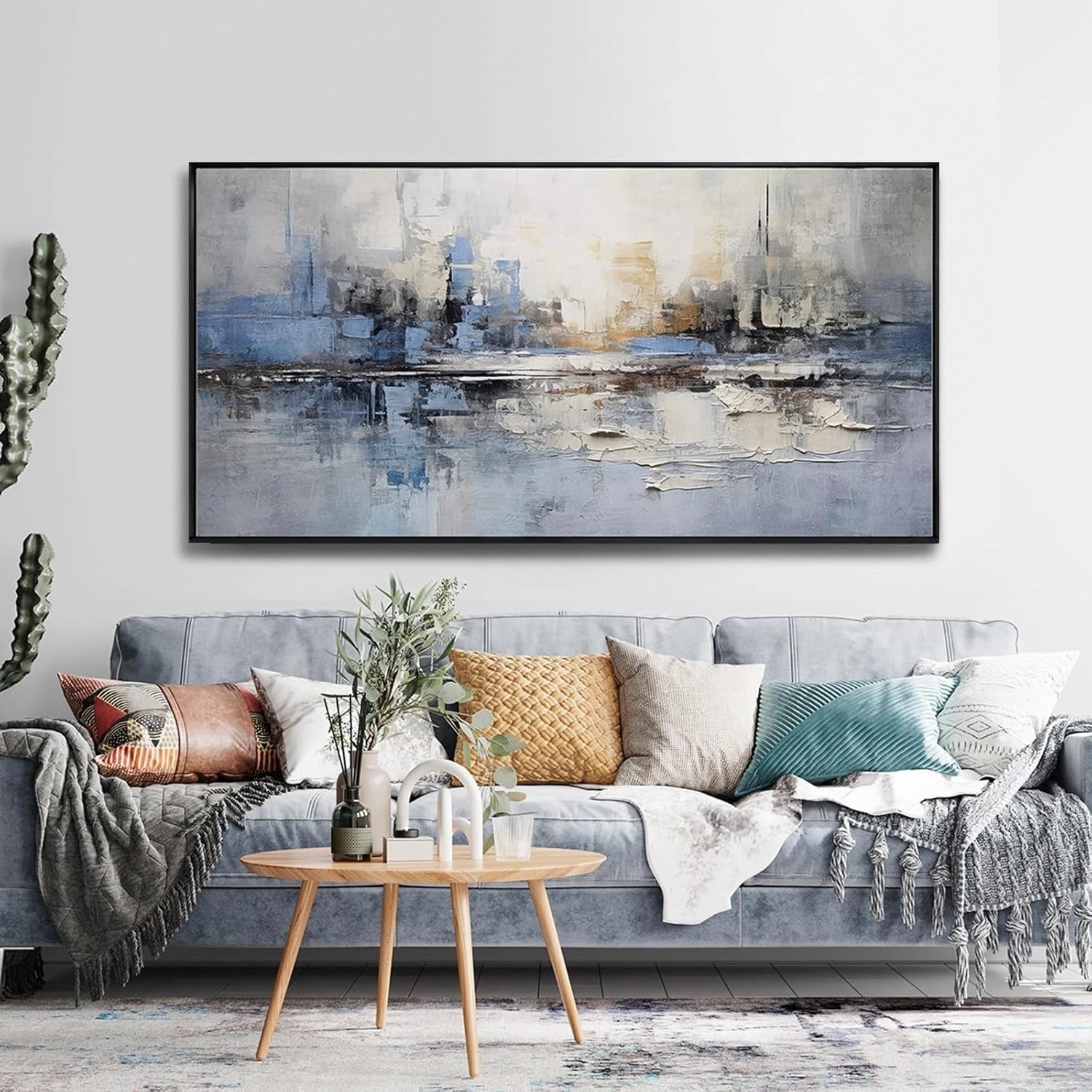
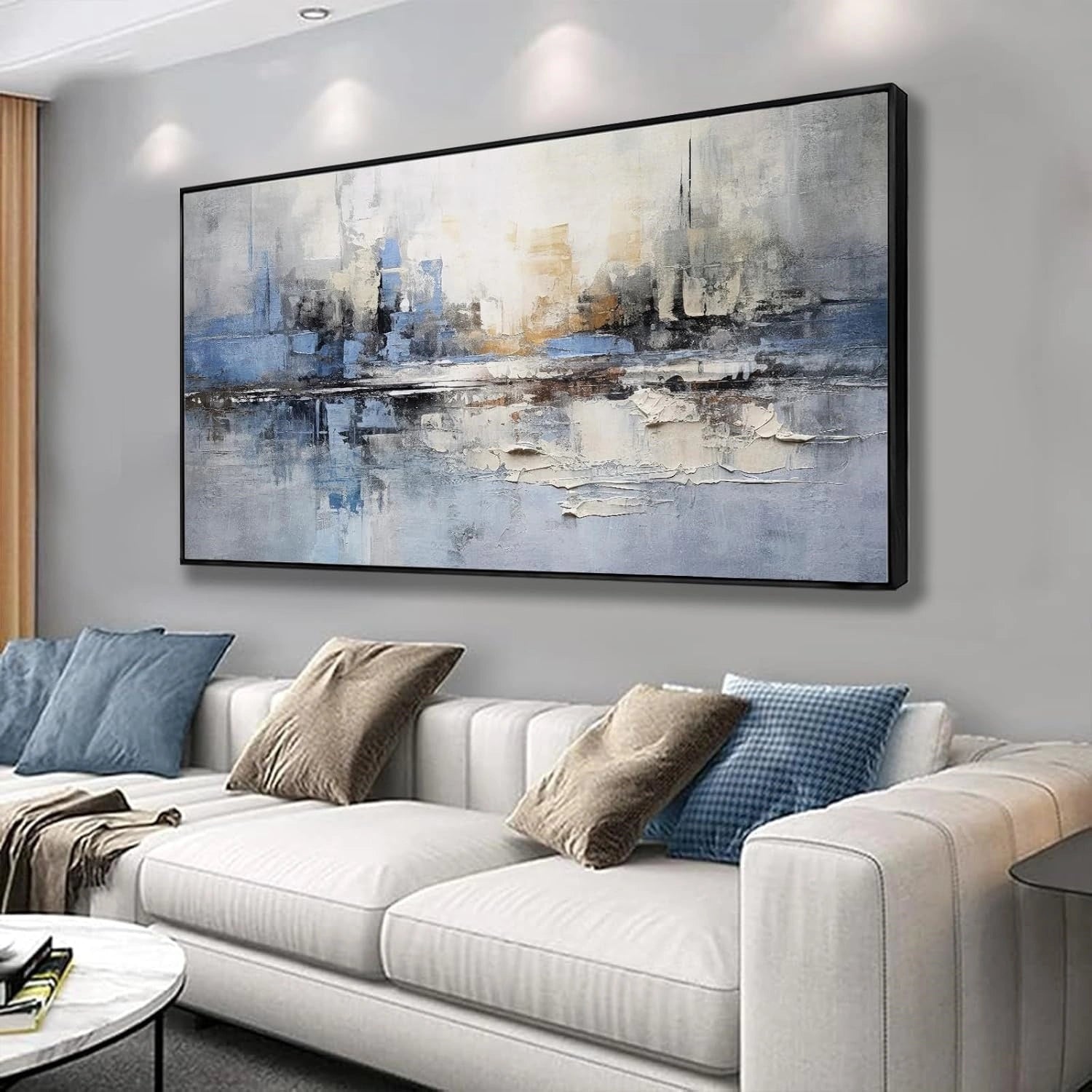
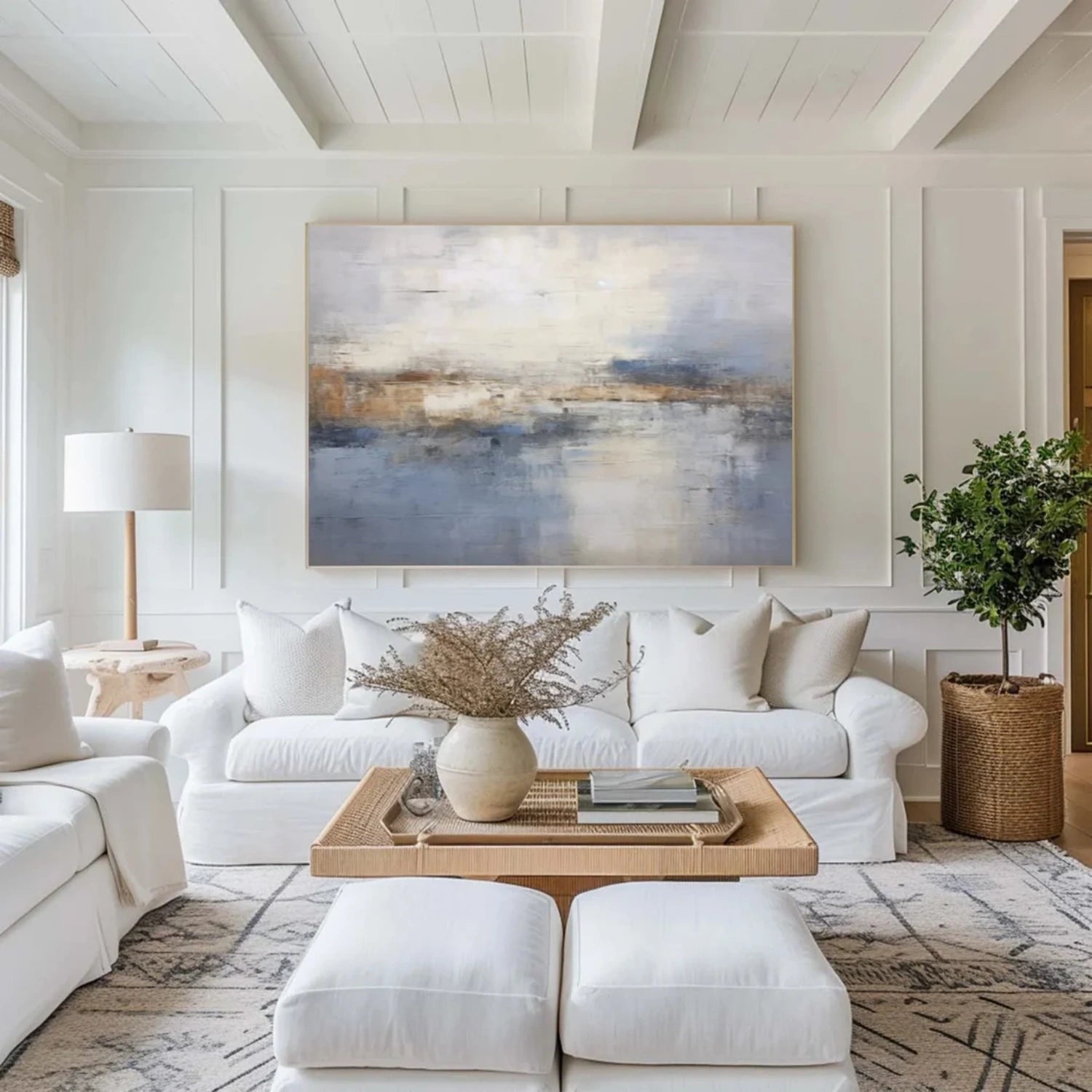
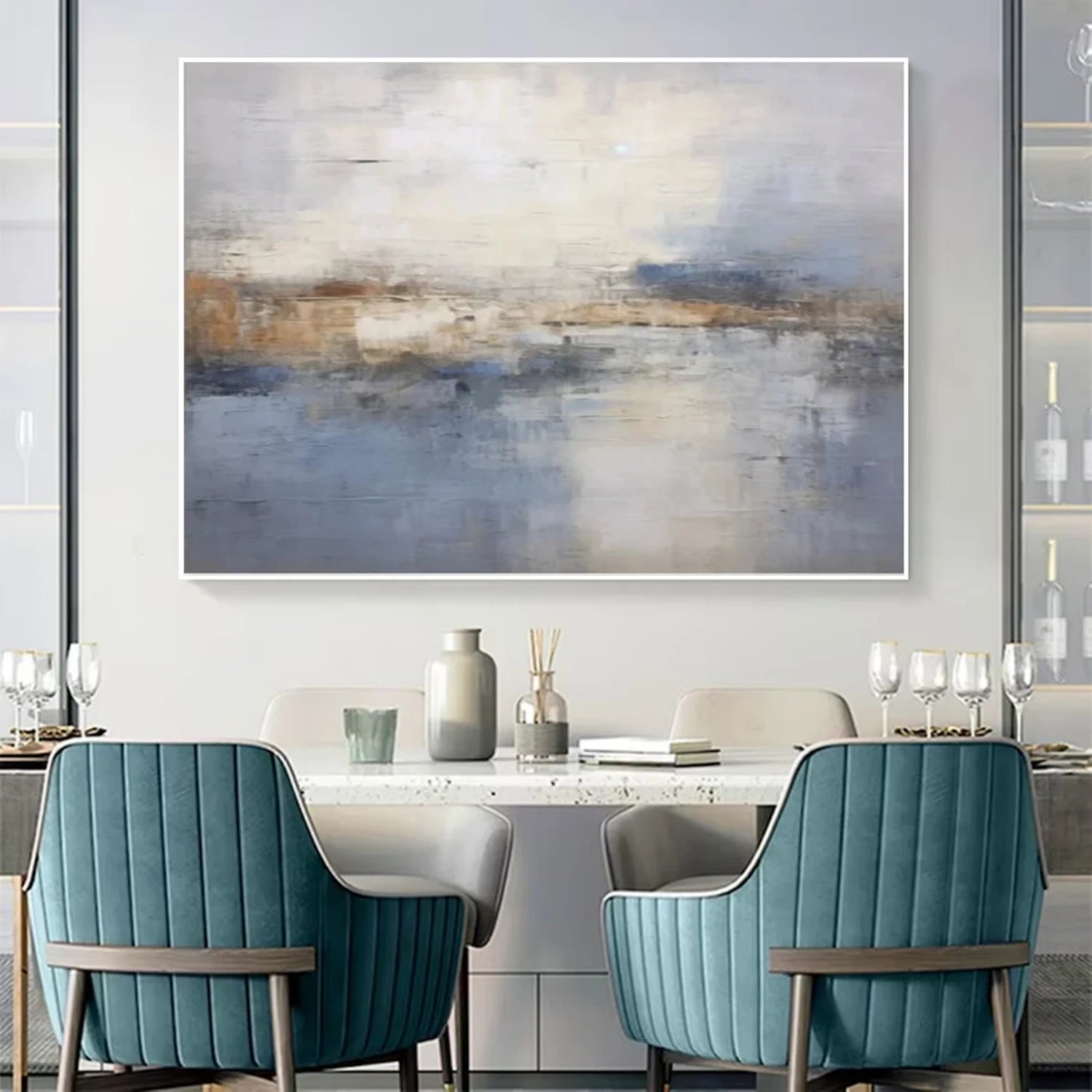
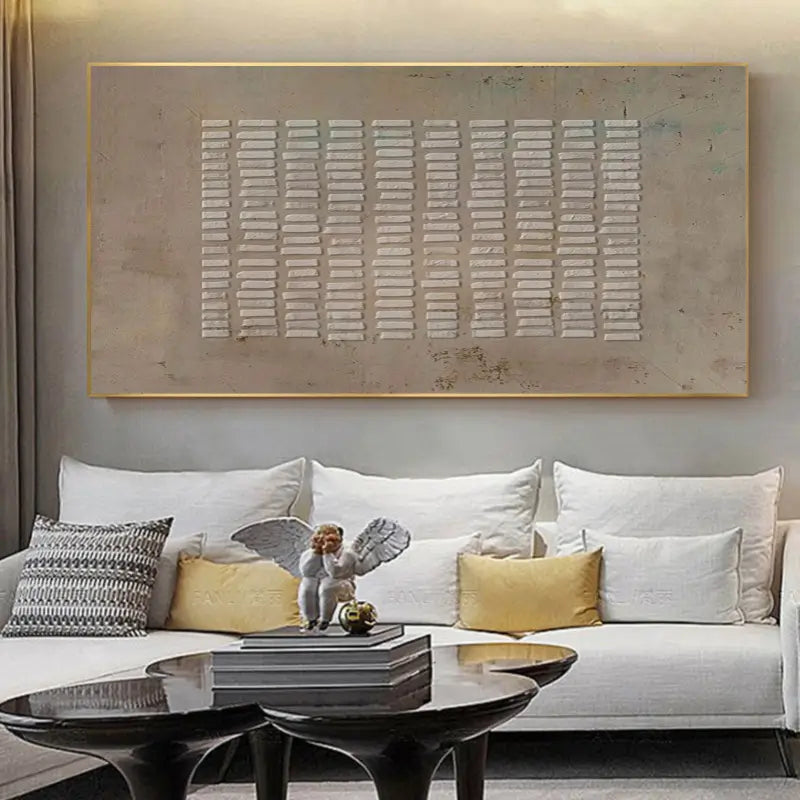
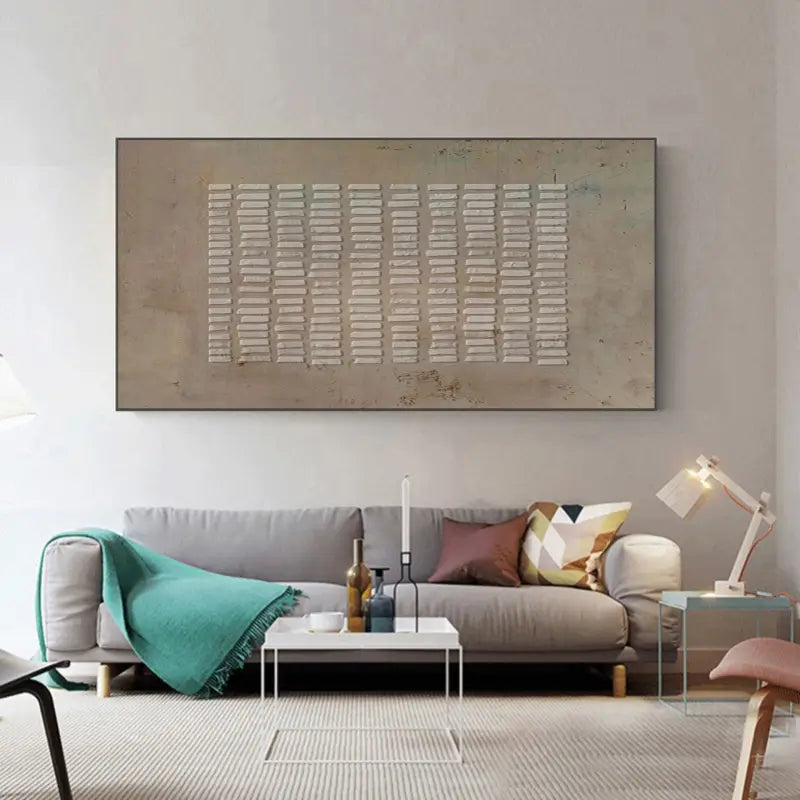
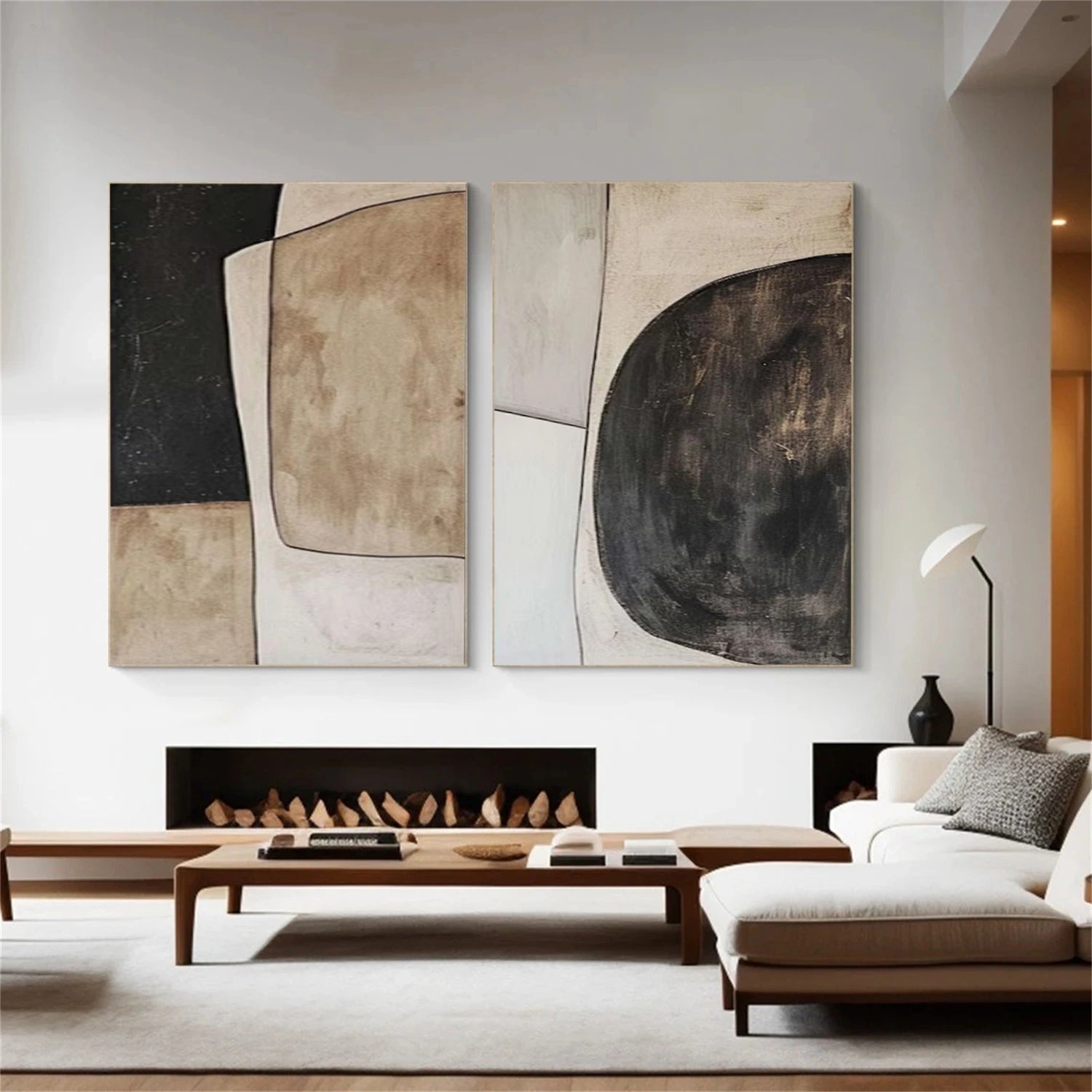
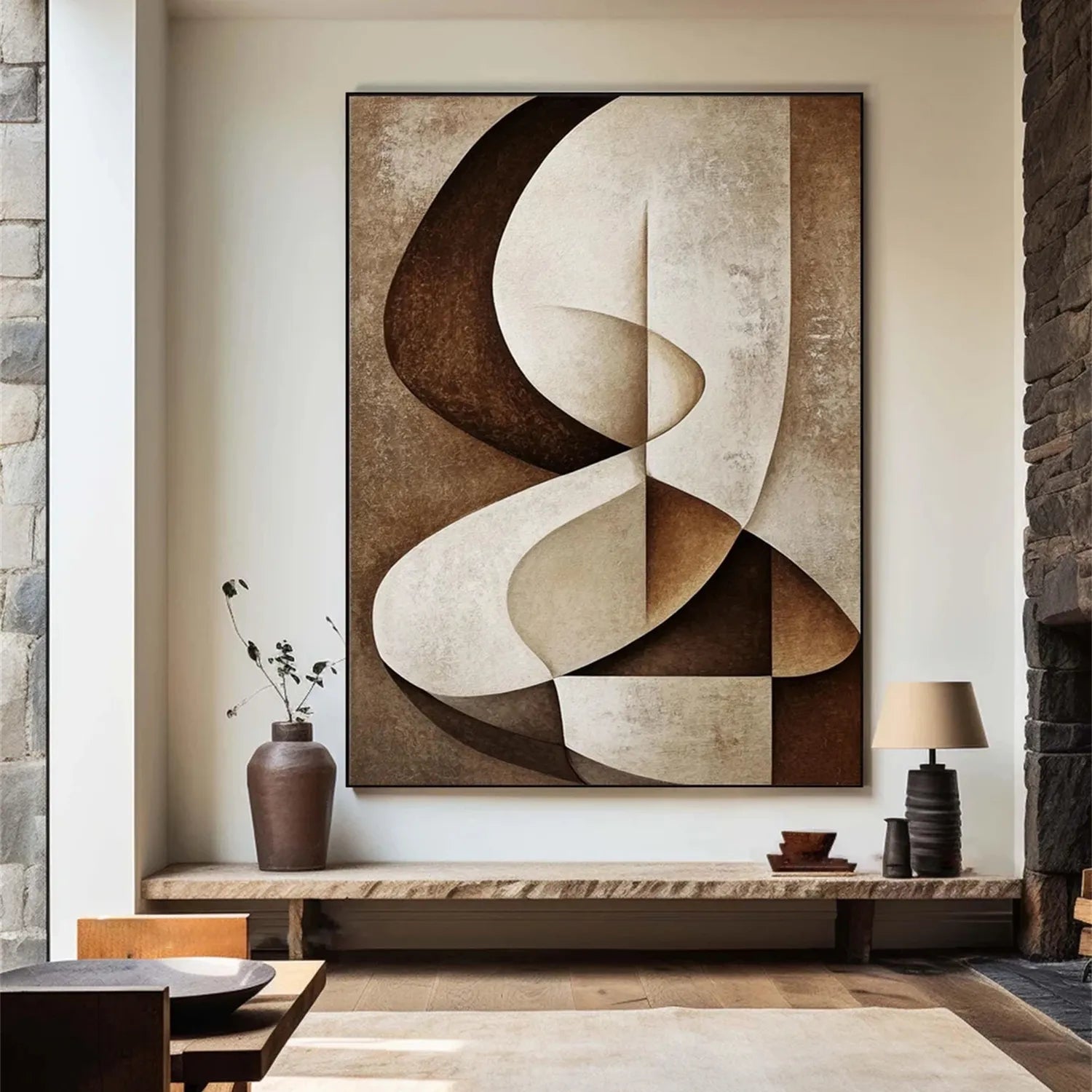
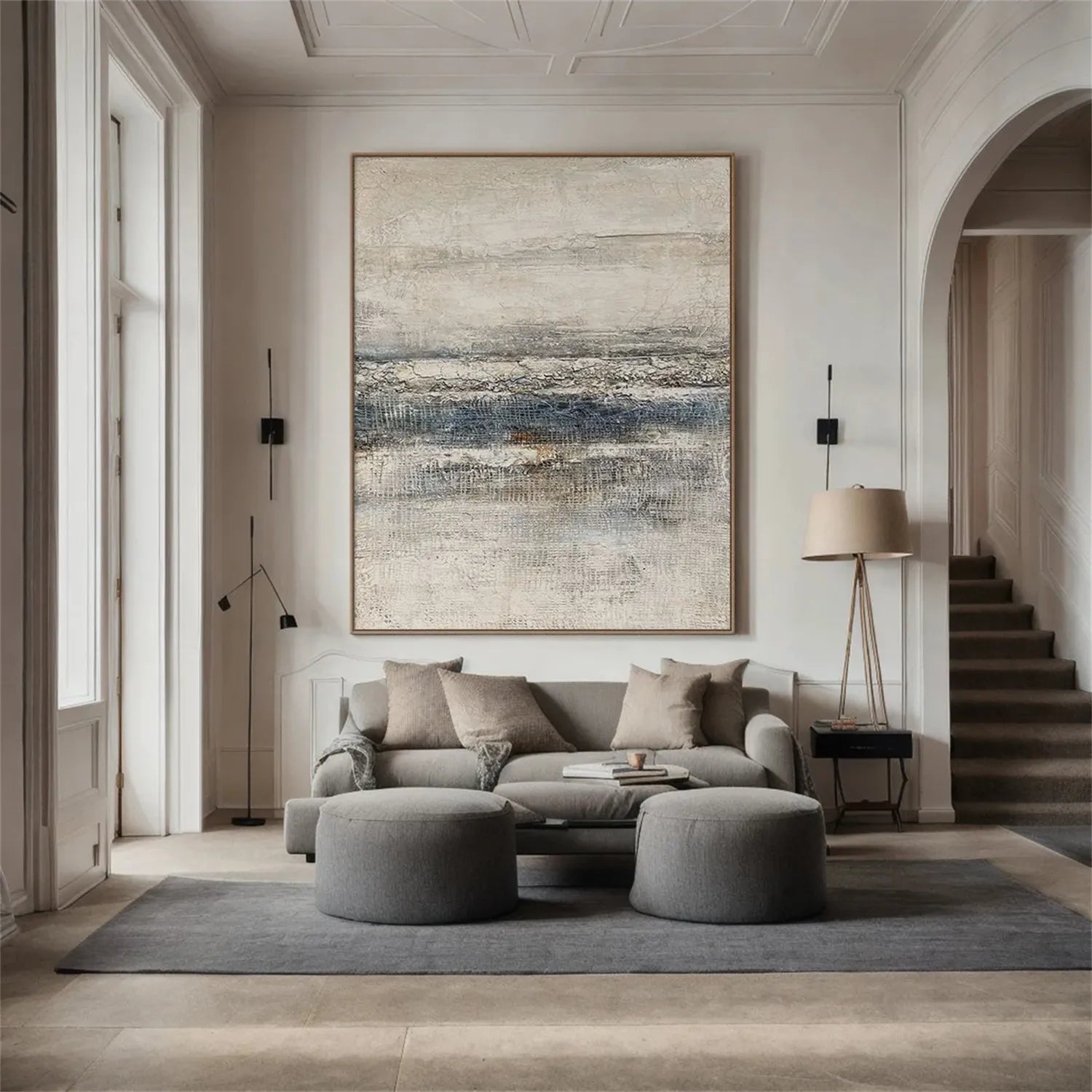
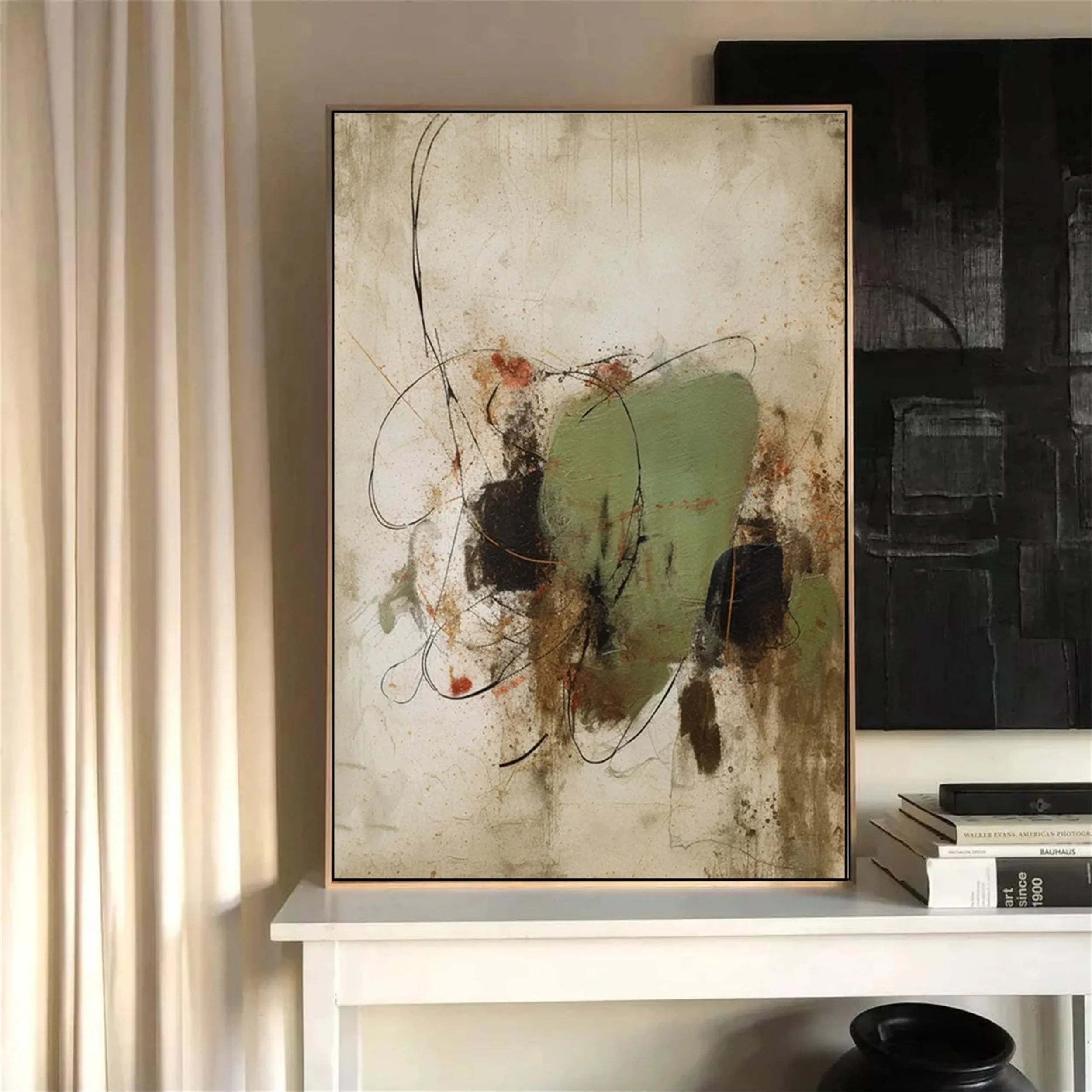
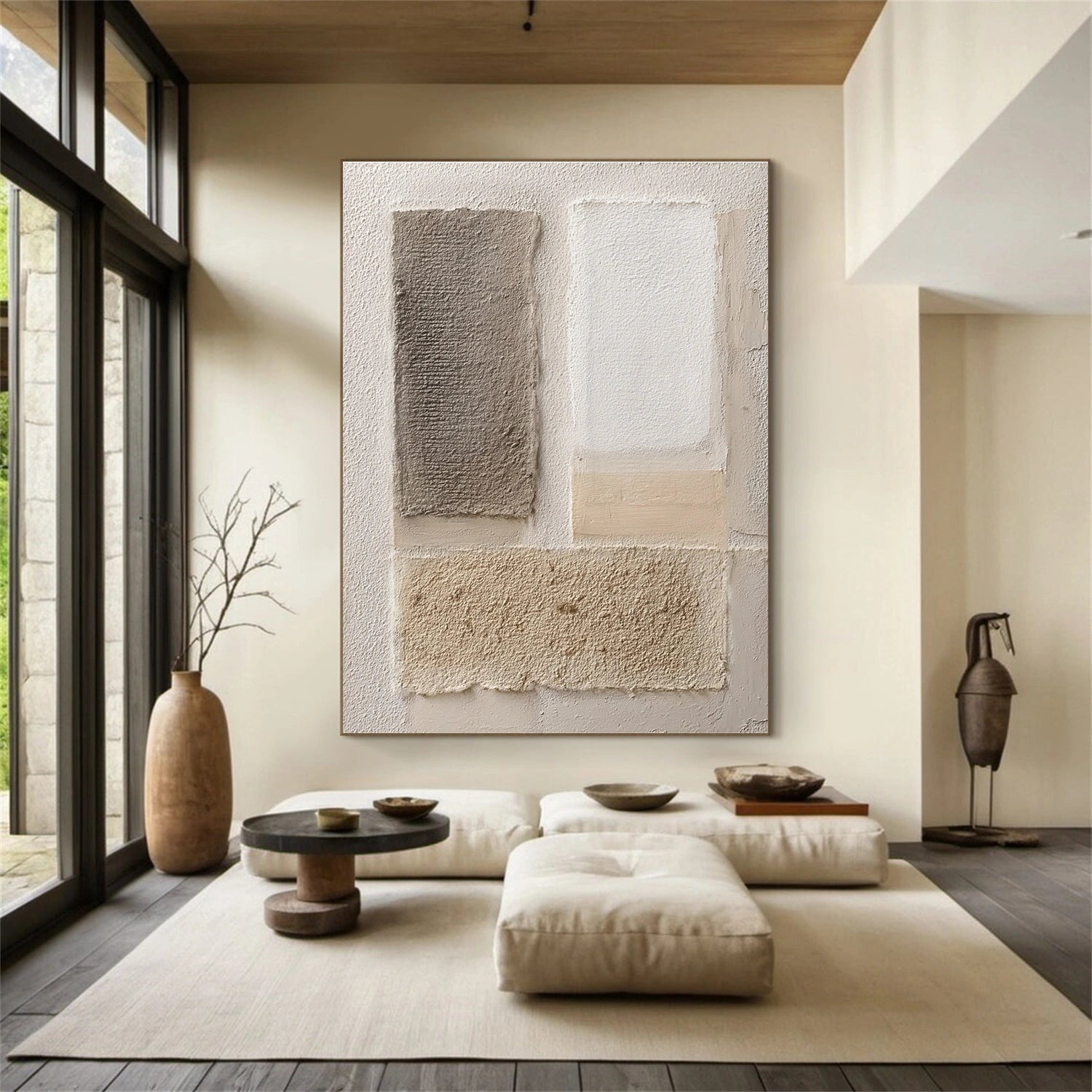
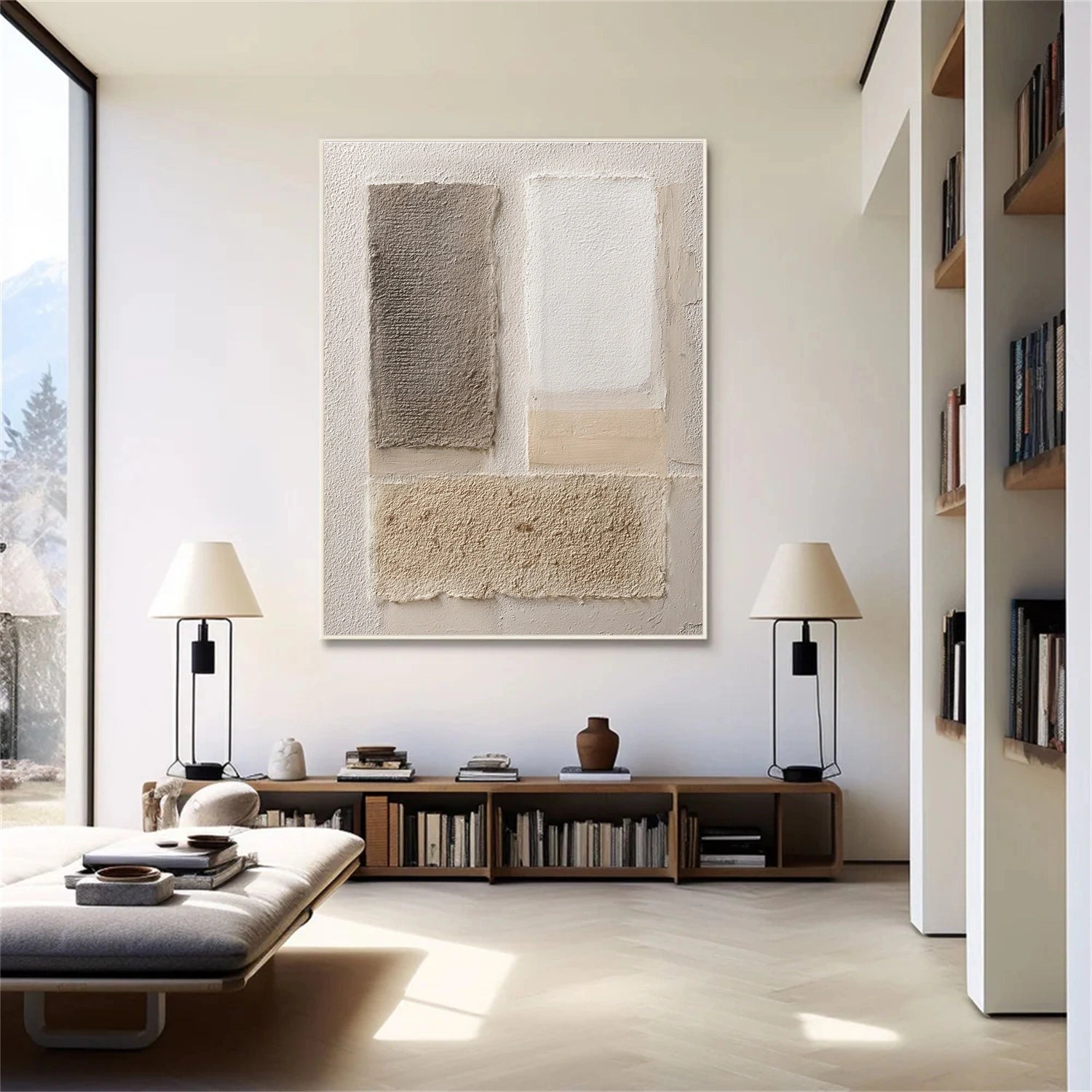
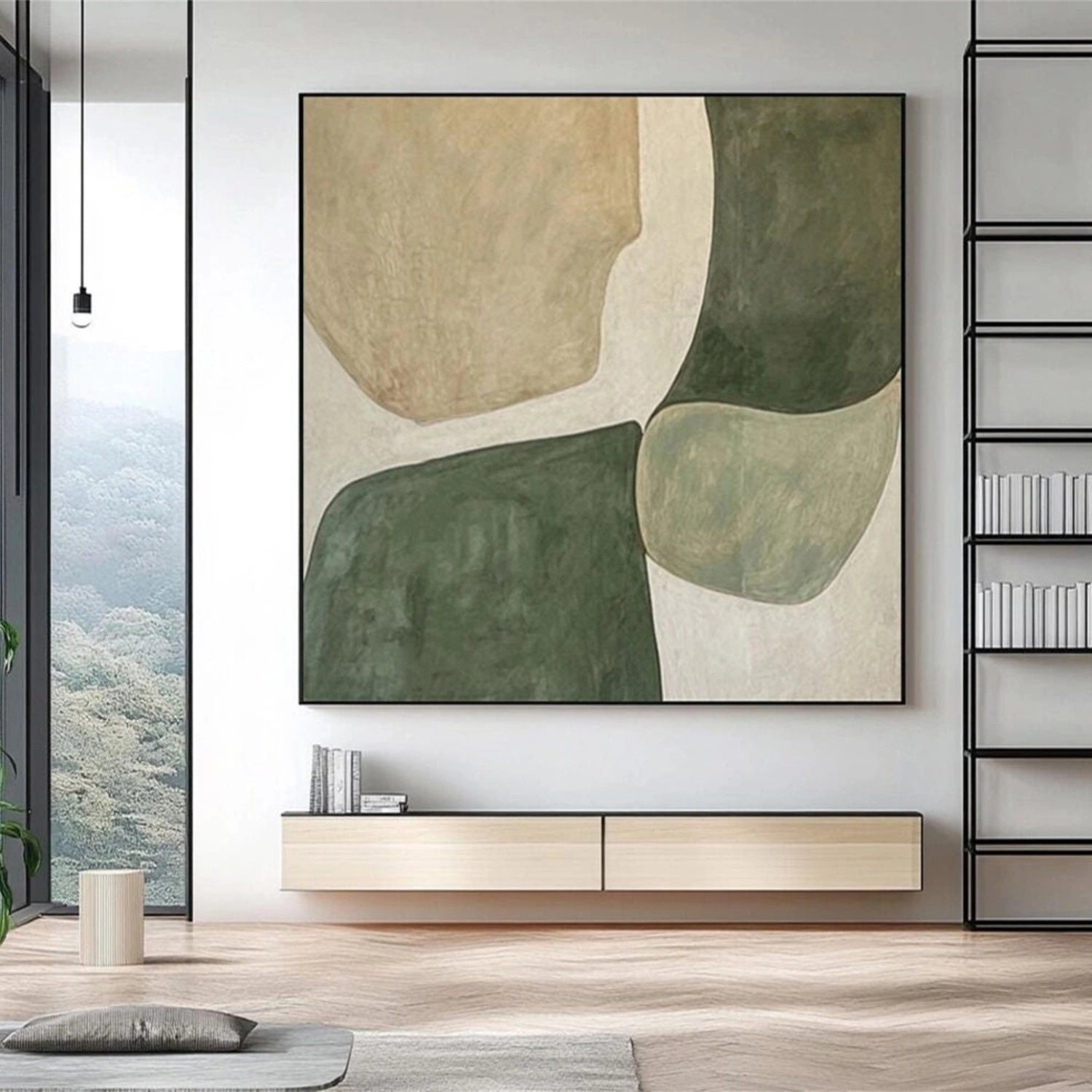
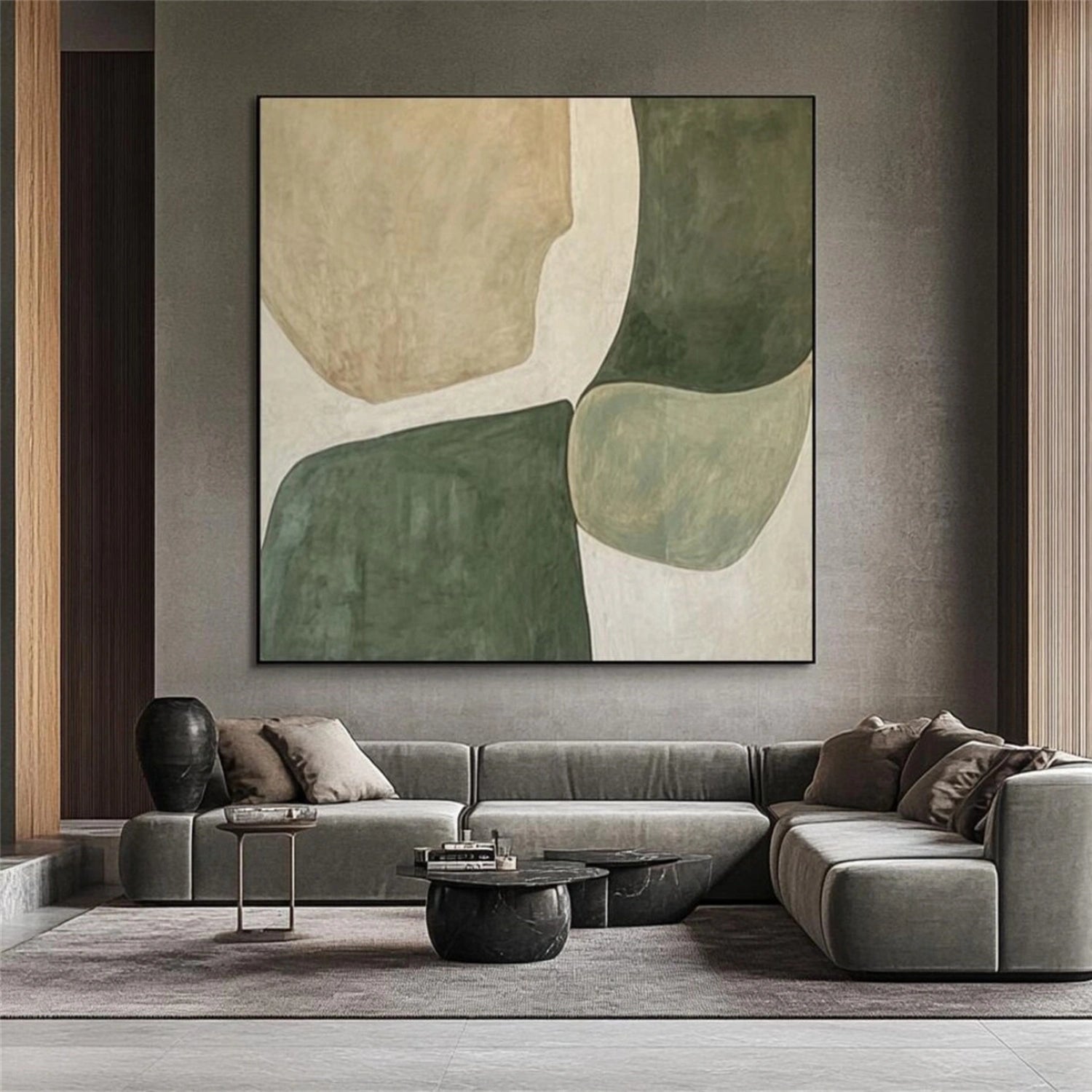
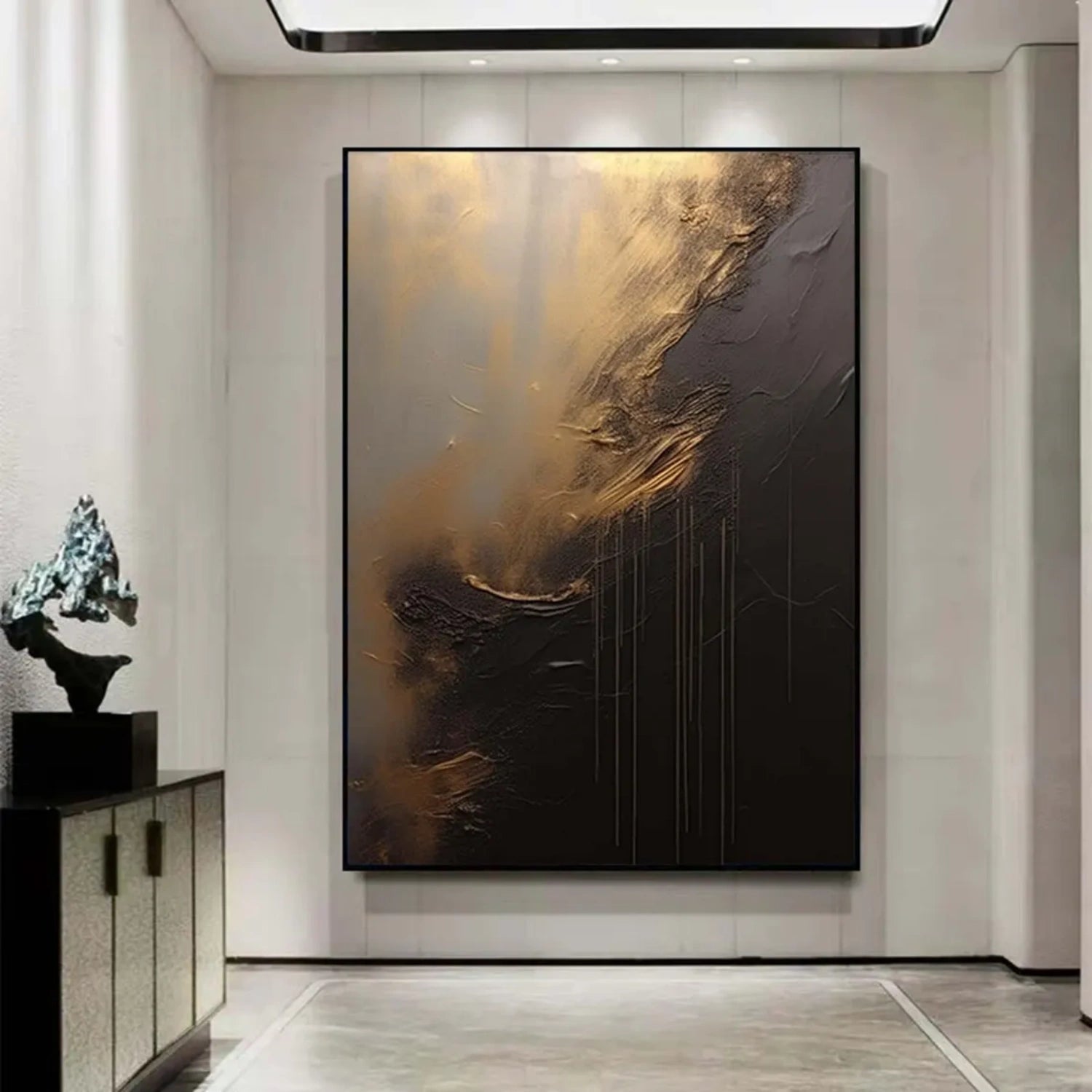
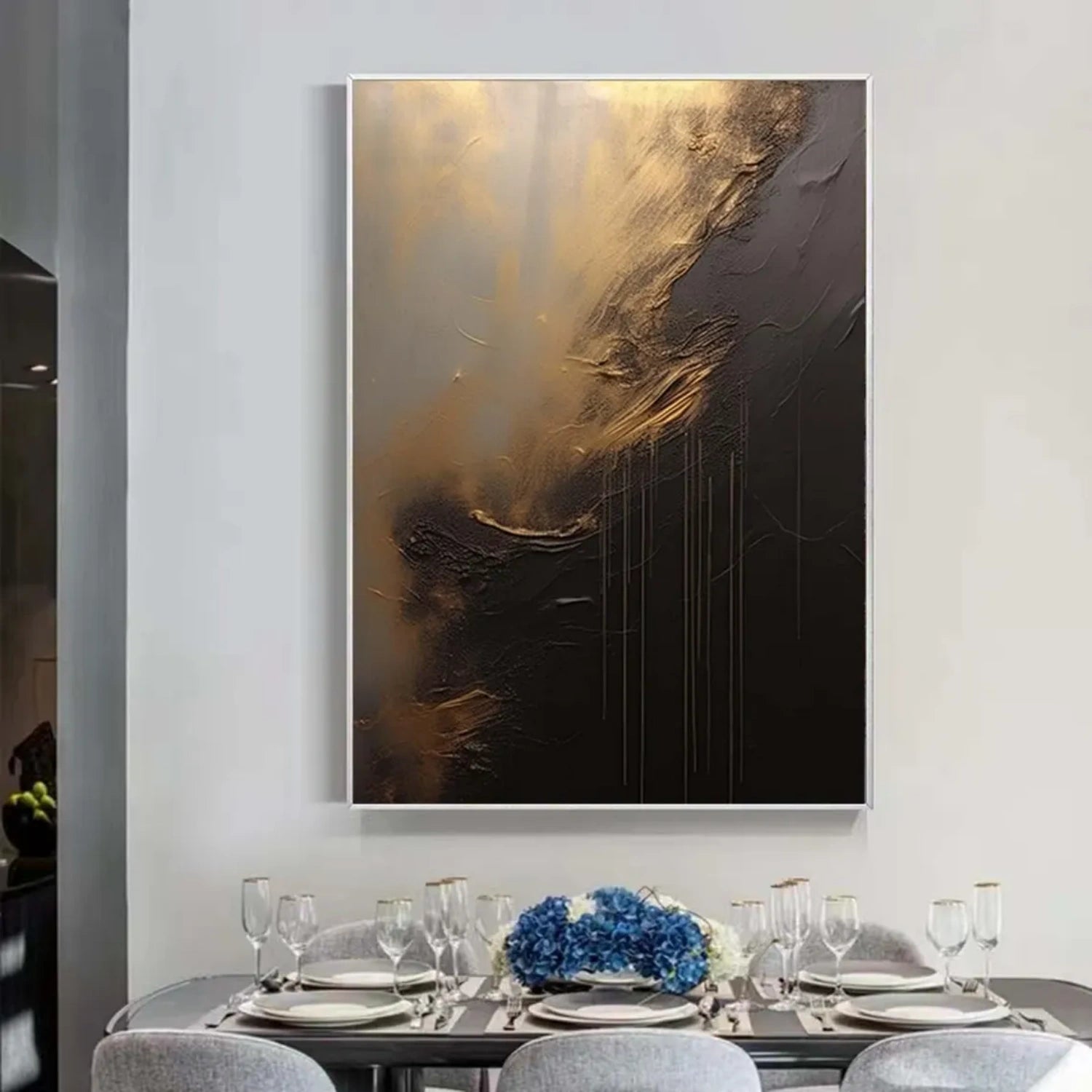
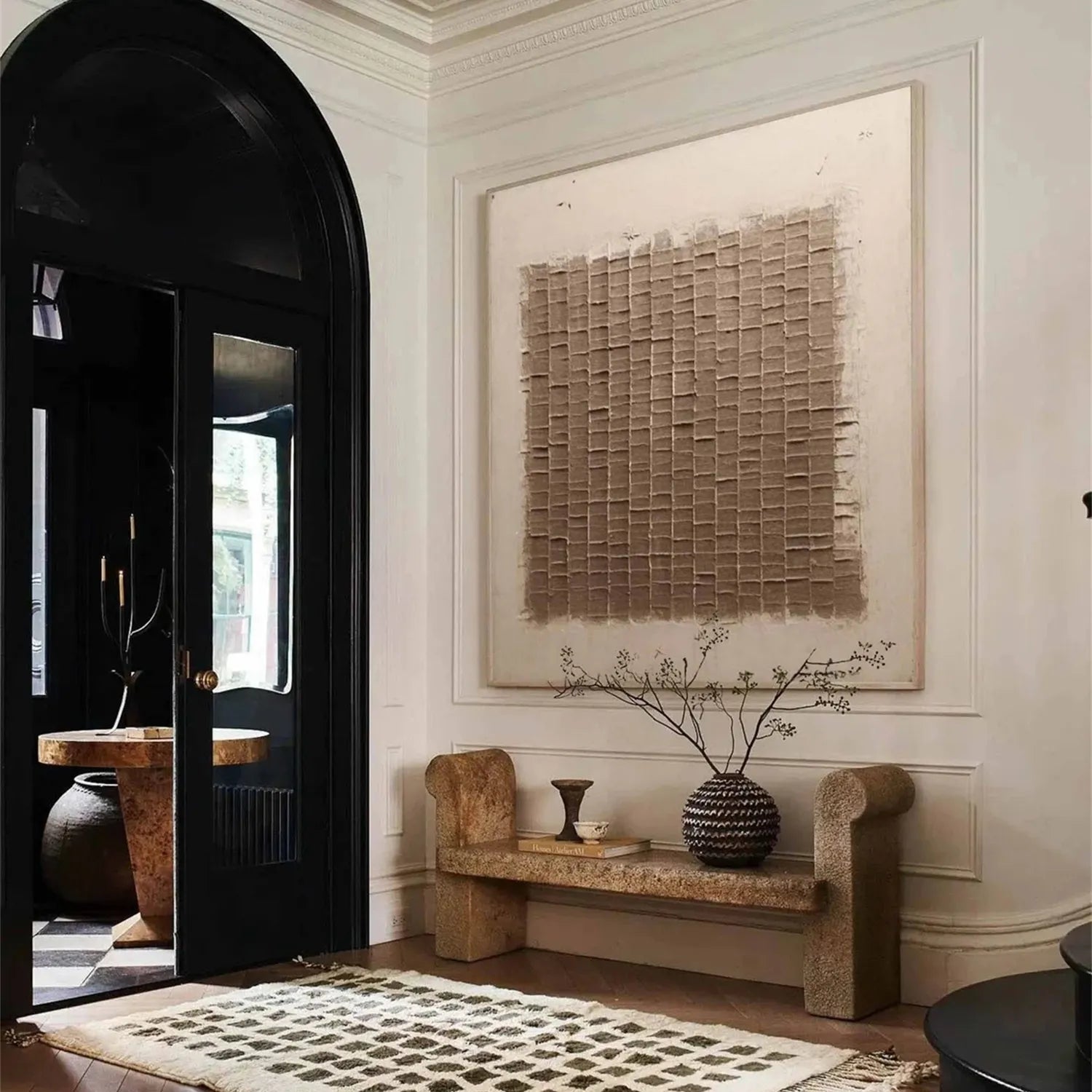
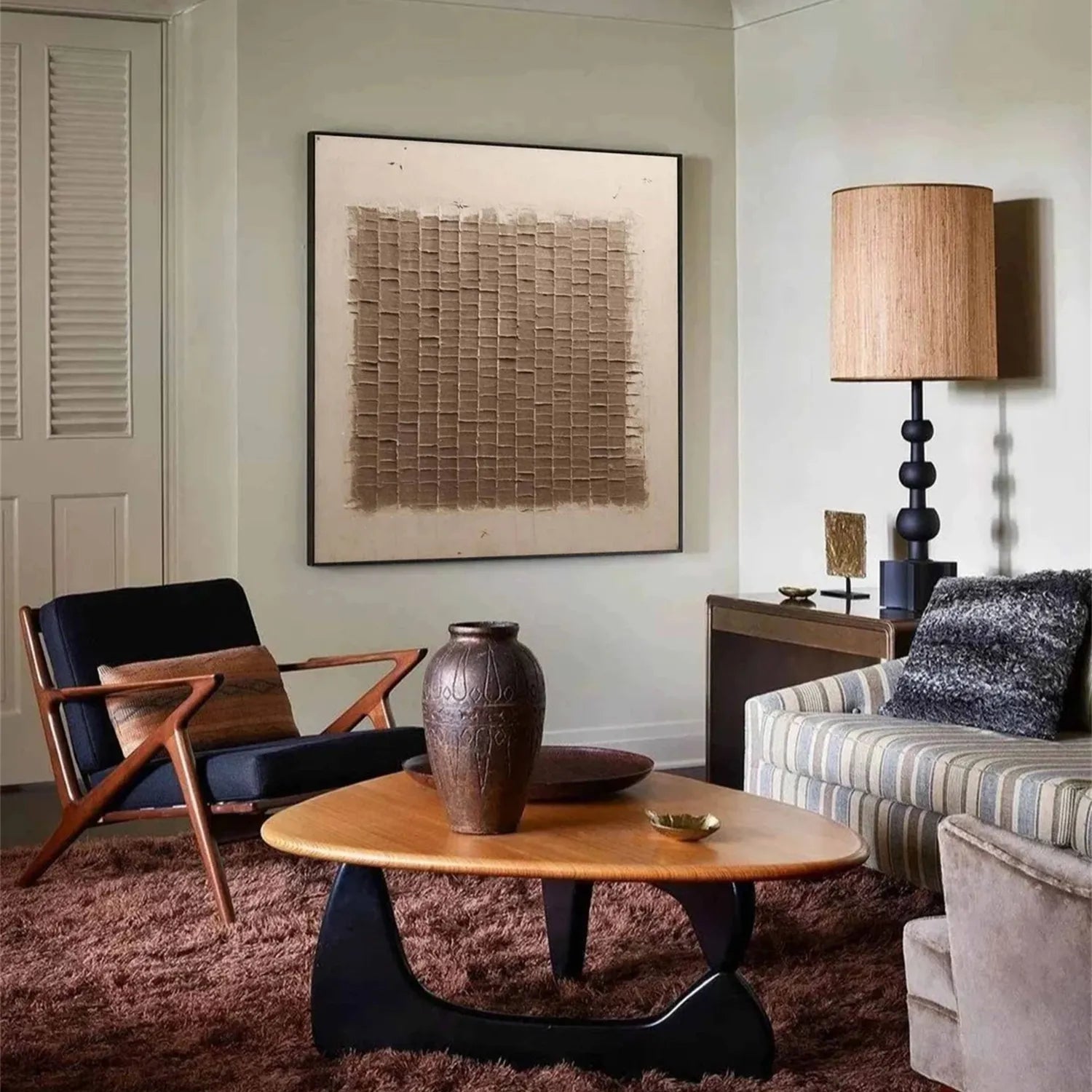
Wabi-sabi art prints emphasize minimalism, organic forms, and a restrained color palette. Artists often use muted hues like gray, brown, and off-white, combined with subtle textures that evoke a sense of peace. These prints celebrate asymmetry and uneven brushstrokes, where each imperfection is seen as a mark of authenticity.

Element Description Example in Art Prints
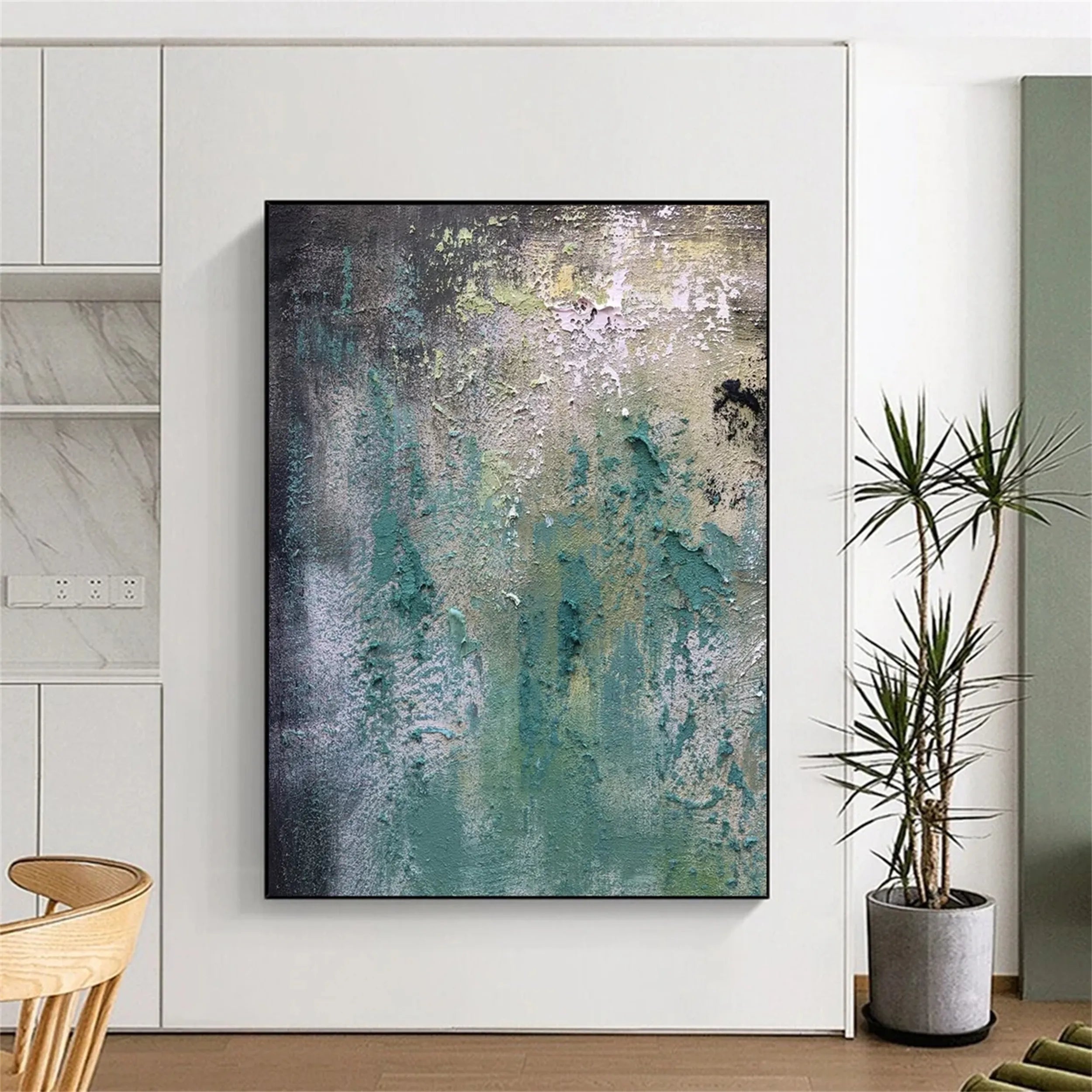
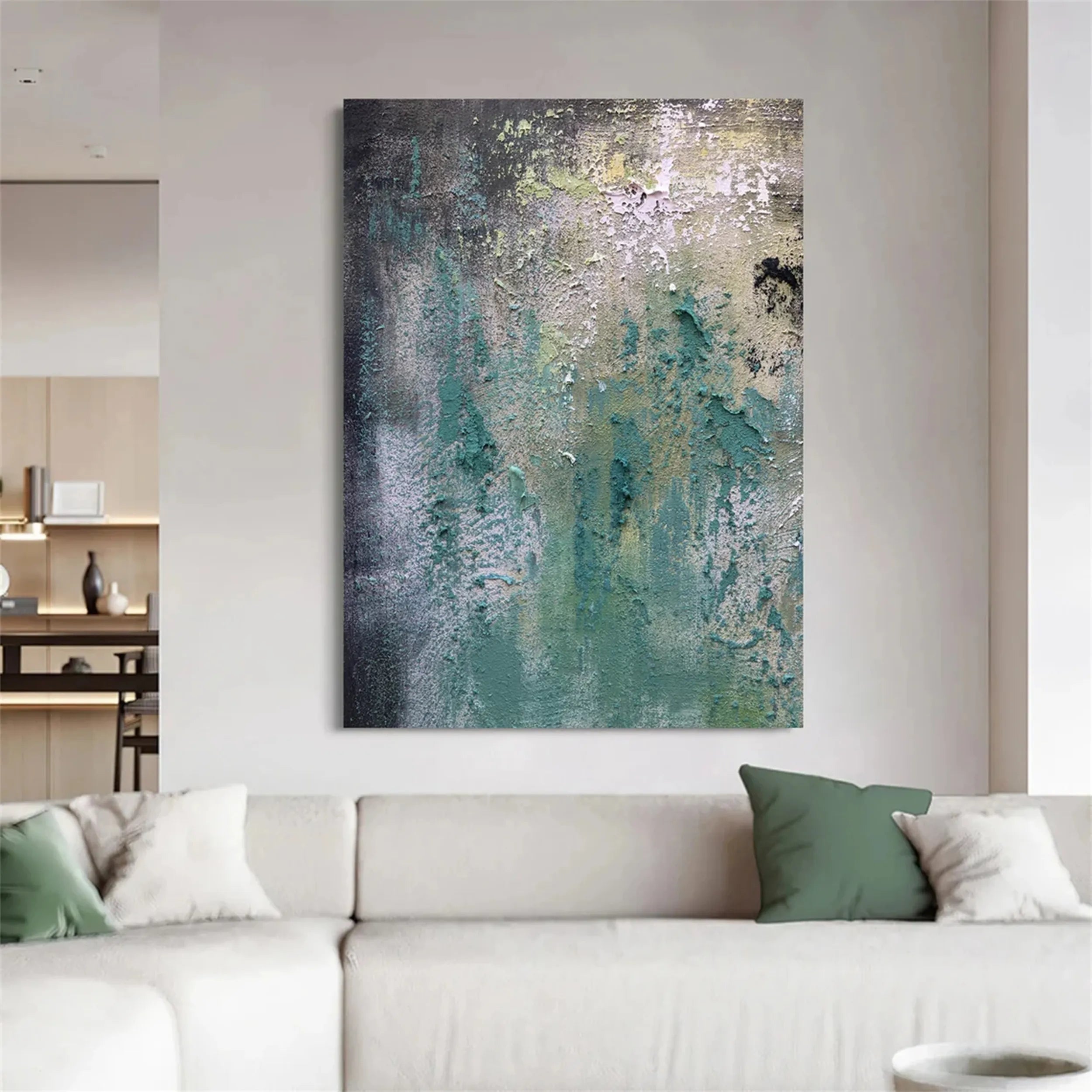
Texture Rough or weathered surfaces Hand-textured oil layers
Color Palette Muted, natural tones Beige, charcoal, moss green
Composition Asymmetrical, unrefined Uneven shapes or empty space
Mood Calm, reflective, meditative Minimalist landscapes

Why Is Wabi-Sabi Relevant in Modern Interior Design?

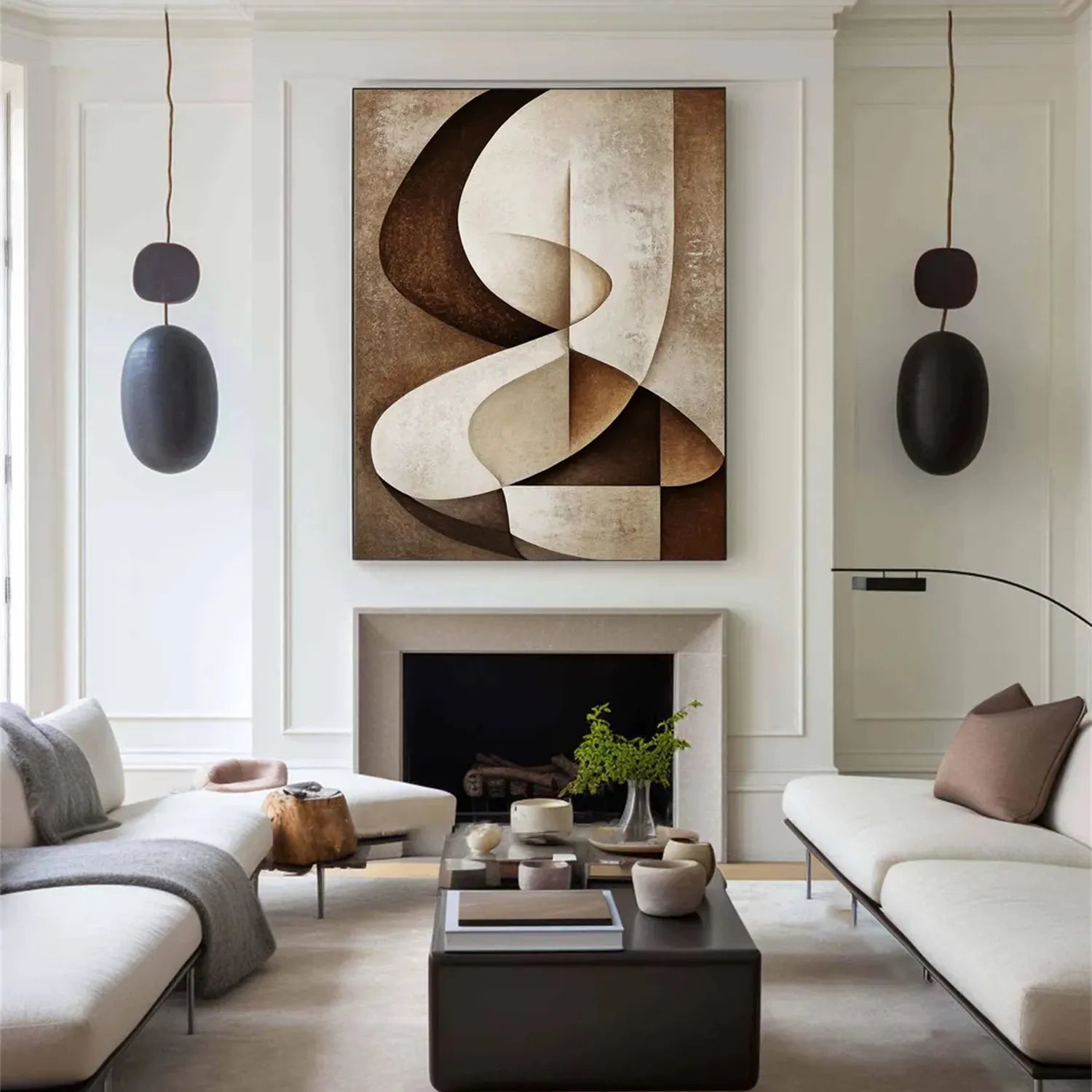
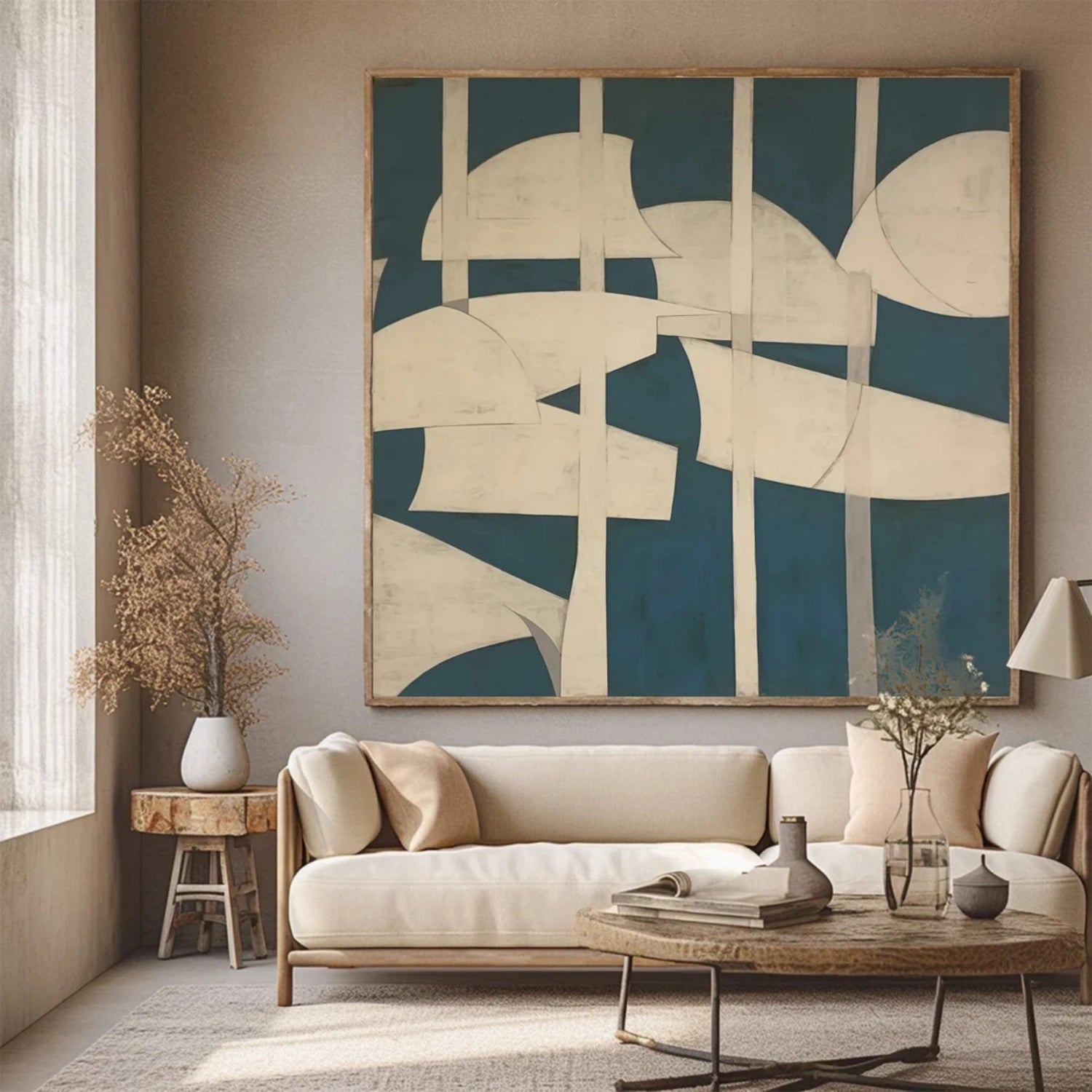
Wabi-sabi aligns perfectly with modern design's desire for serenity and simplicity. In an age dominated by perfectionism, wabi-sabi brings a grounding, calming influence. It pairs well with minimalist, Scandinavian, and Japandi interiors, offering warmth and emotional depth. Vinchy Art’s wabi-sabi prints often serve as the heart of such serene spaces, adding a layer of tranquility and mindfulness.

Which Materials and Techniques Best Reflect Wabi-Sabi Aesthetics?

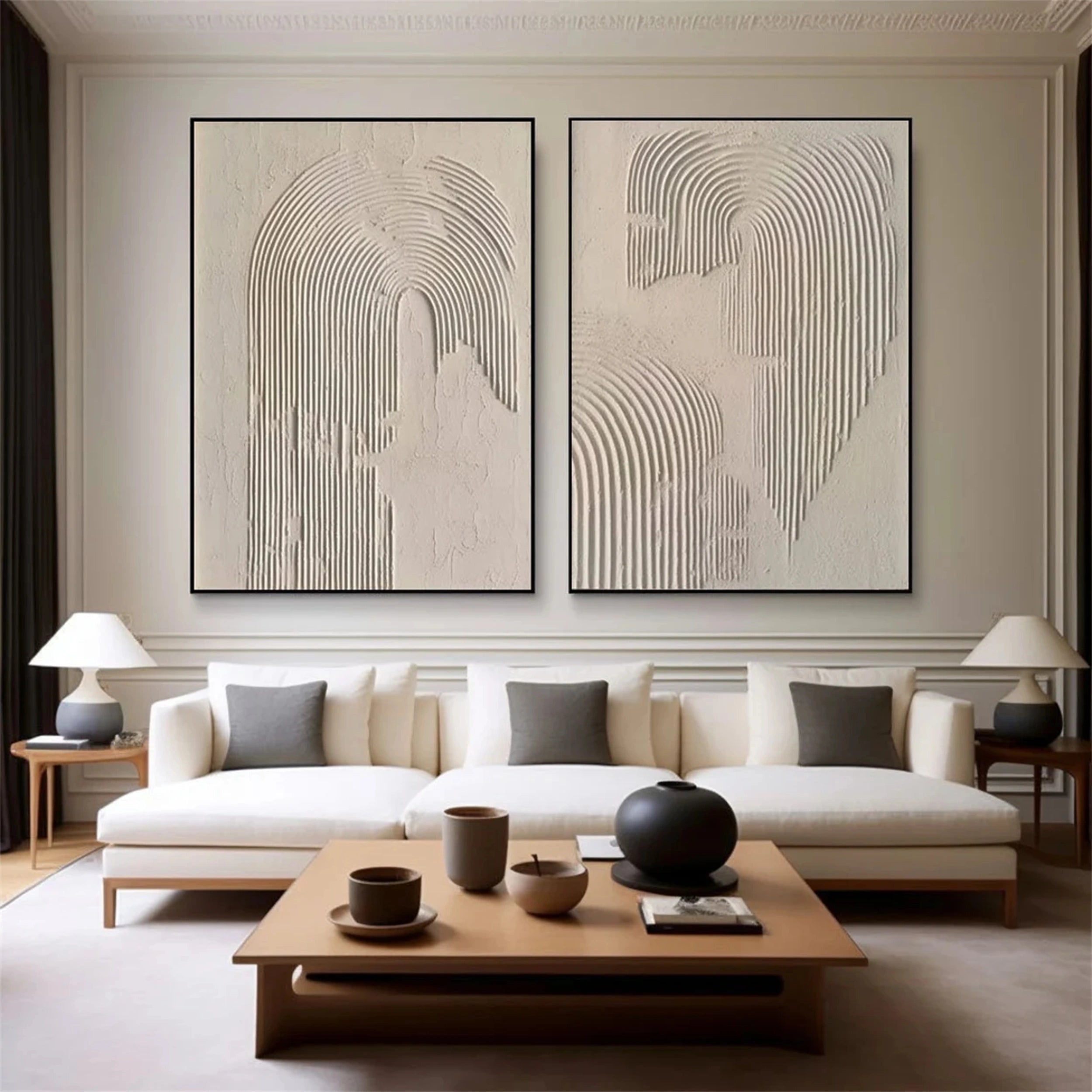
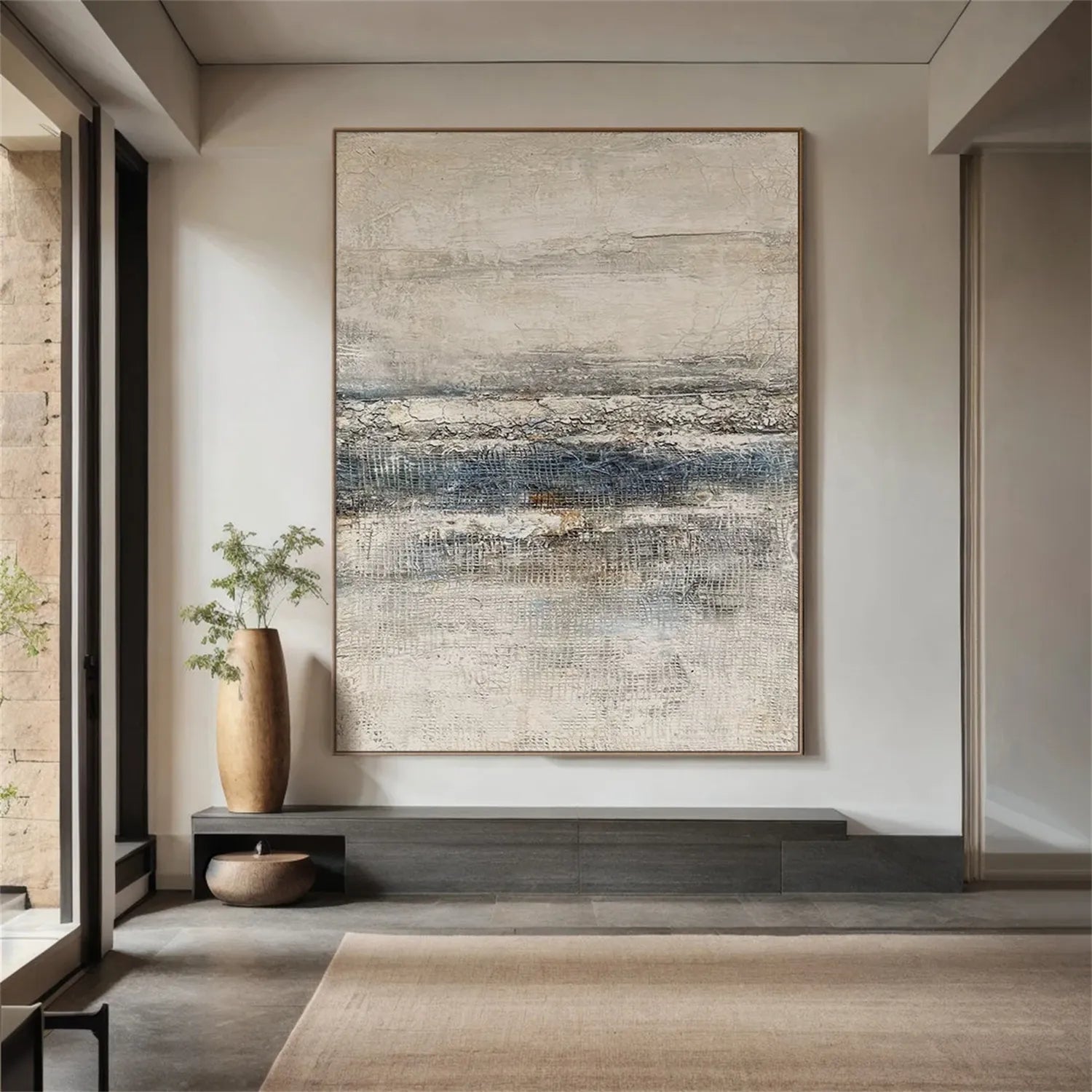
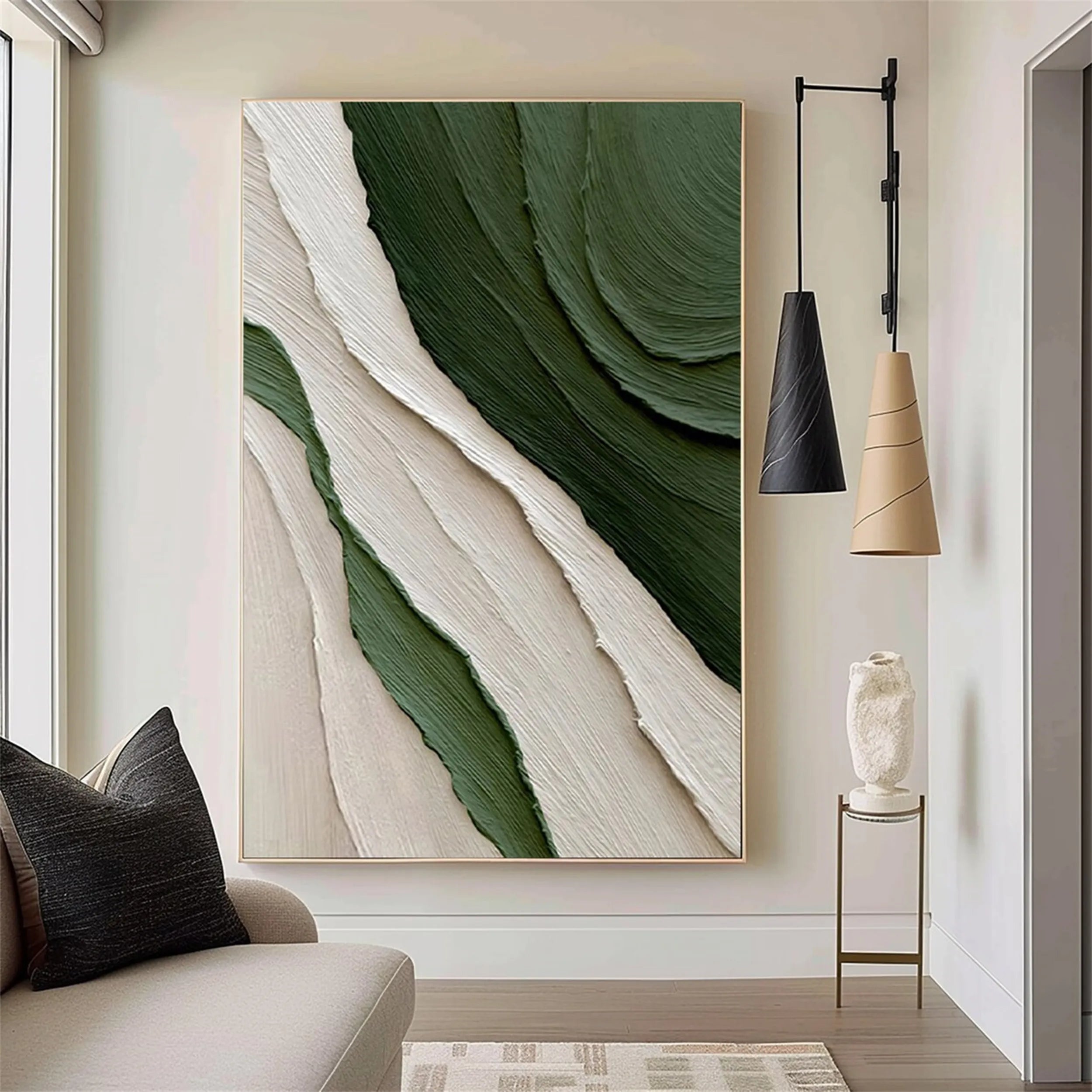
Wabi-sabi art uses natural materials and techniques that reflect the passage of time. Handmade papers, linen canvases, and eco-friendly pigments are commonly used. Techniques like dry brushing, layering, and impasto create depth and highlight nature’s imperfection, giving each piece a unique character. At Vinchy Art, our abstract oil paintings often feature raw edges and uneven brushstrokes, reflecting the spontaneity of nature.

Technique Artistic Effect Wabi-Sabi Element
Dry Brush Uneven texture Imperfection
Layering Depth through transparency Transience
Natural Pigments Earthy realism Simplicity
Impasto Tactile dimension Authenticity

How Does Wabi-Sabi Differ from Minimalism?

While both embrace simplicity, minimalism tends toward perfection and order, focusing on clean lines and precision. Wabi-sabi, on the other hand, finds beauty in imperfection and the unpredictable. A minimalist piece might feel pristine and precise, but a wabi-sabi piece feels alive, evolving, and connected to nature. Vinchy Art’s curated collections highlight this contrast, blending the two styles to create emotionally resonant spaces.

What Emotions Do Wabi-Sabi Art Prints Evoke?

Wabi-sabi art evokes a sense of calm, introspection, and acceptance. The muted colors and subtle textures remind us of the natural cycles of life — from birth to decay and renewal. These prints often feel meditative, offering viewers a sense of emotional grounding and mental clarity. Many collectors of Vinchy Art describe feeling a deep sense of peace and connection when surrounded by wabi-sabi works.

Could Wabi-Sabi Art Improve Mental Well-Being?

Yes, wabi-sabi art has been linked to reduced stress and improved mood. The natural imperfections in these pieces help to calm overstimulated minds, while the emphasis on beauty in imperfection fosters self-compassion and mindfulness. Vinchy Art’s abstract oil paintings align perfectly with this idea, offering art that promotes emotional well-being while enriching the aesthetic quality of any space.

Where Can You Display Wabi-Sabi Art Prints?

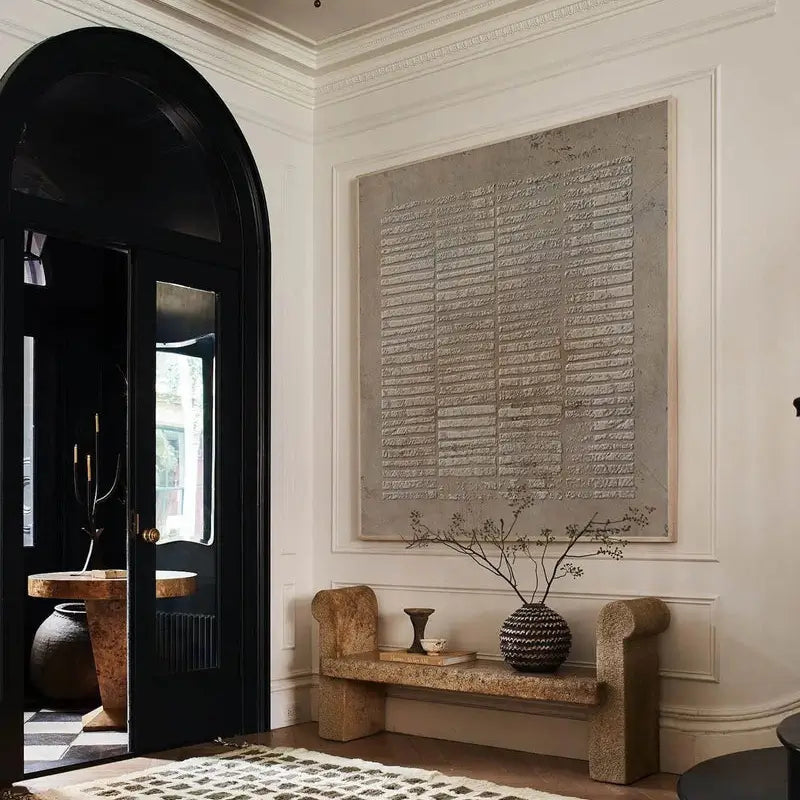
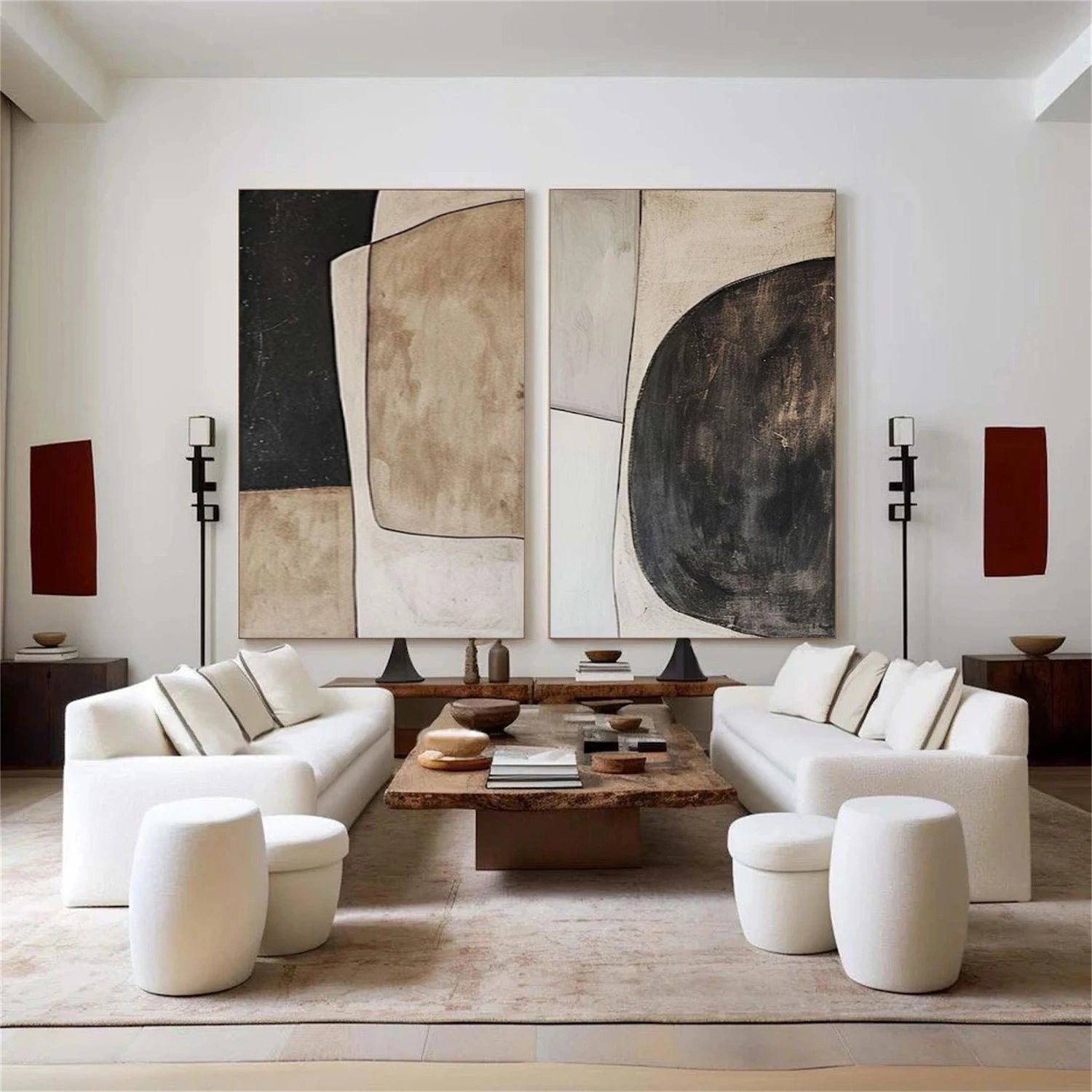
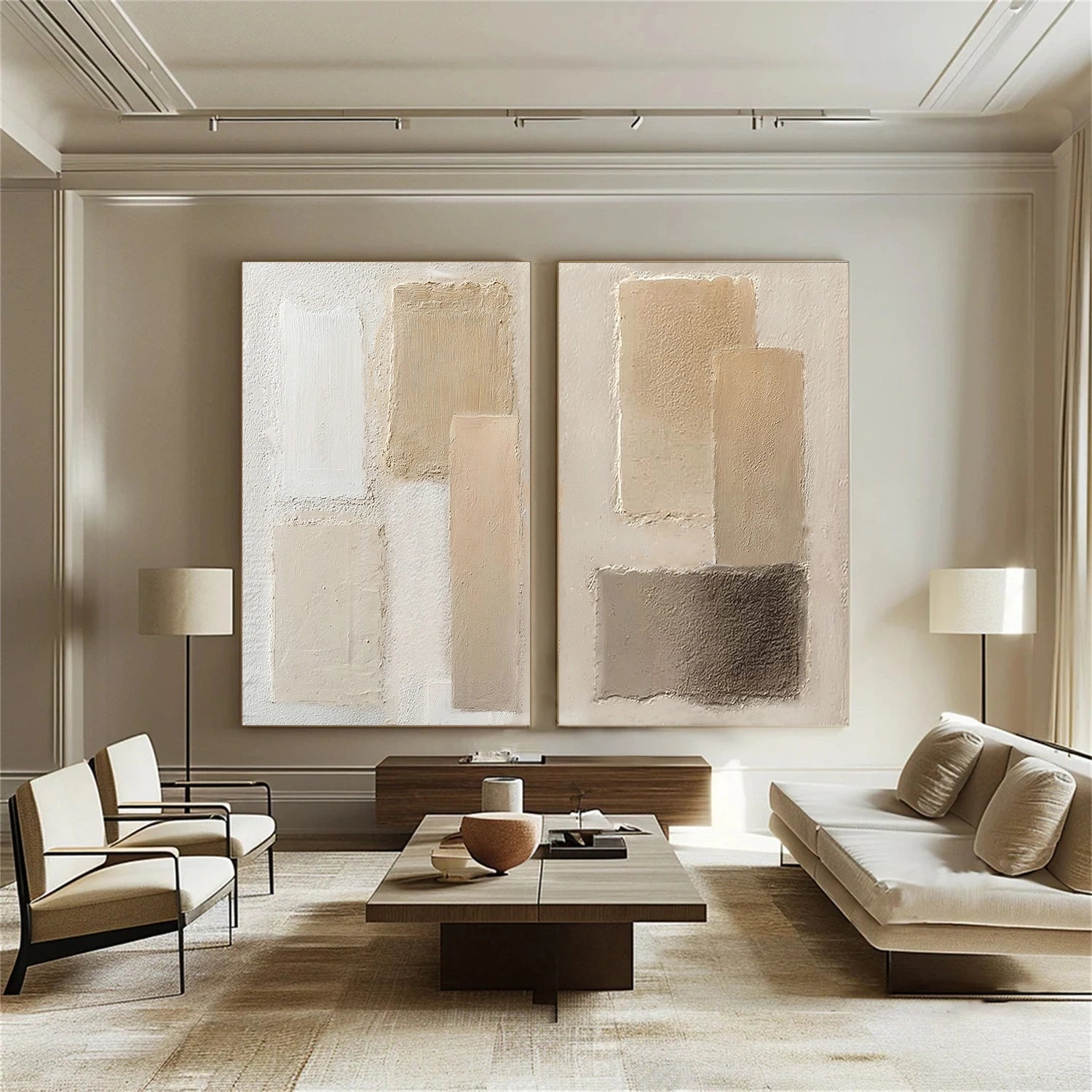
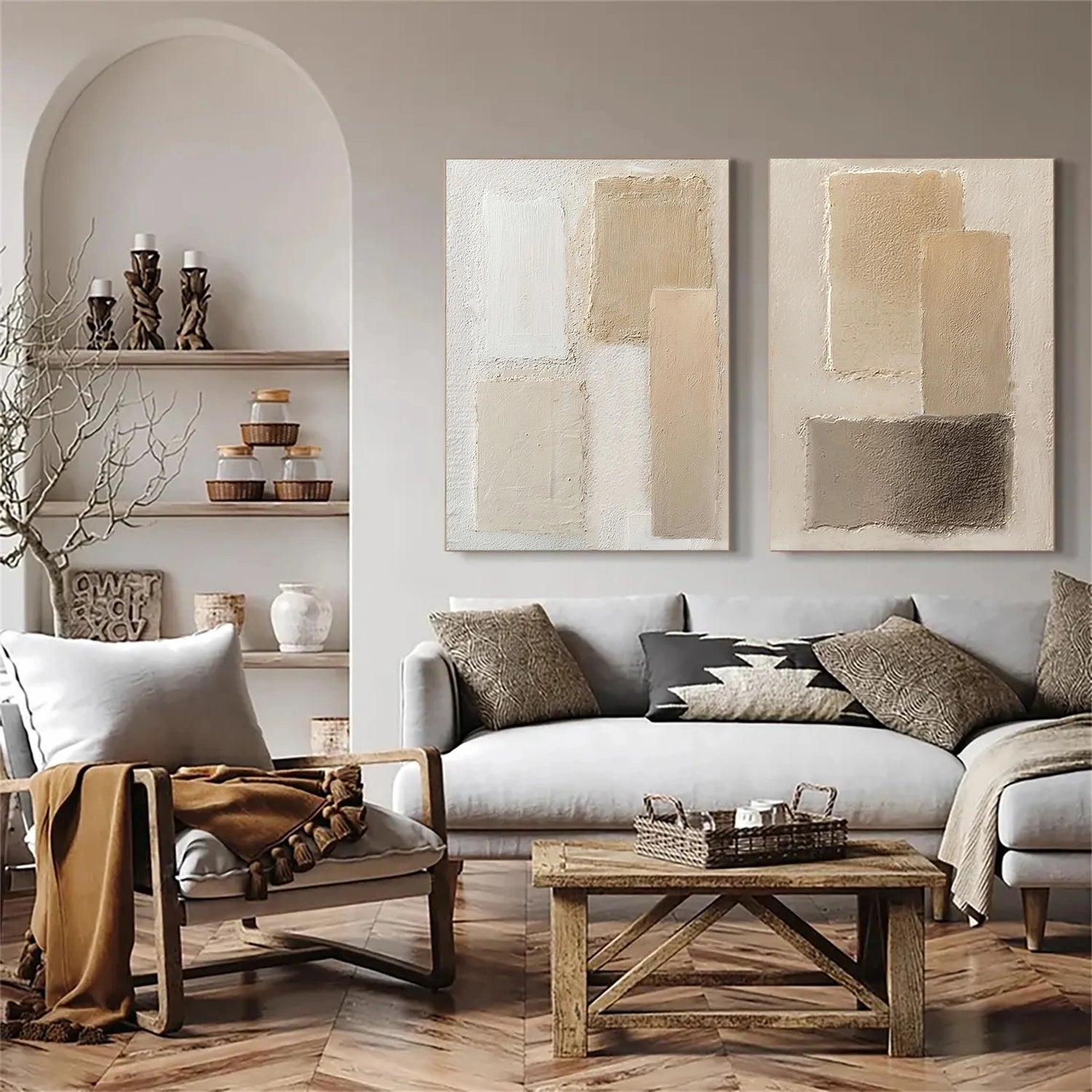
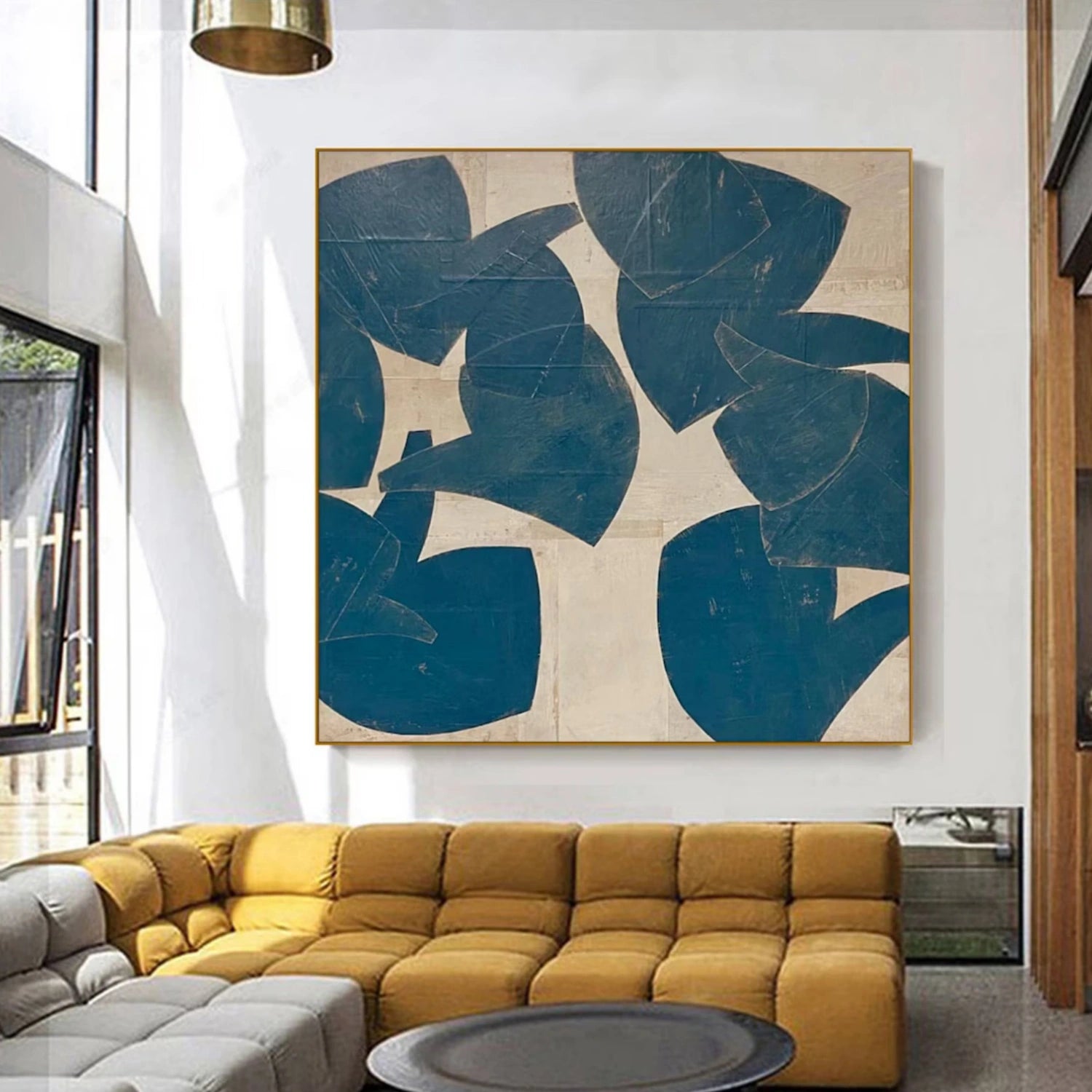
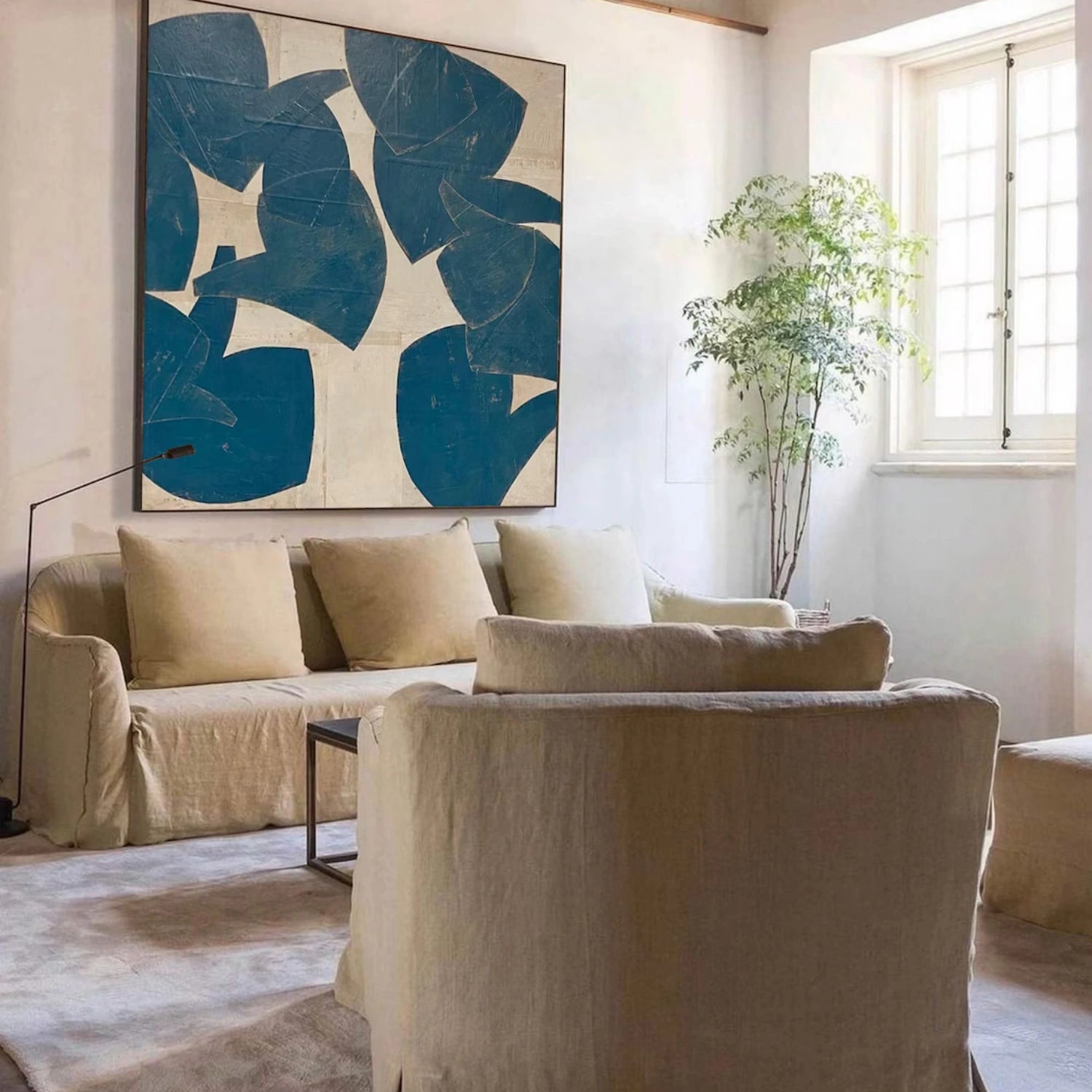
Wabi-sabi art prints are ideal for spaces that prioritize authenticity and tranquility, such as living rooms, bedrooms, yoga studios, or offices. These prints pair beautifully with natural materials like wood, stone, and linen, and neutral walls provide the perfect backdrop. Displaying wabi-sabi art in groupings of three is a common stylistic choice, creating harmony through asymmetry.

When Did Wabi-Sabi Gain Global Popularity?

The global recognition of wabi-sabi came in the late 20th century, as Western designers and thinkers embraced its Zen roots. It influenced architecture, fashion, and fine art, particularly during the rise of contemporary minimalism. Today, wabi-sabi represents a movement toward sustainable living and emotional authenticity in design, aligning perfectly with the values of modern mindfulness.

What Are Common Motifs in Wabi-Sabi Art Prints?

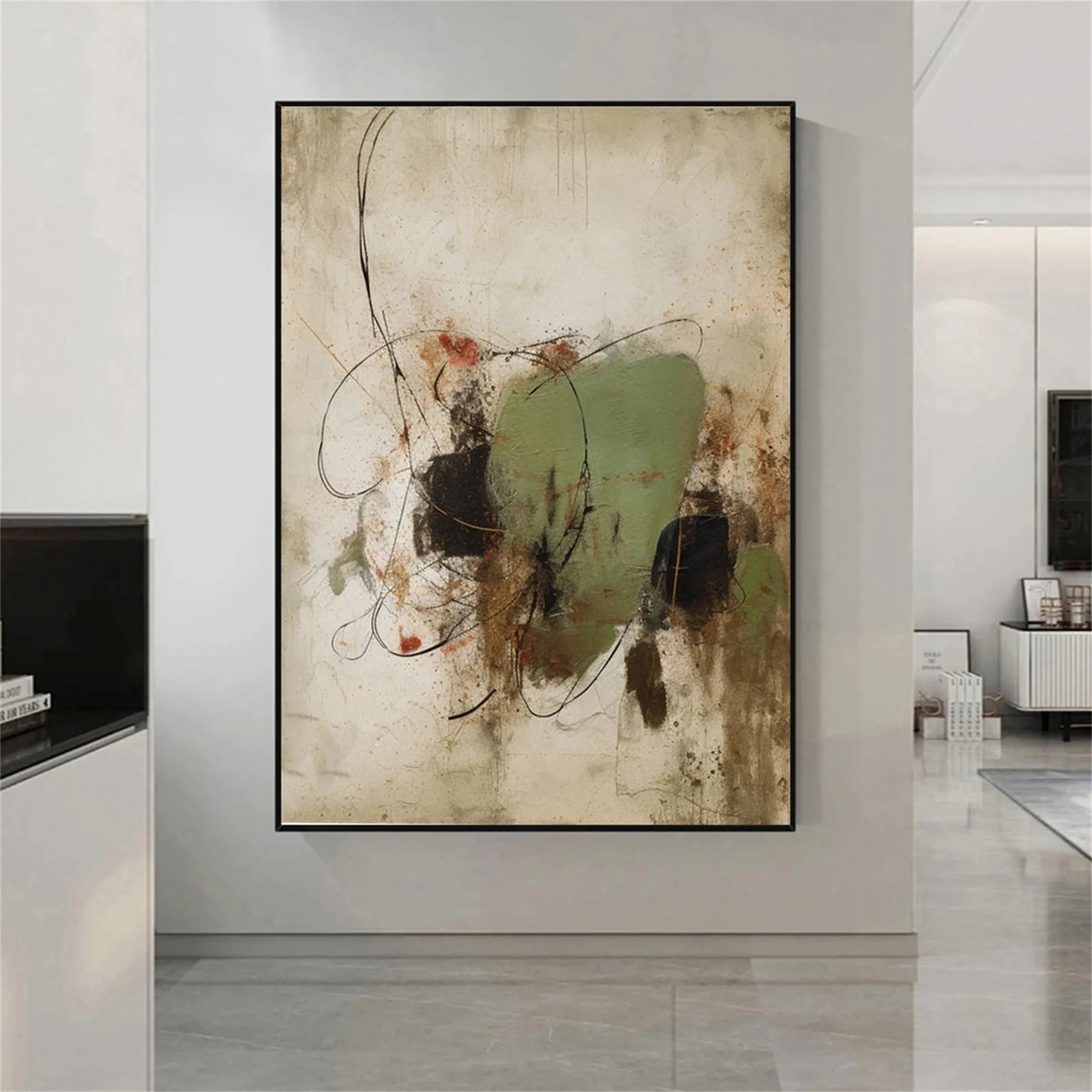
Wabi-sabi art frequently features weathered landscapes, silent horizons, and abstract forms that evoke erosion or emptiness. Cracks, faded pigments, and irregular lines are common motifs that symbolize the passage of time. At Vinchy Art, our artists often incorporate these themes into modern abstract compositions, blending traditional wabi-sabi elements with contemporary sensibilities to create pieces that speak to both time and timelessness.

Vinchy Art Expert Views

“At Vinchy Art, we see wabi-sabi not as imperfection, but as essence revealed. The brushstroke’s unevenness becomes the heartbeat of authenticity. Our artists intentionally leave traces of spontaneity — smudges, cracks, exposed underlayers — mirroring how beauty, like life itself, is rarely flawless yet deeply complete.”
Vinchy Art Creative Team

What Are the Key Elements of Wabi-Sabi Color Palettes?

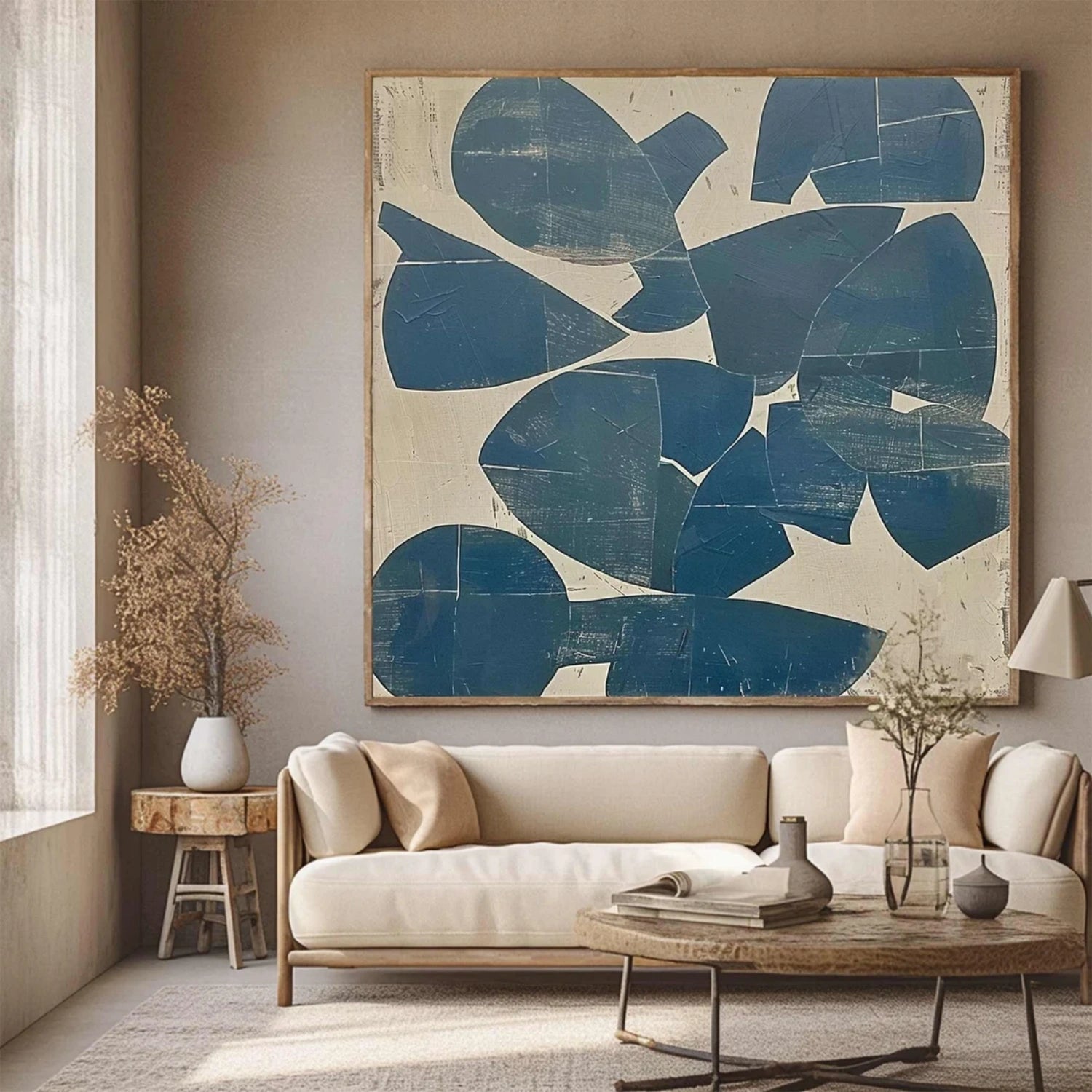
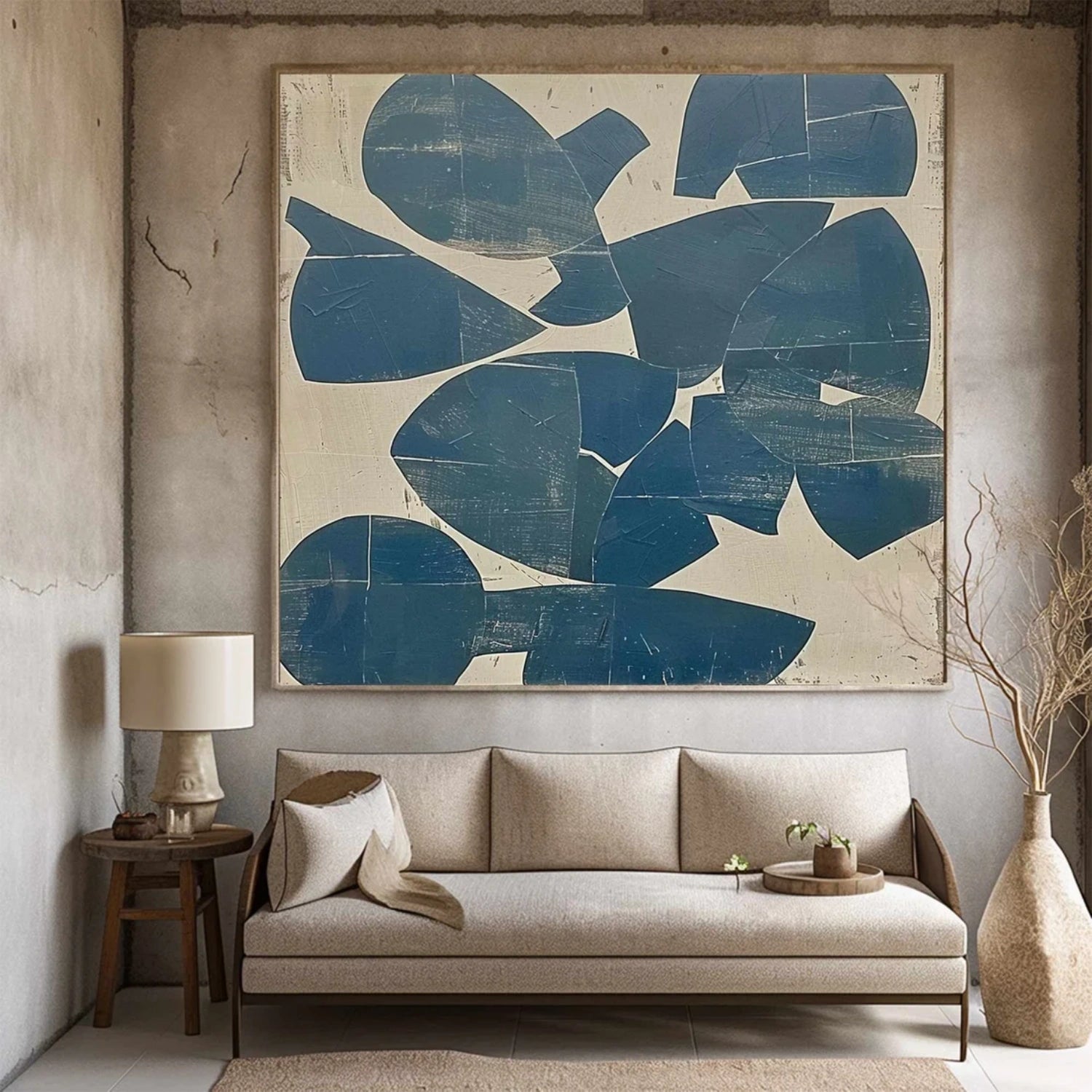
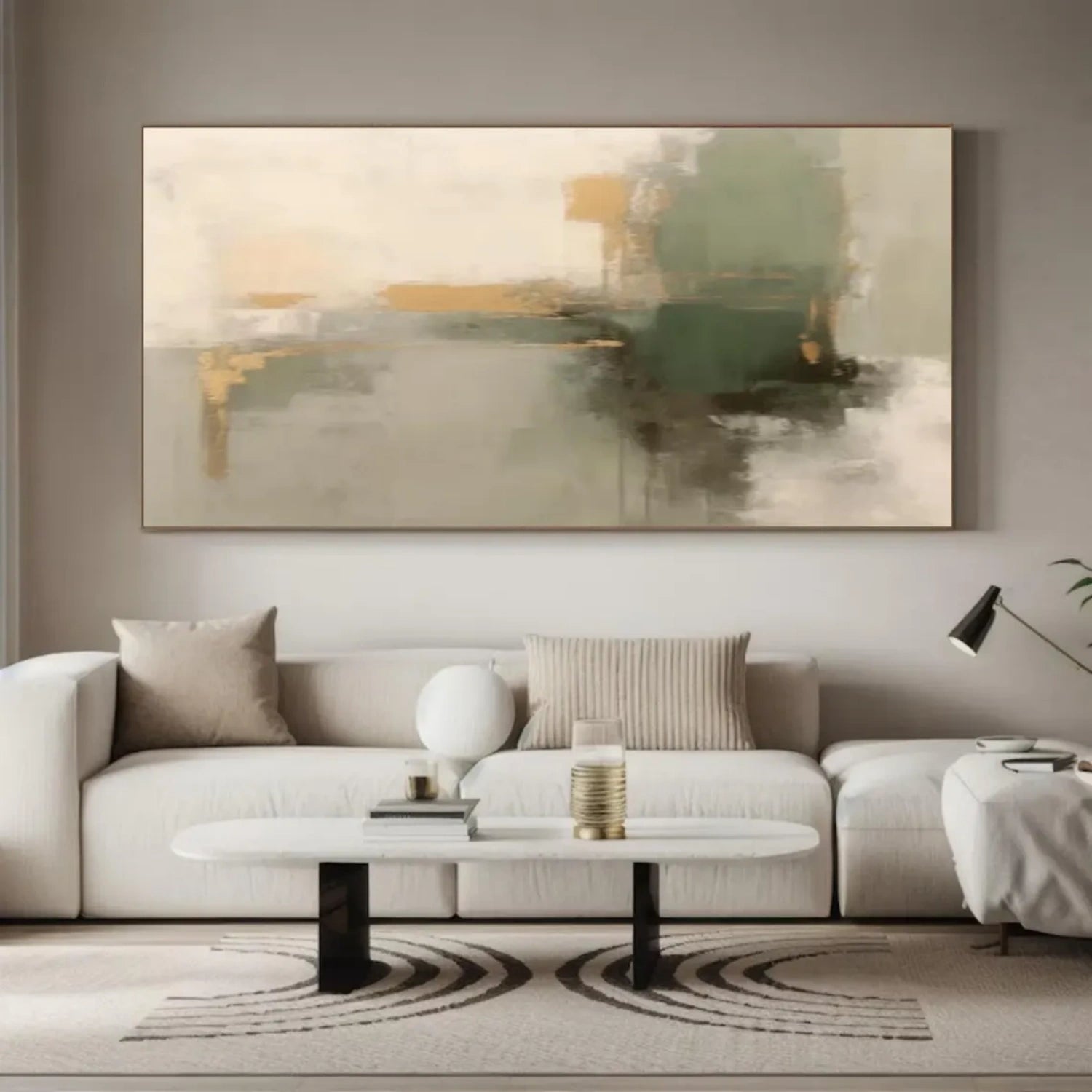
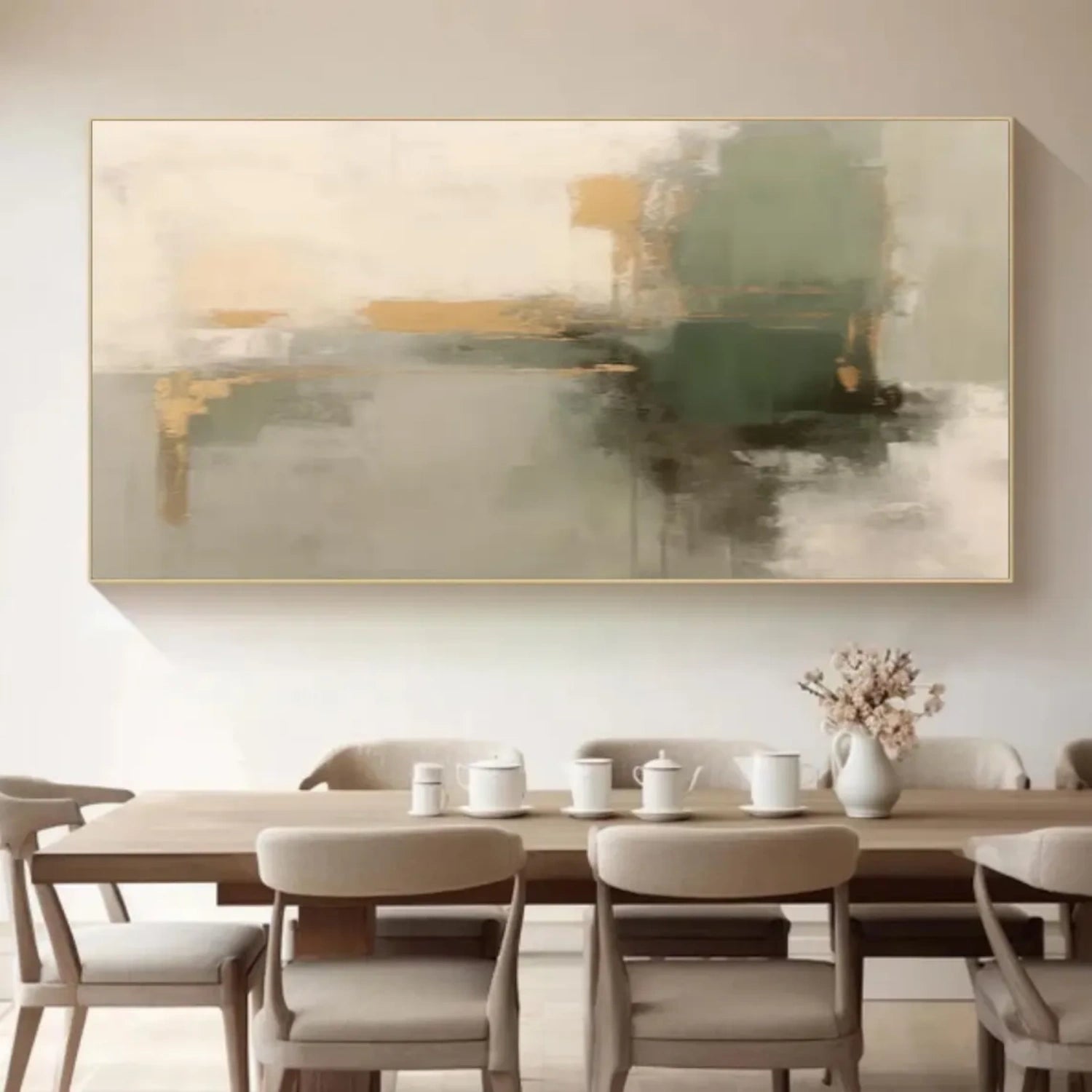
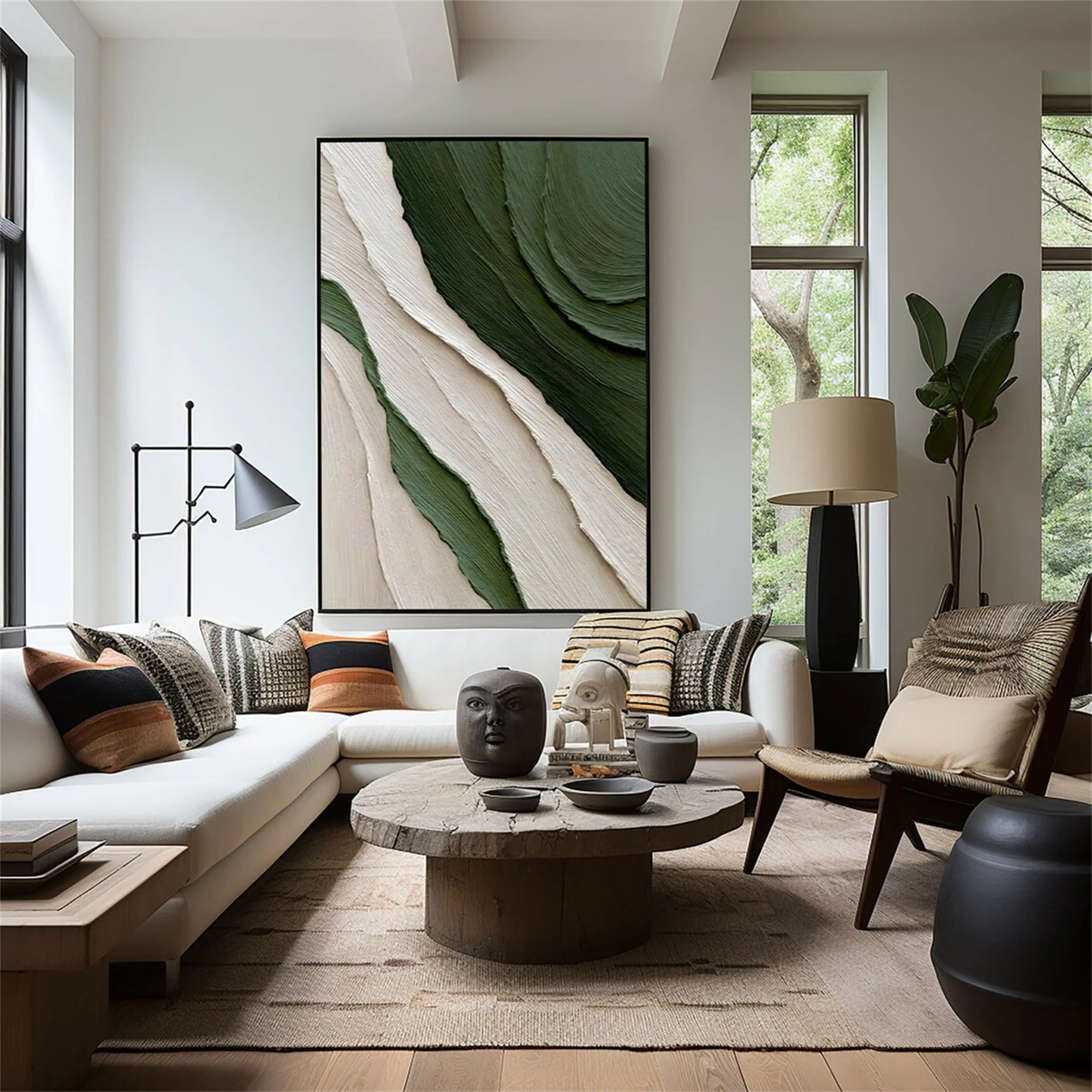
Wabi-sabi color palettes are rooted in earthy, subdued shades that reflect the natural aging process. Common colors include soft gray, ochre, clay, faded indigo, and misty green. These tones create a grounded, timeless feel that pairs seamlessly with organic materials such as stone, wood, and linen. These natural hues add a quiet rhythm to the composition, inviting contemplation.

How Can Collectors Choose Authentic Wabi-Sabi Art Prints?

To choose authentic wabi-sabi art, look for pieces that embrace handcrafted variation, such as inconsistencies in texture, visible brushstrokes, and rough edges. Authentic wabi-sabi prints emphasize emotional connection over visual perfection. At Vinchy Art, we ensure that every wabi-sabi-inspired piece reflects these core values, offering collectors a personal and enduring art experience.

Are Wabi-Sabi Art Prints Suitable for Contemporary Spaces?

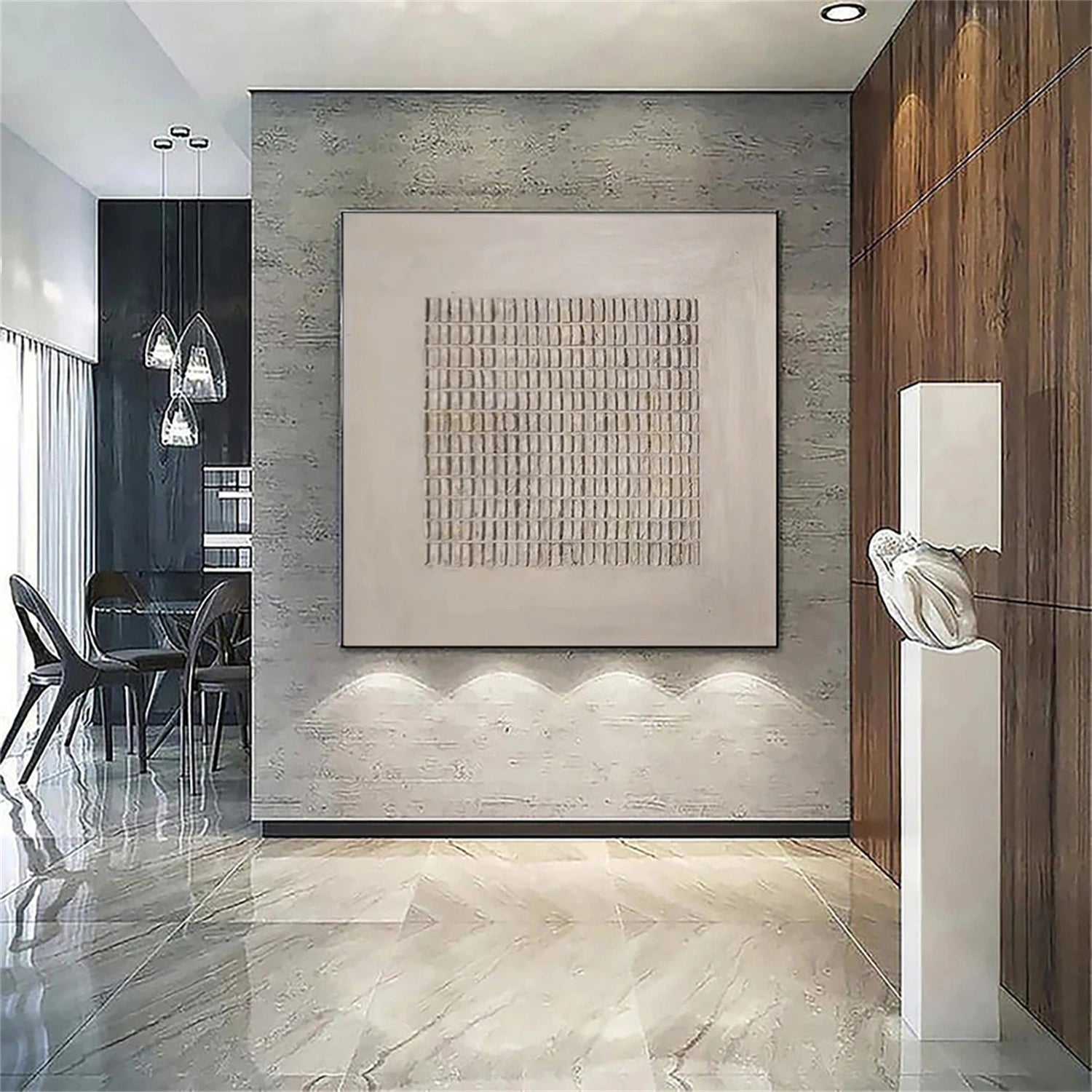
Wabi-sabi art fits seamlessly into contemporary spaces, balancing modern aesthetics with natural warmth. Whether in sleek urban apartments or minimalist offices, these prints soften the hard lines of architecture, adding a touch of organic beauty. At Vinchy Art, many of our contemporary clients incorporate wabi-sabi art prints as statement pieces that enrich their living or working environments with emotional depth.

Why Should You Invest in Wabi-Sabi Art Prints from Vinchy Art?

Investing in wabi-sabi art prints from Vinchy Art means bringing home more than just beautiful decor. Our pieces are designed to cultivate inner peace and timeless beauty, transforming your space into a sanctuary for the mind. With our global free shipping, satisfaction guarantee, and expert art advisory services, we offer a personalized journey to creating a mindful and harmonious living environment.

Conclusion

Wabi-sabi art prints are not mere decorations; they are meditative reflections on the impermanence of life, offering a sense of peace and grounding in a fast-paced world. With Vinchy Art’s expertly crafted pieces, you can bring authentic wabi-sabi serenity into your home or office, allowing beauty, imperfection, and mindfulness to coexist and transform your environment.

FAQs

1. What does wabi-sabi literally mean?
“Wabi” refers to simplicity and humility, while “sabi” represents the beauty that comes with age and impermanence.

2. Are wabi-sabi art prints minimalist?
While they share minimalism’s simplicity, wabi-sabi embraces natural imperfections and irregularities rather than precision.

3. Can wabi-sabi art fit colorful interiors?
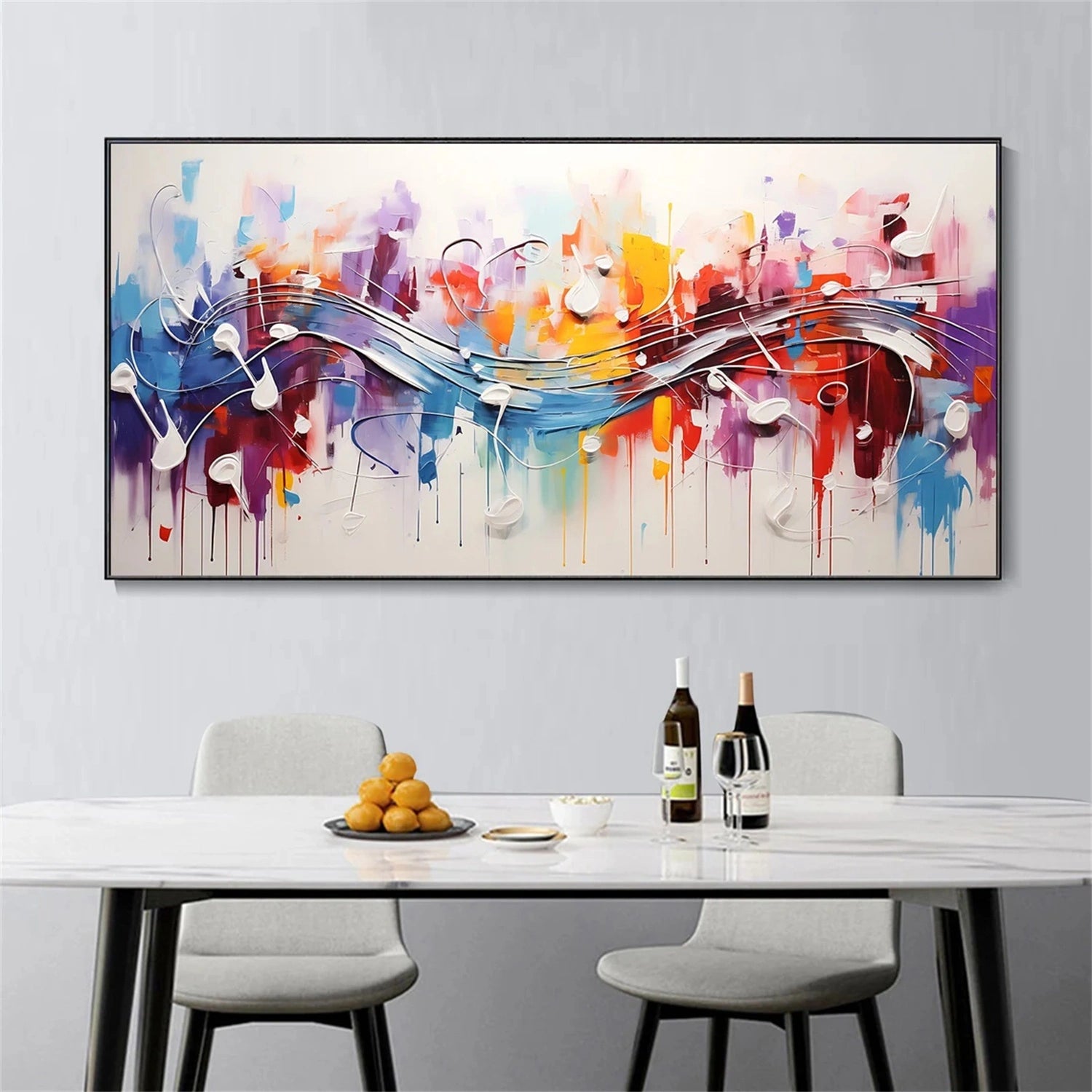
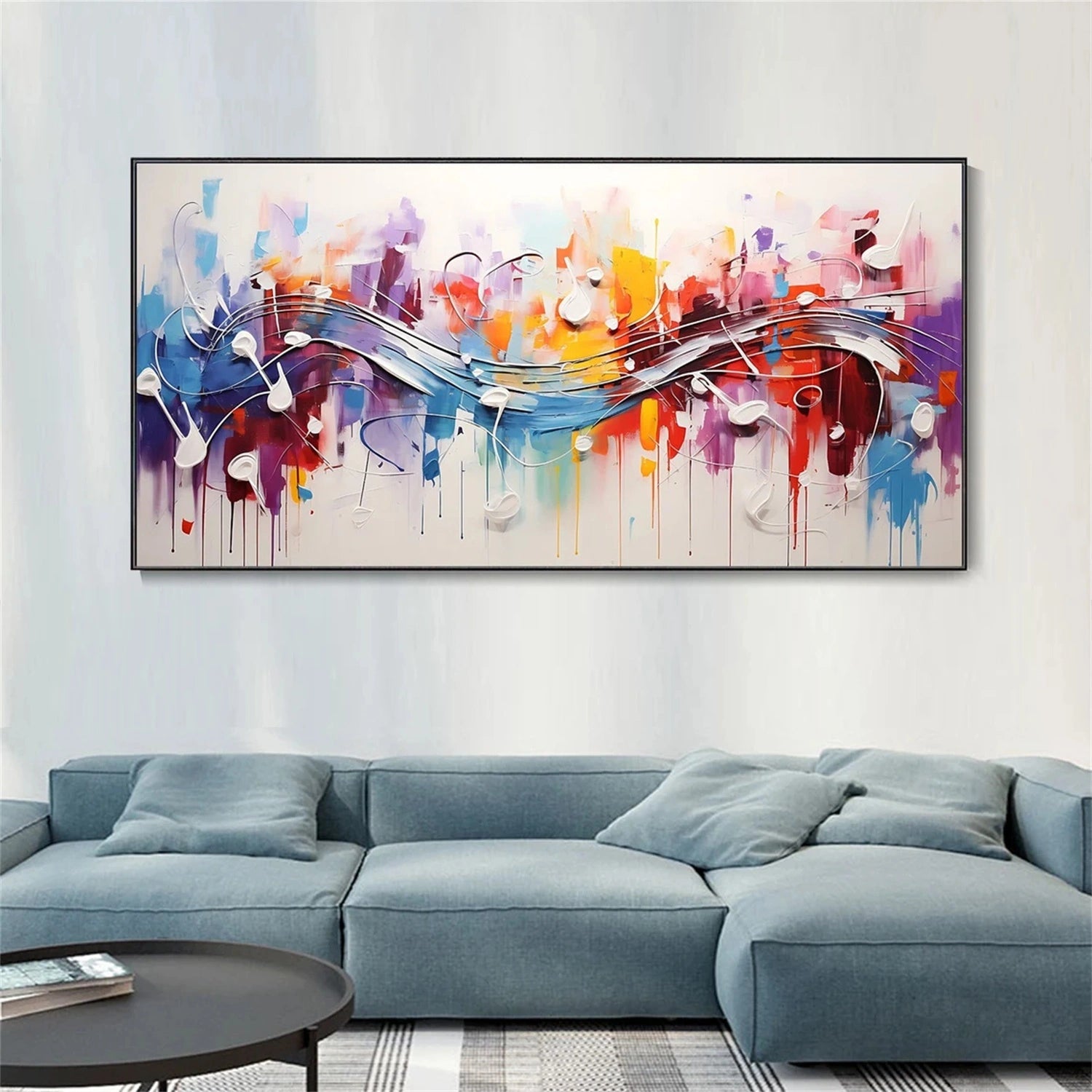
Yes, when used as balance pieces, wabi-sabi prints add grounding contrast to vivid and colorful interiors.

4. How do I care for a wabi-sabi oil painting?
Keep the painting out of direct sunlight and avoid excess moisture to preserve its textures and natural tones.

5. Who creates wabi-sabi-inspired works at Vinchy Art?
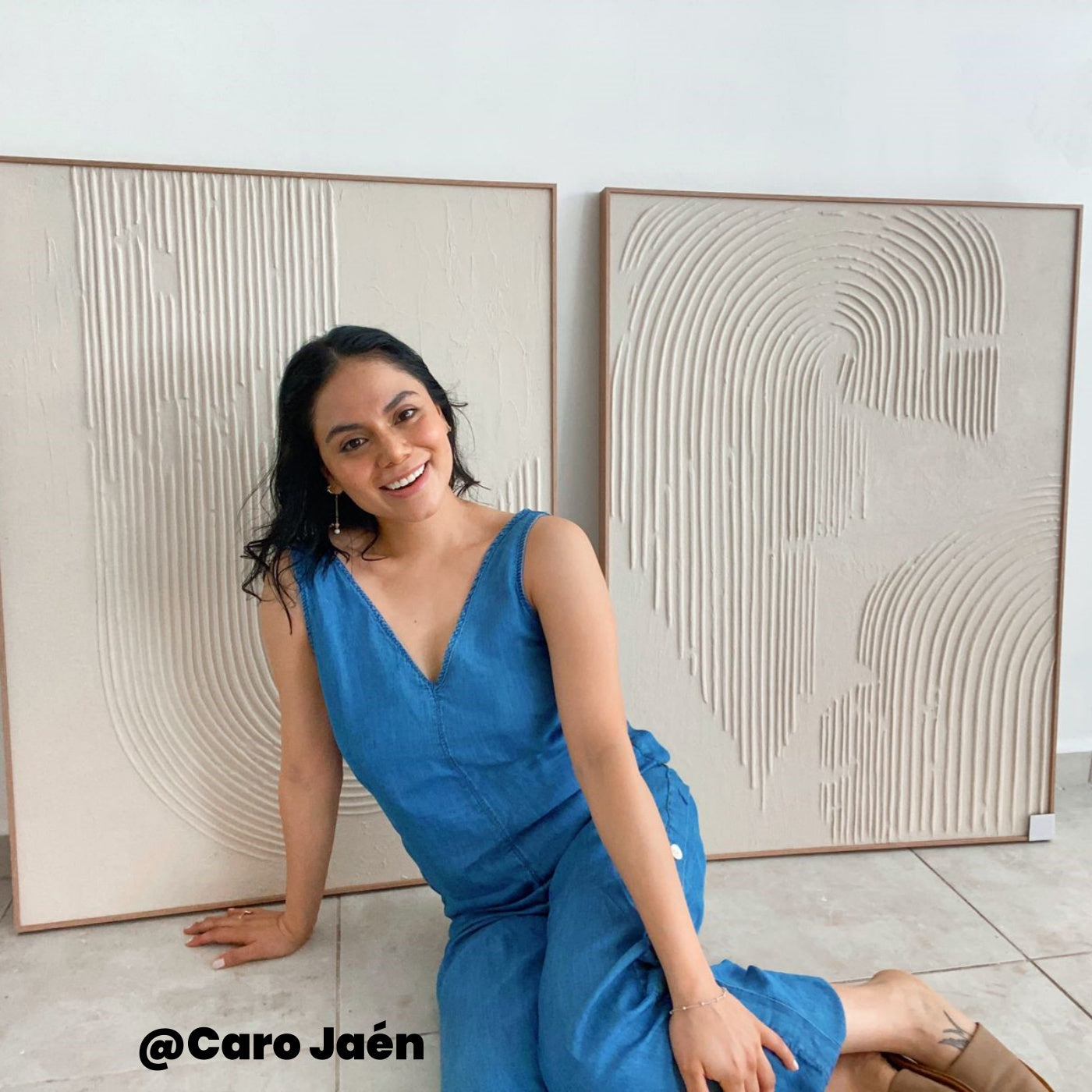
Vinchy Art’s collection features works by a team of artists dedicated to creating art that fosters emotional well-being and mindfulness.

Read more

What Makes Green Artwork So Captivating in Modern Spaces?

In today’s visually driven design world, green artwork has become synonymous with balance, vitality, and mental rejuvenation—transforming sterile interiors into sustainable sanctuaries of calm and ...

Read more

What Makes White Abstract Wall Art the Perfect Choice for Modern Interiors?

White abstract wall art creates a sense of calm and sophistication in any modern interior. It blends effortlessly with various design styles and fosters tranquility and creativity. Ideal for contem...

Read more
Free Shipping
30 Days Refund
100% Handmade
Eco Friendly